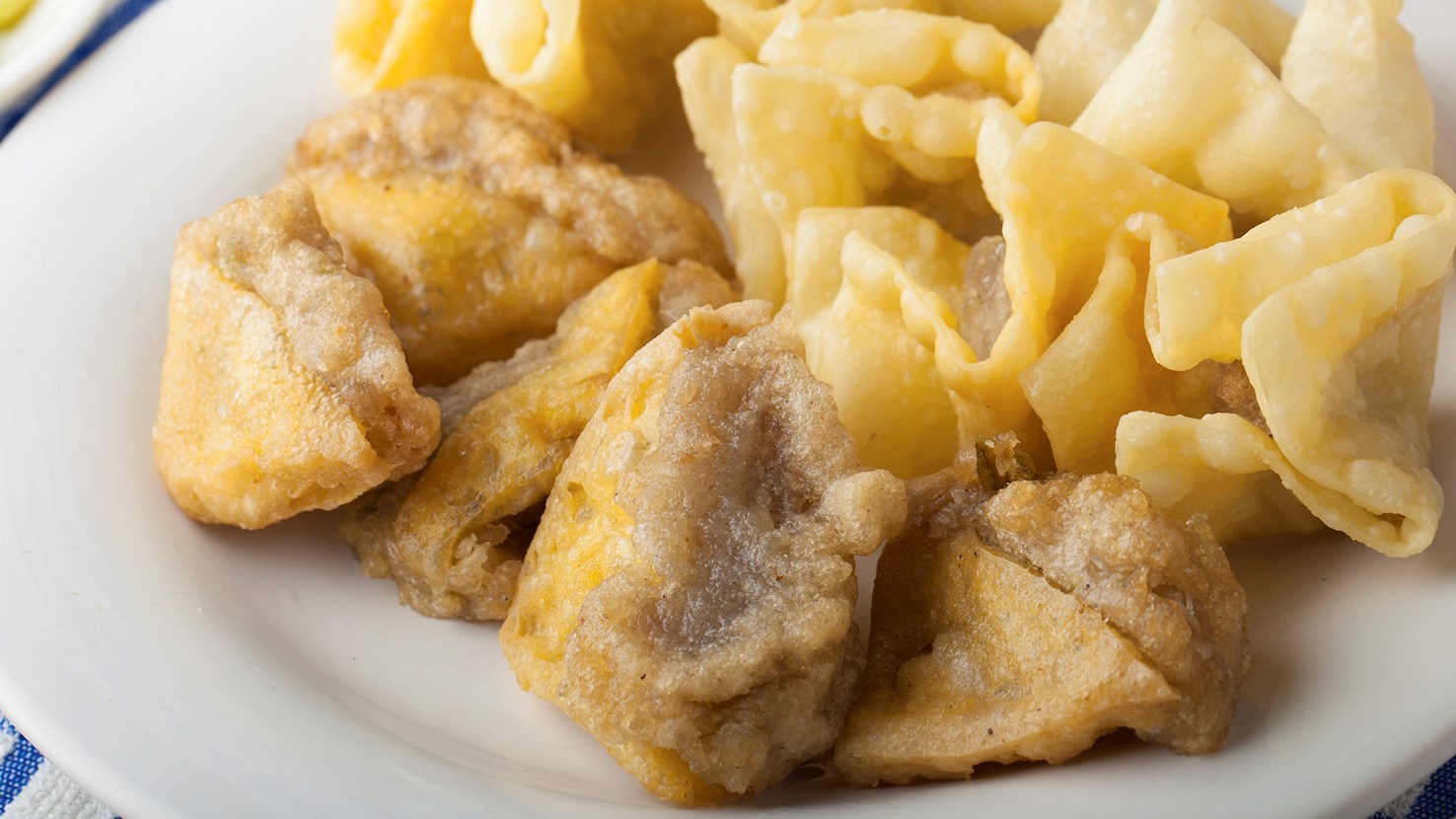
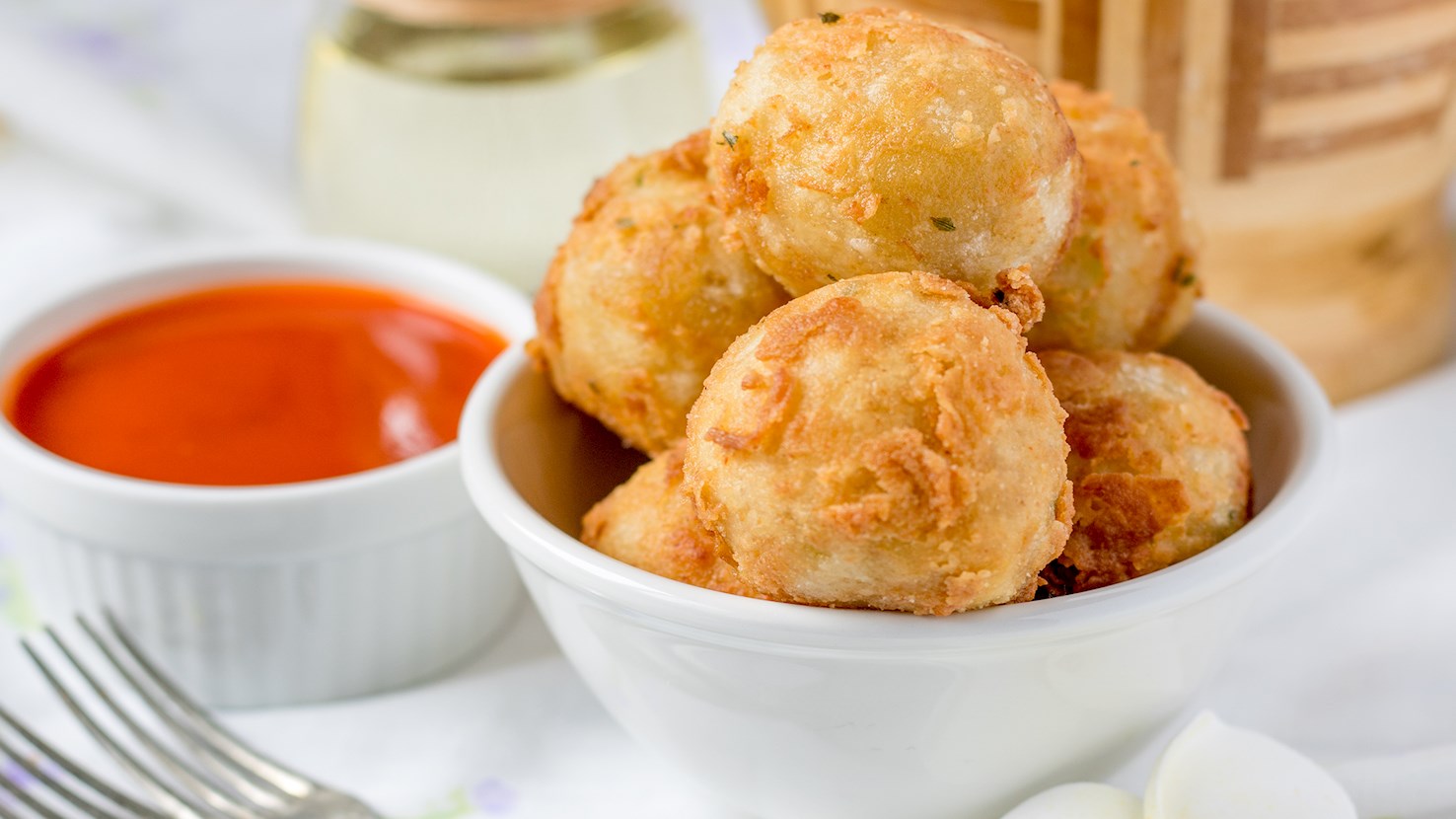
One of the most famous snacks in Indonesia is batagor, a fried fish dumpling served in a traditional spicy sauce. It has roots in the Chinese culinary tradition, which has left a trace on many Indonesian dishes. Although this famous snack is reminiscent of the more famous Chinese dumpling, its distinguishable characteristic is that it is fried, not steamed. The most common fish used to make the dish is wahoo, but tuna, mackerel, and even prawns can also be used. Potatoes, tofu, or cabbage are also occasionally added to the dish. Batagor is the perfect snack because of the way it is served. When fried, the dumplings are cut into small bite-sized pieces and covered in peanut, soy, and chili sauce with a splash of lime juice. It was invented in the 1980s in Bandung, but today it can be found throughout Indonesia. Since it is quickly prepared, it is commonly sold by street vendors, but it can also be found in many Indonesian restaurants.
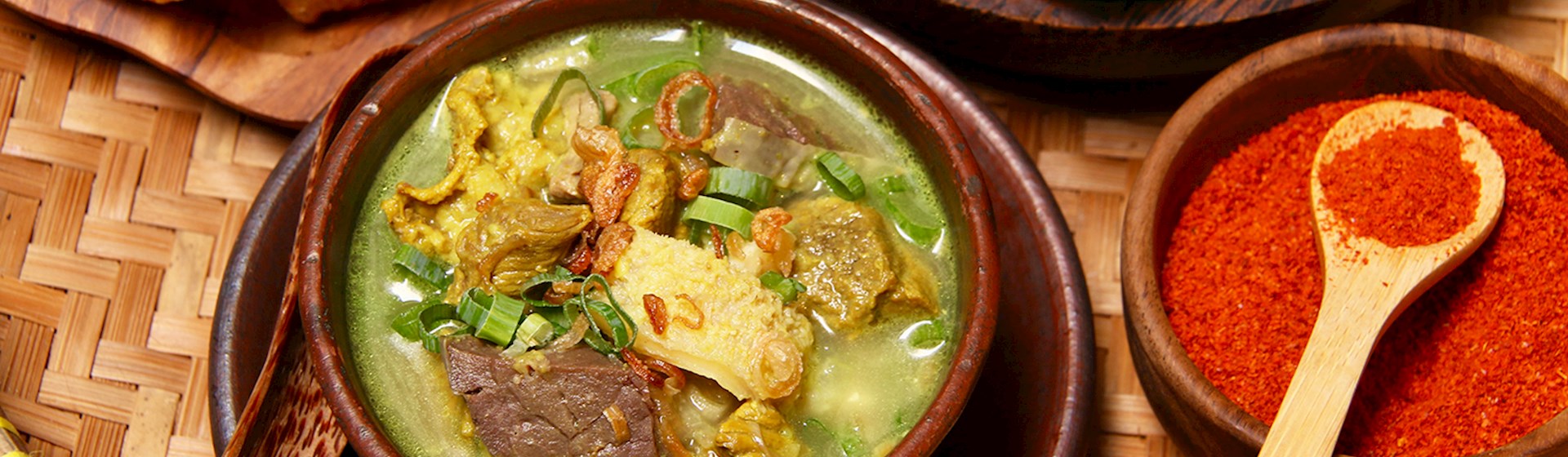
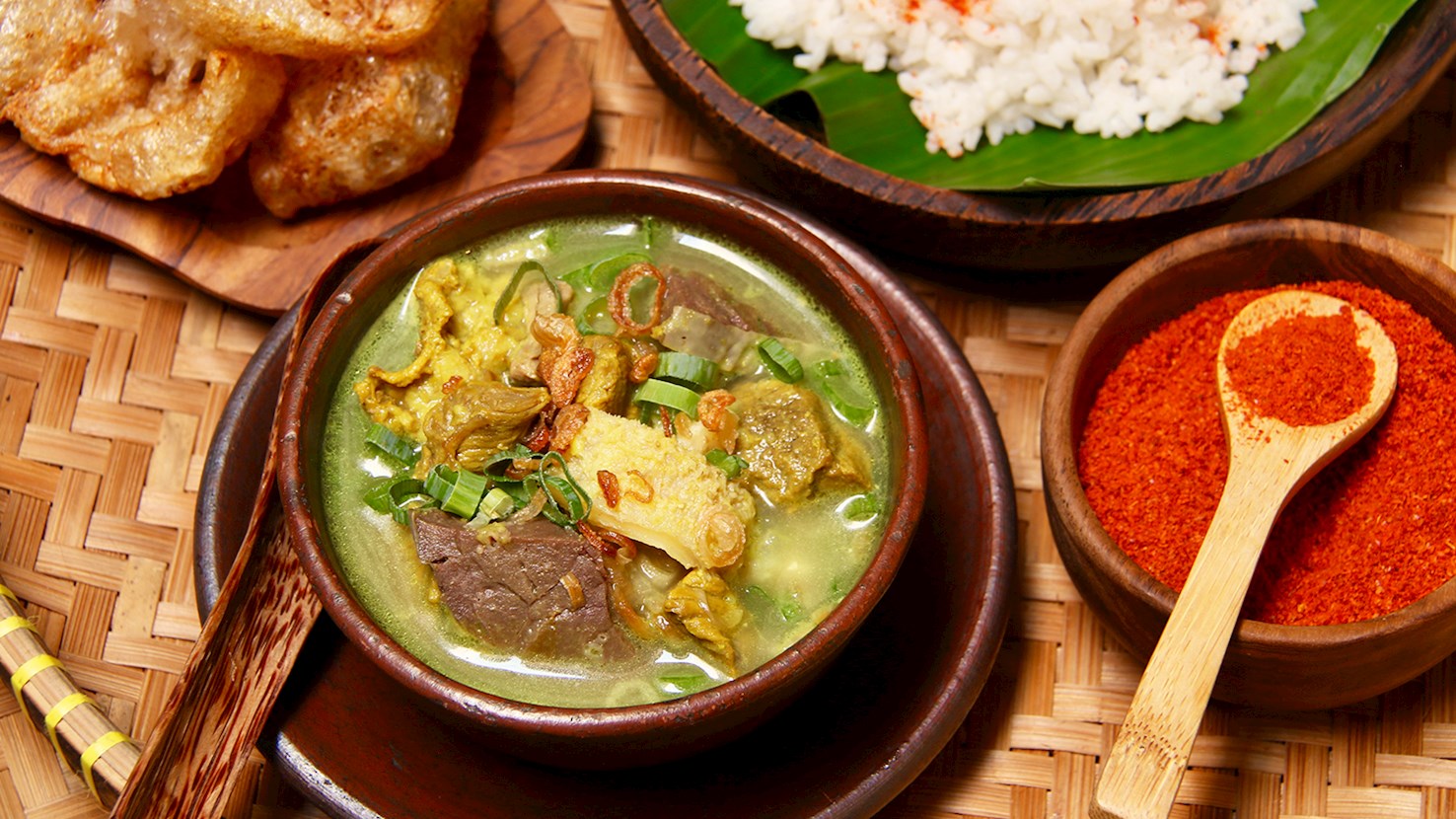
Empal gentong is a richly spiced beef soup hailing from the city of Cirebon in West Java, known for its deep, golden broth and ceremonial cooking method. At first glance, it may resemble other Indonesian meat soups such as soto or gulai, but empal gentong distinguishes itself through its use of offal, coconut milk, and a unique wood-fired clay pot that lends the stew its name. The word "gentong" refers to the large earthenware pot in which the dish is traditionally simmered over an open flame fueled by wood, usually teak or mango, which imparts a subtle smokiness to the broth. Inside this pot, chunks of beef and innards (typically tripe, intestine, or lung) are slow-cooked in a golden yellow broth infused with a spice paste made from garlic, shallots, turmeric, coriander, galangal, ginger, and candlenuts. The addition of coconut milk gives the soup its signature richness, while fried shallots and fresh chives sprinkled on top add brightness and contrast. Though traditionally served with steamed rice or lontong (compressed rice cakes), what truly defines the experience of eating empal gentong is the balance between earthy, creamy, and aromatic elements. Cirebon itself sits at a crossroads of Javanese and Sundanese culinary influences, and empal gentong embodies this intersection: complex like many Central Javanese dishes but with the spiced assertiveness and rustic charm of Sundanese foodways. Historically, empal gentong was a celebratory dish, served at gatherings, communal prayers, and significant events, where cooking over fire in a clay pot wasn’t just about taste but about togetherness and continuity. Today, it is a street food icon as well as a sit-down specialty, served from roadside stalls where the sight of bubbling gentong pots remains a familiar and comforting image. While modern vendors may replace the clay pots with metal pans and gas stoves, purists argue that the soul of the dish resides in its traditional form: smoke, clay, and time.
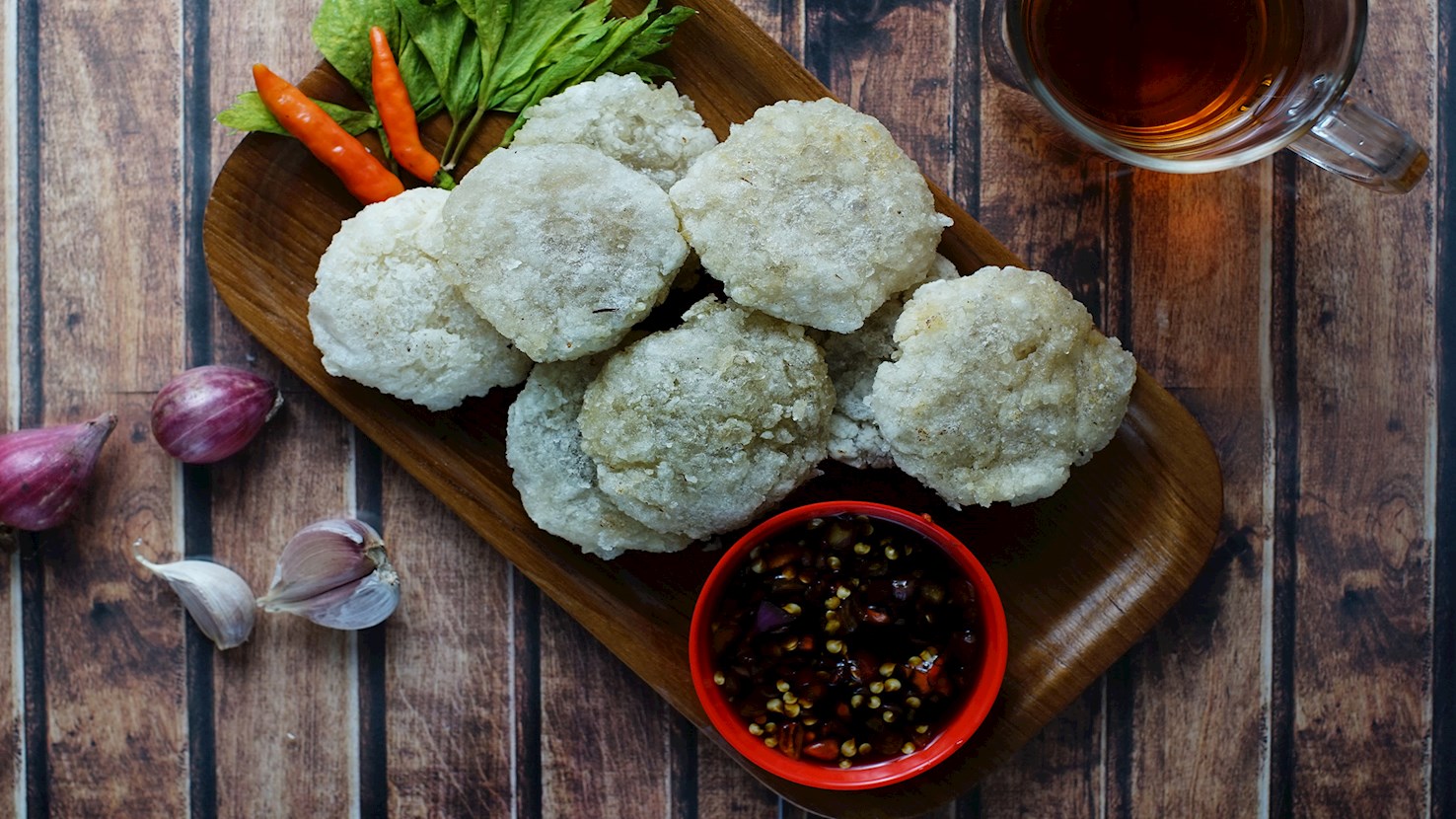
Cireng is a popular Indonesian street food snack made from fried tapioca flour dough, known for its crispy exterior and chewy, elastic interior. The name cireng is a shortened form of aci digoreng in Sundanese, which literally means “fried tapioca starch.” Originating from West Java, especially among Sundanese communities, cireng has become widely loved across Indonesia for its addictive texture and versatility. The dough is typically made from tapioca flour mixed with water, garlic, scallions, salt, and sometimes ground coriander or chicken stock powder, then shaped into small discs or irregular chunks before being deep-fried until golden. While the outside turns crispy, the inside remains springy and chewy, a texture that Indonesians refer to as kenyal. Cireng is often served with a variety of dipping sauces, the most common being a spicy sweet soy sauce (cabe rawit + kecap manis) or rujak sauce made from palm sugar, tamarind, and chili. There are also modern variations filled with cheese, chicken, or spicy beef, making cireng a snack that blends traditional flavor with playful innovation. Loved for its simplicity, affordability, and satisfying chew, cireng is a quintessential Indonesian street snack, often sold by roadside vendors, at school canteens, or in traditional markets, enjoyed by people of all ages as a crunchy and comforting treat.
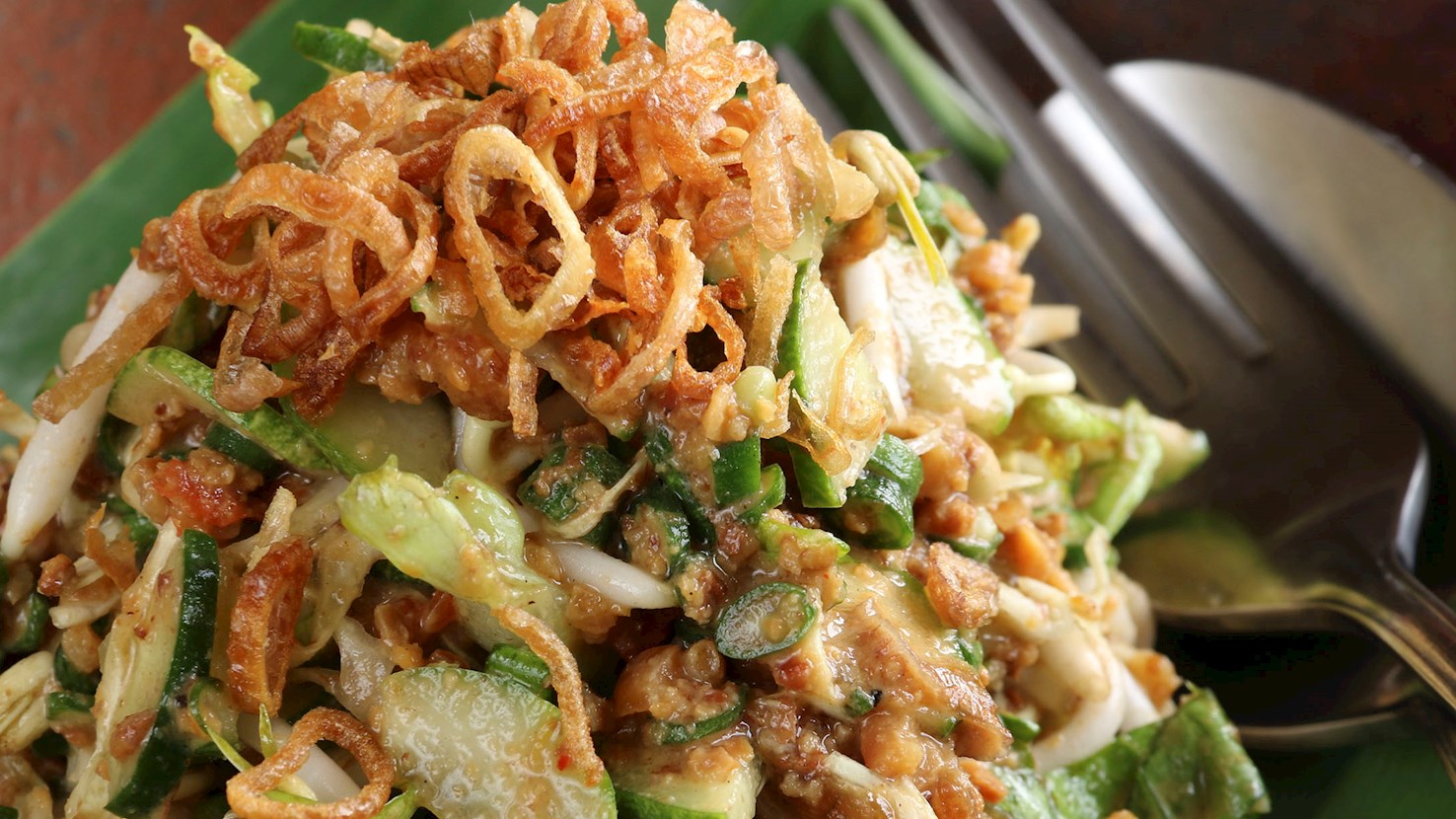
Karedok is the traditional Indonesian version of a vegetable salad. This simple and healthy dish calls for fresh and raw ingredients which are sliced and served with a traditional peanut sauce. The most common vegetables in karedok include cucumbers, cabbage, long beans, Thai basil, bean sprouts, and eggplant, however, other vegetables can be used as well. The sauce is made by grinding fried peanuts together with salt, palm sugar, and chili. The flavor of the sauce can be adjusted with other ingredients such as shrimp paste or garlic. Due to the usage of peanut sauce, karedok is often compared with another Indonesian specialty, gado-gado, but it is still distinguished by the usage of only raw ingredients. Karedok originated in West Java and is traditionally associated with the Sundanese ethnic group. In Indonesia, karedok can be found at food stalls, traditional hawker-style food courts, and restaurants. However, for the Sundanese community, it represents a daily dish, eaten at any time of the day, and it is usually served together with rice, tofu, tempeh and krupuk - traditional Asian prawn crackers.
Cilok is a quintessential Indonesian street food snack that hails from West Java. Its name is derived from the Sundanese phrase aci dicolok, which translates to "poked tapioca," referring to the chewy texture of the tapioca-based dough and the traditional way it is served: skewered on bamboo sticks. Widely beloved across Java and beyond, cilok is the kind of humble yet addictive snack that blends texture, flavor, and local charm in a single bite-sized morsel. The base is made from tapioca flour, known locally as aci, which gives the dumplings their signature chewy consistency, similar to mochi or gnocchi. The dough is typically enhanced with garlic, salt, pepper, and sometimes a touch of all-purpose flour to provide more structure. Once shaped into small balls, the cilok is boiled until it rises to the surface, signaling that it’s fully cooked and ready for serving. What elevates cilok from simple starch to savory street food staple is its accompaniment, usually a thick, slightly sweet, and spicy peanut sauce, often drizzled with sweet soy sauce (kecap manis) or fiery sambal for an added kick. In the bustling alleys and roadside stalls of Bandung, cilok is often sold by itinerant vendors who announce their arrival with the clang of metal bowls or the rhythmic call of “cilok, cilok!” Children and adults alike flock to them, eager for this affordable and comforting snack that costs just a few thousand rupiah. While the traditional cilok is plain and unfilled, modern variations have emerged to suit evolving tastes: some are stuffed with minced chicken or beef, others are served in a rich broth, or even battered in egg and deep-fried in a dish known as cilor.
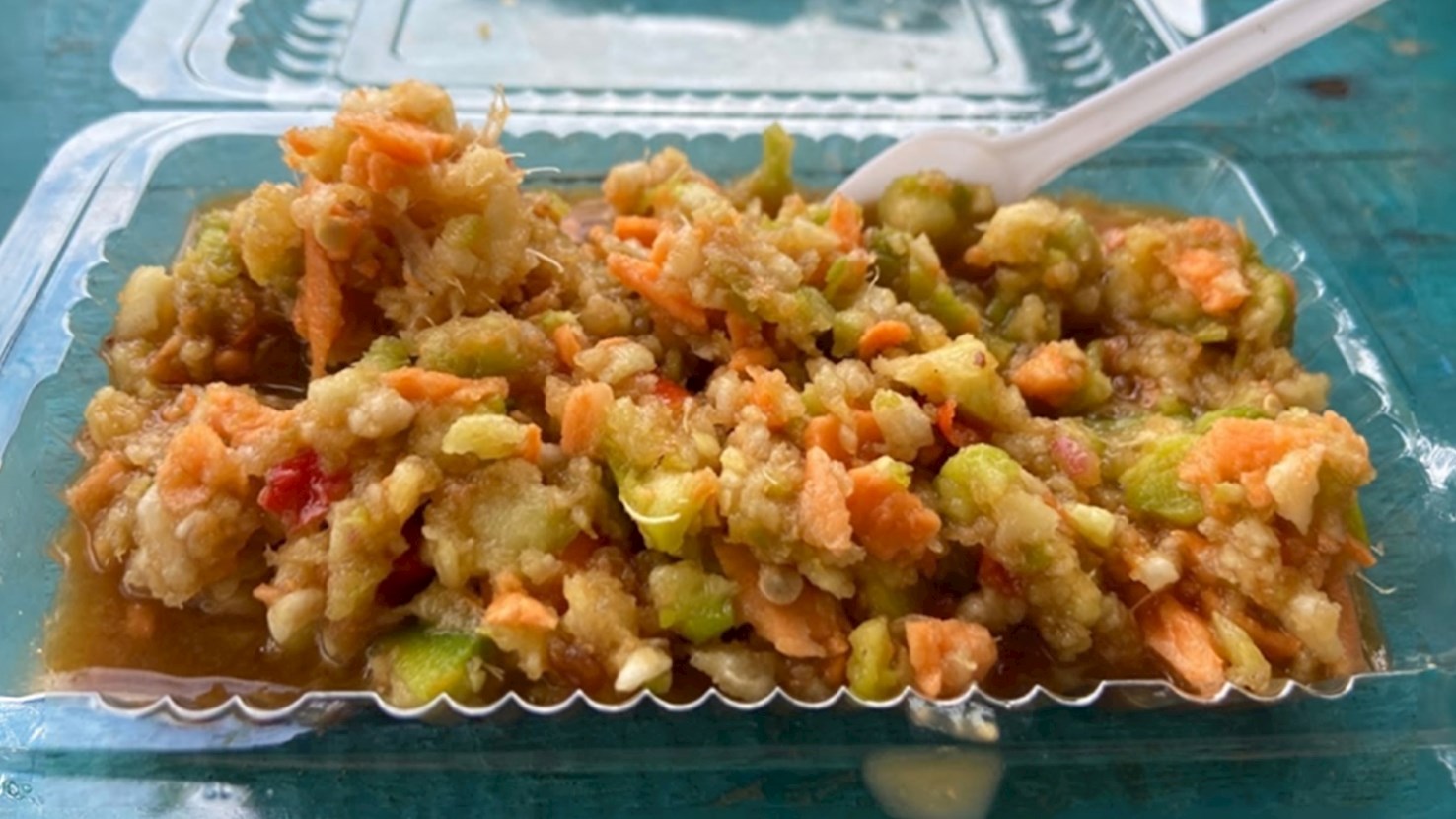
Rujak tumbuk is a fruit-based salad originating from West Java, where it is particularly associated with Sundanese cuisine. The name refers to the method of preparation, with "rujak" meaning fruit salad and "tumbuk" meaning to pound or mash. Unlike other regional fruit salads where sliced ingredients are simply mixed with sauce, rujak tumbuk involves manually pounding the fruit and sauce together in a mortar, typically made of stone or clay. This technique results in a semi-crushed texture and a more deeply integrated blend of sweet, spicy, and sour flavors. The dish typically uses a mix of unripe or slightly ripe tropical fruits such as young mango, jicama, pineapple, starfruit, kedondong, and cucumber. These are selected for their firm texture and tart flavor, which complement the intense seasoning. The sauce is made from palm sugar, fresh bird’s eye chilies, tamarind paste, a pinch of salt, and sometimes roasted peanuts or shrimp paste, depending on local preference. All ingredients are pounded together until the fruits soften slightly and the sauce thickens and coats them evenly. Rujak tumbuk is prepared to order by street vendors or at home and is commonly served in banana leaves or plastic containers, often with a small bamboo spoon or by hand. This dish is particularly popular among school children, market-goers, and in neighborhood settings where informal, hand-prepared snacks are common.
TasteAtlas food rankings are based on the ratings of the TasteAtlas audience, with a series of mechanisms that recognize real users and that ignore bot,
nationalist or local patriotic ratings, and give additional value to the ratings of users that the system recognizes as knowledgeable.
TasteAtlas Rankings should not be seen as the final global conclusion about food. Their purpose is to promote excellent local foods,
instill pride in traditional dishes, and arouse curiosity about dishes you haven’t tried.



What People Say