


shutterstock

Top 6 Chinese Street Food Sweets

Last updated on July 15, 2026
01

Egg waffle

4.2 ·

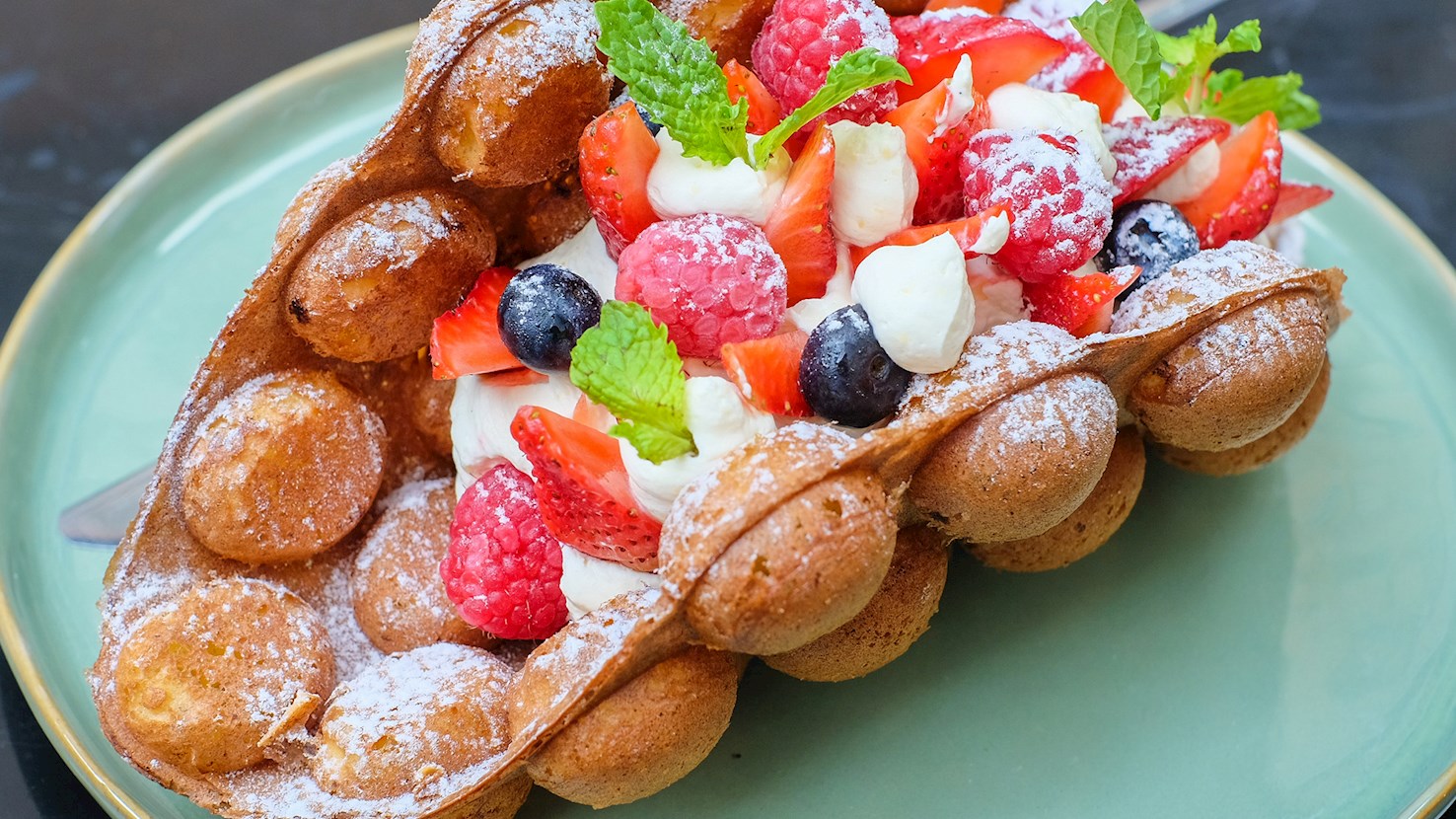
Egg waffle is a popular Hong Kong delicacy consisting of egg whites and yolks, milk, butter, sugar, flour, and salt. It is characterized by its puffy visual appearance and a pull-apart texture. These tiny treats are traditionally sold throughout Hong Kong by street vendors who prepare them in special pans with small, round cells. Egg waffles can be consumed plain or paired with fruit and different spreads.

02

Douhua (Tofu pudding)

3.8 ·

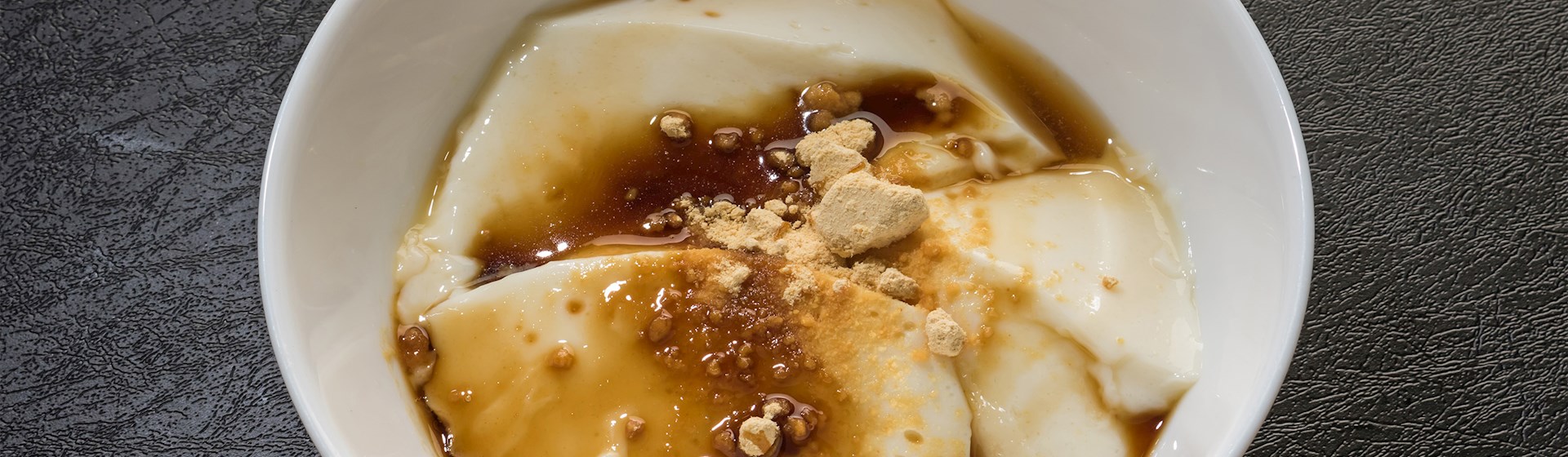
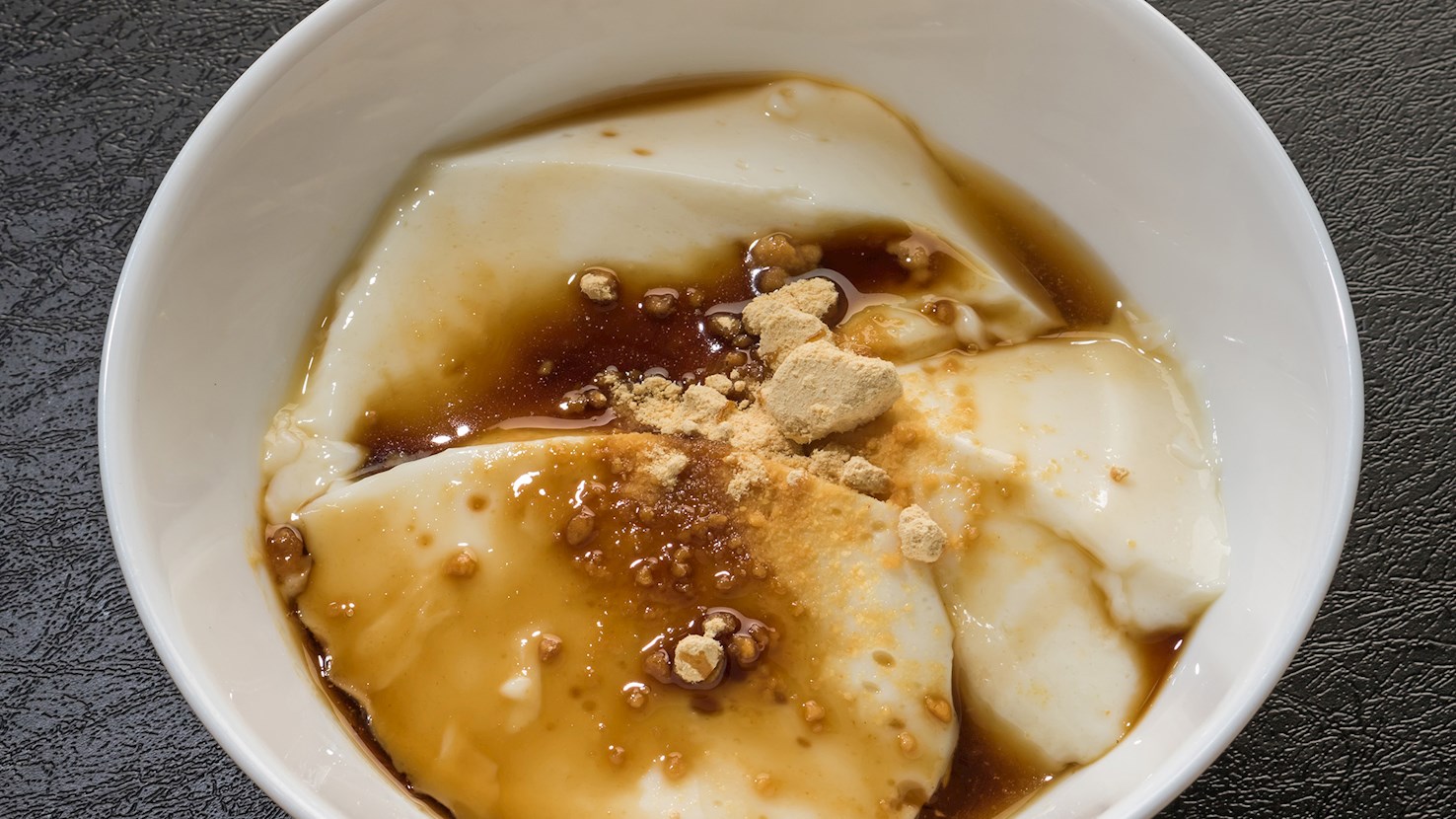
Dou fu fa is a popular Asian dessert consisting of creamy tofu topped with various savory or sweet garnishes. It is made with coagulated soy milk to create a tofu product with a mild taste and an incredibly soft consistency. Like other varieties, soft tofu probably originated in China, but it has soon spread out to other Asian countries where it still represents one of the most versatile sweet treats. Even though it is mainly enjoyed as a dessert, usually topped with sugary or ginger infused syrups, in some regions, especially in northern China, it is topped with savory complements and enjoyed as a creamy snack. Dou fu fa, with its numerous versions and local names, is mainly sold by street hawkers or served as a part of traditional dim sum meals.

03

Sachima

3.5 ·

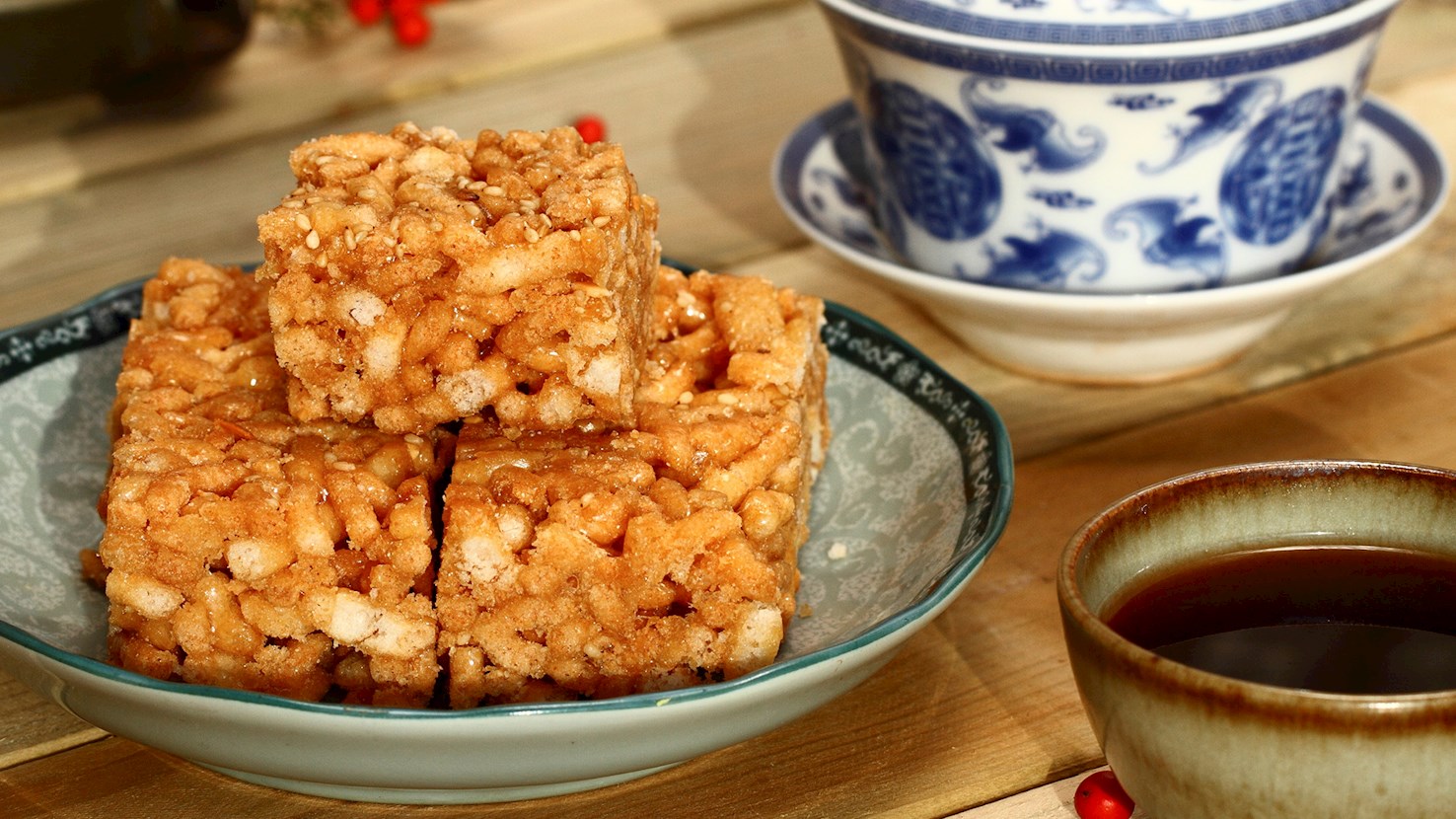
Sachima is a sweet Chinese pastry that is consumed as a snack, consisting of a deep-fried combination of batter and sugar syrup. There are numerous regional varieties of this popular treat, but sachima is most often sprinkled with sesame seeds, desiccated coconut, watermelon seeds, or dried fruits such as raisins. This sweet treat is at its peak during the festive period of Chinese New Year, when it can be found at most Chinese street stalls and convenience stores. It is believed that sachima was a common snack during the 1960s and the 1970s, especially at the racetracks, where people would place bets on horses while consuming it. With its sweet aroma and chewy texture, sachima is a delight for children and seniors alike.

04

Put chai ko (Red bean steamed rice cake)

3.2 ·

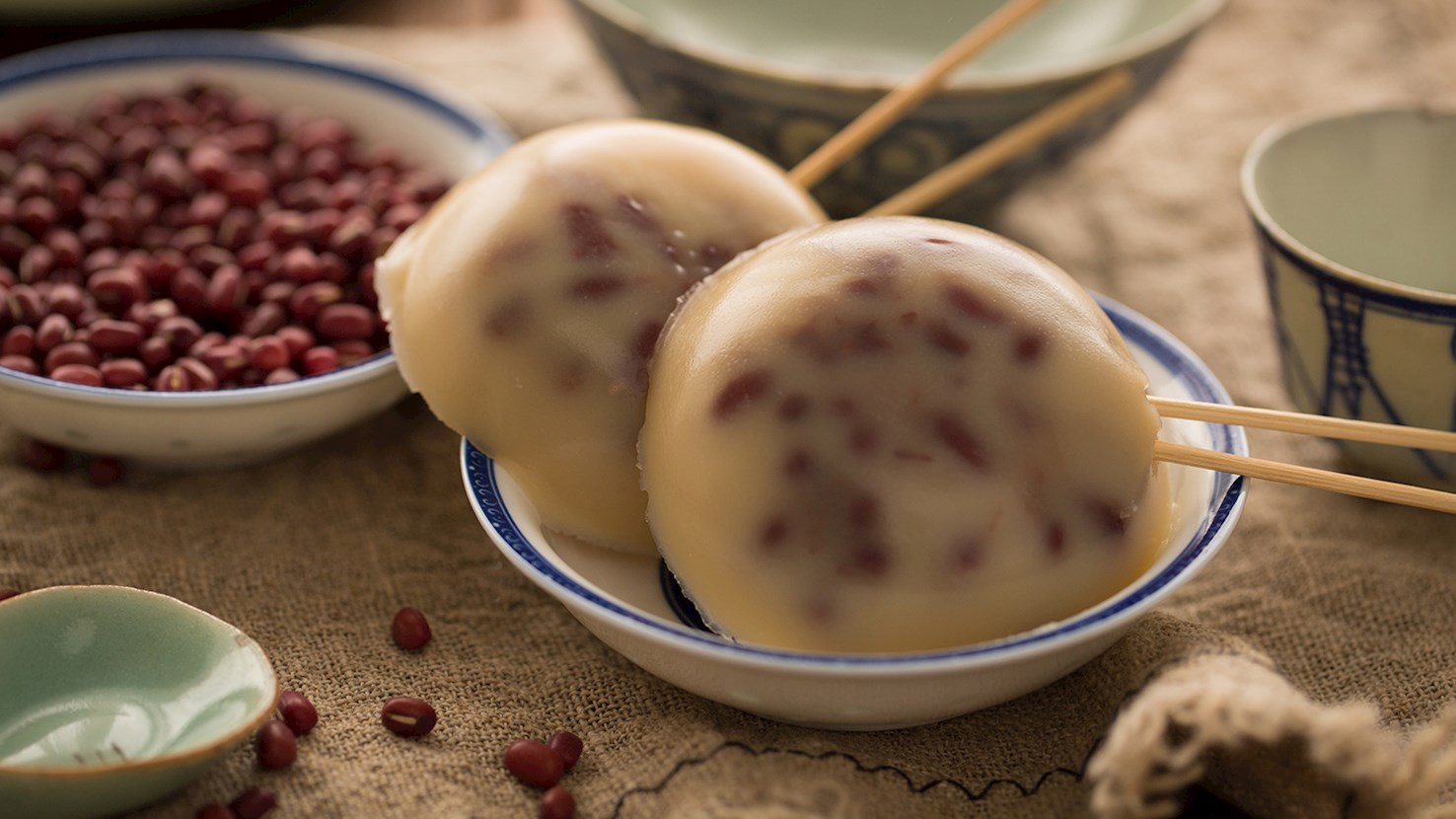
Put chai ko is a traditional snack originating from Hong Kong. It consists of brown sugar, red beans, rice flour, and wheat starch or cornstarch. The red beans are cooked and mixed with flour, sugar, and water in a pan. The thick batter is then placed into a greased tin mold and steamed until done. The snack is left to cool down and it's then taken out of the mold and served. This snack can be bought from street vendors, and in the past they would traditionally steam it in earthenware bowls, but nowadays it's mostly sold in plastic bags or aluminum cups. Put chai ko is sometimes also served on two bamboo sticks, just like an ice pop.

05

Maiya tang jia bing (Maltose crackers)

2.7 ·

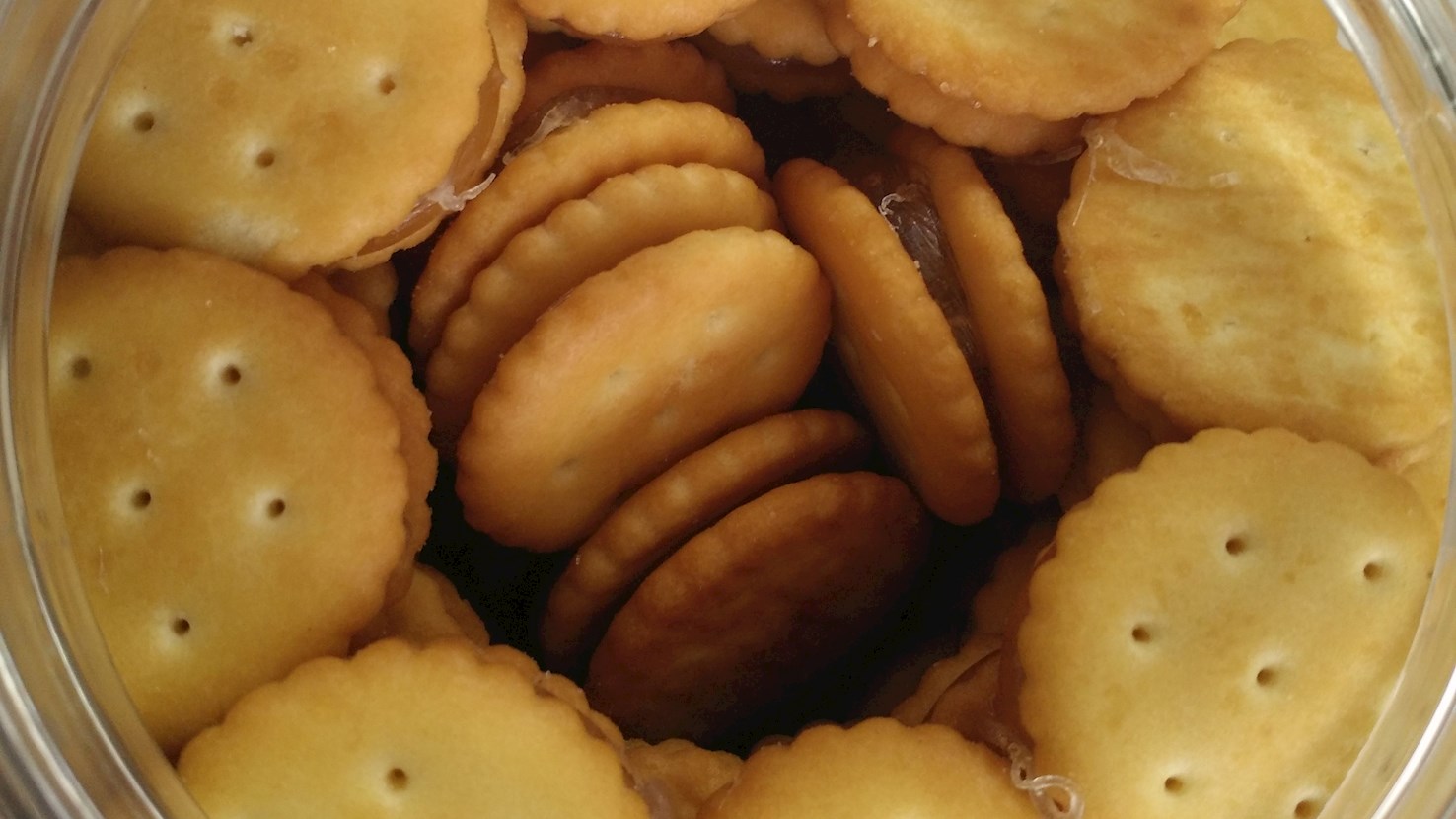
Maltose crackers are traditional snacks originating from Hong Kong. They were at the peak of popularity in the 1950s and 1960s, when maltose crackers were sold from street vendors. These snacks consist of only two ingredients – maltose syrup and saltine crackers. In order to prepare maltose crackers, maltose syrup is sandwiched between two saltine crackers. Bamboo sticks are often pressed into the maltose so that the snack looks like a cracker lollipop. These inexpensive snacks are especially popular among children.

06

Gan cao lan (Airplane olives)

n/a ·

Airplane olive is a traditional snack originating from Hong Kong. Also known as licorice olive, the snack is made from olives coated with licorice and various herbs that have been marinated in salt. The name refers to the fact that street vendors used to throw them to people on their balconies, who would in return throw their money down to the vendors. The snack was created by a man called Uncle Kei, who was affectionately named Mr Airplane Olive.

Read more
View all
View map
About this ranking

TasteAtlas food rankings are based on the ratings of the TasteAtlas audience, with a series of mechanisms that recognize real users and that ignore bot, nationalist or local patriotic ratings, and give additional value to the ratings of users that the system recognizes as knowledgeable. For the “Top 6 Chinese Street Food Sweets” list until July 15, 2026, 260 ratings were recorded, of which 219 were recognized by the system as legitimate. TasteAtlas Rankings should not be seen as the final global conclusion about food. Their purpose is to promote excellent local foods, instill pride in traditional dishes, and arouse curiosity about dishes you haven’t tried.

Similar lists