

shutterstock

Top 34 Southeast Asian Street Food Sweets

Last updated on May 16, 2026
01

Pisang goreng

4.4 ·

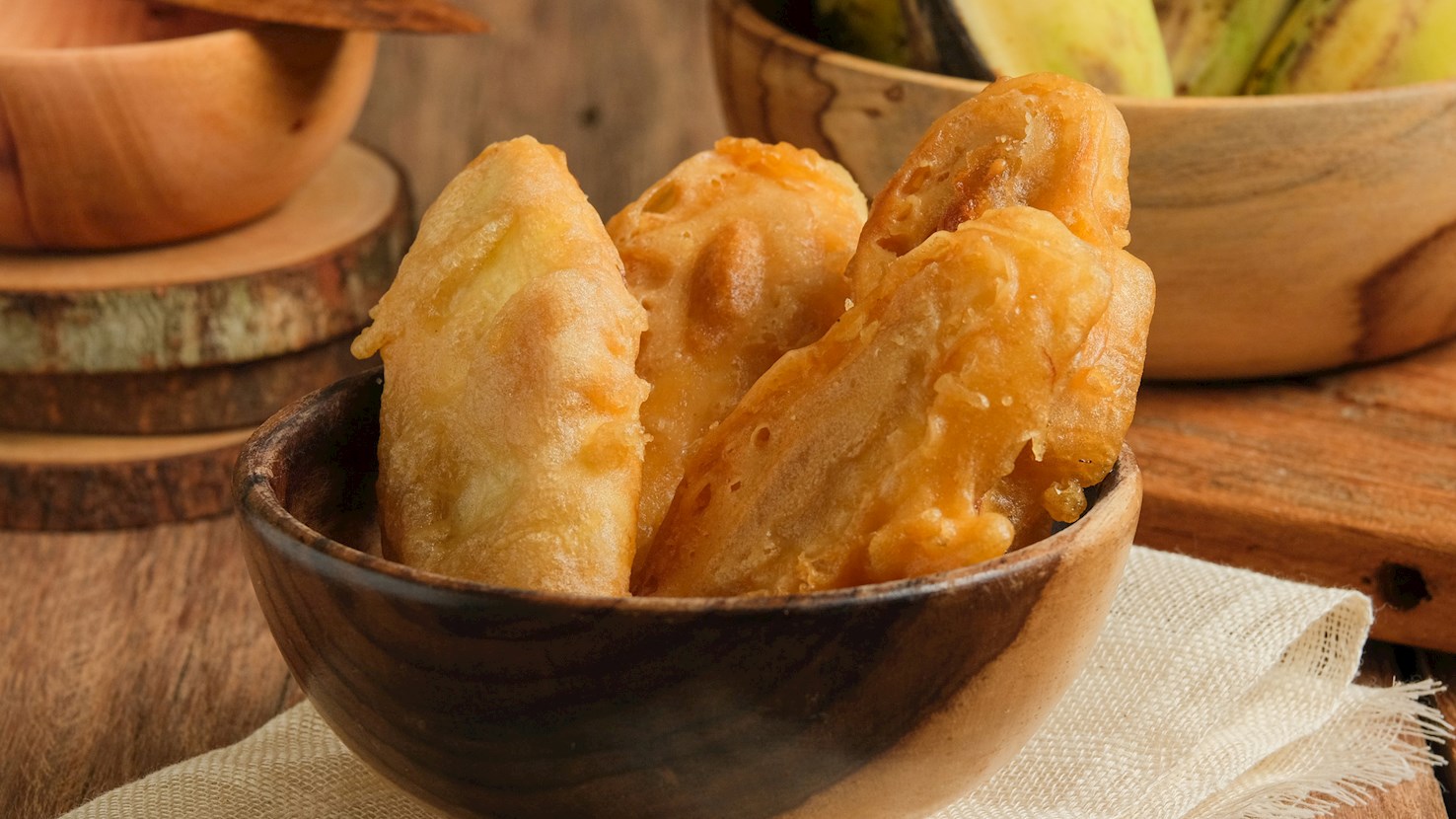
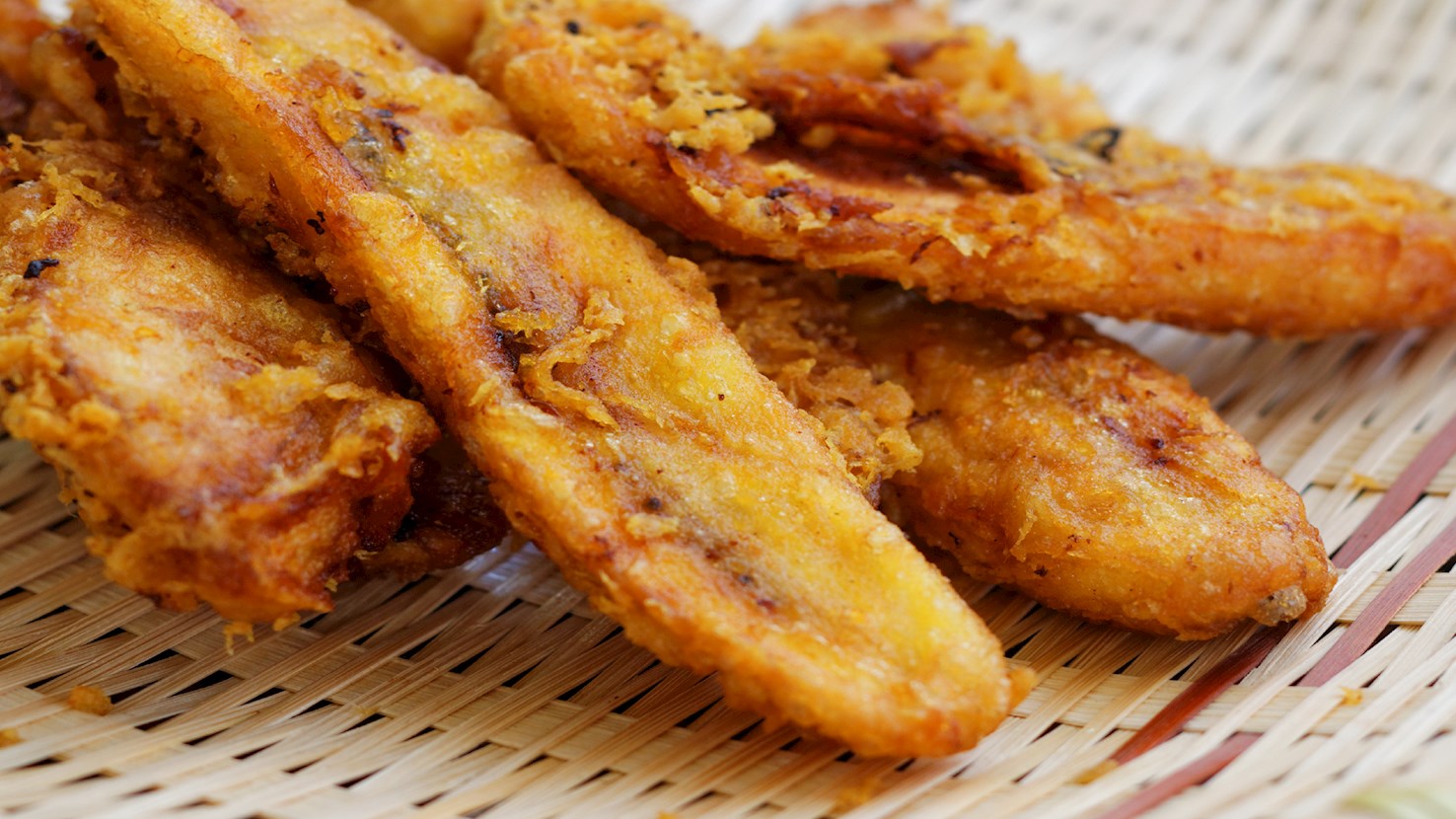
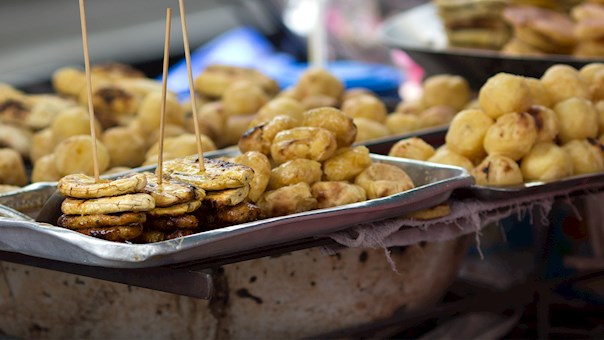
Fried bananas or plantains are a common everyday snack eaten throughout Indonesia. They come in numerous versions in which the fruit is simply fried in shallow oil, but more often sliced banana pieces are coated in batter before they are fried until golden. Besides numerous other varieties, fried bananas also appear under different names such as godoh biu on Bali or gedhang gorèng on Java. They are traditionally sold at street stalls and carts and belong to a group of gorengan dishes—Indonesian deep-fried snacks. The more elaborate version of pisang goreng are served dusted with powdered sugar and cinnamon, drizzled with chocolate, or accompanied by jams or ice cream. Similar banana-based dishes are found in other Southeast Asian regions and countries such as Singapore, the Philippines (maruya) and Malaysia (kuih kodok).

02

Khao niao mamuang

4.2 ·

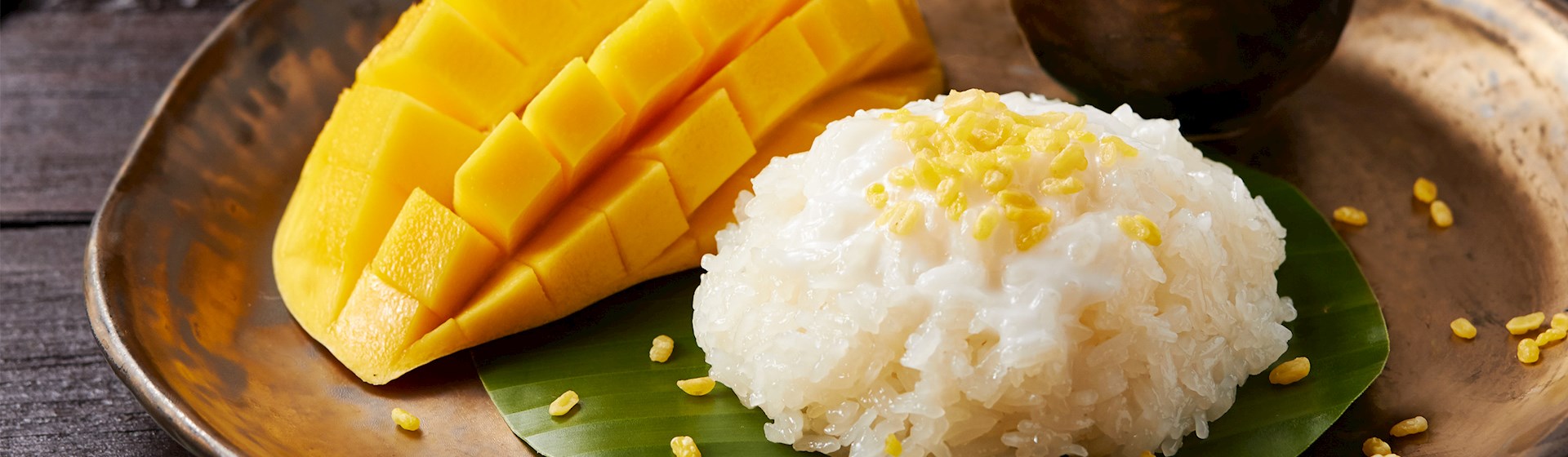
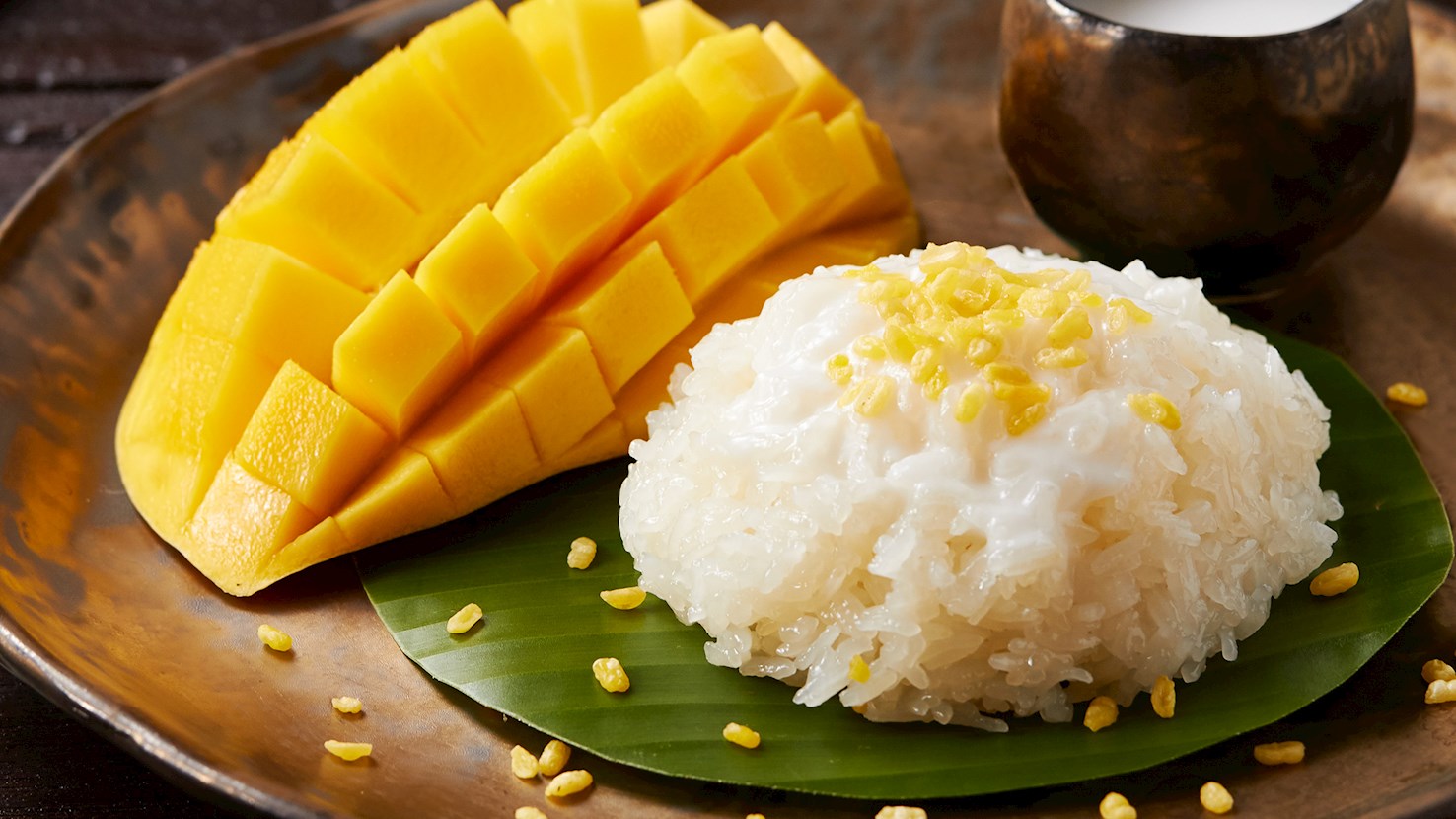
This traditional Thai rice pudding is a favorite way to finish any Thai meal. The dish is prepared with glutinous rice that is first steamed, then doused in sweetened coconut milk. Lastly, the rice is served sided with slices of fresh mango. This simple dessert is incredibly popular, and it can be found at virtually any eatery in Thailand.

03

Apam balik

4.2 ·

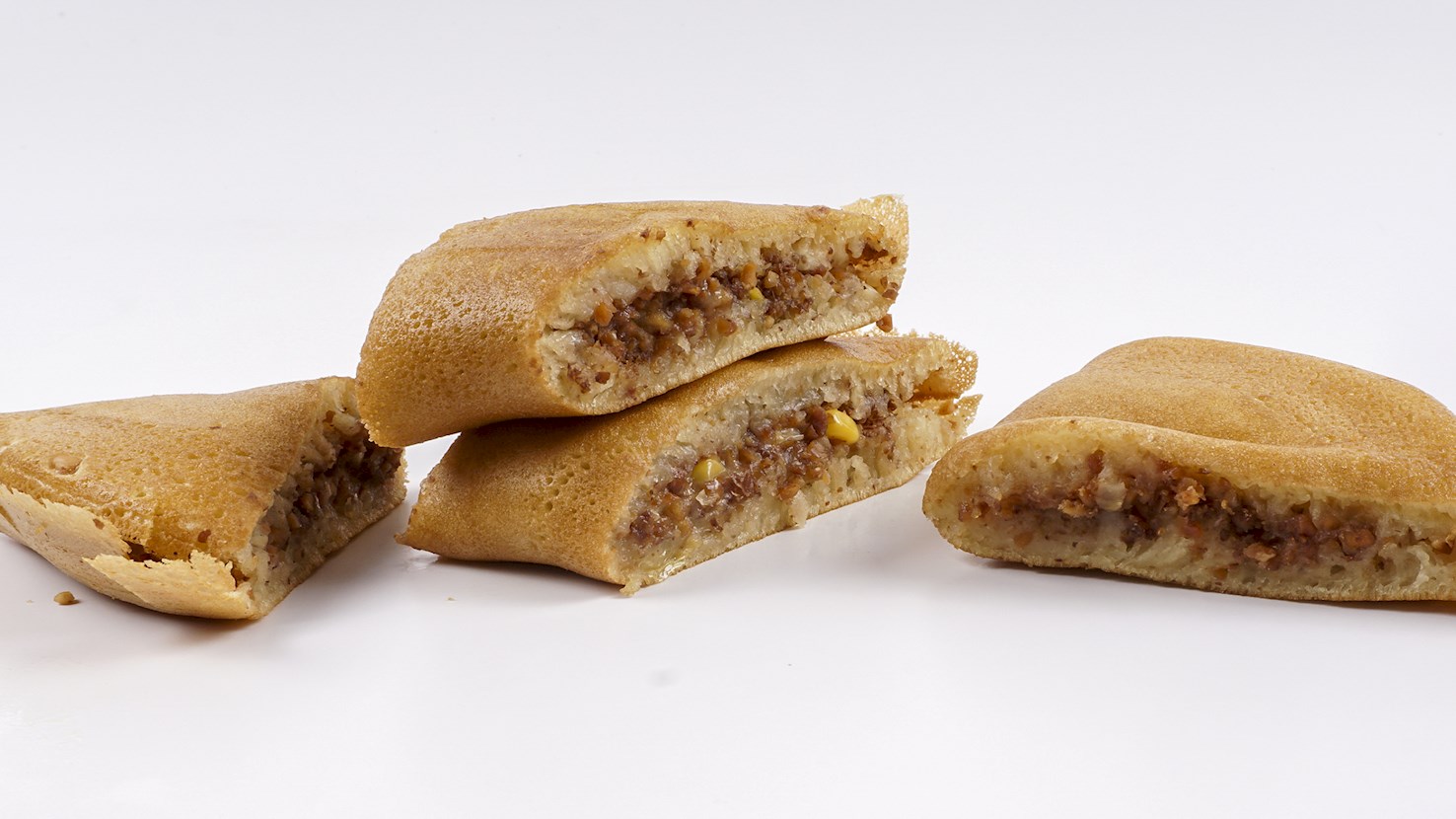
This sweet turnover pancake comes under various names throughout Malaysia, Indonesia, Brunei, and Singapore. Regardless of the location, it can be prepared either in a thin and crispy variety or as a thick and soft pancake. Traditional fillings typically include a combination of ground or roughly chopped peanuts, sugar, and butter, but the modern varieties may include anything from corn, chocolate chips, and raisins to grated cheese or condensed milk. Though not much is known about its origin, it is believed that is was first introduced in Penang by the Chinese who migrated from the province of Fujian.

04

Odading

4.1 ·

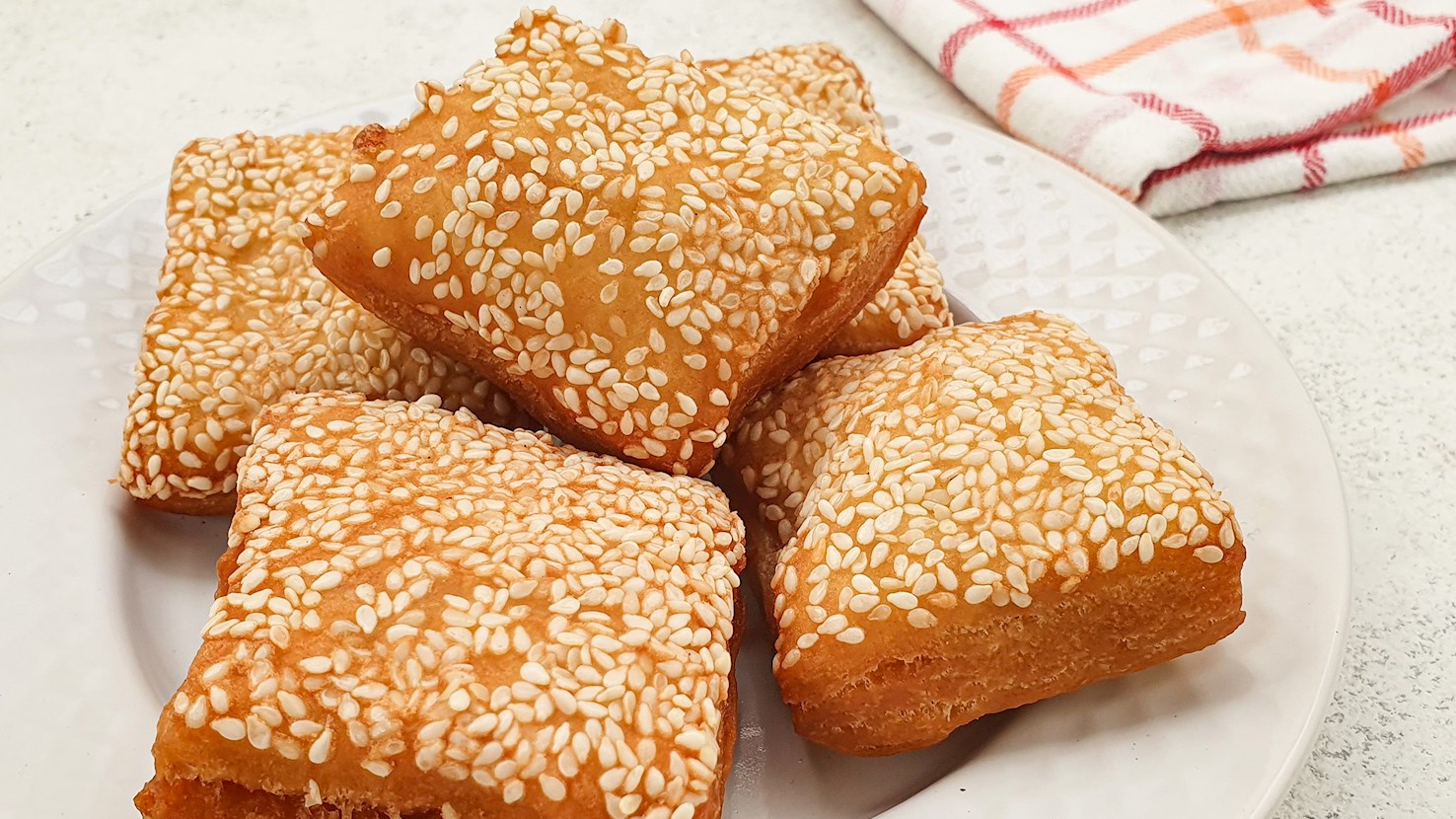
Odading is a sweet fried dough snack from Bandung, the capital of West Java. It is made by preparing a yeast-based dough enriched with sugar, milk, and sometimes eggs, then shaping it into flattened squares or rectangles before deep-frying until golden brown and puffed. The texture of odading is light and airy on the inside with a slightly chewy crust that becomes crisp as it cools. The name is believed to have originated during the colonial period, when Dutch and local influences merged in urban markets and home kitchens, leading to recipes that combined European-style enriched dough with local cooking techniques. The preparation of odading begins by mixing all-purpose flour with yeast, sugar, salt, and milk, then kneading until a smooth dough forms. The dough is left to rise until doubled in volume, then rolled out and cut into uniform pieces. Each piece is rested briefly to develop air pockets that create the characteristic fluffiness when fried. Once shaped, the dough is fried in moderately hot oil so it cooks through evenly without burning on the outside. Finished odading is sometimes sprinkled with additional sugar or brushed with a thin sugar syrup for extra sweetness. Odading is commonly eaten as a snack or breakfast item and is often sold by street vendors and small shops in Bandung, where it has long been a familiar part of everyday food culture. It is usually served warm, either plain or accompanied by coffee or tea. The snack gained renewed popularity in Indonesia after a viral video humorously promoted odading as “bread of an iron man,” which sparked national interest and boosted sales for many local vendors.

05

Serabi

4.1 ·

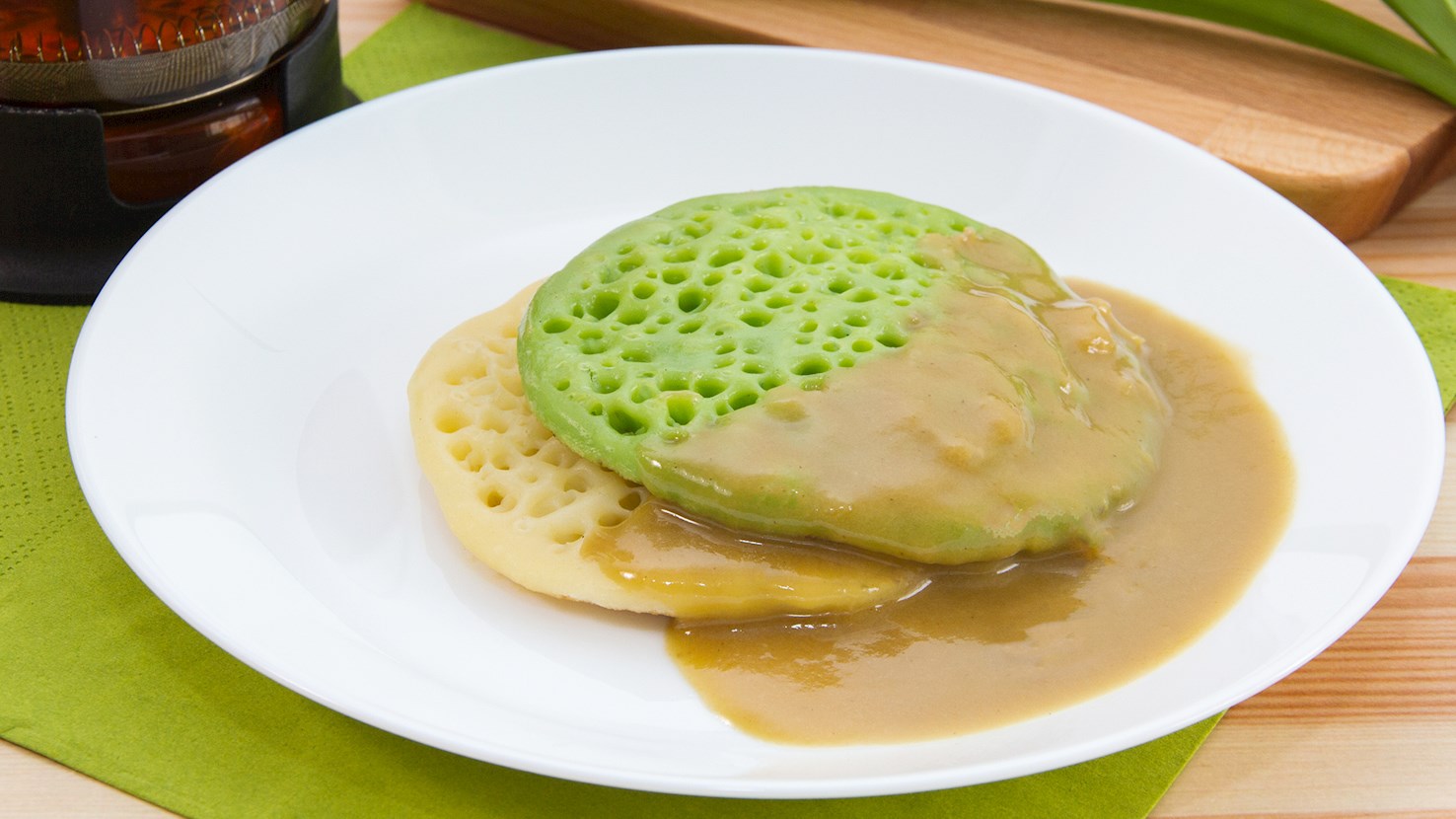
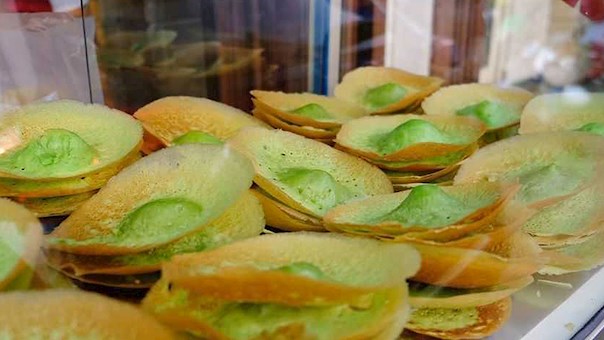
These traditional, small-sized Indonesian pancakes are usually prepared with rice flour and coconut milk. The pancakes are incredibly versatile, they come in sweet and savory versions, and can be adapted with wheat flour and various toppings such as sugar, bananas, crushed peanuts, jackfruit, chocolate sprinkles, or fermented oncom, while modern-day additions also include meat, sausages, or ice cream. Serabi pancakes are found throughout Java, but they are usually associated with the cities of Bandung and Solo. They are typically accompanied by strawberry, durian, or coconut-based kinca syrup, and are mainly sold as a quick and convenient street food. A similar dish can be found in Thailand, where it goes under the name khanom khrok.

06

Kue putu

4.1 ·

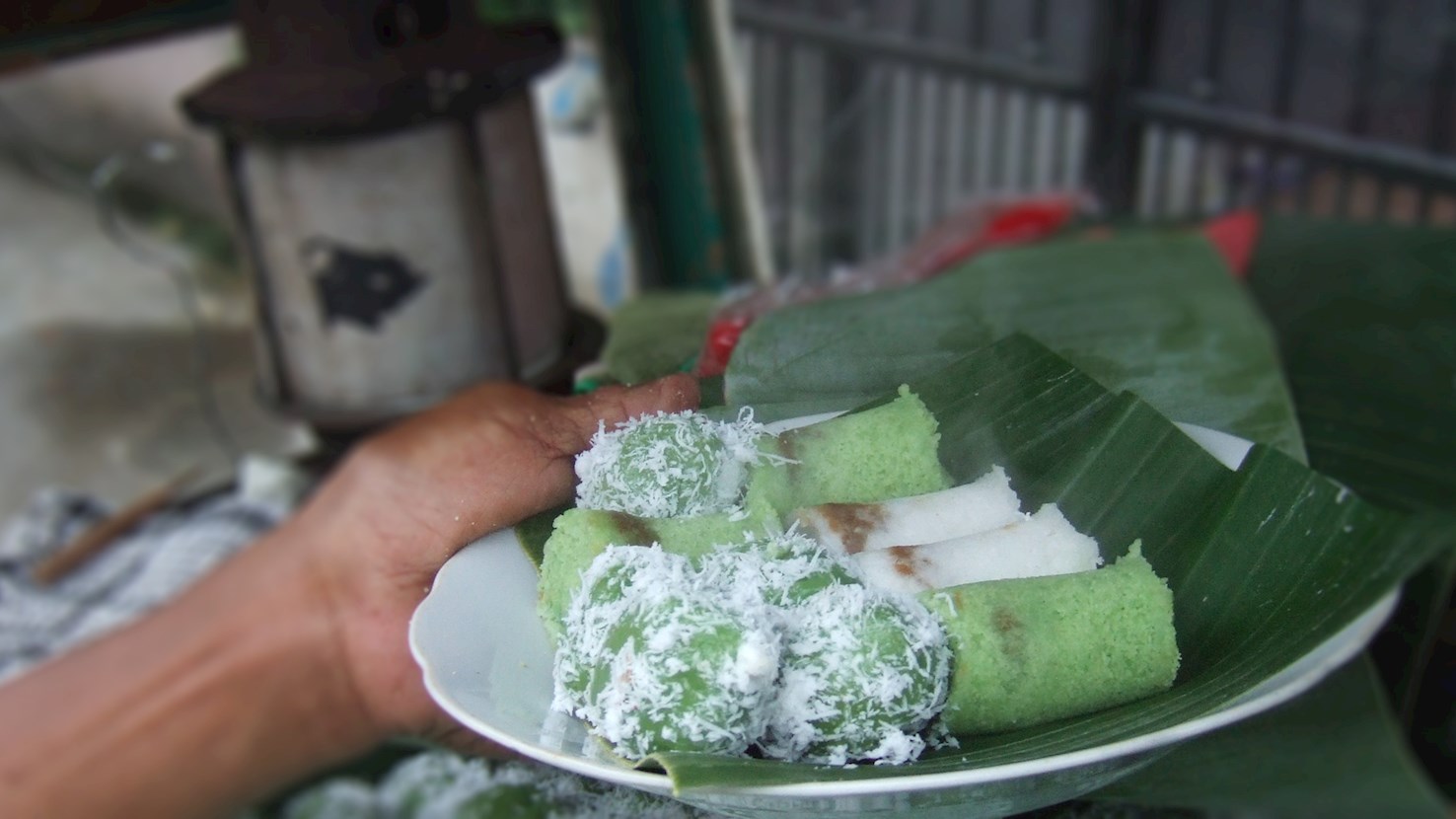
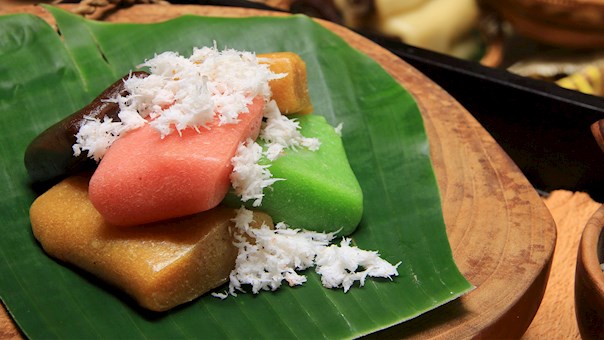
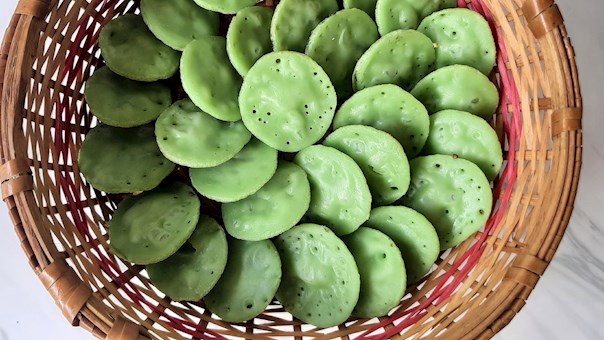
Usually sold by street vendors, this steamed cake is prepared with glutinous rice flour that is flavored and colored with pandan leaves. The mixture is traditionally steamed in bamboo tubes, while the center of the cake is filled with palm sugar. When steamed, the cake is usually dusted with freshly grated coconut. Kue putu and similar varieties of these convenient green-colored snacks are also found in Malaysia and the Philippines, and some believe that they might have been inspired by puttu—a similar snack of Indian origin.

07

Roti pisang

4.1 ·

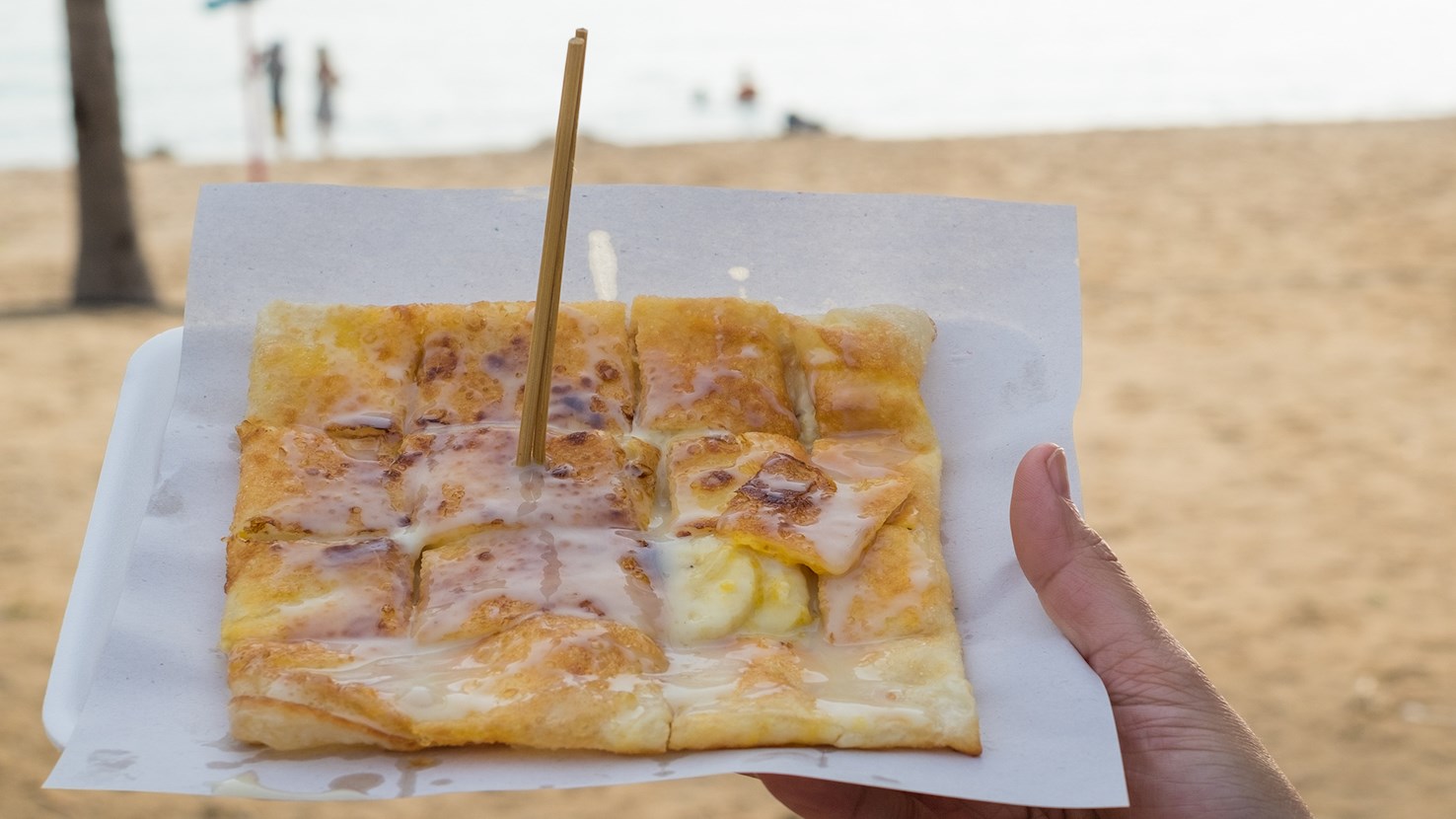
This sweet variety of the traditional Malaysian roti employs bananas as the star ingredient. The unleavened roti dough is stretched until thin, and the combination of sliced bananas, eggs, and sugar is then wrapped in the dough. Roti is usually pan-fried until golden, and it comes served cut into bite-sized pieces that are dusted with sugar and drizzled with condensed milk. The dish is a classic street food item that is usually enjoyed as a sweet and filling breakfast or an afternoon snack.

08

Maruya

4.1 ·

Maruya are the famous Filipino banana fritters which consist of sliced or mashed bananas that are dusted with flour, battered, then fried until crispy. The fritters are usually made with Filipino saba bananas and can come in various forms which are often served lightly dusted with sugar. They are most commonly eaten as a light snack, sweet breakfast, or a filling afternoon dessert. These fritters are a favorite among children and can often be found at street stalls throughout the country.

09

Taho

3.9 ·

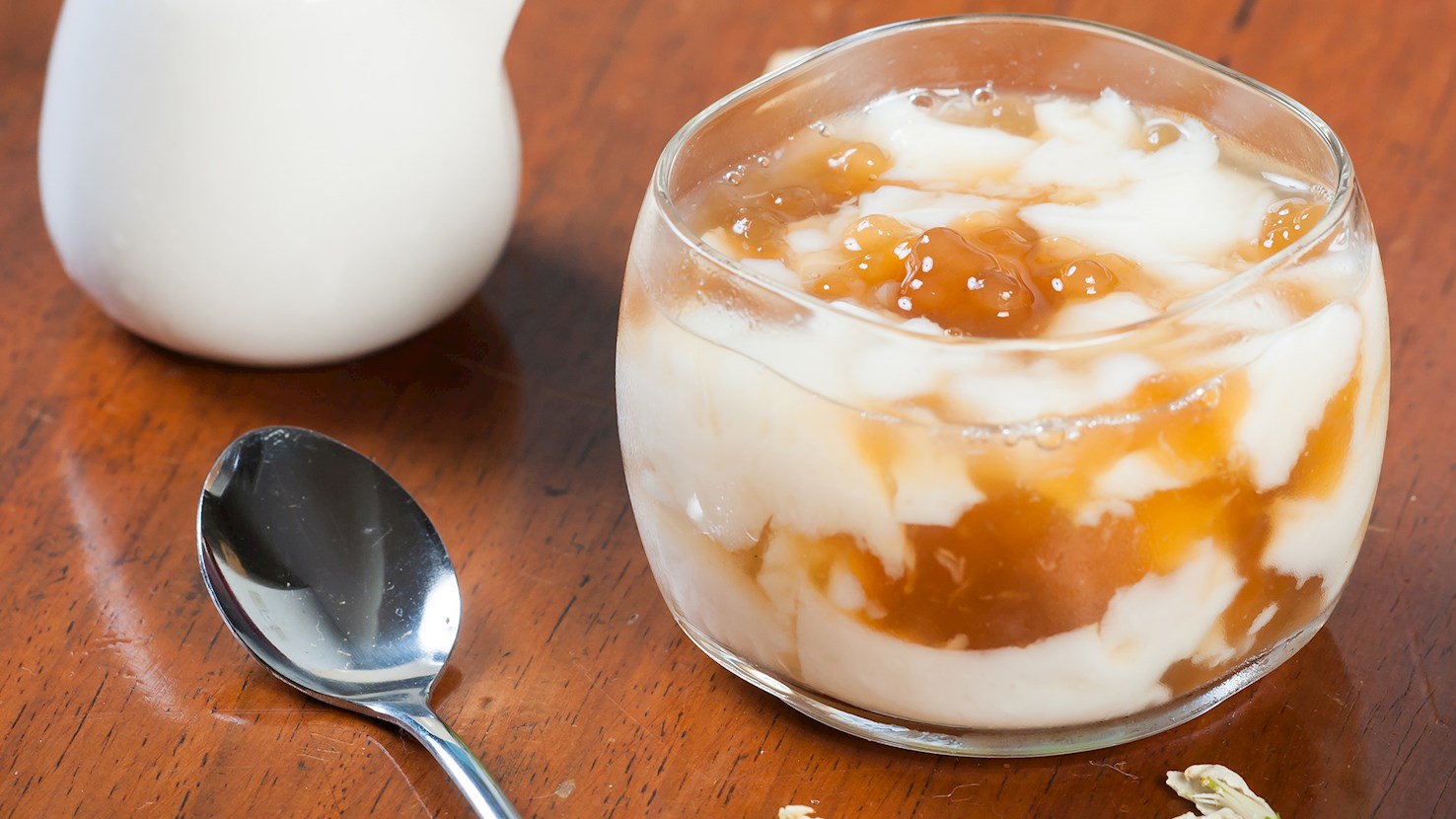
Taho is a sweet Filipino dessert which consists of fresh soft tofu doused in arnibal syrup and sprinkled with plump sago pearls. Similar desserts can be found in numerous Asian countries, and most of them call for the usage of the softest tofu variety, known as silky tofu, which has a tender and creamy texture and an incredibly soft consistency. Shortly heated or steamed, it is covered in sweet arnibal syrup (made with melted brown sugar) and enriched with mild vanilla flavors. Usually, the dessert is topped with chewy sago pearls which are similar in appearance and texture to tapioca. Taho is usually sold by street vendors who sell this traditional delicacy in the early morning as a sweet, protein-packed breakfast.

10

Pa thong ko

3.8 ·

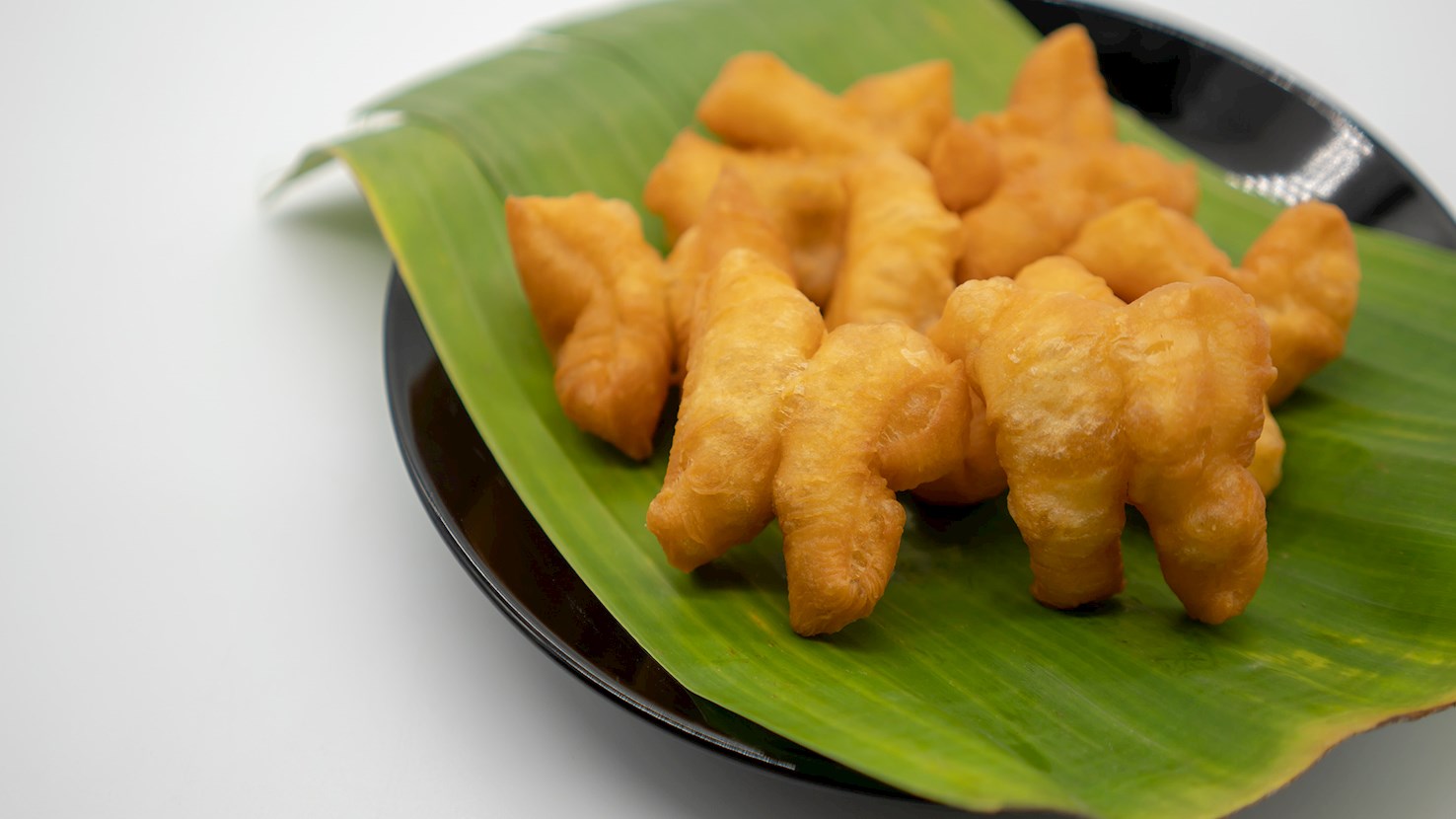
Pa thong ko is the Thai take on popular Chinese crullers called youtiao. To make the crullers, a mixture of flour, yeast, baking ammonia, alum powder, lukewarm water, salt, sugar, and some baking powder is formed into a dough, which is then oiled, left to rest, and finally cut into long strips. Pairs of dough strips are then carefully stuck to one another to give the crullers their recognizable shape before they are deep-fried in hot oil until nicely colored, puffy, and slightly crispy. Innovative ways of shaping the crullers other than their traditional form have emerged over the years, and nowadays, pa thong ko can be seen in numerous unusual shapes such as dinosaurs or dragons. In Thailand, warm pa thong ko is a typical breakfast meal and a well-loved street food item, and it is usually complemented by sweetened condensed milk, Thai custard, or Thai congee, along with a cup of fresh coffee on the side.

Read more
View all
View map
About this ranking

TasteAtlas food rankings are based on the ratings of the TasteAtlas audience, with a series of mechanisms that recognize real users and that ignore bot, nationalist or local patriotic ratings, and give additional value to the ratings of users that the system recognizes as knowledgeable. For the “Top 34 Southeast Asian Street Food Sweets” list until May 16, 2026, 1,329 ratings were recorded, of which 949 were recognized by the system as legitimate. TasteAtlas Rankings should not be seen as the final global conclusion about food. Their purpose is to promote excellent local foods, instill pride in traditional dishes, and arouse curiosity about dishes you haven’t tried.

Similar lists