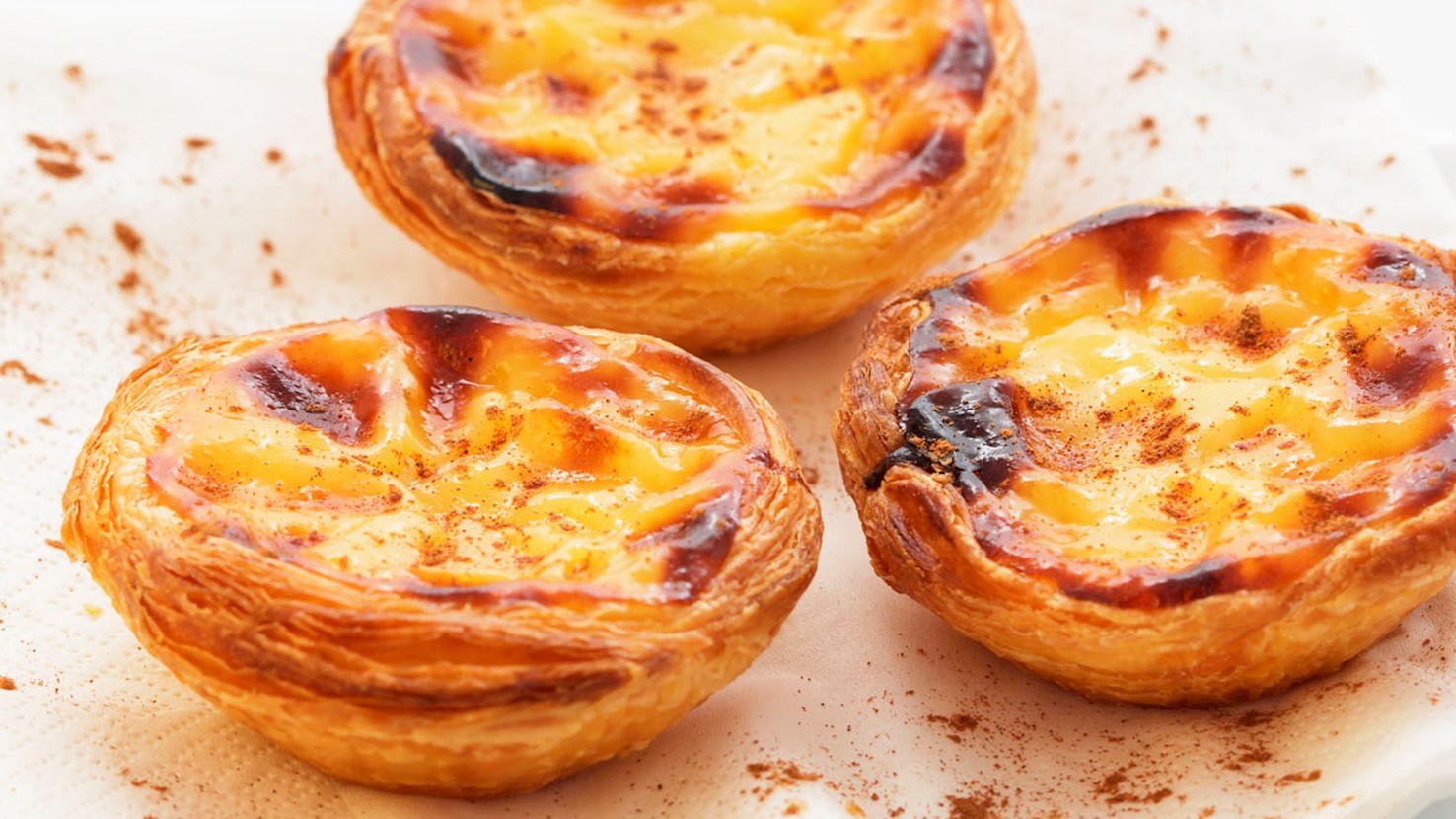
Pastel de nata is a traditional egg custard tart that is popular throughout the world. It is believed that for the best result, the filling should not be too sweet and should not have flavors of lemon nor vanilla. Instead, the tarts should be sprinkled with cinnamon and, ideally, paired with a cup of coffee. Originally, this treat was made before the 18th century by Catholic monks and nuns in Santa Maria de Belém in Lisbon. The tart was made from leftover egg yolks that were used in the clearing of wines and starching of clothes. Later on, the clerics made a deal with a nearby bakery to start selling pastel de nata commercially, and the product was a huge success. It is still hugely popular, and the fact can be supported by long lines of people who are waiting on their pastel de nata in front of numerous Portuguese bakeries. However, pastel de Belém's recipe is kept secret, and only the ones produced at the Fábrica Pastéis de Belém can be called pastel de Belém, while all the other egg custard tarts from other producers in Lisbon are called pastel de nata.
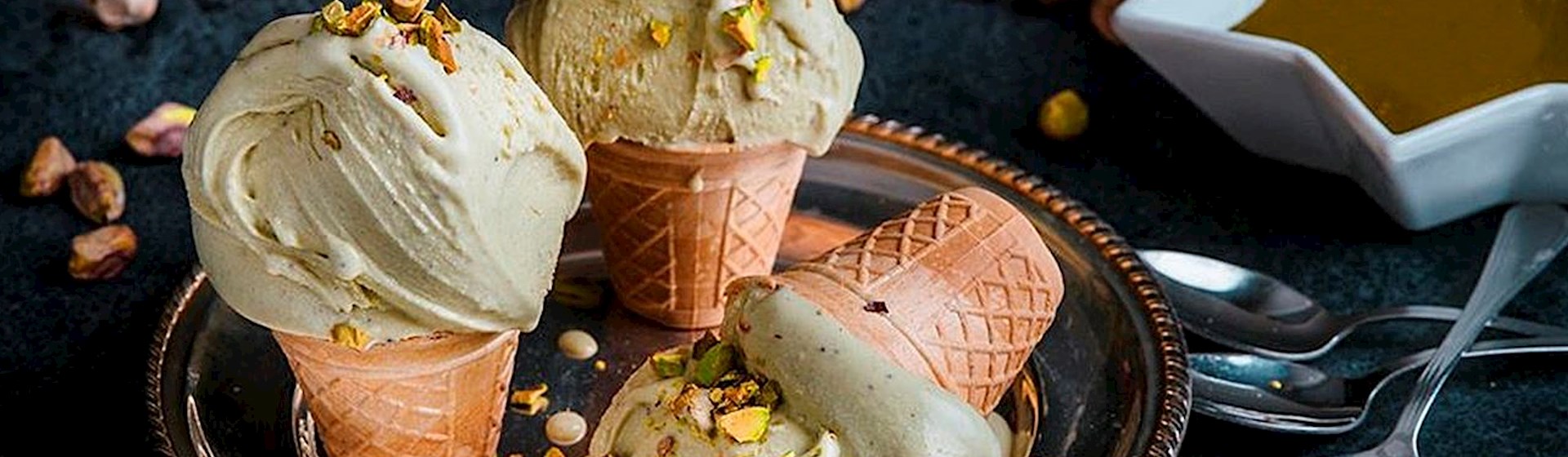
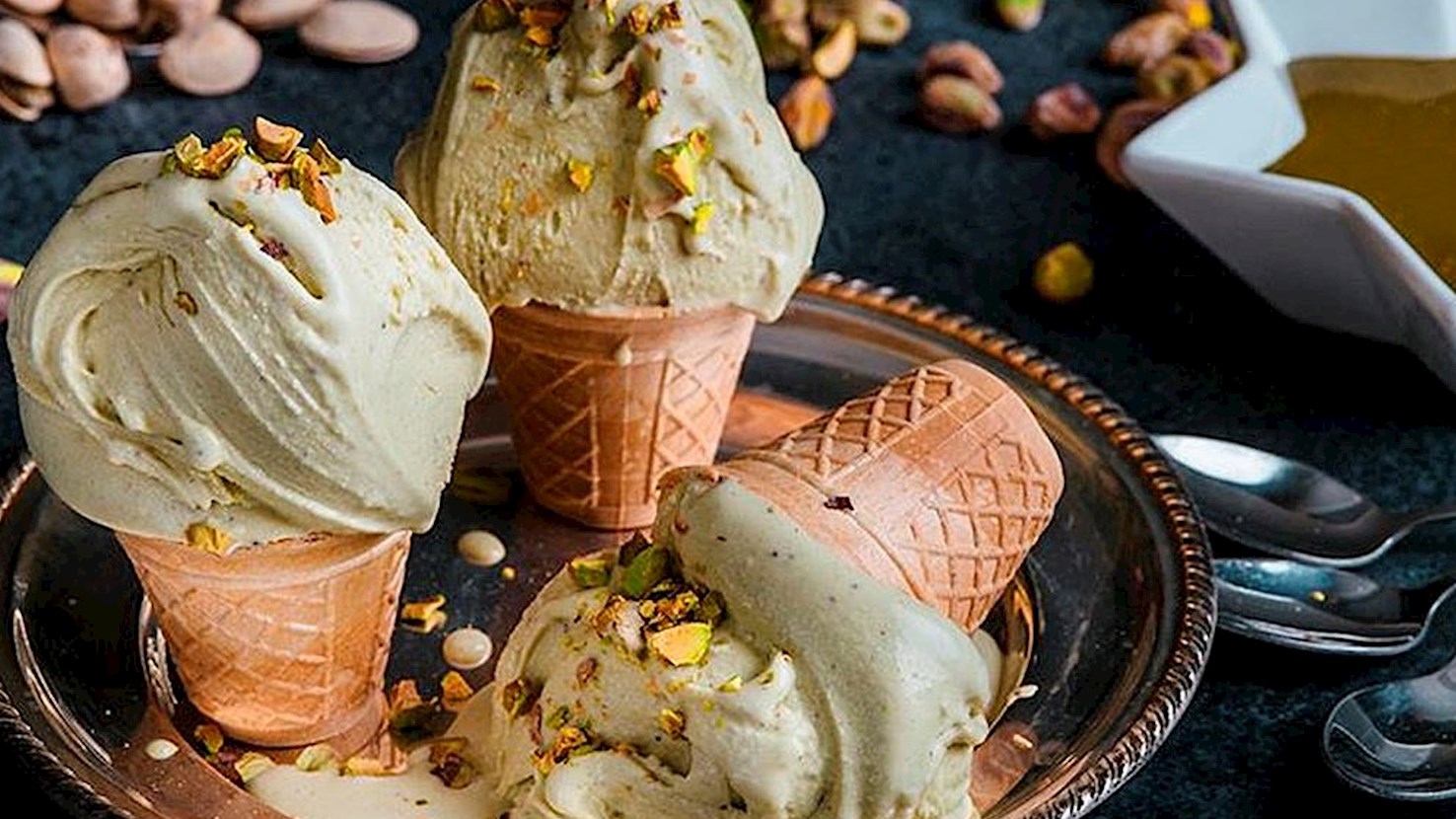
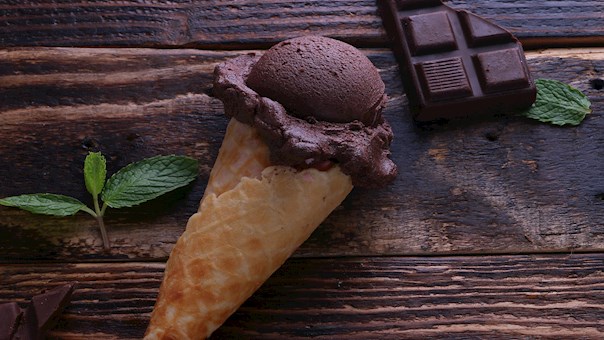
Pistachio is one of the most popular flavors of Italian gelato. A mainstay in every gelateria, in its original form, this frozen treat combines pistachio paste with the classic base of milk, cream, eggs, and sugar. Occasionally, crushed and toasted pistachios can be added, but the basic texture should always remain dense and creamy. Due to the high prices of pistachios and pistachio paste, many gelaterias nowadays opt for cheaper replacements, but the best pistachio is considered to be the grown in a small Sicilian town of Bronte.
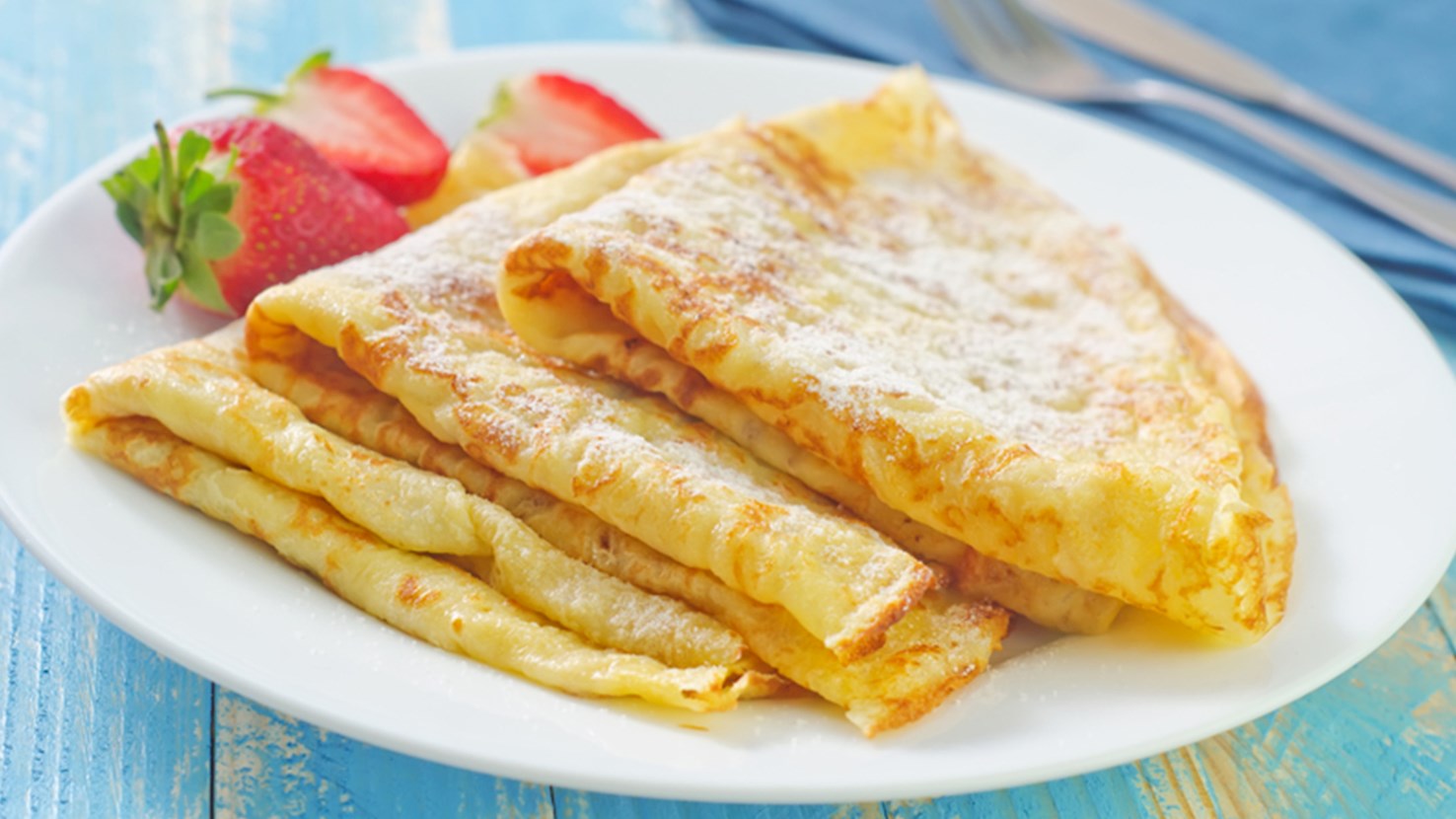
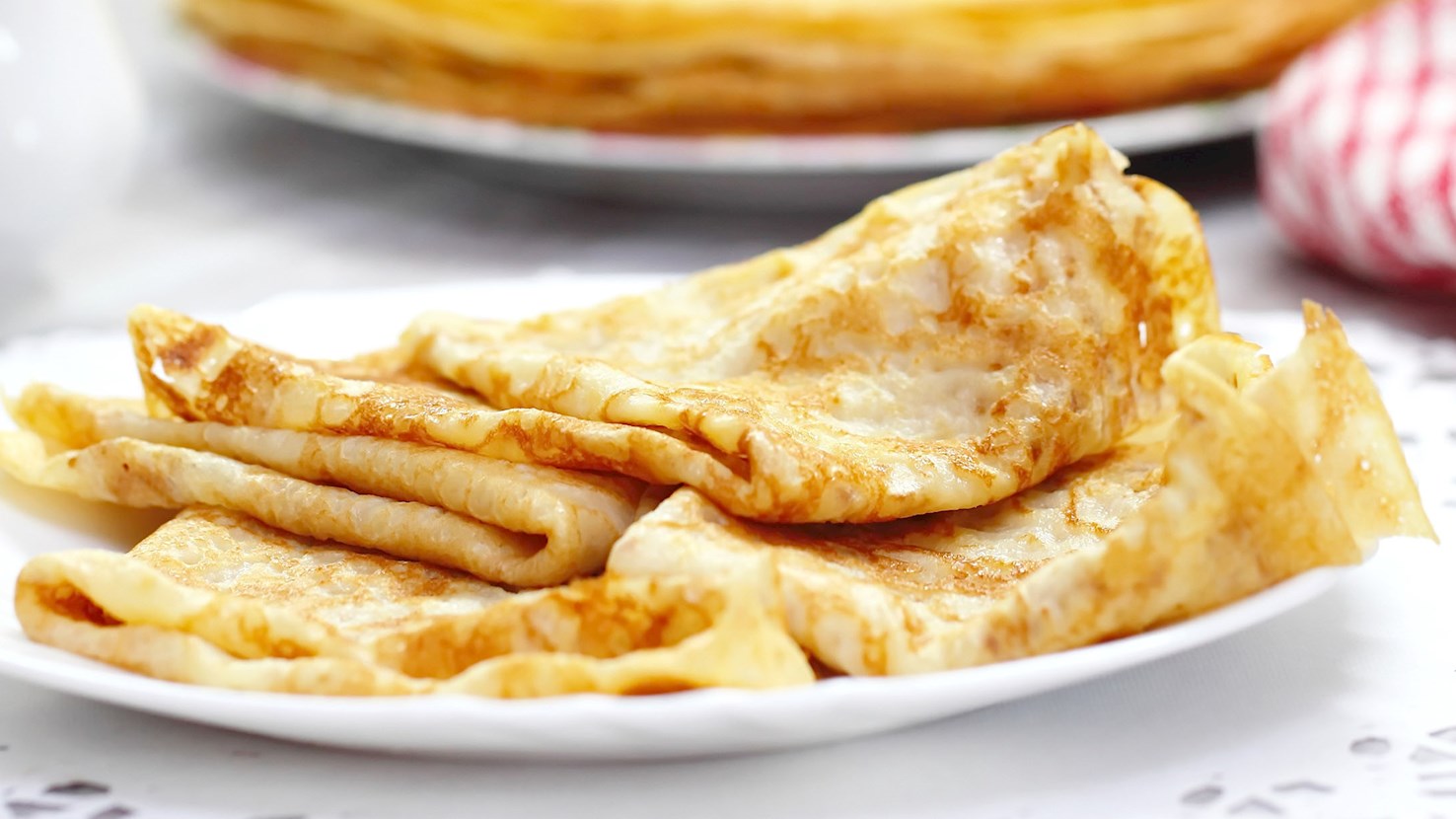
Crêpes sucrées are sweet crepes, a type of very thin pancake originating from France. The term "sucrées" means "sugared" in French, indicating that these crepes are meant to be served with sweet fillings or toppings. They are made from a simple batter consisting of flour, milk, eggs, a pinch of salt, and sometimes a bit of sugar and butter. Unlike their savory counterpart, known as "crêpes salées" (or "galettes" in some regions of France), sweet crêpes are usually made with white wheat flour and often have a bit of sugar added to the batter. Sweet crepes can be filled or topped with a variety of ingredients such as powdered sugar, whipped cream, fruit preserves, fresh fruits, nutella, honey, and maple syrup. Crêpes sucrées are enjoyed as a dessert, a sweet snack, or even as a breakfast dish in France and around the world.
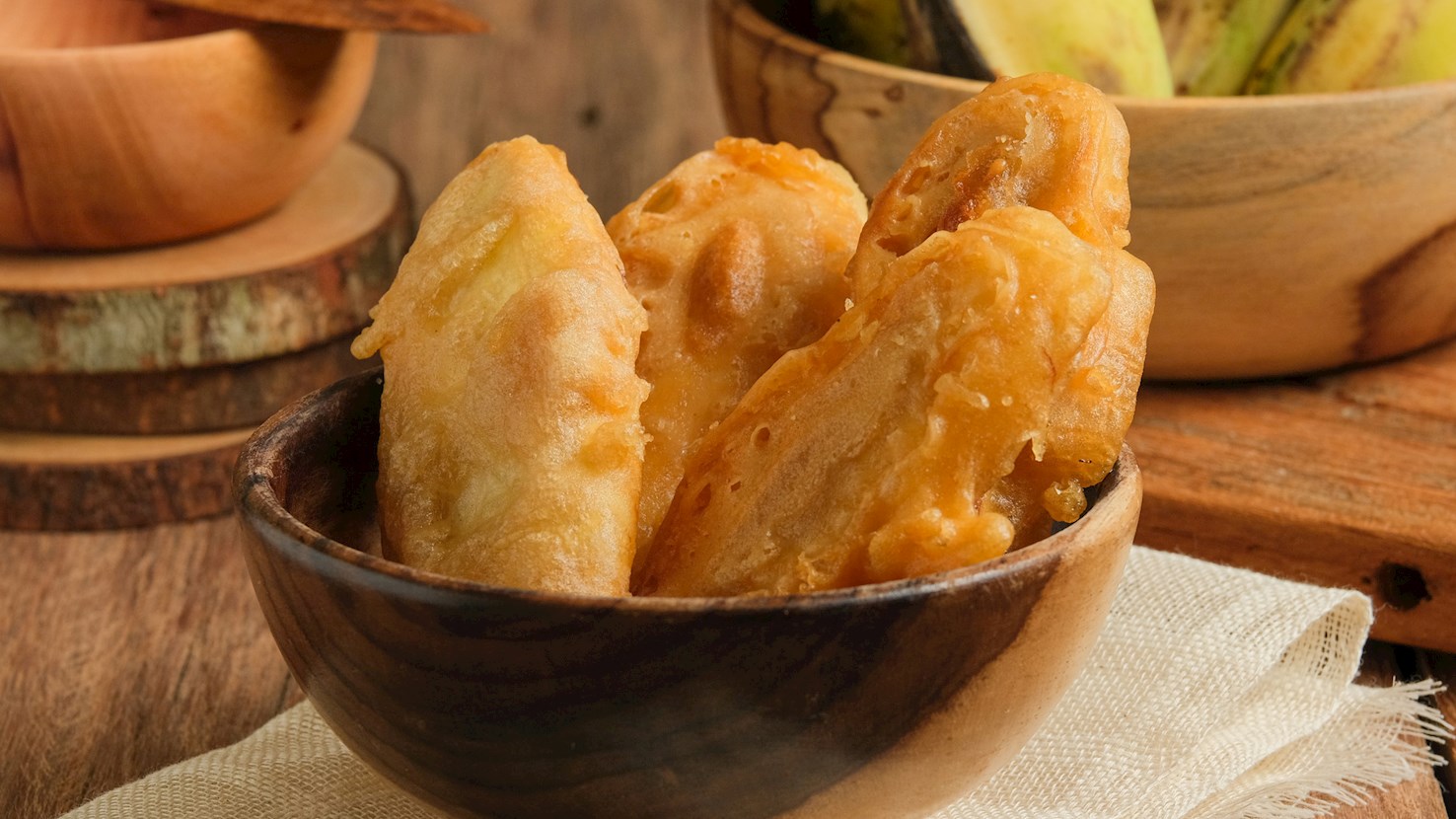
Fried bananas or plantains are a common everyday snack eaten throughout Indonesia. They come in numerous versions in which the fruit is simply fried in shallow oil, but more often sliced banana pieces are coated in batter before they are fried until golden. Besides numerous other varieties, fried bananas also appear under different names such as godoh biu on Bali or gedhang gorèng on Java. They are traditionally sold at street stalls and carts and belong to a group of gorengan dishes—Indonesian deep-fried snacks. The more elaborate version of pisang goreng are served dusted with powdered sugar and cinnamon, drizzled with chocolate, or accompanied by jams or ice cream. Similar banana-based dishes are found in other Southeast Asian regions and countries such as Singapore, the Philippines (maruya) and Malaysia (kuih kodok).
These thin pancakes are made with wheat flour, and have origins in the French region of Brittany. Although they are a French staple and a national dish, crêpes are so popular that they have spread worldwide since the turn of the 20th century, when white wheat flour became affordable. These delectable treats are made with flour, eggs, milk, and butter whipped into a thin batter, which is then poured in a crêpe pan and fried. The tradition is to flip them in the air as they cook, and they say that if you catch it in the pan, your family will be well-off for the rest of the year. The word crêpe is derived from the Latin root crispa, meaning curdled. Crêpes are one of the best-known French desserts, and they are commonly filled with various sweet fillings such as jam, chocolate, berries, or whipped cream. They can also be stuffed with savory ingredients such as ham, sausages, cheese, spinach, eggs, or mushrooms. Eaten hot or cold and found in crêperies throughout France and beyond, these delicious pancakes are a true worldwide hit.
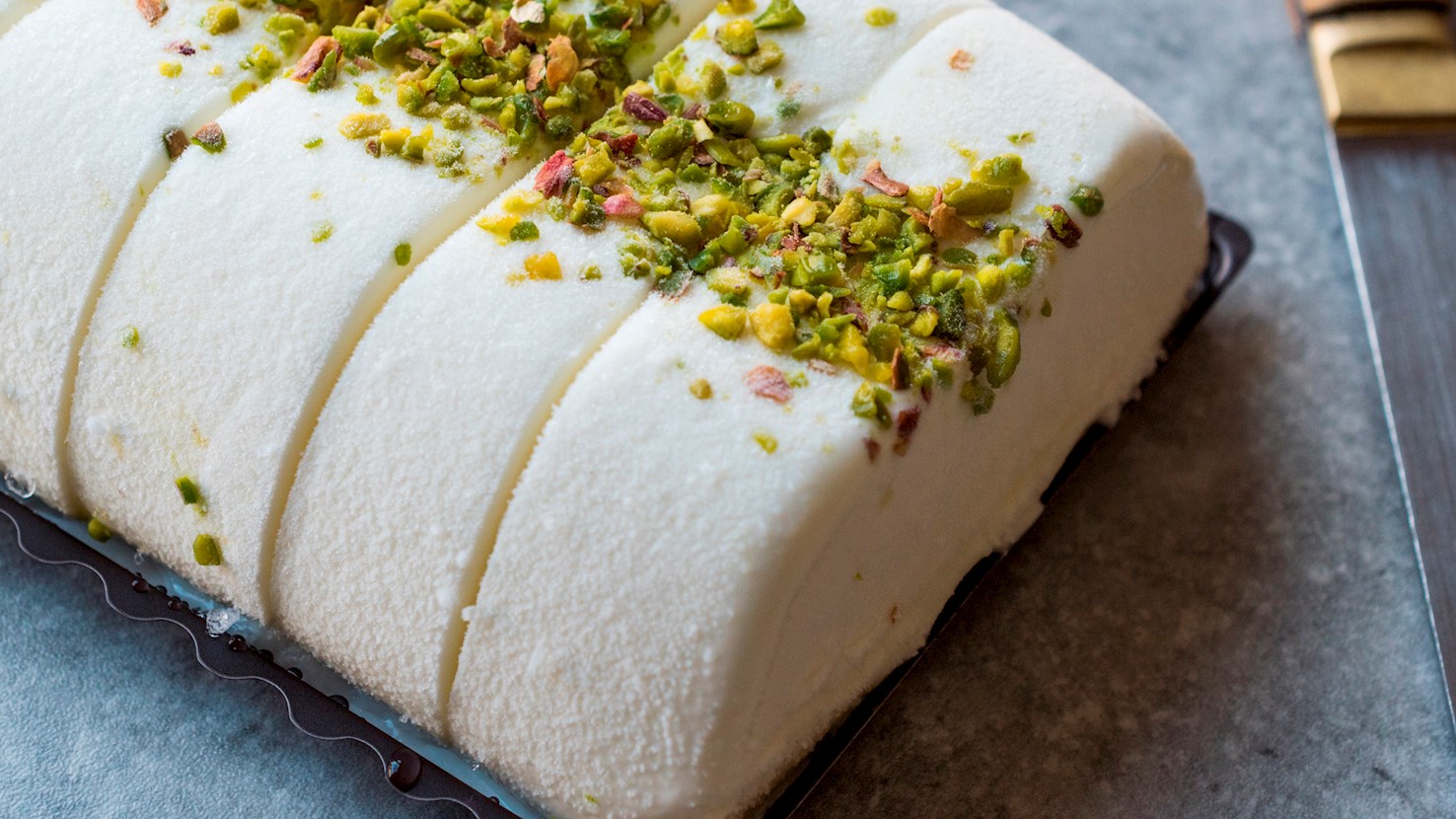
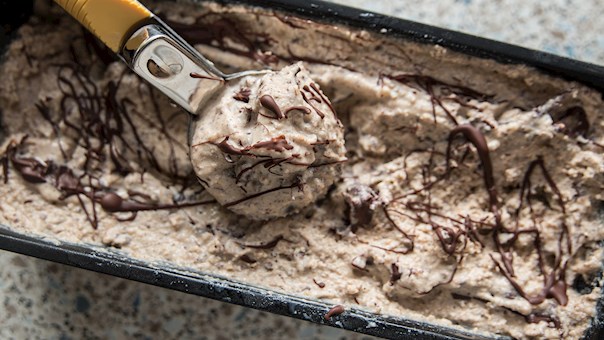
Turkish ice cream is believed to originate from the city of Maraş—hence the name—and what really sets it apart from other varieties is its resistance to melting and a particularly dense, chewy texture. These qualities are brought by adding two thickening agents to the basic milk and sugar mixture: Arab gum, also known as mastic resin, and salep—a type of flour made from the root of the early purple orchid. In fact, in the Kahramanmaraş region, ice cream typically contains distinctly more salep than usual, which is why it is sometimes called kesme dondurma—from the Turkish kesmek, meaning to cut—which is the reason why this ice cream variety is usually eaten with a knife and fork. In Türkiye, ice cream is commonly sold in the streets but also in specialized dondurması shops, whose owners will often go out of their way by producing their own salep, apart from using exclusively natural flavorings and milk from goats fed only with thyme, orchid flowers, and milkvetch.
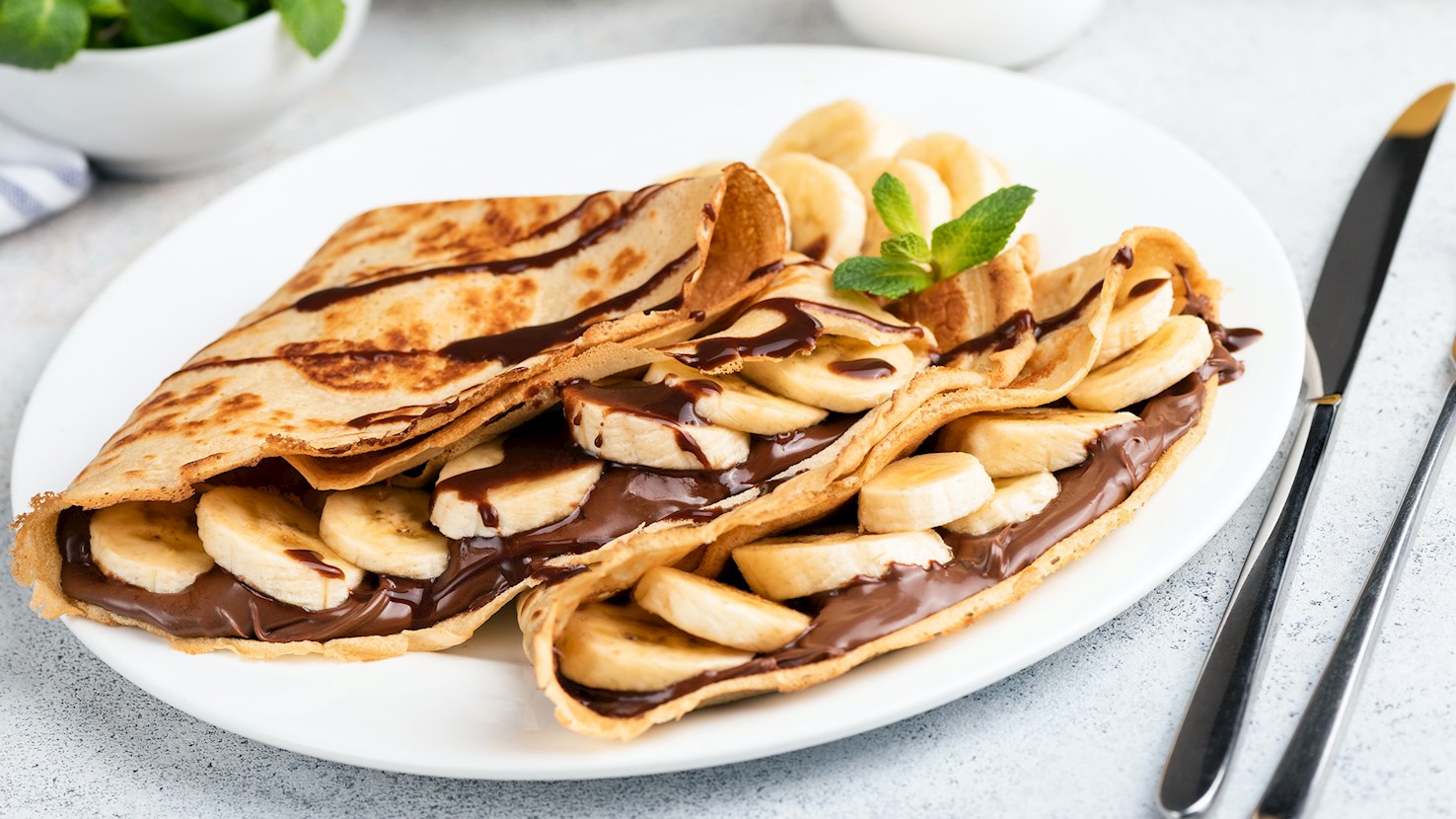
Nutella crêpes is a popular variation of a sweet crêpe that is generously spread with Nutella, a hazelnut cocoa spread. This indulgent treat combines the soft, warm texture of a freshly made crêpe with the rich, creamy flavor of Nutella, making it a favorite among both children and adults. A basic crêpe batter made with flour, eggs, milk, a pinch of salt, and sometimes a little sugar and vanilla for added sweetness is cooked on a flat griddle or in a crêpe pan to create a thin pancake. Once the crêpe is cooked to a light golden brown and is still hot, a generous amount of Nutella is spread over one-half or the entire surface of the crêpe. The crêpe is then folded in half and often folded again to create a triangular or a fan shape, making it easier to eat. Additional toppings might be added on top of the Nutella, such as sliced strawberries, bananas, chopped nuts, whipped cream, or a sprinkle of powdered sugar for extra flavor and texture. Nutella crêpes can be found at street vendors, crêperies, and cafes worldwide, and it is especially common as a treat to be enjoyed at festivals, fairs, or as street food.
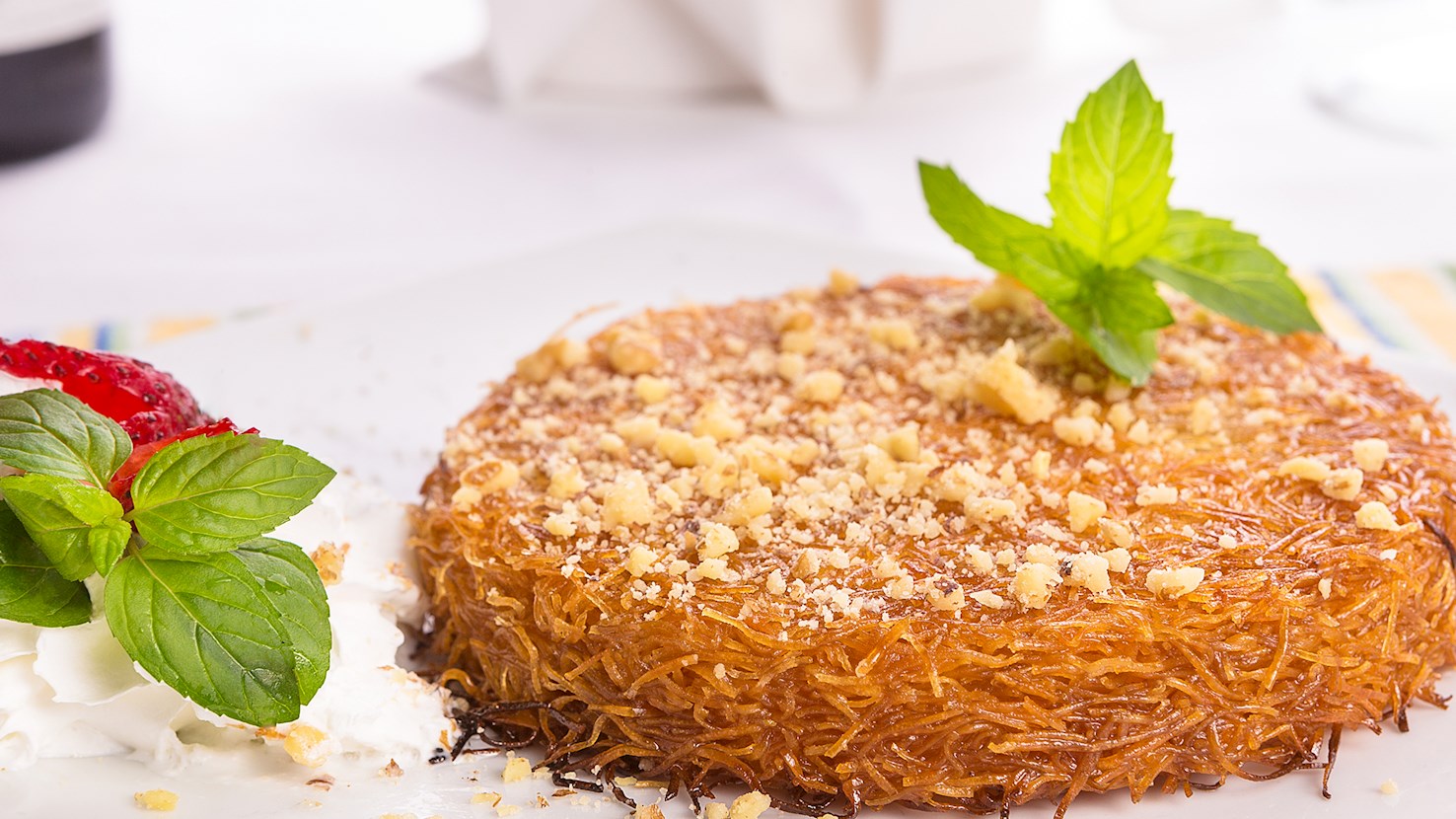
Kunāfah is a syrup-soaked pastry from the Arab world, especially associated with the Levant, made by combining a crisp pastry layer with a soft cheese or cream filling and finishing it with scented sugar syrup, often flavored with orange blossom water or rose water. It is especially prominent in Palestinian, Jordanian, Lebanese, Syrian, and Egyptian cooking, although the name covers several related preparations that differ in texture, filling, and pastry style. One of the best-known forms is kunāfah nābulusiyyah from Nablus in the West Bank, where the filling is based on a mild white brined cheese and the pastry is colored a characteristic orange or golden tone before baking.
References to dishes called kunāfa or related names appear in medieval Arabic culinary writing, but the exact relationship between those early recipes and the modern cheese-filled pastry is not always straightforward, and the form now associated with Nablus developed within the Levantine pastry tradition over time. In modern preparation, the pastry base is usually made from kataifi, very fine shredded phyllo strands, or from a finely ground semolina-like dough depending on the regional style. The pastry is mixed with melted clarified butter or ghee and pressed into a shallow metal pan, after which the filling is spread evenly over it.
For cheese versions, low-salt white cheeses are preferred because heavily salted brined cheese would dominate the dessert; cheeses may be soaked in water beforehand to remove excess salt. In Nablus-style kunāfah, local Nabulsi cheese is the defining ingredient, although akkawi or mixtures of mild melting cheeses are widely used elsewhere. Other versions use thick cream, qashta, custard-like fillings, or nuts instead of cheese. The kunāfah is baked or cooked over heat until the pastry becomes crisp and deeply golden, then inverted so the browned layer sits on top. Warm sugar syrup is poured over the finished pastry, often immediately after cooking, so part of it is absorbed while the exterior remains crisp. Ground pistachios are a common garnish, especially in Levantine versions.
The appeal of the dish depends heavily on contrast: the exterior should be crisp and buttery, the filling soft and warm, and the syrup sweet enough to bind the two without making the pastry completely soggy. Cheese versions also have a mild salty note that keeps the sweetness from becoming flat. The pastry is usually served hot or warm, often cut into squares or wedges directly from a large round tray. Kunāfah is strongly associated with pastry shops and street-side sweet shops throughout the Levant and is also prepared for family gatherings, celebrations, and Ramadan evenings, when syrup-based sweets are especially common after the fast is broken. In Nablus, large trays of kunāfah are closely associated with the city’s culinary identity and are often served fresh throughout the day.
It is generally eaten on its own rather than paired with another dessert, and unsweetened or lightly sweetened Arabic coffee and black tea are the most common beverage partners because their bitterness offsets the rich pastry, cheese, butter, and syrup. In some settings it is also served with strong Turkish-style coffee, while fresh fruit or other acidic foods are rarely necessary because the main balance comes from the salty cheese, aromatic syrup, and crisp pastry itself.
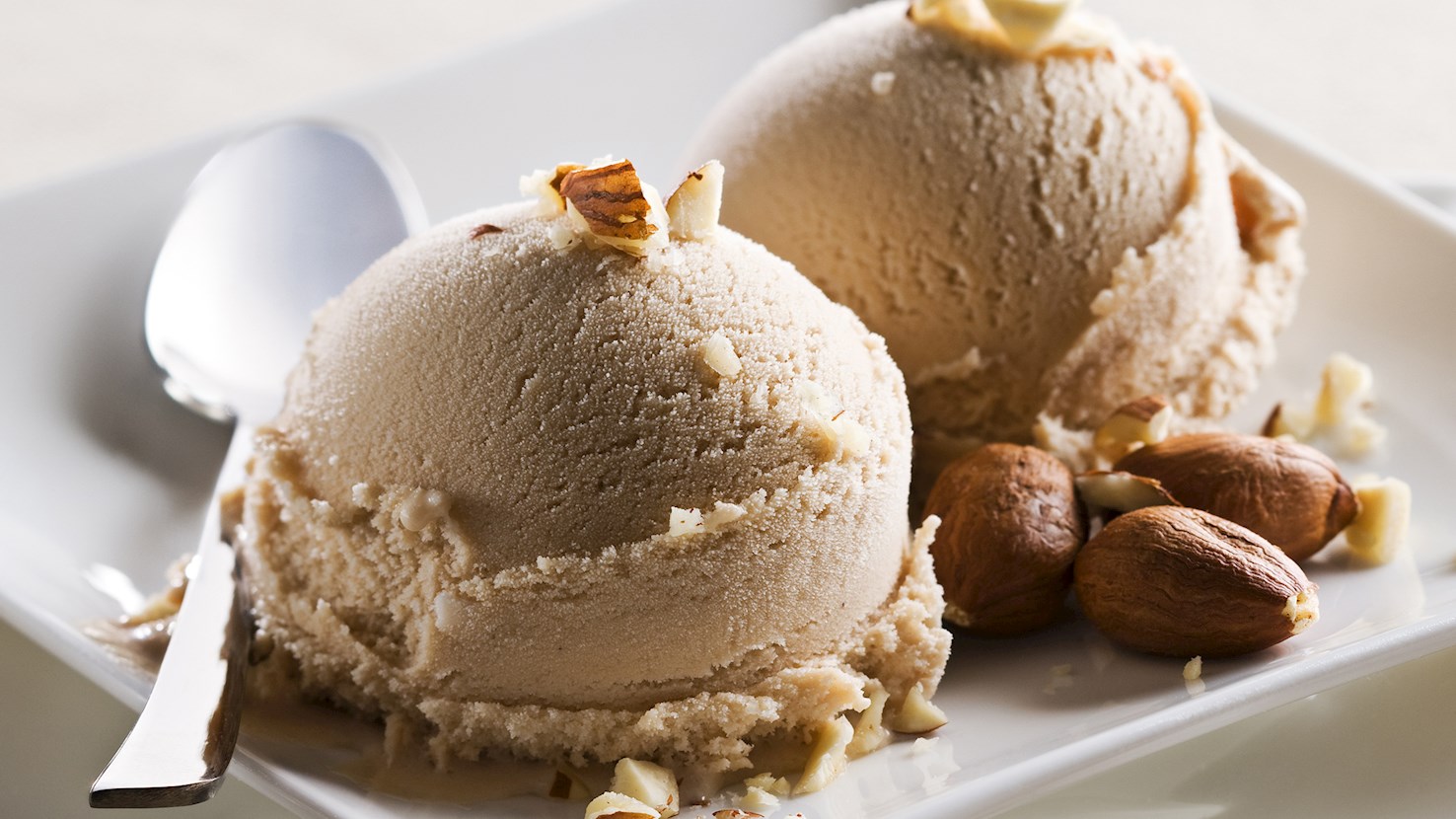
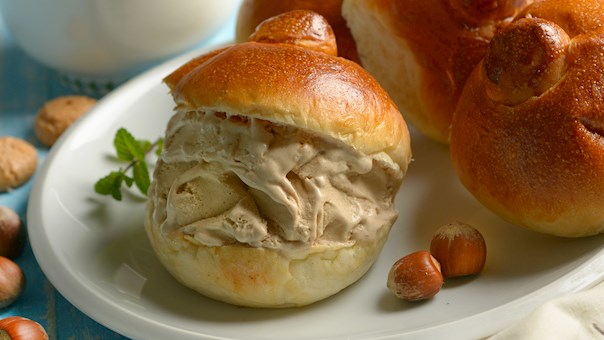
A staple at every Italian gelateria, nocciola is a classic hazelnut gelato. It is prepared with a fragrant hazelnut paste that is combined with a base of milk, cream, eggs, and sugar to create a creamy treat that is characterized by its nutty flavor. The best hazelnut gelato in Italy is produced from Piemonte hazelnuts, which are considered the finest variety for the confectionery industry. They provide the delicate, nutty flavor and the characteristic aroma. Nocciola or hazelnut gelato is often combined with chocolate to create bacio—another popular gelato flavor—but most gelaterias offer it on its own, as an essential addition to their offer.
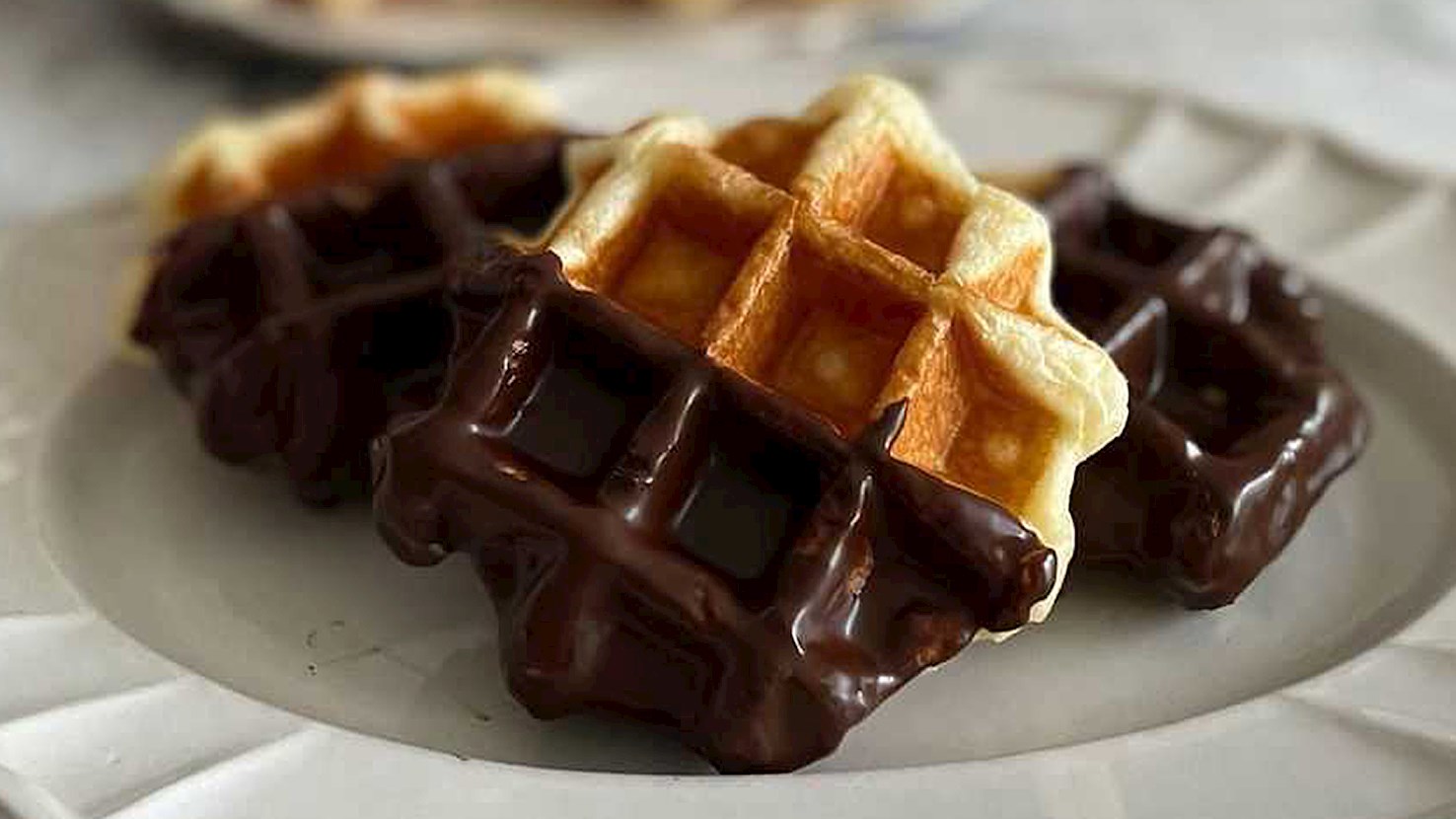
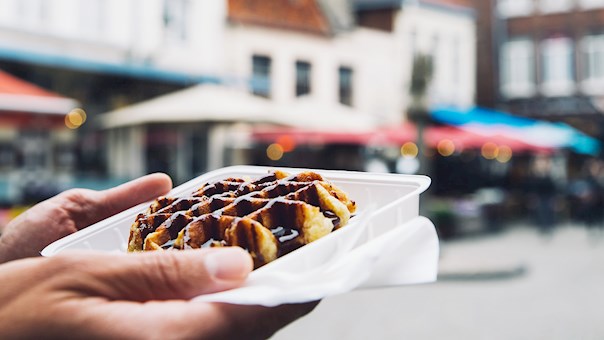
Liège waffles are one of the two most popular waffle varieties in Belgium. These unevenly shaped, chewy treats are made with a thick, brioche-like dough which is sweetened with pearl sugar and baked in a specially-designed waffle pan. During the baking process, the pearl sugar melts and gives the waffles a unique caramel flavor. Although the origin of Liège waffles is somewhat vague, it is believed they were influenced by French culinary traditions and made famous by the skillful Liège bakers. In Liège, these waffles are usually enjoyed plain, but they can also be topped with powdered sugar, whipped cream, chocolate, or various fruits.
TasteAtlas food rankings are based on the ratings of the TasteAtlas audience, with a series of mechanisms that recognize real users and that ignore bot,
nationalist or local patriotic ratings, and give additional value to the ratings of users that the system recognizes as knowledgeable.
For the “Top 100 Street Food Sweets in the World” list until November 15, 2026, 23,068 ratings were recorded, of which 16,714 were recognized by the system as legitimate.
TasteAtlas Rankings should not be seen as the final global conclusion about food. Their purpose is to promote excellent local foods,
instill pride in traditional dishes, and arouse curiosity about dishes you haven’t tried.
















What People Say