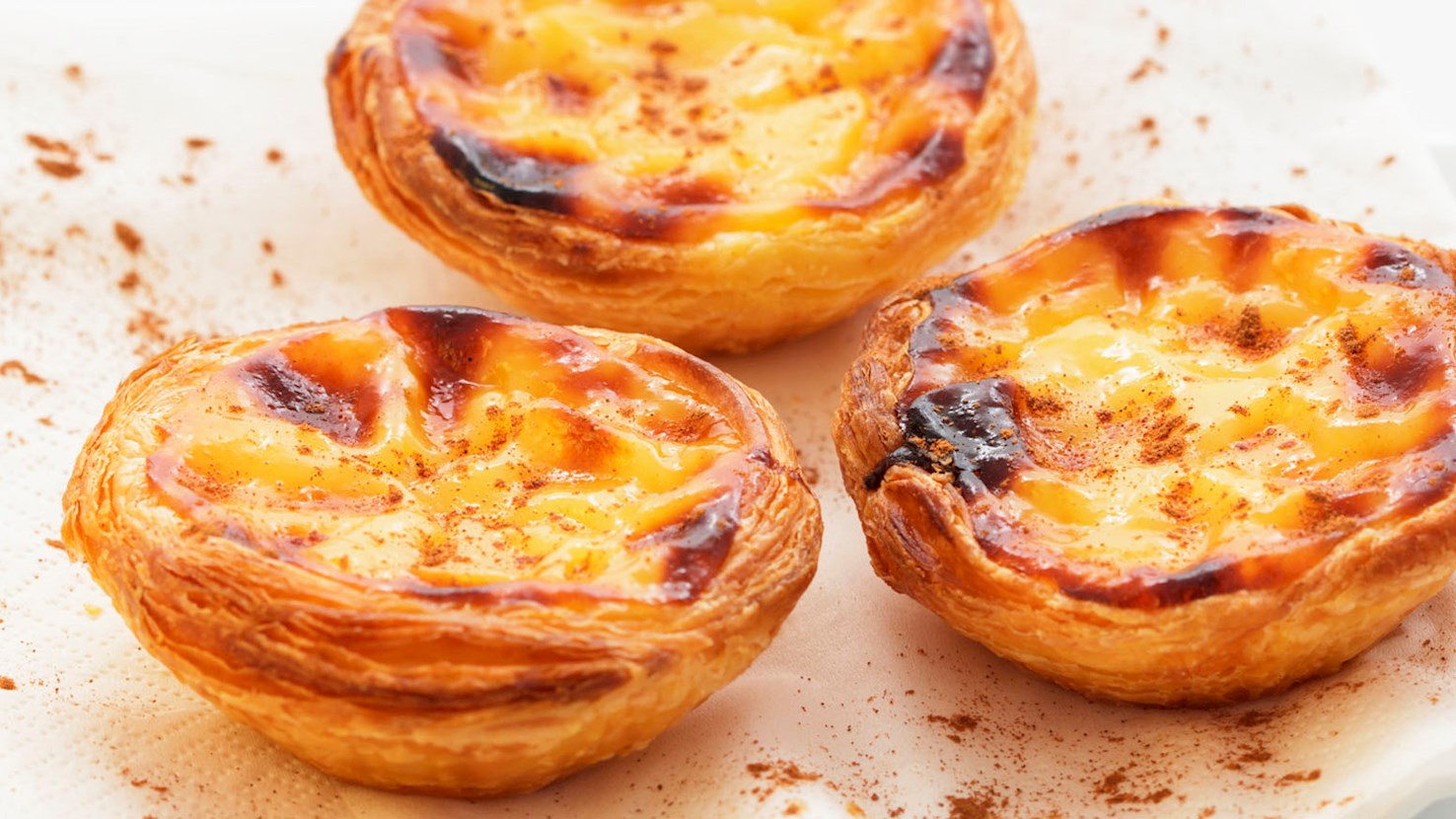
Flaky, laminated pastry shells filled with a creamy egg yolk custard, flavored with cinnamon, or pastel de nata for short, is the world-famous Portuguese dessert invented by Catholic nuns and monks sometime before the 18th century. The preparation is a lengthy one, and every step should be done with the utmost care. First, the pastry is made by laminating the dough with butter — however, lard was used before, and margarine is commonly used today. The custard is made with just milk, water, sugar, and egg yolks, and flavored with cinnamon, or in some recipes also with vanilla and lemon, which has the purpose of cutting the sweetness of the custard. However, in any case, the custard should not be overly sweet. Once the pastry shells have been filled with custard, they are baked in a high-temperature oven for a short time, which gives for a blistering burn on the top that makes these custard tarts instantly recognizable. Pastel de nata should be eaten shortly after baking, so the custard doesn't lose its texture. Before consumption, the tart should be sprinkled with cinnamon, or eventually, icing sugar, and paired with a cup of coffee.
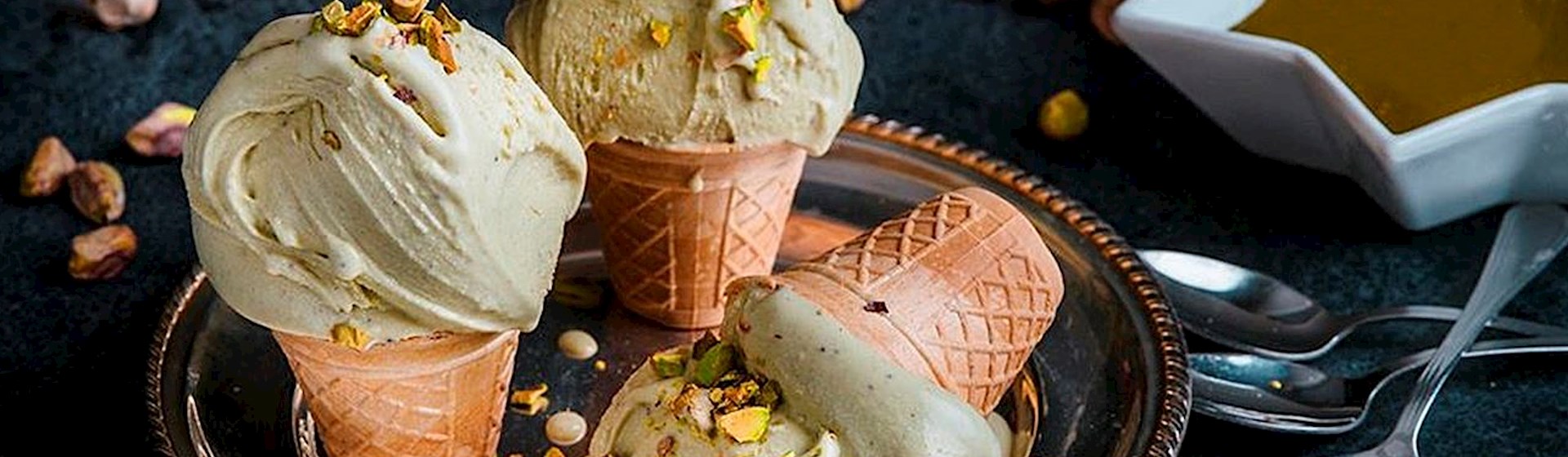
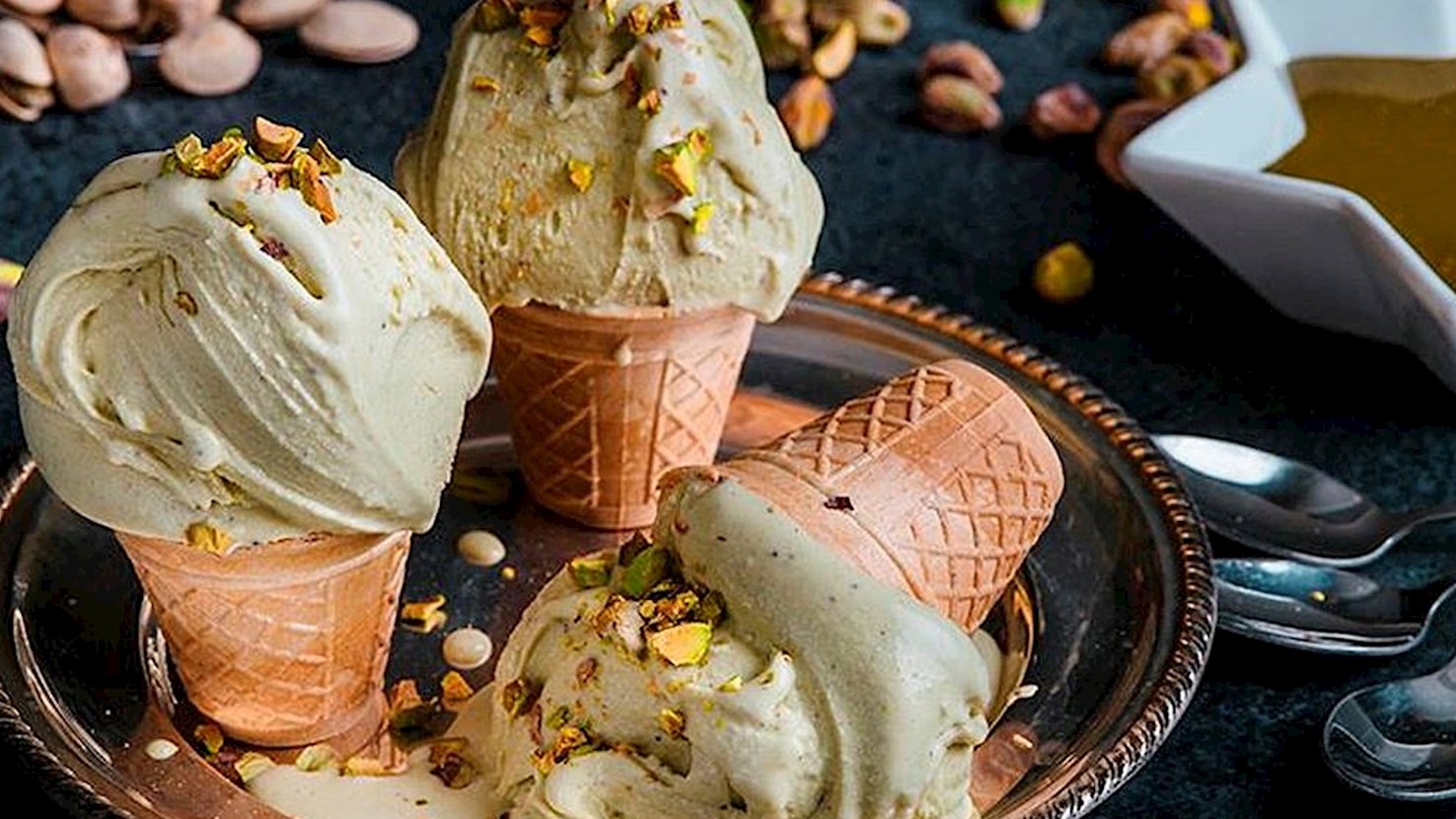
Gelato al pistacchio is one of Italy’s most beloved frozen desserts, prized for its smooth texture, natural nutty aroma, and unmistakably elegant green hue. Preparing it traditionally begins with choosing exceptional pistachios—ideally Bronte or other high-quality varieties—before transforming them into a fine paste that becomes the soul of the gelato. The base is typically made from whole milk, cream, and sugar, sometimes enriched with egg yolks depending on regional preference, though many contemporary gelaterie omit eggs to create a cleaner, lighter flavor that highlights the pistachios alone. The mixture is gently heated to dissolve the sugar and to ensure proper emulsification, then blended with the pistachio paste until perfectly smooth. After chilling thoroughly, the mixture is churned slowly so it incorporates minimal air, creating the dense, velvety body that distinguishes gelato from ice cream. What makes pistachio gelato particularly interesting is the way its flavor depends entirely on the nuts: lightly roasted pistachios yield a deeper, warmer taste, while raw pistachios produce a greener, fresher profile. Authentic versions never rely on food coloring, as the natural shade of true pistachio paste is subtle and earthy, not bright green. There are countless variations, from using a touch of vanilla or orange blossom water to deepen aroma, to swirling in ribbons of pistachio cream or adding whole or crushed pistachios for texture. Some modern versions use alternative sweeteners like honey, or incorporate a small amount of glucose or inverted sugar to enhance smoothness and prevent crystallization; others skip dairy entirely, using pistachio milk to craft a refined vegan adaptation. When serving, gelato al pistacchio is best enjoyed slightly softened, allowing its creamy consistency and pure pistachio character to emerge fully. It pairs beautifully with dark chocolate gelato, hazelnut gelato, or simple wafers, and a final sprinkle of chopped pistachios adds both aroma and a satisfying crunch.
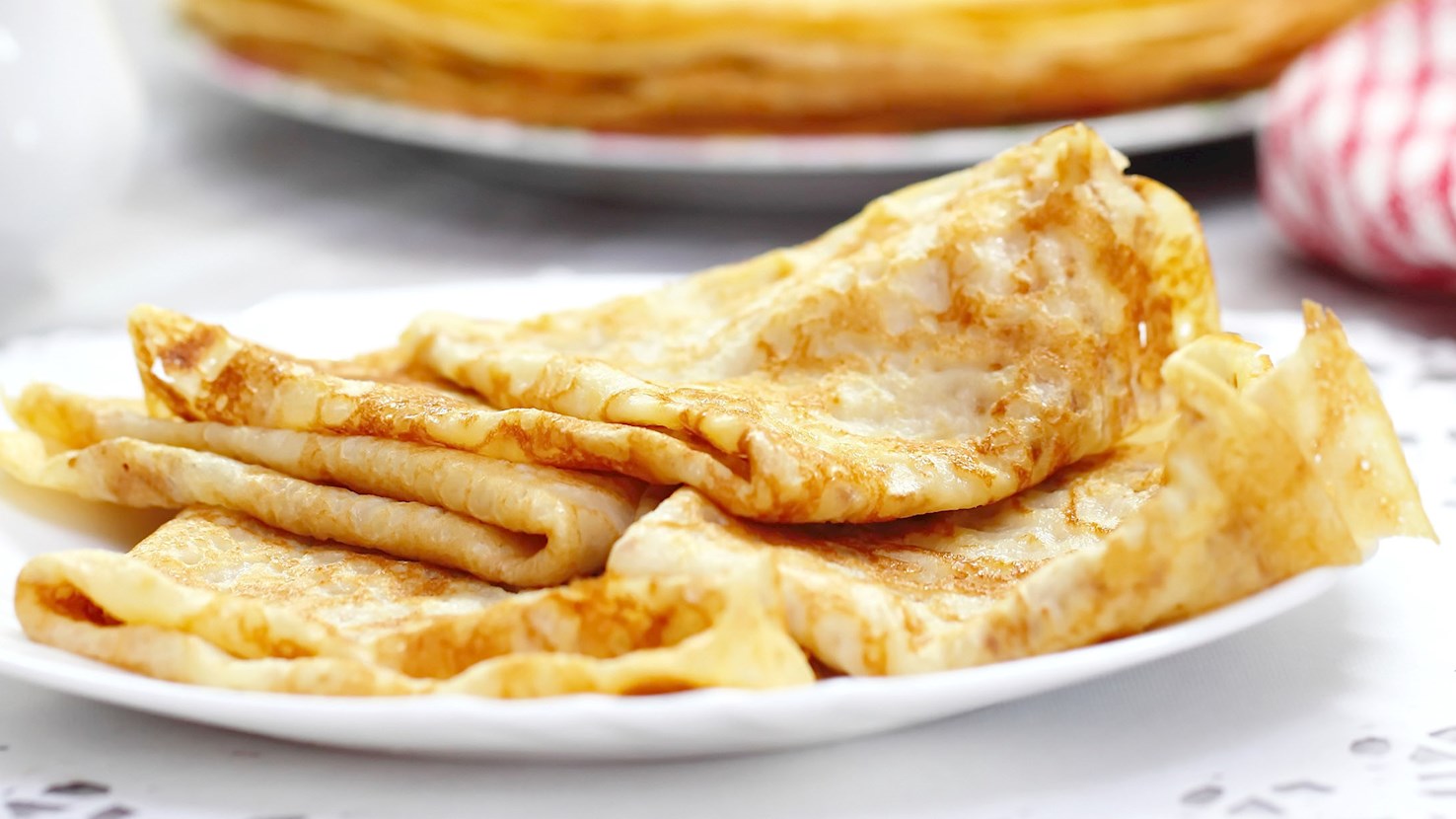
Crêpes are thin pancakes from France, originally from the Brittany region, and the name comes from the Old French word for curled. There are sweet crêpes, which use wheat flour and are often filled with things like Nutella or fruit, and savory versions that can be made with either wheat or buckwheat flour and filled with ingredients like cheese or ham. In France, there's a special day called La Chandeleur (Candlemas), celebrated every February 2nd, on which occasion people traditionally eat crêpes. The basic recipe calls for flour, eggs, milk, water, butter, and salt. Sweet crêpes will also have sugar and be flavored with things like vanilla, orange/lemon zest, and alcohol such as rum, Cognac, Calvados, and Grand Marnier.
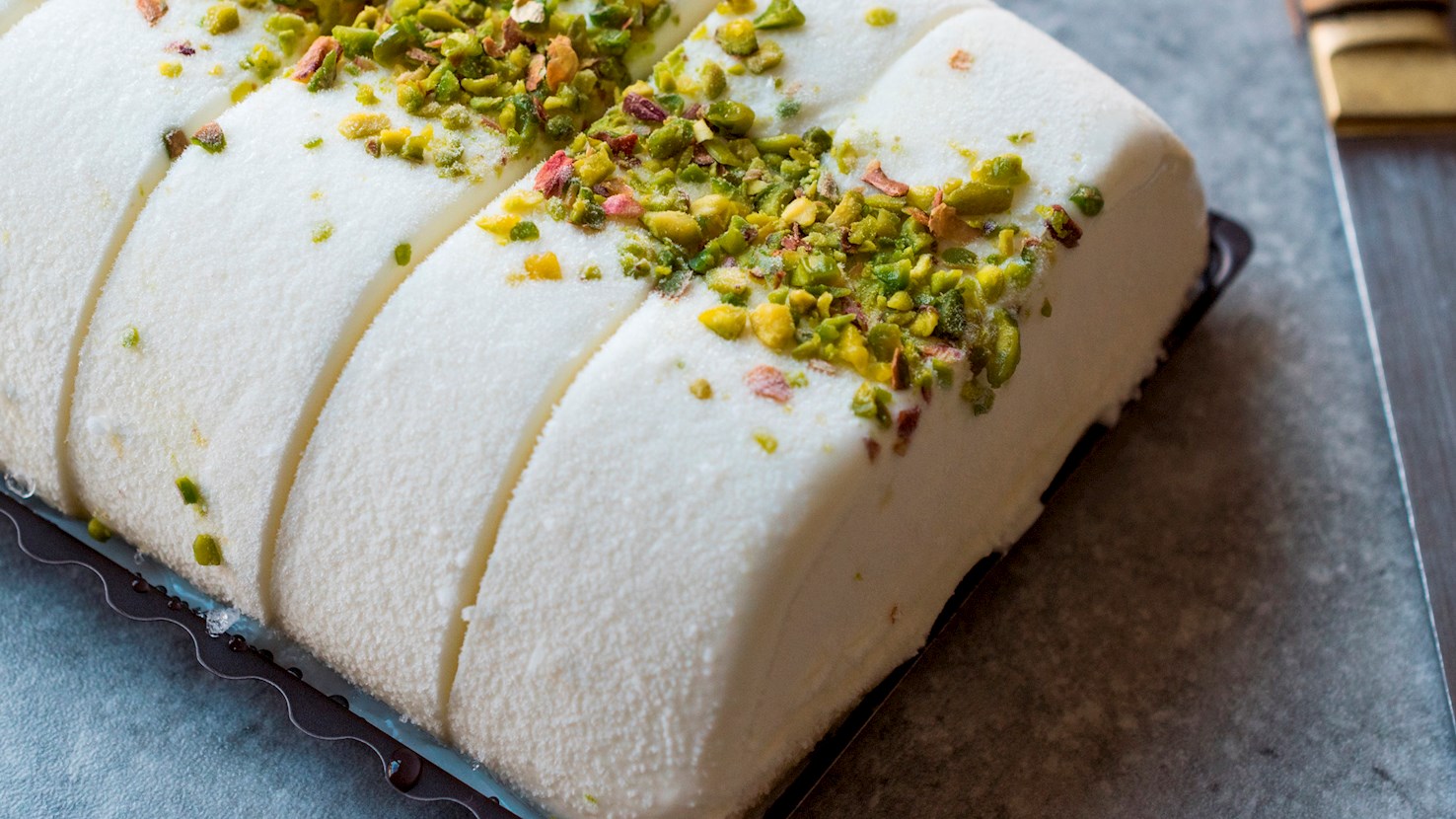
Made from only four ingredients — milk, sugar, salep, and mastic — Maraş dondurması, which literally translates as Maraş ice cream, is a dessert enjoyed all across Turkey, and it originates from the city of Kahramanmaraş. Located in the southern Mersin province, this town lies on the slopes of the Ahir Mountain, which provides two out of the four ingredients mentioned. The milk for Maraş dondurması is harvested from the Ahir Mountain goats, and their nutrition consisting of aromatic herbs gives it a distinctive taste. On the other hand, salep or sahlep is a type of flour made from bulbs of a special type of purple orchids growing on the slopes of Ahir Mountain. The bulbs are dried and ground to a fine powder, which serves as a thickening agent giving Maraş dondurması a distinctive, sinewy texture. This is also achieved by using mastic — a type of resin from the namesake tree growing in the Çeşme peninsula and on the nearby Greek island of Chios. Preparing Maraş dondurması starts with slowly heating the goat's milk with sugar to 90°C/190°F. Mastic beads are ground finely with some sugar, after which they are mixed with salep powder and dissolved in some milk. This concoction is then poured back into the warm milk, which is simmered on low heat and constantly whisked until the desired level of density is achieved. The ice cream is cooled to room temperature, after which it can either be finished in an ice cream machine or placed in a freezer overnight. Since Maraş dondurması is resistant to melting, street vendors often display it hanging on meat hooks and serve it in classic waffle cones, jokingly making a show out of it by pulling the ice cream straight out of the customers' cones. A more upscale way is to cut the Maraş dondurması into slices and serve it on plates so it can be eaten with a knife and a fork. Traditional garnishings include cinnamon and crushed pistachios, and the ice cream itself can be flavored with vanilla, chocolate, fruit, nuts, and spices. A fun fact for the end: the Turks sometimes consume hot tea with the Maraş dondurması because they believe this will protect them from getting a cold or a sore throat.
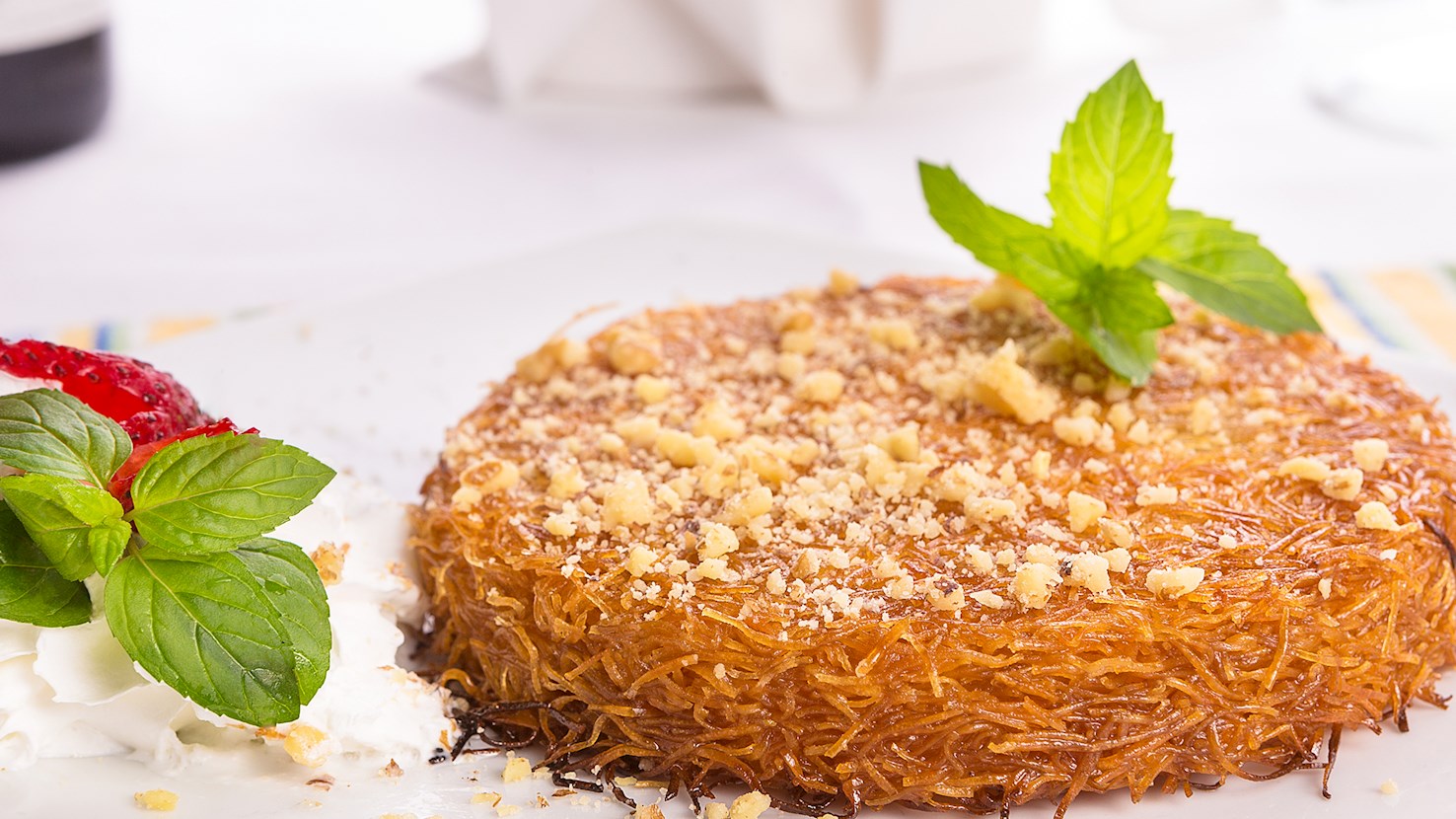
Often dubbed the queen of Arab sweets, kunāfah or konafa is rather simple to prepare — that is if all the ingredients are available. The process starts with kunāfah dough, which is soaked with butter or sometimes ghee (clarified butter) and divided in half. The first half is then spread on a round-shaped tin to cover the bottom and the sides. Since there are two ways to serve kunāfah — inverted or straight from the pan — the topping made from chopped pistachios or other nuts, such as almonds and walnuts, is placed on either top or the bottom of the kunāfah. The filling for the kunāfah is made from a mixture of cheese, or cream, and sugar. The best options are akkawi or nabuleh, mild Middle-Eastern soft cheeses, or regular heavy cream. The cheese/cream mixture is distributed evenly over the first half of the dough, covered with another half of the dough, and baked in a pre-heated oven. If the kunāfah is served straight from the baking pan, the nut topping is sprinkled on the top layer, and sometimes even red food coloring is added. The juiciness is achieved by pouring sugar syrup over the baked kunāfah. This dessert is served warm and cut into small portions.
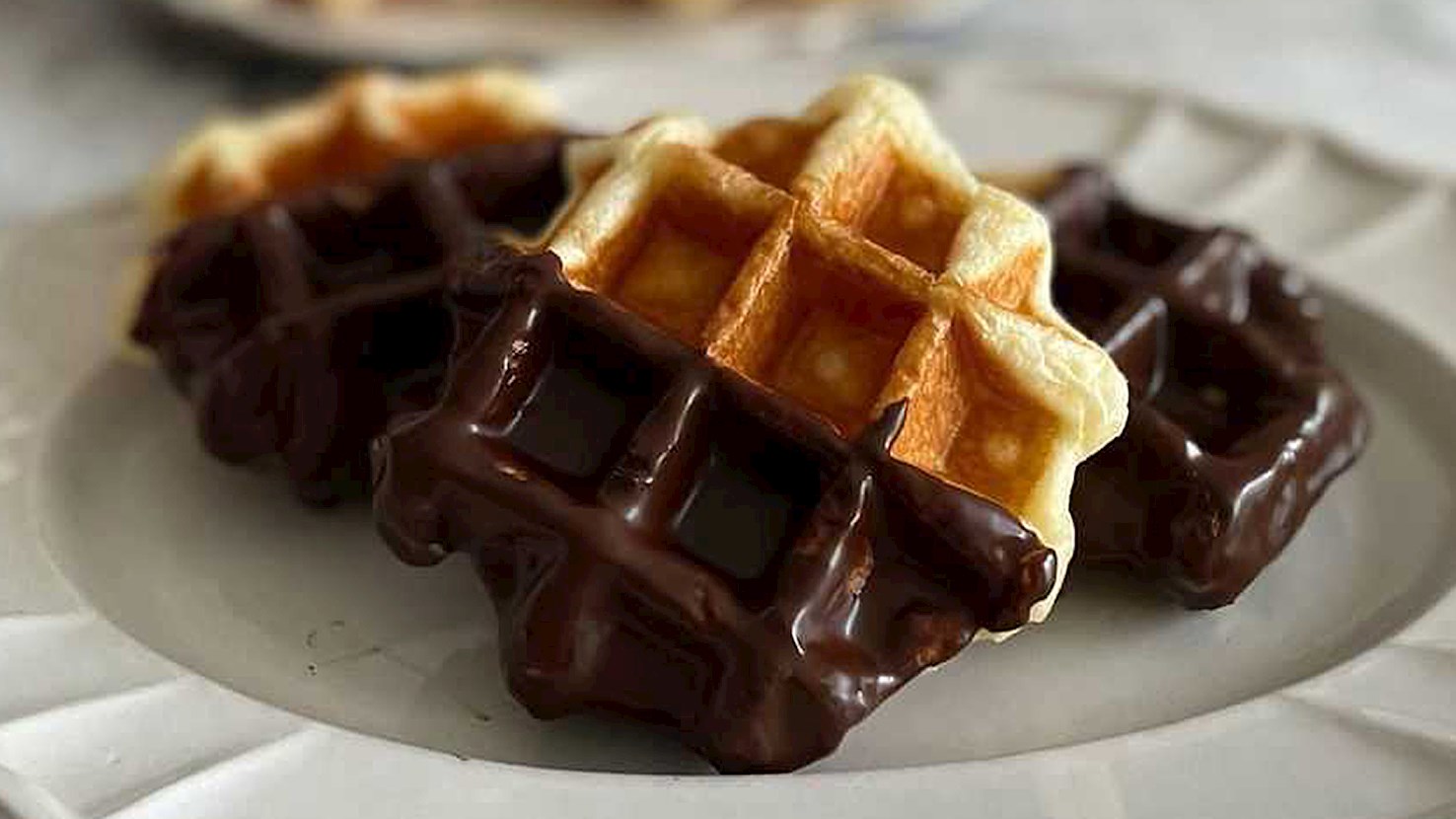
The following recipe is adapted from the Liège Tourisme website (www.en.liegetourisme.be). It includes vanilla sugar, honey, cinnamon or powdered vanilla and some bicarbonate of soda. Make sure to preheat the waffle iron properly – it needs to be hot to stop the waffles from sticking to the cooking surfaces.
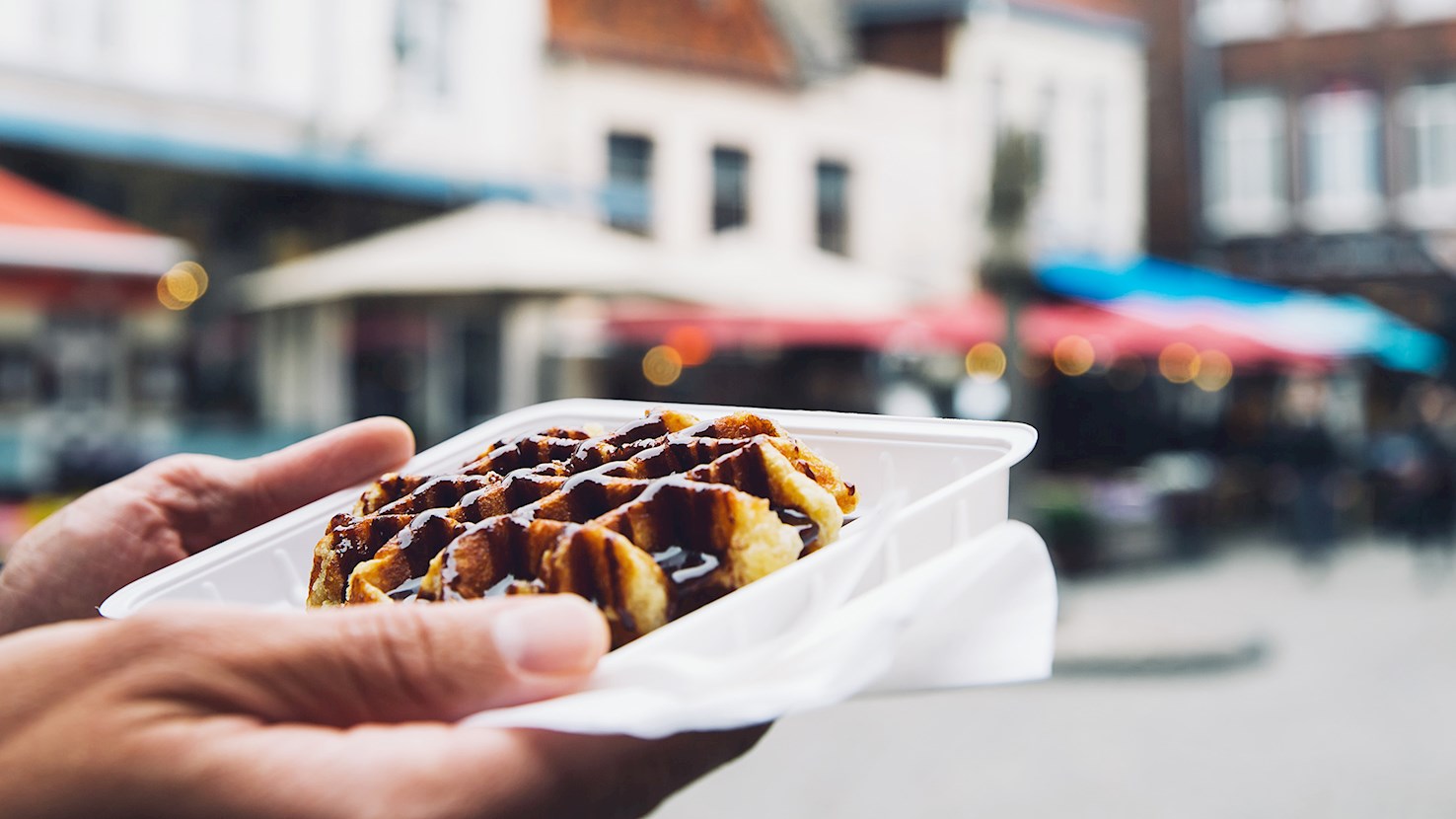
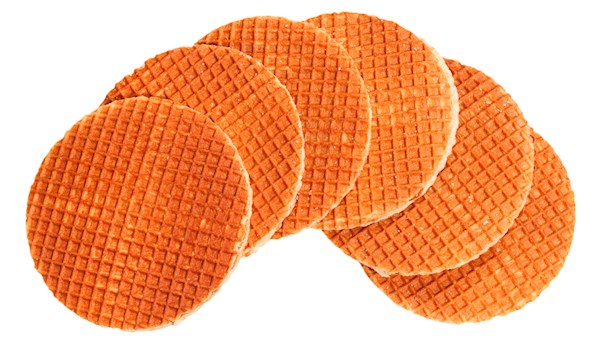
Especially popular in Belgium, gaufres, or waffles are a European dish prepared with yeast batter or dough, then baked using a couple of textured plates. The pattern on the plates determines the waffle's dimensions and surface imprint. Flemish gaufres, or Gauffres à la Flamande, are a round or irregularly shaped waffle variety. Although sometimes topped with sugar and orange blossom water, they can also be consumed plain. Brussels waffles, rectangular in shape, are an airy and crispy waffle variety with bigger, deeper pockets. Their thick, foamy batter is made with beaten egg whites, without any sugar. The Brussels gaufres are served with fruit, sweet cream or simply some powdered sugar. Round Liège waffles are made with pearl sugar, which gives the dense, brioche-like batter a bumpy feel. The gaufres de Liège are sweet and sticky, made with whole, not separated eggs, and coated in crispy caramelized pearl sugar. They are eaten plain, dusted with confectioners' sugar, or served with some cinnamon, jam, or chocolate dressing. Generally speaking, waffles are made with flour, yeast, butter, milk, eggs, and some sugar. Beer yeast is often included when preparing Belgian gaufres– nowadays, dry yeast is more commonly used than the fresh kind. If the recipe calls for separated egg whites, they are beaten until stiff peaks and added to the flour, yeast, milk, egg yolks, and butter mixture to form yeast dough. The dough needs to rest in a warm place to rise and is, afterward, baked in a waffle iron. Vanilla extract and cream are also often added to the waffle batter. Besides making the waffle batter from scratch, it is possible to purchase precooked and frozen waffles that need to be heated before serving. This common Belgian street food choice is usually served hot, plain, or with a number of sweet toppings to choose from, including powdered sugar, fresh fruit, ice cream, peanut butter, whipped cream, chocolate, and chopped nuts. Besides sweet waffle toppings, there are savory options as well, ranging from cheese, eggs, sausages, and pork barbecue to pesto, baked beans, hummus, and marinated artichokes.
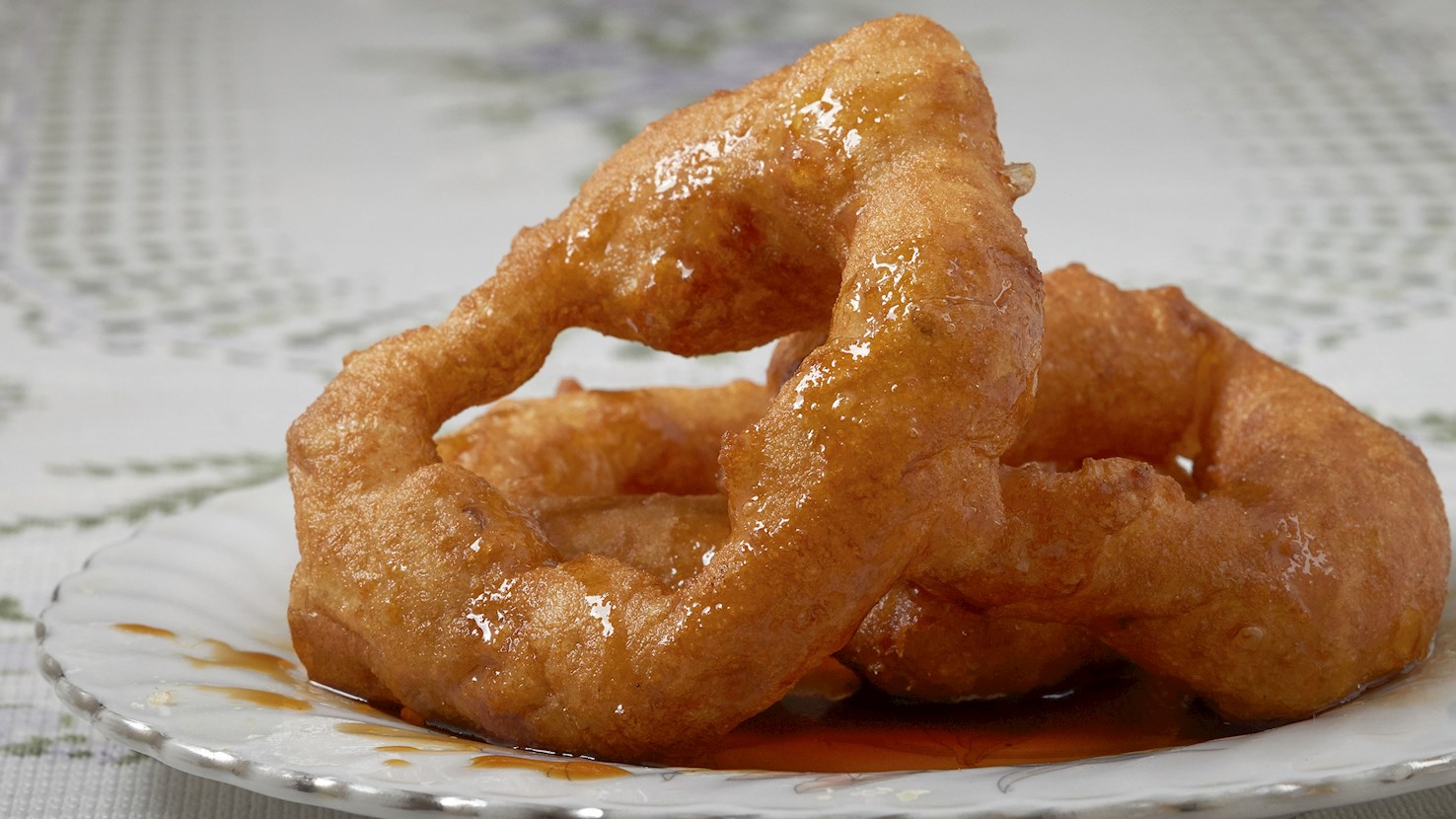
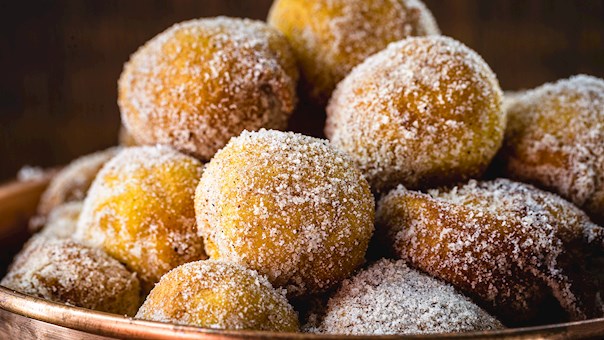
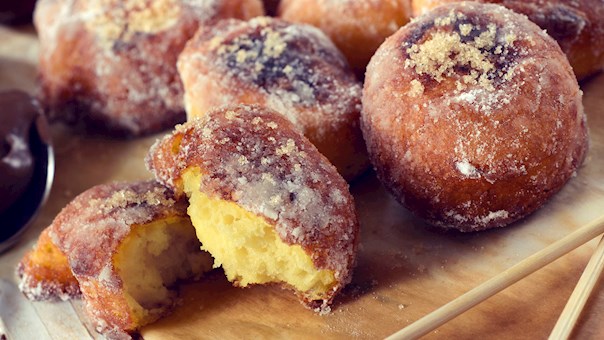
Picarones, a Peruvian dessert, are made by blending sweet potato and pumpkin into a dough infused with anise and brown sugar. Once the mixture rests and rises, it's shaped into rings and deep-fried until golden and puffy. These doughnut-like treats are then drizzled with chancaca honey, a syrupy concoction infused with cinnamon, cloves, and orange juice.
The following recipe is adapted from the Visit Flanders website (www.visitflanders.com). If desired, dust the waffles with powdered sugar or decorate with some whipped cream.
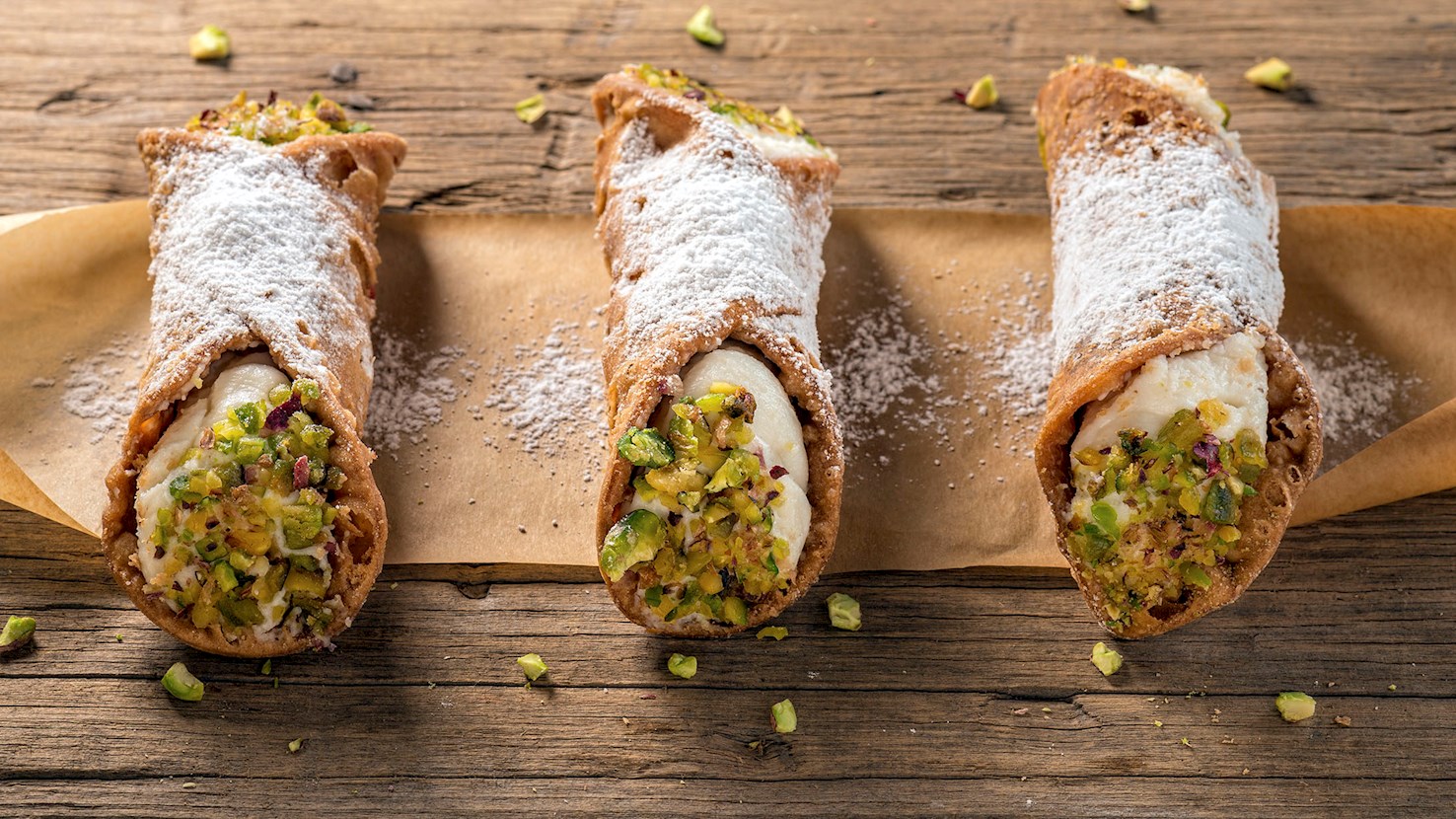
Sicilian cannoli are made by deep-frying pastry dough shells in lard or vegetable oil and then filling them with sweetened ricotta cream, which is typically flavored with orange blossom water and mixed with candied fruit. However, no matter what the flavorings happen to be, traditional cannoli recipes insist on using only fresh sheep's ricotta for the filling. Cannoli are relatively simple to make; still, frying the pastry shells does require a certain degree of skill. The ingredients for the pastry shells are kneaded into a smooth dough and flattened into a very thin layer, either with a rolling pin or by passing it through a pasta machine. The dough is then cut into ovals, wrapped around a stainless steel or aluminum cannoli tube, and deep-fried until nice and crispy. The shells need to cool to room temperature, and it is recommended to fill the shells with ricotta cream just before they are served to prevent them from getting soft and soggy. Cannoli are traditionally dusted with caster sugar and decorated with different kinds of chopped nuts and candied fruit or fruit peel. Yet, today they can be found coated in chocolate and studded with chocolate chips or even sprinkles. In Palermo, each end of a cannoli is studded with a candied maraschino cherry, and each shell is topped with a strip of candied orange peel. At the same time, crushed pistachios are a more common choice of decoration throughout eastern Sicily, especially around Mount Etna, where the prized pistacchio verde di Bronte is cultivated.
TasteAtlas food rankings are based on the ratings of the TasteAtlas audience, with a series of mechanisms that recognize real users and that ignore bot,
nationalist or local patriotic ratings, and give additional value to the ratings of users that the system recognizes as knowledgeable.
For the “Top 22 Street Food Sweets Recipes” list until September 17, 2026, 22,573 ratings were recorded, of which 16,262 were recognized by the system as legitimate.
TasteAtlas Rankings should not be seen as the final global conclusion about food. Their purpose is to promote excellent local foods,
instill pride in traditional dishes, and arouse curiosity about dishes you haven’t tried.










What People Say