


shutterstock

Top 67 Western European Street Food

Last updated on May 15, 2026
01

Piadina Romagnola

4.3 ·

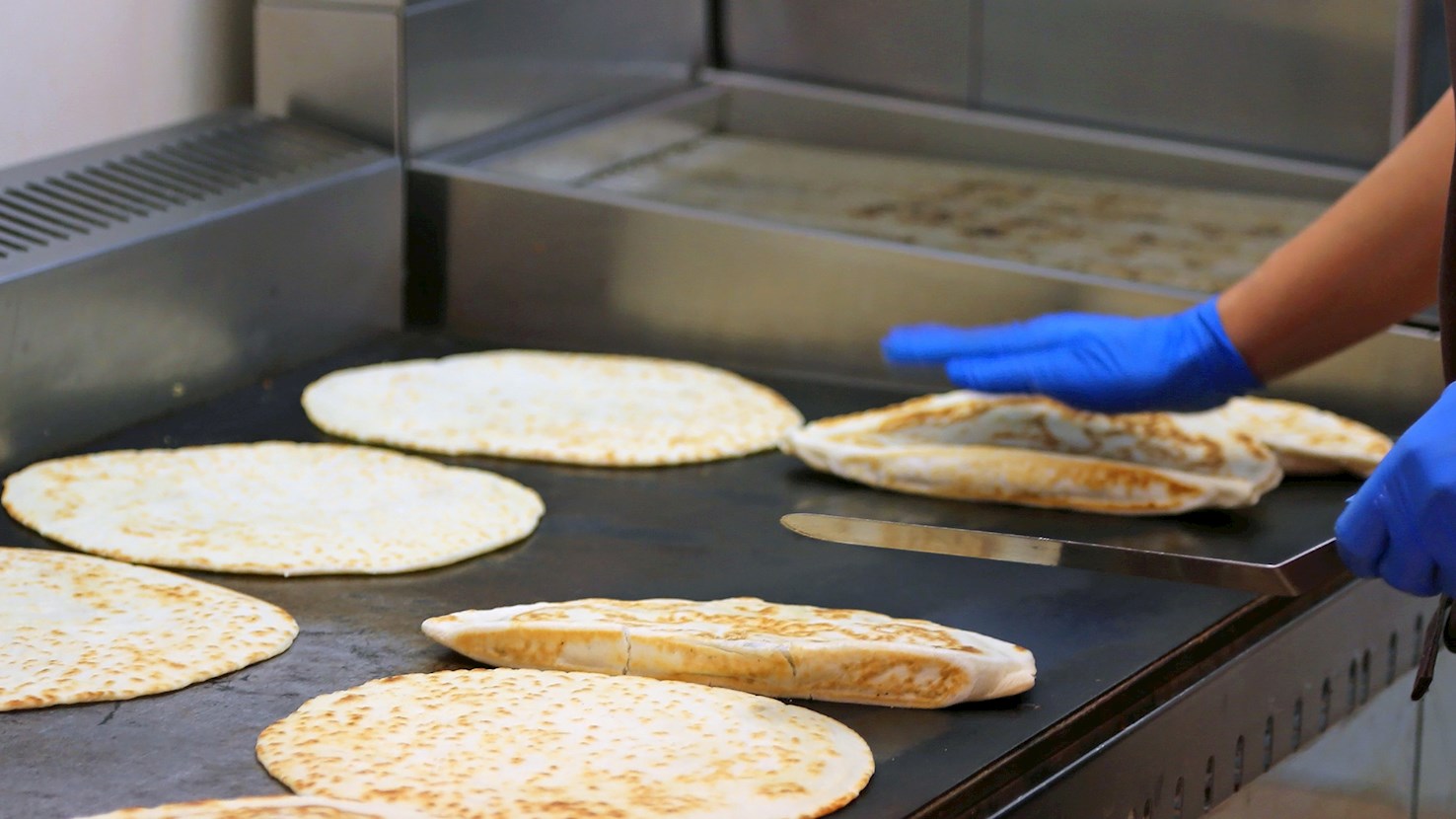
Even though today this griddled Italian flatbread is typically enjoyed as a sandwich (one of the most popular fillings includes prosciutto, creamy soft cheeses like squacquerone, tomatoes, and a handful of peppery wild arugula), Piada or piadina Romagnola was once merely a staple of the poor, often made with maize flour and called la pjida ad furmantoun in Romagnolan dialect. In his poem entitled La Piada, which is sort of an ode to the beloved Romagnolan piadina, a 19th century Italian poet Giovanni Pascoli calls it "the bread of poverty, humanity, and freedom", describing it as "smooth as a leaf and as big as the moon." Since then, the humble, rustic piadina has come a long way and even today takes a special place in the regional cuisine, having been awarded the Protected Geographical Indication status. Le piadine, in plural, can take virtually any ingredients as their filling, and they can be easily found freshly prepared at numerous street kiosks called piadinerie, as it is best to eat a piadina only minutes after it comes off the cast-iron griddle while it's still pliable and warm - the perfect frame for the almost-melting soft cheese and delectable, thinly sliced charcuterie.

02

Espetada

4.3 ·

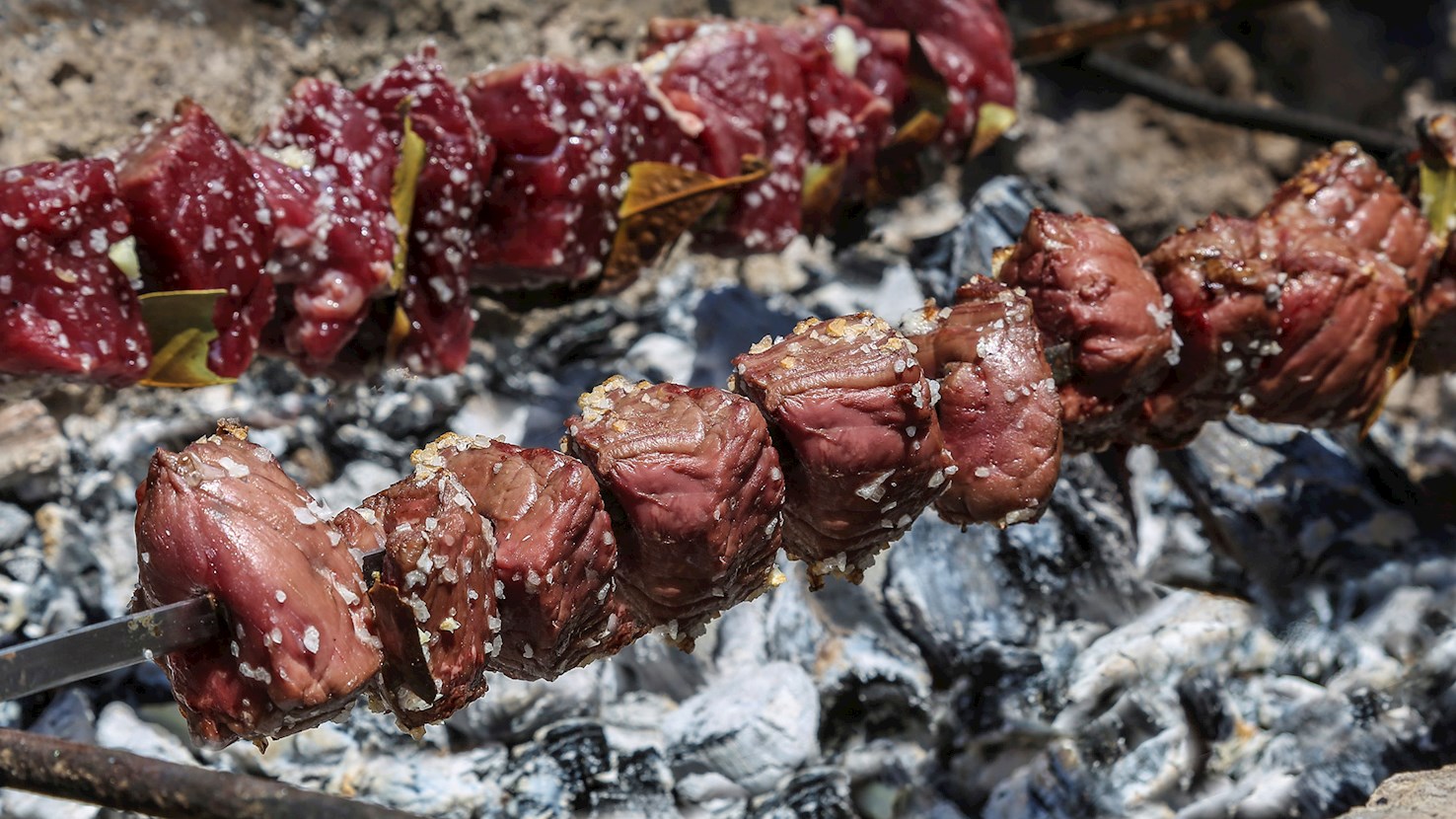
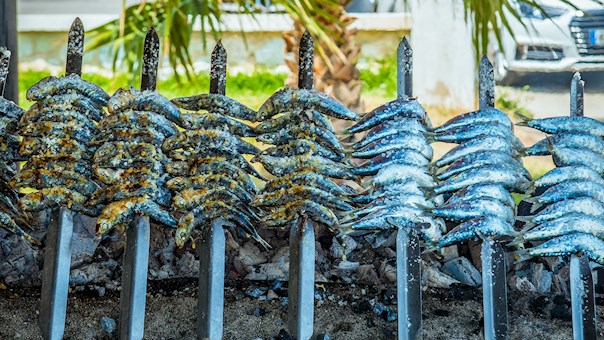
Espetada is a traditional dish and a specialty of the island of Madeira. It consists of big pieces of beef that are marinated in salt and garlic, then skewered on a bay leaf stick. The stick is placed over hot coals until the meat is properly cooked. It is the most popular dish to serve at picnics or parties in Madeira. Espetada is often served with the skewer hung vertically from a hook, so that the flavorful juices can drip down onto a plate filled with thick-sliced, crusty bread. Pork, sausages, and squid can all act as a substitute for beef in espetada, but then it is not a typical Madeira dish anymore. Since it is a great summer dish, it is recommended to pair espetada with a glass of cold sangria.

03

Rabas

4.3 ·

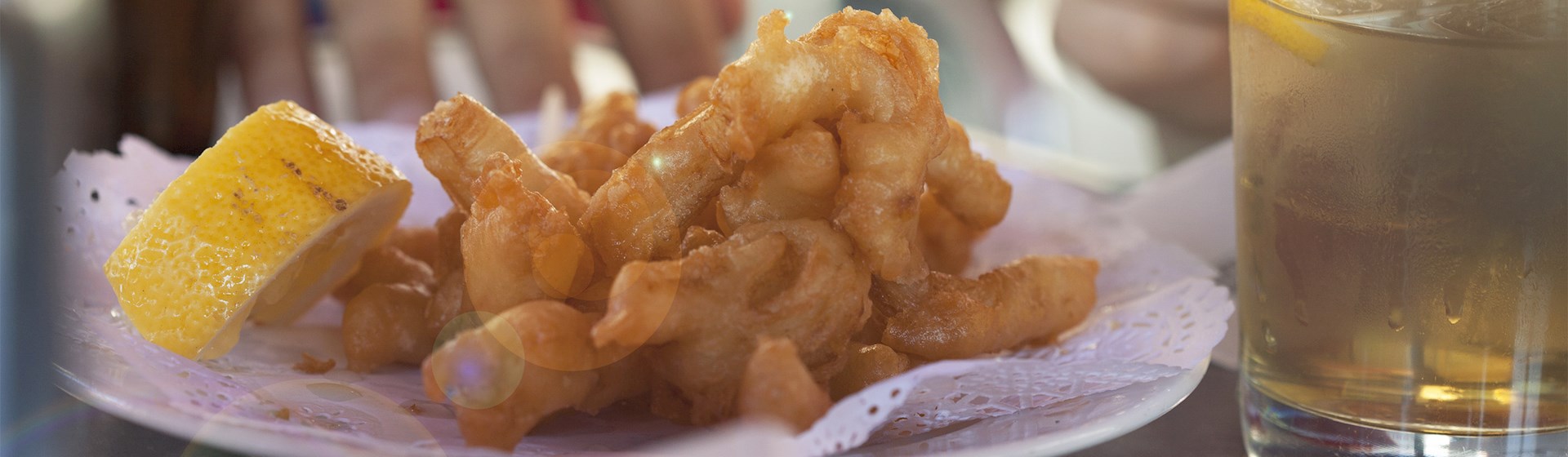
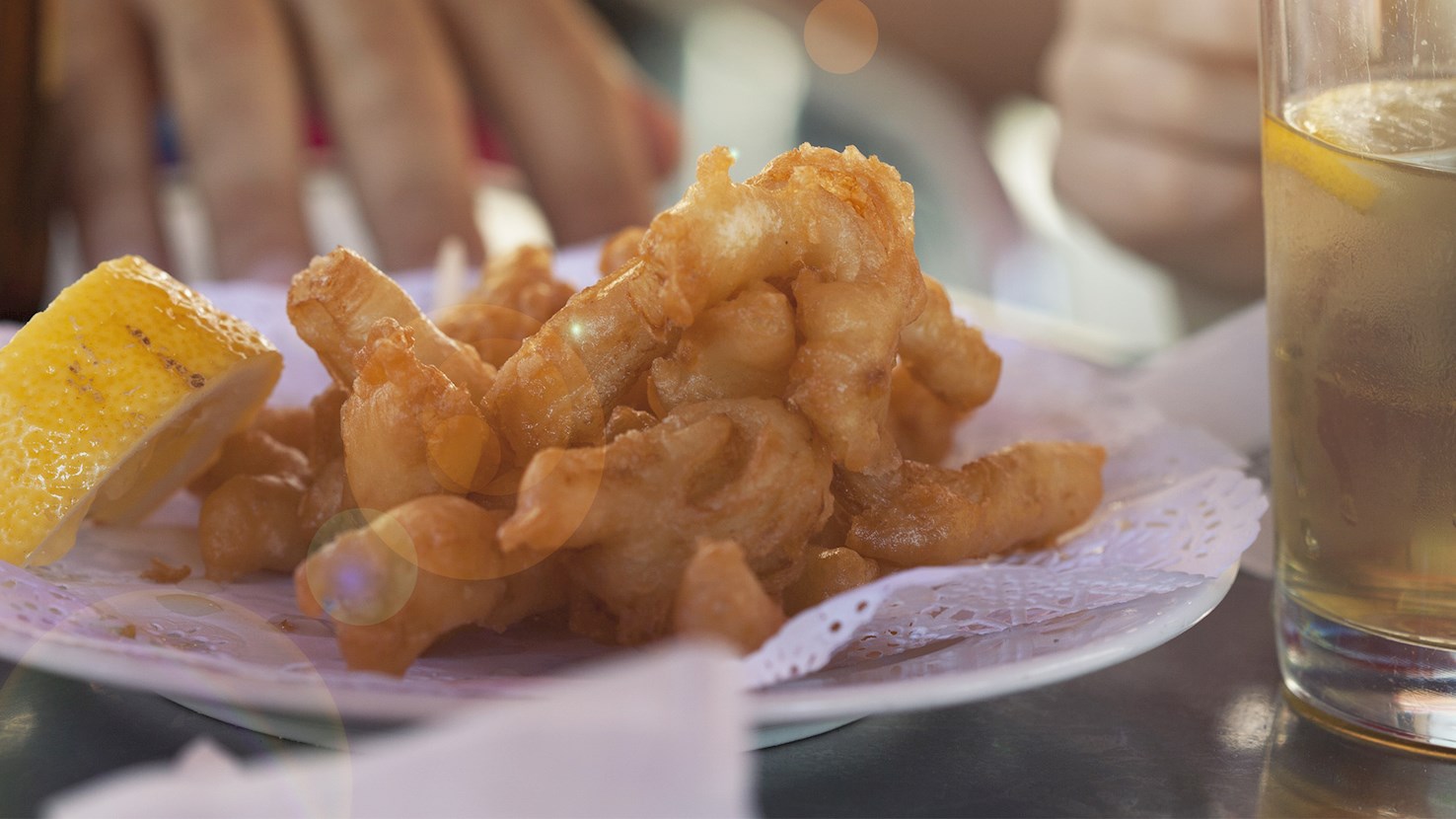
Rabas or fried squid is the quintessential seafood tapa of the Cantabrian coast. Made with sliced squid strips or rings that are lightly battered or breaded before they are fried to crispy perfection, this dish is best savored when lightly seasoned with salt and with an optional drizzle of fresh lemon juice. There are numerous variations on the dish depending on the species of squid, the type of flour, or the oil used in the preparation, as well as the preferred version of cutting the squid (strips, rings, or other shapes). The best rabas are, nevertheless, those made with fresh squid, defined by a firm consistency, thin coating, tender bite, and natural seawater flavor. This Spanish appetizer pairs well with a glass of dry white wine or a cold beer and is available in almost any bar and restaurant throughout the region.

04

Pizza al taglio

4.3 ·

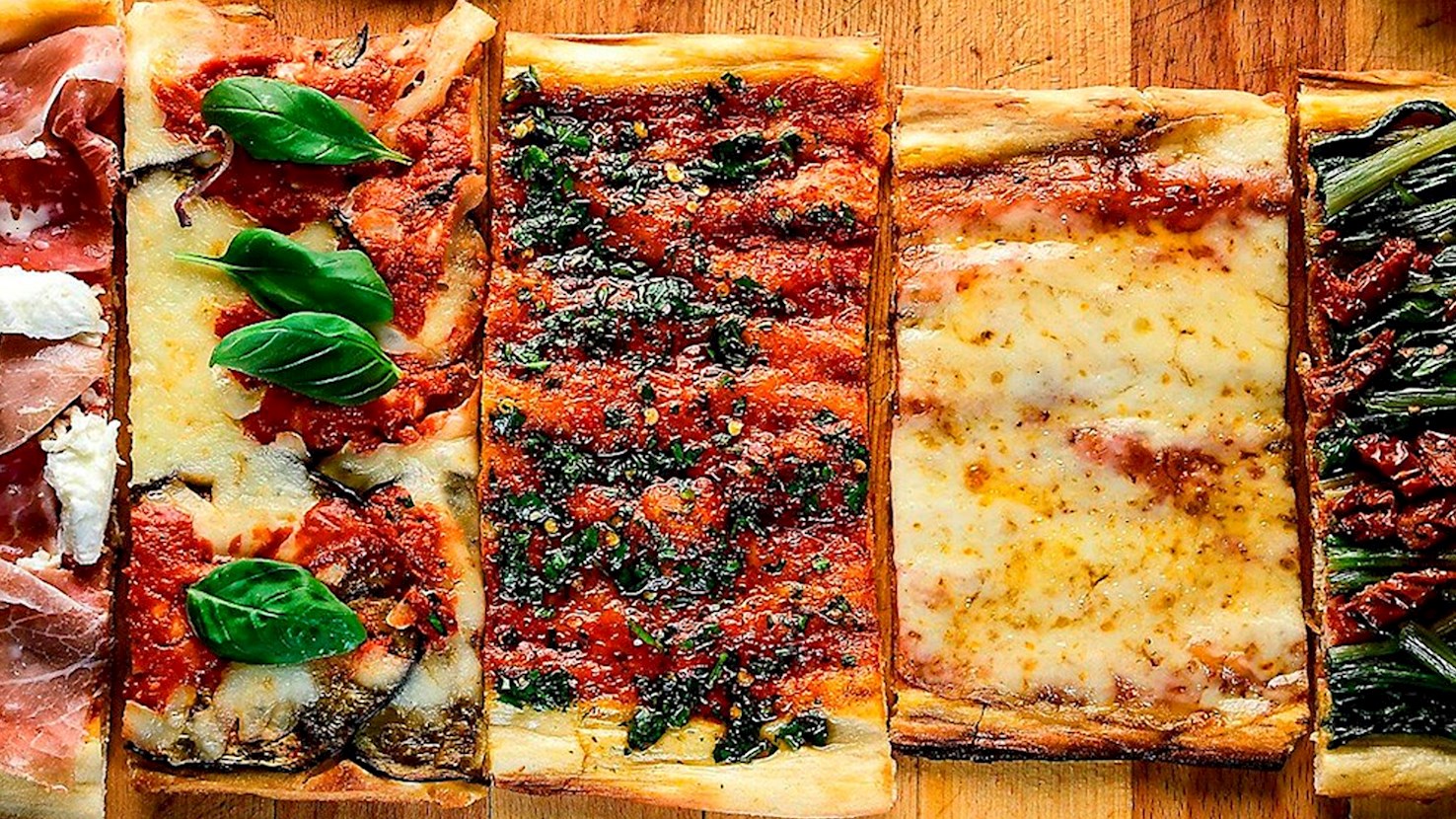
Pizza al taglio is a variety of Italian pizza that is baked in rectangular trays and sold sliced into squares or rectangles. Prices can be marked either per slice of pizza or per kilogram. The first pizza al taglio was baked in Rome in the late 1950s, when it was topped with olive oil and tomato sauce. Today, the dish is one of the most loved street food items both in Rome and in most of Italy. When making pizza al taglio, it is important to let the dough rise and ferment for a longer period of time. The dough is usually baked, topped, and then baked once more, resulting in an evenly-cooked pizza that's light, airy, and easily digestable.

05

Pizza alla pala

4.3 ·

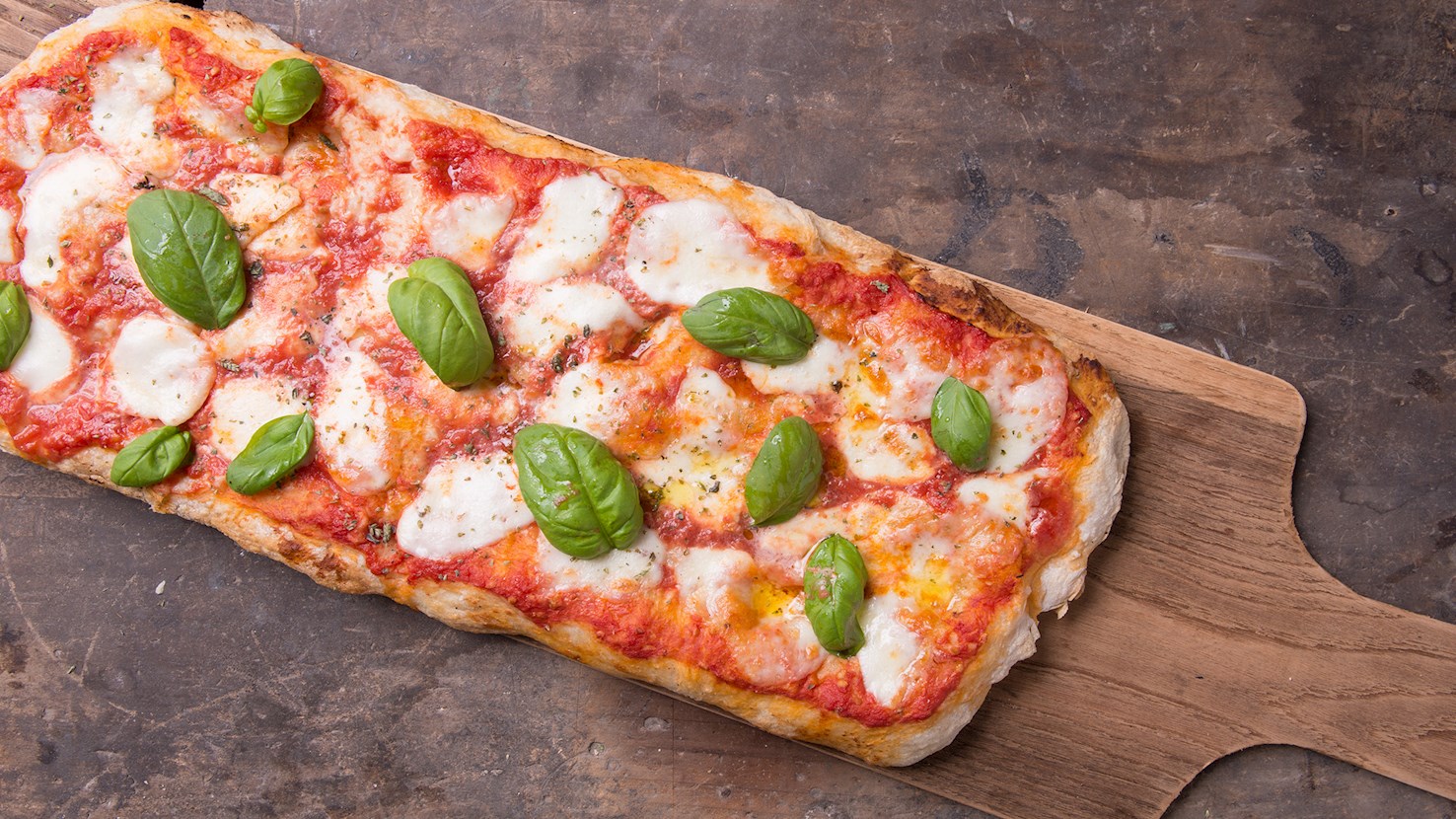
Typically shared among groups and consumed by the slice, the Roman invention known as pizza alla pala is a long, oval-shaped flatbread made with a high-hydration, long-rising dough. It is baked in electric ovens, transferred to a wooden board called pala, then topped with various fresh ingredients. The pizza is characterized by a thick crust and a tender, fluffy interior, while the toppings can be anything from prosciutto and cherry tomatoes to various cheeses, olives, and spicy salami.

06

Panzerotti

4.3 ·

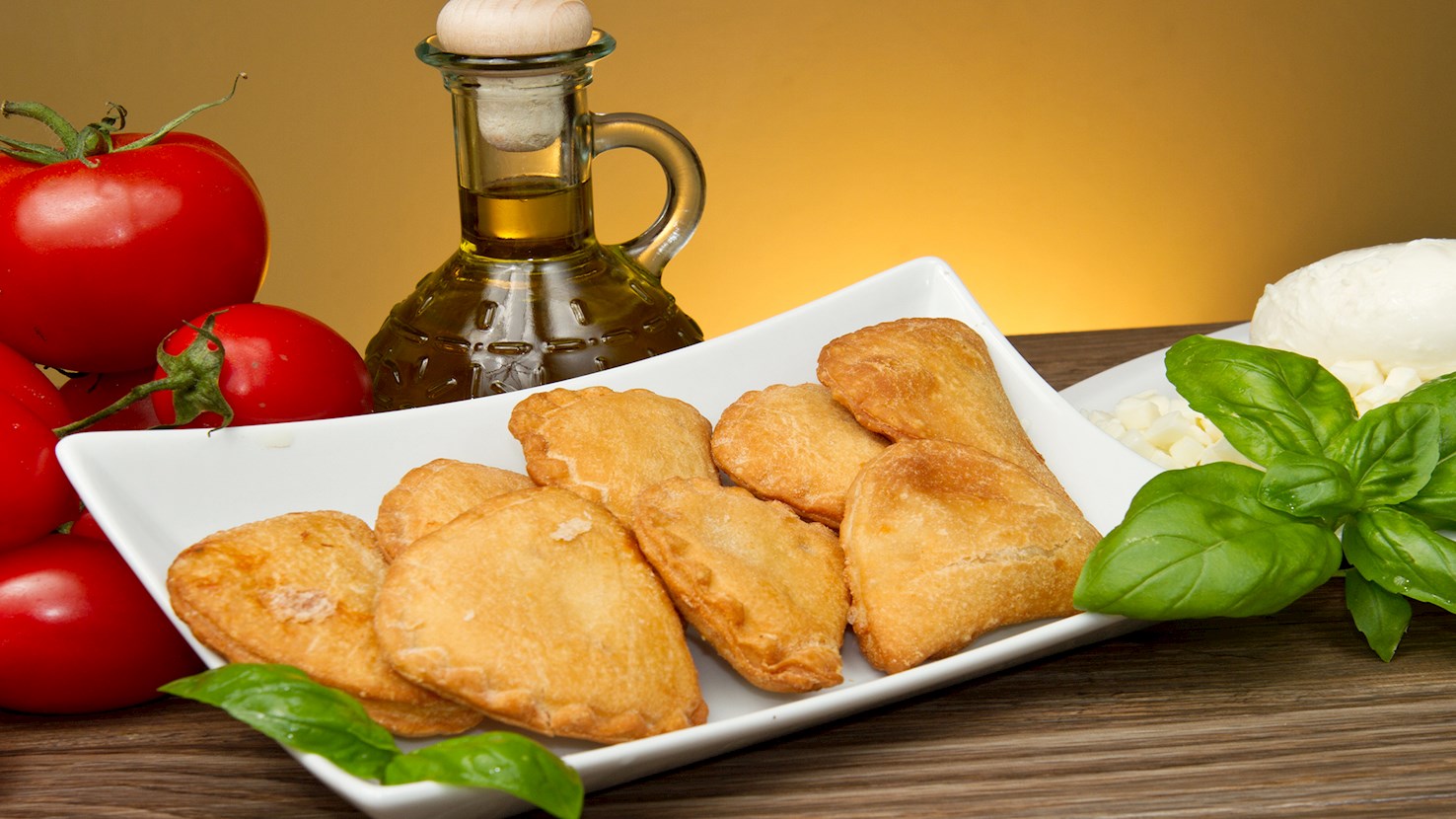
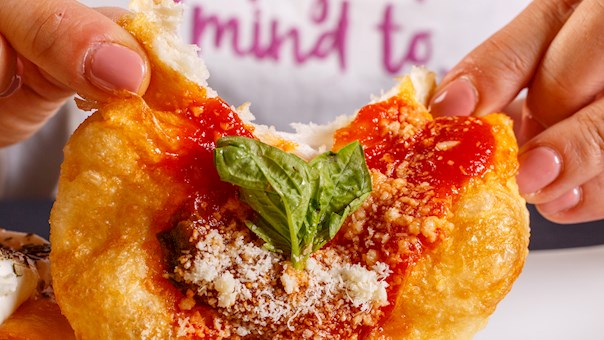
These crescent-shaped turnovers are traditionally prepared for the Carnival season, and even though it is believed that they originated in the Apulia region, panzerotti are extremely popular all across southern Italy. They resemble small calzone pizzas—both in shape and the dough used for its preparation—but instead of being oven-baked, panzerotti are deep-fried, which is why they're also called calzoni fritti (fried calzones), pizze fritte (fried pizzas), or simply frittelle (fritters). The classic panzerotto filling consists of merely tomatoes and mozzarella, but they can be filled with pretty much anything and in various combinations: prosciutto-mozzarella, pepperoni-provolone, spinach-ricotta, zucchini-mozzarella, onion-olives-tomatoes, speck-fontina, etc. Apart from the savory variations, there are also panzerotti filled with all kinds of fruits such as apples, pears, plums, oranges, cherries, peaches, and strawberries, which are wonderfully paired with ricotta, chocolate, or custard cream.

07

Arrosticini

4.2 ·

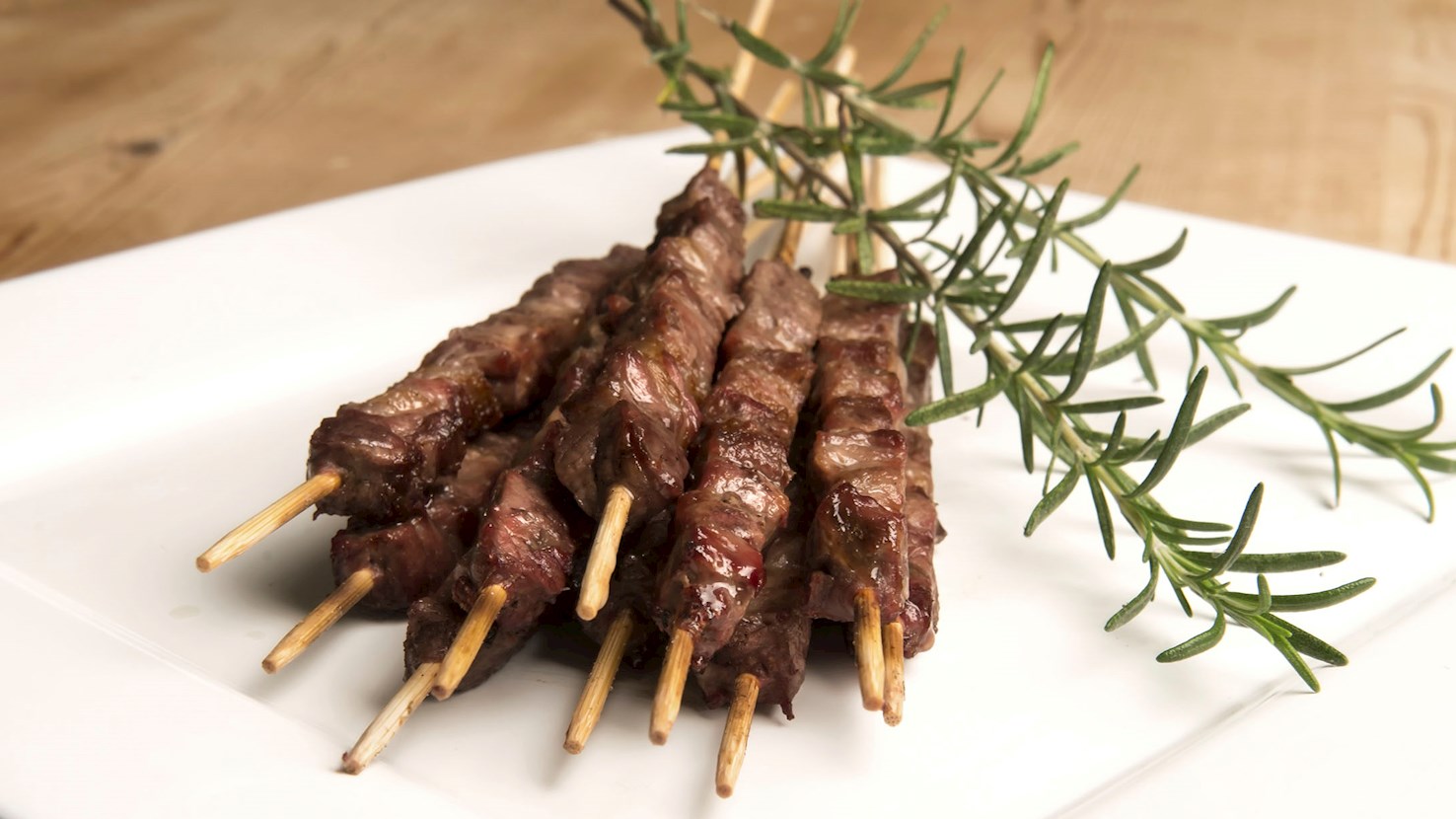
Also known as arrustelle or rustelle in local dialect, arrosticini are skewers made with castrato, the meat of castrated sheep, mutton, or sometimes even lamb, traditionally grilled on an elongated, charcoal-fired brazier called fornacella. One of the most popular meat dishes of modern Italian cuisine, these skewers were once a staple of shepherds who lived in the mountainous areas of Abruzzo, prepared merely with leftover sheep meat of lesser quality. Today, arrosticini are made with well-marbled, more tender cuts mixed with hefty chunks of ovine fat, which makes them particularly succulent. The skewers are sometimes seasoned with Mediterranean herbs, although they are more often simply generously salted to taste and then seared until almost charred. Arrosticini can be found in almost any village and town throughout the region, especially near the Gran Sasso mountain, but they are also available ready-made in numerous supermarkets. In traditional Abruzzo style, to fully enjoy the tenderness and rich flavor of grilled meat, arrosticini are served sizzling hot and are often accompanied by slices of pane unto - a crusty, homebaked sourdough bread that is grilled and drizzled with extra virgin olive oil. As for the wine pairing, arrosticini go hand in hand with a glass of Montepulciano d'Abruzzo.

08

Arancini al ragu

4.2 ·

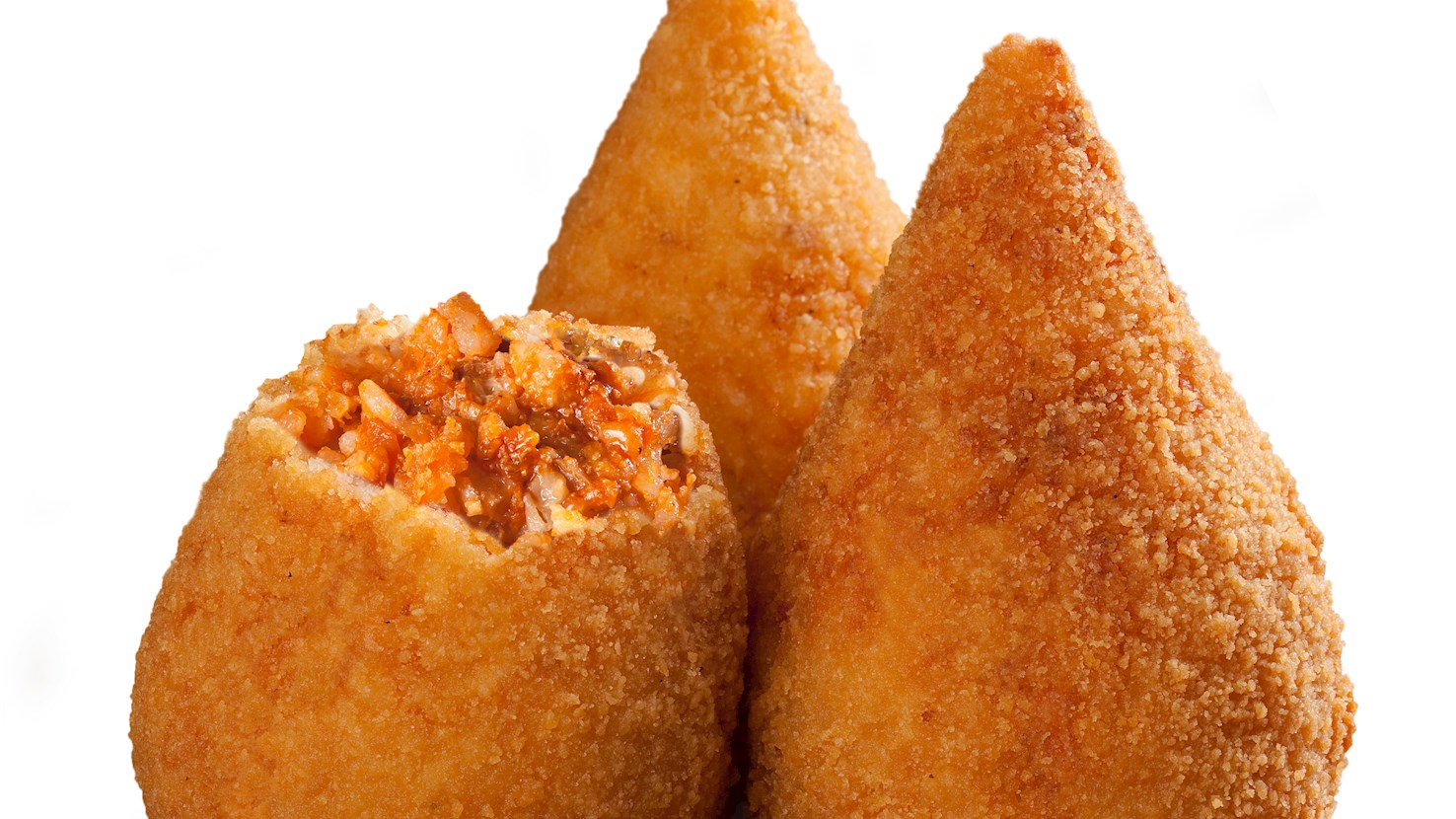
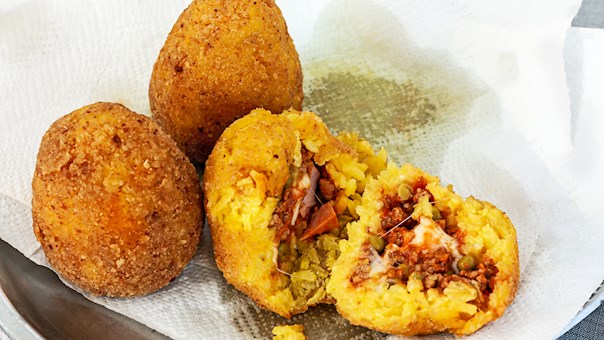
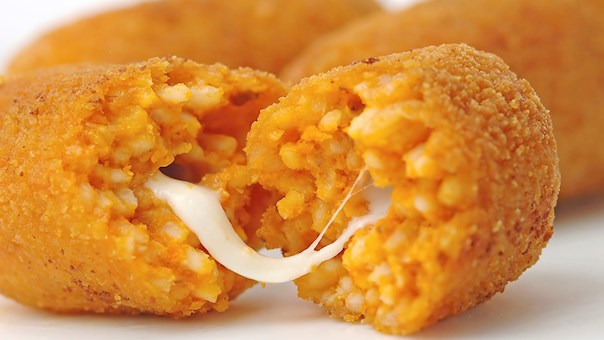
Arancini al ragu or arancini al sugo is a traditional variety of arancini rice balls originating from Sicily. For this version, the arancini are typically stuffed with ragu and cheese, and sometimes peas. The ragu is made with ground beef, onions, carrots, celery, tomatoes, olive oil, salt, and pepper. Once stuffed, the arancini are breaded and deep-fried in oil until golden and crunchy. Parsley and basil are welcome flavorings for arancini al ragu. This snack can be found in most restaurants, bakeries, and street cart stands in Sicily.

Best restaurants
09

Trapizzino

4.2 ·

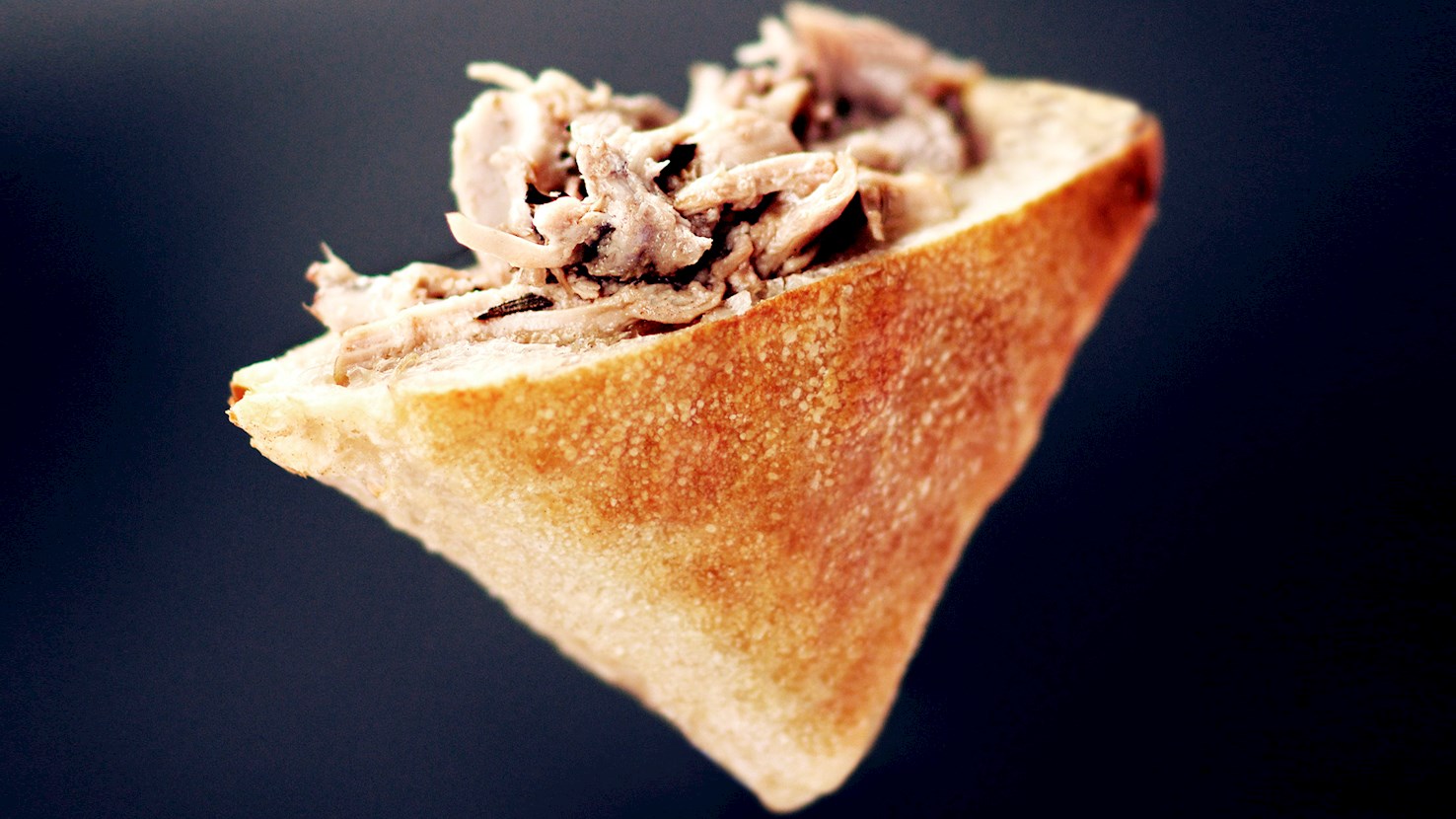
Invented by Stefano Callegari in 2008 in Rome, trapizzino is a popular street food item consisting of a pocket of pizza bianca that is typically filled with a meat or vegetable filling – usually classic Roman dishes that would traditionally be impossible to consume on the go. The tasty trapizzino originated from pizza by-the-slice, and its name is a play on words combining tramezzino (Italian triangular sandwiches) and pizza. This snack should be soft on the inside and crunchy outside, and due to its popularity, it even gained international acclaim and started to appear on the streets of New York as well.

Best restaurants
10

Crocchè

4.2 ·

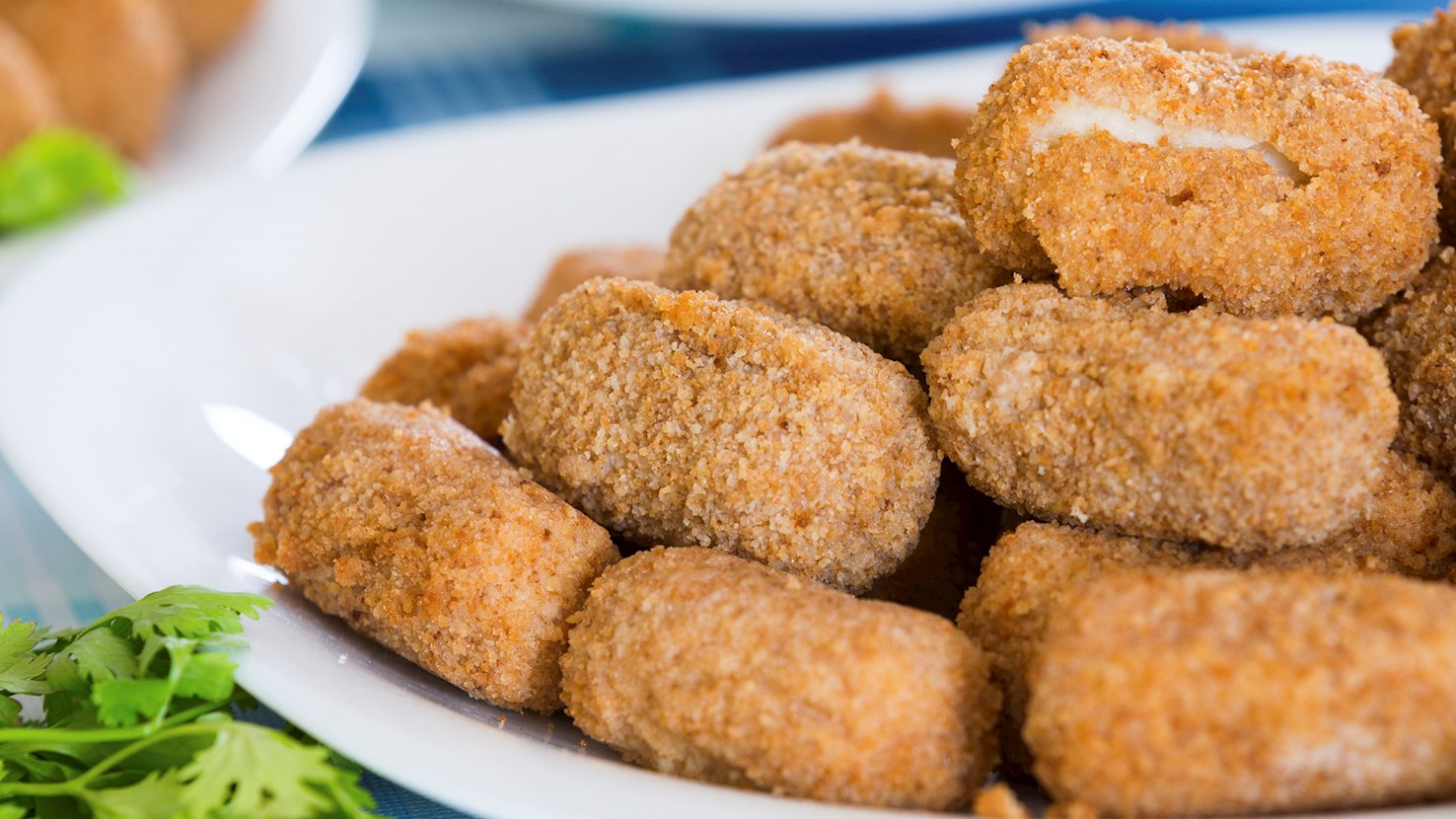
Crocchè is a famous Sicilian deep-fried snack. Also known as crocchè di patatte, and panzarotti in Neapolitan, it is made with mashed potatoes, eggs, Parmigiano and mozzarella cheese, and parsley or mint leaves. Additional ingredients occasionally include provolone cheese, prosciutto, and salami. This tasty snack with a crunchy exterior and silky soft interior was inspired by the famous French croquette, and it originated in the 17th century, when potatoes became a staple ingredient in Sicily. Crocchè is most commonly regarded as Italian street food, but it is occasionally also served in restaurants as a side dish or antipasto. It is best to consume it freshly fried, hot, and crunchy, when it is usually served with a splash of lemon juice.

Read more
View all
View map
About this ranking

TasteAtlas food rankings are based on the ratings of the TasteAtlas audience, with a series of mechanisms that recognize real users and that ignore bot, nationalist or local patriotic ratings, and give additional value to the ratings of users that the system recognizes as knowledgeable. For the “Top 67 Western European Street Food” list until May 15, 2026, 6,480 ratings were recorded, of which 5,089 were recognized by the system as legitimate. TasteAtlas Rankings should not be seen as the final global conclusion about food. Their purpose is to promote excellent local foods, instill pride in traditional dishes, and arouse curiosity about dishes you haven’t tried.

Similar lists