shutterstock

Top 3 Southeast Asian Sugars

Last updated on June 10, 2026

Best Southeast Asian Sugars
01

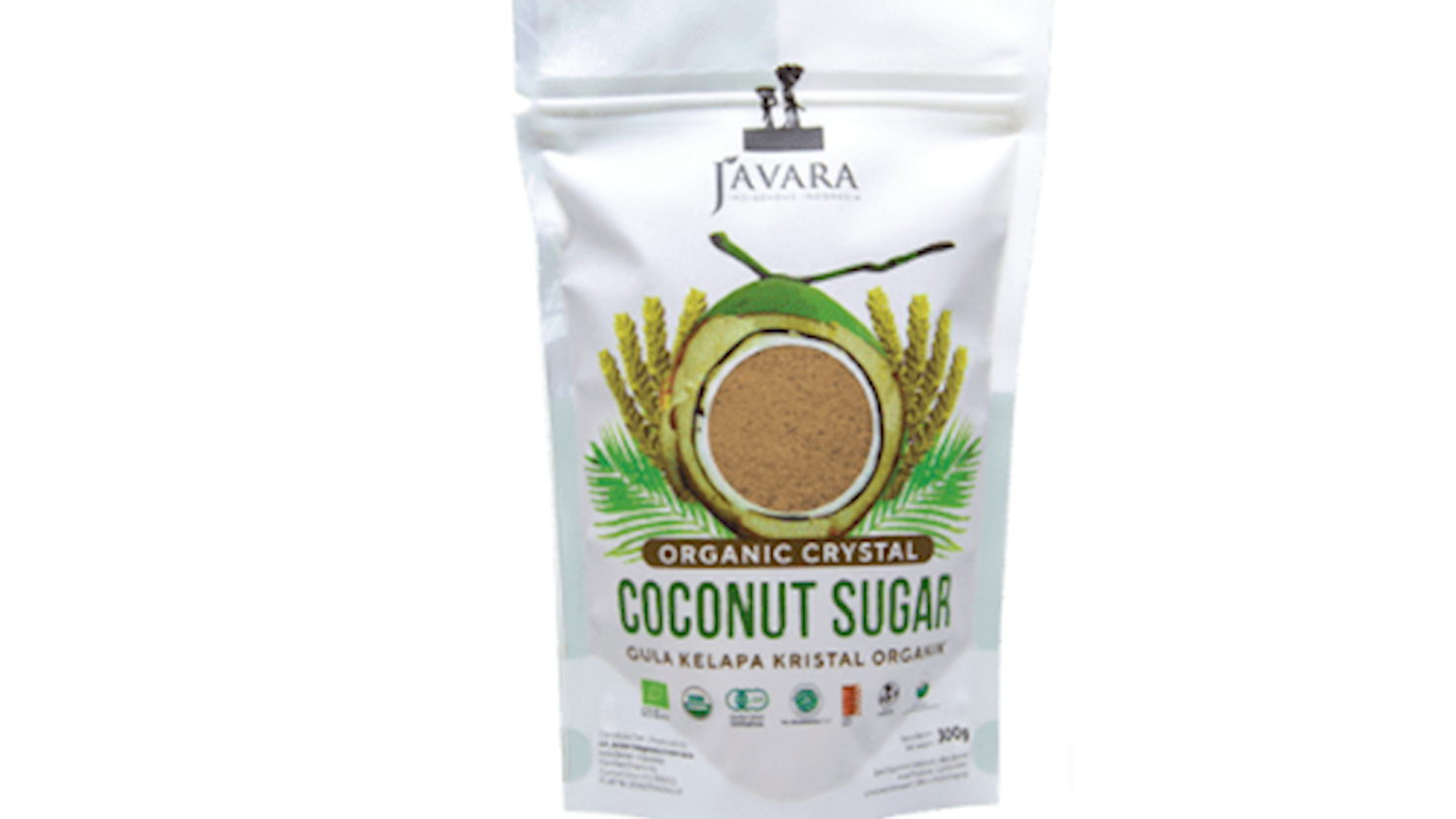
Javara

4.9 ·
Javara is an Indonesian brand and social enterprise dedicated to preserving the country’s vast culinary biodiversity by bringing traditional, locally sourced foods to contemporary markets. The company works directly with thousands of small farmers, foragers, and artisans across the archipelago, offering products such as heirloom rice varieties, native grains, spices, coconut-based ingredients, natural sweeteners, herbal powders, and artisanal salts. Their approach emphasizes the protection of rare and indigenous food traditions while ensuring full traceability and sustainable production practices. Founded in 2008 by Helianti Hilman, Javara was created to empower rural communities and improve market access for small-scale producers. Today, the brand integrates training programs, entrepreneurship support, and ethical supply chains, positioning itself as a leading advocate of Indonesia’s food heritage and a bridge between traditional wisdom and modern culinary culture.
02

Big Tree Farms

4.8 ·
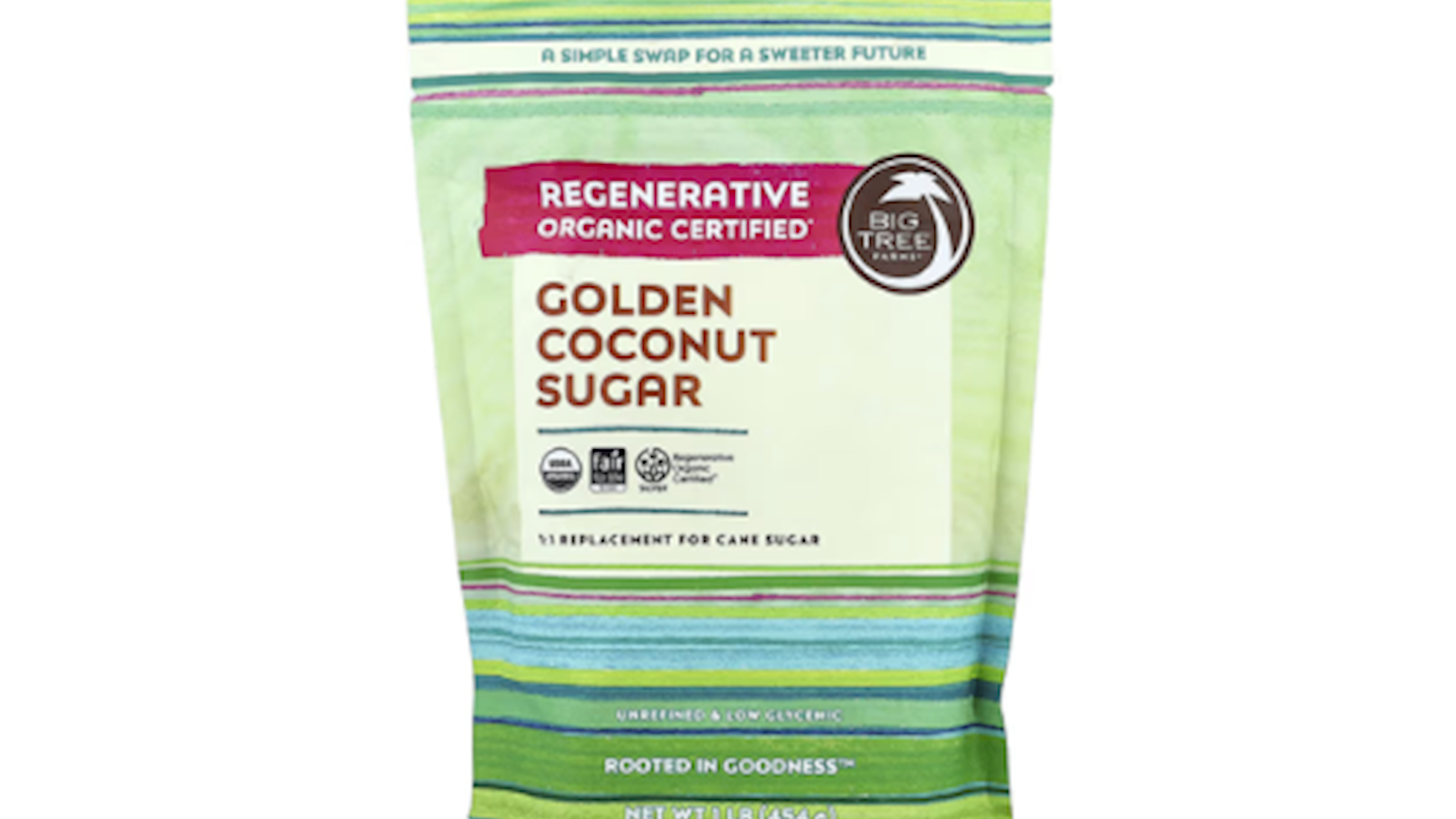
Big Tree Farms is an Indonesian brand built on principles of sustainability, ethical trade, and organic cultivation, best known for its coconut nectar–based products such as coconut sugar, syrup, and natural sweeteners. The company works with tens of thousands of small farmers across the archipelago, ensuring a transparent supply chain and fair purchasing practices that directly support local communities. Its assortment includes organic sweeteners, coco aminos, marinades, and other products inspired by traditional Indonesian cuisine. Big Tree Farms is recognized as one of the leading producers of coconut-based ingredients globally, with a mission to blend authentic local techniques with modern market demands while promoting regenerative agriculture and a responsible approach toward nature and community.

Best Southeast Asian Sugar Types
01

Gula Jawa

n/a ·

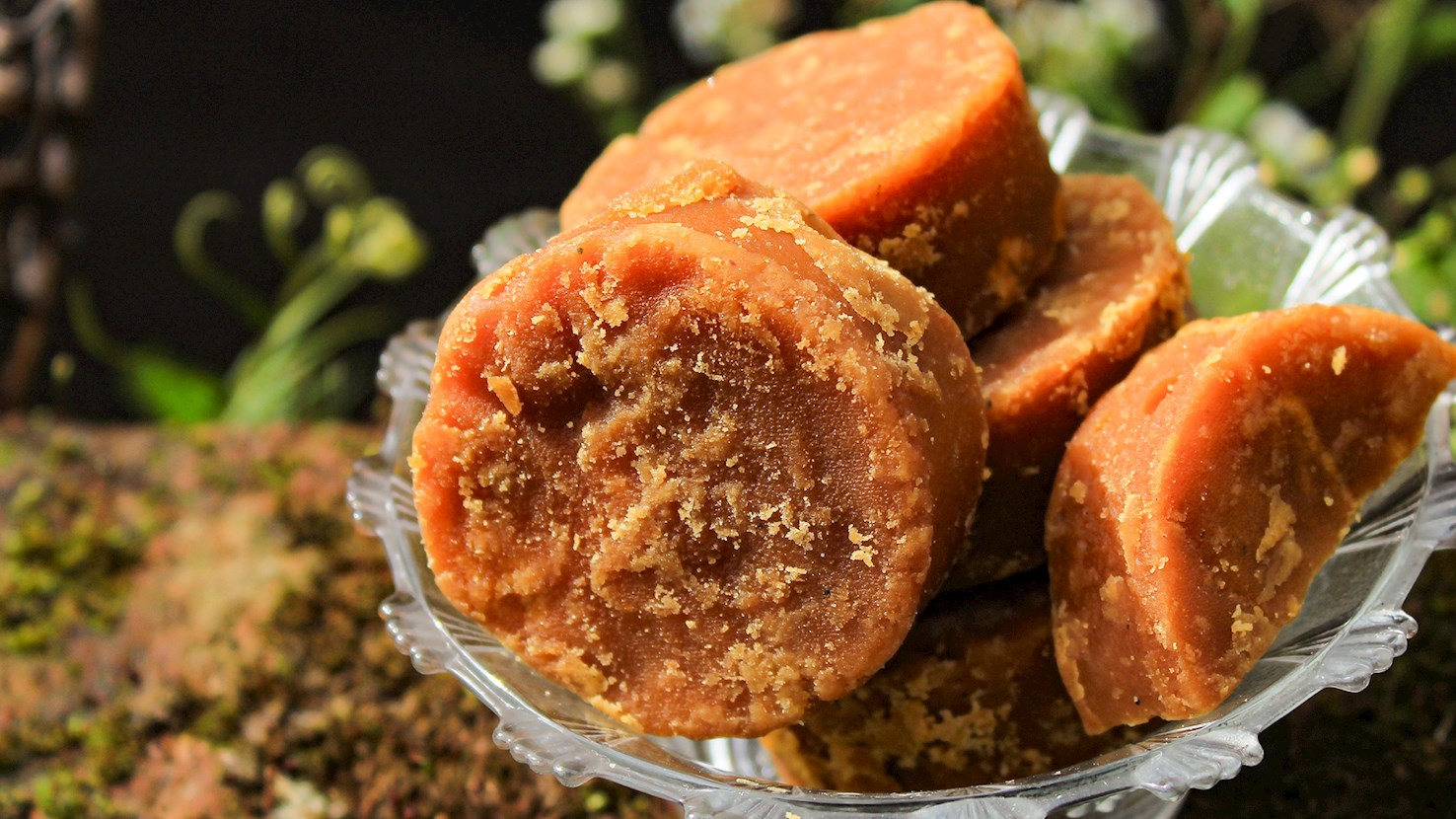
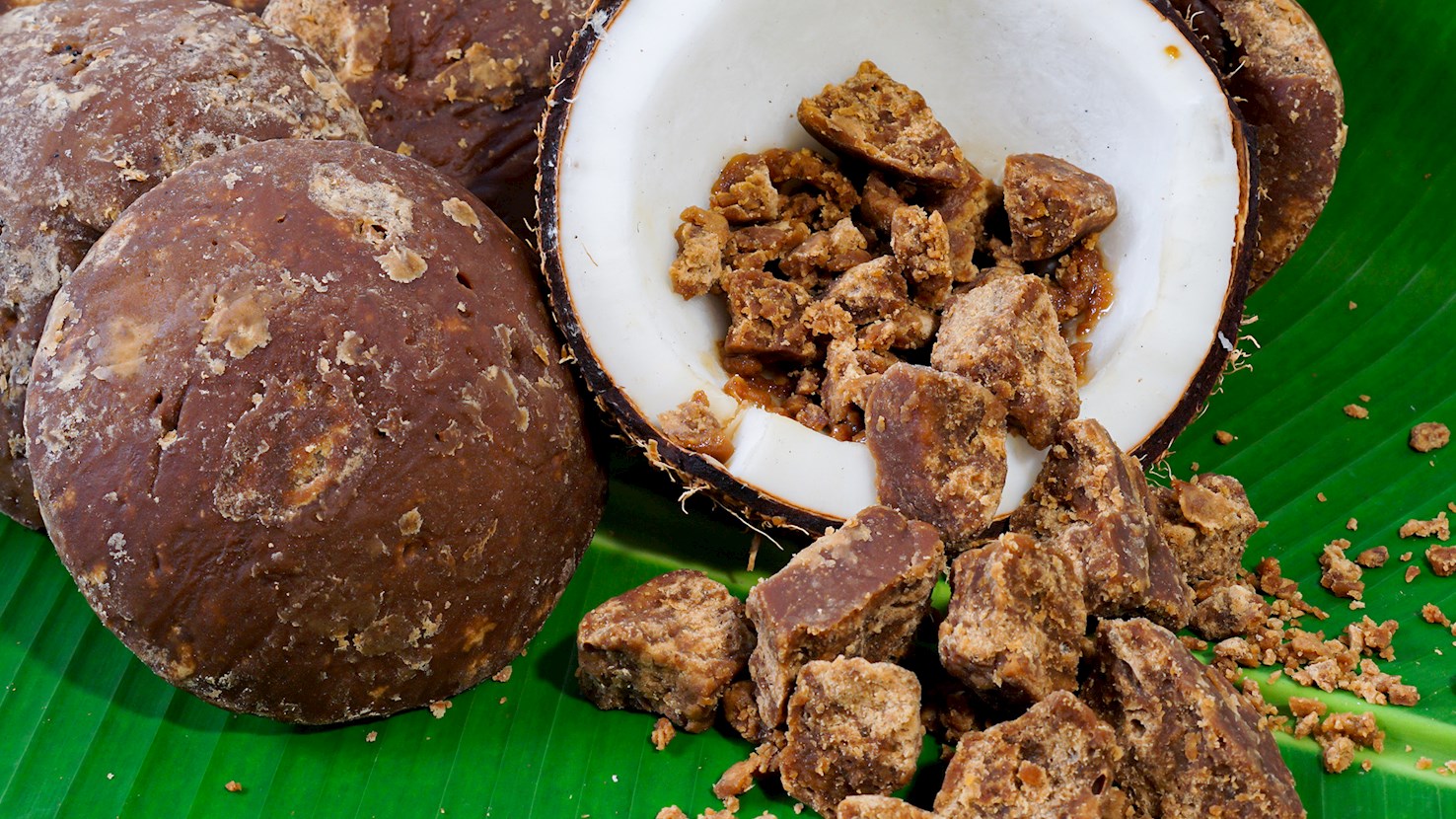
Gula Jawa is a traditional Indonesian palm sugar, most commonly made from the sap of coconut palm trees, and it’s widely used across Java, hence the name, which literally means "Javanese sugar." Though it is often confused with gula aren (sugar palm sugar), gula Jawa usually refers to palm sugar derived from coconut sap (lat. Cocos nucifera), giving it a slightly different taste and texture. The sap is collected by tapping the flower buds of the coconut palm, then boiled until it thickens and solidifies. The resulting sugar is typically formed into round blocks, discs, or cylinders. Gula Jawa has a light to medium brown color, a mildly sweet and toffee-like flavor, and a smooth, mellow aroma, making it highly versatile in both sweet and savory Indonesian dishes. It’s a key ingredient in classics like semur (sweet soy-braised dishes), opor ayam, satay sauces, klepon, and cendol. Compared to gula aren, which has a darker, smokier, and more complex flavor, gula Jawa is generally lighter and more delicate. In some regions or markets, the terms gula Jawa and gula kelapa (coconut sugar) may be used interchangeably, since both are usually made from coconut sap. However, in Javanese cooking, gula Jawa often implies a specific regional style and form, tied closely to Java’s culinary identity.

02

Gula aren

n/a ·

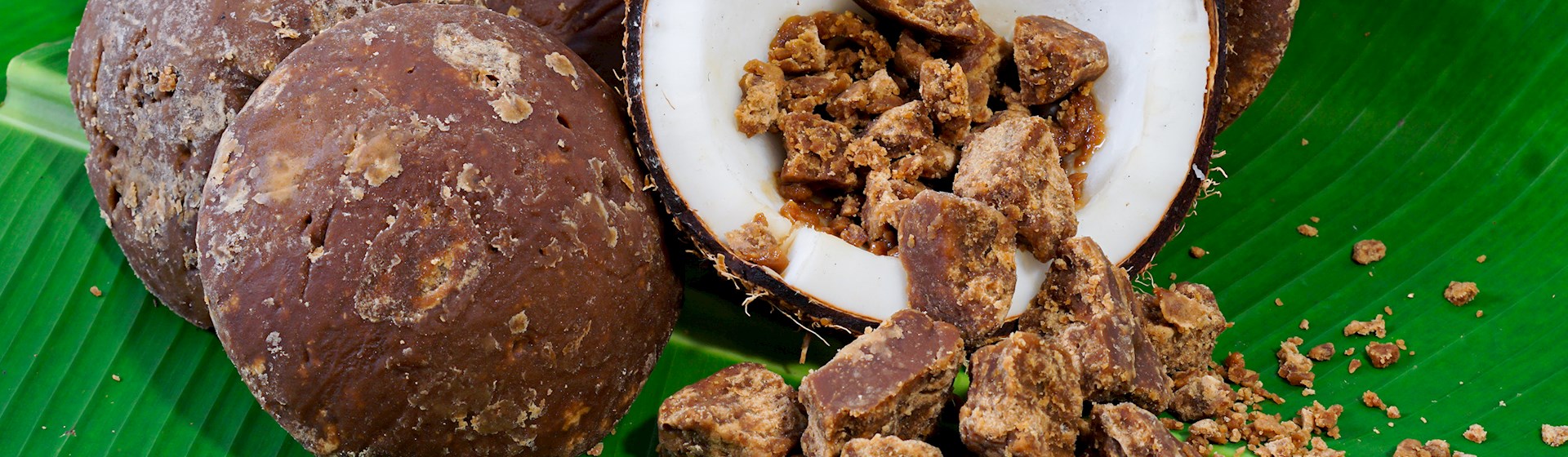
Gula aren is a traditional Indonesian sweetener made from the sap of the aren palm tree (lat. Arenga pinnata), also known as the sugar palm. It is a type of palm sugar, but it stands out for its rich, smoky, and deeply caramelized flavor, often considered more intense and earthy than other varieties like coconut sugar or Thai palm sugar. To make gula aren, farmers climb the sugar palms to tap the sweet sap from the flower stalks. This sap is then boiled down slowly over a wood fire until it thickens and darkens into a syrup or solidifies into blocks, cones, or discs. The process is labor-intensive and deeply traditional, often passed down through generations in rural parts of Java and Sumatra. Gula aren has a dark brown color, slightly sticky texture, and complex flavor profile that includes notes of molasses, coffee, smoke, and burnt sugar. It is widely used in Indonesian desserts and drinks such as bajigur, cendol, kolak, and serabi, and is sometimes eaten on its own or used as a glaze. Unlike refined sugar, gula aren retains more of its natural minerals and is considered less processed, although it is still very sweet. Its flavor is irreplaceable in many Indonesian recipes, and while similar products exist, like coconut sugar (gula kelapa) or gula Jawa, gula aren has a distinct identity rooted in its tree source and artisanal production.

03

Skor thnot Kampong Speu

n/a ·

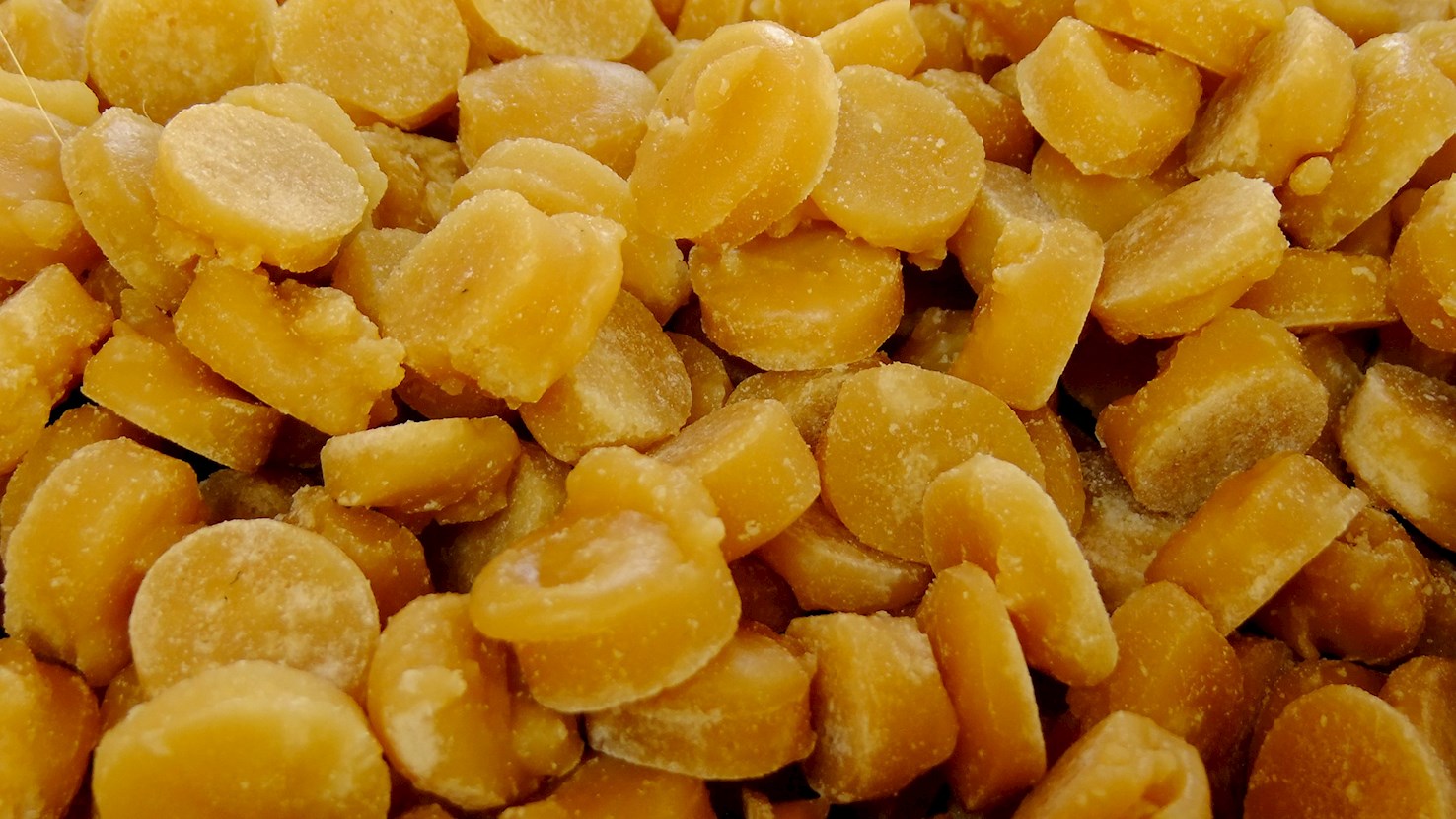
Skor thnot Kampong Speu is a Cambodian palm sugar made with the sap of palm sugar tree. The sap is collected from the beginning of December to the end of May by skilled local workers who climb to the top of the trees to collect it with a special tool, a bamboo container called bampong. The sap is processed in pans on cooking stoves - no additional substances are used, and the producers have developed a specific know-how in order to extract high-quality sugar, depending on the final product they want to obtain. Known for its rich flavor and light brown color, skor thnot kampong speu is available in four different forms: as granulated sugar, a paste, as block palm sugar, or as a syrup.

Read more
View all
View map
About this ranking

TasteAtlas food rankings are based on the ratings of the TasteAtlas audience, with a series of mechanisms that recognize real users and that ignore bot, nationalist or local patriotic ratings, and give additional value to the ratings of users that the system recognizes as knowledgeable. For the “Top 3 Southeast Asian Sugars” list until June 10, 2026, 37 ratings were recorded, of which 23 were recognized by the system as legitimate. TasteAtlas Rankings should not be seen as the final global conclusion about food. Their purpose is to promote excellent local foods, instill pride in traditional dishes, and arouse curiosity about dishes you haven’t tried.

The initial list of top producers was compiled based on available reviews, awards, local recommendations, media and blog coverage, and consumer reviews. The list will be updated with ratings from TasteAtlas local ambassadors and TasteAtlas users.

Similar lists