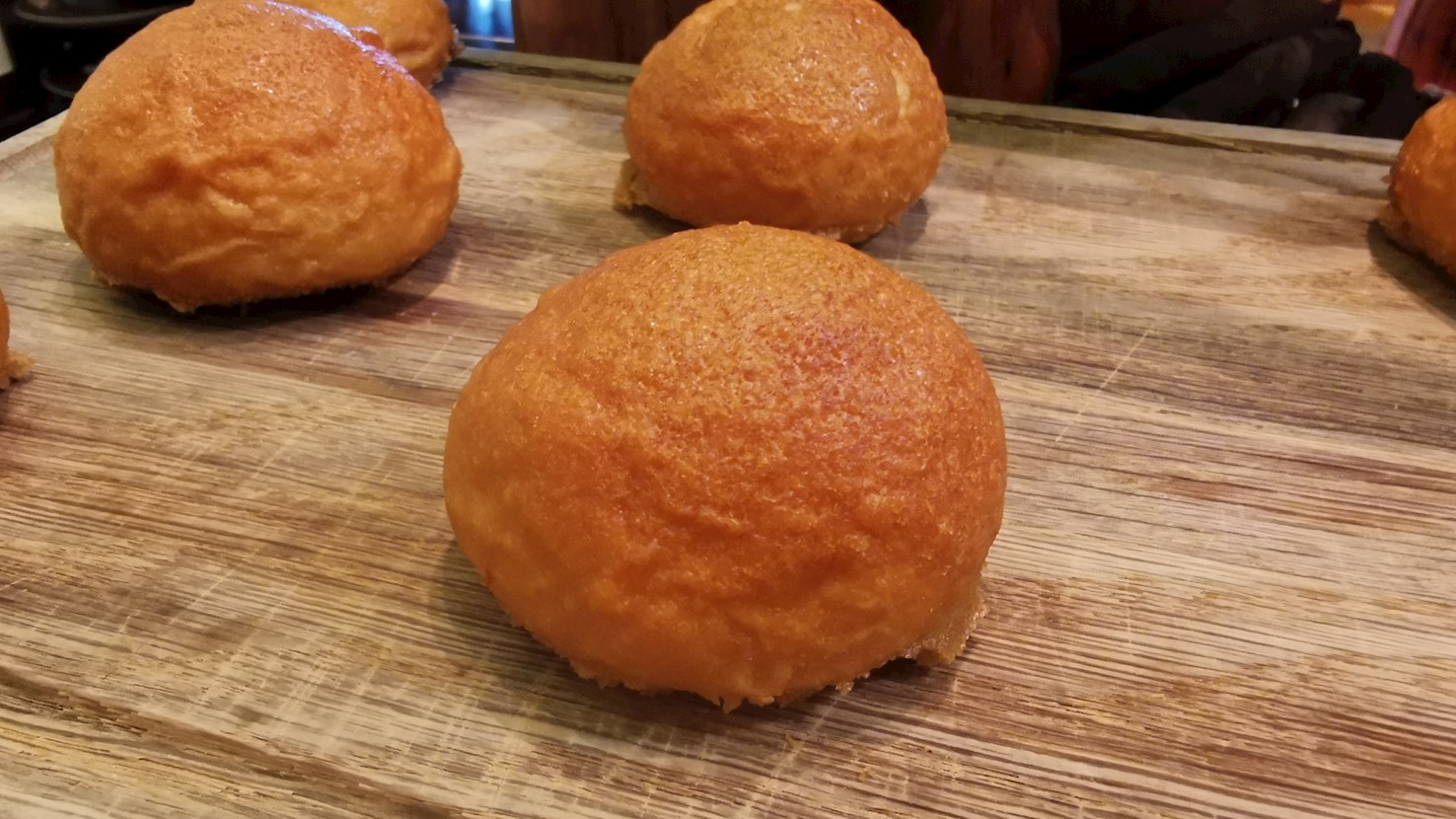
Papparoti is a bun originating from Malaysia. Although the papparoti is nowadays trademarked, it started as a new version of roti flatbread which was made into a bun in 2002 by a Malaysian woman. The buns are made with a combination of flour, sugar, yeast, milk, butter, salt, and eggs. Before baking, the papparoti are topped with an icing made from coffee and caramel. Crunchy on the outside and rich and buttery inside, these buns have been popular since 2003, when the first trademarked PappaRoti store opened in Malaysia. It's usually paired with tea or coffee, and nowadays these sweet and salty buns can be bought across Asia, Australia, England, the Middle East, and North America.
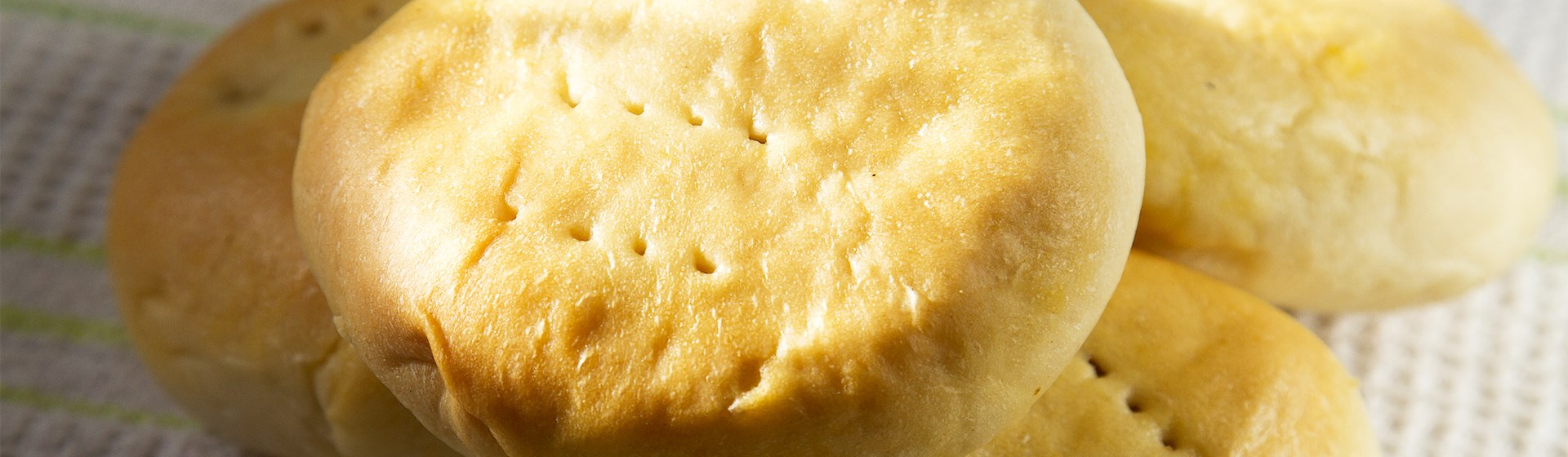
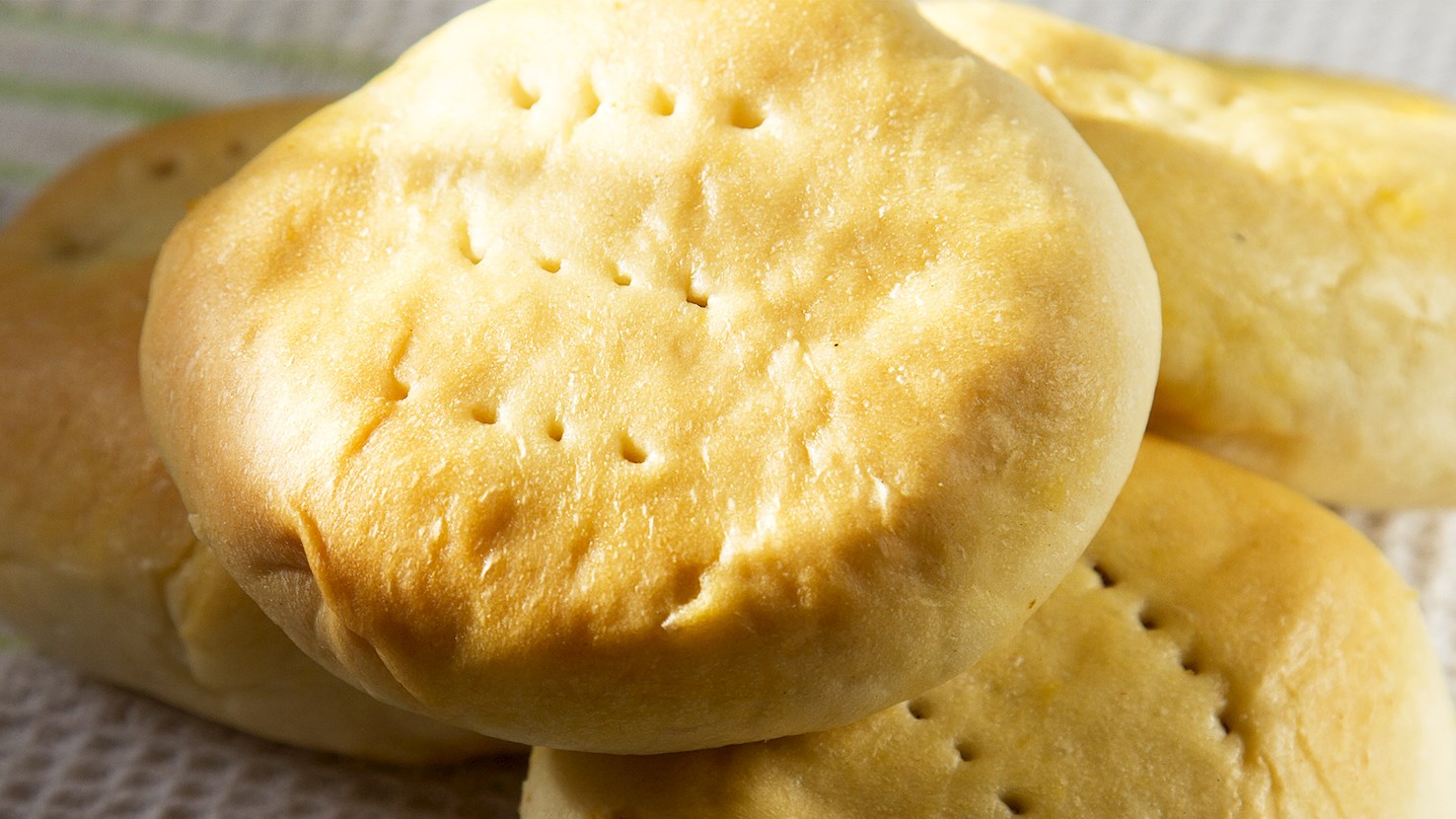
Pan de coco is a sweet bread roll filled with desiccated coconut and sugar. Its name can be translated to coconut bread, and it is a very popular snack bread throughout Honduras and the Philippines. The Honduran version uses coconut milk in the preparation of the dough and is usually served with stews, its density making it ideal for soaking up the juices, while the Filipino version is commonly served as a dessert, preferably accompanied by a cup of tea. Although the origins of this flavorful treat are quite murky, it is believed that the recipe was taken from Central America to Southeast Asia by Spanish settlers in the 17th century.
Khobz al-Eid al-souri, also known as qalb bread, is a traditional sweet bread made during special occasions like Eid al-Fitr and Eid al-Adha in cities Quneitra, Daraa, and Sweida in Syria. The bread is flavored with anise, black cumin, cinnamon, and fennel, and shaped using a mold. It is baked during the holidays and enjoyed with family and friends. The dough is enriched with ghee, oil, sugar, and milk, making it soft and sweet.
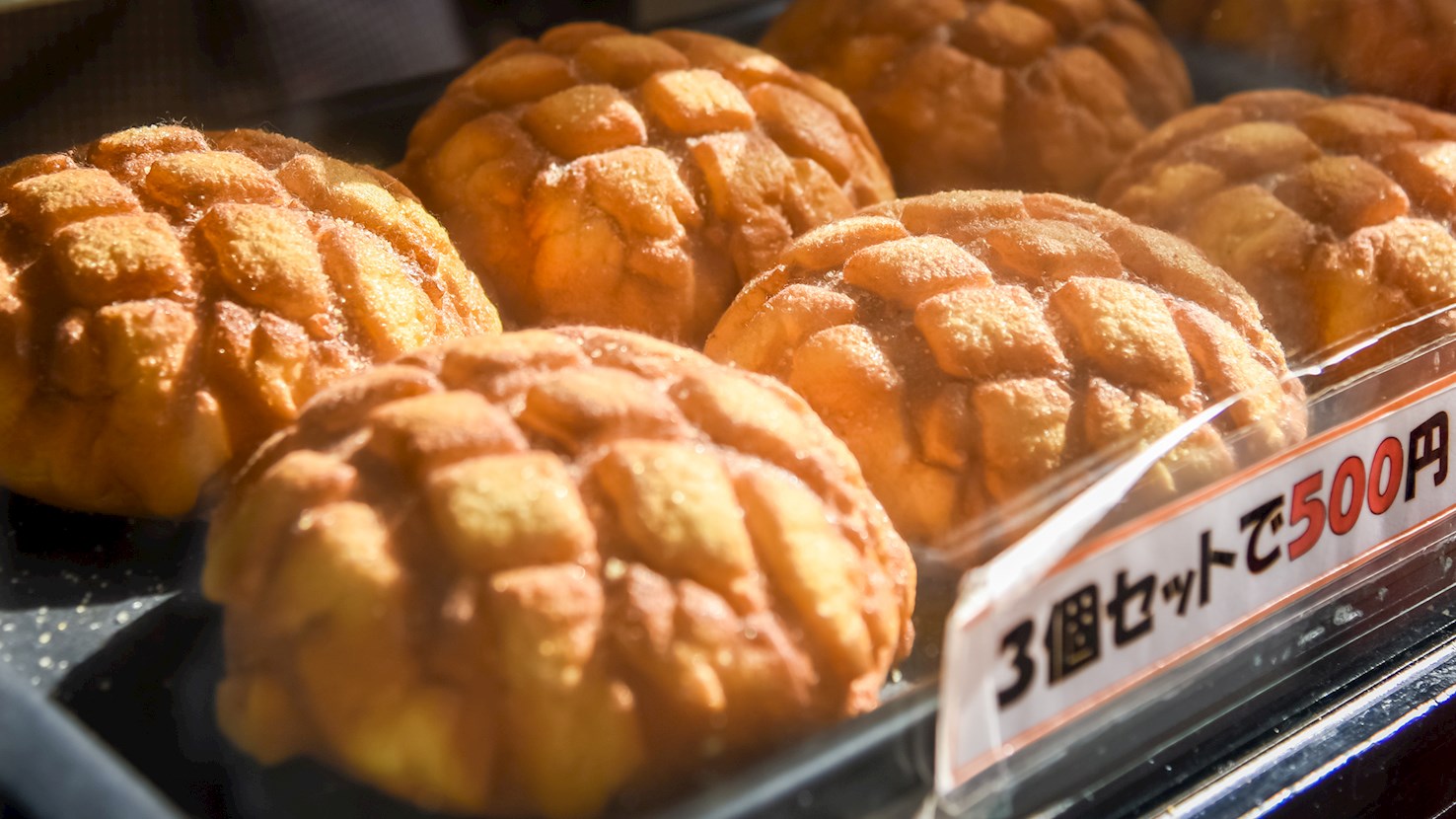
Melonpan (also known as melon bun and melon bread) is a Japanese sweet bread prepared with sweetened dough that is topped with a layer of cookie dough. It is named melonpan because the crunchy top crust with a criss-cross pattern resembles the melon rind. Apart from Japan, this sweet bread is also popular in China and Taiwan. Despite its name, melonpan traditionally doesn't contain melon, although the fruit has sometimes been added to the bread in recent years. It is believed that melonpan was shaped to resemble musk melons, which held the status of luxury fruit in 20th-century Japan. In Kinki, Chūgoku, and Shikoku, melonpan is called sanraizu, meaning sunrise.
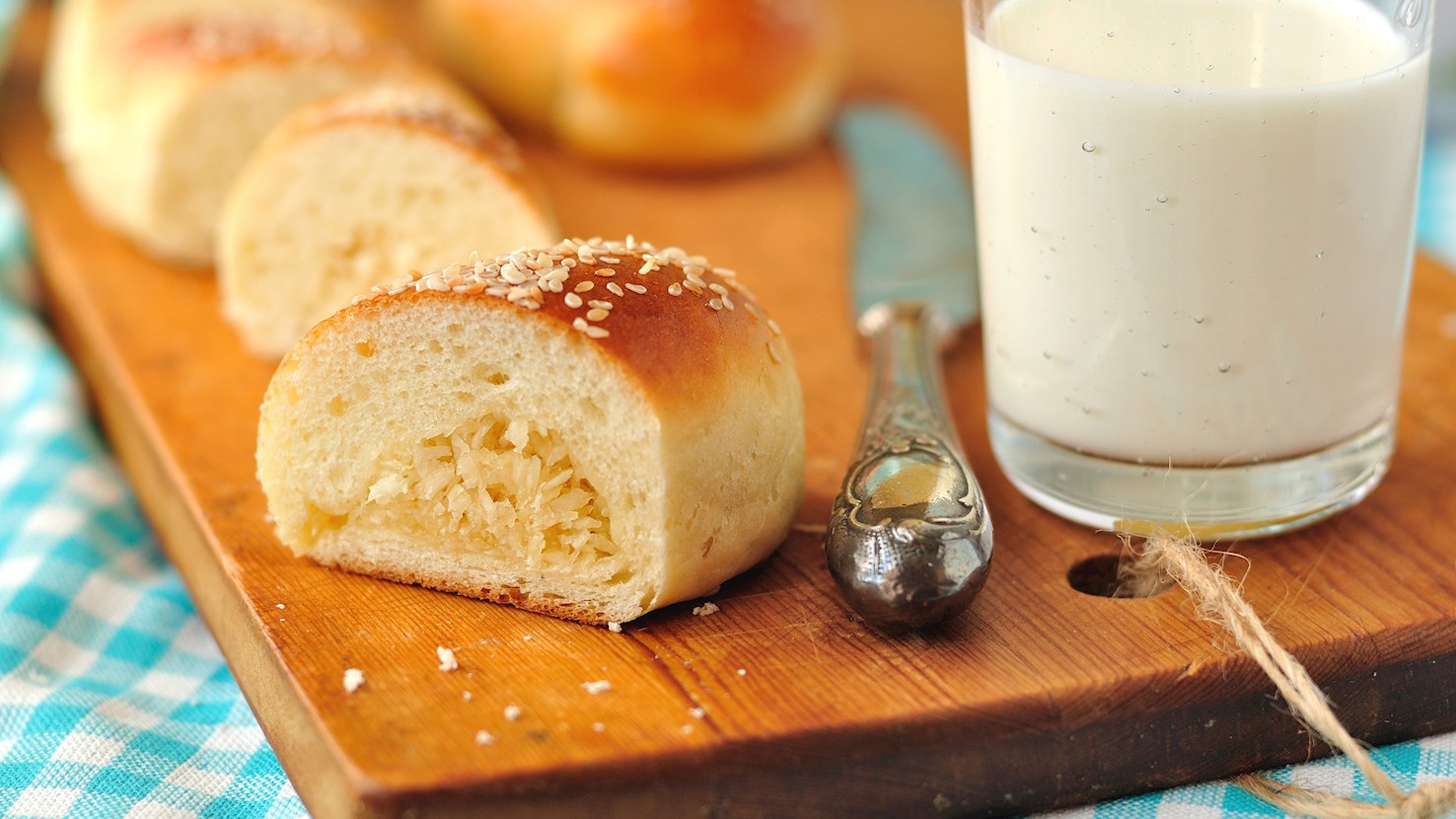
Cocktail bun is a simple sweet bun originating from Hong Kong and dating back to the 1950s. It was created from unsold, but edible buns that were ground with coconut and sugar and used as a filling for the new buns called cocktail buns. The name refers to a mix of ingredients that were similar to an exotic mixture of liquors. Nowadays, the filling is usually enriched with butter or margarine. These buns can be found in most local bakeries, and they're usually finished with egg wash and a sprinkle of sesame seeds on top before baking.
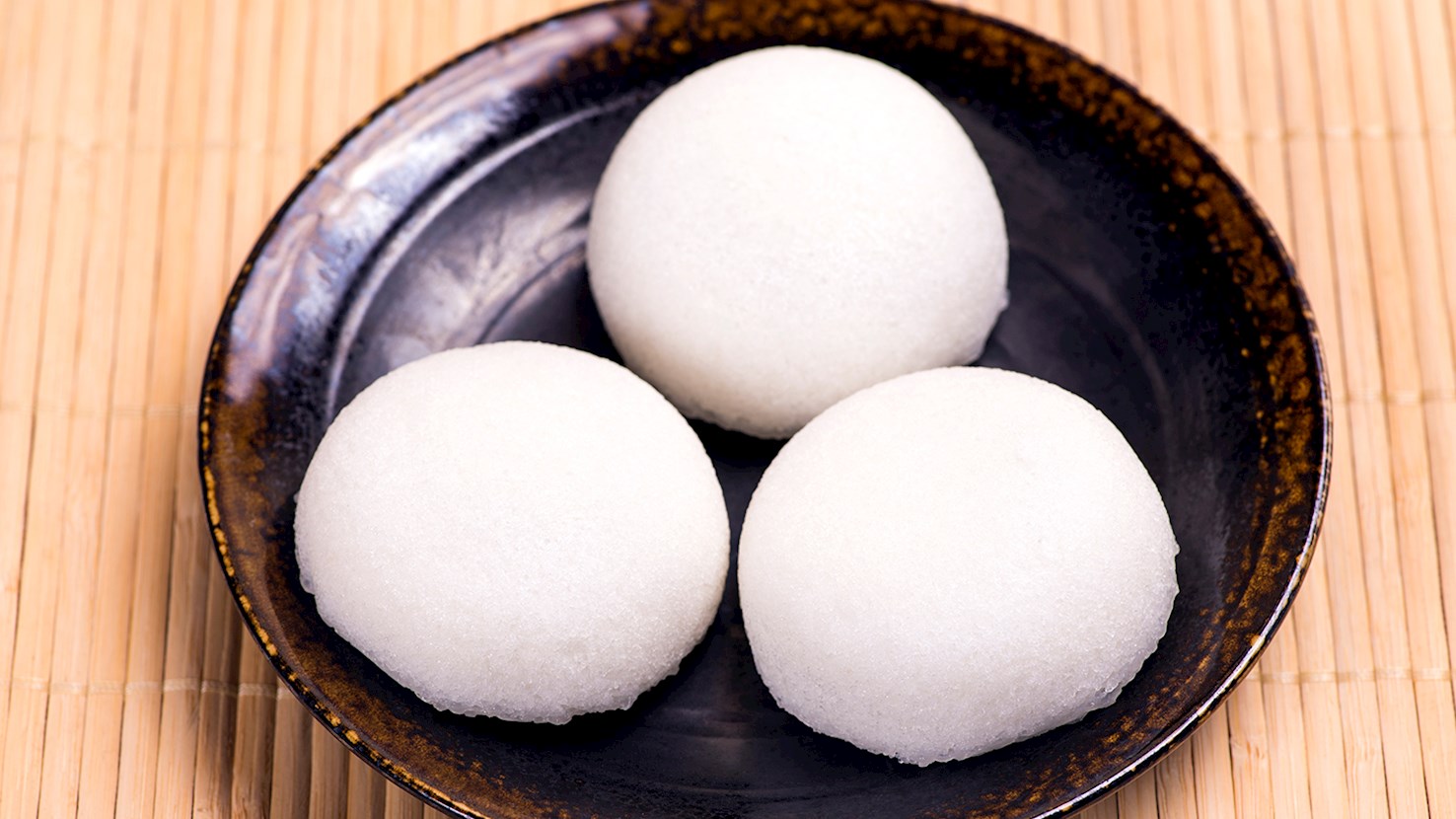
Karukan is a traditional sweet originating from Kagoshinma. It's made with a combination of rice flour, grated Japanese yam, water, and sugar. The combination is kneaded, then steamed, and the result is a spongy steamed sweet bread known as karukan manju. Originally, it was shaped into a block, but nowadays it's usually filled with red bean paste. If properly steamed, karukan's texture should be light and spongy. It's a popular snack in Kagoshima, but it can also be found all over Kyushu. It is believed that this steamed sweet was invented in 1854 according to the wishes of Lord Shimadzu Nariakira.
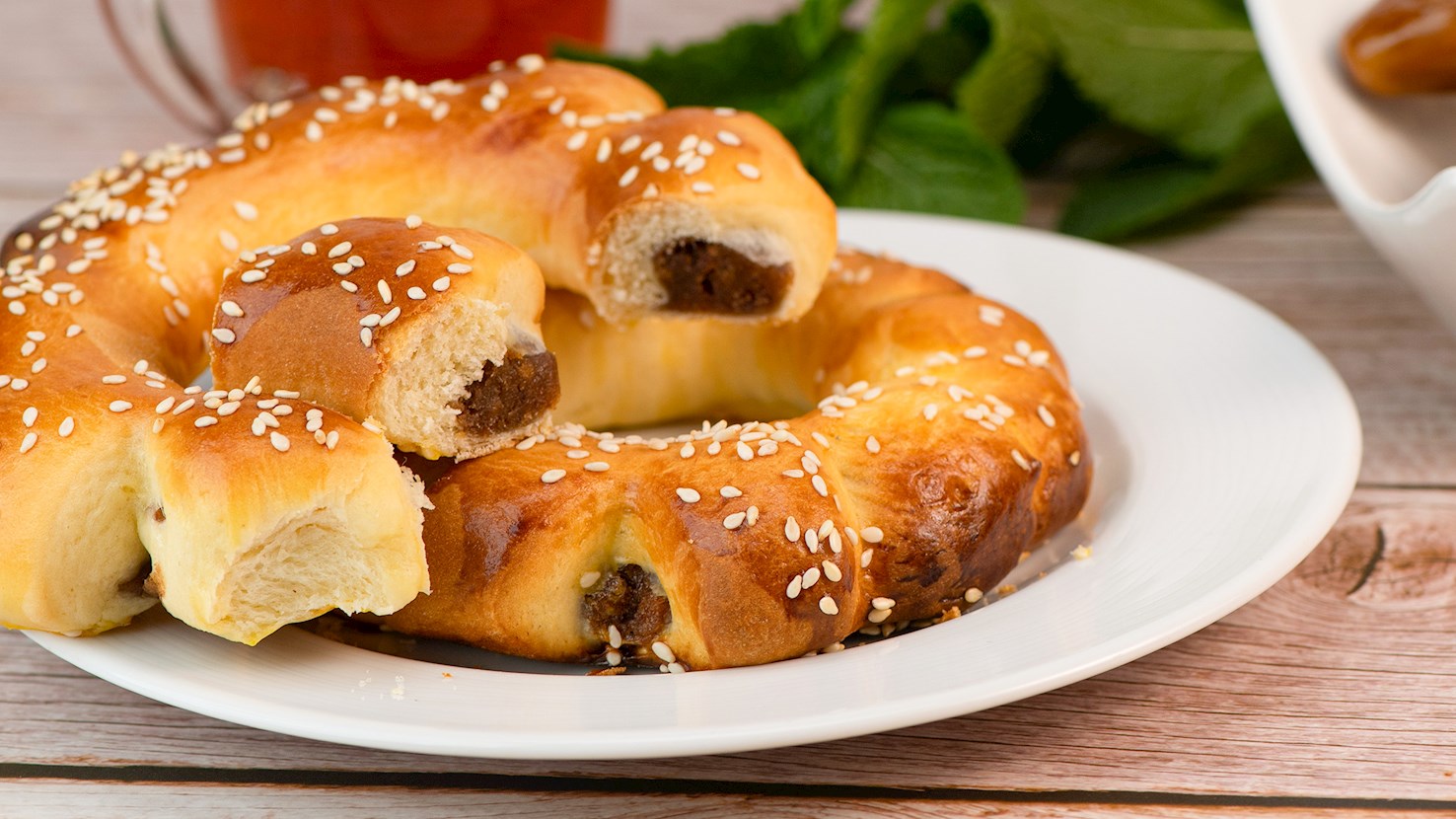
Maarouk is a Middle Eastern sweet bread, particularly popular in Syria and Lebanon, where it is often associated with Ramadan. Soft, fluffy, and slightly chewy, this enriched brioche-like bread is delicately sweet and infused with aromatic flavors of mahleb—a distinctive spice derived from cherry seeds that lends a subtle almond-like bitterness. The dough, made with flour, sugar, eggs, butter, and milk, is kneaded to achieve a tender texture before being shaped into rounds or elongated loaves. While some versions are left plain, others are generously filled with date paste, chocolate, or nuts. The bread is typically brushed with egg wash for a golden, glossy crust and topped with sesame seeds, nigella seeds, or a dusting of sugar. Maarouk is widely enjoyed as a breakfast or snack, often paired with tea or coffee. Its mildly sweet and aromatic profile, combined with a soft yet slightly chewy bite, makes it a comforting and satisfying treat, particularly during festive occasions.
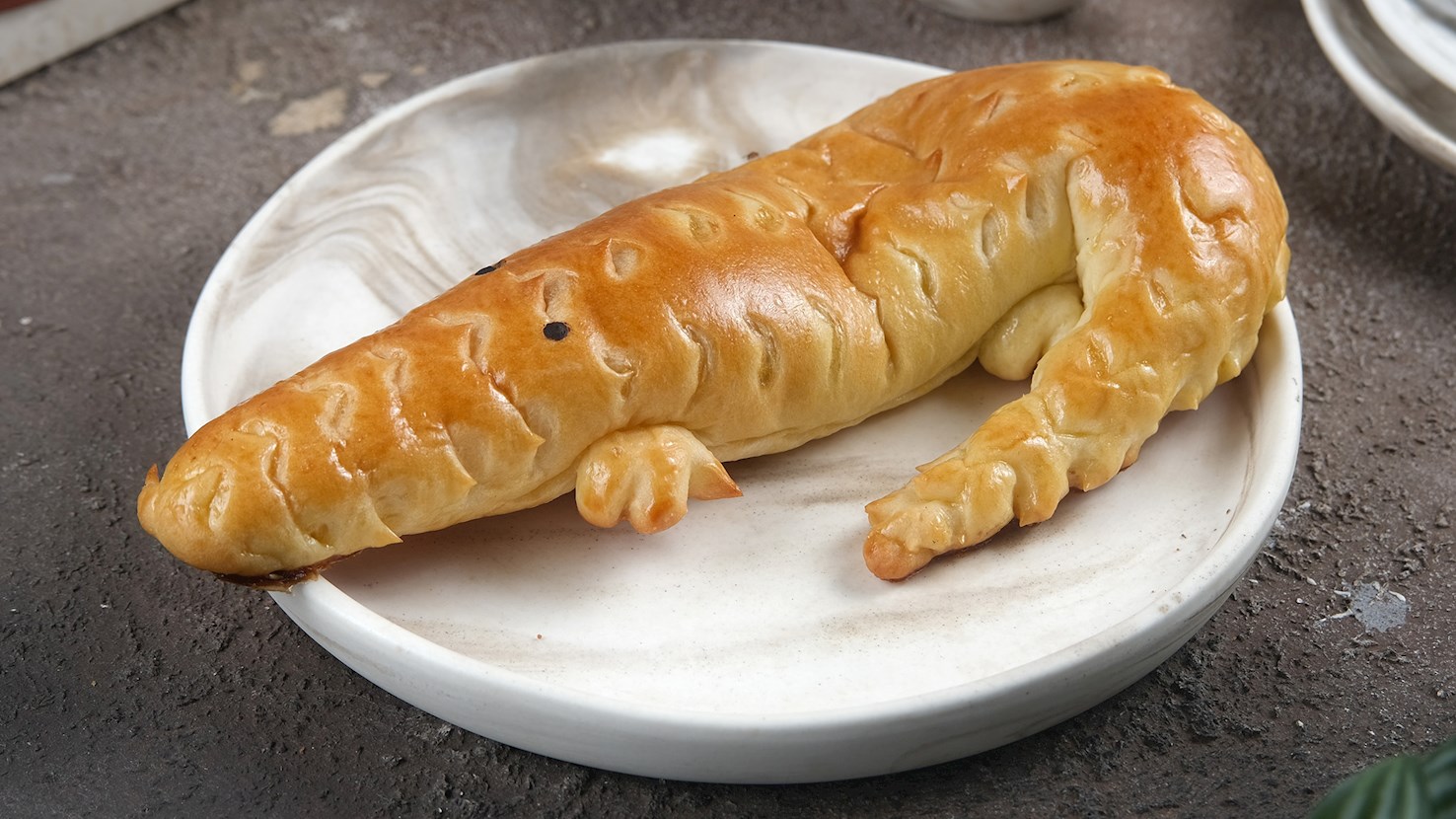
Roti buaya is a ceremonial bread shaped like a crocodile, originating from the Betawi people of Jakarta, Indonesia. It is most closely associated with Betawi wedding customs, where it serves as a symbolic offering during the engagement or marriage procession. The bread is made from enriched dough that includes flour, eggs, sugar, yeast, and margarine, and it is often filled or topped with sweet ingredients such as chocolate, cheese, or jam, although plain versions also exist. The defining feature of roti buaya is its elaborate crocodile shape, often decorated with eyes and scale-like scoring on the surface to resemble the animal it represents. In Betawi wedding culture, roti buaya is brought by the groom’s family as part of a larger set of offerings presented to the bride’s family. The crocodile symbolizes fidelity and patience, with the belief that crocodiles mate for life and remain loyal to their partners. The condition, size, and craftsmanship of the bread are often seen as a reflection of the groom’s character and intentions. In earlier times, a poorly made or flat roti buaya could be interpreted as disrespectful or insincere. Today, while the symbolic weight has lessened in some urban contexts, the presence of roti buaya remains a customary and culturally significant part of Betawi marital rituals. The bread itself is based on baking techniques introduced during the colonial period, and its form represents an adaptation of European-style enriched breads into a localized ceremonial food. Unlike everyday breads in Indonesia, which are typically smaller and less decorative, roti buaya is often made in large sizes, sometimes over half a meter long, and prepared specifically for special occasions. In some cases, two crocodile-shaped loaves are presented together to represent the bride and groom. Although primarily found in Jakarta and surrounding areas, roti buaya has become recognized more broadly as a cultural emblem of Betawi identity. While it is not commonly consumed as part of daily meals, the bread is edible and can be served sliced, particularly when made with sweet fillings. It is usually made to order by bakeries that specialize in ceremonial foods and remains an example of how food and symbolism are deeply intertwined in Betawi social customs.
Ttongppang is a traditional South Korean sweet bread originating from the Insa-dong neighborhood of Seoul. The sweet bread is shaped into a stylized human feces. Although it might look unappetizing to some people, this sweet treat is actually delicious, made with a wheat flour shell that's filled with red bean paste and pieces of walnuts. Ttongppang is typically sold at markets as a sweet street food item. In Korean culture, poo is a good thing – it symbolizes prosperity, and if you dream about poo, it's said that you'll be prosperous.
TasteAtlas food rankings are based on the ratings of the TasteAtlas audience, with a series of mechanisms that recognize real users and that ignore bot,
nationalist or local patriotic ratings, and give additional value to the ratings of users that the system recognizes as knowledgeable.
For the “Top 9 Asian Sweet Breads” list until June 15, 2026, 812 ratings were recorded, of which 127 were recognized by the system as legitimate.
TasteAtlas Rankings should not be seen as the final global conclusion about food. Their purpose is to promote excellent local foods,
instill pride in traditional dishes, and arouse curiosity about dishes you haven’t tried.