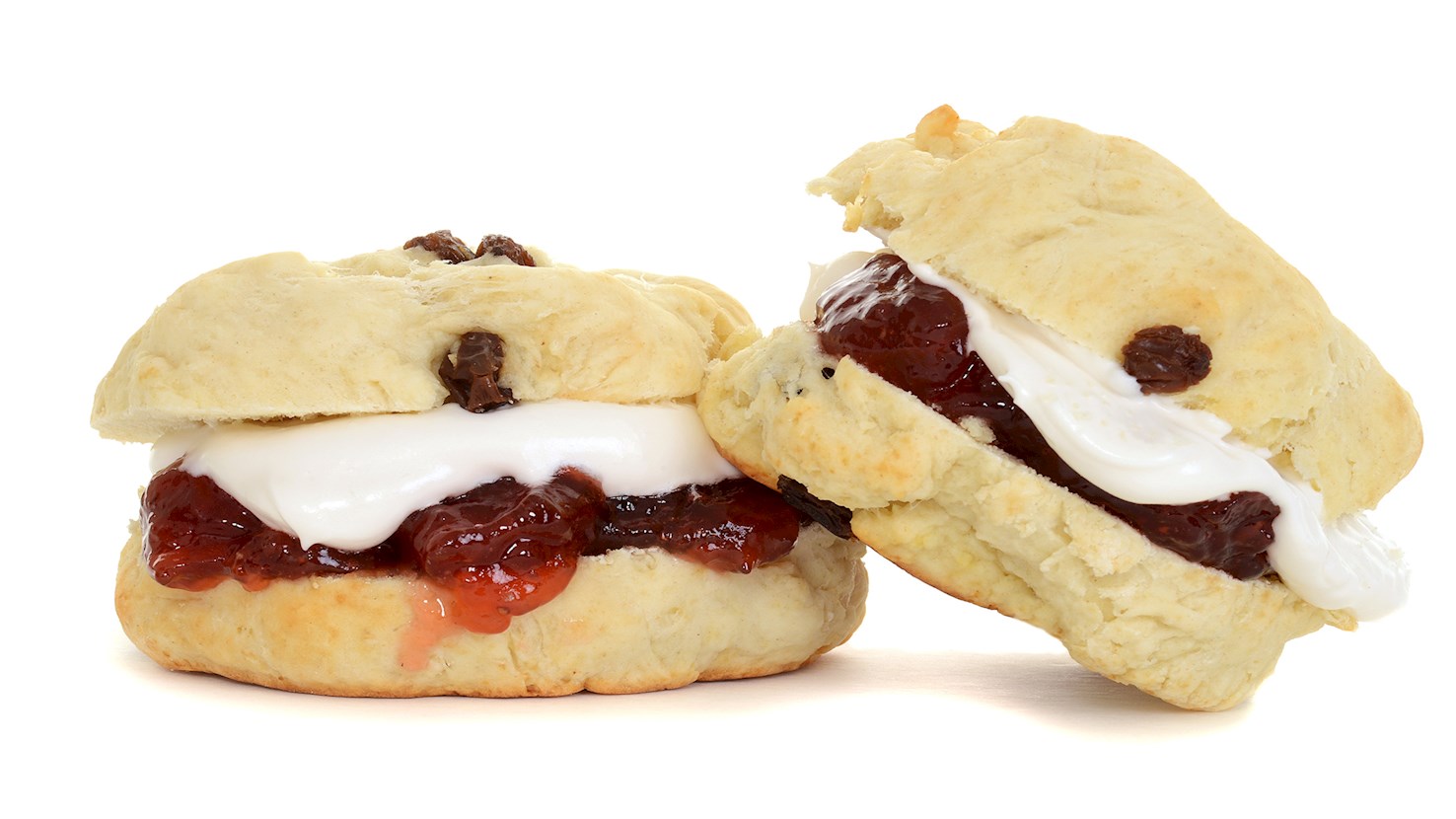
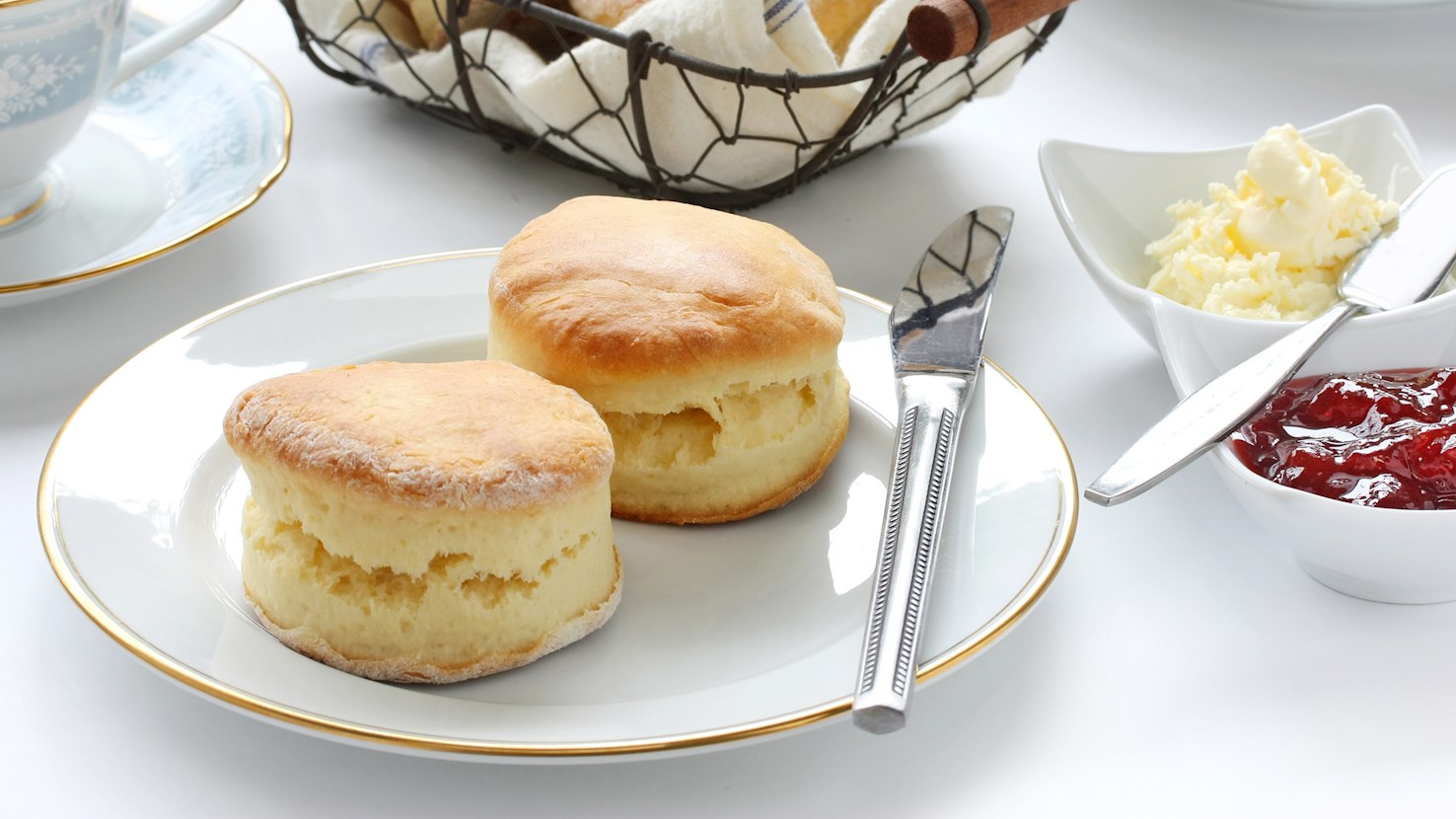
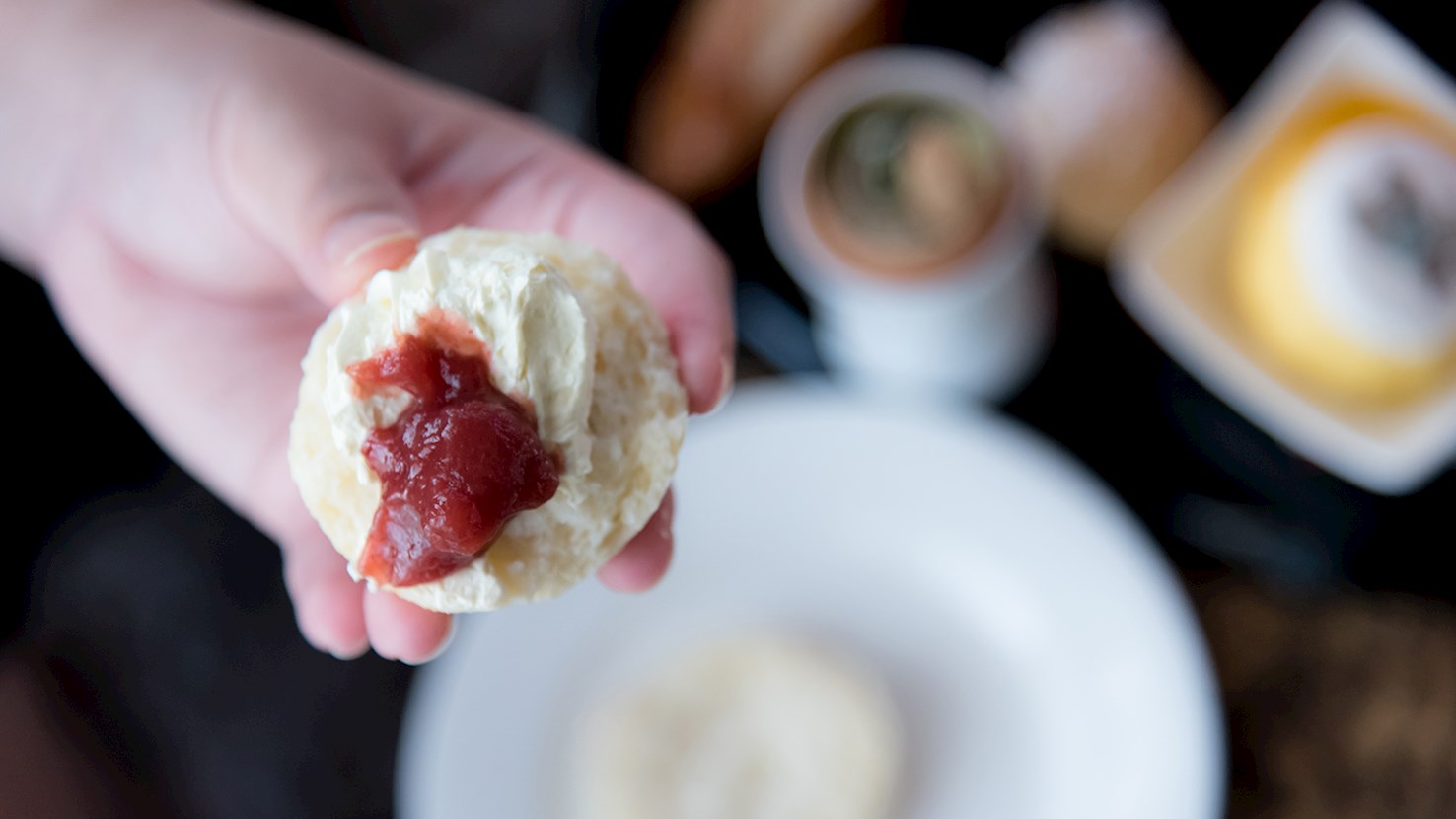
A fruit scone is essentially a scone with added bits of juicy sultanas and currants. Although those are the traditional additions for a fruit scone, these sweet treats can also be made with any other dried fruits. It is recommended to serve them split open, spread with fruit jam or cream. For the best results, fruit scones should always be served warm and fresh out of the oven.
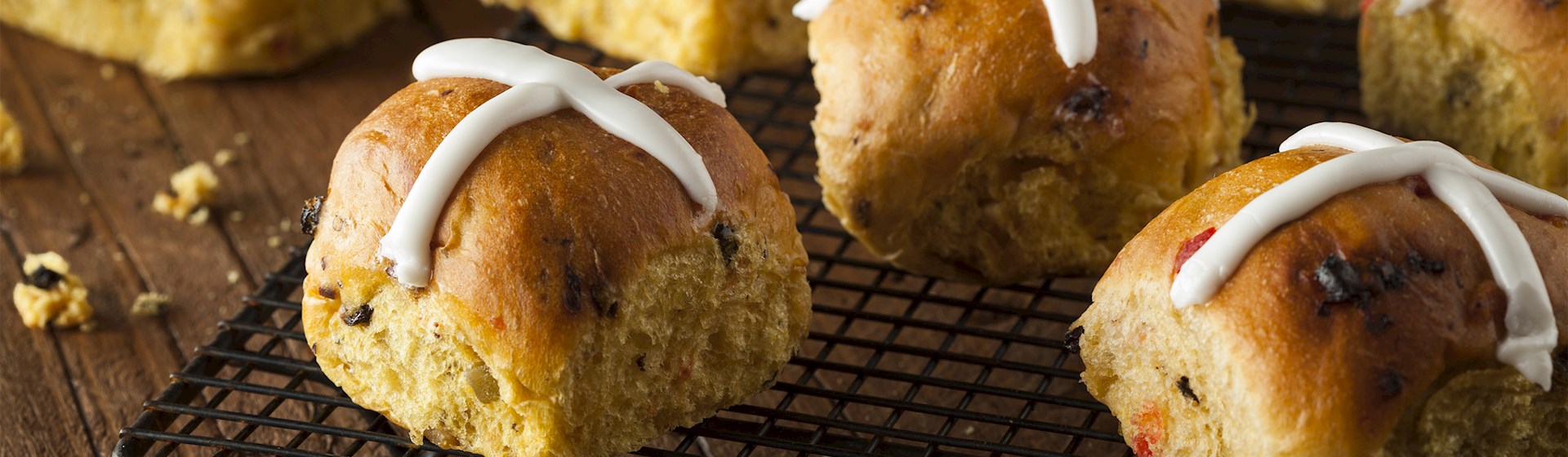
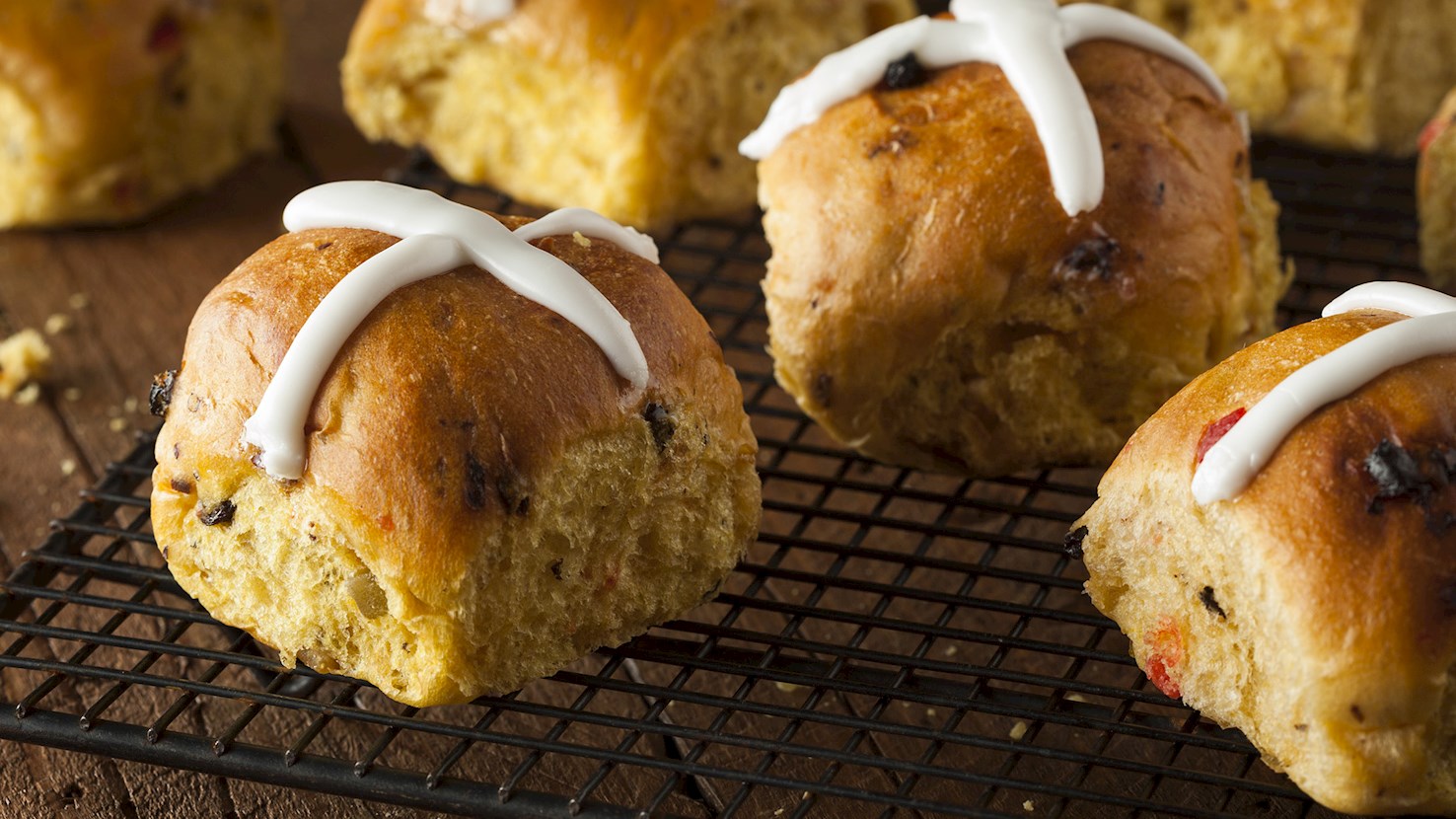
Traditionally prepared and eaten on Good Friday and during Lent, hot cross buns are subtly sweet spiced buns made with a rich yeast dough that is studded with dry fruit. The top of each bun is marked with a cross, typically made with shortcrust pastry, a mixture of flour and water, or icing sugar. Although theories abound, the exact origin of hot cross buns is shrouded in mystery. They are sometimes associated with Romans and Saxons, who made similar cross-marked buns to commemorate Eostre—the goddess of light. However, they are mostly linked to Christian folklore. Apart from the cross symbolizing crucifixion, it is often said that the hefty use of spices signifies the ingredients used to embalm Christ after his death. What is certain is that the buns already enjoyed immense popularity by the 16th century, when Queen Elizabeth I restricted their sale solely to Christmas, Easter, and Good Friday as it was believed that the buns had healing properties. The restriction had little effect and was soon revoked. Nowadays, hot cross buns are world-famous and enjoyed all year round. The traditional version is dotted with currants and spiced with cinnamon, nutmeg, and allspice, but it is easily modified and adjusted to taste. The buns can be enjoyed as a sweet or savory treat. They can be served plain or toasted, with butter, jam, or any other optional topping.
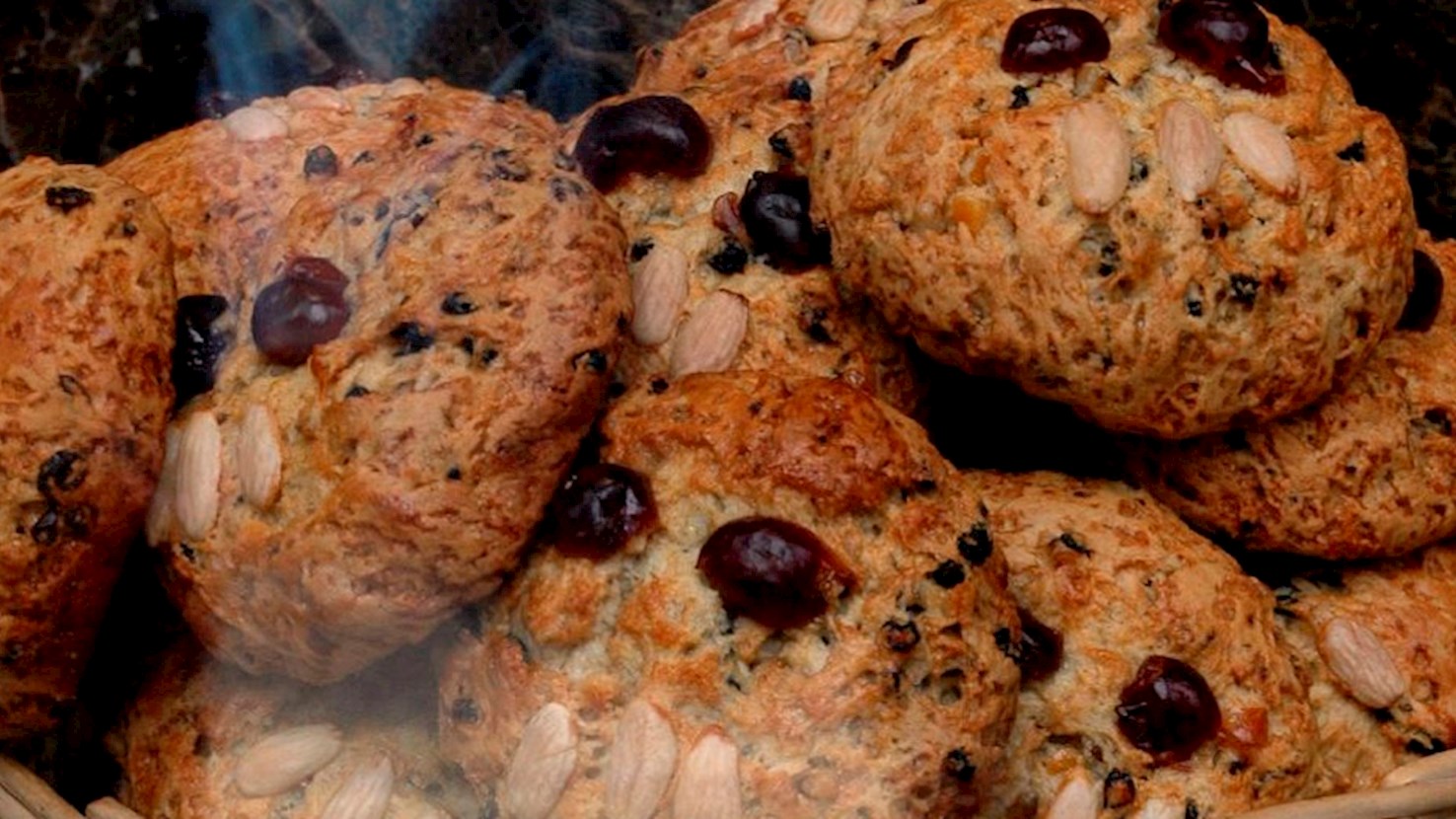
Fat rascals are traditional Yorkshire cakes consisting of shortcrust pastry leftovers, mixed dried fruit, butter, and sugar. The sweet treats are additionally flavored with nutmeg, cinnamon, and lemon zest. They have been made in Yorkshire since the beginning of the 19th century. It is recommended to serve the fat rascals warm from the oven, with a dollop of thick double cream on the side.
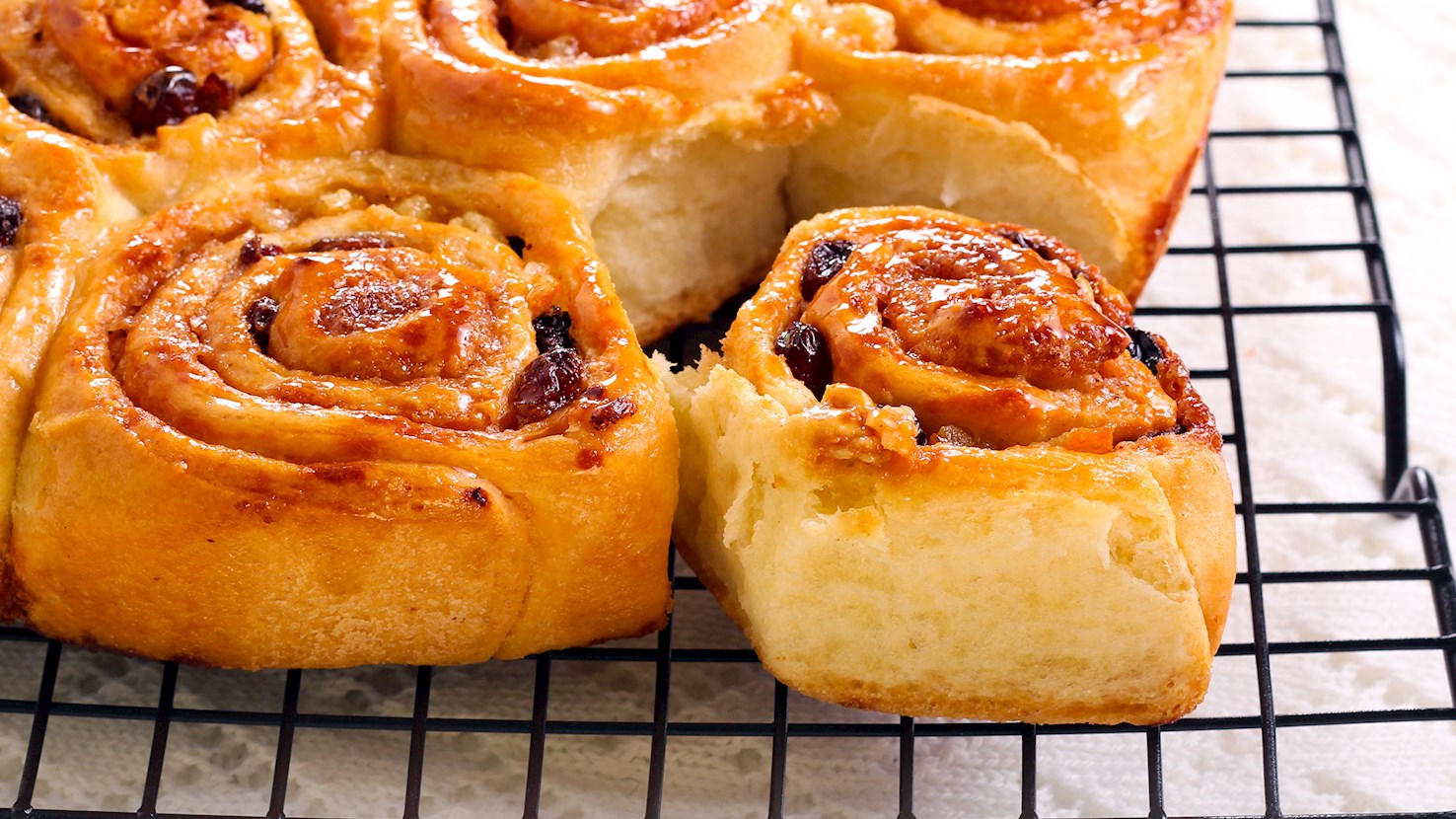
It is believed that this classic English dessert was invented at the London's Chelsea Bun House in the 18th century. The bun is made with a rich egg-based yeast dough flavored with lemon peel, and either cinnamon or mixed spice. Before baking, the dough is smeared with a combination of butter, brown sugar and currants. A perfect tea-time treat, Chelsea bun is typically enjoyed warm, cut into slices and smeared with even more butter.
Lemonade scones are one of the popular scone varieties. These tiny, fluffy desserts are made with a combination of self-raising flour, sugar, cream, and lemonade. Once the dough has been formed, it's cut in circular shapes, then baked in the oven until lightly browned. It's recommended to serve lemonade scones warm, with generous amounts of whipped cream, lemon curd, or strawberry jam on the side.
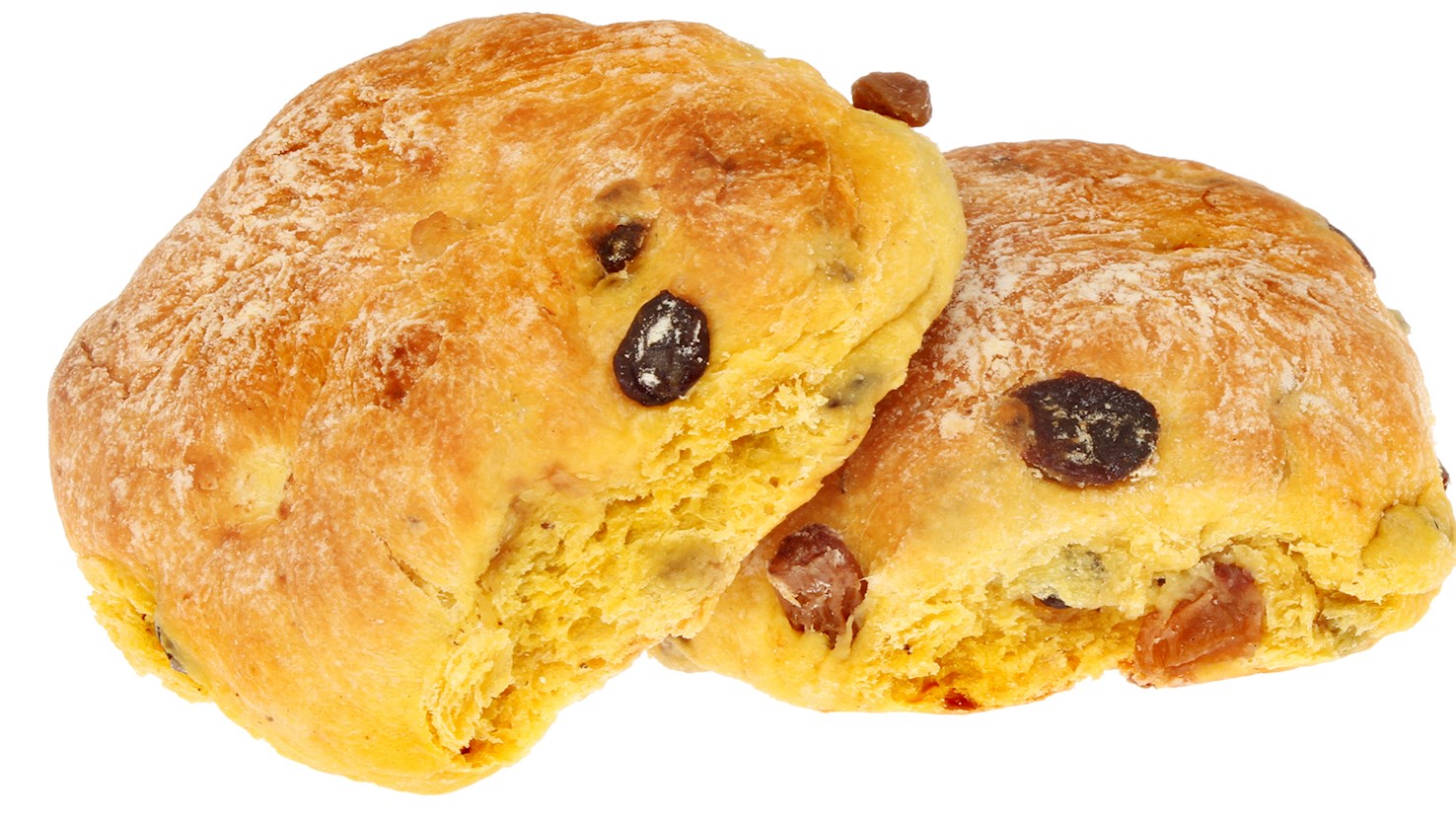
Although they appear under various names, all the varieties of Cornish buns are prepared with a saffron-infused dough that is enriched with citrus zest and dried fruits such as currants and sultanas. Nowadays, the buns are usually found in bakeries, but in the 1800s they were typically associated with traditional tea treat outings that were organized by religious groups in Cornwall. They are enjoyed plain or toasted, usually spread with butter or Cornish clotted cream.
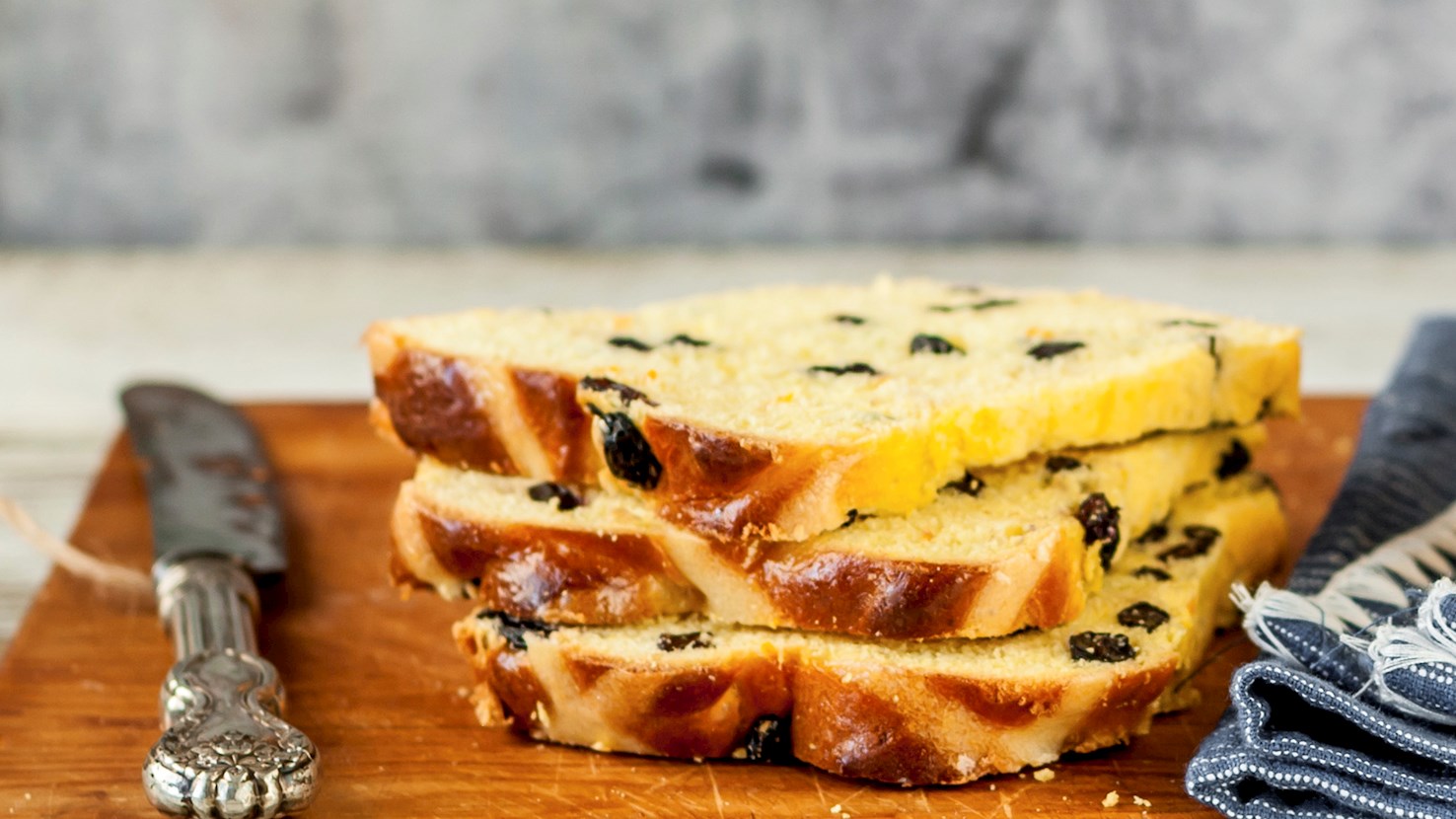
Saffron cake is a traditional delicacy made in Devon and Cornwall, characterized by its close texture and a rich, spicy taste. The cake consists of bread dough, saffron, assorted fruit and spices, sugar, and butter. It is usually baked like bread and served sliced, with clotted cream on the side. The dish is especially popular around Easter and is traditionally consumed on Good Friday.
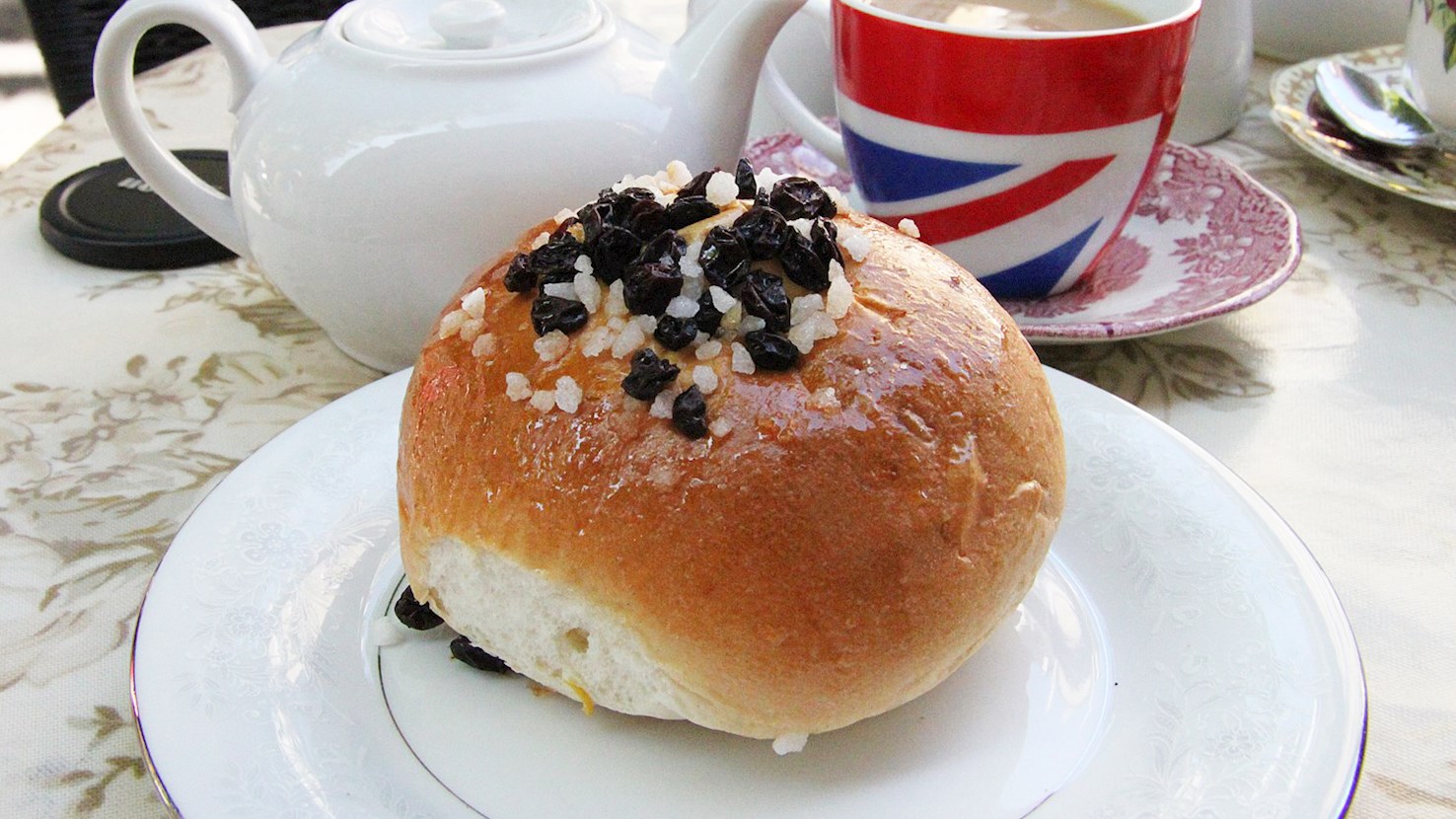
Bath bun is a traditional sweet bread roll originating from Bath. The buns are circular, with nib sugar and caraway seeds on top of their highly glazed exterior. The texture is dense and close, while the flavor is lightly spiced and sweetened, with lump sugar underneath. The milk-based yeasted dough for Bath buns is usually based on plain brioche dough or rich egg and butter dough with caraway seeds. Although there are disputes about the origins of these buns, the ones made from a recipe dating back to 1679 are still available in the town of Bath.
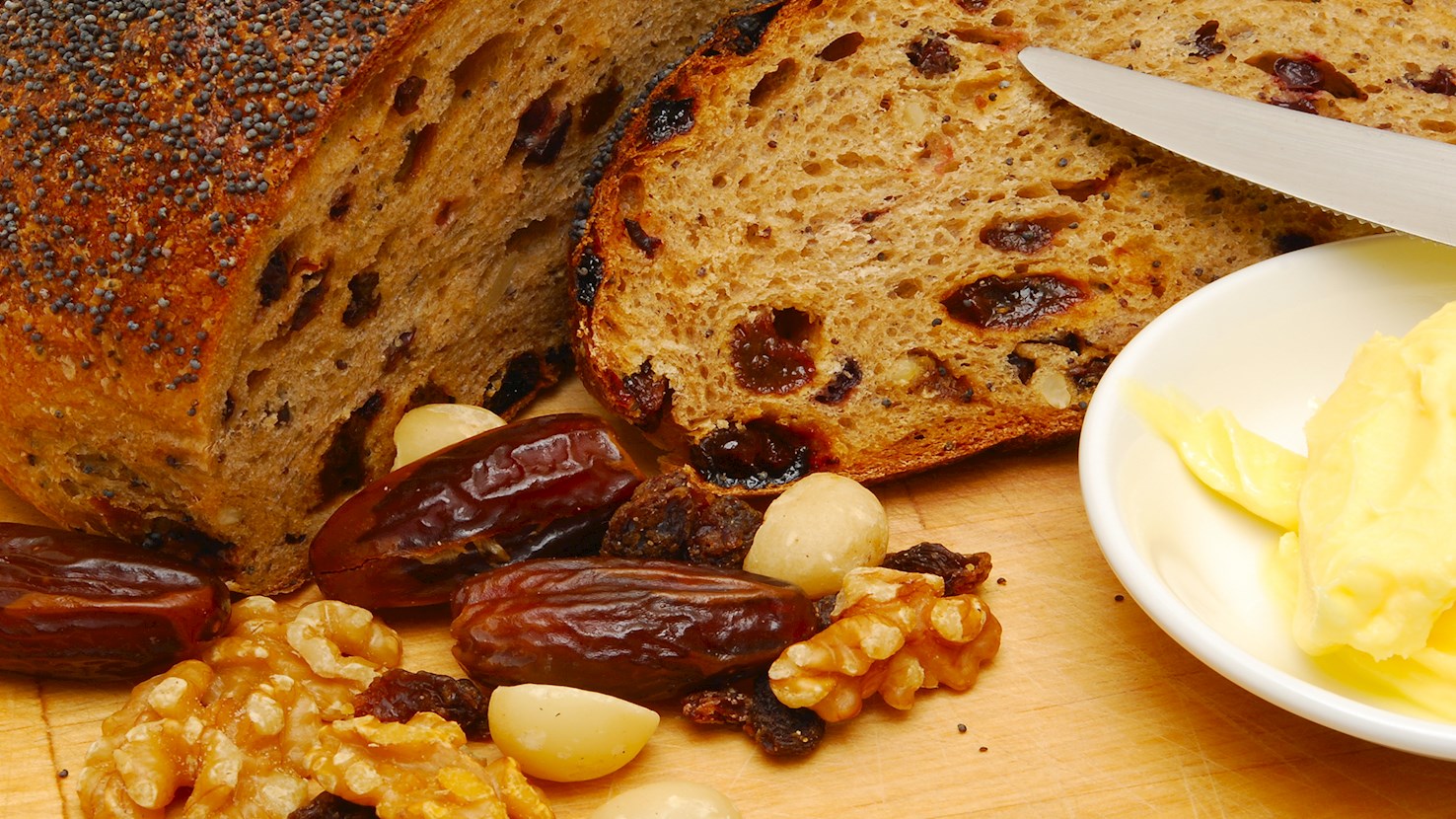
The traditional tea time treat known as lardy cake is essentially a loaf of bread with added nutmeg, sugar, fruits such as raisins or currants, and small pieces of lard. The interior gets soft due to the melted lard and sugar, while the top gets crunchy due to the caramelized sugar. The loaf originally appeared in the 17th century when dried fruits and spices stopped being too expensive for ordinary people. Today, it can be found in Berkshire, Oxfordshire, and Wiltshire, and it is recommended to serve it finely sliced, preferably with some butter on the side.
Devonshire split is a traditional sweet bun originating from Devon, hence the name. The buns are usually made with a combination of flour, salt, sugar, yeast, butter, and milk or cream. Once the dough has been formed, it's divided into small rounded buns that are baked until the crust becomes pale golden. They're often rubbed with butter and sprinkled with icing sugar. The bread should be very light and the flavors slightly sweet. After they've been baked, Devonshire splits are split open and filled with clotted cream and jam. It's also important to note the existence of Cornish splits, which are the same as Devonshire splits, but larger.
TasteAtlas food rankings are based on the ratings of the TasteAtlas audience, with a series of mechanisms that recognize real users and that ignore bot,
nationalist or local patriotic ratings, and give additional value to the ratings of users that the system recognizes as knowledgeable.
For the “Top 11 English Sweet Breads” list until June 15, 2026, 429 ratings were recorded, of which 379 were recognized by the system as legitimate.
TasteAtlas Rankings should not be seen as the final global conclusion about food. Their purpose is to promote excellent local foods,
instill pride in traditional dishes, and arouse curiosity about dishes you haven’t tried.