



shutterstock

Top 8 Portuguese Sweet Breads

Last updated on July 15, 2026
01

Pão de Deus

3.9 ·

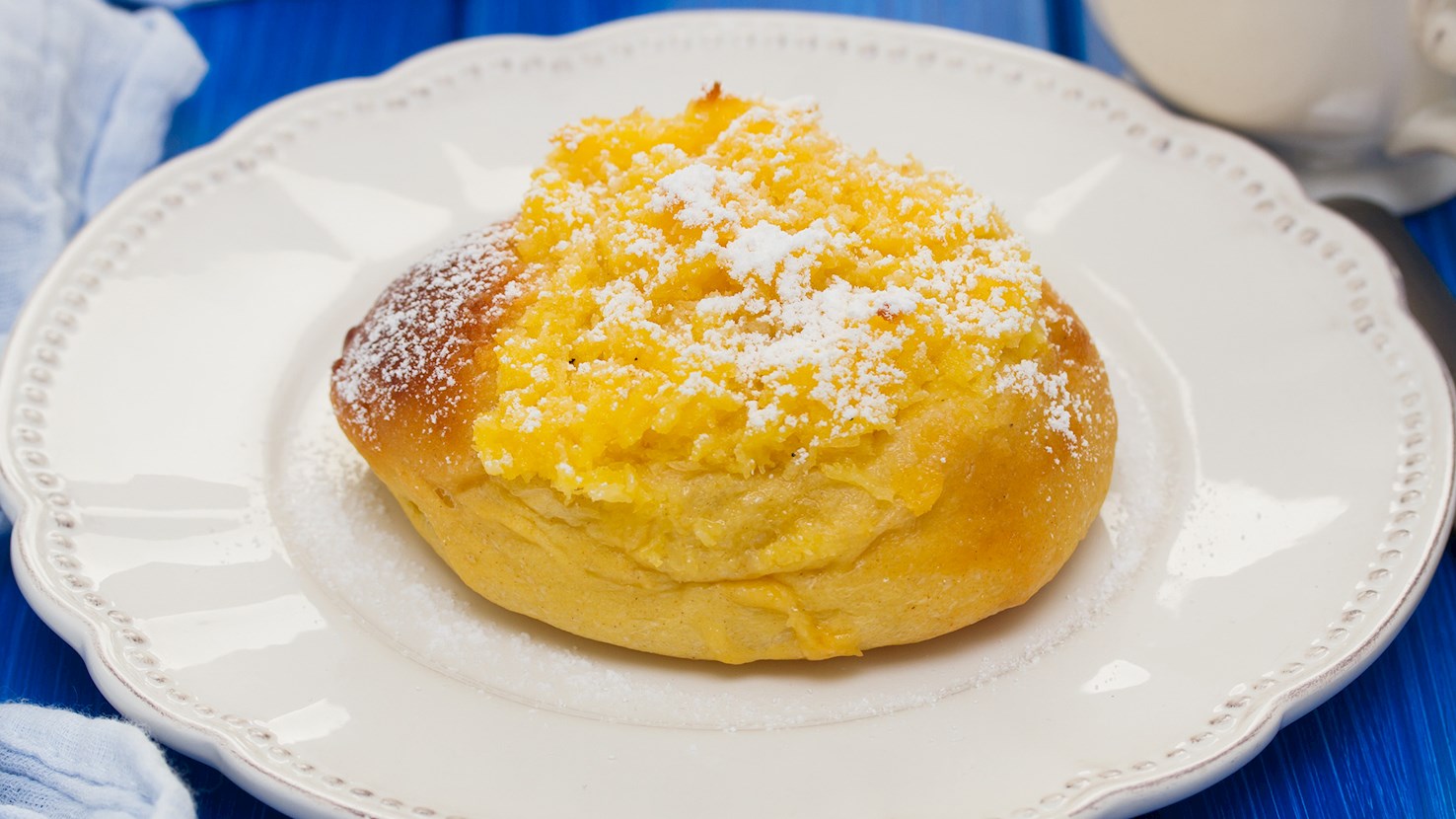
Translated as the bread of God, this traditional Portuguese dessert is a combination of a soft brioche and a topping made with desiccated coconut and eggs. The dough is usually flavored with lemon zest, rum, or vanilla, and the buns are baked until the topping turns golden and crispy. These sweet rolls are eaten throughout the year and are commonly enjoyed for breakfast, but they are also associated with All Saints Day and the old Portuguese custom known as pão-por-deus—in which children knock on doors reciting poetry and asking for sweets and candy.

02

Portuguese Sweet Bread

3.7 ·

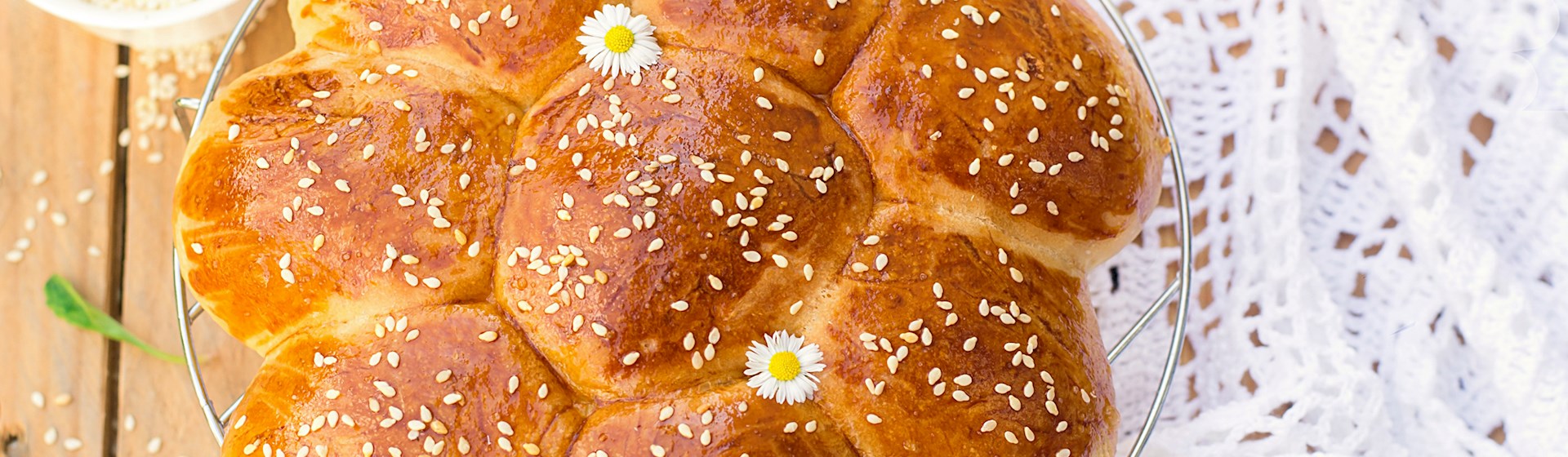
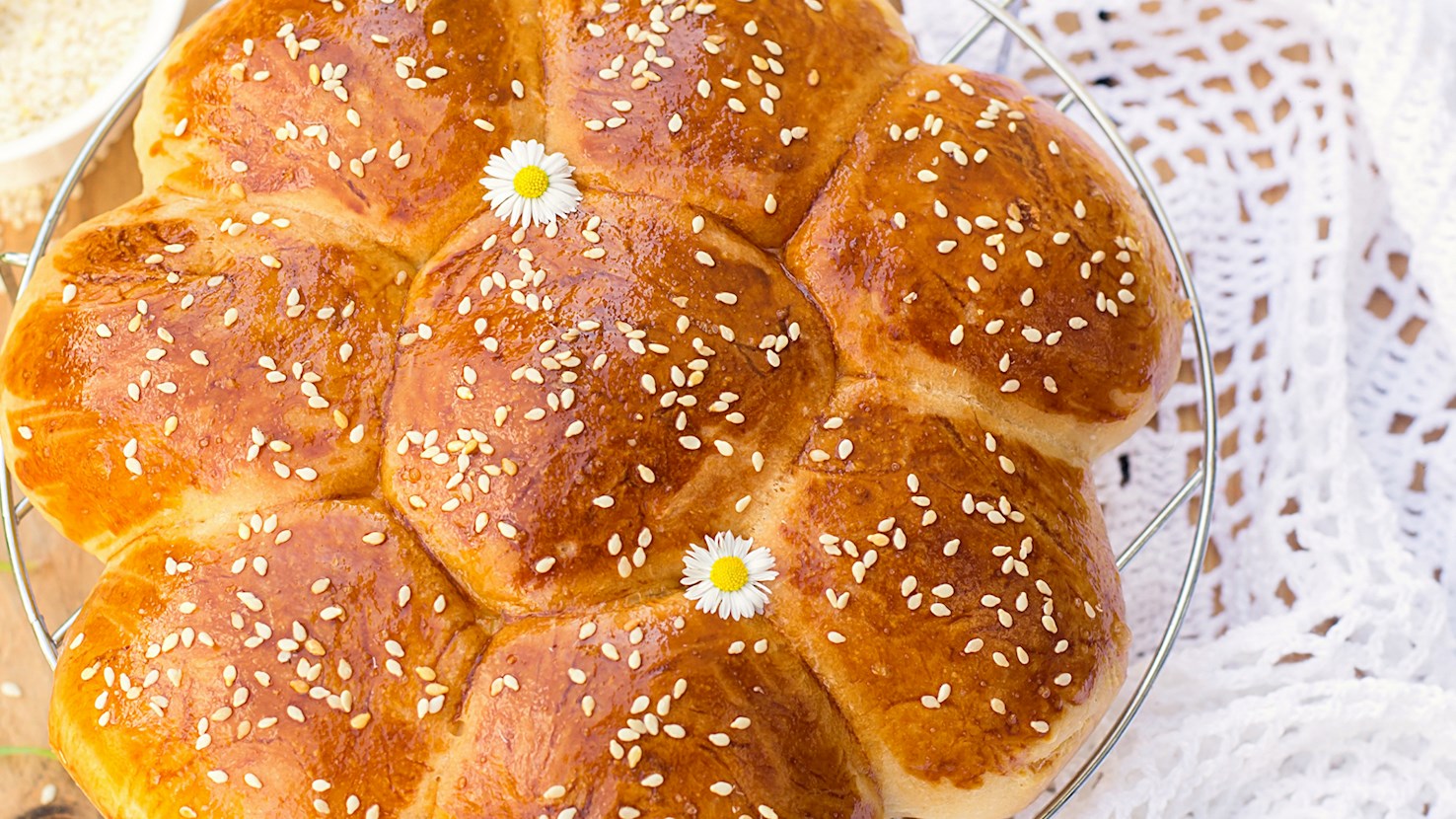
Portuguese sweet bread known is a light, airy bread consisting of flour, yeast, milk, eggs, and flavorings such as honey or sugar. Some bakers like to add lemon peel into the dough in order to further ehance its flavors. The bread is characterized by its round shape, and it is traditionally prepared for Christmas and Easter festivities (when it's called folar). It is usually served with butter or alongside arroz doce. Due to the large number of Portuguese immigrants, the bread is also popular in Hawaii and New England.

03

Folar de Olhão

3.6 ·

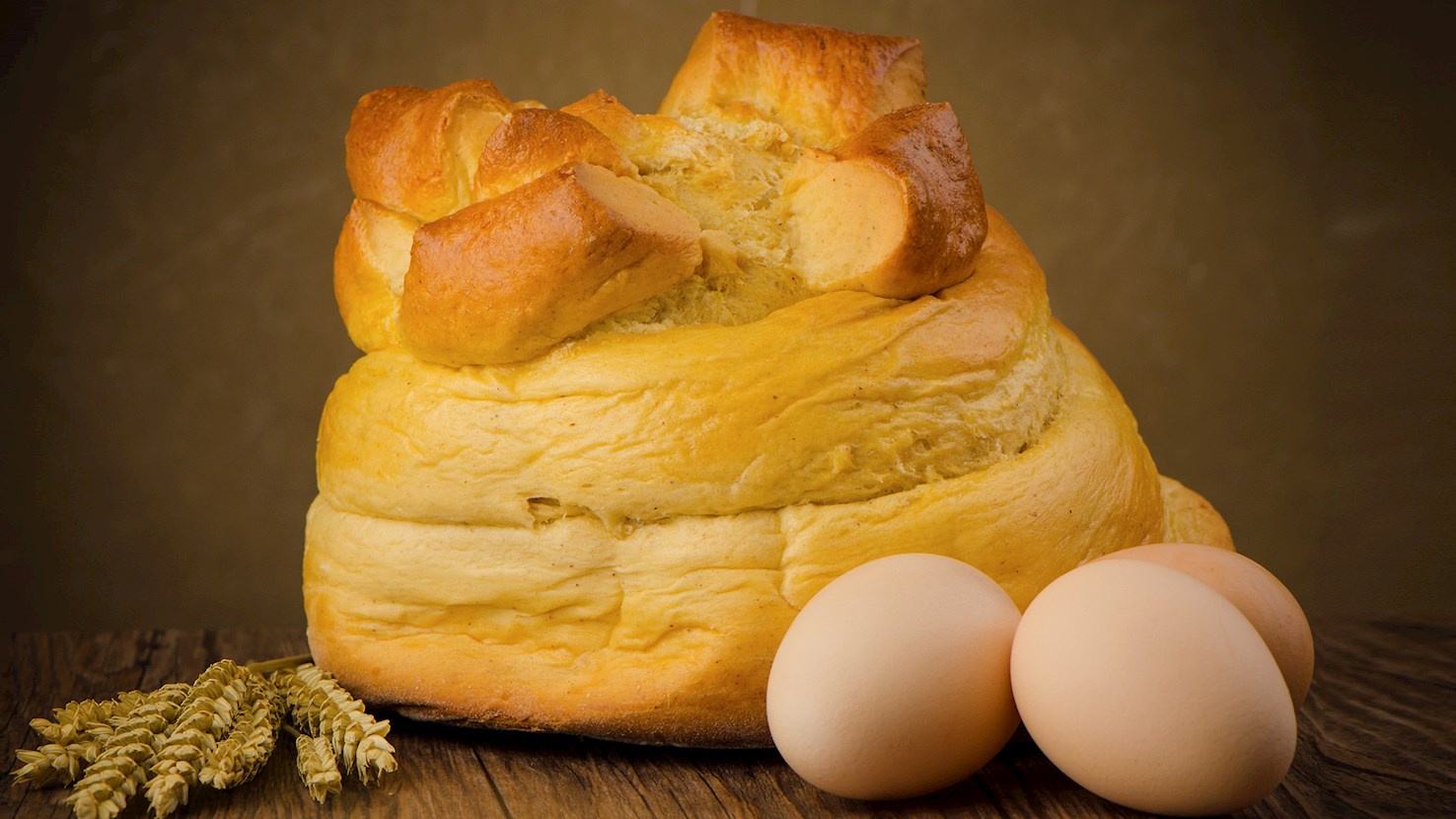
Folar de Olhão is a traditional sweet bread that's more similar to a cake, originating from the Algarve region. It's made with a combination of yeast, water, flour, salt, orange juice, butter, and Aguardente, port, brandy, or rum. The dough is shaped and left to rise, and it's then rolled and placed into a baking pot. Each disk of dough is topped with a combination of butter, honey, orange peel, cinnamon, and brown sugar. The layered sweet bread is baked until golden brown, then inverted and served warm or at room temperature. During the baking process, the sugar and butter melt, and some is absorbed by the bread, while some bubbles up to develop a crunchy, caramelized coating on the exterior. Folar de Olhão is especially popular during the Easter festivities.

04

Pão de rala

3.4 ·

Pão de rala is a Portuguese dessert that was supposedly invented in Santa Helena do Monte Calvário convent, located in Évora. This sweet, round bread is made with almond-based dough that is wrapped around a sweet filling consisting of sugar, fios de ovos (sweet egg yolk threads), and (most commonly) jam or purée made from gila squash. Optionally, the cake can be flavored with lemon or orange zest. Dating back to the 16th century, the cake was invented to commemorate the visit of King Sebastian, and in the past, it was traditionally made in the convents located throughout Alentejo. Nowadays, this traditional delicacy can be found in local pastry shops.

05

Fogaça da Feira

3.3 ·

This baked delicacy from Feira is a type of sweet bread that is traditionally made for the Feast Day of San Sebastian and the Feast of Fogaceiras, one of the most emblematic religious festivals of northern Portugal, which is held every year in January in Santa Maria da Feira. Its shape represents the tower of a castle with four pinnacles, and it is baked daily in various bakeries in the region. It is made from wheat flour, eggs, sugar, butter, yeast, cinnamon, lemon juice, and lemon peel. The texture is somewhat denser than bread, while the flavor is delicately sweet and unique.

06

Bolo Rainha

2.9 ·

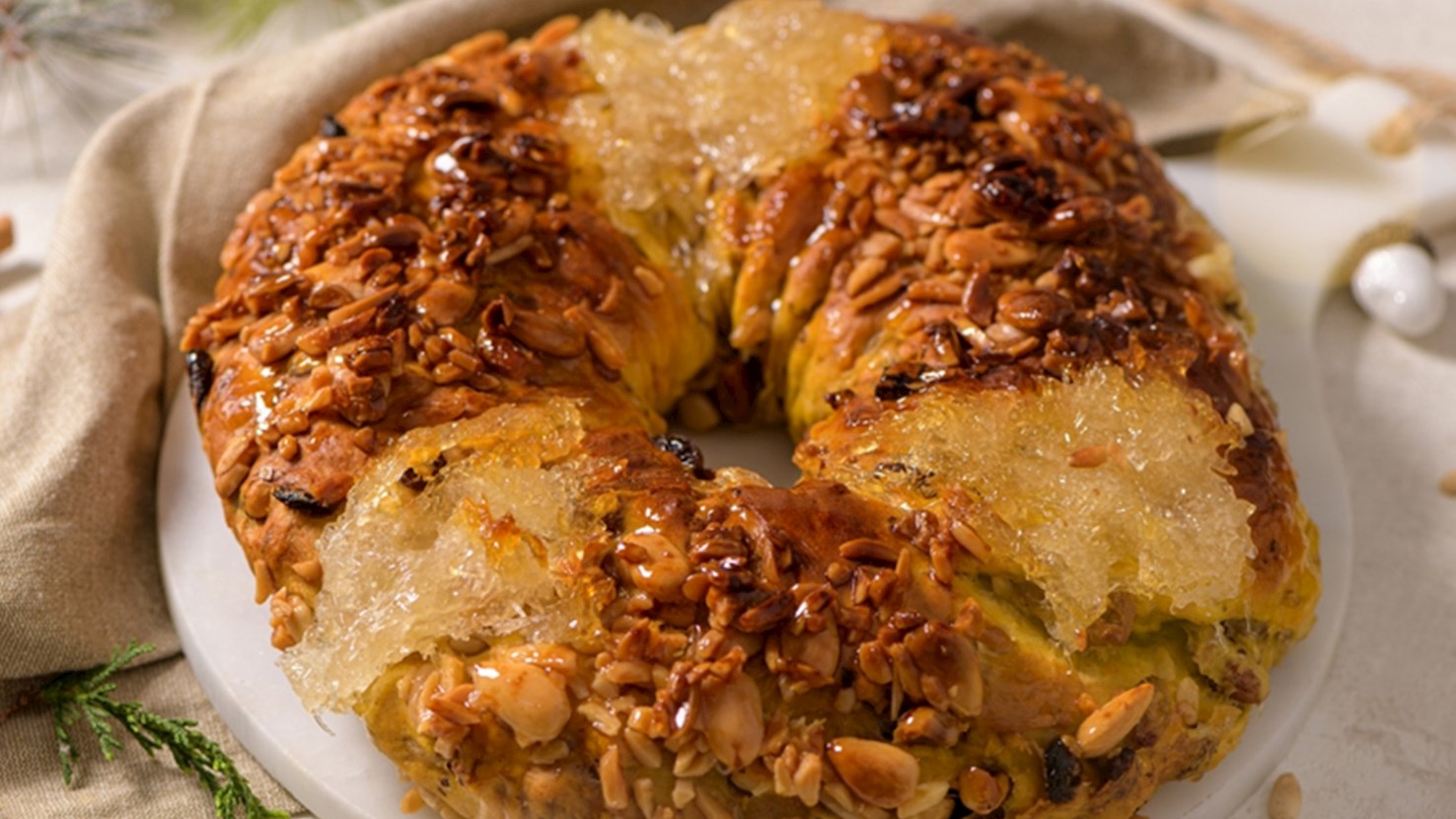
Bolo-Rainha, translating to "Queen Cake" in English, is a traditional cake that is closely related to the more commonly known Bolo Rei, or "King Cake." It is especially popular during the Christmas season and the festivities of the Epiphany (Dia de Reis) on January 6th. Similar to Bolo Rei in its brioche-like texture, Bolo-Rainha is made with a rich, sweet dough. However, it differs primarily in its fillings and toppings. While Bolo Rei is characterized by its use of candied fruits, Bolo-Rainha typically does away with these candied fruits and instead focuses more on nuts like walnuts, almonds, and sometimes hazelnuts. It also includes dried fruits such as raisins or sultanas. The top of Bolo-Rainha is adorned with a generous amount of nuts, giving it a distinct appearance compared to the colorful candied fruit topping of Bolo Rei. Like Bolo Rei, Bolo-Rainha is often baked with a hidden surprise inside, such as a small gift or a fava bean. Finding the hidden item carries a traditional significance similar to that in the Bolo Rei, often involving good luck or the responsibility of hosting future celebrations. Bolo-Rainha offers a delightful alternative for those who prefer the rich, nutty flavors over the candied fruit in Bolo Rei while still maintaining the festive and cultural significance of the traditional Portuguese holiday season.

07

Rosca de yema

n/a ·

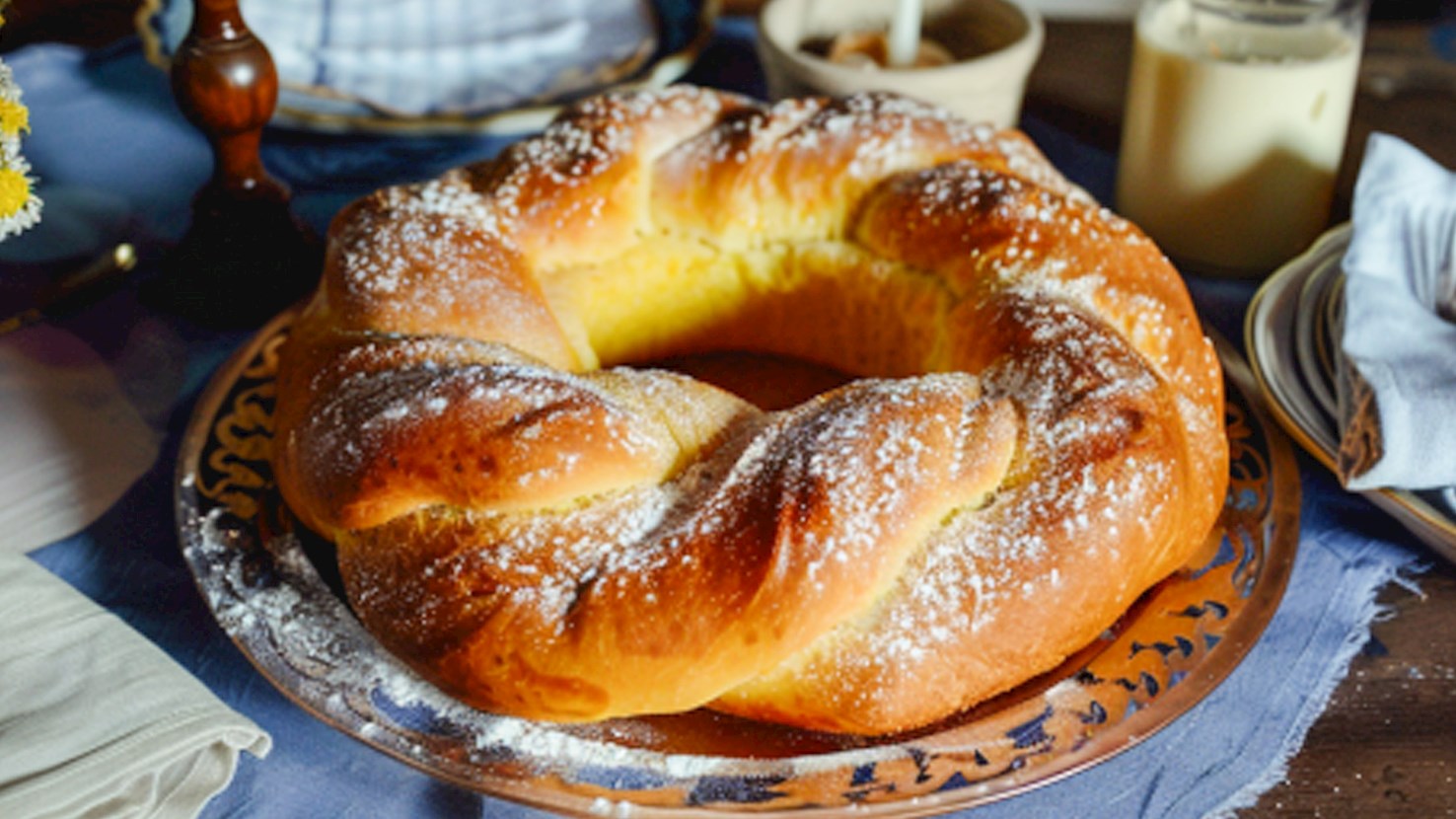
Rosca de yema is a traditional sweet bread known for its soft, fluffy texture and rich flavor due to the use of egg yolks (yema) in the dough. The yolks are cooked with a sugar syrup to make an egg yolk custard, which is enveloped in anise-flavored dough and braided and shaped into a ring. It is typically enjoyed during festive occasions and holidays. The bread is often glazed with a sugar syrup or egg glaze and topped with a dusting of sugar. The use of egg yolks gives the rosca its distinct yellow hue and a delicate, tender crumb, making it a popular treat in Portuguese cuisine. It was invented by a local baker in 1958.

08

Velhote

n/a ·

Velhote is a sweet bread from the village of Valadares in Vila Nova de Gaia, known for its square shape. It is made with eggs, sugar, margarine, and flour and is typically served during local festivities like the Sr. dos Aflitos Feast in July. The dough is shaped into a roll and assembled to resemble a rectangle. Once baked, it is dusted with powdered sugar. The recipe, dating back to the 1880s, was created by Maria Francisca da Silva, a woman from Braga, and has since evolved. The bread’s unique flavor comes from ingredients like cinnamon, lemon juice, and occasionally saffron. It is celebrated by a local gastronomic brotherhood dedicated to preserving this culinary tradition.

Read more
View all
View map
About this ranking

TasteAtlas food rankings are based on the ratings of the TasteAtlas audience, with a series of mechanisms that recognize real users and that ignore bot, nationalist or local patriotic ratings, and give additional value to the ratings of users that the system recognizes as knowledgeable. For the “Top 8 Portuguese Sweet Breads” list until July 15, 2026, 265 ratings were recorded, of which 191 were recognized by the system as legitimate. TasteAtlas Rankings should not be seen as the final global conclusion about food. Their purpose is to promote excellent local foods, instill pride in traditional dishes, and arouse curiosity about dishes you haven’t tried.

Similar lists