

Shutterstock

Top 8 Southeastern European Sweet Breads

Last updated on June 15, 2026
01

Tsoureki

4.1 ·

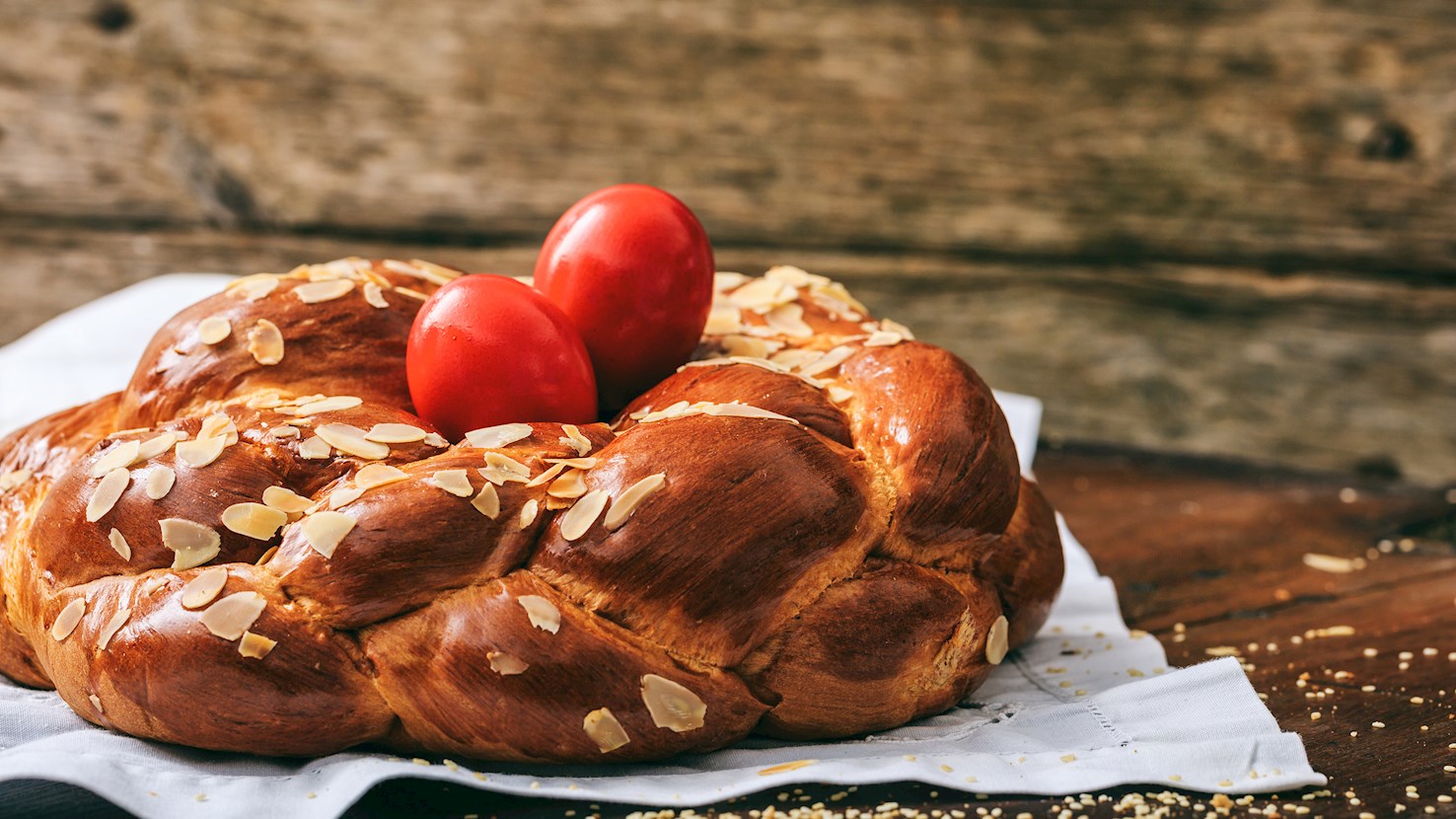
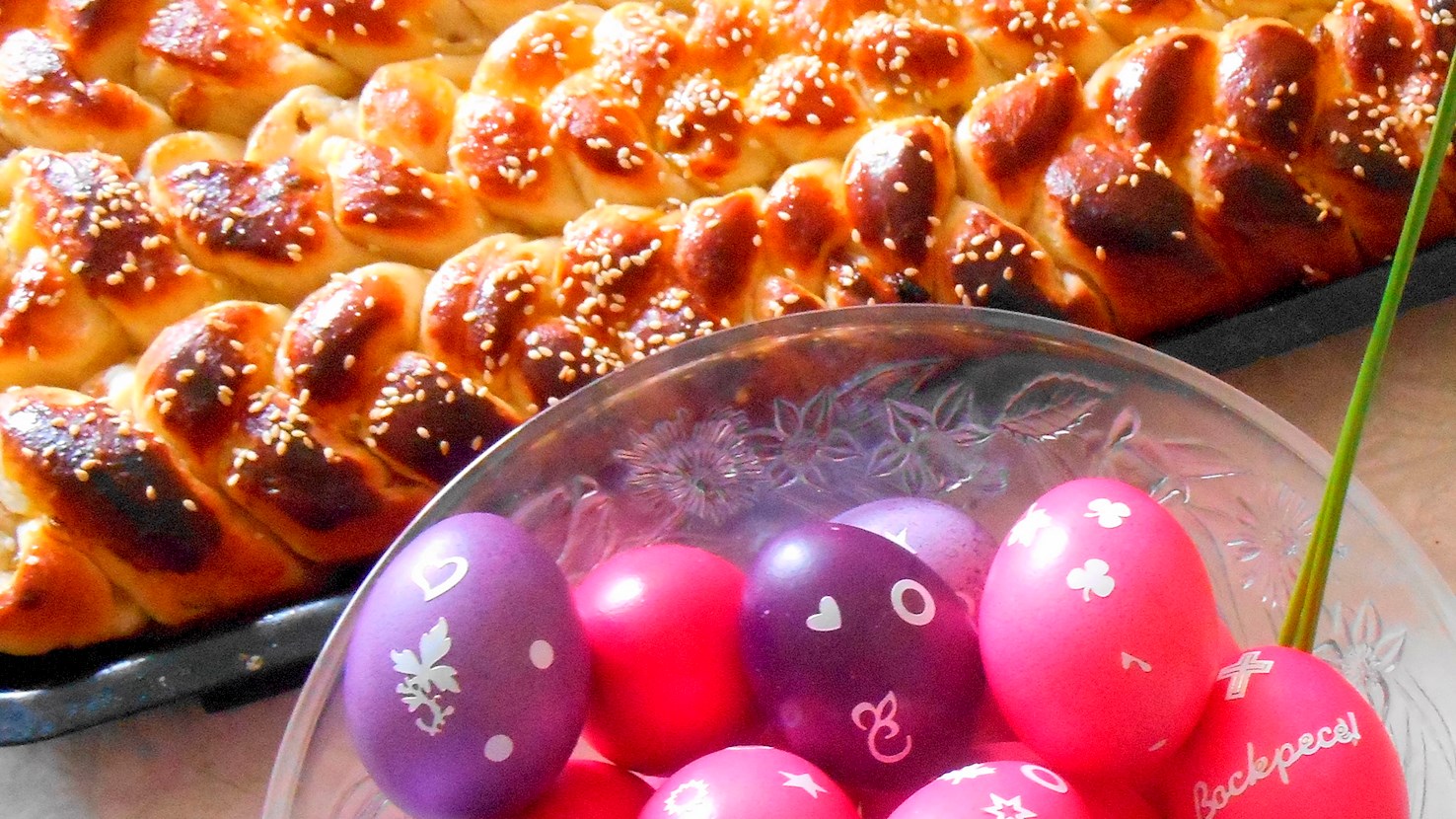
Tsoureki is a traditional Easter bread characterized by its braided shape, which can be either circular or elongated like a loaf. Tradition says that tsoureki should be braided in three strands - one for each aspect of the Trinity. The bread is usually made with milk, eggs, butter, and flavorings such as mahleb, orange zest, cardamom, and vanilla. After baking, it should be moist, tender, and soft, yet chewy. It is often served with a red-dyed egg on top of it, although it can sometimes be baked together with scarlet-colored eggs, representing the blood of Christ and resurrection. Tsoureki has been prepared in Greece since ancient times, and is traditionally served at the breaking of Lent. Loaves of tsoureki are typically exchanged among Greeks on Easter Sunday as a sign of good will and friendship. Today, there are numerous variations of the bread in Turkey, Armenia, Romania, and Bulgaria, all of them especially good when paired with a hot cup of tea or coffee.

Best restaurants
02

Vasilopita

4.1 ·

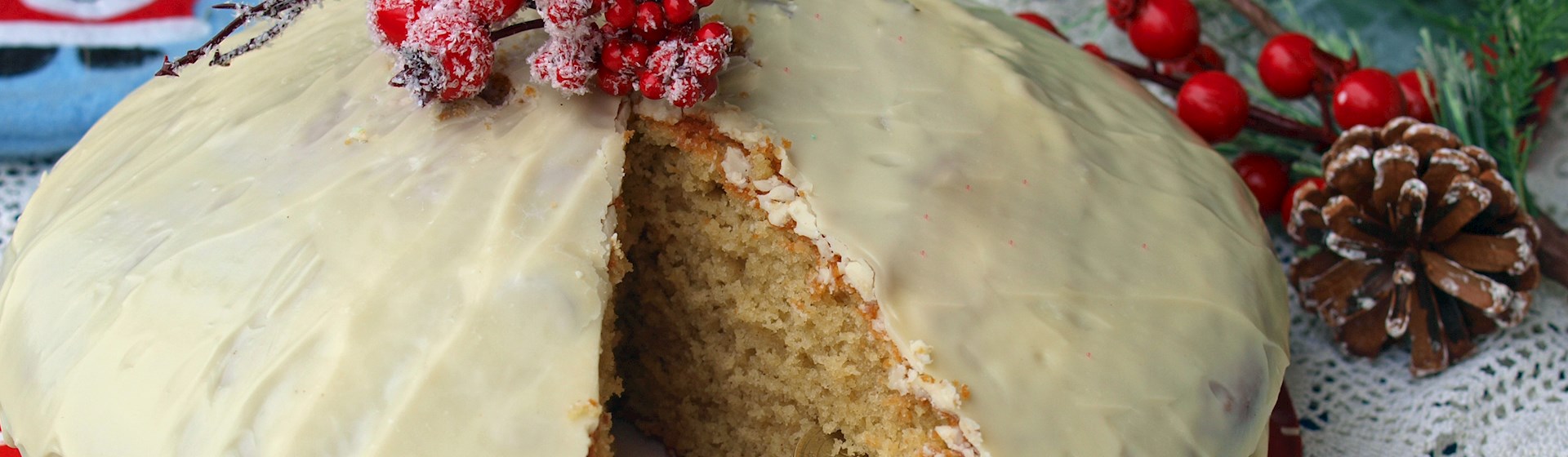
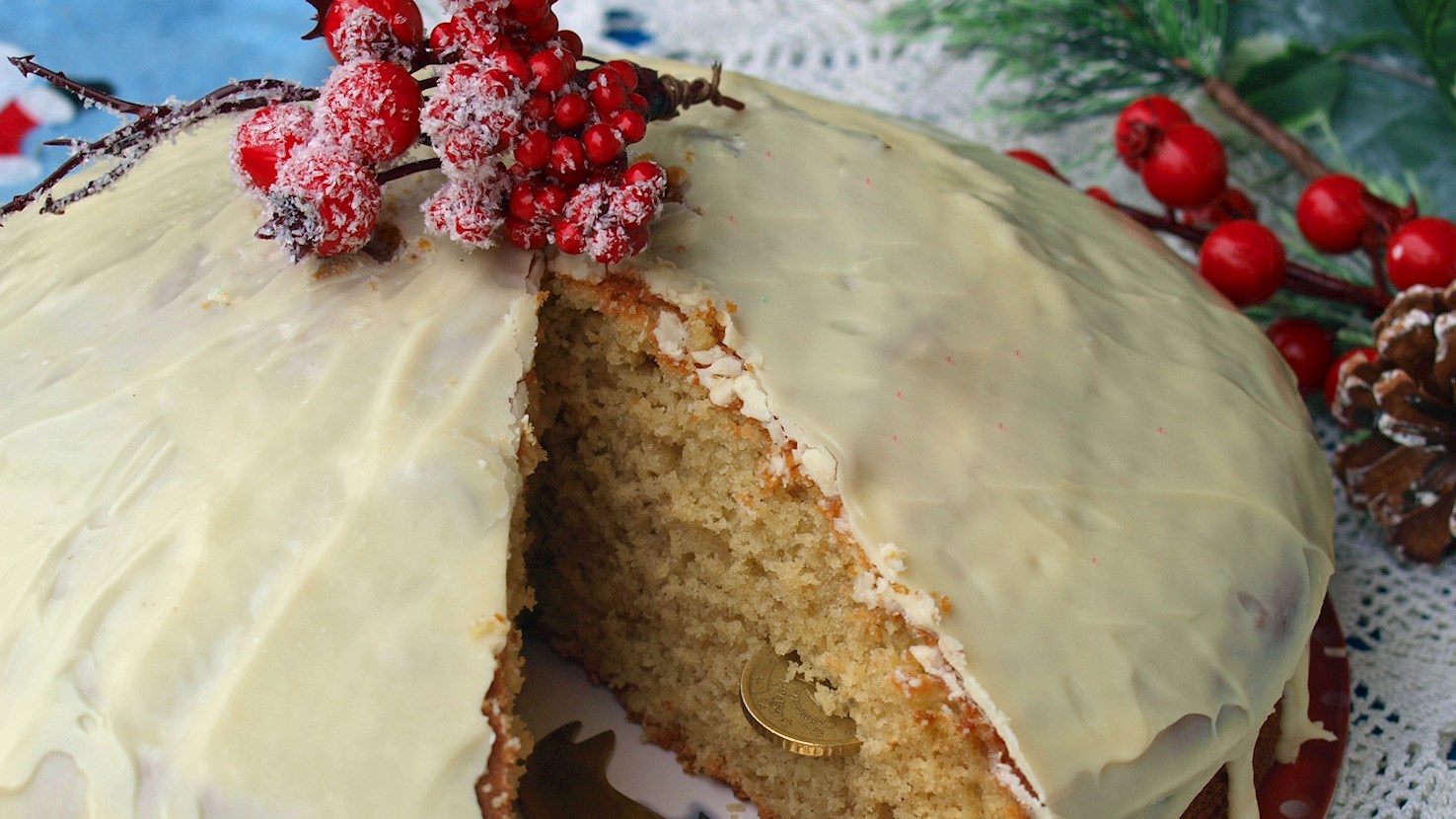
Vasilopita is a Greek New Year's cake with a coin or a trinket baked inside of it. The cake is enriched with a sweet flavoring, symbolizing the sweetness and joy of life and hope that the New Year will be abundant in health and happiness. Traditionally, the cake is cut by a senior member of the family, and whoever receives the piece with a coin inside is thought to be blessed in the following year. Each piece is cut in honor of someone or something: the first piece for Jesus Christ, the second for Virgin Mary, and the third for St. Basil, since the cake is named after him. It is believed that St. Basil wanted to give money to the poor, and in order for it not to look like charity, he asked a woman to bake a bread in which he placed several gold coins, so the poor families were pleasantly surprised when they found coins inside the bread. Today, there are numerous versions of the cake that are also prepared in Albania, Bulgaria, Serbia, and Romania, each one with a coin inside, but unassociated with St. Basil.

03

Cozonac

3.9 ·

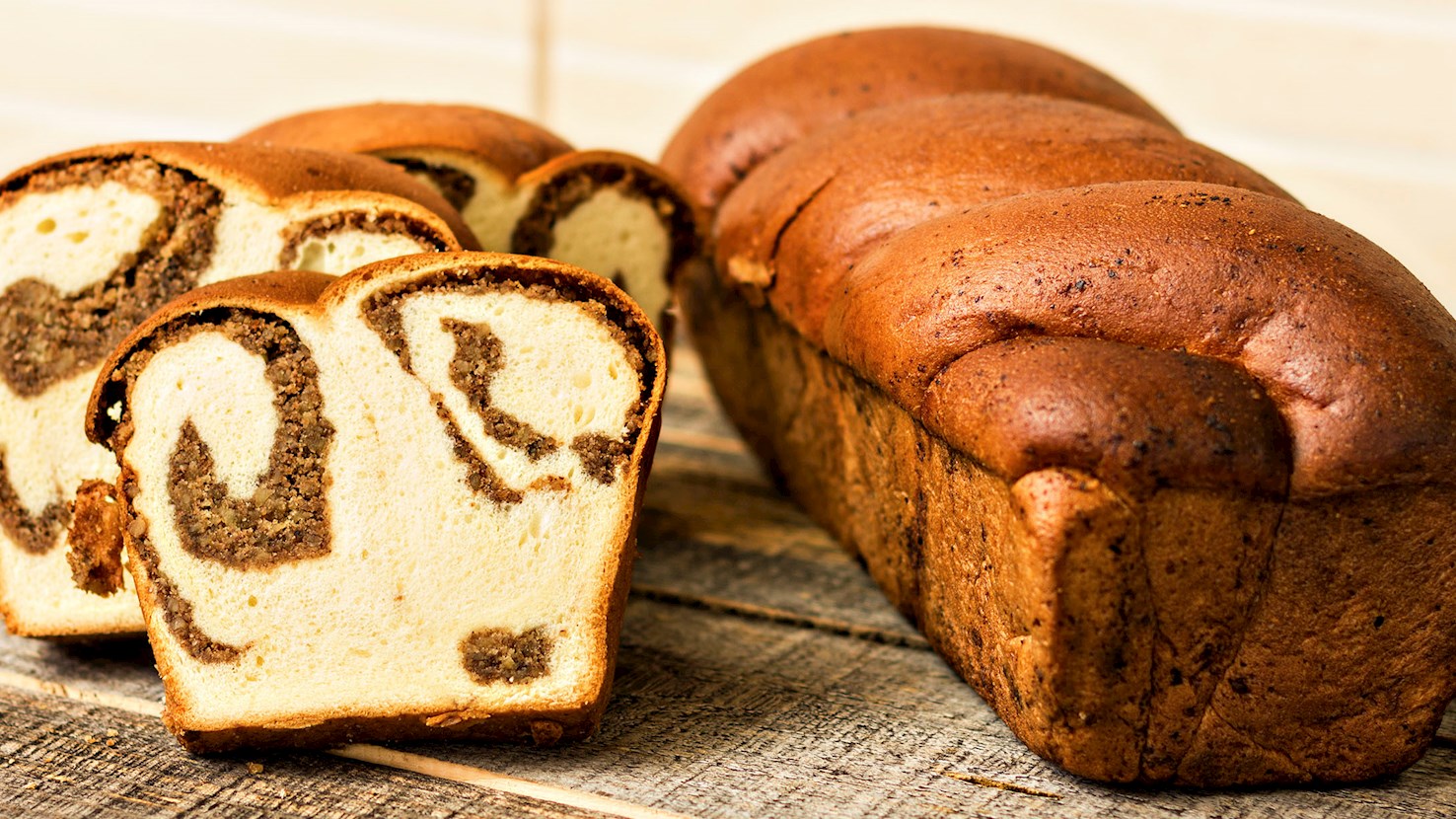
Cozonac is a traditional type of sweet bread that is usually consumed during festive events such as Christmas and Easter. Although it visually looks like a loaf of bread, it is considered a cake, and is usually made with flour, sugar, milk, cocoa, eggs, nuts, and sometimes raisins. In Bulgaria, the dish is commonly known as kozunak and it's only prepared for Easter. Even though it smells heavenly when it is taken out of the oven, the cake is traditionally served only when it's fully cooled. Cozonac is typically accompanied by a cup of warm coffee, tea, or milk.

04

Pască

3.9 ·

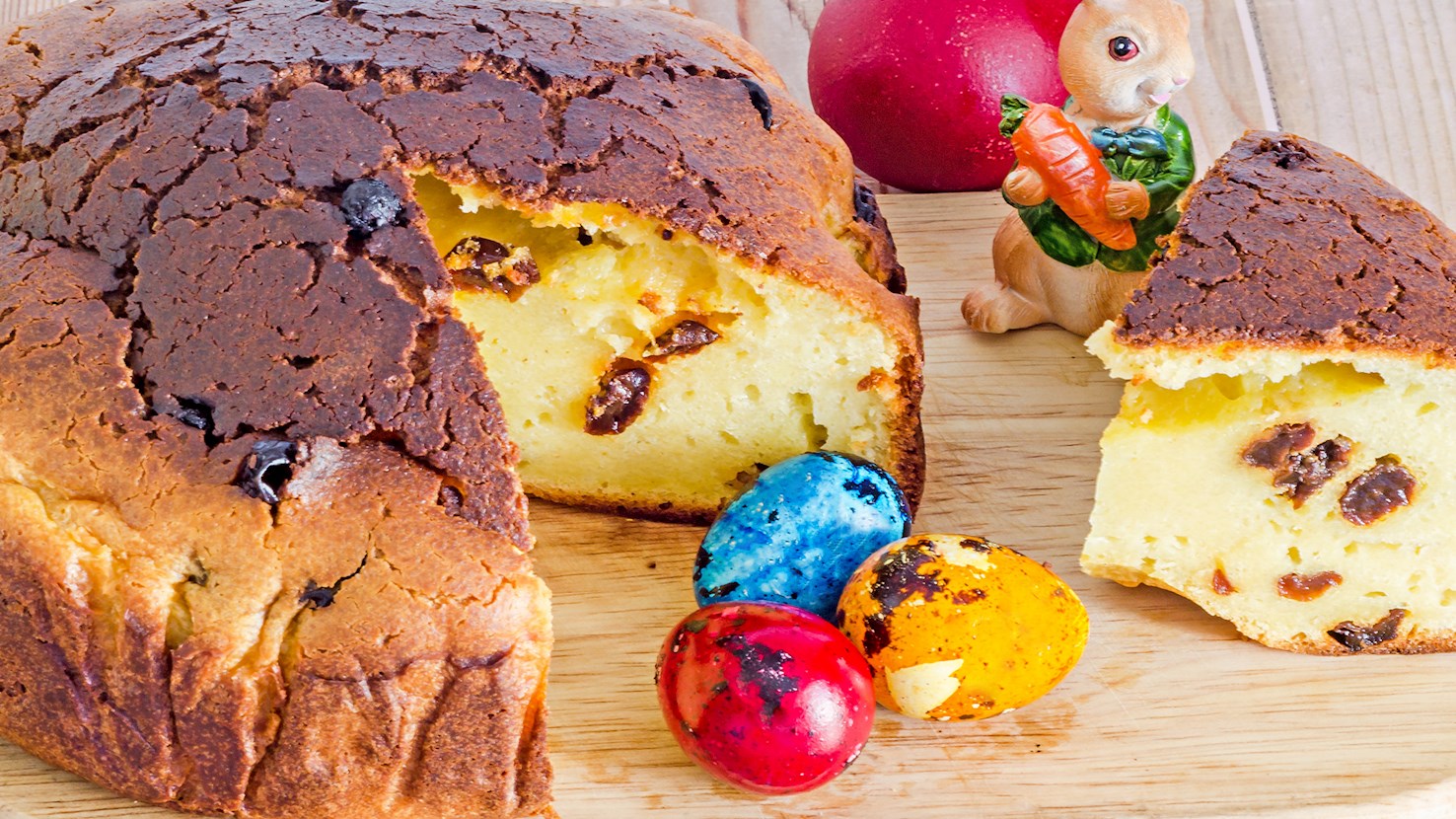
This Romanian sweet bread derives its name from the Latin word for Easter. With its round shape, golden crust, and yellow center, pască is said to resemble the Sun and symbolize the rebirth of nature in springtime. The bread is prepared with yeasted dough that is usually flavored with vanilla and citrus juice and holds a delectable filling made with a combination of fresh urdă whey cheese, eggs, sour cream, sugar, and raisins. Modern varieties often add a twist by putting chocolate chips into the filling. Although predominantly sweet, pască also comes in a savory version, and apart from Romania, it is also commonly prepared in Moldovan households. According to Christian tradition, freshly-baked pască should be taken to church on Easter Sunday for the custom of blessing food in hopes of future abundance and prosperity.

05

Makovnjača

3.7 ·

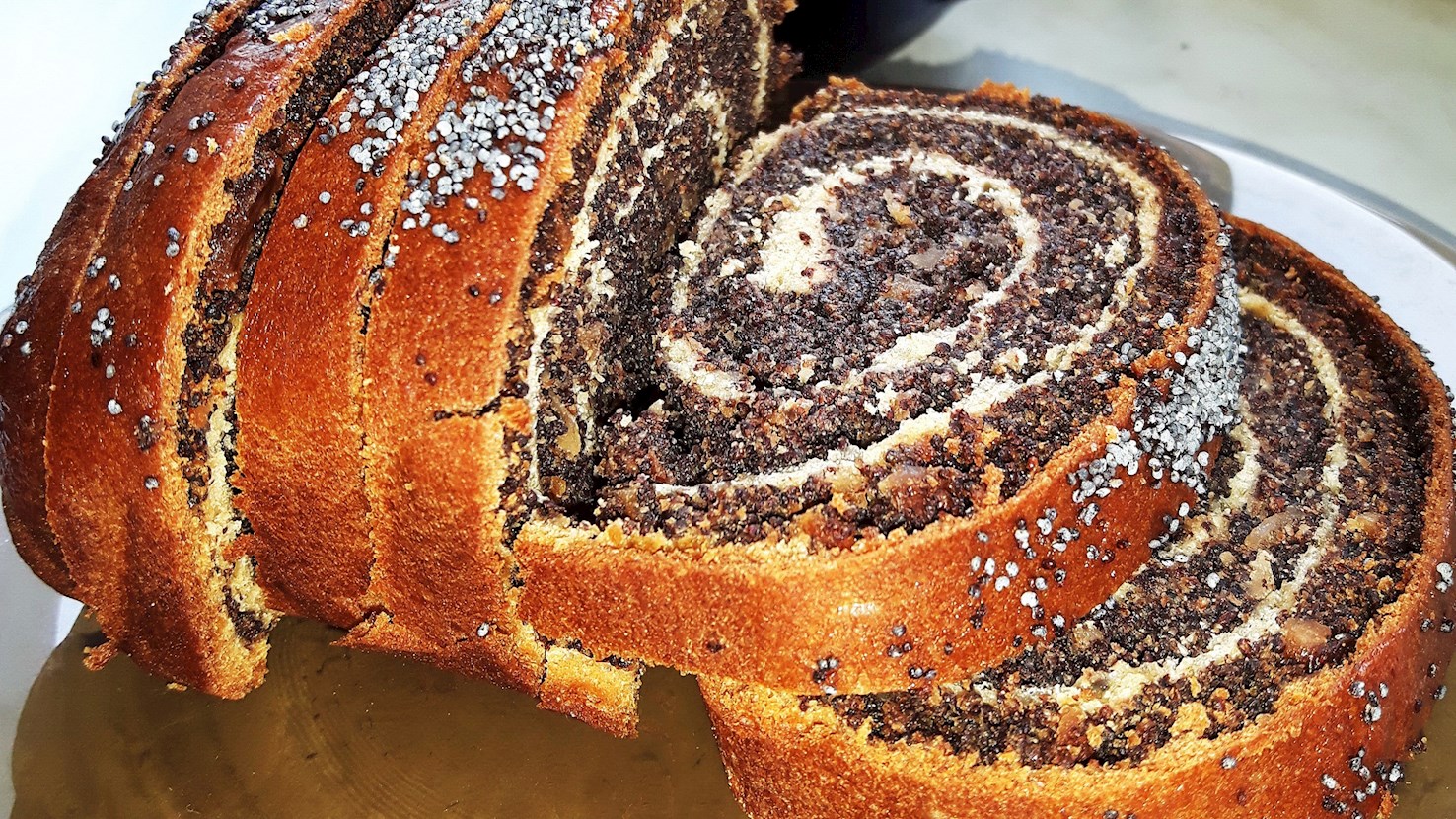
Makowiec is the Polish name for poppy seed roll, a traditional cake where poppy seed paste is placed between layers of dough. Raisins, almonds, honey, and orange peel can be added to the cake in order to enhance its flavors. Ideally, makowiec should not be too sweet. It is characterized by its unique appearance when cut, with the dough and the poppy seed filling winding around each other in a spiral. When served, makowiec is usually dusted with powdered sugar. The cake is often consumed alongside tea or coffee, and it is typically prepared for festivities such as Christmas or other winter holidays. Although it can be found in stores throughout the year, making makowiec is a holiday family tradition. Makowiec can also be found throughout Central Europe, in countries such as Austria, Croatia, the Czech Republic, Germany, Hungary, Slovakia, Slovenia, Romania, and Serbia.

06

Kozinjak

3.4 ·

Kozinjak or milibrod is a sweet yeasted bread with soft, moist, and thread-like texture, usually flavored with lemon zest or orange zest, and filled with dried fruits, typically raisins soaked in rum or orange juice. The dough is braided, brushed with a yolk-milk mixture on top, and then baked in a well-oiled baking tray or high bread pan in the oven. Once baked, kozinjak is generously sprinkled with sugar to form a sugar crust, or dusted with powdered sugar before serving. Poppy seeds and different types of fruit jams are also used as common kozinjak fillings. This sweet bread is usually prepared for holidays, especially for Easter and Christmas, and it is also consumed in neighboring Bulgaria, where it is known as kozunak. Some make this sweet treat more frequently and consume it as a light dessert or with a glass of milk for breakfast.

07

Lazarakia

n/a ·

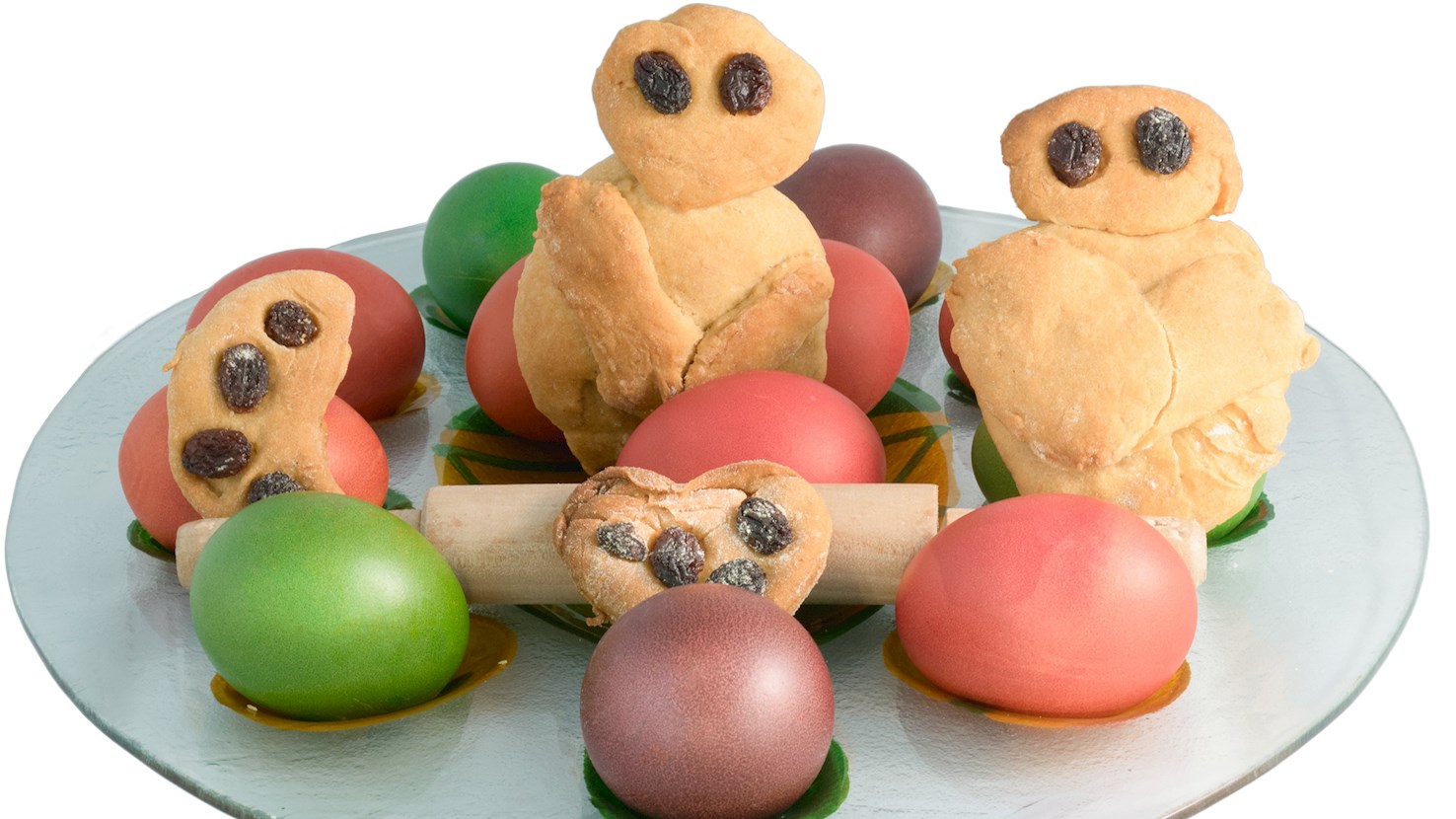
Named after Saint Lazarus, this traditional spiced bread is popular throughout Greece and Cyprus. Prepared with yeasted dough that does not incorporate any milk or eggs, the bread is traditionally enjoyed on Lazarus Saturday that precedes the Holy Week. The dough is typically enriched with spices such as cinnamon or anise, and the final shape of the bread depicts a man wrapped in a shroud or with legs that are not fastened, symbolizing the resurrection of Lazarus. In both Greece and Cyprus, this small-sized bread is used in various activities that commemorate the occasion.

08

Christopsomo

n/a ·

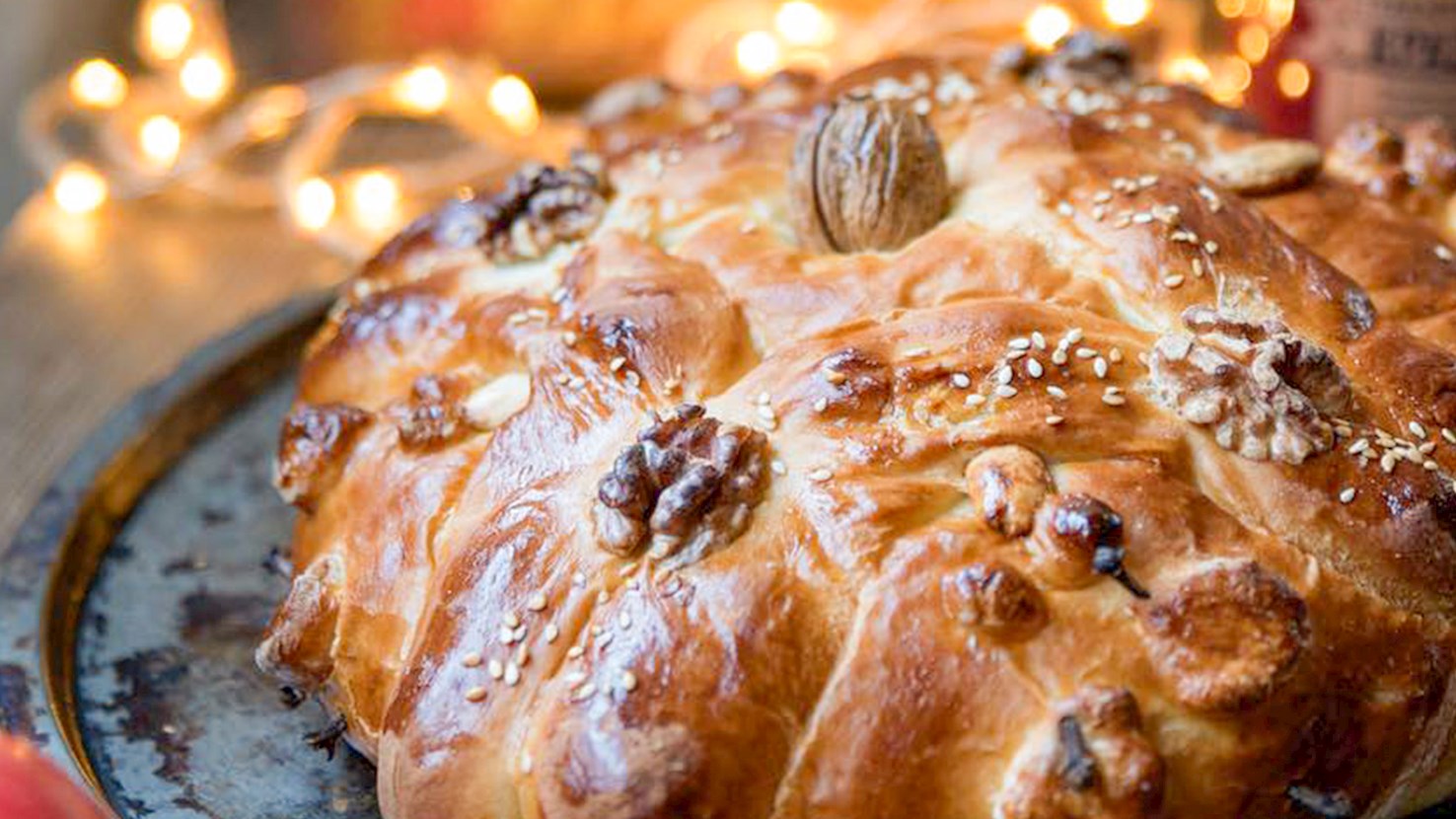
Christopsomo, meaning "Christ's Bread" in Greek, is a traditional bread made in Greece for Christmas, embodying religious significance in the Greek Orthodox tradition. Made with flour, yeast, sugar, and nuts and flavored with spices like anise and mahleb, it often includes olive oil and sometimes wine. This bread is richly decorated with Christian symbols, such as crosses and dough shapes representing family members or aspects of their lives. The top is also often sprinkled with sesame seeds and/or adorned with nuts and even raisins. Prepared typically by the woman of the household on Christmas Eve, Christopsomo is served on Christmas Day, often blessed at church or at home. While the core elements of Christopsomo are consistent, regional variations in Greece reflect local traditions and family customs, making it a unique and symbolic part of the Greek Christmas celebration.

Read more
View all
View map
About this ranking

TasteAtlas food rankings are based on the ratings of the TasteAtlas audience, with a series of mechanisms that recognize real users and that ignore bot, nationalist or local patriotic ratings, and give additional value to the ratings of users that the system recognizes as knowledgeable. For the “Top 8 Southeastern European Sweet Breads” list until June 15, 2026, 1,413 ratings were recorded, of which 815 were recognized by the system as legitimate. TasteAtlas Rankings should not be seen as the final global conclusion about food. Their purpose is to promote excellent local foods, instill pride in traditional dishes, and arouse curiosity about dishes you haven’t tried.

Similar lists