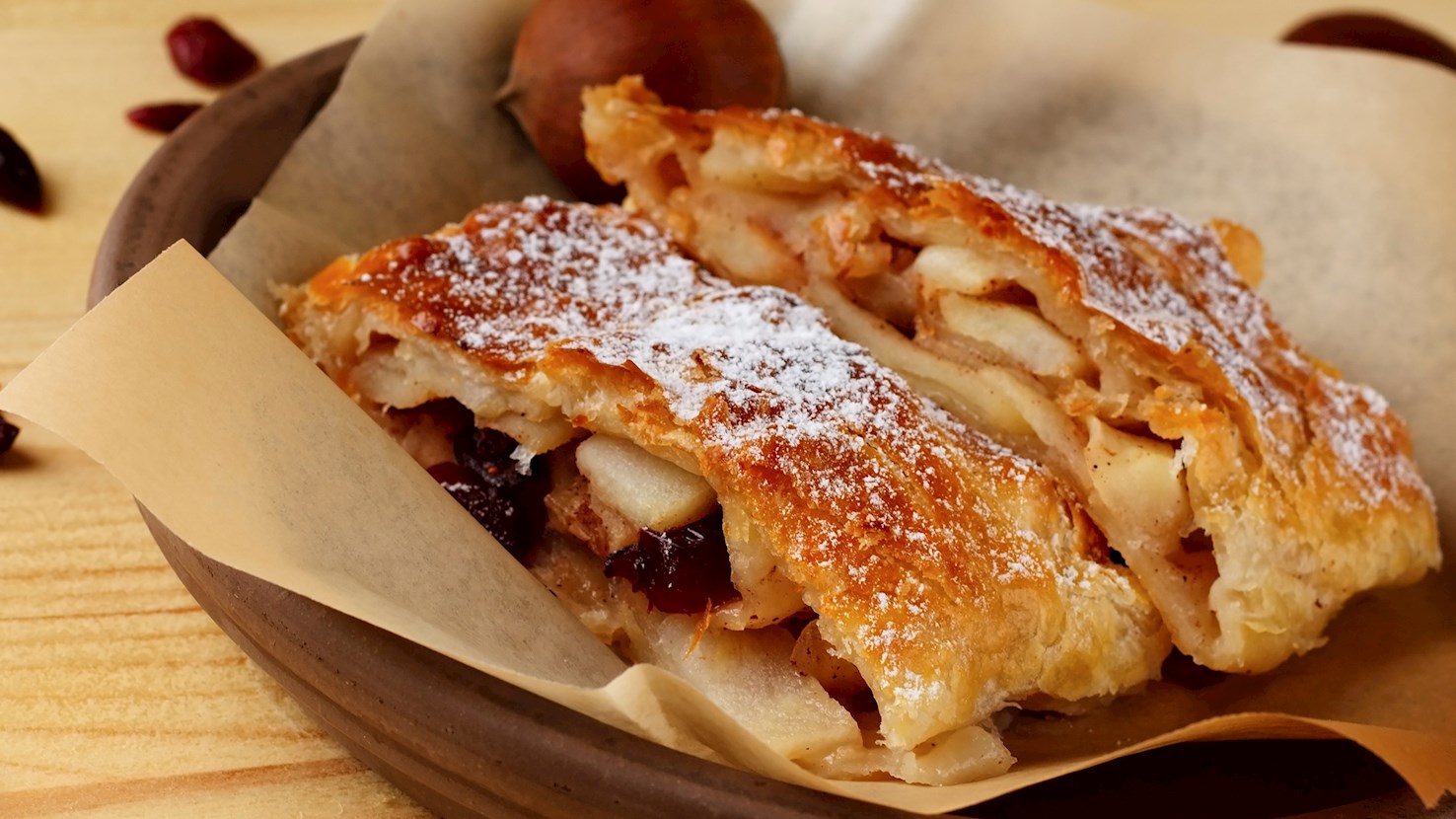
A traditional pastry dessert with a rich and vivid history, apfelstrudel (apple strudel) is one of Austria's most popular delicacies. This sweet treat consists of thin layers of dough filled with a flavorful apple filling. Its story starts with the invention of baklava, a filo pastry popular in the Balkans and the Middle East. Since baklava requires very thin dough, similar to strudel, the technique was likely perfected by either the Ottomans or the Greeks. It is believed that strudel arrived in Hungary first, then Austria, due to the fact that the Ottomans had constant interactions with the Habsburgs. The oldest known recipe for strudel dates back to 1696, while other varieties, such as the apple strudel recipe, date back to the 1800s. Some claim that the dish was invented in Vienna for the Emperor of Austria and the rest of high society. Depending on the recipe, the filling may additionally include raisins, cinnamon, rum, and nuts such as almonds or walnuts. It is recommended to serve the strudel warm, straight from the oven, accompanied by a scoop of vanilla ice cream, a dollop of whipped cream, or vanilla sauce.
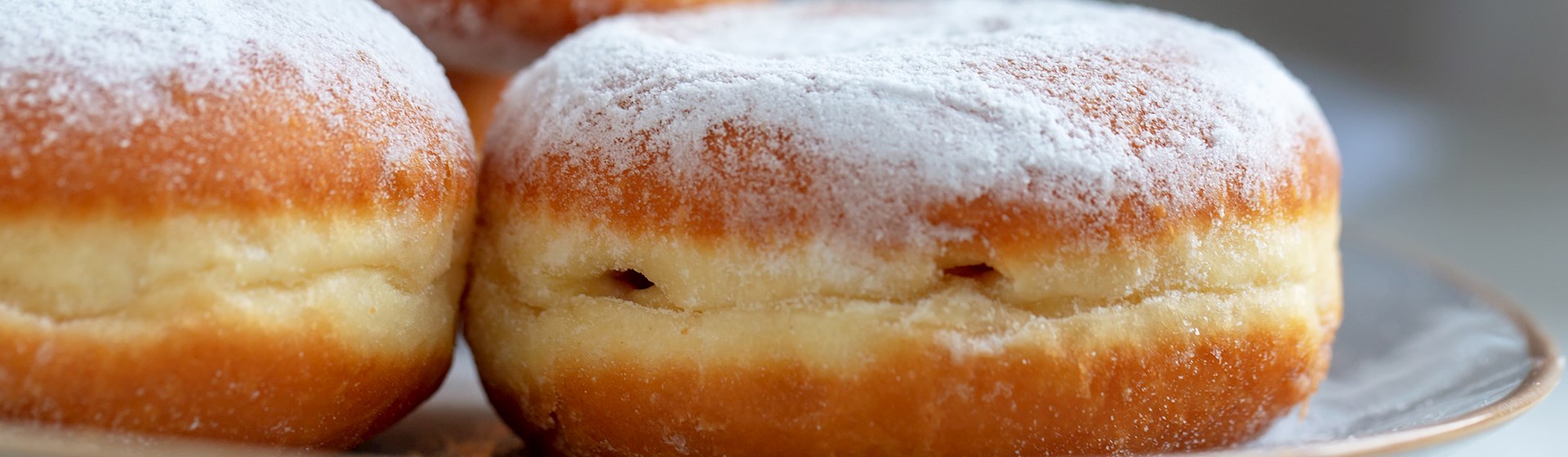
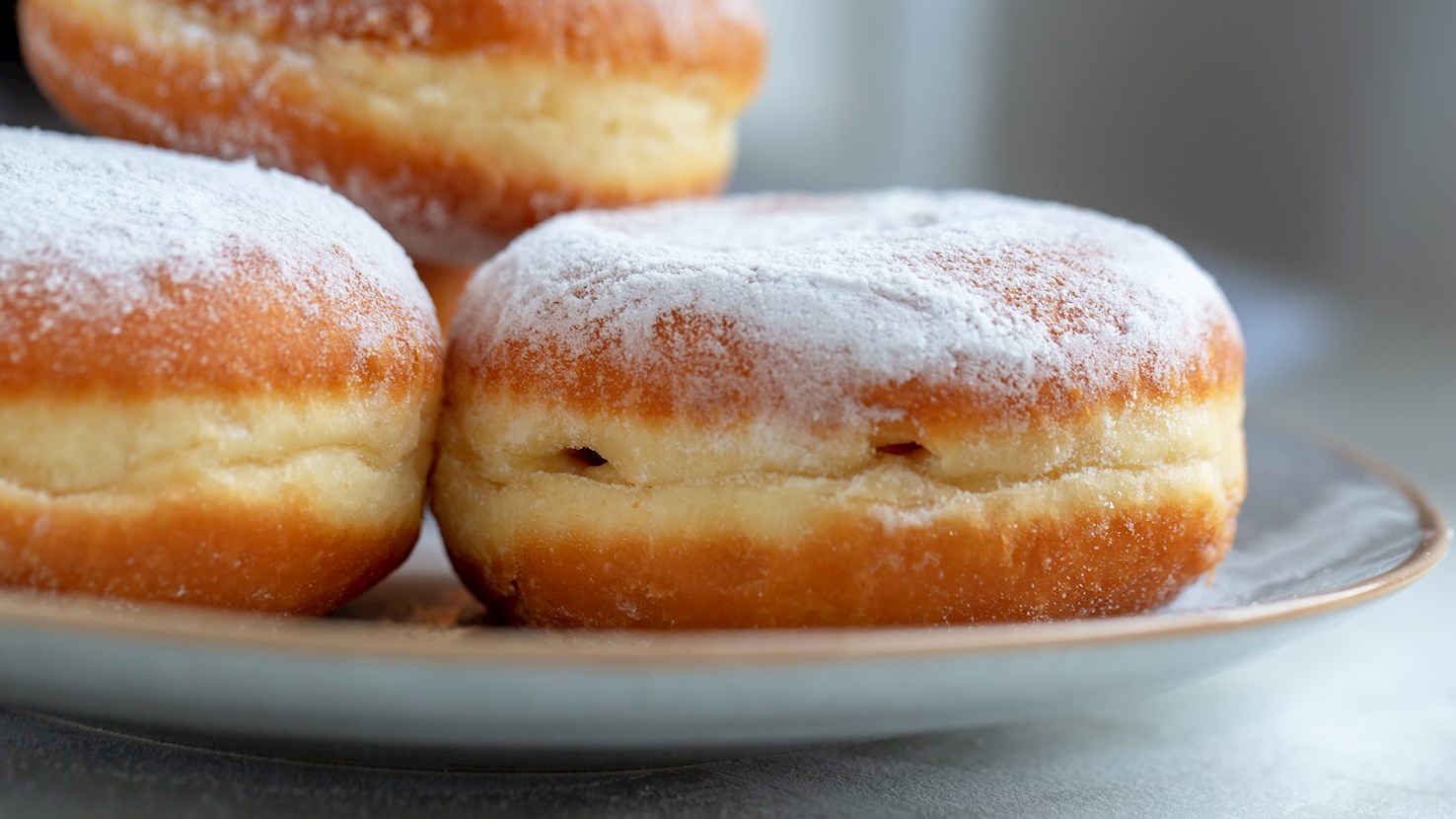
Krapfen was probably the first European-style doughnut to appear, followed by similar varieties in other countries. These pastries are traditionally prepared with leavened dough that is deep-fried until golden and crispy on the outside, while they remain soft, light, and airy on the inside. Though krapfen can be prepared plain, they are most often filled or topped with jams, and vanilla or chocolate custards, while the top is usually dusted with powdered sugar or drizzled with chocolate. The origin of the word krapfen dates back to 9th century, and the recipes in German can be found as early as the 14th century. The sweet versions of the pastry became predominant, and have remained closely associated with the Carnival, a festive period which precedes Christian Lent. Interestingly, during the Carnival, one krapfen in a batch filled with jam and fruit preserves might contain a filling of mustard as a prank. It is believed that doughnuts spread throughout many central European countries, which adopted the technique but used different regional names. Consequently, krapfen in Germany goes under Berliner, pfannkuchen, faschingskrapfen, krebbel, or kreppel. In Poland, they are known as pączki or krepel, Hungarians refer to them as fánk, Slovak as šišky, while the Czechs use the term koblihy. In Slovenia, they are better known as krofi, while the standard name throughout Croatia, Bosnia, and Serbia is krofne or krafne. In St. Petersburg, Russia, the doughnuts are known as pyshki (either ring-shaped or without a hole), and there is a local café that has been serving pyshki prepared from the original recipe since the 1960s.
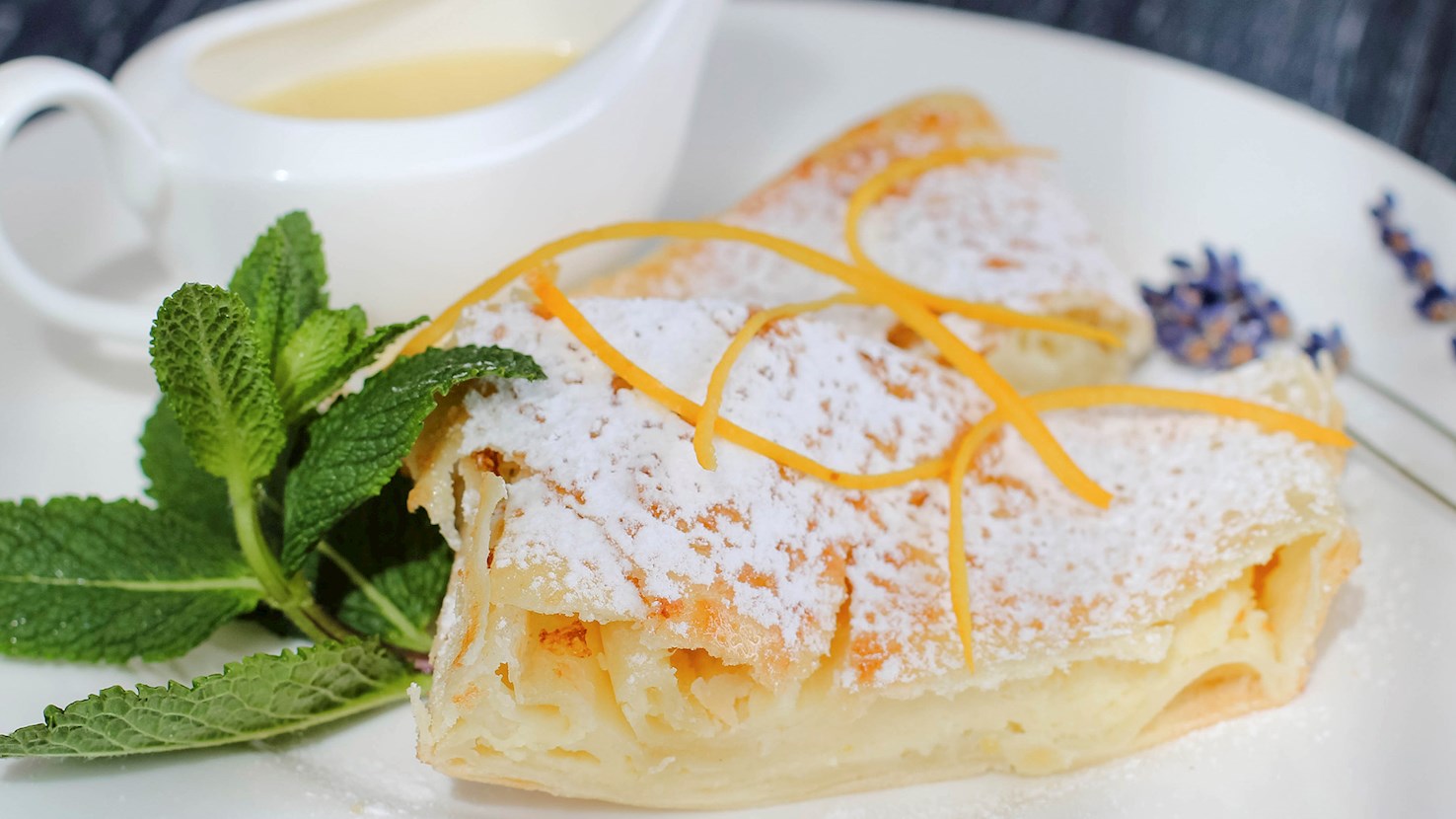
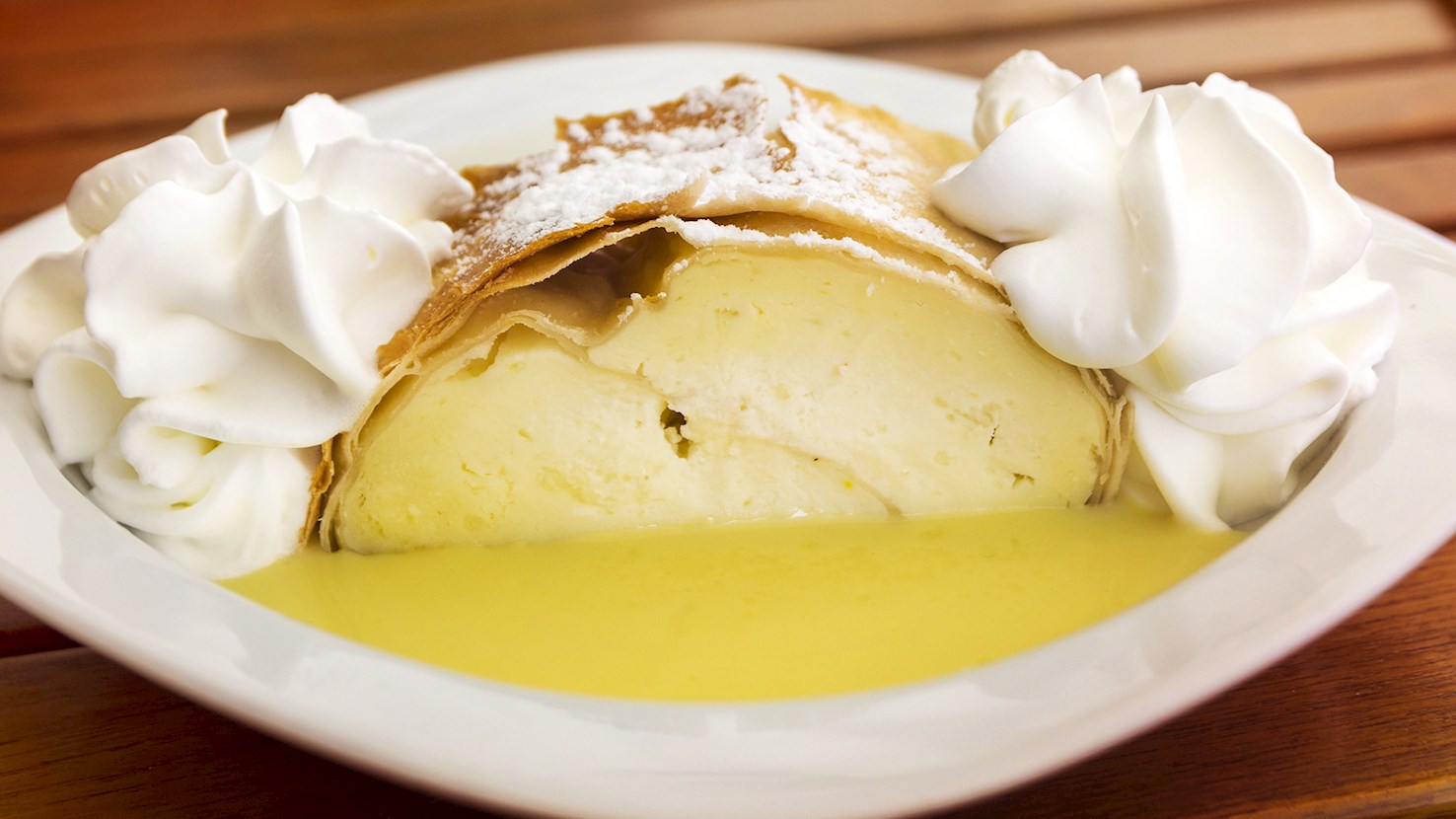
Austrian cuisine prides in their old traditional pastry desserts, and the delicate strudels are surely the most popular variety. Even though it is not as famous as the apple filled version, topfenstrudel is regarded as one of Austria’s favorites. Made with soft, mildly sweetened quark cheese which is folded with the elastic and almost see-through dough or puff pastry, the strudel is baked until a crispy golden crust is formed on top. Raisins, apricots, and peaches are occasionally added to the quark cheese mixture, which is gently spiced with vanilla or lemon. Even though they are most commonly associated with Austria, topfenstrudel, and all other strudel varieties, are eaten throughout the former Austro-Hungarian Empire. Their origins are believed to be in the Ottoman Empire, whose culinary influence spread across the Balkans, and Hungary, before finally reaching Vienna. The topfenstrudel can be found everywhere in Austria, served in both traditional and modern restaurants, as well as in classic Austrian patisseries. Commonly, a slice of warm topfenstrudel is paired with a sweet vanilla sauce or fresh fruit on the side.
Millirahmstrudel, a classic Viennese dessert, is a milk-cream strudel made from phyllo dough with sweet bread, raisins, and cream filling. The strudel is baked in an oven and served warm with hot vanilla sauce. Although the first written recipe for a milk-cream strudel dates back to 1696, many ascribe the invention of this dessert to a 19th-century restaurant located just outside Vienna.
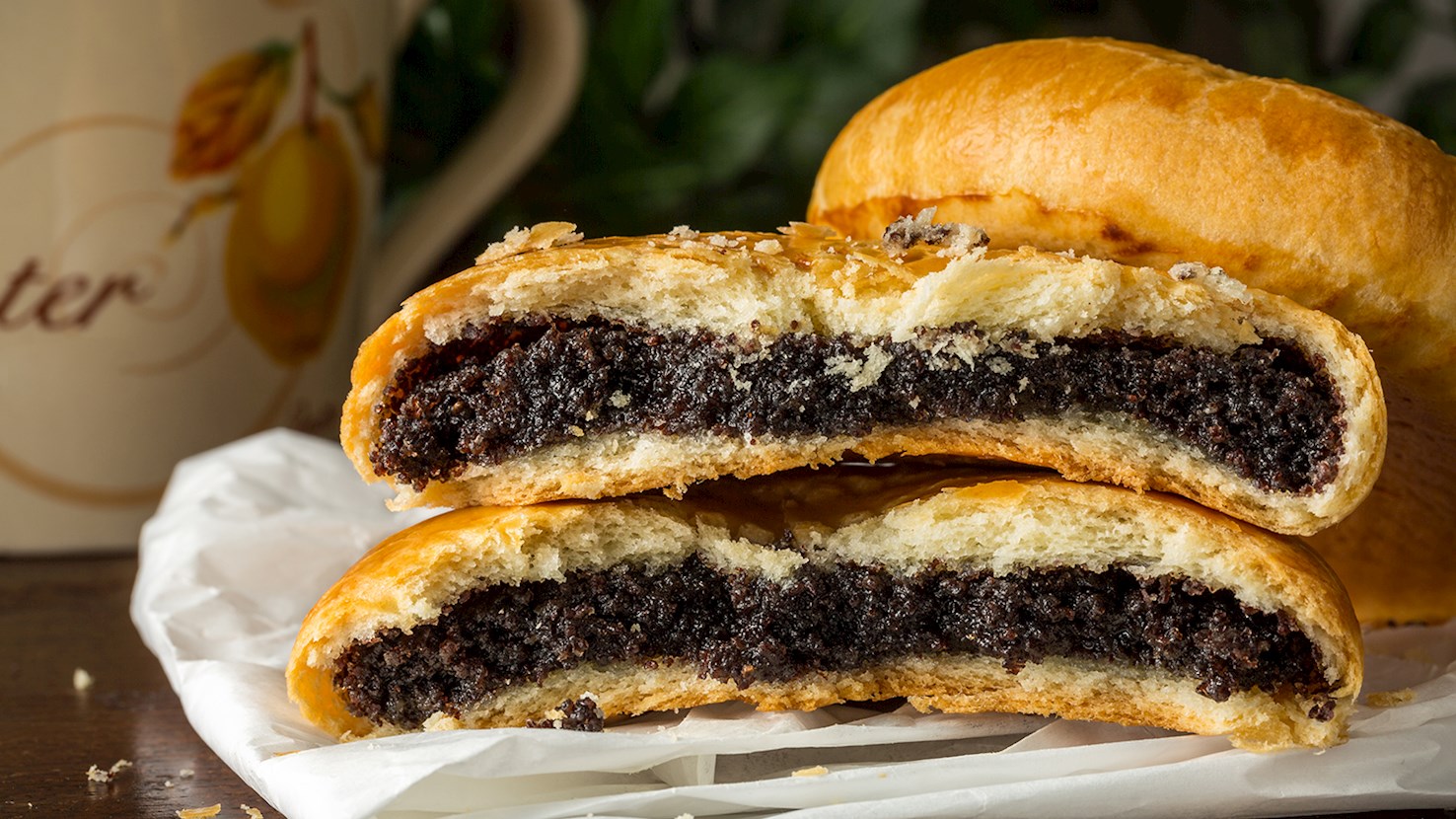
Mohnzelten is the name of a sweet Austrian pastry that's a specialty of the Waldviertel region. It consists of potato dough that's filled with poppy seeds. The dough is made from a combination of boiled potatoes, flour, butter, eggs, cream, salt, and baking powder, while the filling consists of butter, poppy seeds, honey, sugar, cinnamon, rum, and grated lemon zest. Once filled, mohnzelten are shaped into flat balls that are baked until golden brown. They're often taken on picnics and road trips as nutritious and filling snacks. Although the poppy seed version is the original, there are also versions with strawberries or nuts.
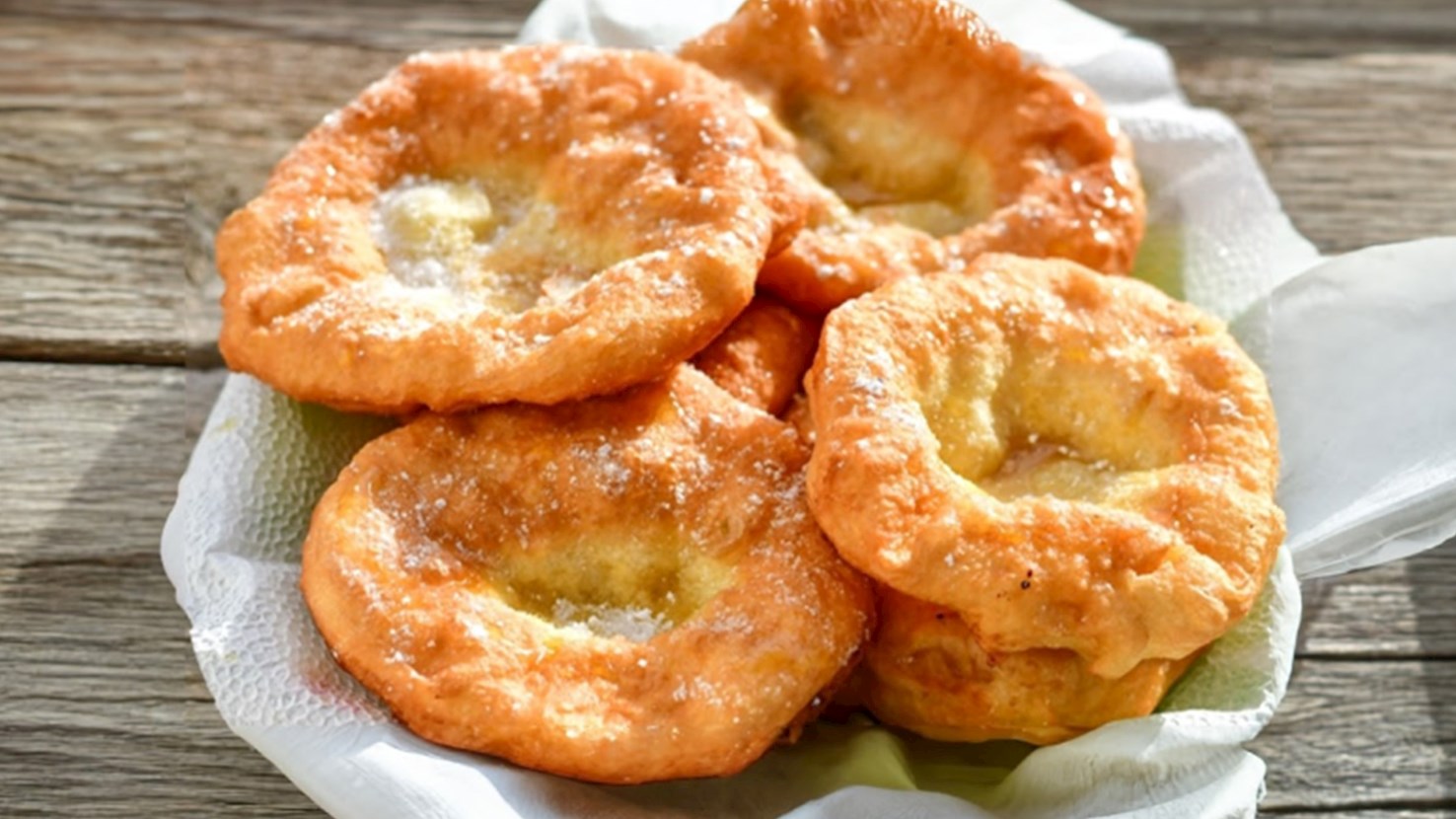
Kiachl is a traditional pastry from the Tyrol region in Austria. It's a type of fried yeast dough pastry often enjoyed during the Christmas season and at local festivals. When making kiachl, a yeasted dough is left to rise, then shaped into a round, flat form with a depression in the middle. The dough is then deep-fried in hot lard or oil until golden brown. After frying, kiachl can be served as a sweet and savory, depending on the topping. Sweet kiachl is dusted with powdered sugar and often served with a side of cranberry jam or other fruit compote. Savory kiachl is typically served with sauerkraut, making for a hearty, satisfying dish.
Bauernkrapfen is a traditional pastry that is especially popular in the regions of Styria and Carinthia. They are similar to doughnuts and are often enjoyed as a treat during carnivals, festivals, and other celebratory events. These pastries are made by first forming a yeasted dough into a ring shape, then frying it in oil until golden brown. After frying, the bauernkrapfen are usually dusted with powdered sugar, though some versions may be filled with jam, similar to a jelly doughnut. Like many traditional dishes, there can be variations in the recipe for bauernkrapfen depending on the region or the personal preferences of the cook. Some versions might include additional ingredients like vanilla, rum, or lemon zest for extra flavor.
Topfengolatsche is a traditional pastry, part of the broader category of golatschen, which are sweet, folded pastries. It is filled with topfen (a type of soft, fresh cheese similar to quark or ricotta) mixed with sugar, eggs, butter, vanilla, and rum-soaked raisins. The pastry dough is typically yeast-based or made from puff pastry, and it is folded around the creamy filling before being baked until golden. Topfengolatsche is a popular treat in Austria, often enjoyed as a breakfast pastry or dessert.
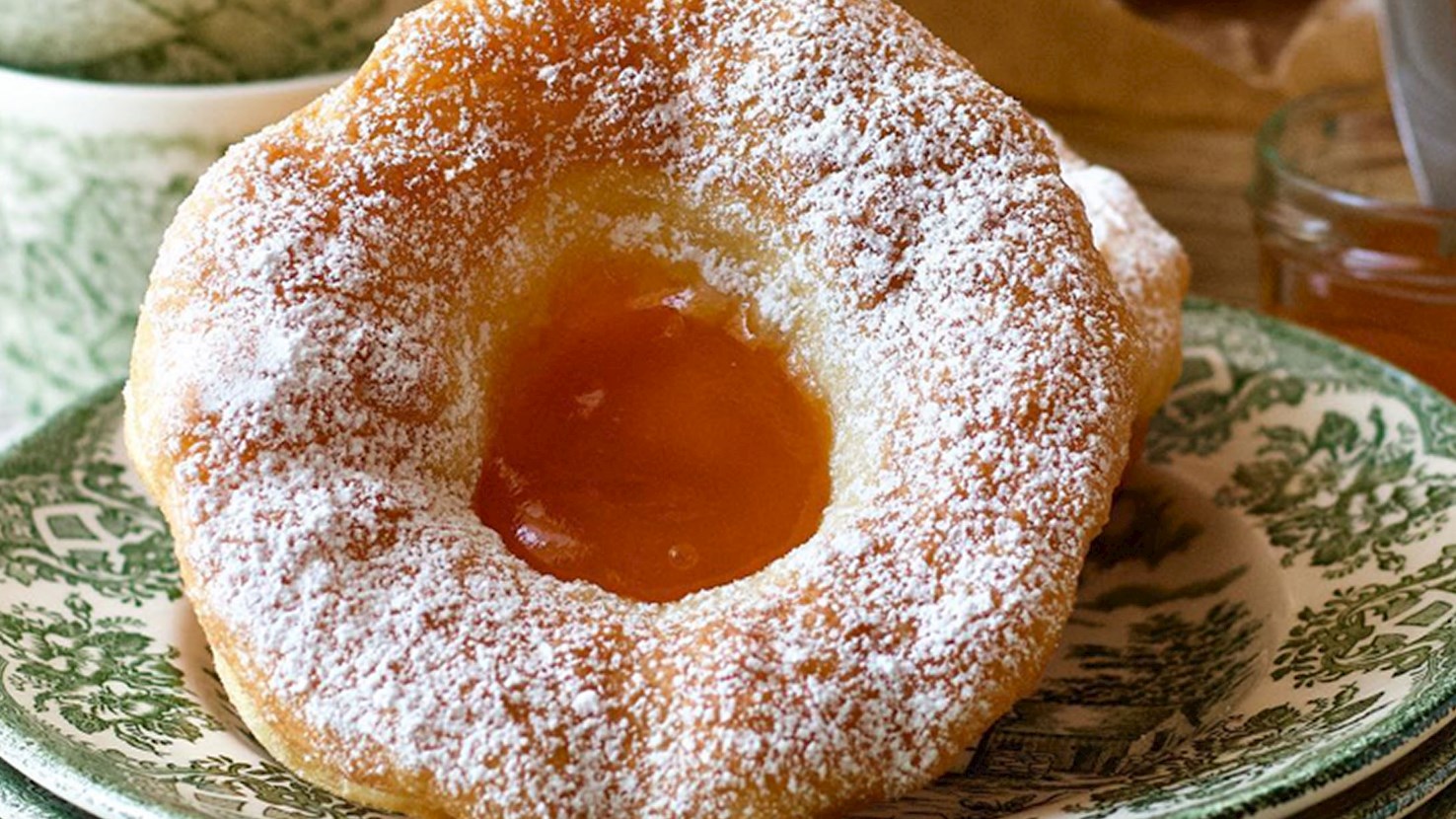
Puppenkrapfen are small, traditional Austrian pastries that resemble miniature krapfen. It is prepared with enriched yeasted dough that is deep-fried until golden brown, then dusted with powdered sugar. The doughnuts can be filled with jam (marmalade in Austria), with apricot jam being the favorite. The name translates as "doll doughnuts" owing to its small size. Puppenkrapfen are often enjoyed during festive occasions and holidays, especially carnival time, offering a delightful combination of a crispy exterior and a sweet, fruity filling. They are a popular treat in Austrian bakeries and at celebrations.
TasteAtlas food rankings are based on the ratings of the TasteAtlas audience, with a series of mechanisms that recognize real users and that ignore bot,
nationalist or local patriotic ratings, and give additional value to the ratings of users that the system recognizes as knowledgeable.
For the “Top 9 Austrian Sweet Pastries” list until September 15, 2026, 1,673 ratings were recorded, of which 1,395 were recognized by the system as legitimate.
TasteAtlas Rankings should not be seen as the final global conclusion about food. Their purpose is to promote excellent local foods,
instill pride in traditional dishes, and arouse curiosity about dishes you haven’t tried.





What People Say