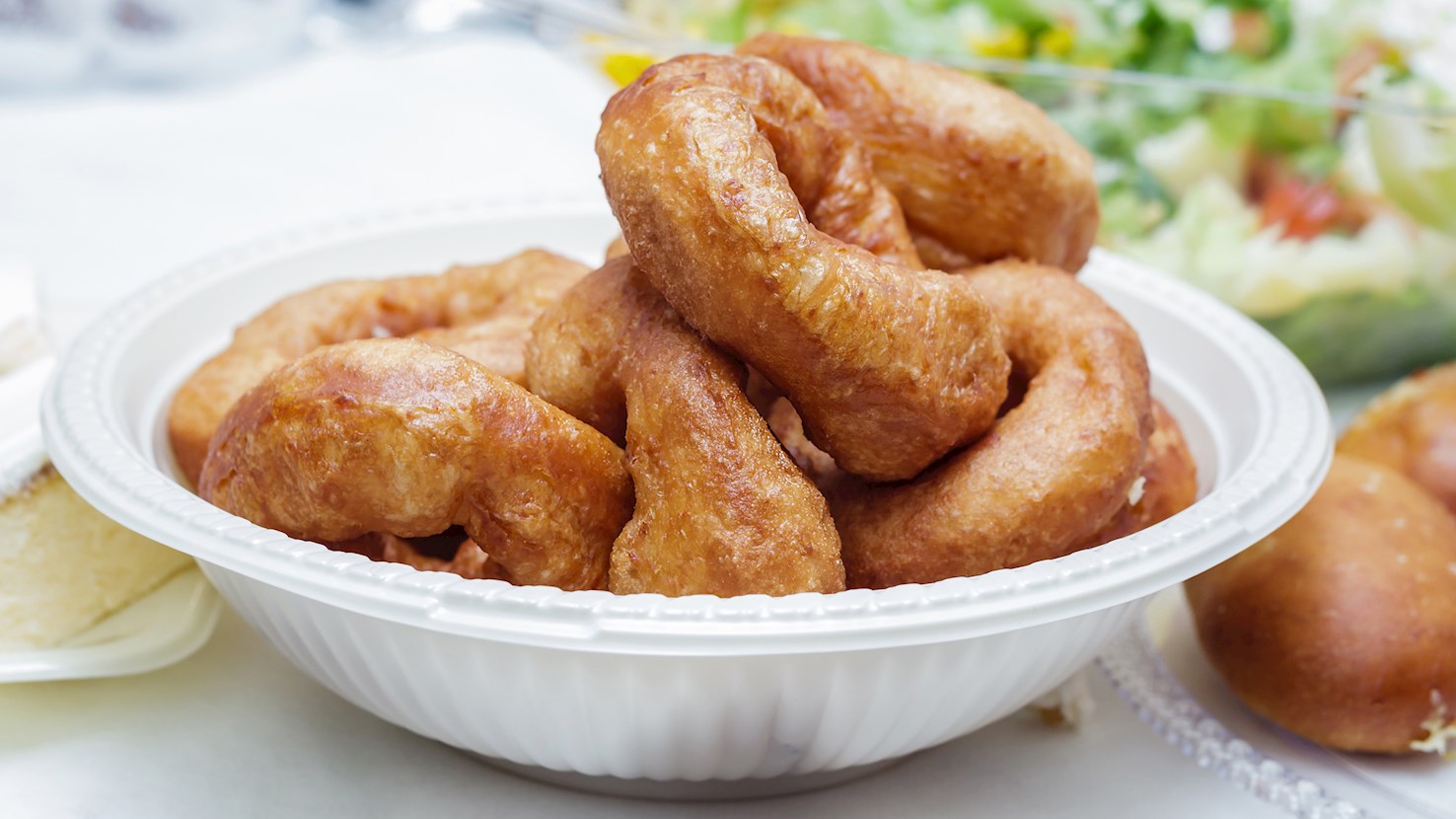
Sfenj are popular Moroccan and Algerian doughnut-like fritters made from sticky unleavened batter, similar to Libyan sfinz and Tunisian bambalouni. The dough is traditionally shaped into rings and deep-fried until it develops a golden, crispy exterior. The interior should be fluffy, tender, and chewy. These fritters are usually served hot when sold by street vendors, and they can be consumed plain or dusted with icing sugar.
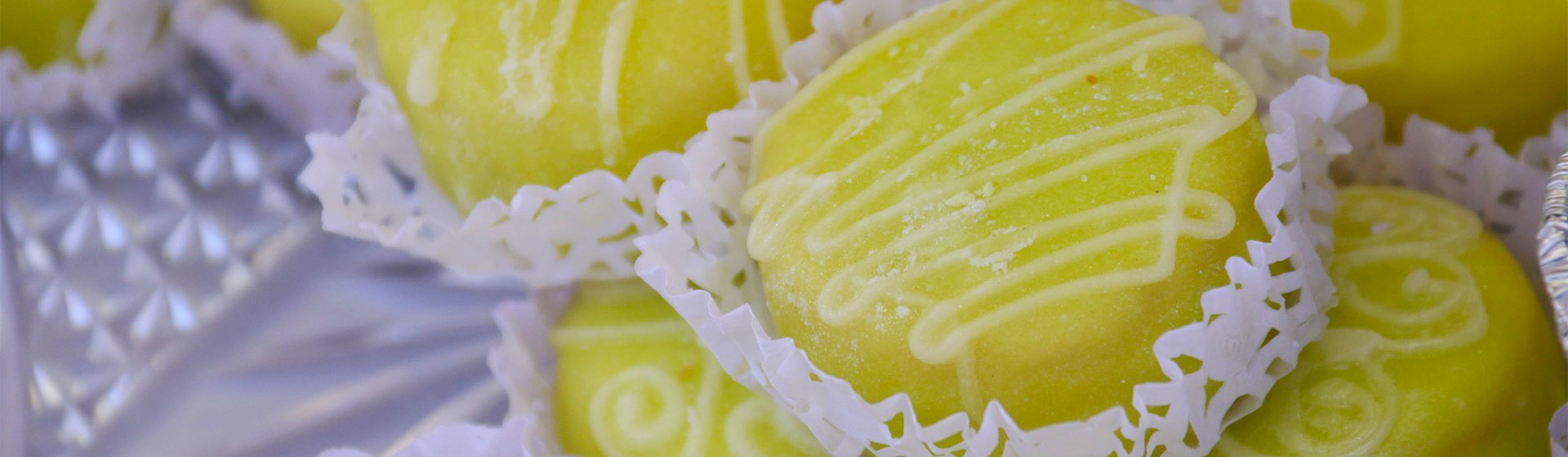
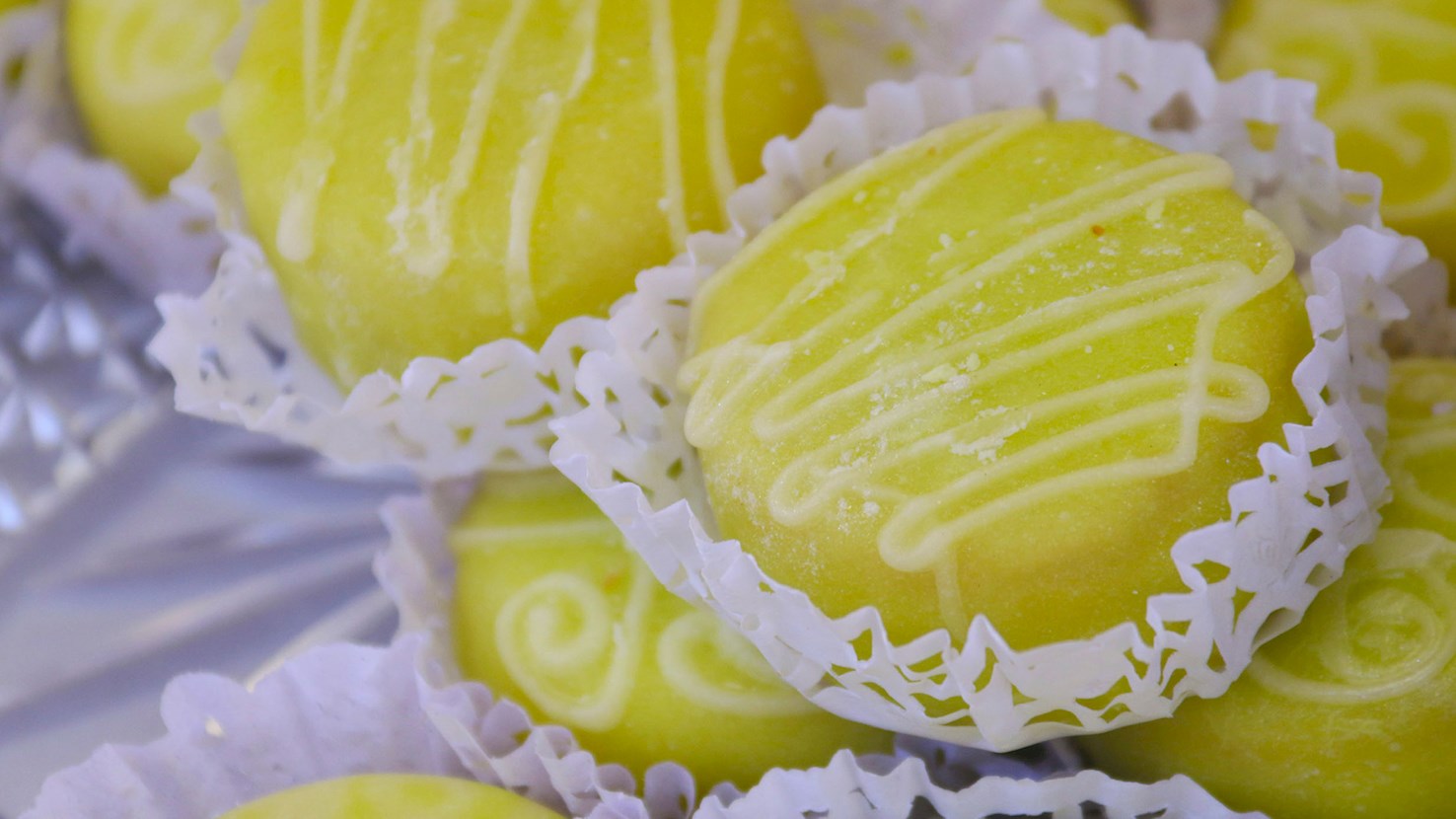
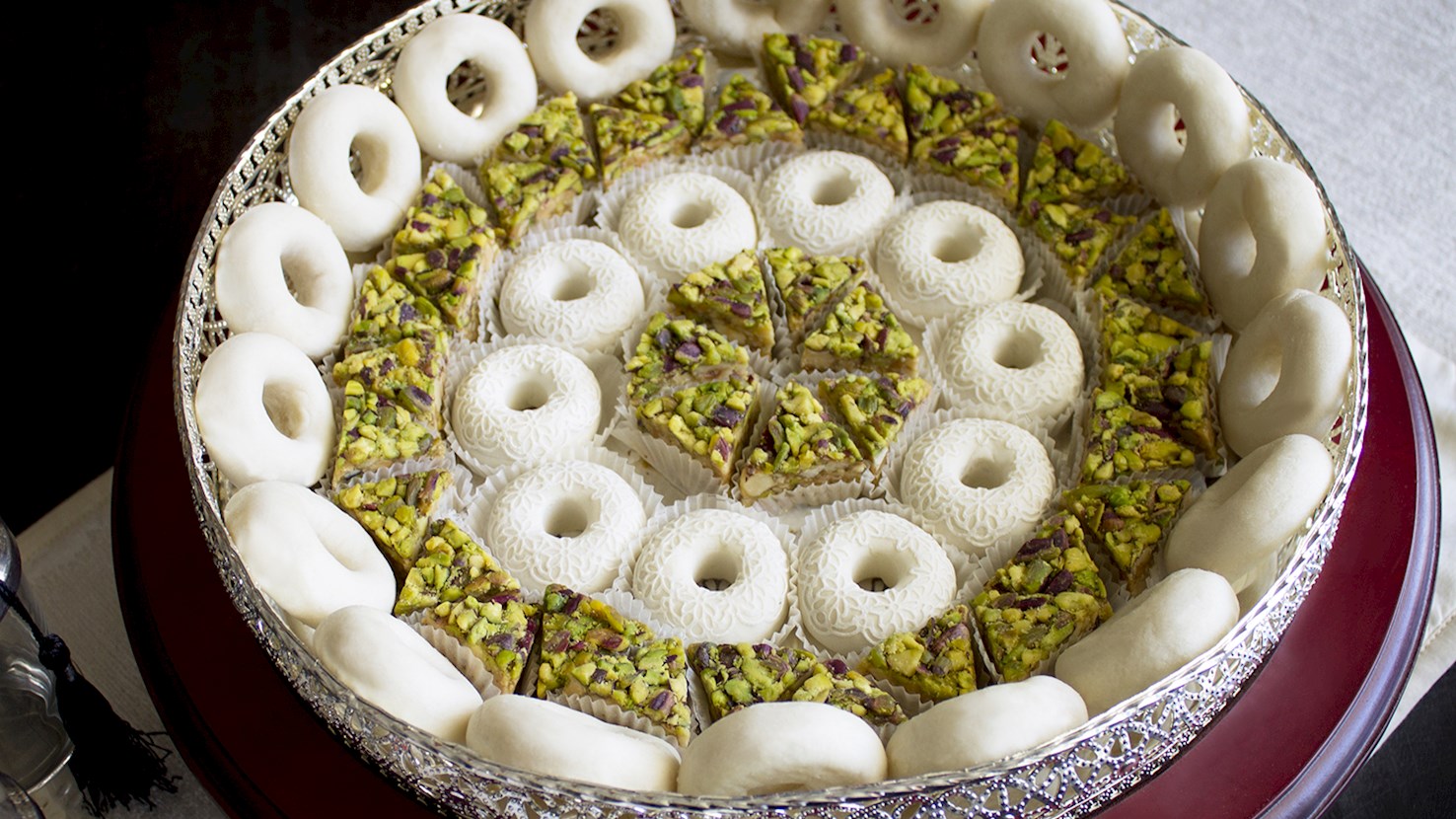
Every important celebration in Algeria is never complete without mkhabez, a traditional and delicate Algerian pastry. It is made with nuts (mostly almonds), sugar, eggs, and flavorings, then cut into small, elegant shapes. Essentially, it is easy to make, however; when the pastry is baked, it is meticulously decorated with royal icing. Usually, ground almonds are used to make the base of the cake, but pistachios and walnuts are also frequently used. The most common flavoring is lemon or lemon zest, but other typical extracts such as rose water or vanilla can also be added. Traditionally, mkhabez has a triangular shape and uses only blue, pink, or white royal icing. The modern varieties include numerous possibilities for decoration. The almond pastry can be cut in any form, and there are no restrictions or rules concerning royal icing or the final decoration. This has led to the development of a wide range of possible designs which make this dessert unusual and extremely decorative. It is unique to the Algerian area and combines African and French culinary traditions. Because of its intricate decorations, it is usually served on special occasions, especially on Eid, a traditional feast marking the end of Ramadan.
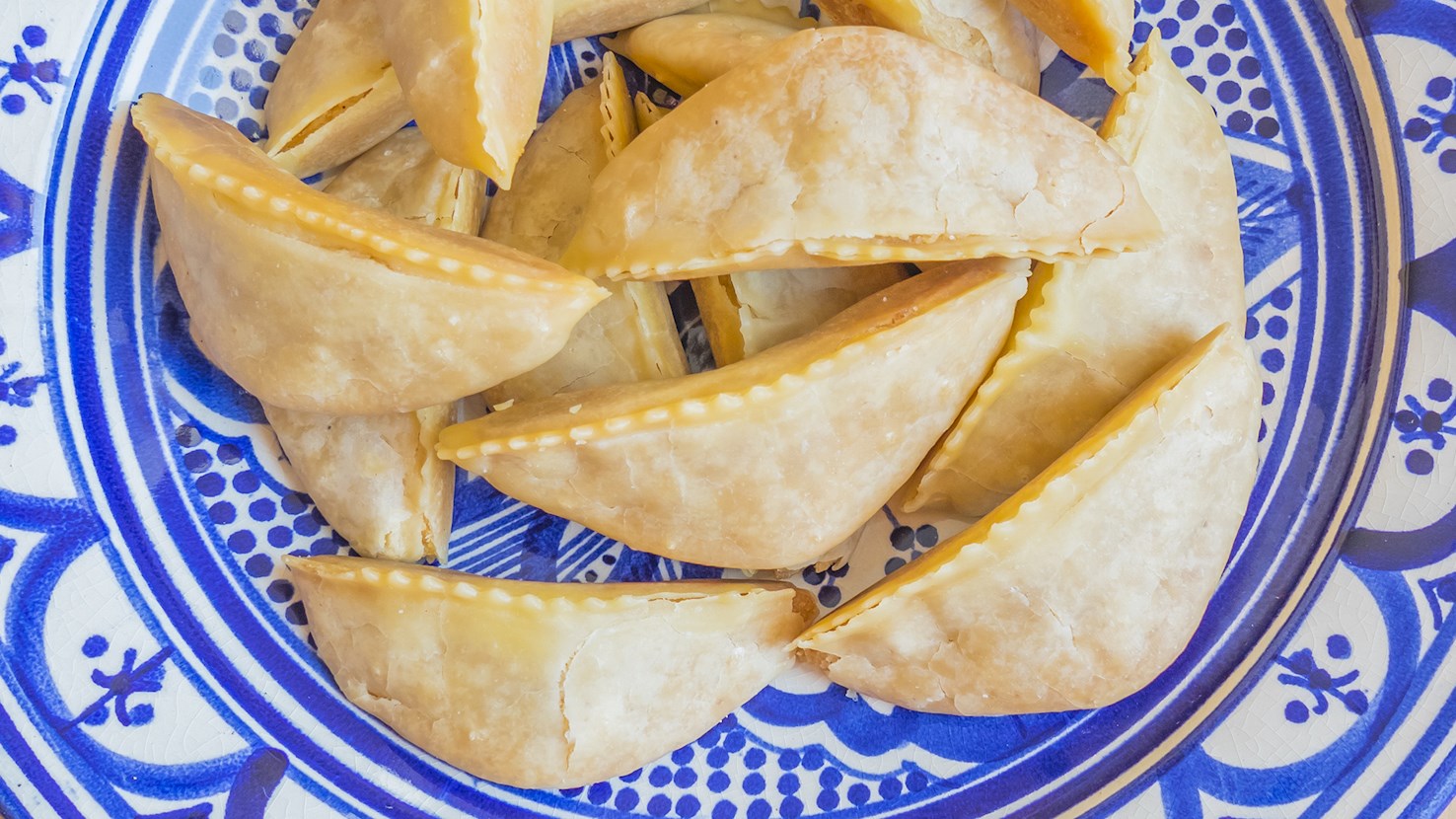
These crescent-shaped cookies are usually associated with Morocco, but they can be found throughout Algeria and Tunisia in slightly different forms and under various names. Their name translates as gazelle ankles, but they are better known as gazelle horns. They consist of a thin pastry shell that is wrapped around a sweet cinnamon-flavored almond filling. Both filling and the pastry dough are typically enriched with orange blossom water. The cookies can be coated in crushed nuts or optionally dipped in orange blossom water and then dusted with sugar, in which case they are typically referred as kaab el ghazal m'fenned.
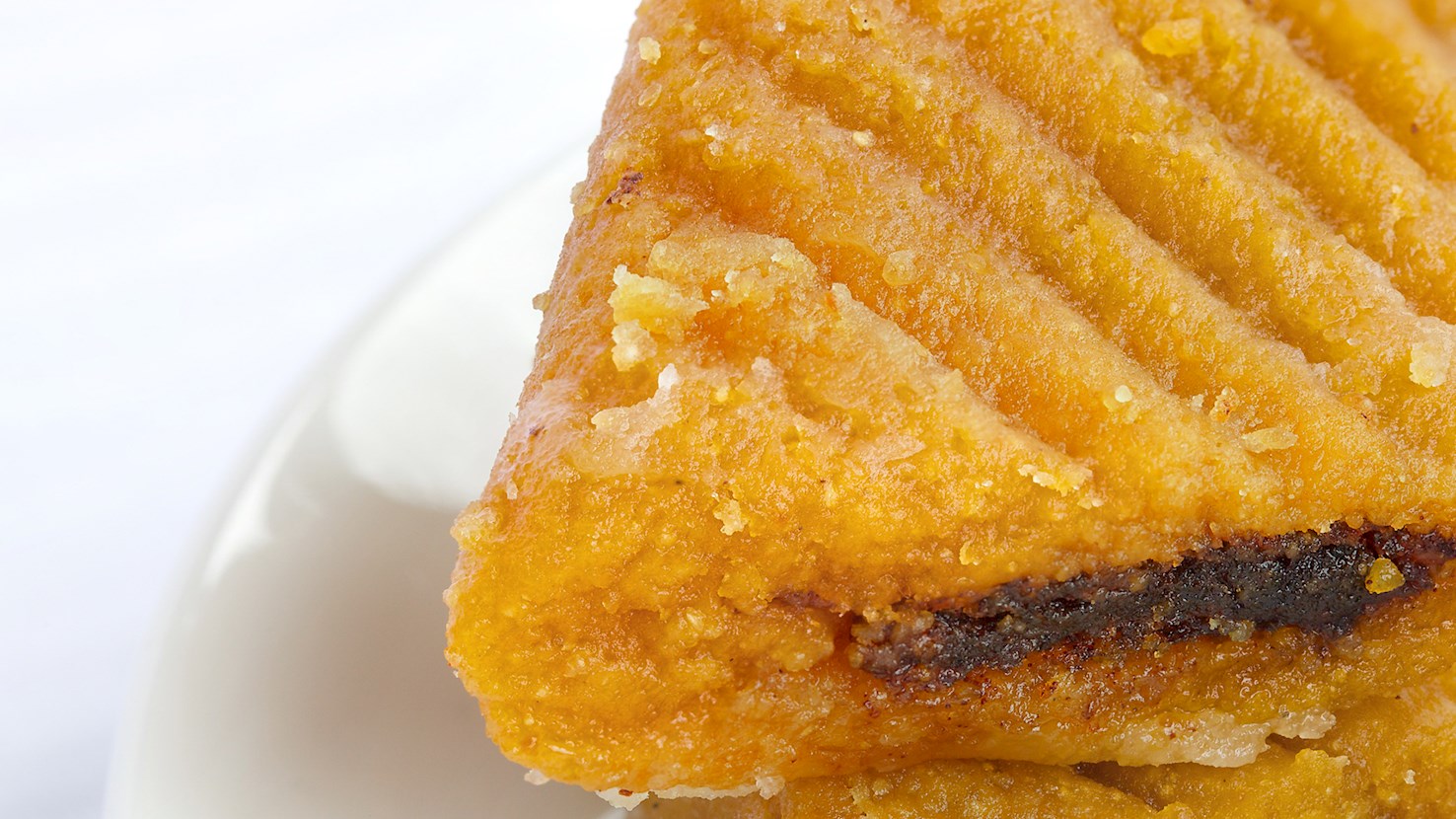
Makroudh is a famous North African dessert which usually consists of a sweet date filling that is placed inside semolina dough. It is fried or baked, and then doused in honey-based syrups which are often flavored with lemon or orange. The name derives from the word makrout, translated as diamond-shaped, which describes the traditional shape of these sweet treats. Since they are eaten throughout North Africa, they appear in numerous variations. Many of them use figs or almonds as the filling and flavor the cakes with cinnamon, cloves, and orange water. Even though they are an everyday treat found in many North African households, they are a staple dessert on many special and festive occasions.
Kaak warka are traditional Tunisian pastries shaped into rings, making them visually similar to donuts. They're filled with marzipan that's flavored with rosewater. This sweet pastry is made with a combination of flour, butter, water, almonds, sugar, and rosewater. The dough is baked in the oven at low heat so that kaak warka doesn't change its color. Once baked, the sweet pastry is cooled, and it's recommended to serve it with a cup of coffee on the side. Kaak warka is usually prepared for all types of important celebrations.
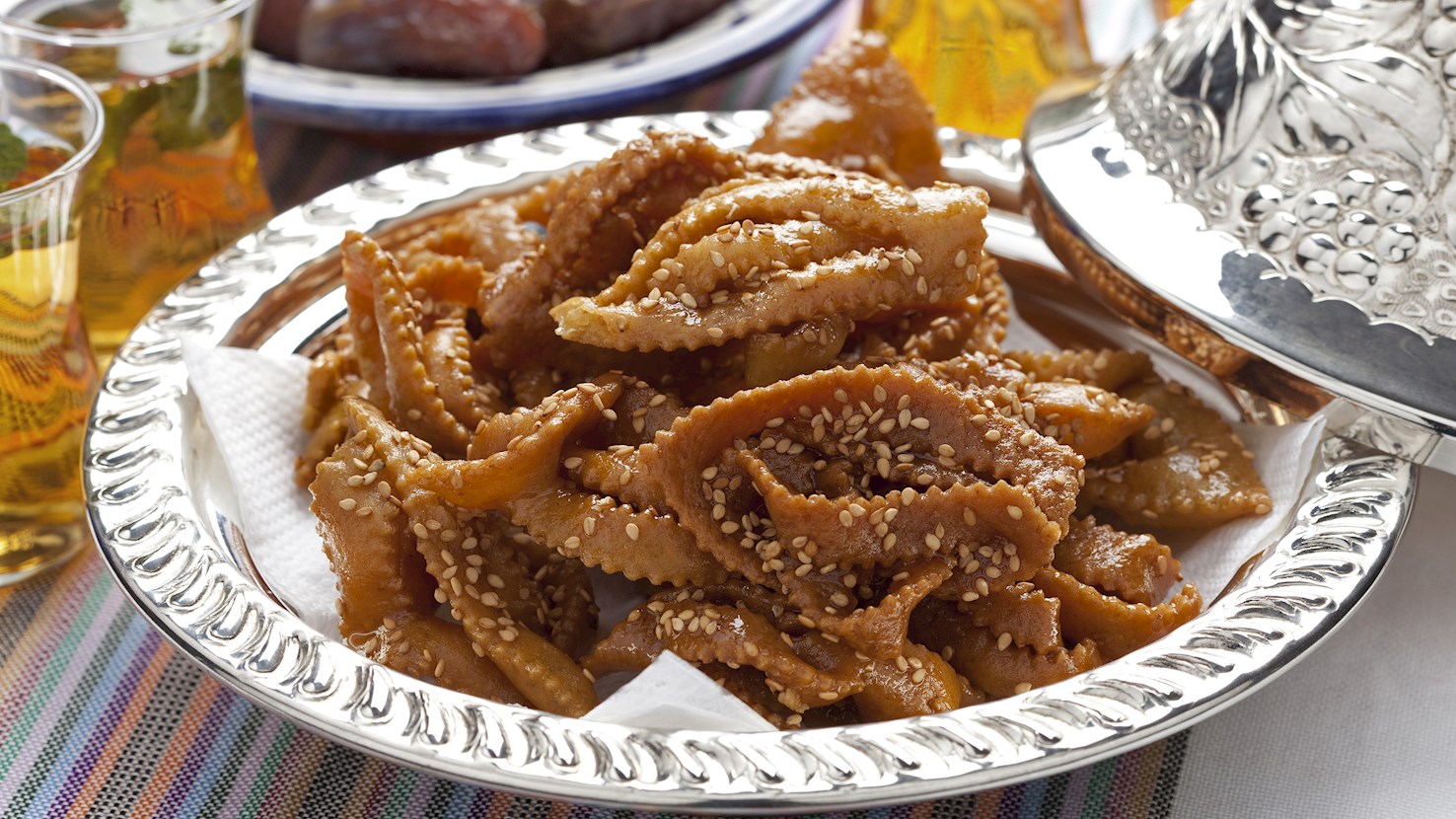
Chebakia is a chewy, crunchy, and fragrant Moroccan pastry made by arranging strips of dough into a flower shape. It is then fried, coated in honey, and sprinkled with sesame seeds. This sweet treat is traditionally prepared during the month of Ramadan, and is typically served alongside harira. It takes a lot of time and effort to prepare chebakia, so Moroccan women often ask sisters, mothers, or friends to help them in making large quantities of these cookies.
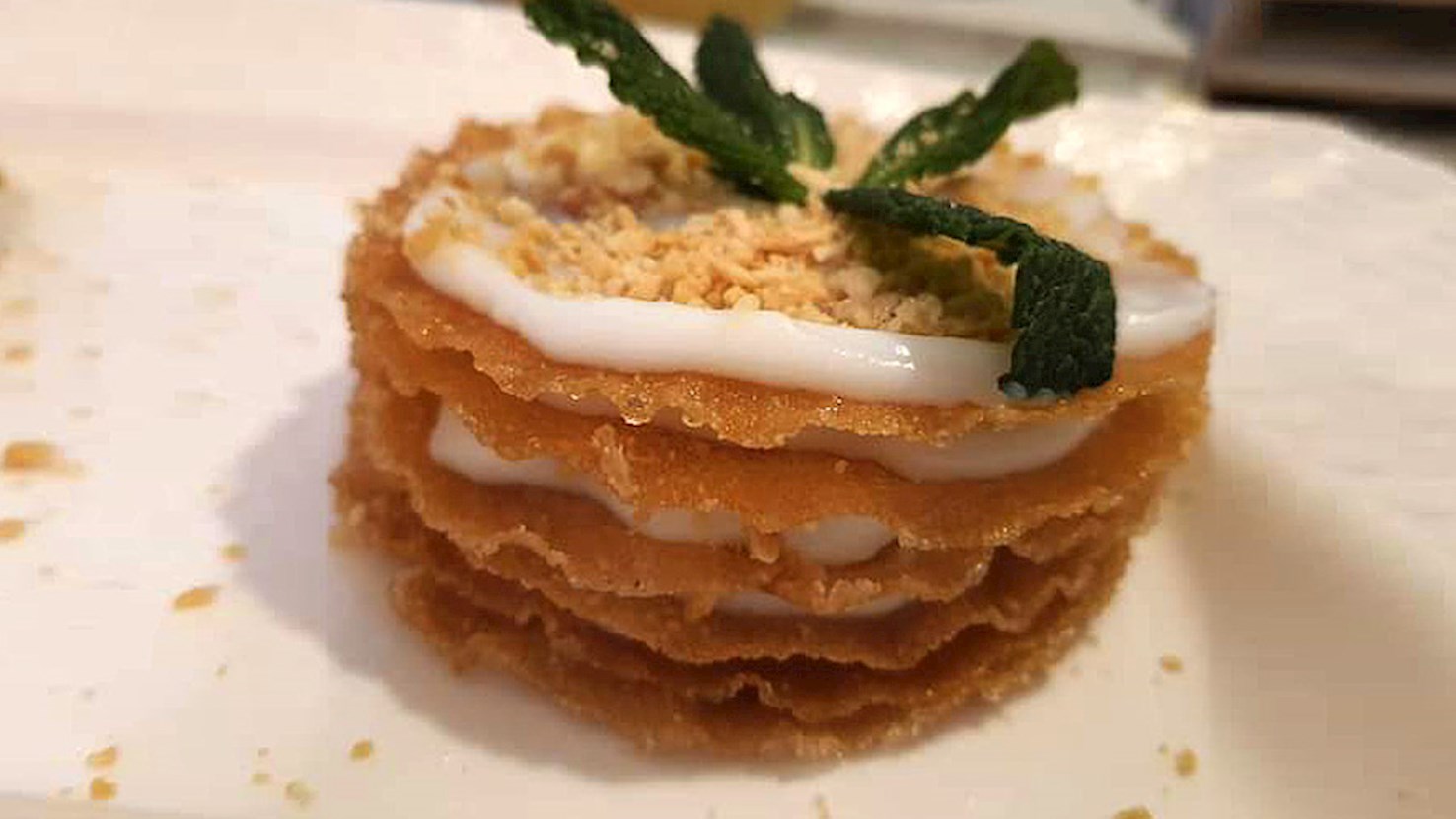
Ktefa or jawhara is a layered Moroccan dessert that is assembled with paper-thin sheets of fried warqa pastry. The filling between the crispy layers is usually made with a combination of toasted ground or roughly chopped almonds and sugar, while the whole dessert is served doused in a custard cream that is flavored with orange blossom water. Ktefa or jawhara consists of five to six layers and may come garnished with almond slivers, cinnamon, powdered sugar, mint, or fresh fruit. The dish is also popular in France, where it goes as pastilla au lait.
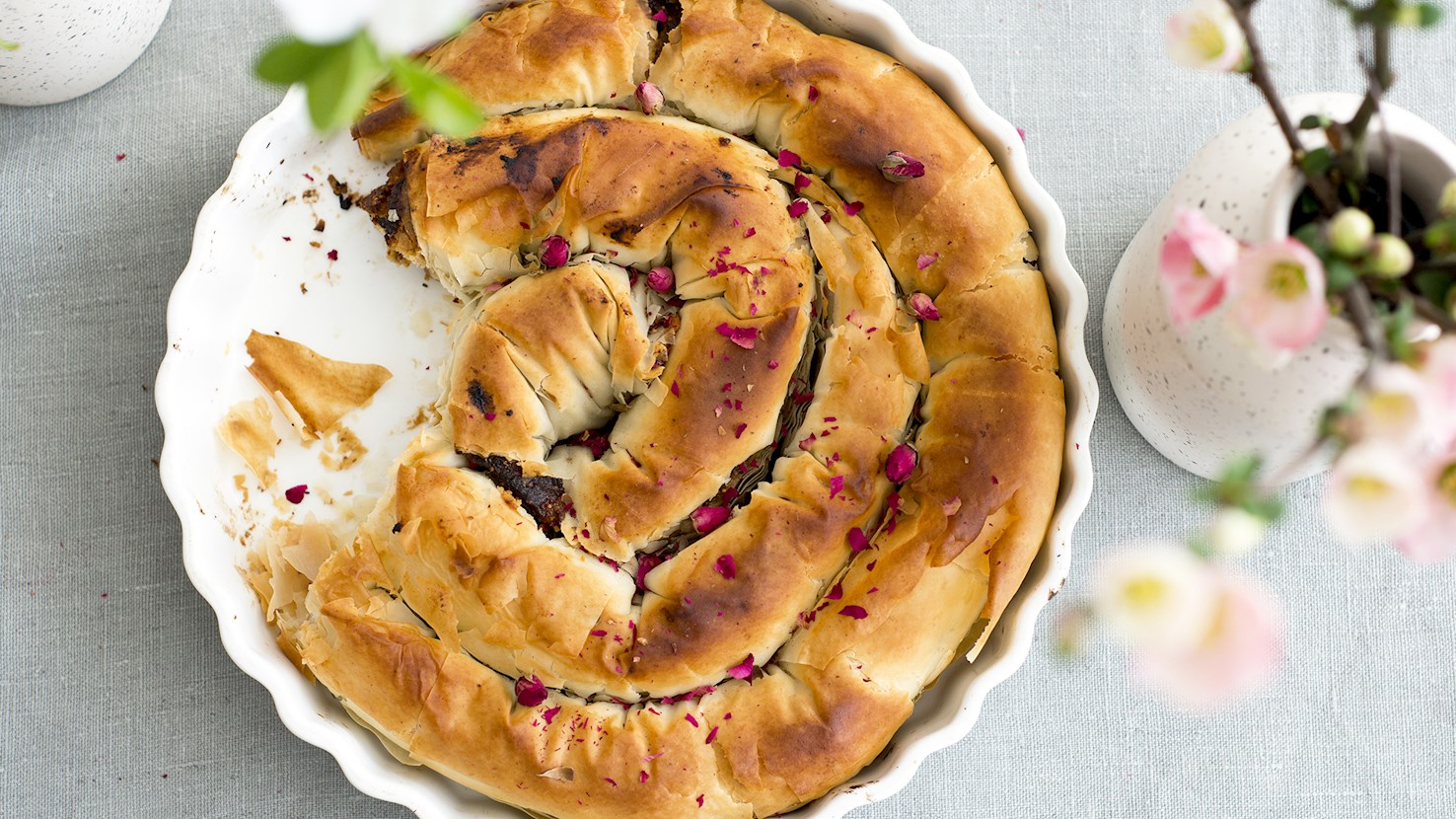
M’hanncha or snake cake is a traditional dessert in which warqa pastry is filled with a delicious almond paste, then shaped into a snake-like form. Although there are numerous recipes for the almond paste, it is typically prepared with almonds, sugar, cinnamon, mastic powder, butter, and orange flower water. M’hanncha can be shaped into small coils, but at social gatherings and festive occasions, it is made in a large version, so the guests can enjoy it by breaking off smaller portions from the end of the coil. When baked, the pastry is often dusted with powdered sugar or brushed with warm honey. It is recommended to garnish the snake cake with sliced or ground almonds and pair it with a cup of sweet mint tea.
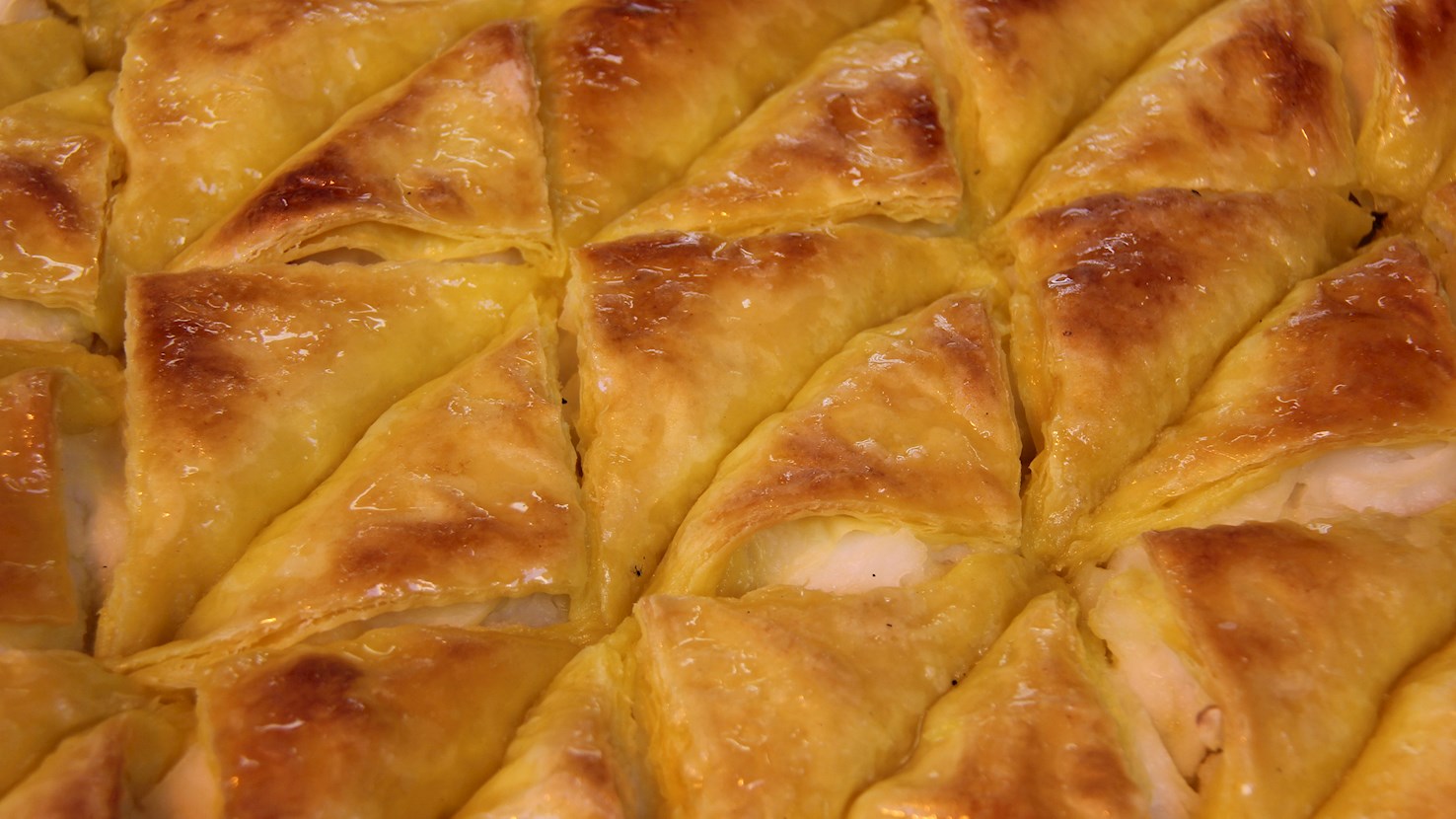
Bakalawa bil jibna is the Libyan variety of baklava made with rosewater-flavored muhallabia and cream cheese. The filling typically consists of cream cheese, sugar, cornflour, milk, qashta cream, and rosewater. This baklava variety is doused in a flavorful syrup made with water, sugar, lemon, honey, and rosewater. It is recommended to wait at least 6 hours before cutting and serving this dessert. Unlike regular baklava, bakalawa bil jibna has a much lighter flavor, making it a perfect treat during the holy month of Ramadan.
Maqroud al-Qayrawan is a celebrated sweet pastry originating from the historic city of Kairouan, characterized by its diamond-shaped pieces made from semolina dough filled with dates and often enhanced with aromatic spices such as cinnamon and orange blossom water. After being carefully shaped, the pastries are fried or baked and then dipped in fragrant honey, giving them a crisp exterior and a rich, sweet interior that reflects the culinary heritage of the region. The history of Maqroud al-Qayrawan traces back to the convergence of Arab, Berber, and Mediterranean influences that shaped the gastronomy of Tunisia. Kairouan, known as a cultural and religious center, also became a hub for culinary development, where simple ingredients like semolina and dates were elevated into celebrated sweets. The preparation of maqroud al-Qayrawan has been refined over centuries, with recipes passed down through generations, reflecting both the resourcefulness and artistry of local bakers. Its association with festive occasions and hospitality underscores its cultural significance within Tunisian society. Making maqroud al-Qayrawan involves preparing a semolina-based dough that is firm yet pliable, ensuring the pastries hold their shape during cooking. The date filling is finely chopped or mashed and blended with spices and flavorings to create a dense, fragrant center. The dough is rolled out, filled, and cut into characteristic diamond shapes before being cooked. After frying or baking, the pastries are immersed in warm honey infused with orange blossom water or other regional essences, imparting sweetness and a glossy finish. The contrast between the crunchy exterior and the moist filling defines the textural appeal of the dessert. Maqroud al-Qayrawan is traditionally enjoyed with tea or coffee, often shared during celebrations and family gatherings throughout Tunisia. It remains a symbol of regional identity and culinary pride, frequently found in markets, bakeries, and homes in and around Kairouan.
TasteAtlas food rankings are based on the ratings of the TasteAtlas audience, with a series of mechanisms that recognize real users and that ignore bot,
nationalist or local patriotic ratings, and give additional value to the ratings of users that the system recognizes as knowledgeable.
For the “Top 10 Maghrebi Sweet Pastries” list until June 15, 2026, 1,402 ratings were recorded, of which 268 were recognized by the system as legitimate.
TasteAtlas Rankings should not be seen as the final global conclusion about food. Their purpose is to promote excellent local foods,
instill pride in traditional dishes, and arouse curiosity about dishes you haven’t tried.