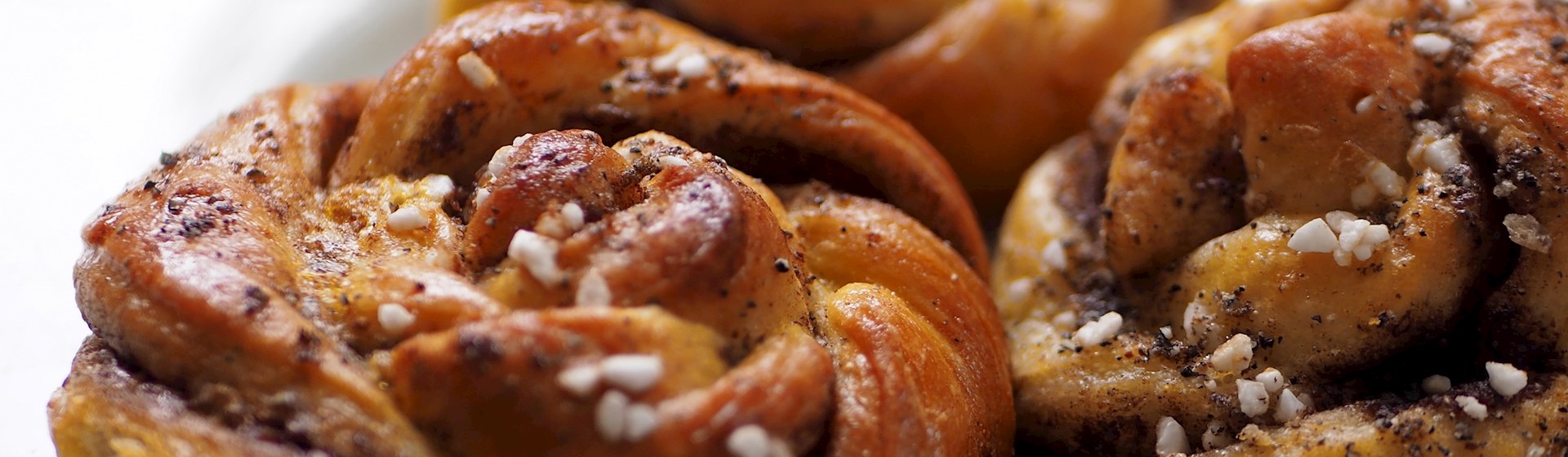
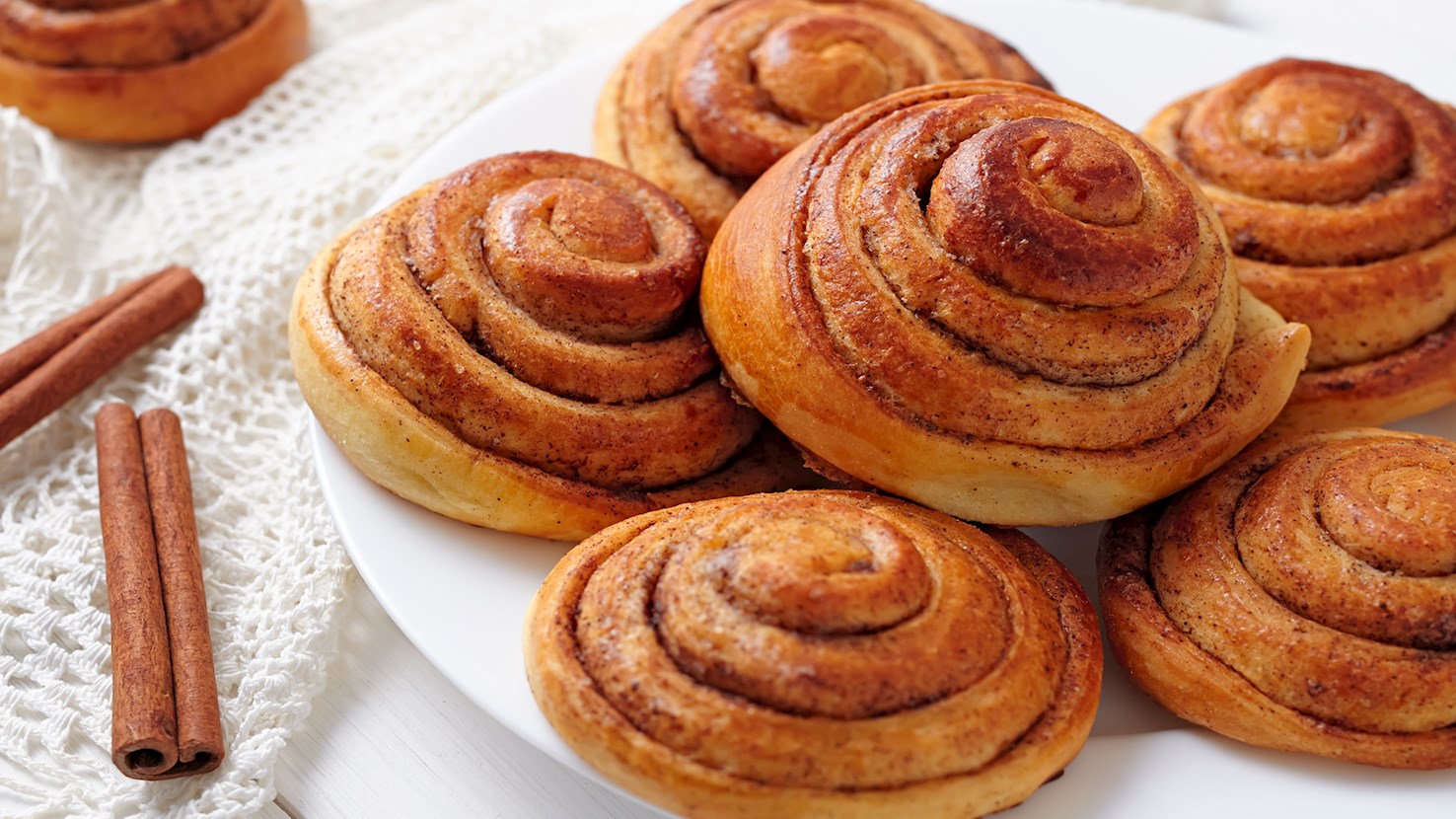
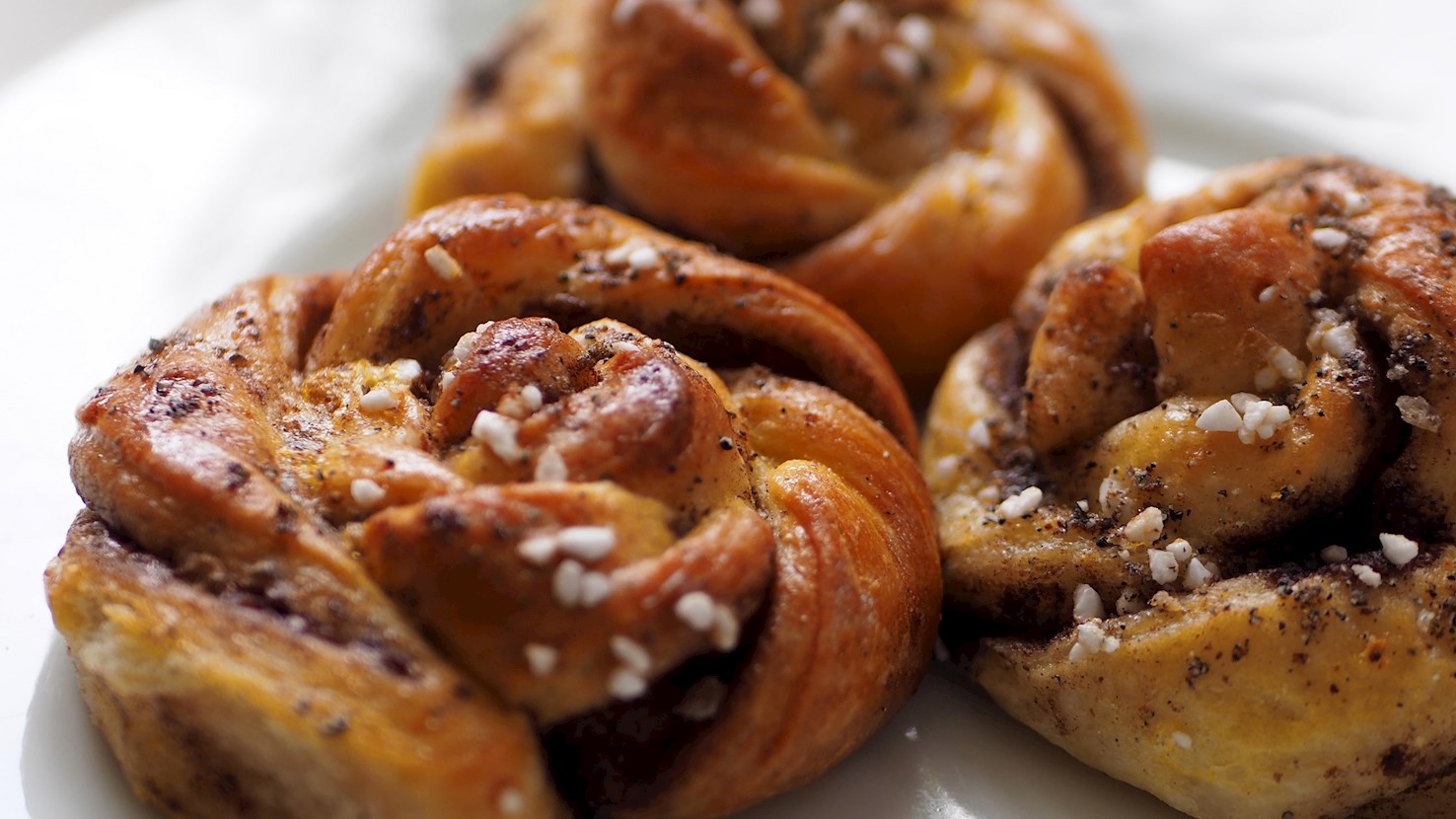
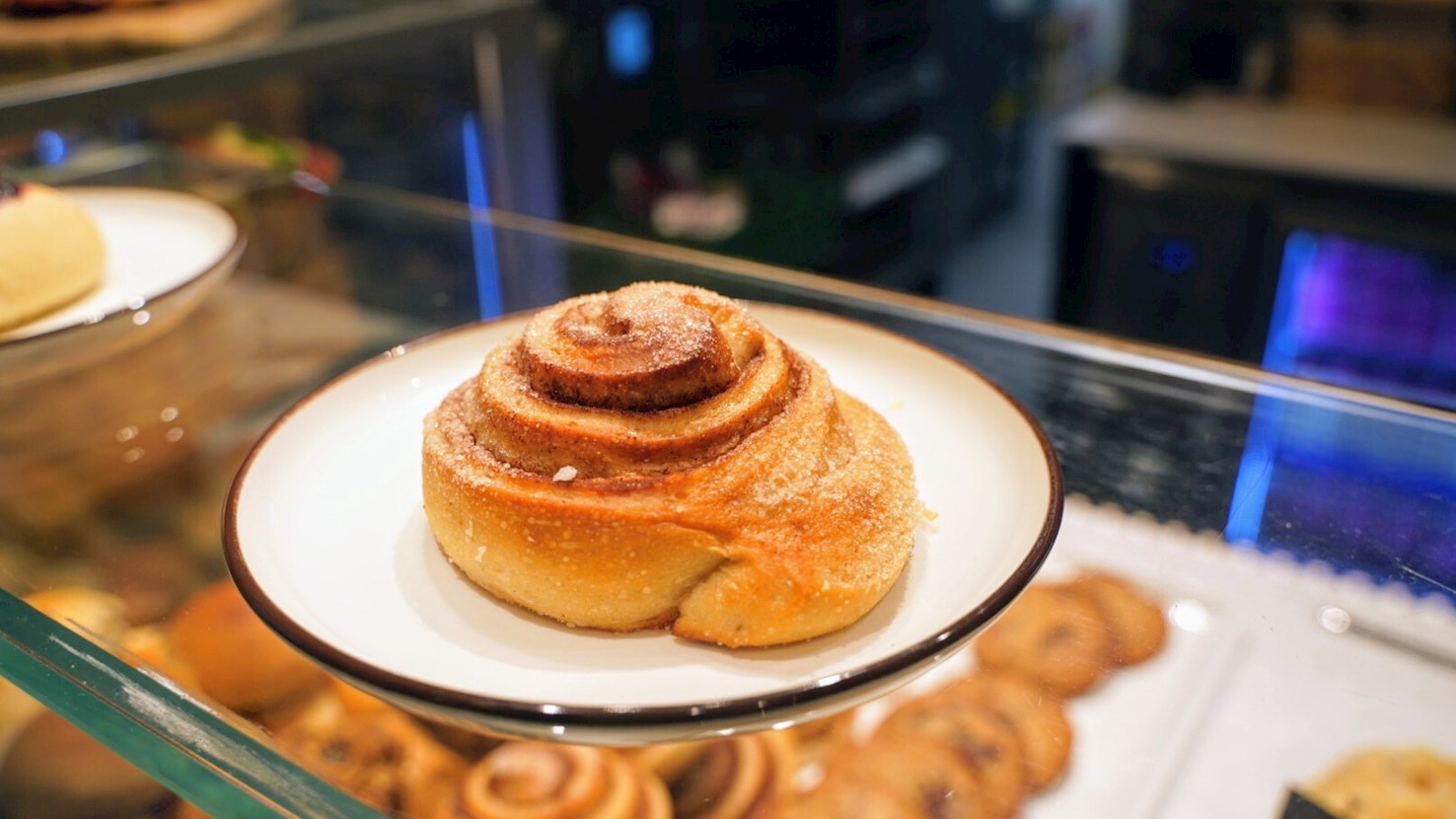
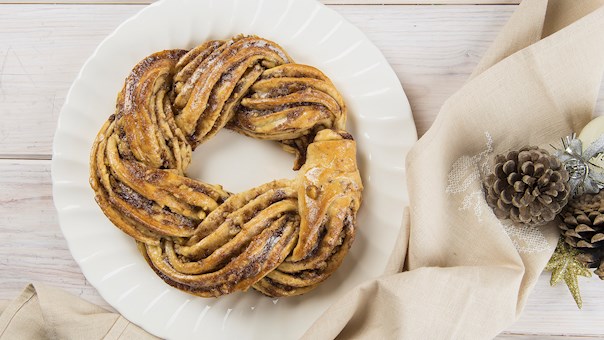
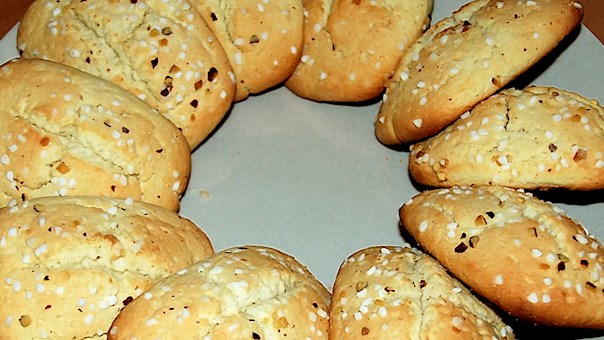
The cinnamon roll or kanelbulle is a famous Swedish pastry made with yeasted, butter-rich, sweetened, and cardamom-flavored dough and has a cinnamon, butter, and sugar filling. Traditionally, kanelbulle will also have pearl sugar on top, although some variants can have either cardamom sugar or slivered almonds instead. Cinnamon rolls are typically associated with fika, a well-established Swedish coffee-and-cake form of socializing. Although the origin of these tasty swirls is still subject to considerable debate, the pastry has its own day in Sweden – October 4th, known as Cinnamon Roll Day.
Kardemommeboller are traditional Swedish cardamom buns. This sweet knotted pastry is usually made with a combination of milk, butter, yeast, sugar, flour, crushed cardamom seeds, and salt. The milk is scalded and mixed with butter until everything is melted. The combination is mixed with the sugar, salt, cardamom, yeast, and flour in order to make a stiff dough. The dough is left to rise and it's then rolled and folded over into knots. They're baked for a few minutes, then brushed with butter while still hot. These cardamom buns are typically served on Santa Lucia day and Christmas, but they can also be enjoyed a few days later.
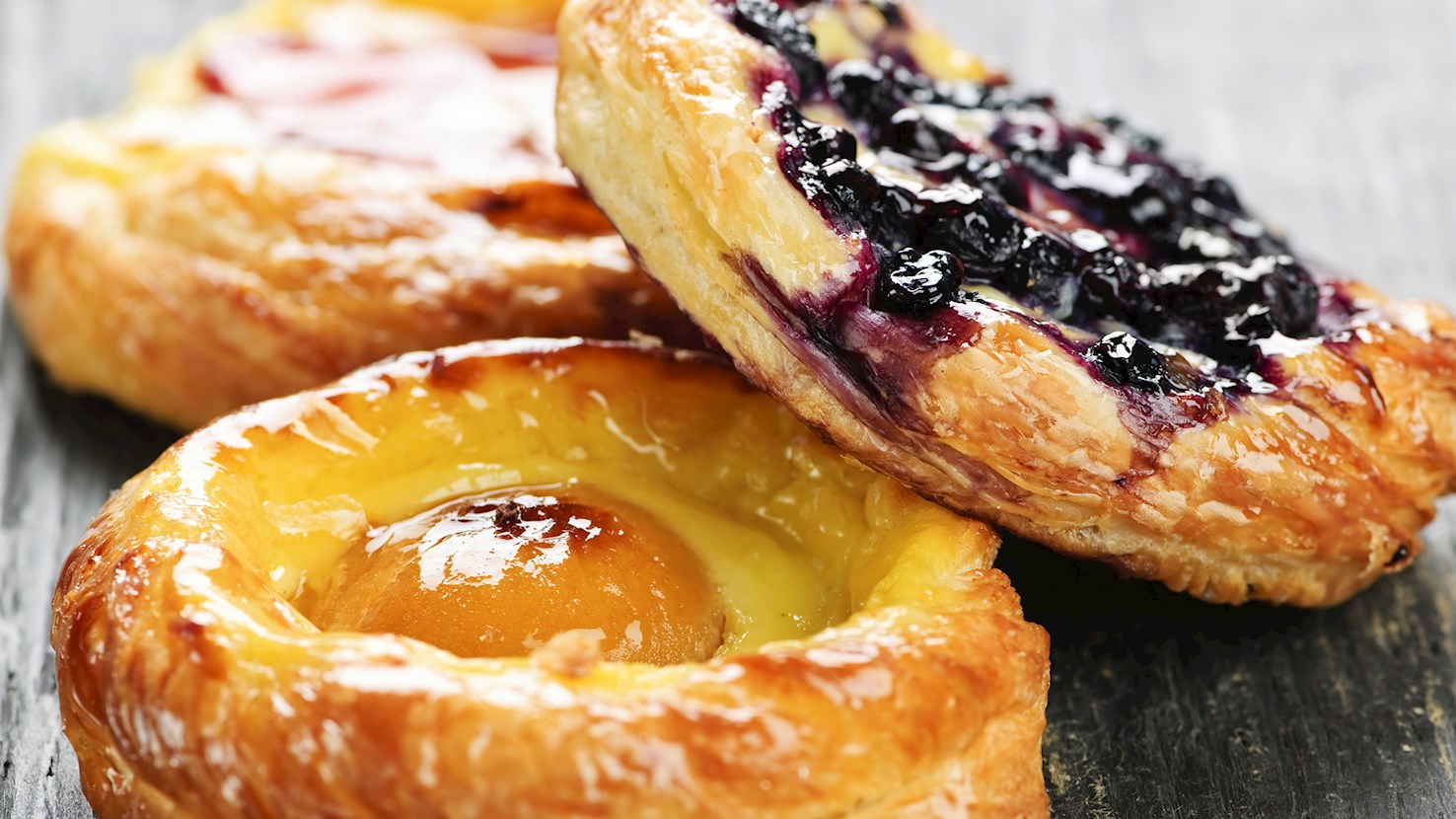
The epitome of a cozy Sunday breakfast in Denmark is a crispy sweet treat known as Danish pastry. It is made with laminated dough, where the dough is repeatedly covered with butter and folded over itself. The result is a creation that is quite similar to puff pastry. The dough is shaped into different forms and filled with flavorful, creamy fillings. Traditional fruit fillings such as apple and raspberry, vanilla custard, and almond paste are Danish favorites, but due to its popularity, the fillings are usually region-specific. For example, cinnamon is more favored during the winter season, while readily available fresh fruit is occasionally incorporated into Danish pastry during the warmer months. The pastry is often decorated with almond flakes or lemon drizzle, which contribute to a more sophisticated look and provide more interesting flavors and textures. It is believed that Danish pastry was created by Austrian bakers who were hired in Denmark during the bakers' strike in 1850, and they brought a tradition of preparing laminated dough to the country. They modified the recipe by adding more butter to create what is today known as Danish pastry. However, in Denmark, Sweden, and Norway it is referred to as wienerbrød, originating from the name Viennese bread, and in Vienna, it is often called Kopenhagener plunder. Today, this pastry is an internationally recognized baked product that is found in many European countries and both North and South America. With intricate designs and a variety of flavors, it represents a staple pastry of every bakery and a favorite sweet breakfast of many people.
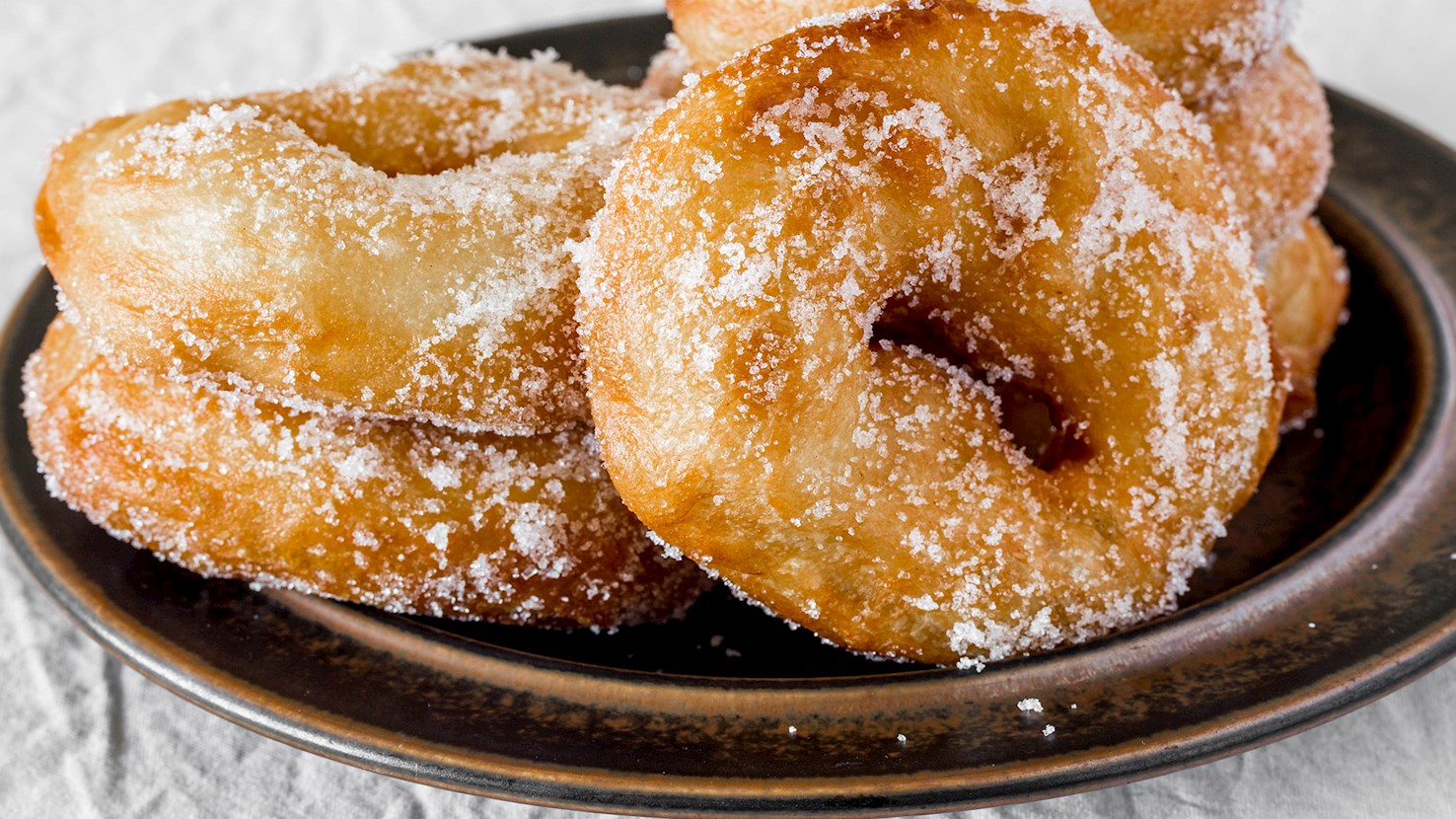
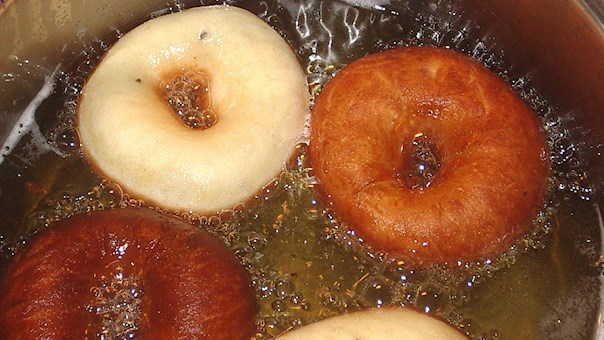
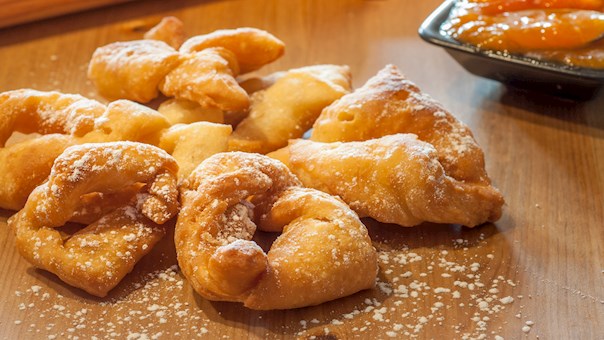
Munkki, translated as monks, are popular Finnish deep-fried doughnuts made with buttery, cardamom-flavored, leavened dough. They are usually shaped into round forms that are occasionally complemented with sweet and fruity fillings, or in the shape of thick rings rolled in fine sugar. Numerous theories surround the origin of their name, from the idea that the round shape resembles the traditional hairstyle or the brown attire of the monks, to the claim that the monks originally prepared these deep-fried delicacies during Lent. Today, munkki are traditionally associated with May Day; the national festivity celebrated on May 1st.
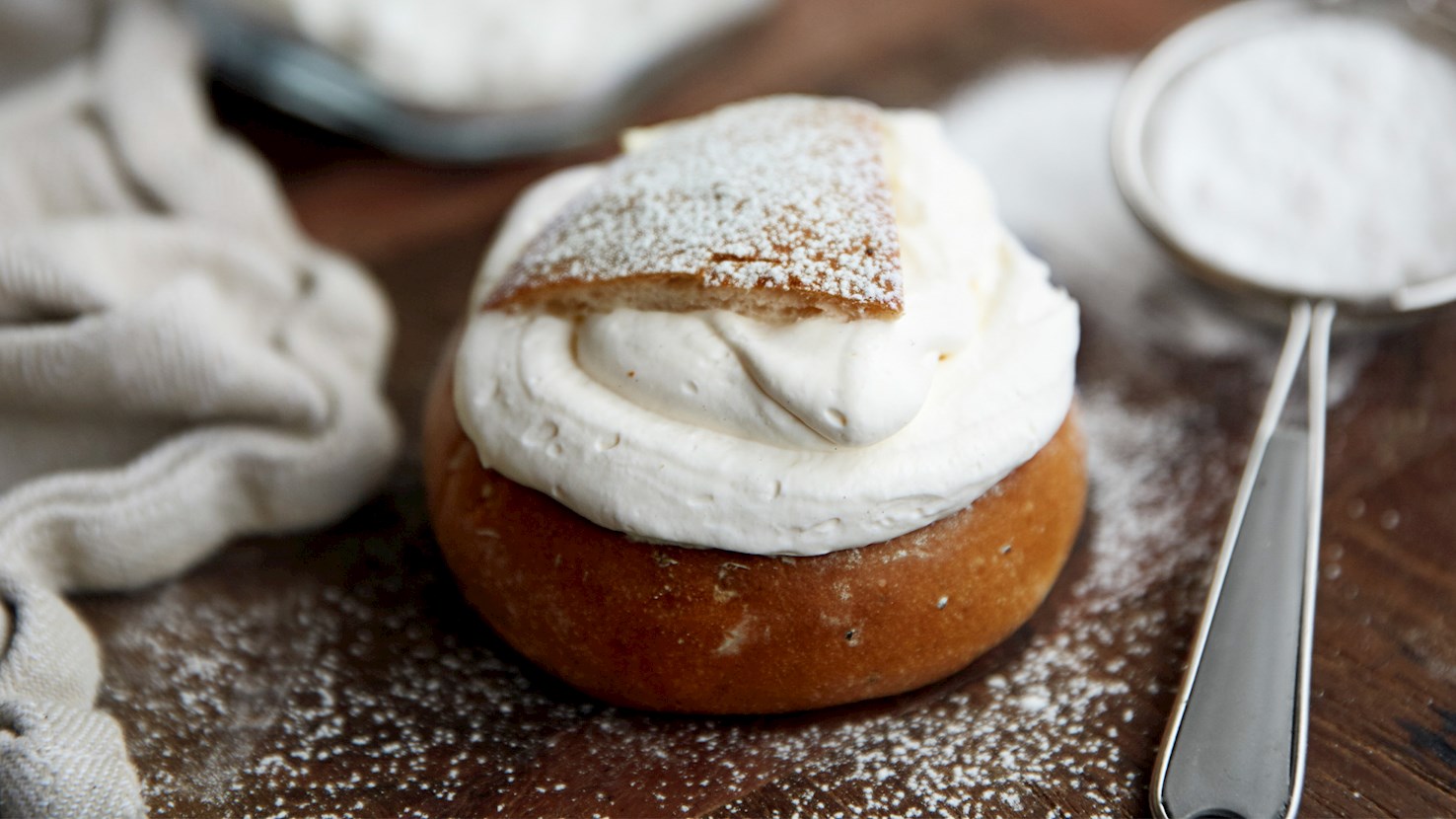
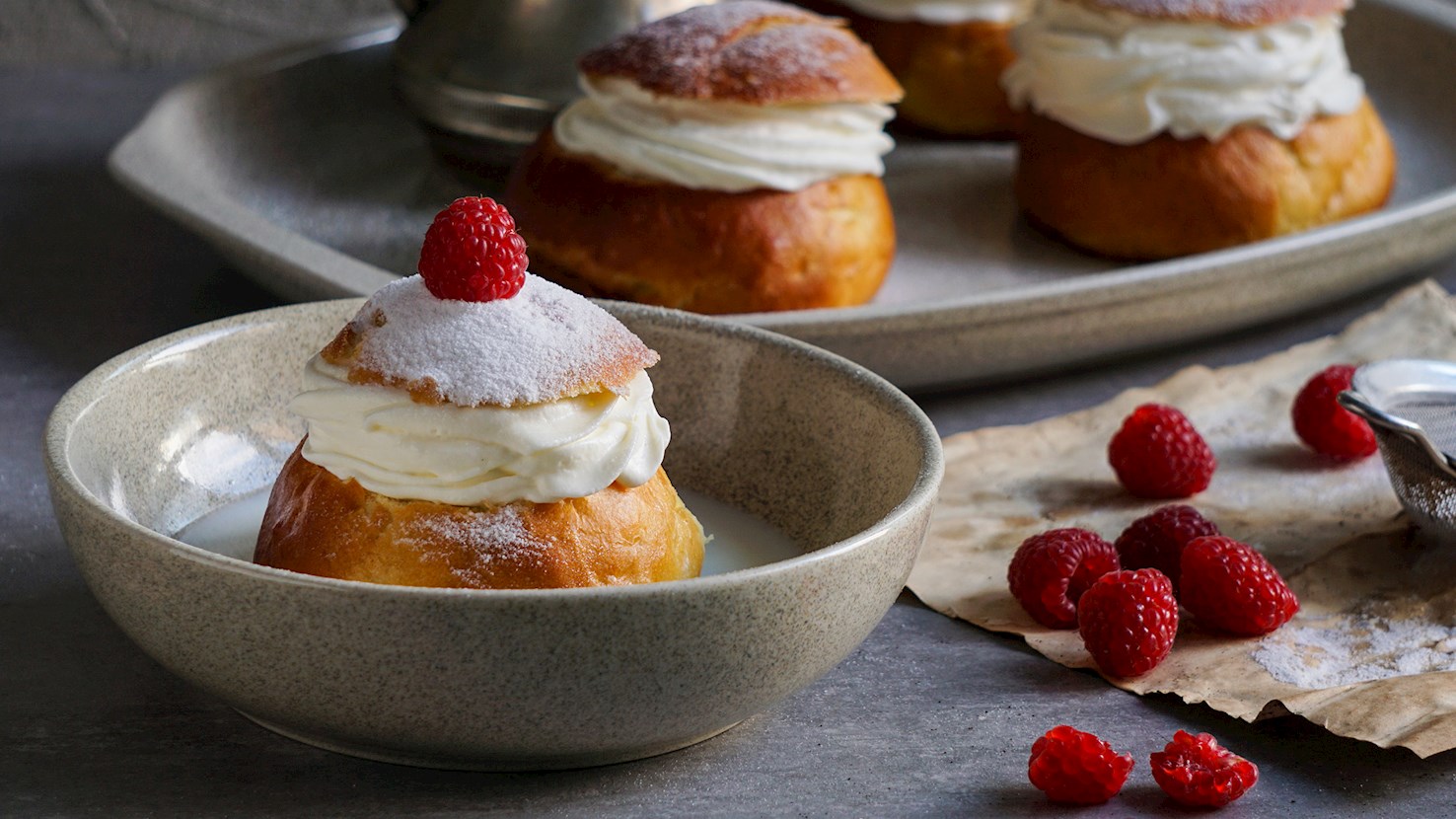
Semla is the famous Swedish cream bun. This traditional Swedish dessert is made with a plain wheat bread bun which is lightly flavored with cardamom, then cut in half. The inside is filled with a layer of delicious almond paste and a generous amount of vanilla-flavored whipped cream. The bun is finished when the top is placed on the whipped cream, and the sweet creation is lightly dusted with a layer of powdered sugar. Semla is an old-fashioned Swedish dessert that was originally invented and eaten on Fat Tuesday, the last day of indulgence before Lent. Soon they became one of the favorite Swedish treats and are now commonly eaten from the Christmas period all through Lent. During this time they can be found in numerous Swedish bakeries across the country. Traditional practice suggests that the top should be eaten first, and it is used to scoop the delectable whipped cream. However, the oldest Swedish tradition is to serve the entire bun soaked in a plate of warm milk, when it's known as hetvägg.
Skillingsboller is a traditional version of a cinnamon roll. This circular pastry is usually associated with Bergen. The rolls are made with a combination of flour, milk, yeast, eggs, sugar, cardamom, lots of butter, and chopped almonds (optional). After the baking, skillingsbolle are brushed with additional butter on the top and the bottom while they are still hot. The top is also sprinkled with extra sugar and cinnamon. The name skillingsboller means penny bun. They're usually eaten as an afternoon snack with a cup of coffee on the side, but some people like to eat them with brown cheese (Brunost).
Closely resembling Swedish semla, this sweet Finnish pastry is prepared with yeasted, cardamom-spiced dough that is shaped into buns and baked until golden. Each bun is cut in half and filled with strawberry or raspberry jam and whipped cream. Following the Swedish tradition, fruit jams are occasionally replaced with a layer of creamy almond paste. Laskiaispulla is traditionally associated with Shrove Tuesday, but it is a popular mainstay throughout the winter season. It is usually served decorated with powdered or coarse sugar.
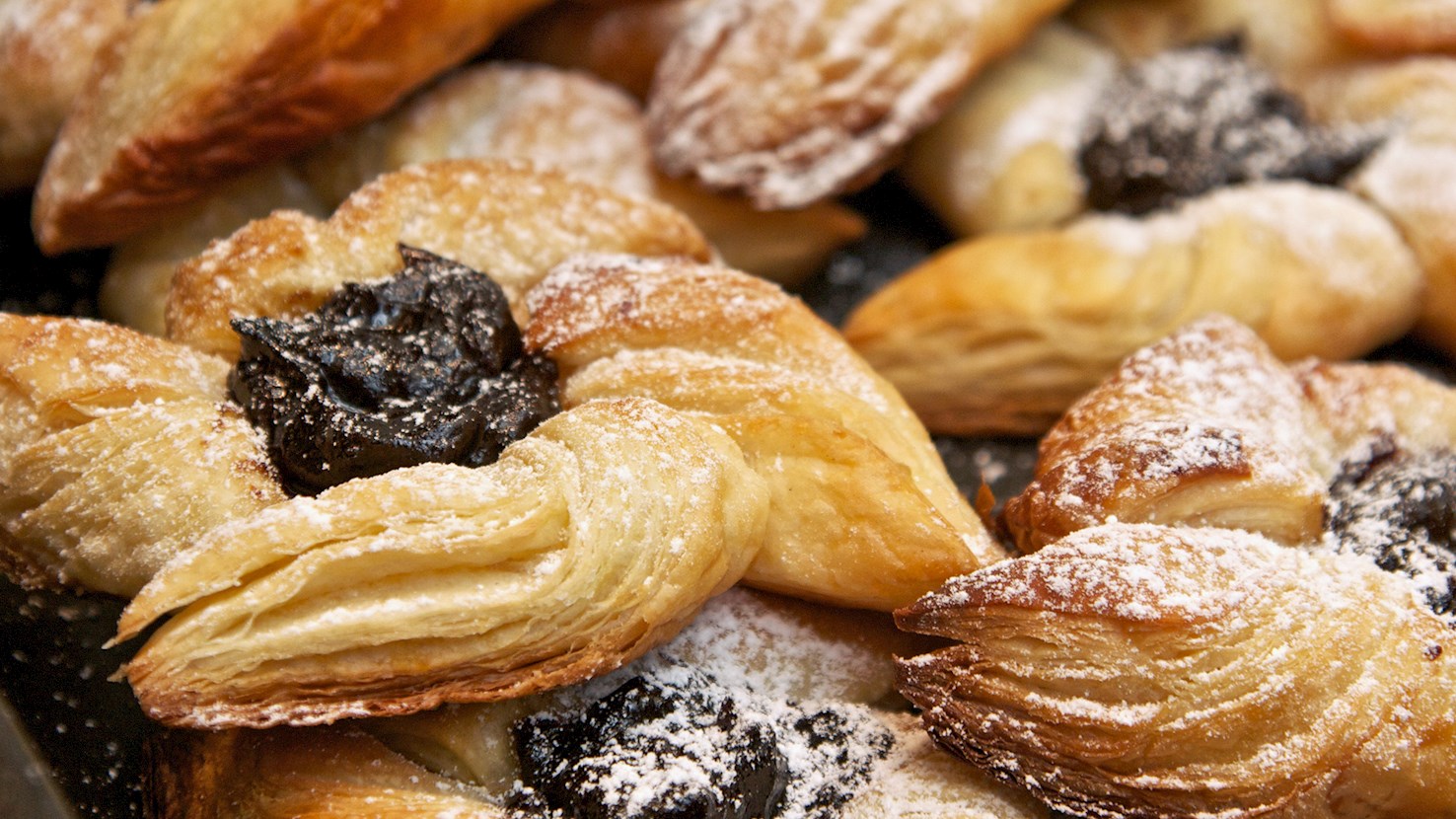
Translated as Christmas tart, the Finnish joulutorttu is a traditional, crispy pastry that is usually consumed during the Christmas period. It is prepared with thin puff pastry sheets filled with plum jam, with each corner wrapped to resemble a star or a pinwheel. Baked until golden brown in color, this festive pastry is usually served dusted with powdered sugar. Apart from Finland, it is also popular in some parts of Sweden, where it is also enjoyed as a traditional Christmas treat.
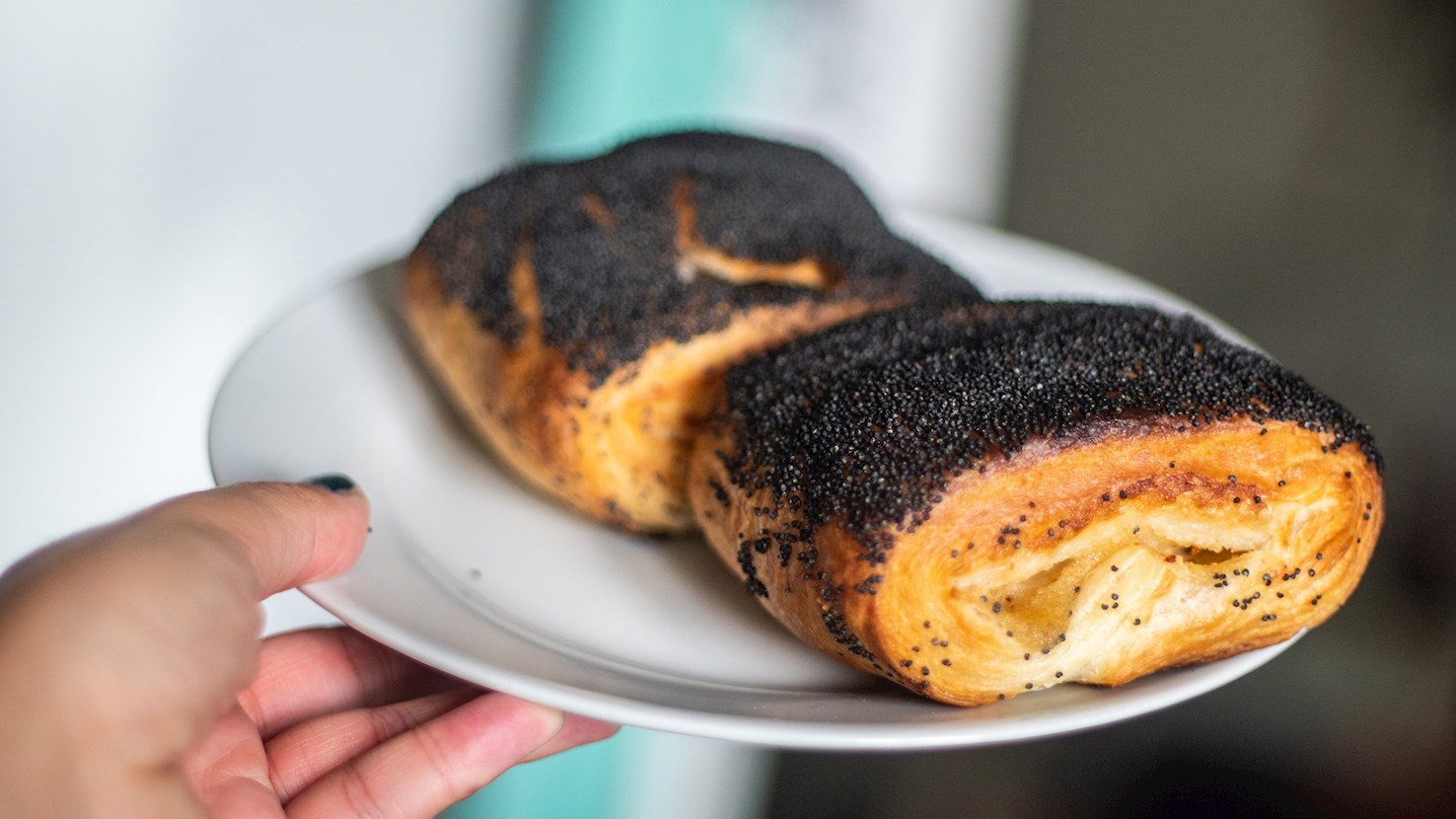
Tebirkes is a traditional pastry originating from Denmark. The pastry is usually made with a combination of milk, sugar, salt, flour, yeast, eggs, butter, marzipan, and poppy seeds. The marzipan, sugar, and butter are beaten until smooth. The dough is rolled out and topped with marzipan butter, then folded over and left to double in size. The pastry is brushed with egg wash and topped with poppy seeds before it's baked until golden brown. The crunchy and slightly nutty tebirkes are served warm or at room temperature.
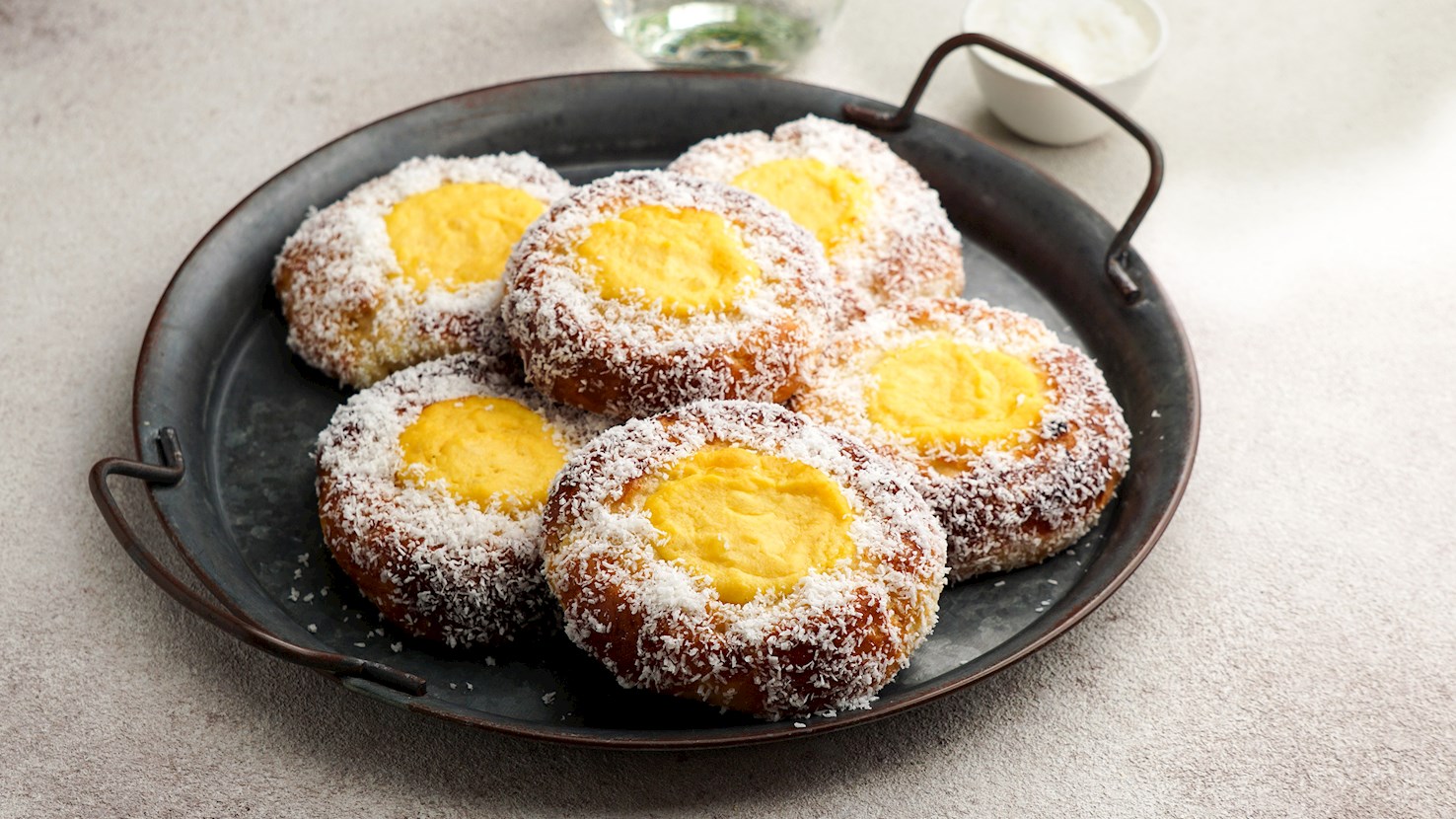
Skolebrød are traditional Norwegian custard buns. They're made with a combination of butter, milk, yeast, sugar, flour, and cardamom for flavoring. The custard is made with milk, cream, egg yolks, sugar, cornflour, and vanilla. The cardamom buns are stuffed with custard, then topped with desiccated coconut. These sweet rolls are typical children's treats in Norway, and the name is a reference to the fact that skolebrød was a part of school lunches.
TasteAtlas food rankings are based on the ratings of the TasteAtlas audience, with a series of mechanisms that recognize real users and that ignore bot,
nationalist or local patriotic ratings, and give additional value to the ratings of users that the system recognizes as knowledgeable.
For the “Top 21 Northern European Sweet Pastries” list until July 15, 2026, 1,452 ratings were recorded, of which 1,262 were recognized by the system as legitimate.
TasteAtlas Rankings should not be seen as the final global conclusion about food. Their purpose is to promote excellent local foods,
instill pride in traditional dishes, and arouse curiosity about dishes you haven’t tried.