


shutterstock

Top 7 Southeast Asian Sweet Pastries

Last updated on May 15, 2026
01

Pa thong ko

3.8 ·

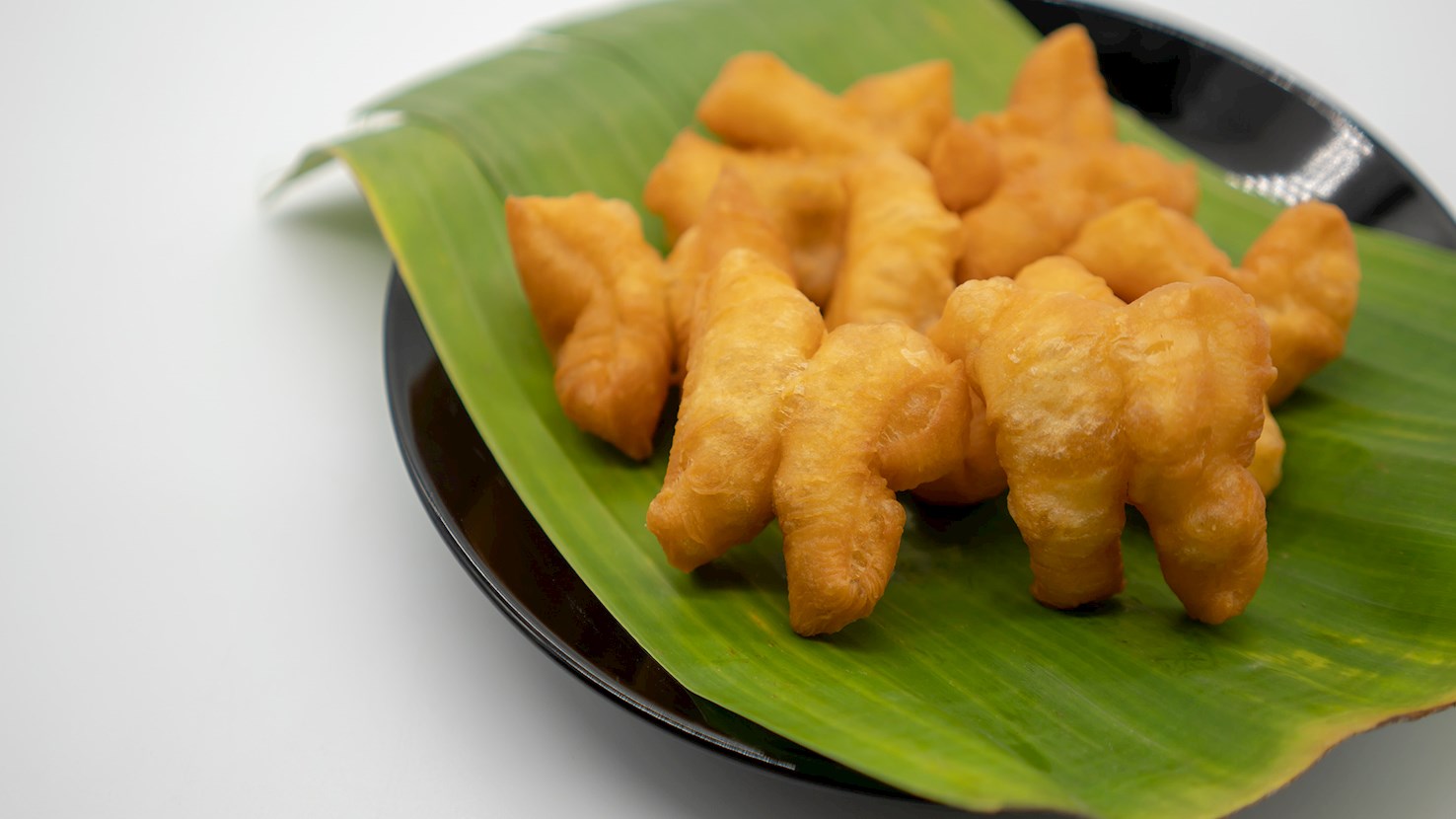
Pa thong ko is the Thai take on popular Chinese crullers called youtiao. To make the crullers, a mixture of flour, yeast, baking ammonia, alum powder, lukewarm water, salt, sugar, and some baking powder is formed into a dough, which is then oiled, left to rest, and finally cut into long strips. Pairs of dough strips are then carefully stuck to one another to give the crullers their recognizable shape before they are deep-fried in hot oil until nicely colored, puffy, and slightly crispy. Innovative ways of shaping the crullers other than their traditional form have emerged over the years, and nowadays, pa thong ko can be seen in numerous unusual shapes such as dinosaurs or dragons. In Thailand, warm pa thong ko is a typical breakfast meal and a well-loved street food item, and it is usually complemented by sweetened condensed milk, Thai custard, or Thai congee, along with a cup of fresh coffee on the side.

02

Rotiboy

3.8 ·

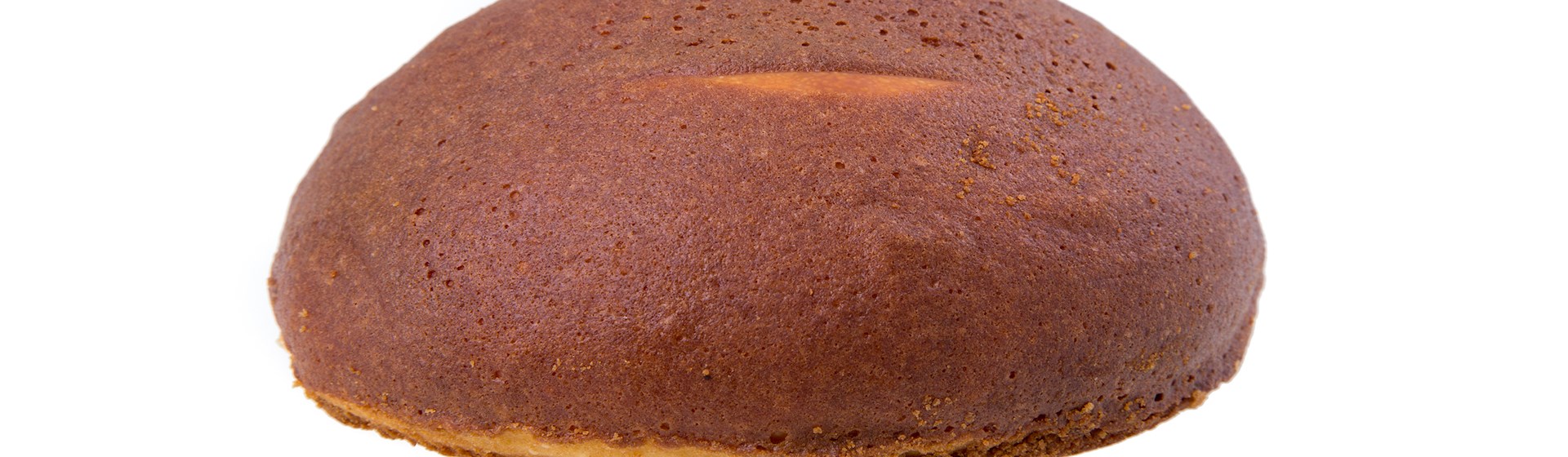
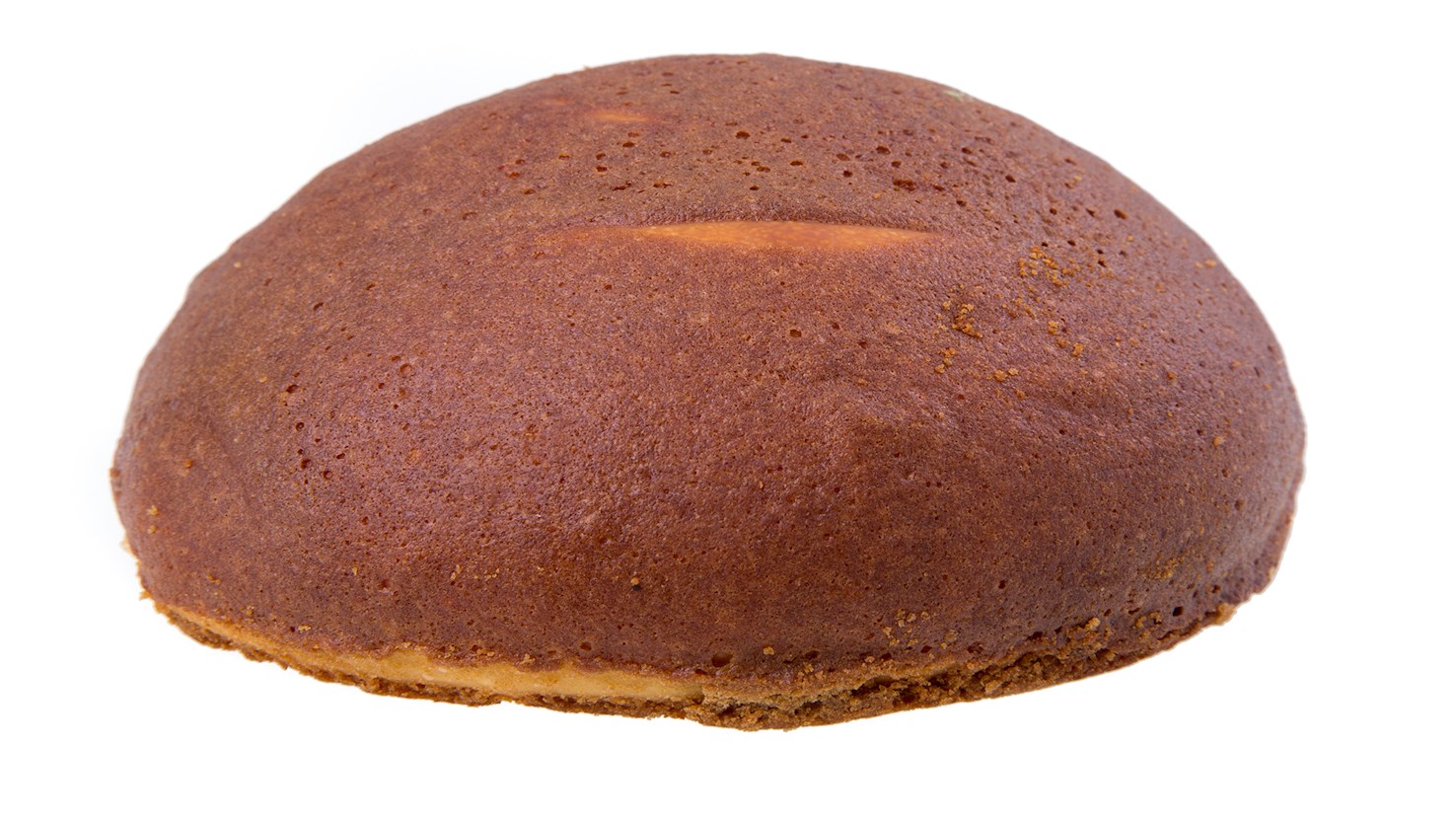
These Malaysian buns were invented at the namesake bakery in Penang. First marketed as Mexican coffee buns, they consist of a leavened dough that is filled with butter and topped with a layer of coffee-infused buttercream. During baking, the cream top completely covers the bun and creates a thin, crispy coffee layer. The Mexican conchas allegedly inspired the bun, hence its original name. Soon after they were introduced in 1998, the buns were an instant success. Nowadays, the franchise has spread throughout Asian and Arab countries, and their signature bun is better known as rotiboy or roti kopi.

Best restaurants
03

Bakpia Pathok

3.7 ·

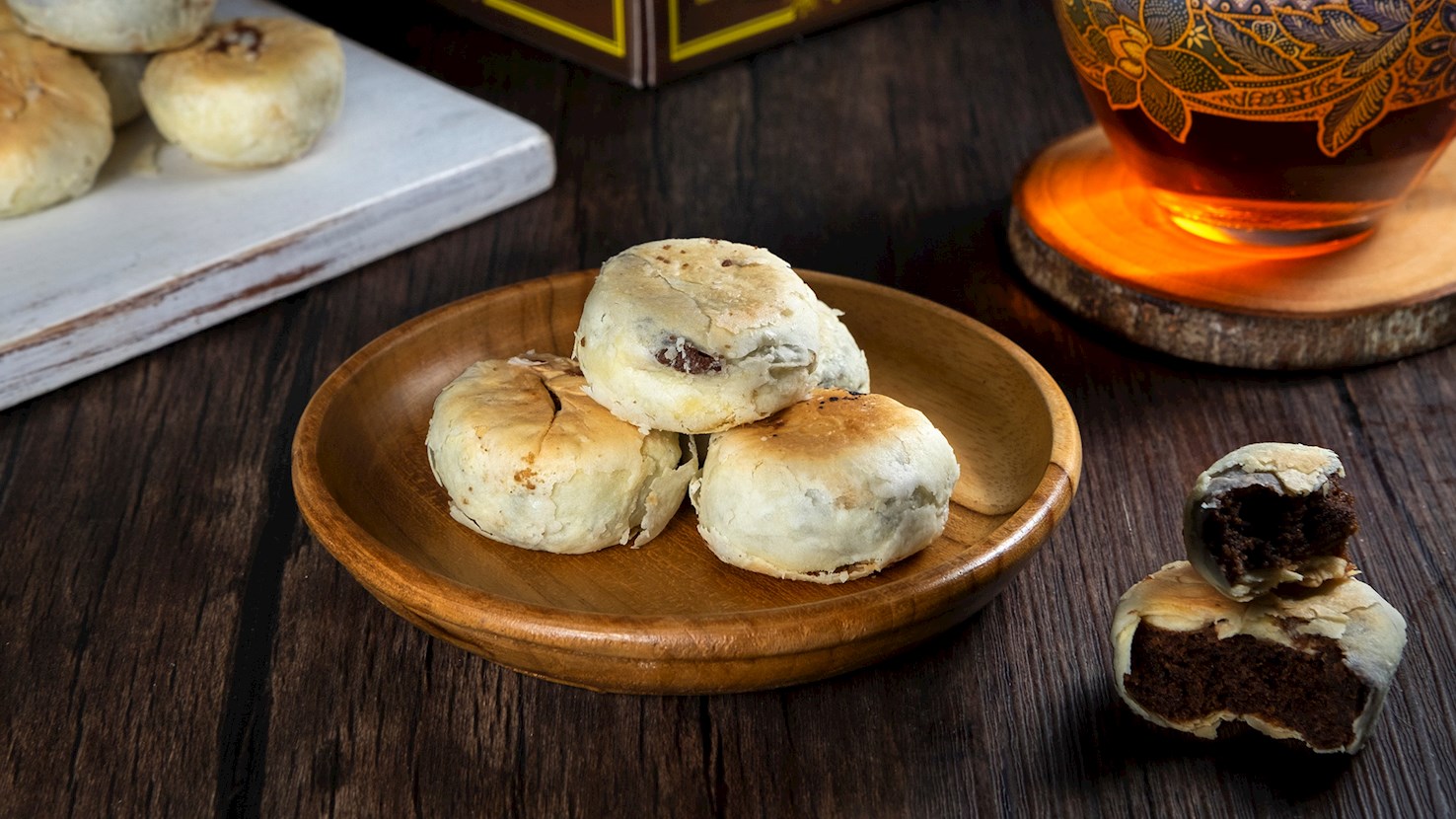
Bakpia Pathok is an Indonesian delicacy that consists of a round, slightly flattened pastry filled with a sweet mung bean mixture. The pastry is characterized by a soft and flaky texture, while its interior, containing the filling, has a pasty consistency that perfectly adheres to the dough. Its name derives from a suburb area in the city of Yogyakarta called Pathok, where the production of these pastries initially began. Apart from the traditional mung bean filling, bakpia pathok can nowadays be made with chocolate, cheese, and exotic fruits such as pineapple or durian fruit. Other, more innovative flavors have also emerged in recent years, such as cappuccino, banana cheese, blueberry cheese, and tuna. Even though it has been influenced by traditional Chinese cuisine, this specialty has been adapted to local flavors and has become one of the most beloved street snacks in Indonesia. The pastry’s flavor is not appreciated only by the local population, but also by tourists, owing to whom the pastry is nowadays considered a popular food souvenir to bring back home after visiting the country. In Indonesia, this sweet specialty can be bought from street food vendors, market stalls, and numerous shops that offer packaged versions of the pastry.

04

Khanom wai phra jan (Mooncake)

3.3 ·

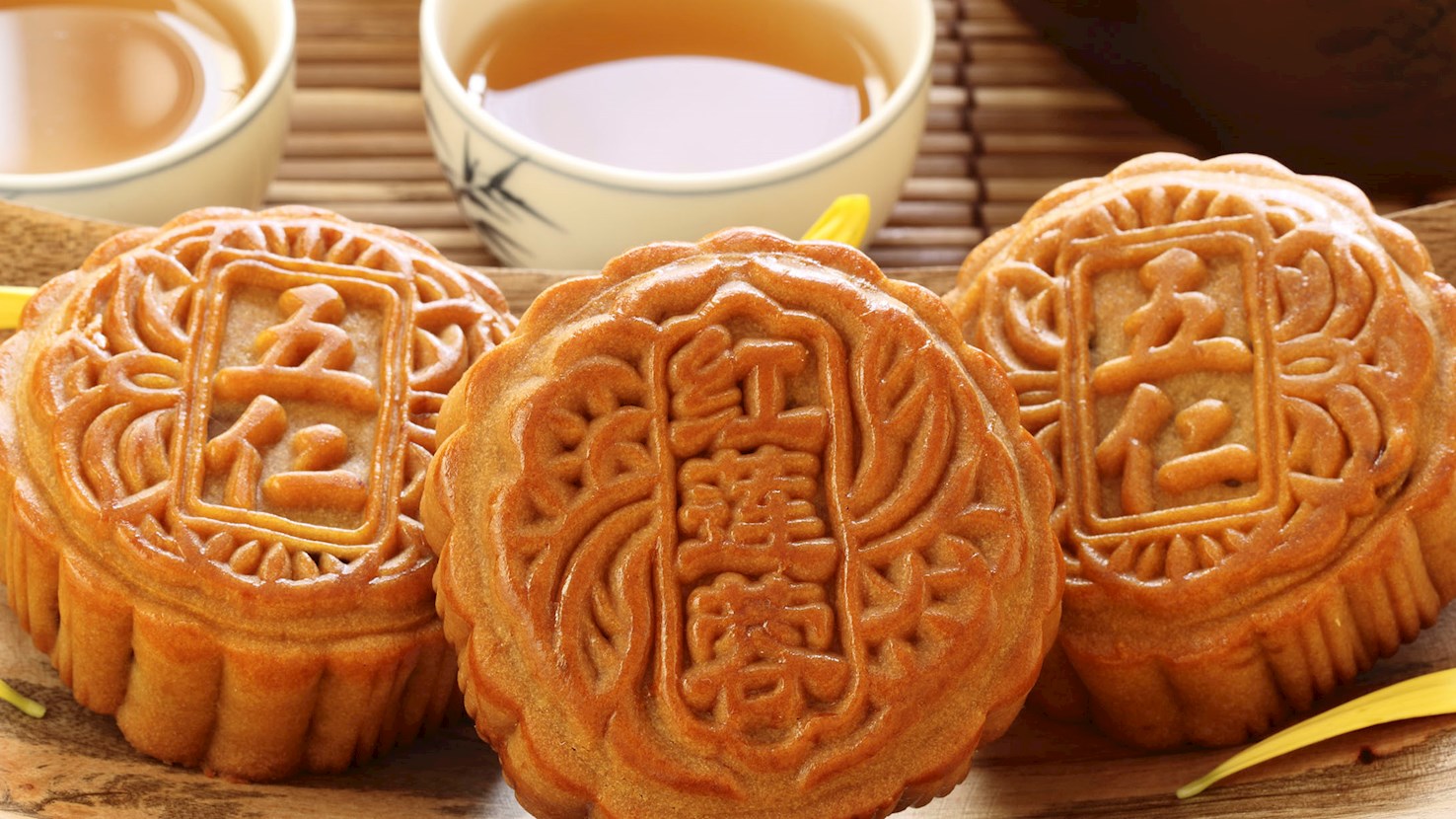
An ancient Chinese delicacy eaten during the Mid-Autumn Festival or Moon Festival, known as mooncake, is a pie-like pastry made with a shortcrust base called yueh ping that is traditionally filled with black sesame seed or lotus seed paste, along with red beans, roasted pork, mung beans, dates, and salted duck egg yolks. Nowadays, mooncakes are available in a variety of different sweet and savory fillings, some of which are fruits like honeydew, litchi or pineapple; chocolate or mixed nuts; abalone and seaweed; green tea, and even cream cheese or ice cream. Their round shape is not only reminiscent of the moon, but also a symbol of return or a full circle, which in Chinese philosophy stands for fulfillment, oneness, perfection, and unity. Mooncakes are meant to be shared among people, so they are typically enjoyed sliced into small wedges and usually served with Chinese tea. In ancient times, these pastries were prepared as an offering to the Moon, but over centuries they have become the most popular food of the Mid-Autumn Festival. Listed as a public holiday and an intangible cultural heritage, the Mid-Autumn Festival or Moon Festival is one of China’s most important traditions celebrated on the 15th day of the 8th lunar month when the full moon is said to be at its brightest and closest to Earth.

05

Otap

2.9 ·

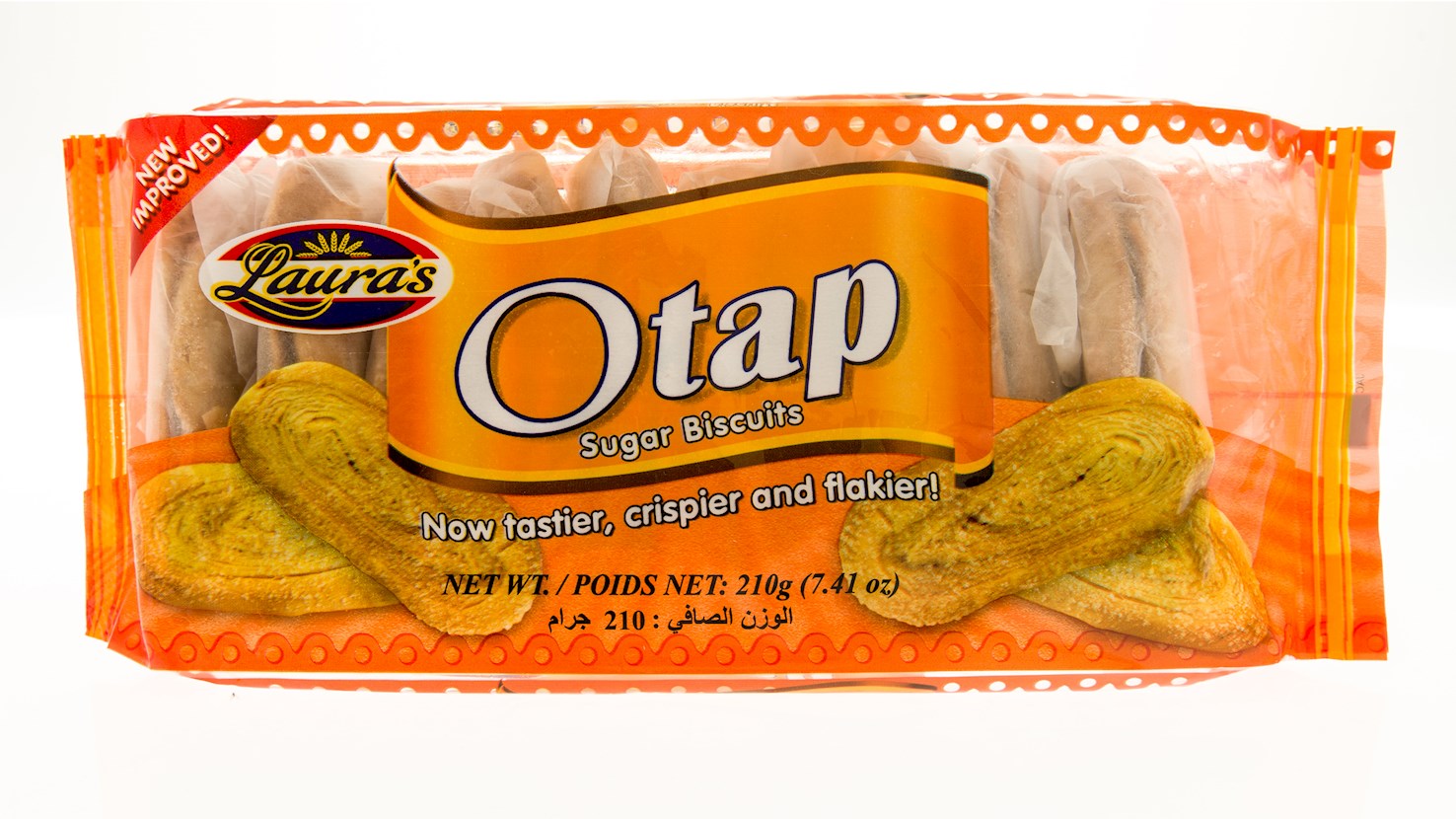
Otap is a sweet, thin, oval-shaped Filipino treat made with puff pastry. These treats are usually small in size, generously sprinkled with sugar, and have an incredibly crispy and crumbly texture. It is believed that otap originated in Cebu, and today it represents a signature product of the entire region. The sugary biscuits are available at numerous local markets and stores and are usually enjoyed as a light dessert or a sweet afternoon snack.

06

Kuih keria

n/a ·

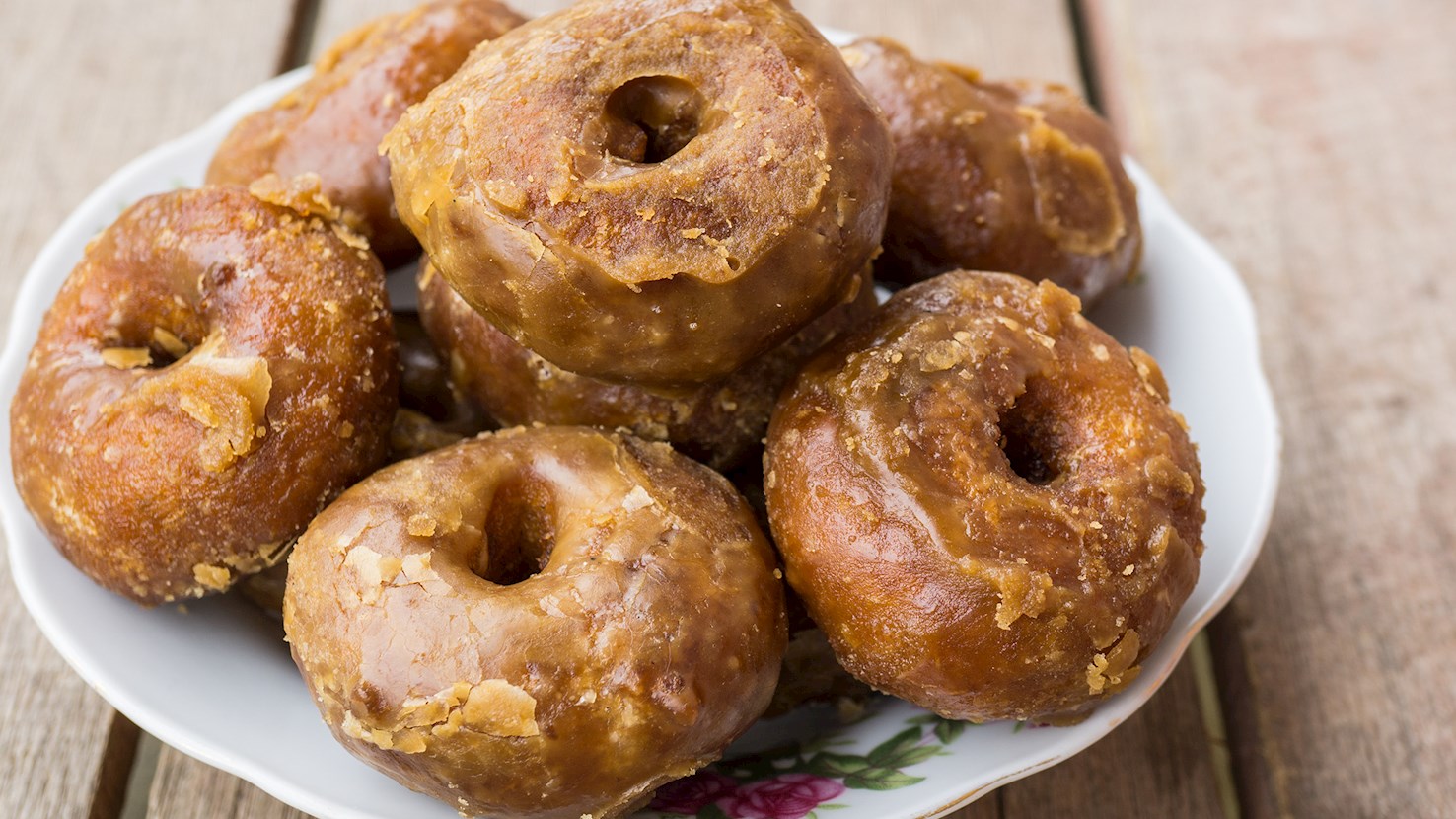
Kuih keria are Malaysian deep-fried doughnuts that are made from sweet potatoes. After they are steamed and mashed, the potatoes are combined with flour to form a pliable dough that is then shaped into doughnut rings. Unlike other types of doughnuts, this version is not leavened, resulting in somewhat denser texture. After they have been fried, the doughnuts are usually sugar-glazed or generously coated in white or palm sugar (gula melaka).

07

Bánh hạt dẻ (Sapa Chestnut Cake)

n/a ·

Bánh hạt dẻ is a popular Vietnamese snack originating from the mountainous Sapa region. It's made by filling a pastry shell with ground local chestnuts that are lightly sweetened, then fried in oil until golden brown and flaky. This popular snack is regularly sold at most street food stalls in the region, but it can also be bought in boxes and prepared in the comfort of your own home. In recent years, bánh hạt dẻ surfaced to the top as the main street food item in Sapa.

Read more
View all
View map
About this ranking

TasteAtlas food rankings are based on the ratings of the TasteAtlas audience, with a series of mechanisms that recognize real users and that ignore bot, nationalist or local patriotic ratings, and give additional value to the ratings of users that the system recognizes as knowledgeable. For the “Top 7 Southeast Asian Sweet Pastries” list until May 15, 2026, 526 ratings were recorded, of which 402 were recognized by the system as legitimate. TasteAtlas Rankings should not be seen as the final global conclusion about food. Their purpose is to promote excellent local foods, instill pride in traditional dishes, and arouse curiosity about dishes you haven’t tried.

Similar lists