



Top 6 Syrian Sweet Pastries

Last updated on June 15, 2026
01

Kunāfah

4.3 ·

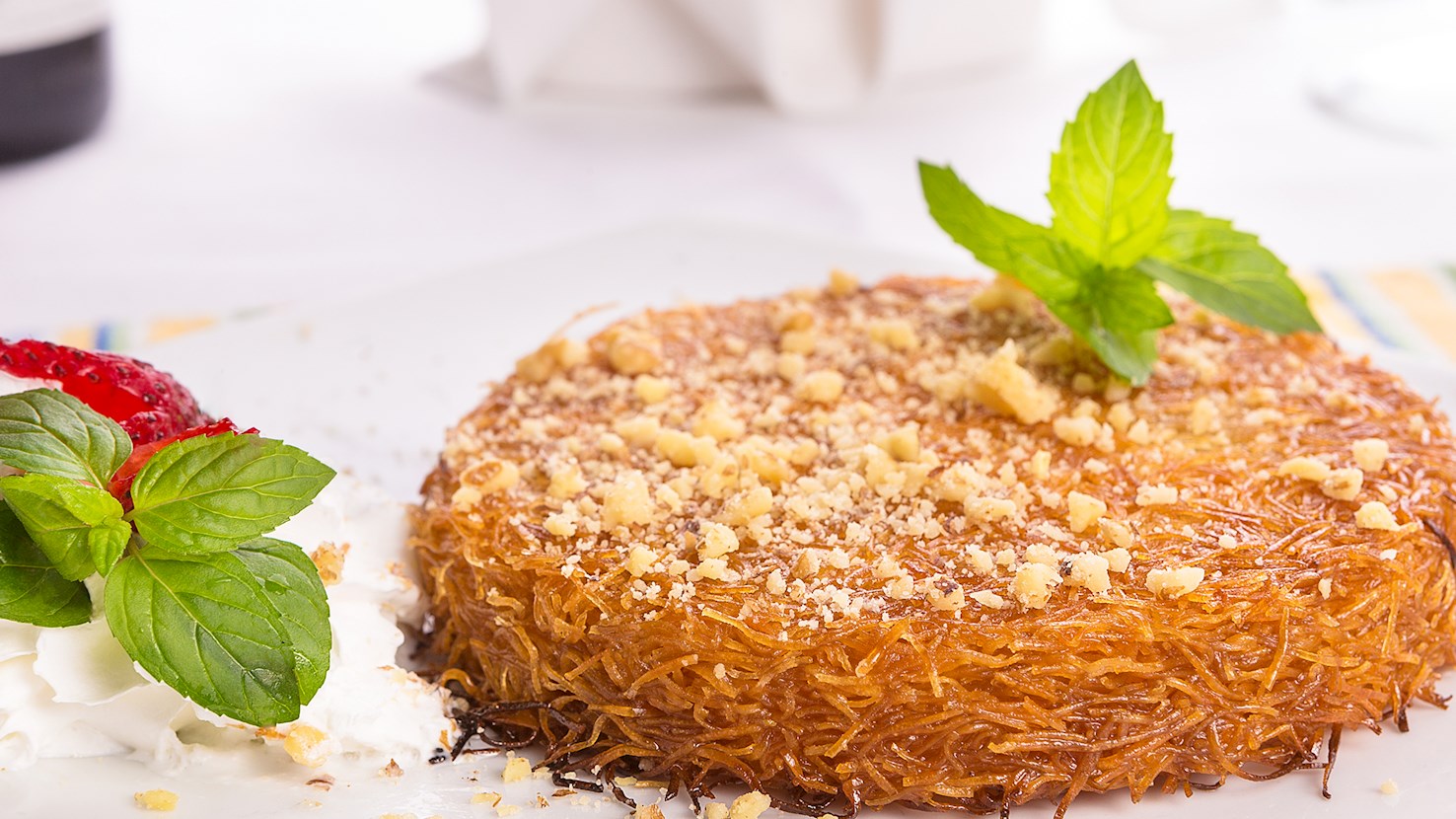
Kunāfah consists of two crunchy layers of shredded and buttered kataifi or knefe dough, filled with a luscious cheese cream that's often flavored with orange zest and cardamom, then drenched in a sugar syrup infused with lemon juice and orange blossom water. Turkish künefe is traditionally made with Hatay, Urfa, or Antep cheese. It is usually topped with pistachios and is best served warm. Elegant and amazingly simple to make, this dessert is nothing short of what cheese-filled pastry dreams are made of. Some authors speculate that it originated from the Fatimid Egypt or pre-Islamic Syria, while others claim that the Palestinian city of Nablus is its birthplace - hence the name kanafeh nabulsieh. Nevertheless, this decadent dessert has been a part of a long culinary tradition in Türkiye and Egypt, and it is listed as one of Egypt's national dishes.

02

Znoud el sit

4.1 ·

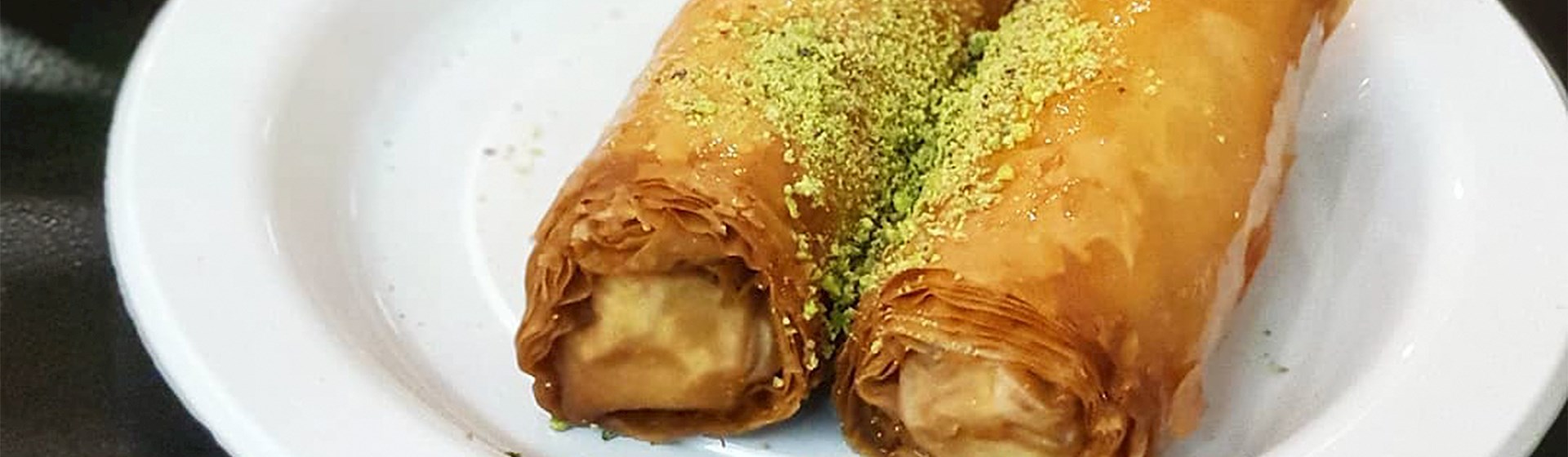
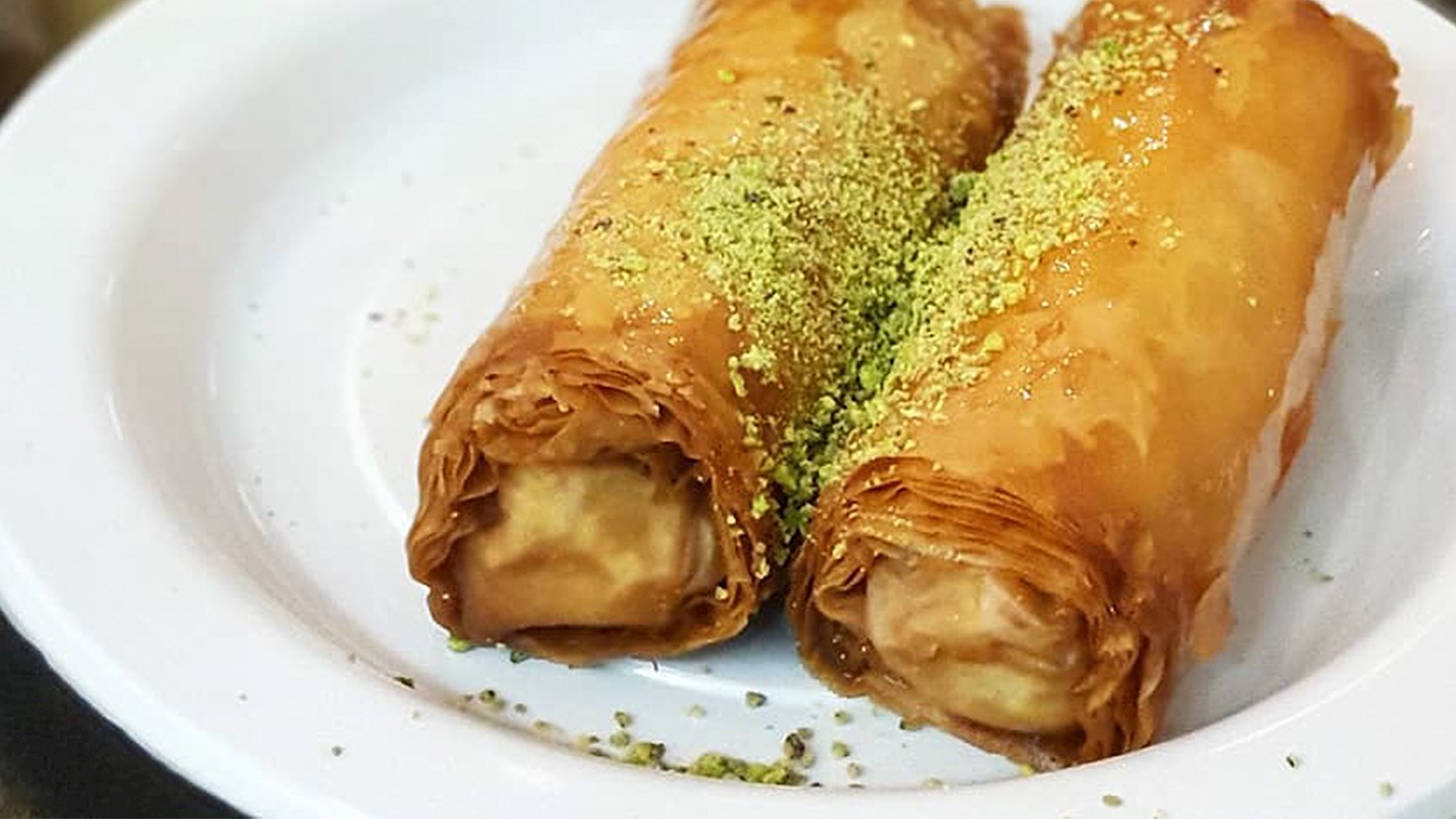
This traditional Middle Eastern dessert is often enjoyed on Iftar (a fast-breaking meal) during the holy month of Ramadan. The dish is made with thin sheets of phyllo dough that are wrapped into small elongated rolls while the center is filled with ashta—Levantine version of clotted cream. The rolls are then fried and doused in a thick sugar syrup that is often flavored with orange blossom and rose water. These crispy rolls are best served freshly prepared and are usually sprinkled with ground pistachios. Znoud el sit, with slightly different names, can be found in numerous countries, including Lebanon, Syria, and Iraq, while its name translates as lady’s upper arms—supposedly because the round, elongated shape of the pastry resembles lady’s arms.

03

Faysalieh

3.7 ·

Faysalieh is triangle-shaped baklava combining a nut filling and an outer shell that is made from thin threads of kataifi (knefe) dough. The pastry is typically filled with pistachios, but some varieties replace the nut filling with cream. These triangular pockets are baked and then doused in sugar syrup, but should always remain crispy. They are typically associated with Lebanon.

04

Basma

3.7 ·

This baklava variety consists of chopped or ground nuts that are placed between two layers of shredded or ground kataifi (knefe) dough. The nut filling typically includes pistachios, cashews, or pine nuts, and the whole pastry is doused in sweet syrup and results in soft and moist baklava. Basma is always served well-chilled, cut into squares, and decorated with grounds nuts. Apart from Lebanon, this baklava variety is also common in Palestine, Syria, and Jordan.

05

Taj al malek

3.4 ·

Taj al malek, meaning king’s crowns, are decadent little sweets made with shredded phyllo dough (kataifi), sugar syrup, and roasted pistachios. Kataifi dough is first shaped into little nests, dried, brushed with clarified butter, then baked until golden brown. Each pastry is then topped with pistachios and drenched in a sugar syrup flavored with lemon juice, rose water, and orange blossom water. The syrup must be thick enough to hold the nuts together, but not too thick, because it must remain chewy once cooled. Pistachios can be replaced with other nuts such as almonds, cashews, and even peanuts - regardless of the filling, taj al malek are sugary treats worthy of kings.

06

Awameh

3.1 ·

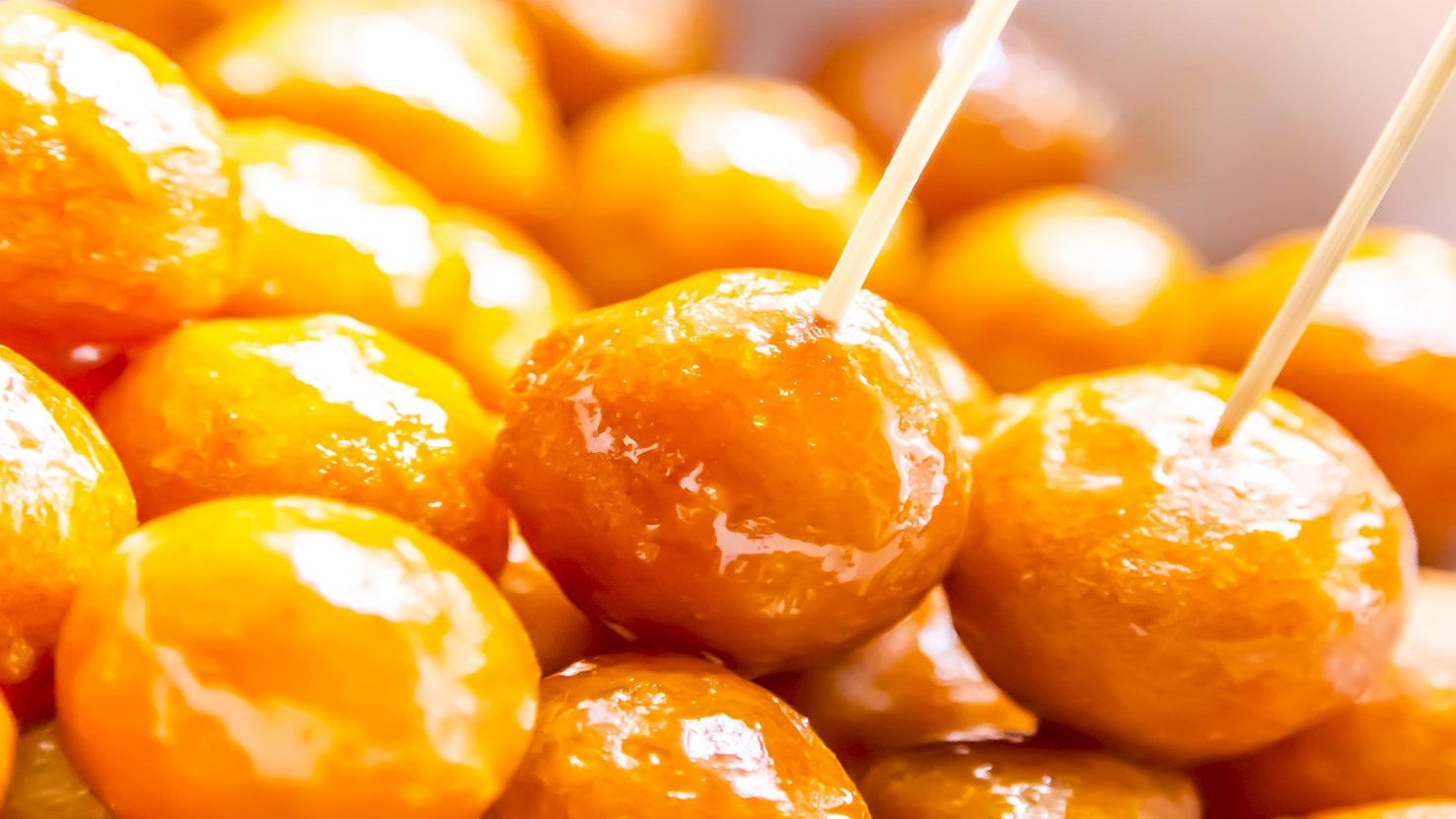
Awameh is a sweet Syrian dish consisting of small balls of dough which are fried in hot oil and soaked in honey, cinnamon, or sugar syrup. Sometimes, awameh is sprinkled with sesame seeds. The name of the dish means floater in Arabic, referring to the way the balls float on the surface while being fried.

Read more
View all
View map
About this ranking

TasteAtlas food rankings are based on the ratings of the TasteAtlas audience, with a series of mechanisms that recognize real users and that ignore bot, nationalist or local patriotic ratings, and give additional value to the ratings of users that the system recognizes as knowledgeable. For the “Top 6 Syrian Sweet Pastries” list until June 15, 2026, 3,127 ratings were recorded, of which 532 were recognized by the system as legitimate. TasteAtlas Rankings should not be seen as the final global conclusion about food. Their purpose is to promote excellent local foods, instill pride in traditional dishes, and arouse curiosity about dishes you haven’t tried.

Similar lists