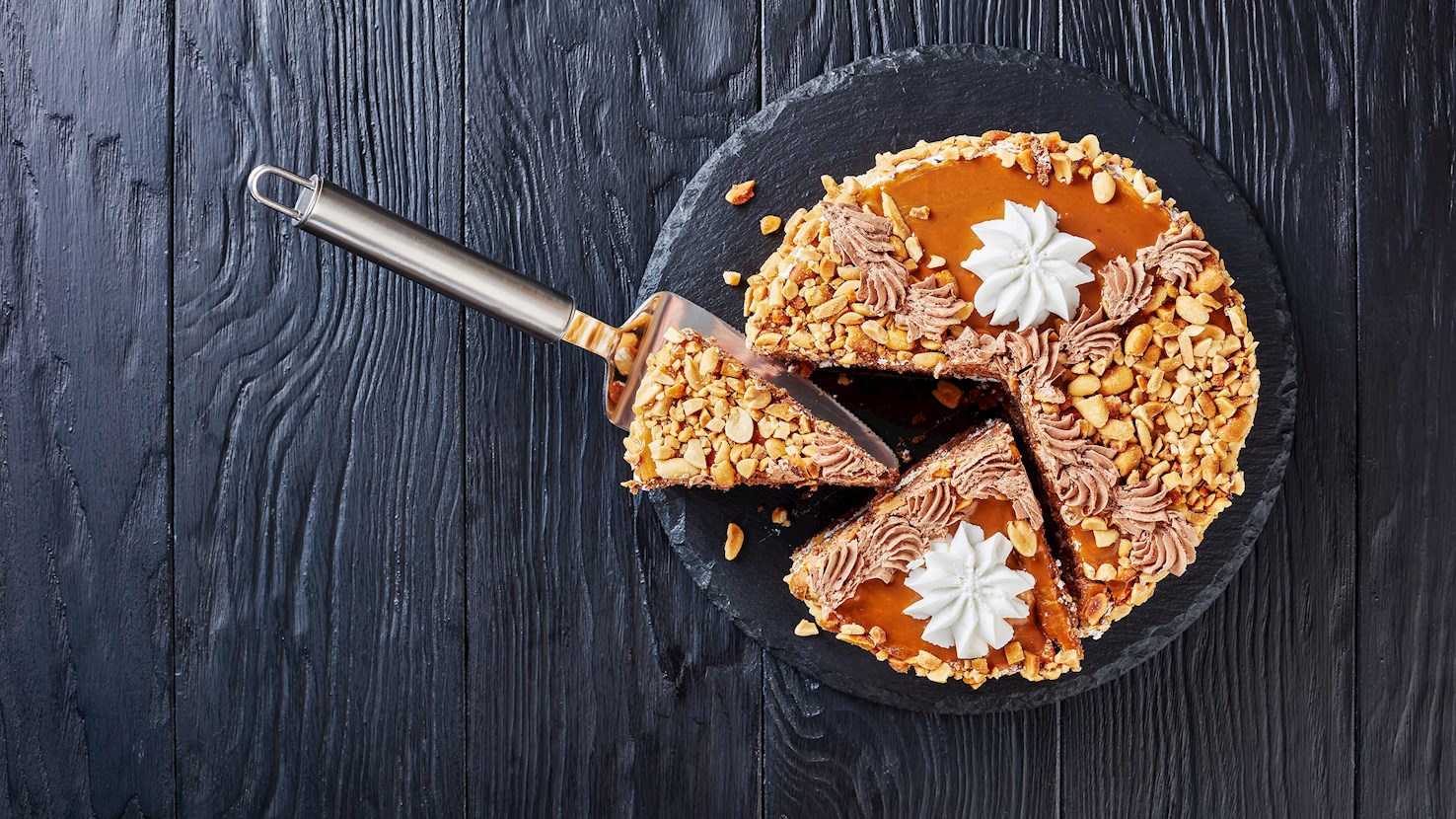
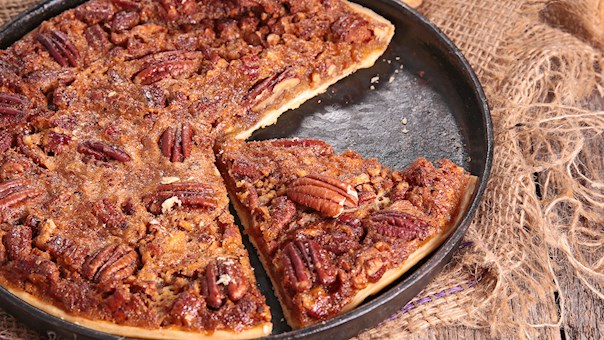
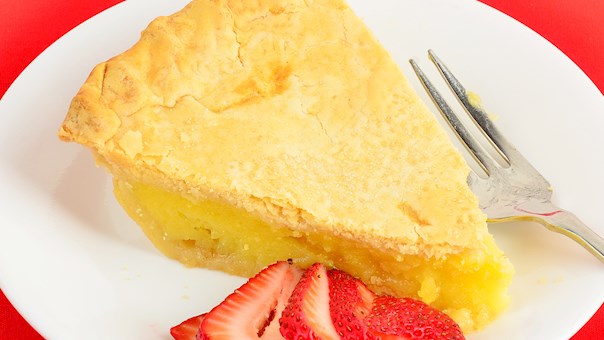
Peanut butter pie is a traditional pie hailing from Georgia. This sweet and salty pie consists of a crumbly pie crust that's filled with gooey peanut butter and chunks of roasted and salted peanuts. The filling is enriched with brown sugar, flour, butter, eggs, milk, vanilla extract, and corn syrup, while the crust is made from flour, sugar, salt, butter, and water. If desired, the peanuts can also be added to the crust. Once done, this nutritious pie is typically served with a dollop of whipped cream on top.
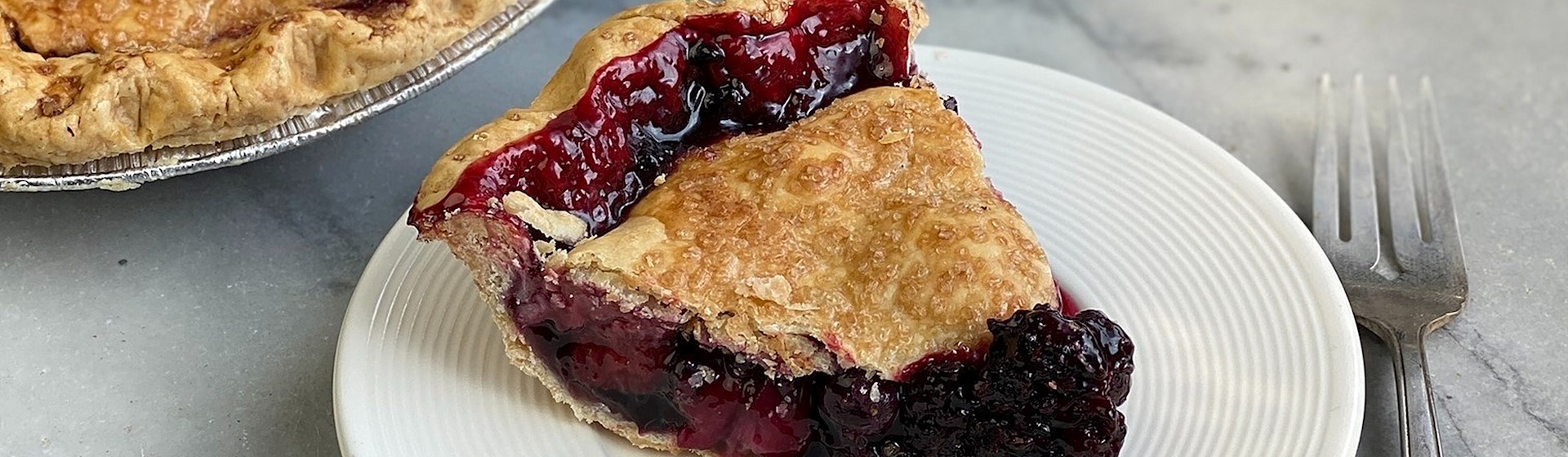
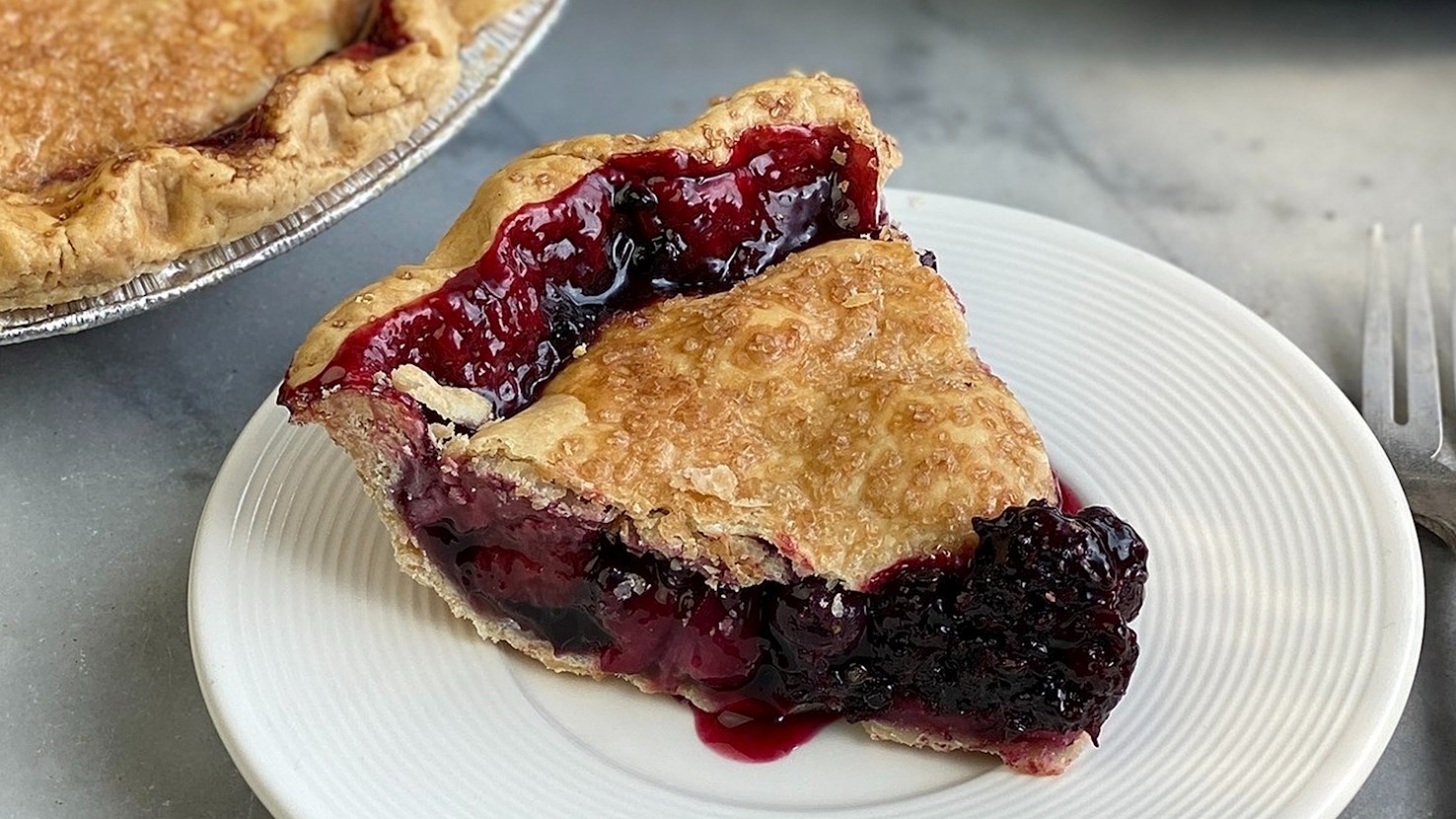
Marionberry pie is a traditional comfort food staple from Oregon. Marionberries are a cross of Chehalem and Olallie blackberries, characterized by a tart and complex flavor with a hint of earthiness and sweetness. The crust for this pie is made with flour, salt, shortening, and cold water, while the basic filling is prepared with a combination of marionberries, sugar, cornstarch, and cinnamon for extra flavor. Once assembled, the pie is baked until it develops a golden-brown color.
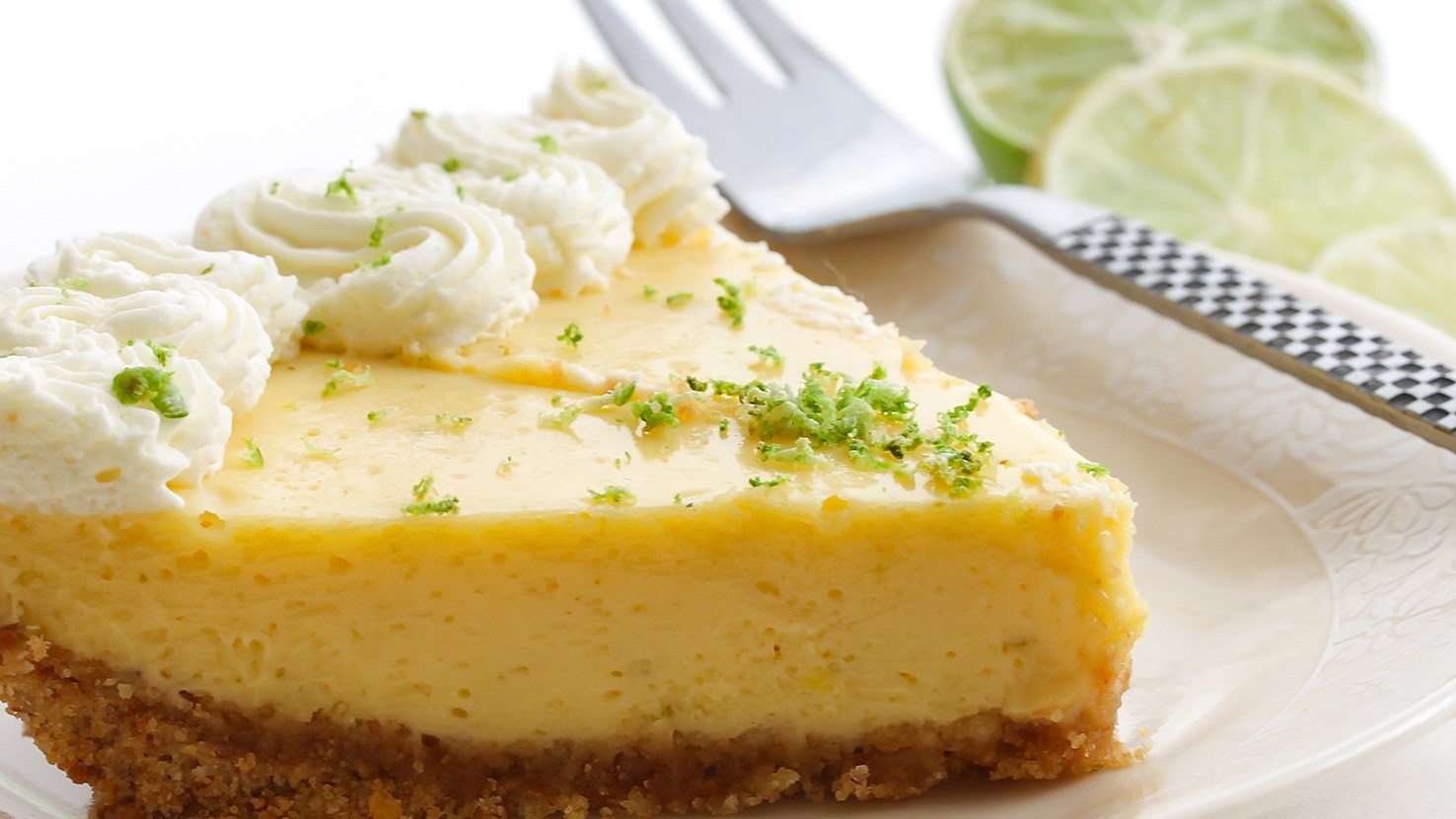
Key lime pie is a glass-green sweet and sour dessert originating from the Florida Keys. It consists of intensely aromatic Key lime juice, condensed milk, and eggs that are mixed together into a custard. The custard is poured into a buttery crust made from graham crackers and topped with sweet whipped cream. The spicy and acidic flavors of the limes provide a great contrast to sugar and sweet cream. Key lime, also known as citrus aurantifolia, Mexican lime, and West Indian lime is a fruit indigenous to Malaysia, and it has been connected to Florida since the 1830s when a botanist named Henry Perrine started planting them on Florida's Indian Key. Today, they are used in this traditional, refreshing pie that is even better when paired with light-bodied, crisp, and fruity white wines.
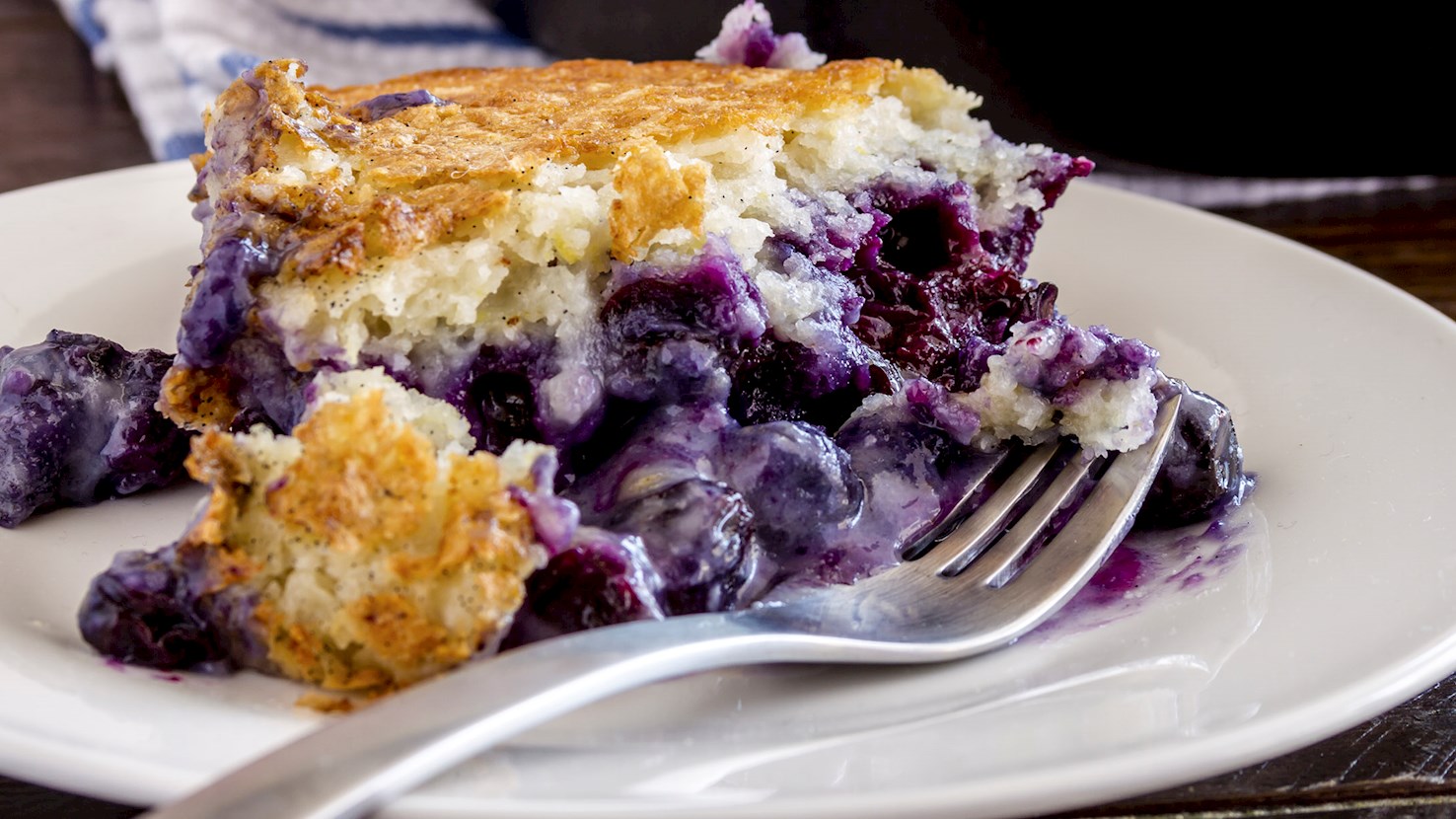
A deep-dish fruit dessert which combines fresh or frozen blueberries with a biscuit crust topping similar to golden cobblestones, the blueberry cobbler is an invention which belongs equally to Europeans, American pioneers, and Native Americans. The recipe for the pie was brought from Europe to America, where, during the 19th century, it was simplified to a cobbler – a dish which was suitable for preparation on the road. The Native Americans introduced the blueberries to the pilgrims, and the blueberry cobbler soon became a popular main dish which later evolved into a dessert. Today, it is most commonly prepared for the 4th of July celebrations, since blueberries are then at the peak of their season, and serving suggestions include a scoop of vanilla ice cream or whipped cream. July was proclaimed National Blueberry Month in the USA, while Canadians celebrate it in August.
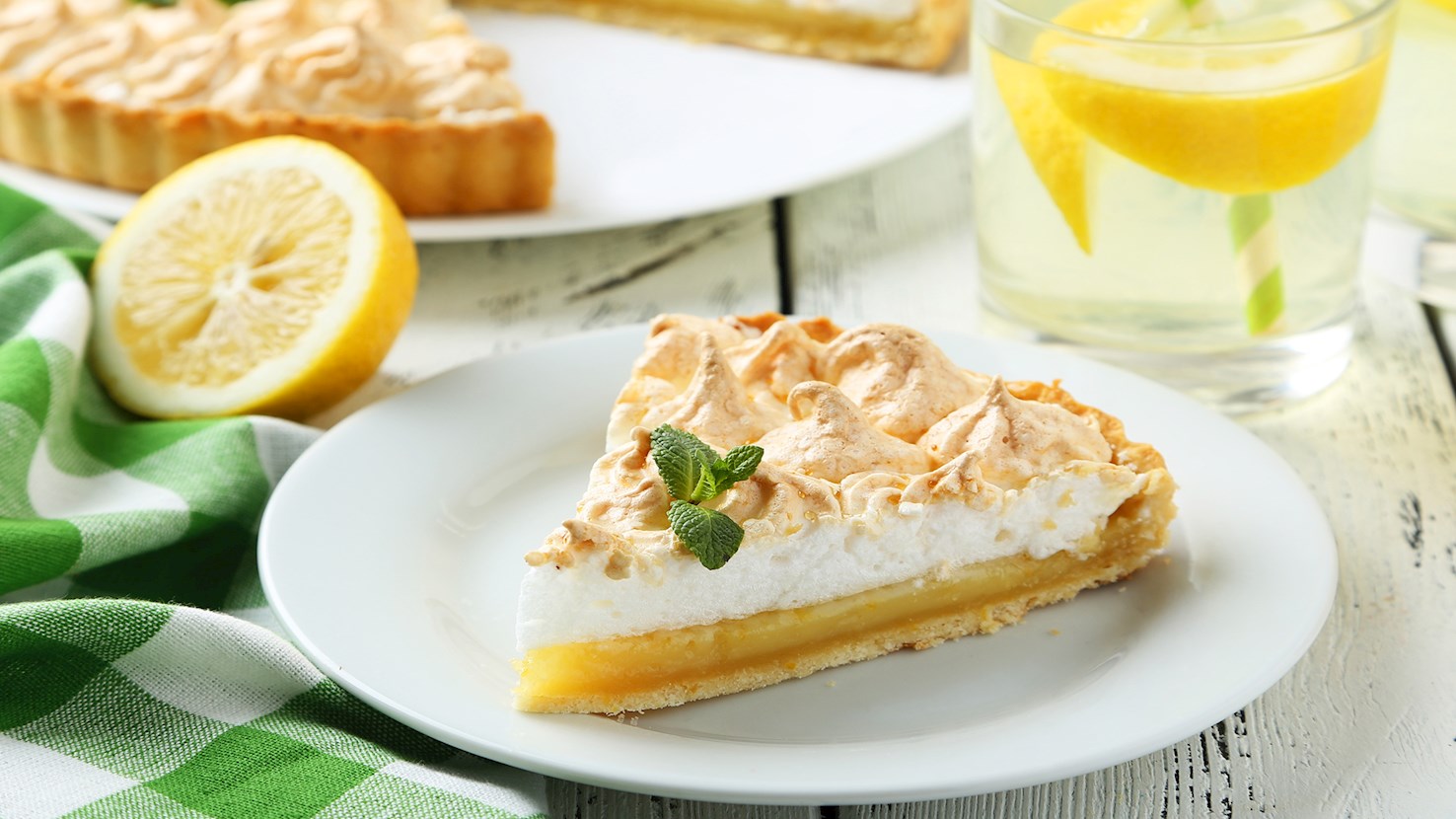
This baked dessert is made with a base layer of shortcrust pastry that is topped with lemon custard and fluffy meringue. The custard is usually made with a combination of lemon zest and juice, sugar, egg yolks, and (sometimes) starch. The origins of this sweet treat are murky and mysterious – some credit Elizabeth Coane Goodfellow of Philadelphia as the inventor, but her 18th-century recipe mentions lemon pudding, while the meringue is used in minimal amounts, as an accent. Other sources say that the first recorded recipe was written by Alexander Frehse, a Swiss baker, and some suggest that the botanist Emile Campbell-Browne had a similar recipe in Wigbeth, Dorset, in 1875. Regardless of the origins, lemon meringue pie has been the favorite of presidents, and it even has its own day – August 15, known as National Lemon Meringue Pie Day.
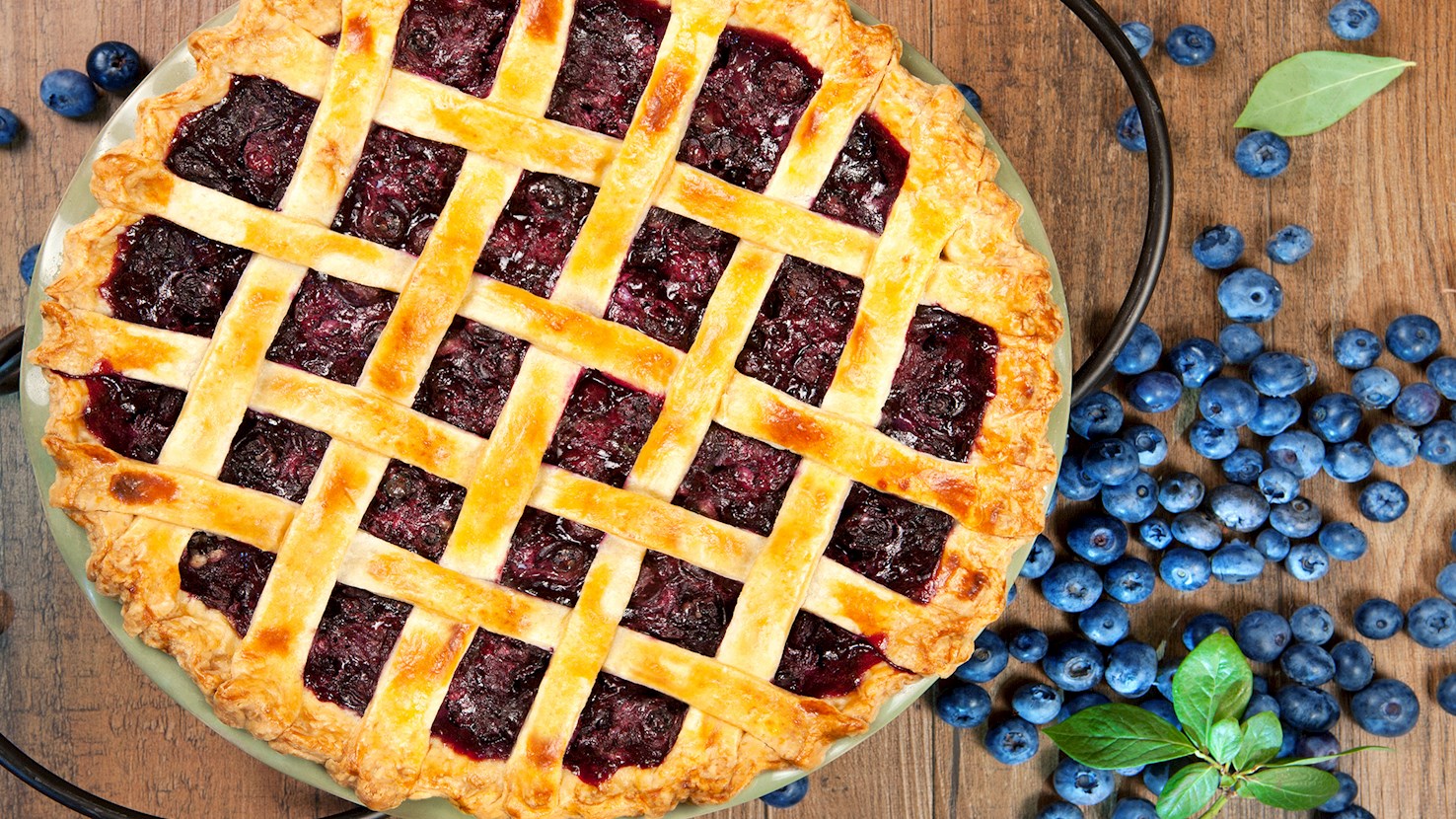
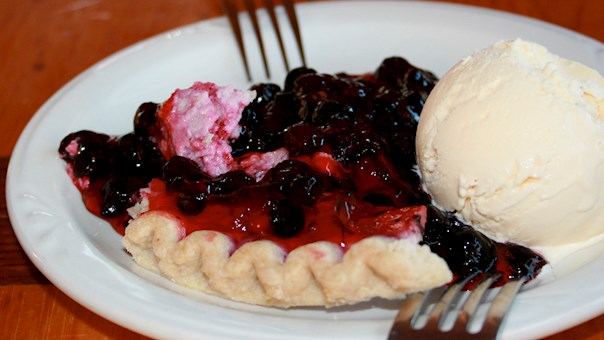
This true American classic consists of a thick, juicy blueberry filling enclosed between two layers of flaky, golden pastry. It first appeared in the written form in 1829, but its origin probably dates back to the early American pioneers. Even though it is traditionally associated with Maine, where it is declared as the official state dessert, the classic blueberry pie is a summer favorite enjoyed throughout the country, usually served with a scoop of ice cream or a dollop of whipped cream on the side.
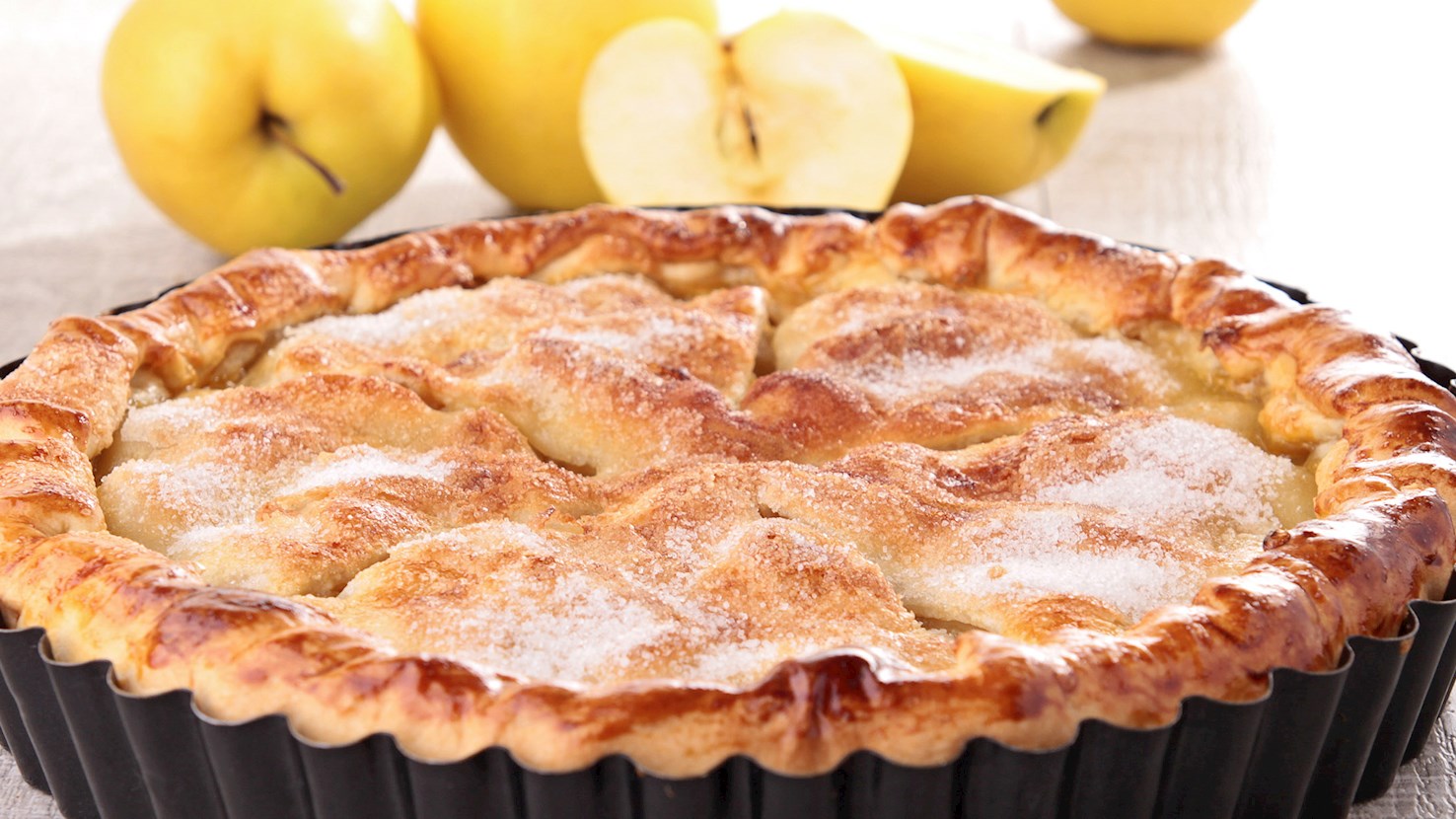
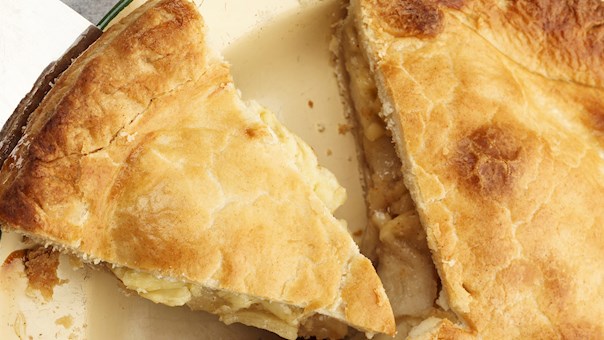
Although England has a long history of making meat and fruit pies, and it was the inspiration for the American versions, there is nothing that is more synonymous with American desserts than the apple pie. In the United States, apple pies are found everywhere from big grocery shops and restaurants to coffee shops and home bakers, baked until the double crust is golden brown, filled with cinnamon-sugar coated apples. Homemade American apple pie is a source of great pride, causing arguments about which apple variety is the most suitable for the best pies. Some swear by Granny Smiths, but they are sour and require too much sugar, resulting in a soggy crust. Others prefer Golden Delicious, the driest, but the least flavorful variety. Experts opt for the tart Cortland or the flavorful Northern Spy varieties, both at their prime between September and November. However, apple varieties are not the only concern. What about the crust? Should it be flaky and buttery or thin, crispy and based on lard? For a sweet and savory combination, some even replace half of the butter with Cheddar cheese, resulting in an unusual apple pie with a cheesy crust. The most popular variety in the US is probably apple pie à la mode, invented in Minnesota in 1885, and served with a scoop of ice cream on top. Regardless of the regional varieties and endless debates, apple pie is an American dessert like no other, best paired with a sweet Riesling wine.
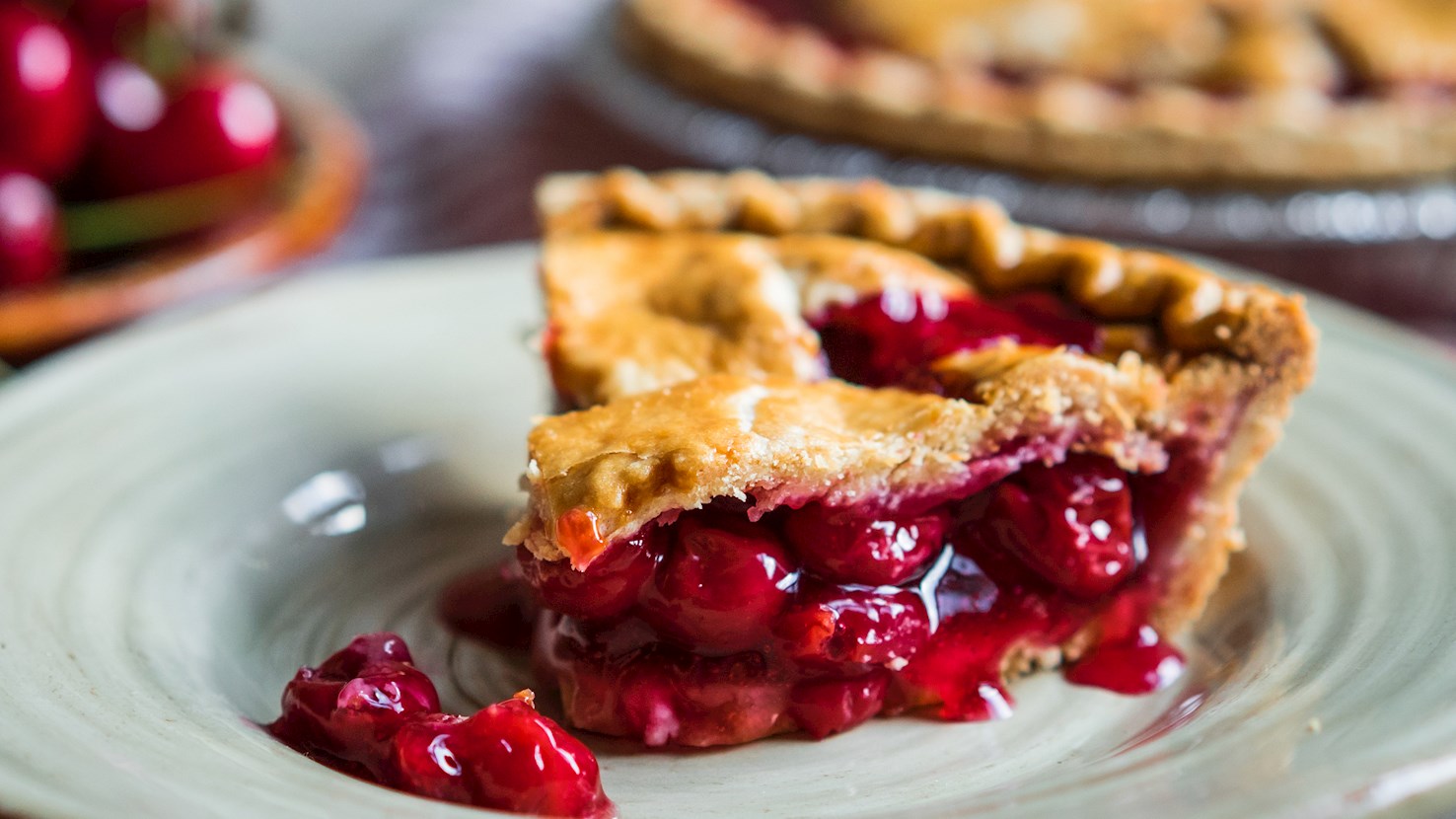
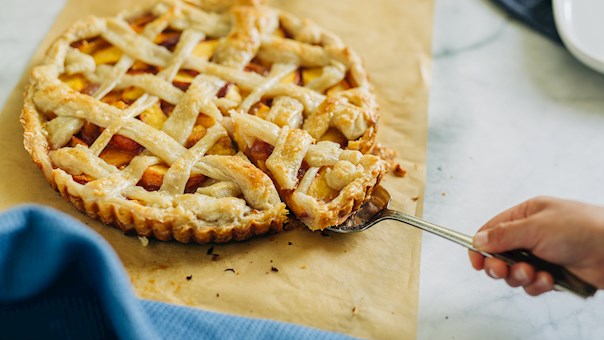
Cherry pie is an American classic that's beloved in North America and Europe, consisting of a pie crust that's filled with cherries and topped with a lattice crust or regular pie crust top. Morello cherries are most commonly used, but the pie can also be prepared with other types such as black cherries. Once baked, cherry pie is traditionally served with a cloud of whipped cream or a scoop of ice cream on the side. This dessert is also often mentioned in pop culture – most notably in the TV show Twin Peaks. In the US, the National Cherry Pie Day is celebrated on George Washington Day, also known as Presidents' Day.
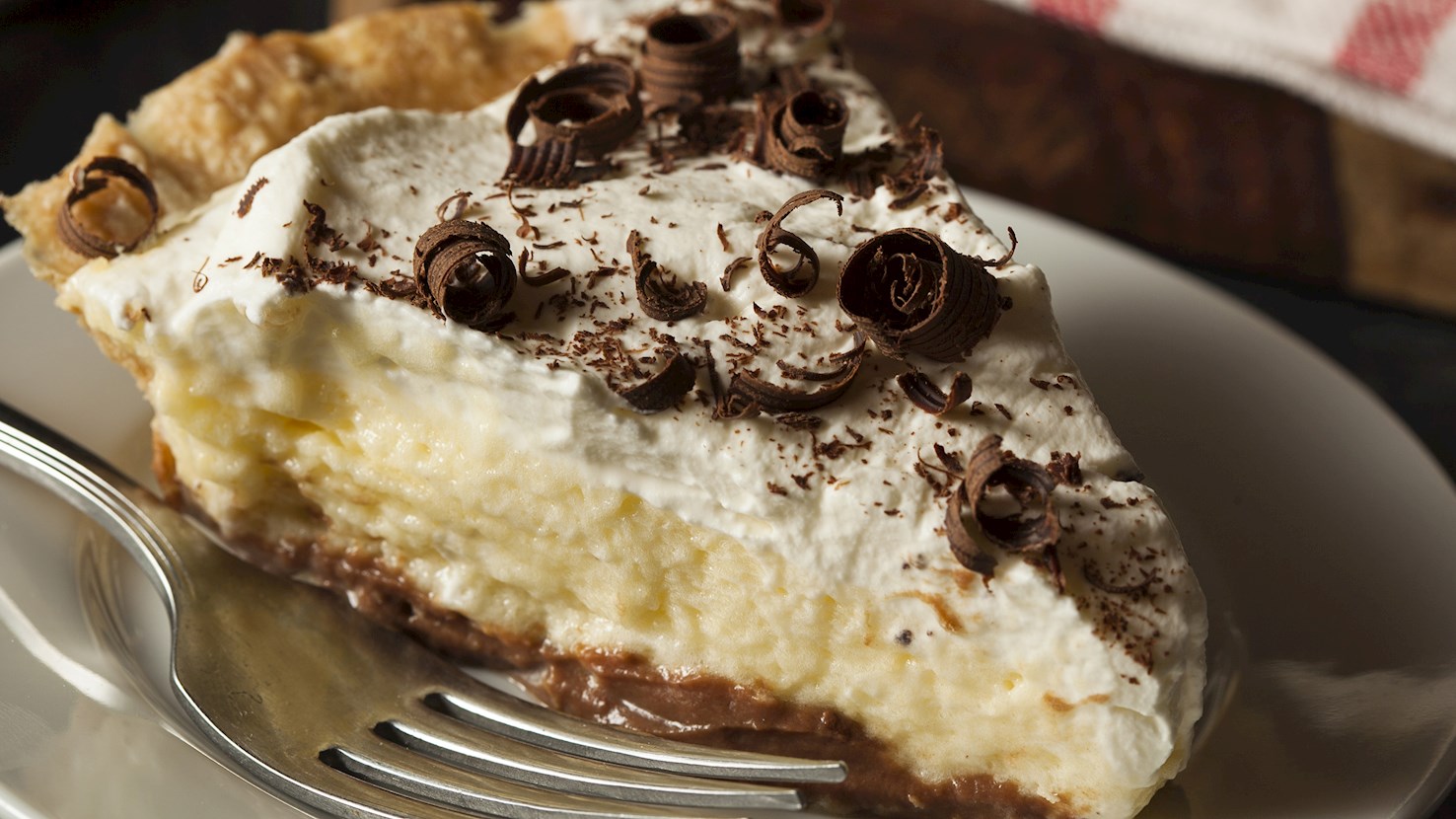
Originating in the early 1940s in the American South, black bottom pie is a sweet dessert consisting of a chocolate pastry cream that is flavored with rum and vanilla, and a crust made with butter, sugar, and crumbled cookies. The pie is typically topped with stiff meringue peaks or whipped cream, then garnished with chocolate shavings. When fully chilled, it can be served and consumed. Today, there are many version of this dessert with added coconut, lemon, strawberries, or bananas.
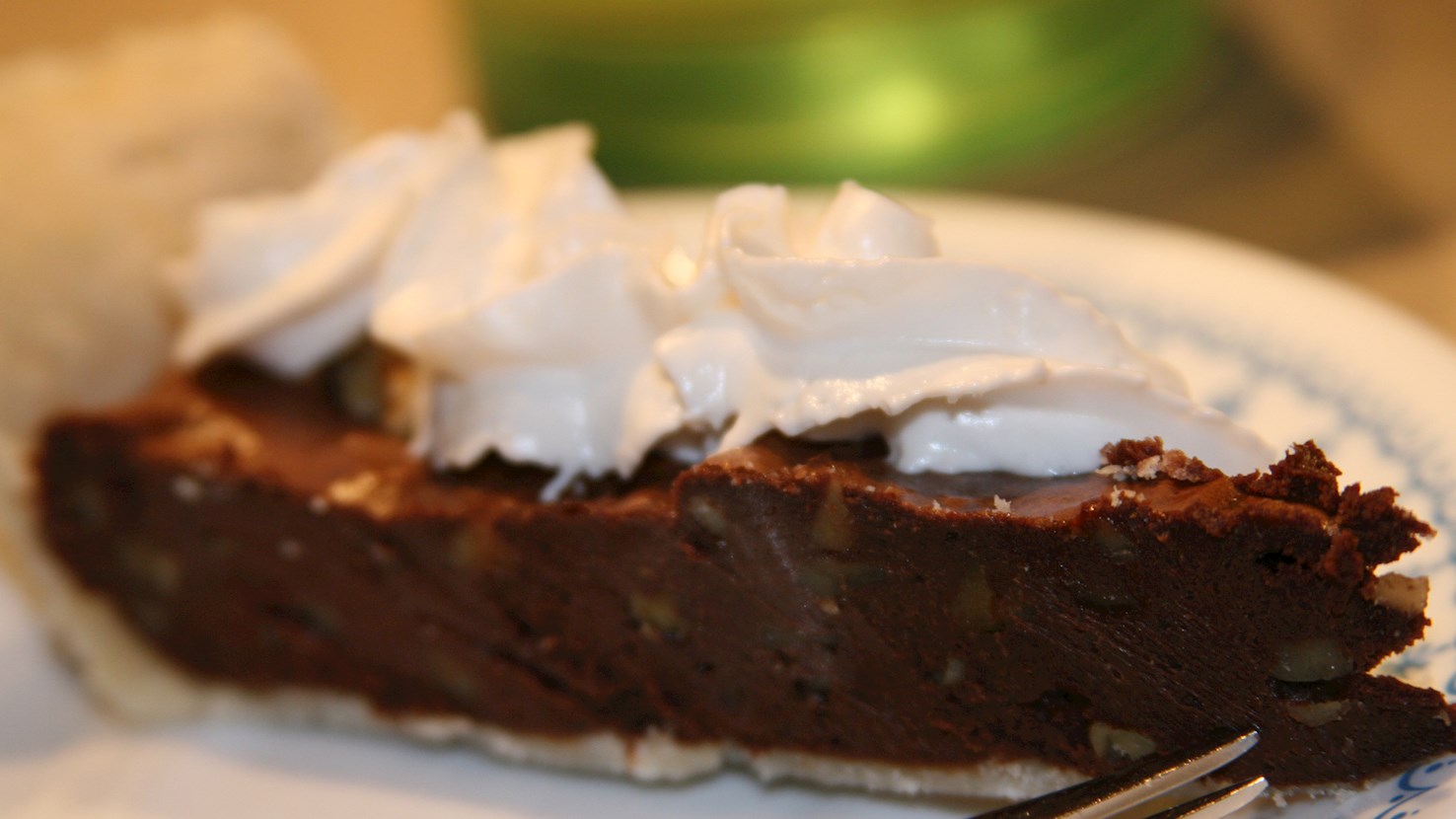
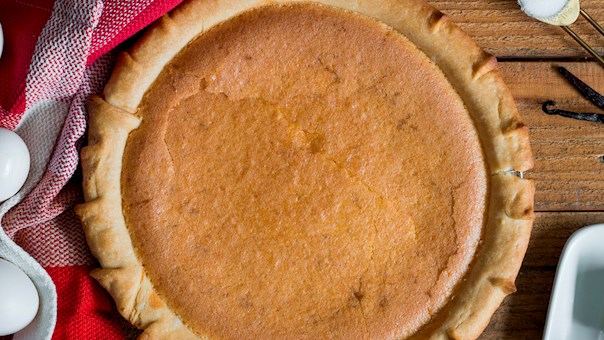
Fudge pie is a traditional pie hailing from Tennessee. It's made with a combination of butter, semi-sweet chocolate, salt, sugar, cocoa, eggs, vanilla extract, and evaporated milk. Once mixed, the combination is poured into a pie crust and it's then baked until the crust becomes golden. Before slicing, the pie should be completely cooled. It's recommended to serve fudge pie with a cloud of whipped cream on top. The pie is popular throughout the South, and it was first prepared in the early 1900s. Not much later, it was a staple at family reunions and church suppers, and nowadays it's often enriched with walnuts or pecans.
TasteAtlas food rankings are based on the ratings of the TasteAtlas audience, with a series of mechanisms that recognize real users and that ignore bot,
nationalist or local patriotic ratings, and give additional value to the ratings of users that the system recognizes as knowledgeable.
For the “Top 40 American Sweet Pies” list until June 15, 2026, 2,516 ratings were recorded, of which 2,324 were recognized by the system as legitimate.
TasteAtlas Rankings should not be seen as the final global conclusion about food. Their purpose is to promote excellent local foods,
instill pride in traditional dishes, and arouse curiosity about dishes you haven’t tried.