

shutterstock

Top 8 Sweet Soups
in East Asia

Last updated on May 15, 2026
01

Mango pomelo sago

3.8 ·

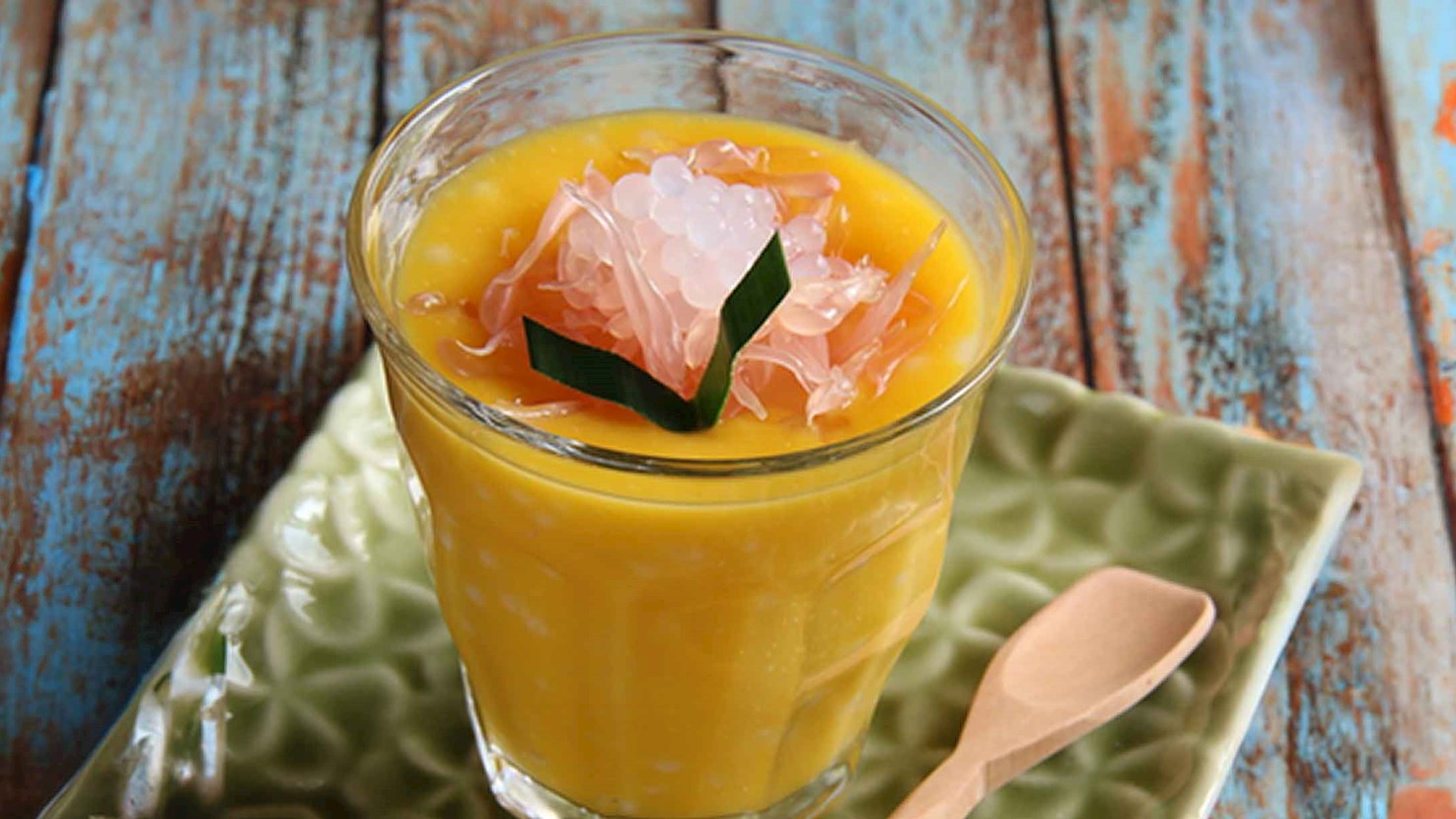
Invented in 1984 in Lei Garden’s Singapore branch, mango pomelo sago is a refreshing summer dessert made with mango, pomelo, sago, whole milk or evaporated milk, and coconut milk. Apart from Hong Kong, the dessert is also popular in Singapore and Taiwan.

02

Sao mai lo (Sago in coconut milk)

3.7 ·

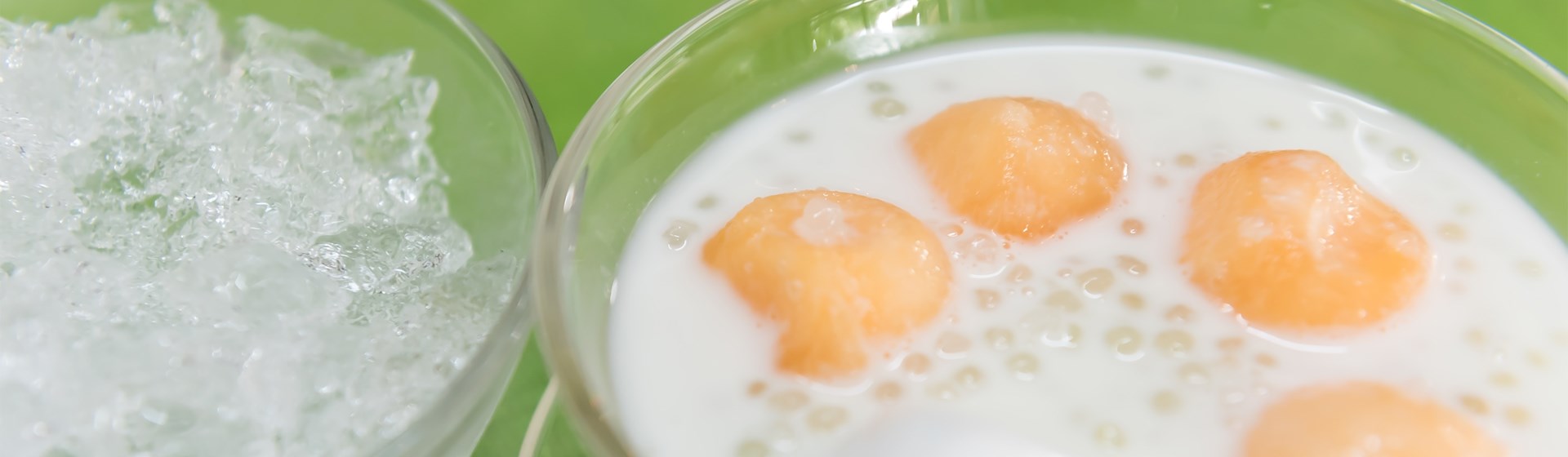
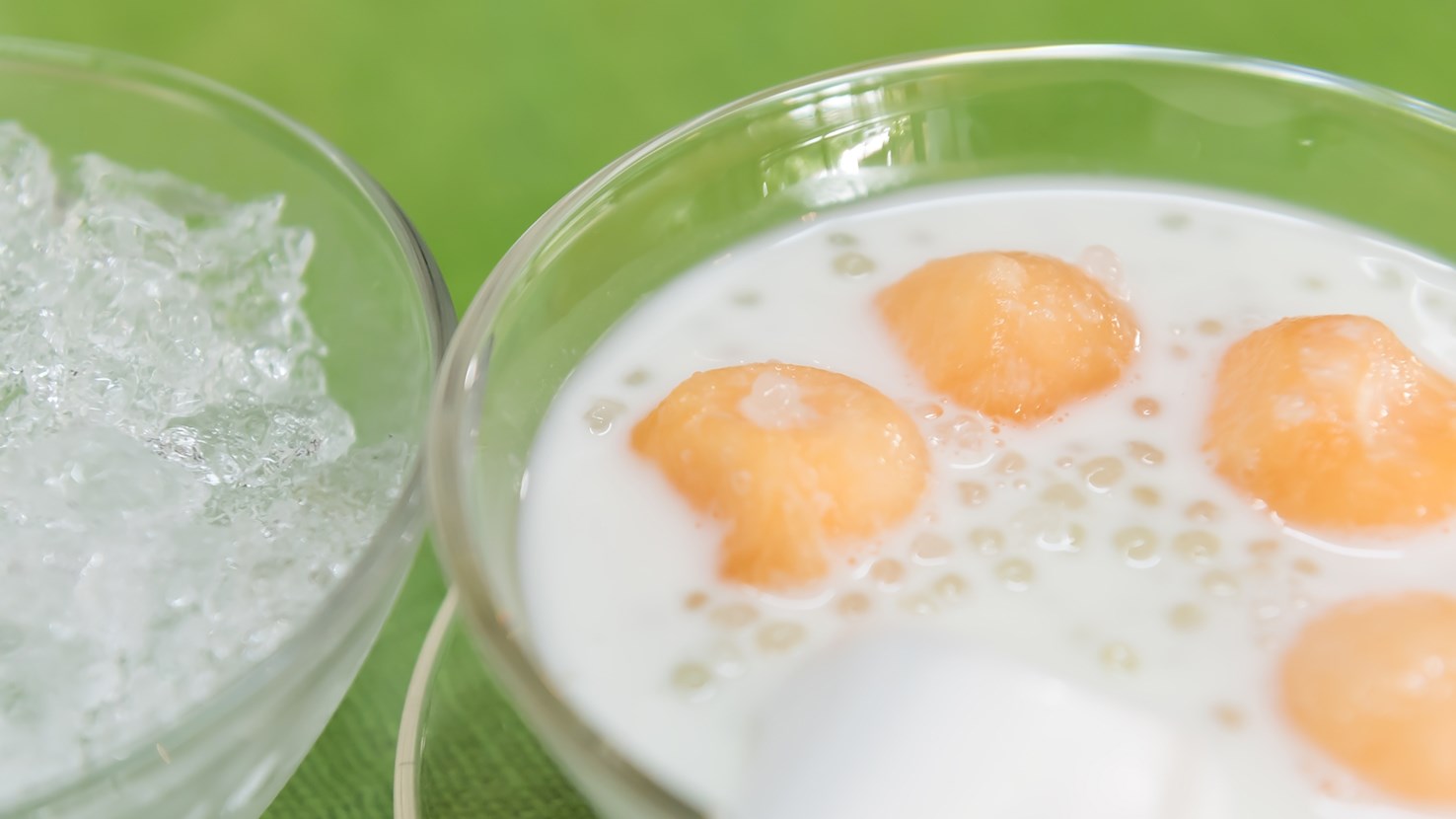
Sago pearls (also known as tapioca pearls) in coconut milk are a type of Cantonese tong sui (lit. sugar water; dessert soup). This simple treat can be found in many dim-sum eateries in Guangzhou and Hong Kong, where it is served as a perfect ending to a meal. Also, for a refreshing summer dessert, sao mai lo is often mixed with fresh fruits like mango, pomelo and strawberries.

03

Zhi ma hu (Black sesame soup)

3.6 ·

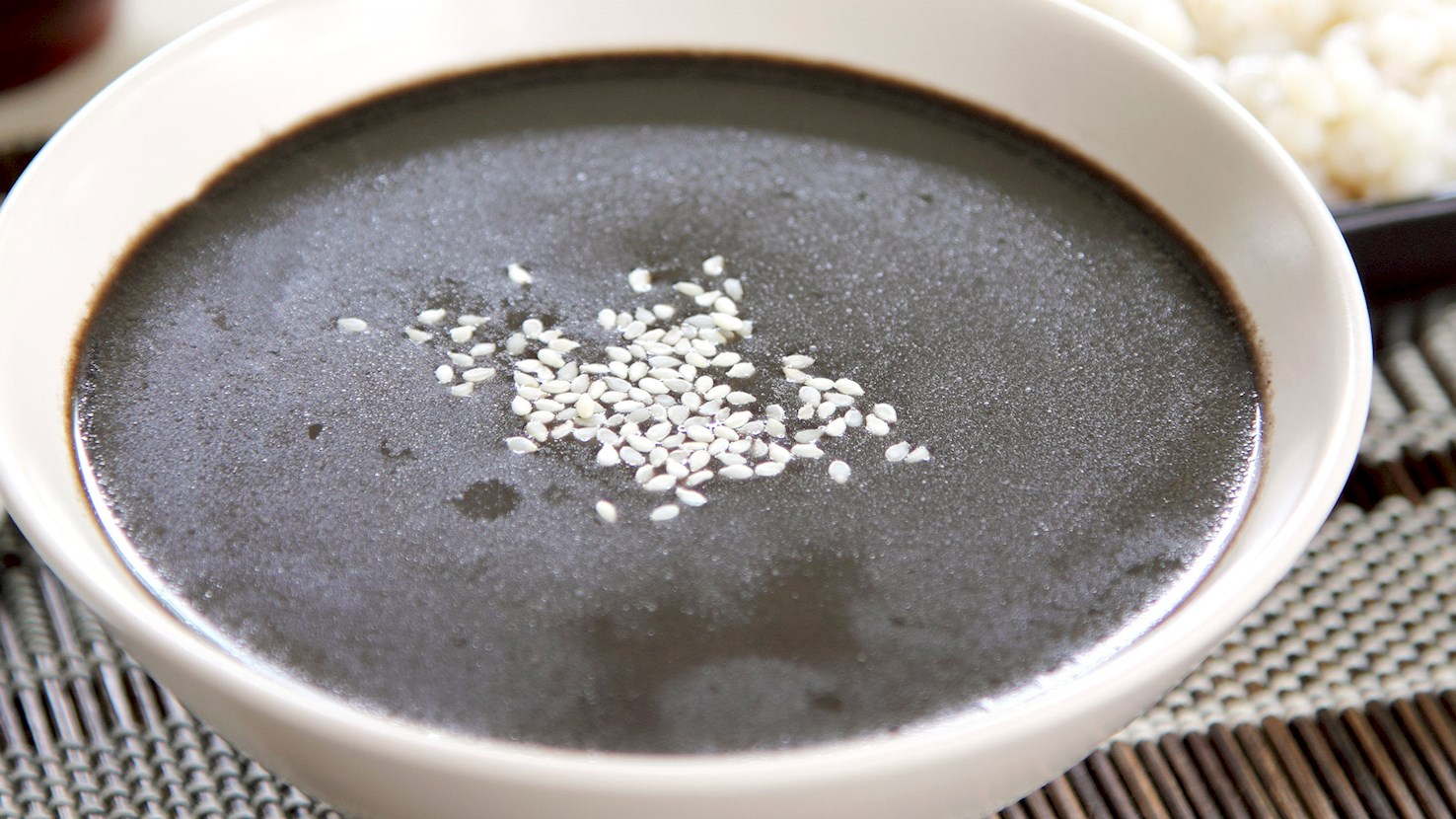
The smooth, velvety zhi ma hu or black sesame soup is a variety of Chinese tong sui (lit. sugar water), a dessert soup commonly enjoyed for breakfast, after meals, or served for teatime accompanied by dim sum, the traditional Cantonese bite-sized tea snacks. Particularly popular in southern China and Hong Kong, this dessert boasts numerous health benefits, thanks to the extremely nutrient black sesame seeds which are rich in vitamin B, magnesium, calcium, manganese, and iron. Zhi ma hu is known to improve digestion, kidney function, prevent gallstones, and reduce blood fat. The Chinese also believe that it helps to darken and strengthen hair. A simple but elegant dessert, black sesame soup is not only pleasing to the eye, but an amazingly fragrant mélange of earthy and nutty flavors with a distinctive peppery finish.

04

Tang yuan

3.6 ·

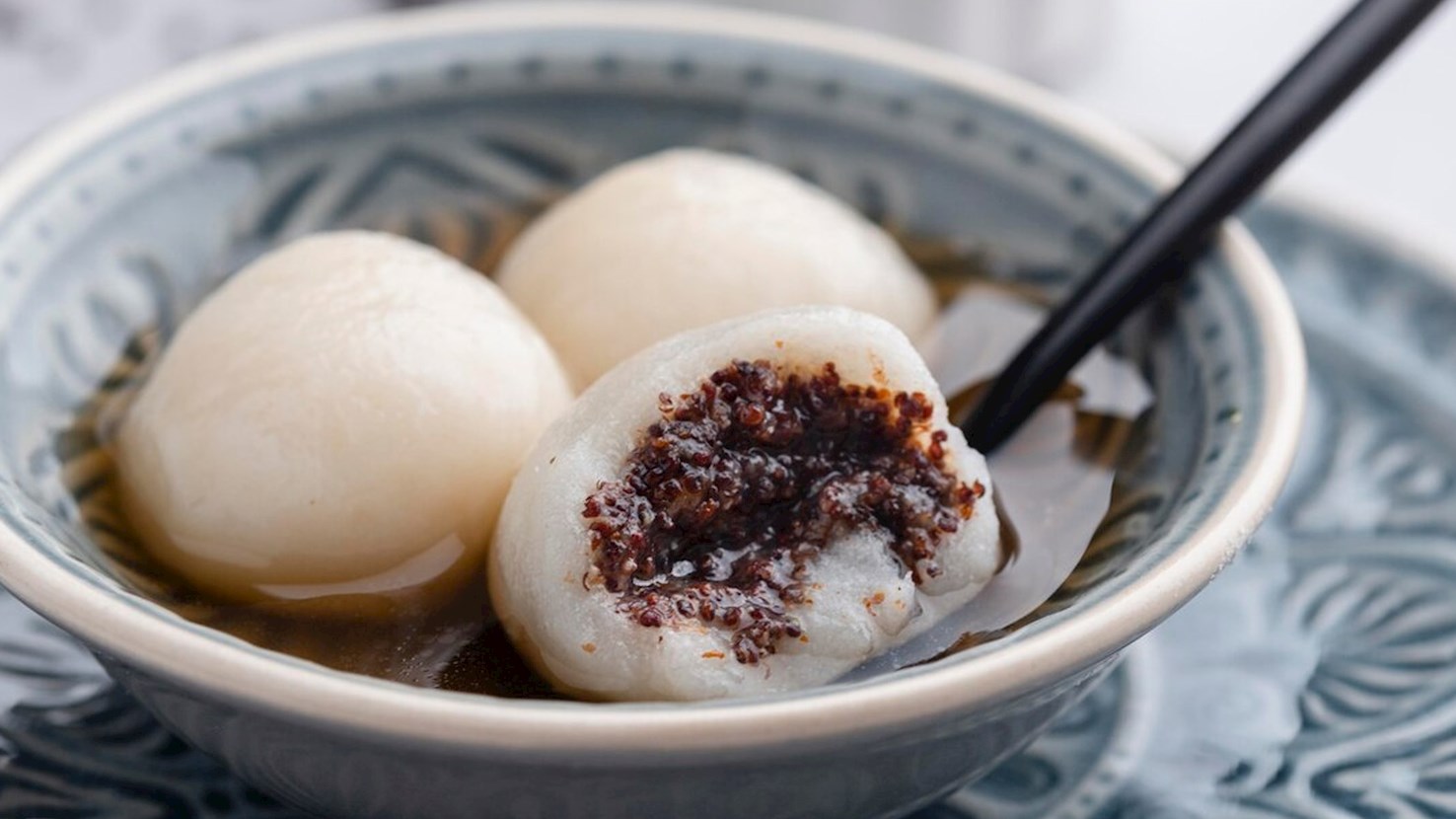
Tangyuan is a traditional dessert consisting of glutinous rice flour balls, which are soft and chewy, and can be either small and plain or larger with fillings. The fillings vary but commonly include sweetened black sesame, peanut, red bean paste, or even fruit fillings. Tangyuan can be served in a thin sweet soup or broth, which can be flavored with ginger, osmanthus flowers, or simply a clear sweet syrup. It is often served during the Lantern Festival, which marks the end of Chinese New Year celebrations. The dish symbolizes family unity and happiness, as the round shape of the tangyuan is associated with completeness and togetherness. Eating tangyuan during the Lantern Festival is a way to celebrate family reunions and the beginning of spring.

05

Hong dou tang (Red bean soup)

3.6 ·

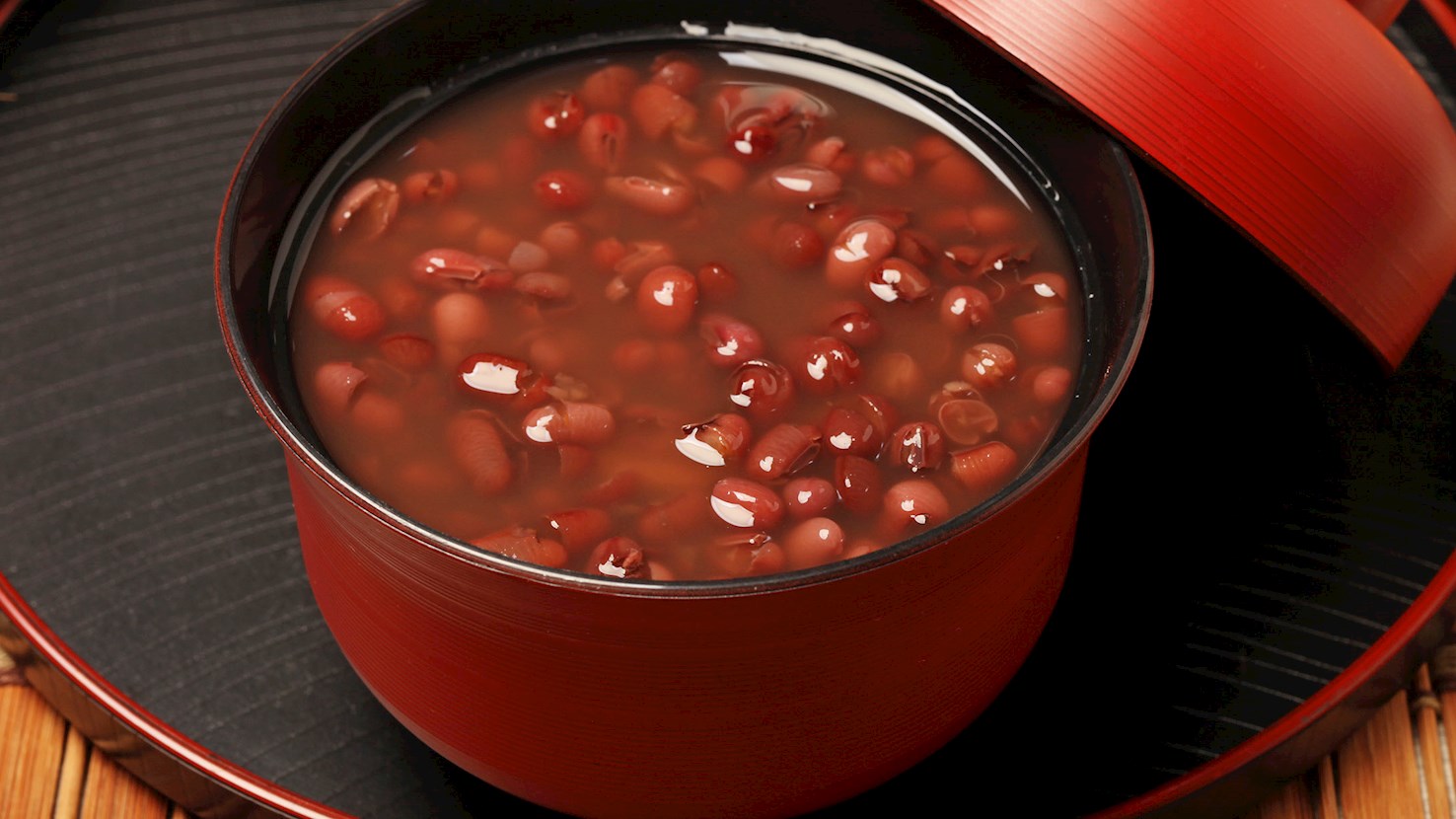
Red bean soup is a classic Chinese soup that is commonly consumed as a dessert, made from red azuki beans, lotus seeds, and tangerine or orange peel. The soup isn't too sweet, and has a subtle sweetness instead, ideal for rounding off a large Chinese meal. Red bean soup can be served hot in winter or cool during summer. Dates, sago, longan, and coconut milk can all be added in the preparation of this soup, which is considered to be one of the healthiest soups in China because it is rich in vitamins, boosts immunity, and helps against constipation.

06

Zenzai

3.5 ·

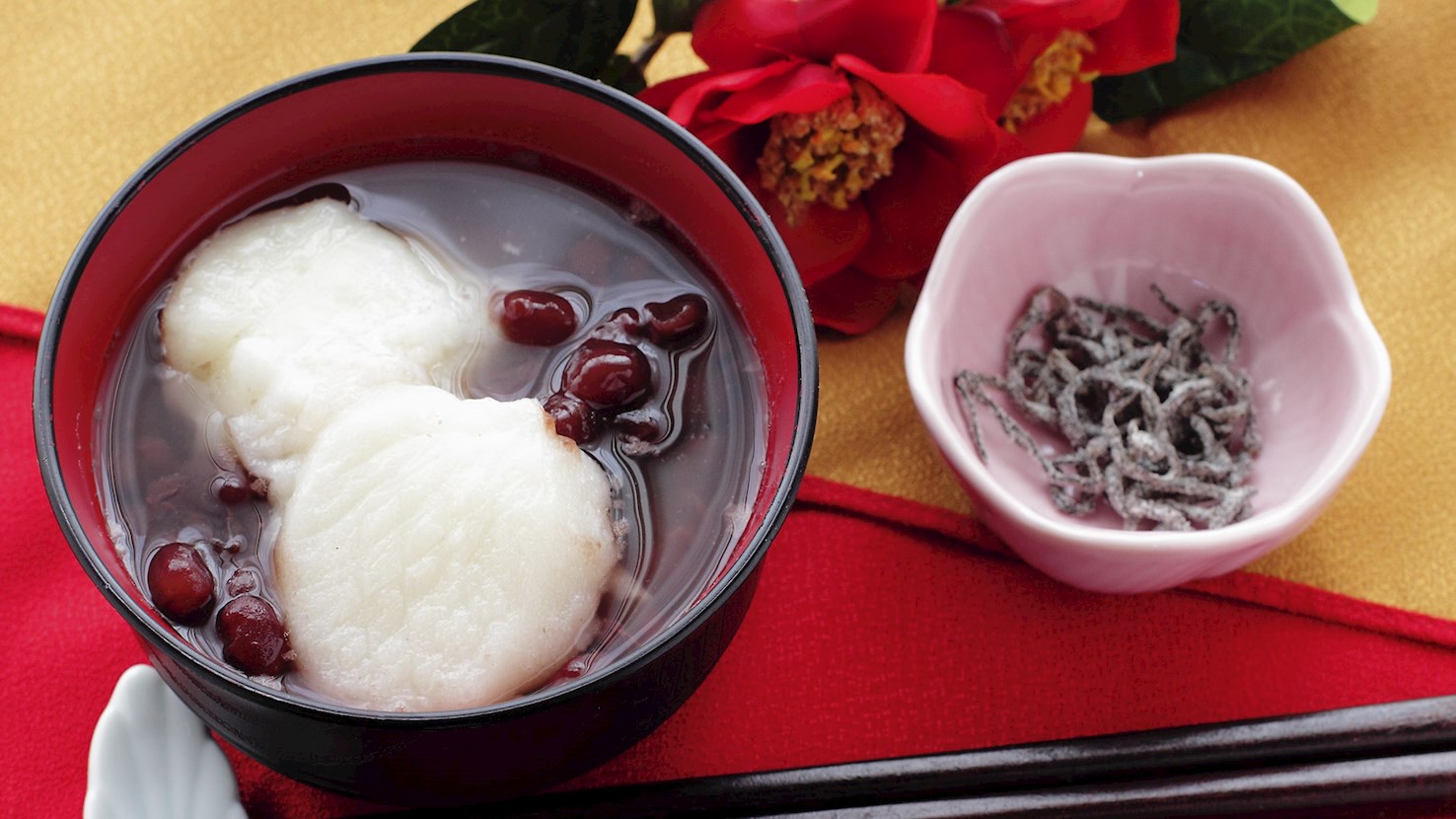
Japanese zenzai is an unusual dessert which combines thick red bean soup with mochi, the famous sticky rice cake. It can be made by boiling dried red beans or diluting anko (sweetened red bean paste) in water. The soup can either have a coarse or a completely smooth texture. Zenzai can be enriched with different flavors such as orange zest, but the flavor should generally be subtle and earthy with a hint of sweetness. Before serving, the hot mochi cakes which have been heated or grilled are placed into this hearty liquid dessert. Zenzai is eaten with a spoon and chopsticks, and it is occasionally served with sour ingredients such as pickled plums or kombu tea, which contrast nicely with the sweetness of the soup. Although it is a traditional and comforting winter dessert that is usually eaten warm, zenzai can be chilled and served during summer, usually alongside a few scoops of ice cream. Across Japan, there are different varieties of zenzai, such as the Okinawa version made with green beans, or the soba zenzai made buckwheat dumplings. It is believed that the dish was introduced to Japanese cuisine in the 18th century after sugar was brought to the country. Zenzai and its varieties are also eaten outside Japan, primarily in China, North Korea, and Vietnam.

07

Yin er tang (Snow fungus soup)

3.3 ·

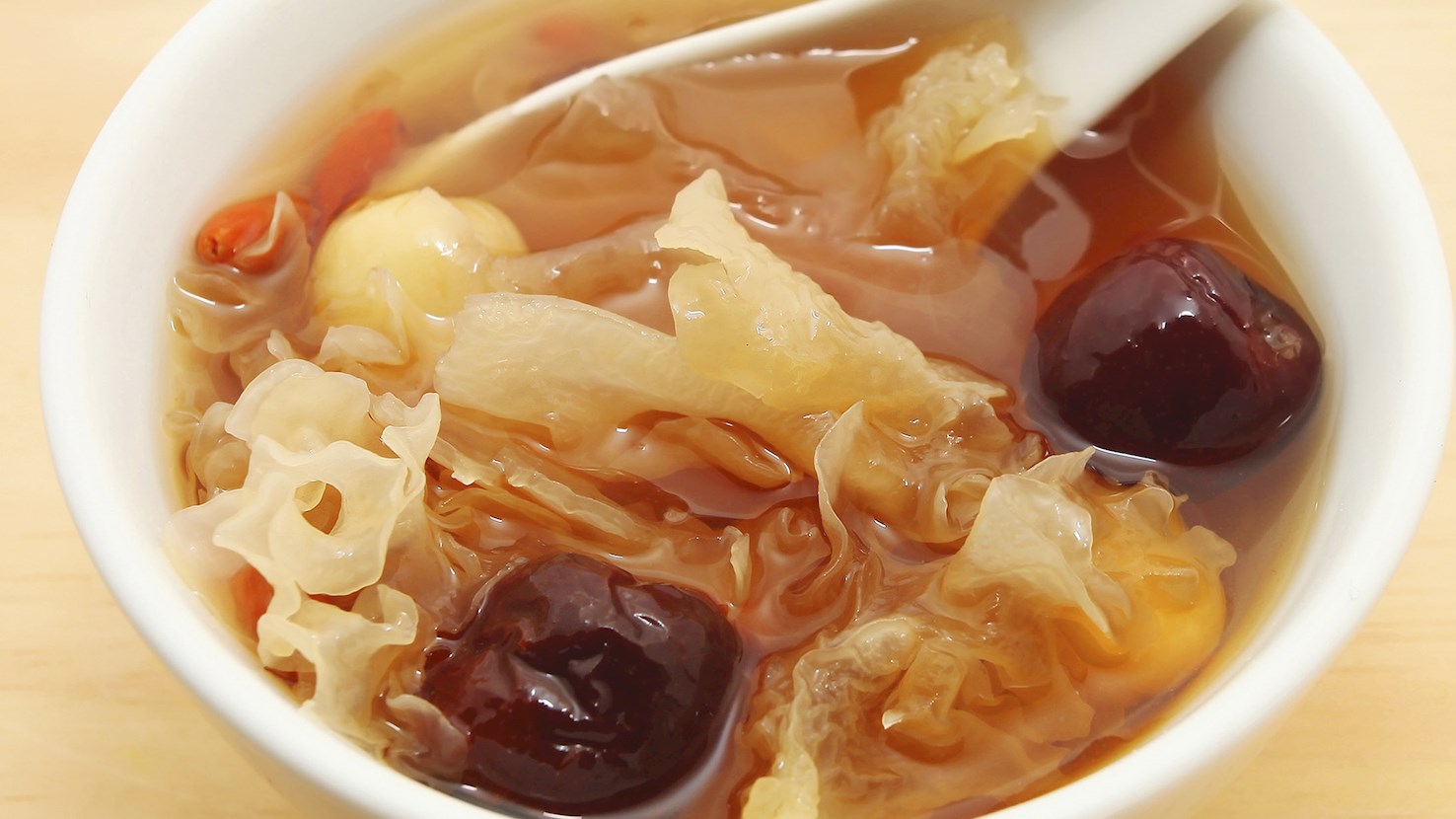
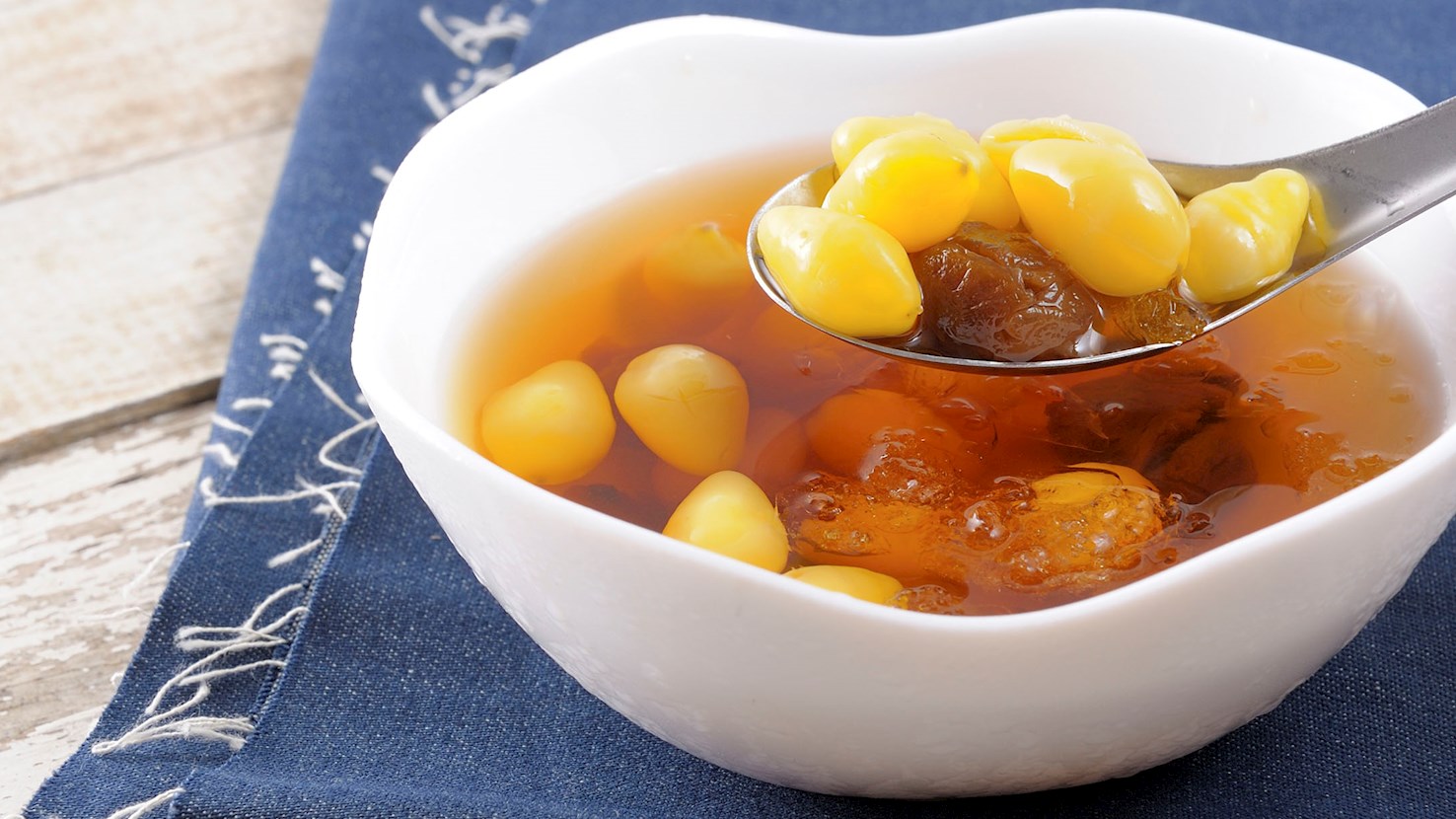
Snow fungus soup is a Chinese delicacy incorporating snow fungus, an edible fungus that grows on trees and has been used since ancient times as a remedy. It is believed that snow fungus can nourish the lungs, and it is especially beneficial for women. Cooking snow fungus soup is a time-consuming process since it needs to be soaked for at least 4 hours before being cooked with sugar, and ideally, red dates, lotus seeds, gingko nuts, and wolfberries. The soup is served as a dessert and is often prepared for Chinese New Year and other festive occasions. Its sweet flavor also symbolizes sweet blessings in Chinese culture.

08

Tong sui

3.2 ·

Originally a Cantonese specialty, tong sui (lit. sugar water) is a type of sweet soup or a custard-like dessert made with a base of either water or coconut milk. Extremely popular throughout the country, these sugary treats are nowadays found in tong sui shops but also at numerous food stalls, freshly prepared by street vendors. Tong sui desserts are available in a myriad of different colors and an unlimited selection of flavors, ranging from the simple fruity varieties and tofu puddings to the gaggingly bizarre ones such as guilinggao - powdered tortoise shell jelly or hasma - a sweet soup made with frogs' fallopian tubes! As an example of some appetizing combinations, Chinese dessert soups are often flavored with mango, pomelo, strawberries, citrus peels, pearl tapioca, or vanilla bean, peanut or black sesame paste, and almond or walnut flour. Most common tong sui toppings include ice cream, fresh fruits, and the bittersweet herbal grass jelly, while the chewy, glutinous rice dough balls called tong yuan are another popular addition to these soups. Depending on the season, tong sui can be enjoyed either hot or cold.

About this ranking

TasteAtlas food rankings are based on the ratings of the TasteAtlas audience, with a series of mechanisms that recognize real users and that ignore bot, nationalist or local patriotic ratings, and give additional value to the ratings of users that the system recognizes as knowledgeable. For the “Top 8 Sweet Soups in East Asia” list until May 15, 2026, 317 ratings were recorded, of which 264 were recognized by the system as legitimate. TasteAtlas Rankings should not be seen as the final global conclusion about food. Their purpose is to promote excellent local foods, instill pride in traditional dishes, and arouse curiosity about dishes you haven’t tried.

Similar lists