

shutterstock

74 Tapas Varieties
Ranked From the Best To the Worst

Last updated on November 17, 2026
01

Gambas al ajillo

4.4 ·

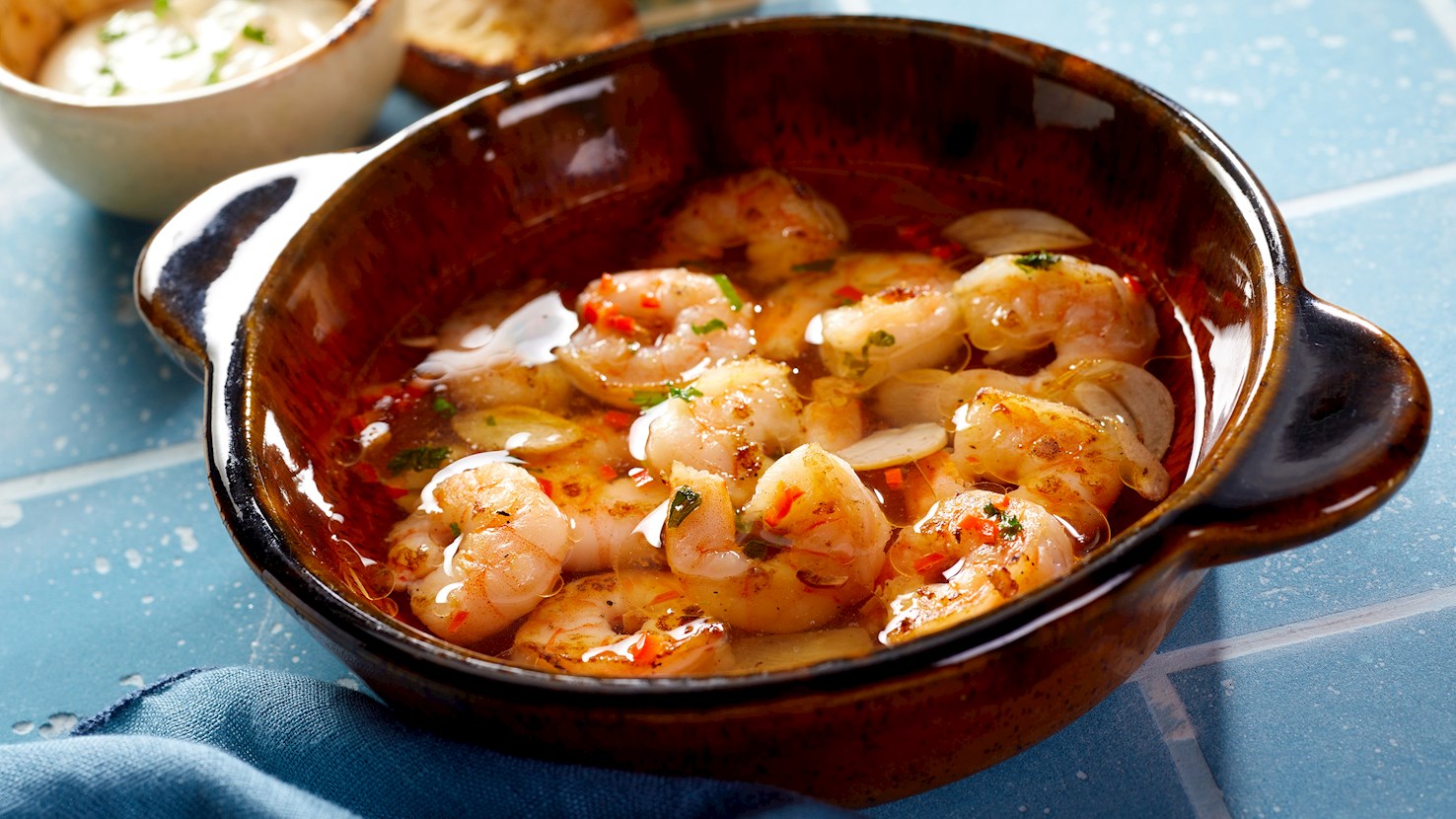
Gambas al ajillo is a popular Spanish appetizer consisting of shrimps that are sautéed in a pan with minced garlic, lemon juice, paprika, and olive oil. The dish is usually consumed as a tapa. It is recommended to garnish gambas al ajillo with chopped parsley and pair it with some crusty bread on the side, which is useful for mopping up the flavorful sauce.

02

Rabas

4.3 ·

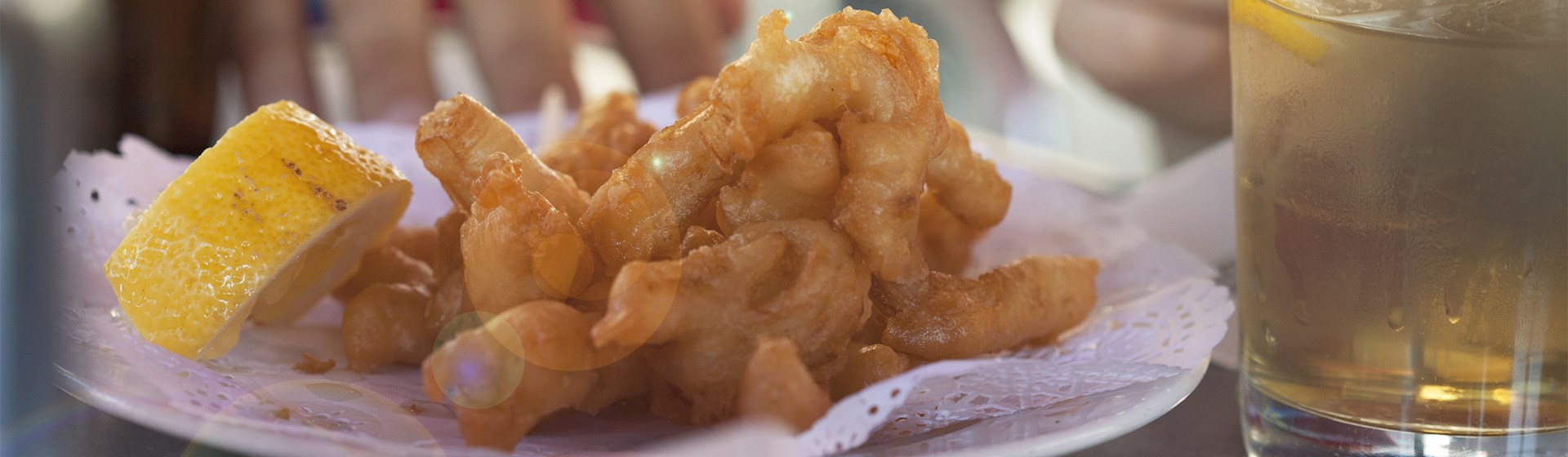
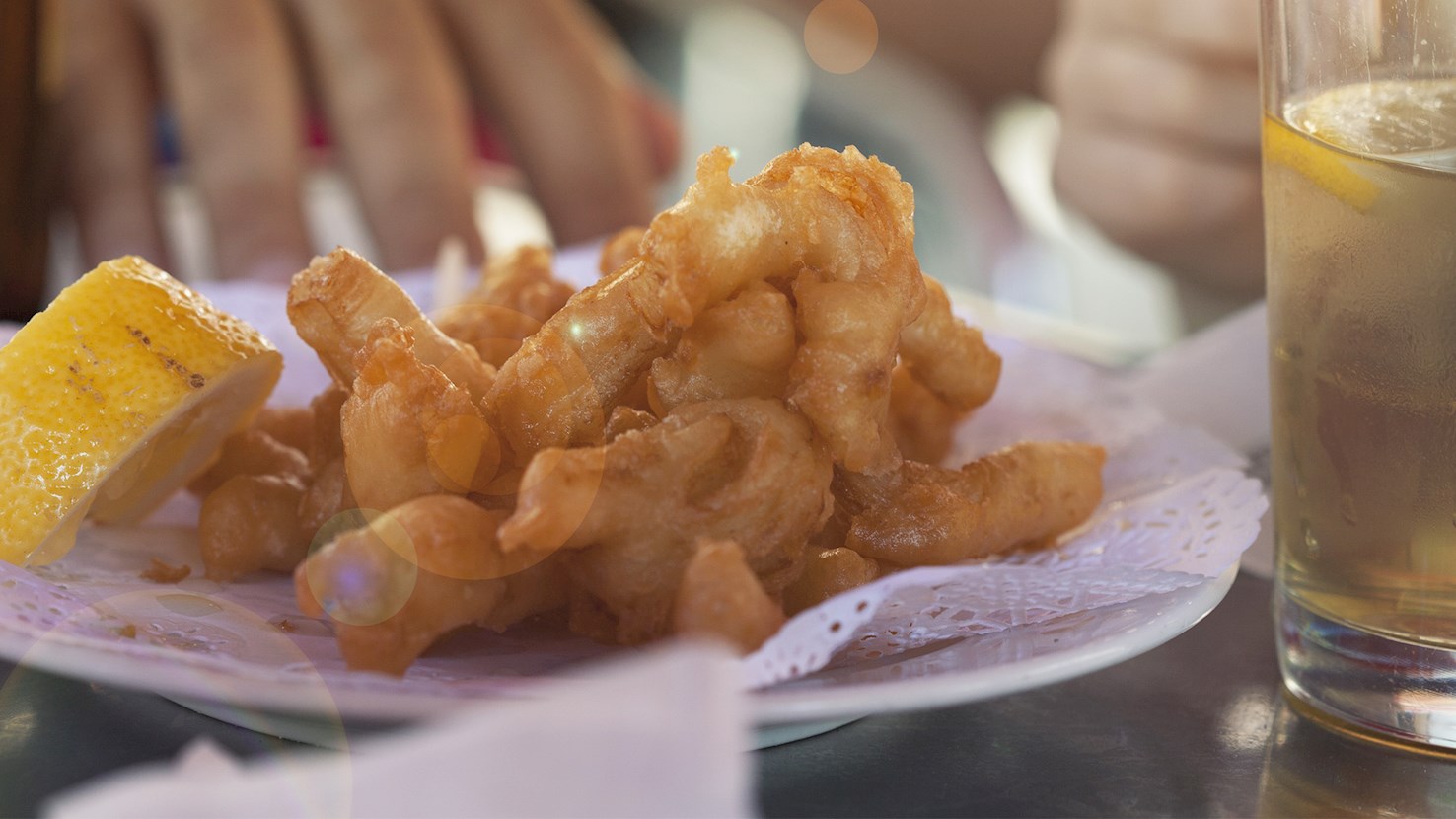
Rabas or fried squid is the quintessential seafood tapa of the Cantabrian coast. Made with sliced squid strips or rings that are lightly battered or breaded before they are fried to crispy perfection, this dish is best savored when lightly seasoned with salt and with an optional drizzle of fresh lemon juice. There are numerous variations on the dish depending on the species of squid, the type of flour, or the oil used in the preparation, as well as the preferred version of cutting the squid (strips, rings, or other shapes). The best rabas are, nevertheless, those made with fresh squid, defined by a firm consistency, thin coating, tender bite, and natural seawater flavor. This Spanish appetizer pairs well with a glass of dry white wine or a cold beer and is available in almost any bar and restaurant throughout the region.

03

Gambas à la plancha

4.3 ·

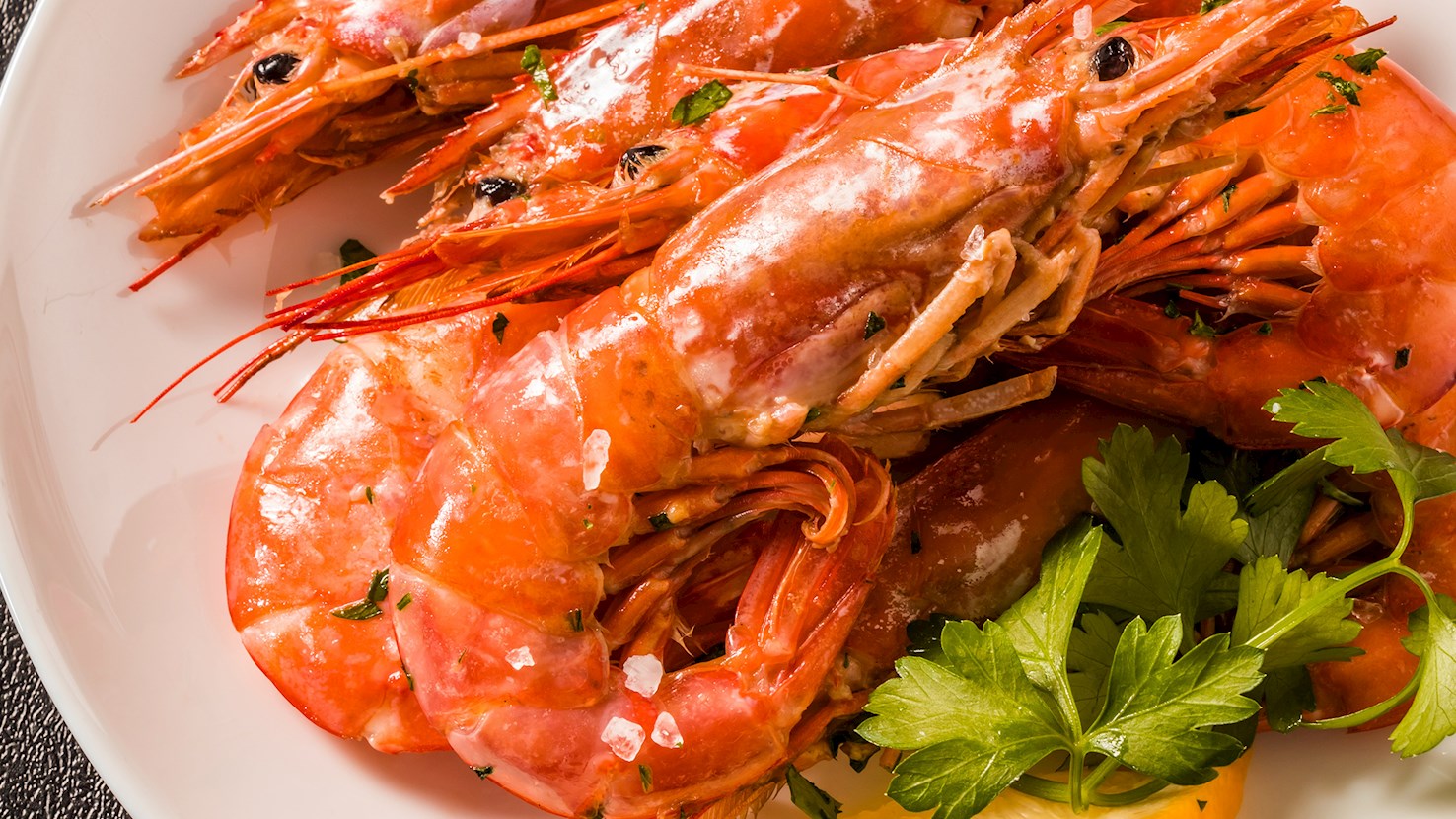
This is a traditional tapa dish where whole shrimps are seasoned with salt, then quickly grilled on an iron skillet over high heat. It is recommended to enjoy them simply with a few squeezes of lemon or lime juice on top, while black pepper is optional, according to personal preferences. Pair the shrimps with a cold beer or a glass of wine on the side.

04

Chistorra

4.2 ·

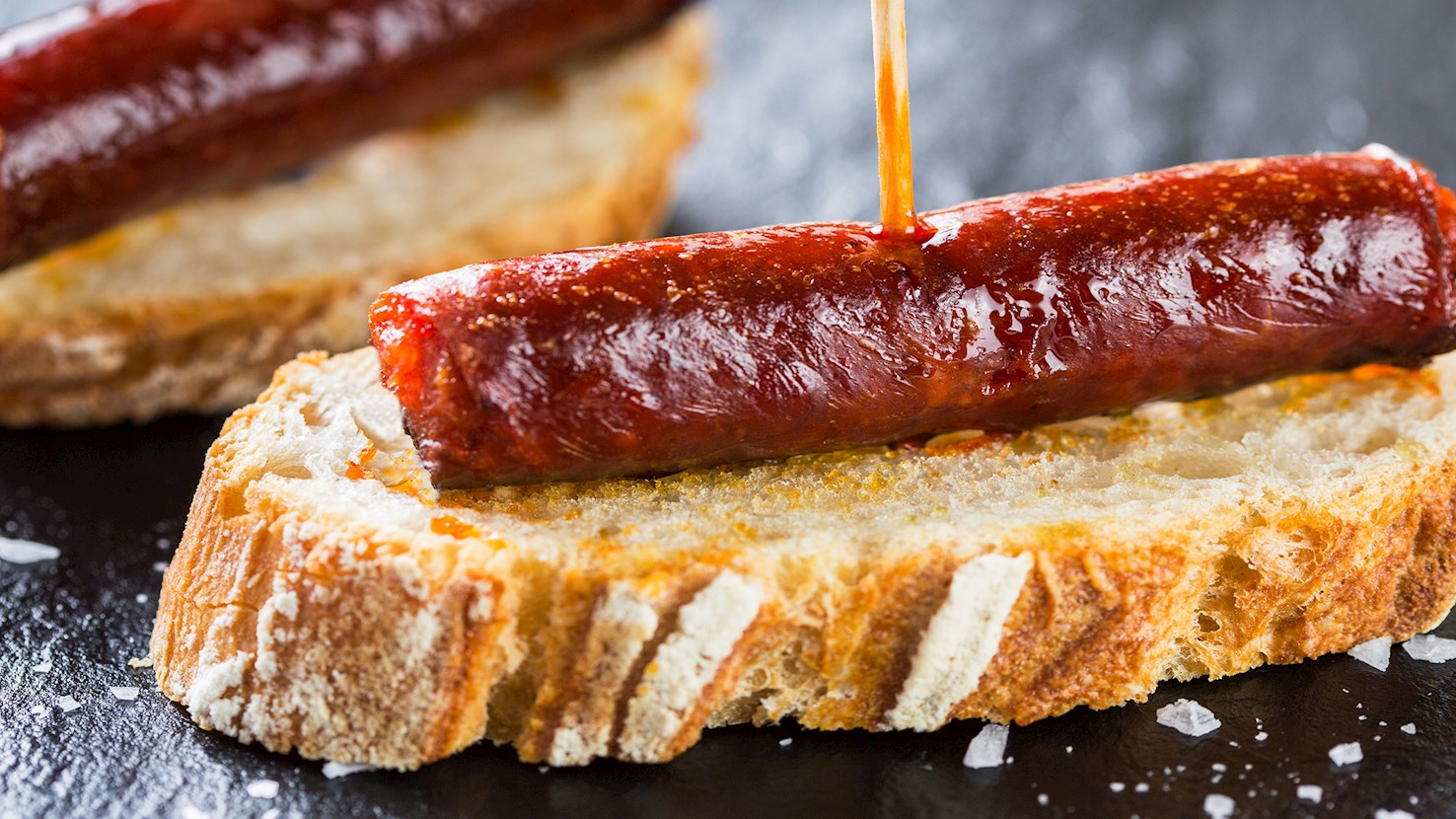
Chistorra is a fast-cured sausage made from pork, either from the belly or the jowl. Minced pork is sometimes combined with minced beef, and the sausage is traditionally flavored with garlic, salt, and paprika, which gives the sausage its characteristical red color. This versatile sausage can be fried, grilled, or baked, and it is often used for tapas or as an accompaniment to other dishes. It can be found in the Basque Country, Aragon, and Navarre.

05

Croquetas de jamón

4.2 ·

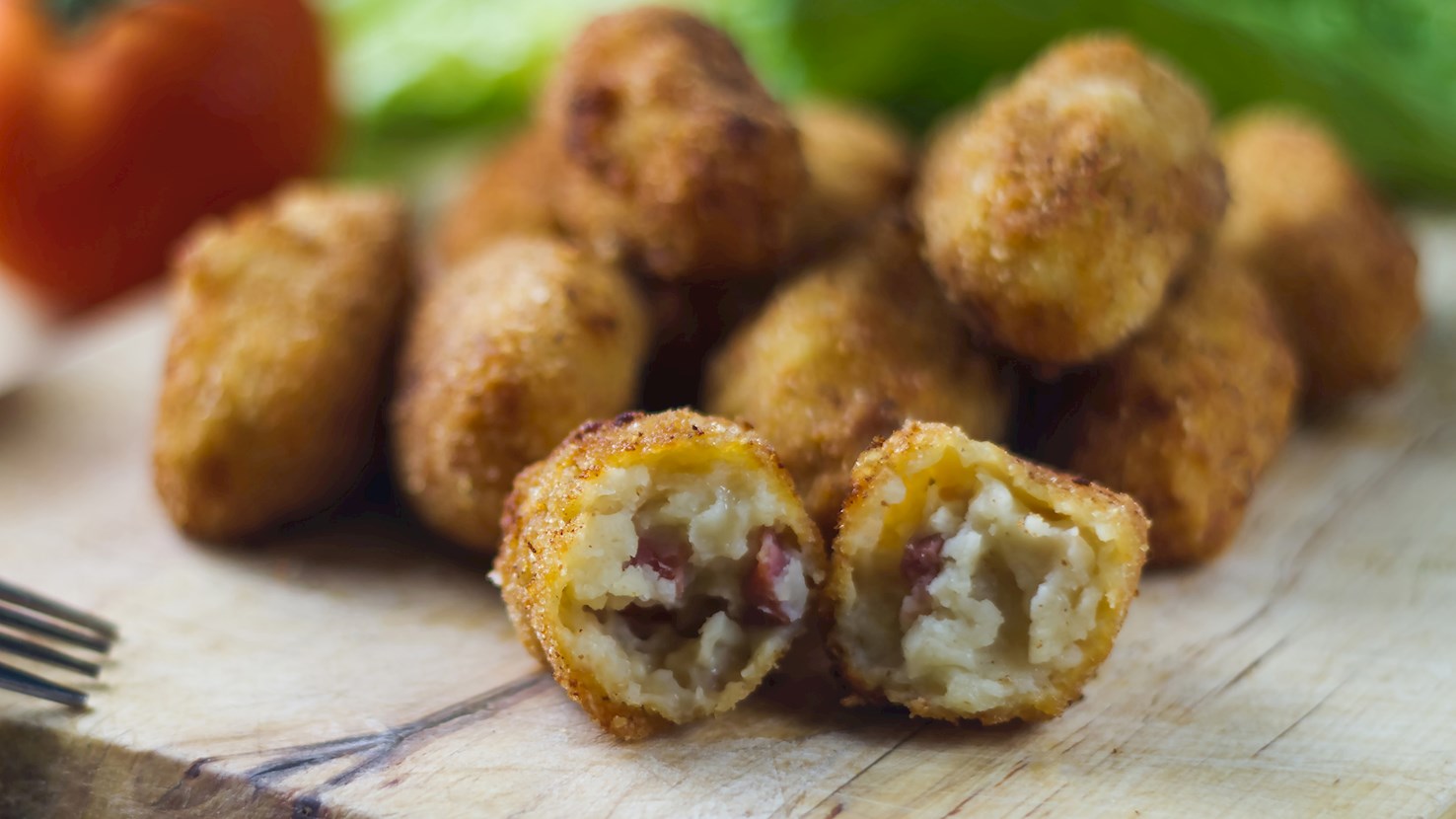
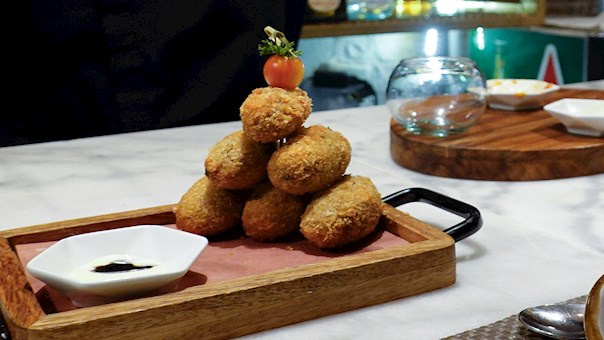
Crispy croquetas de jamón are small and unusual Spanish fritters, which consist of a crispy outer shell and a creamy interior. As the central ingredient, they employ a thick variety of buttery béchamel sauce, which is formed into small logs, coated in breadcrumbs and egg wash, and fried until golden and crunchy. Spanish croquetas are made with a variety of ingredients but the jamón version, which incorporates diced Spanish ham, is the most common and popular of them all. Fragrant and spicy ham is an ideal addition to the lush and mild taste of béchamel. Croquetas are not a decadent food item; they were developed as a poor man’s food, to make use of the cheap or the remaining ingredients. Today, they represent a favorite dish, popular and eaten everywhere in Spain. Whether they are served as a smaller tapas dish or a more substantial individual meal, they are always served fresh and hot, while the center is still hot and partially melted.

06

Pulpo a la gallega

4.2 ·

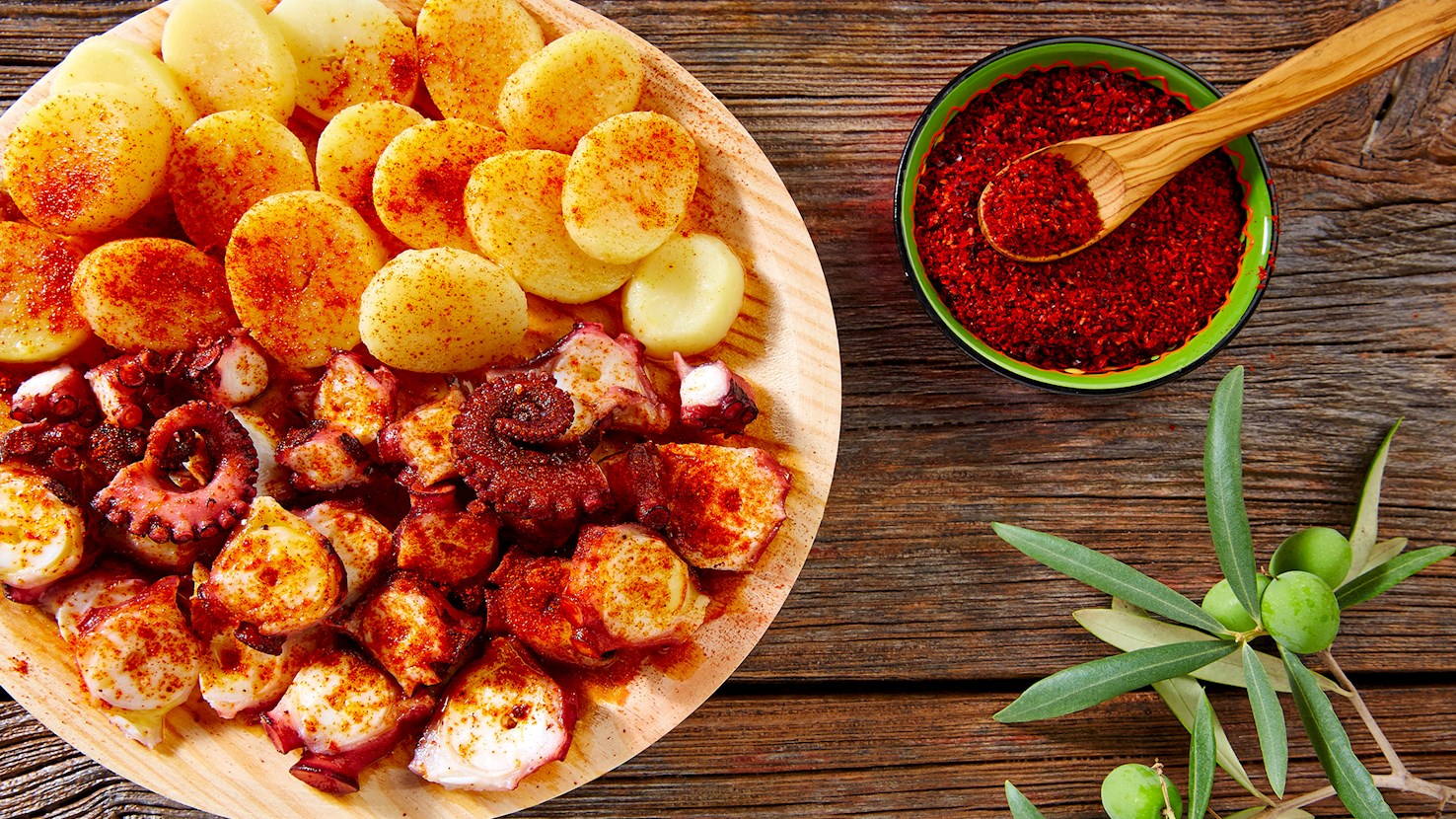
Polbo á feira (a.k.a. pulpo a la gallega) is a traditional Galician dish made by cooking octopus, potatoes, and pimentón in copper cauldrons. The cauldrons impart a unique flavor to the dish, and it is said that it is impossible to obtain that kind of flavor with any other material. In the Sanabria region, it is traditionally served with garlic, while elsewhere, pulpo a la gallega is presented on a wooden board, drizzled with lots of olive oil and sprinkled with coarse salt. It is recommended to pair the dish with a glass of red wine on the side. The dish is also known as pulpo á feira (fair-style octopus), since it is very popular during festivities and celebrations, when the owners of pulpeiras (stands specialized for octopus) prepare the dish throughout the day.

07

Croquetas de boletus

4.2 ·

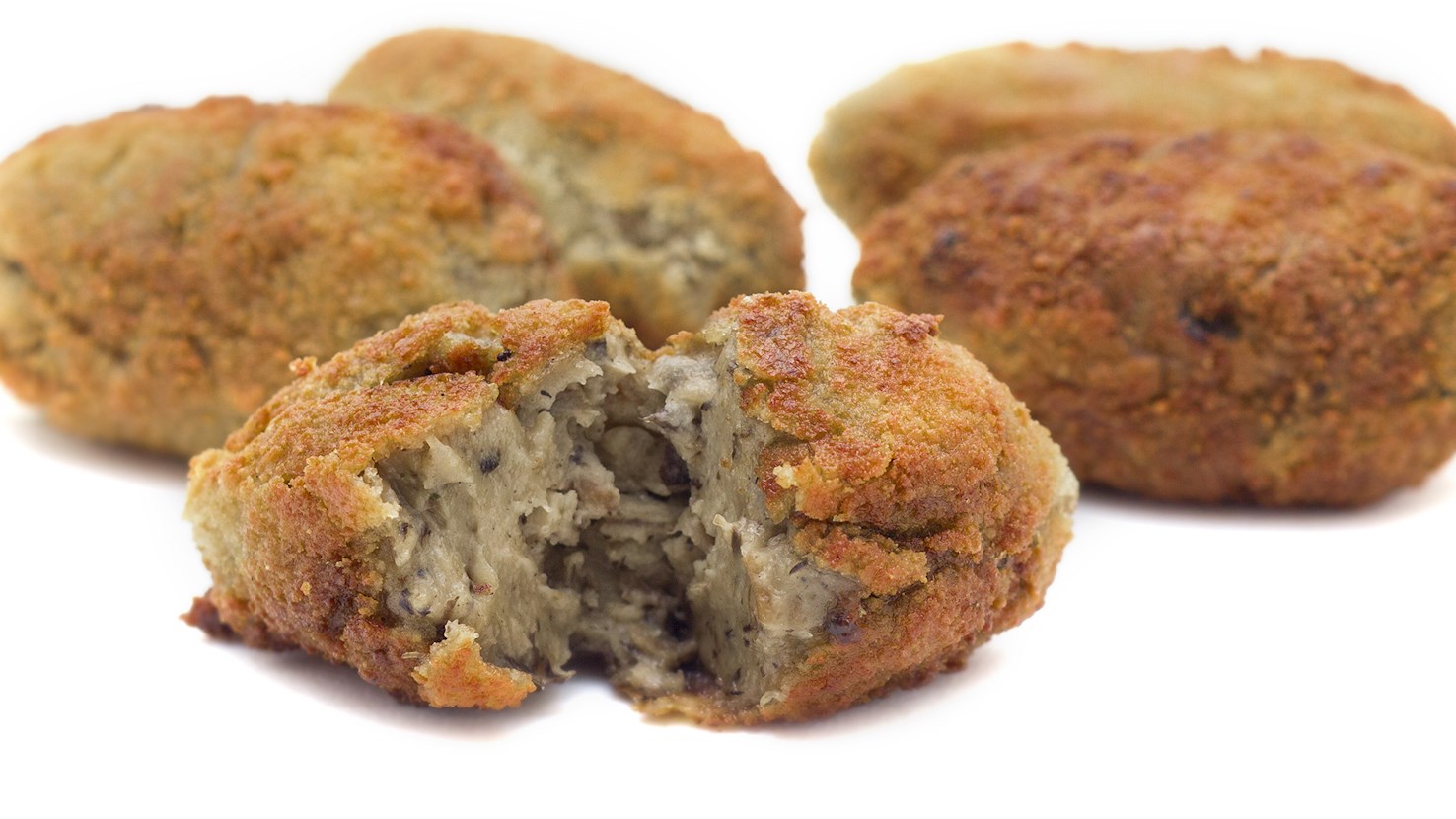
Mushroom croquetas are the small-sized Spanish fritters that are prepared with a combination of a creamy béchamel base and diced and sautéed boletus mushrooms. The base is well chilled before it is shaped into round or cylindrical forms. Each piece is coated in egg wash and breadcrumbs, then shortly deep-fried until golden and crispy. Boletus croquetas are often enriched with various spices and sautéed onions and are typically enjoyed as a ubiquitous Spanish tapas.

08

Chorizo a la sidra

4.2 ·

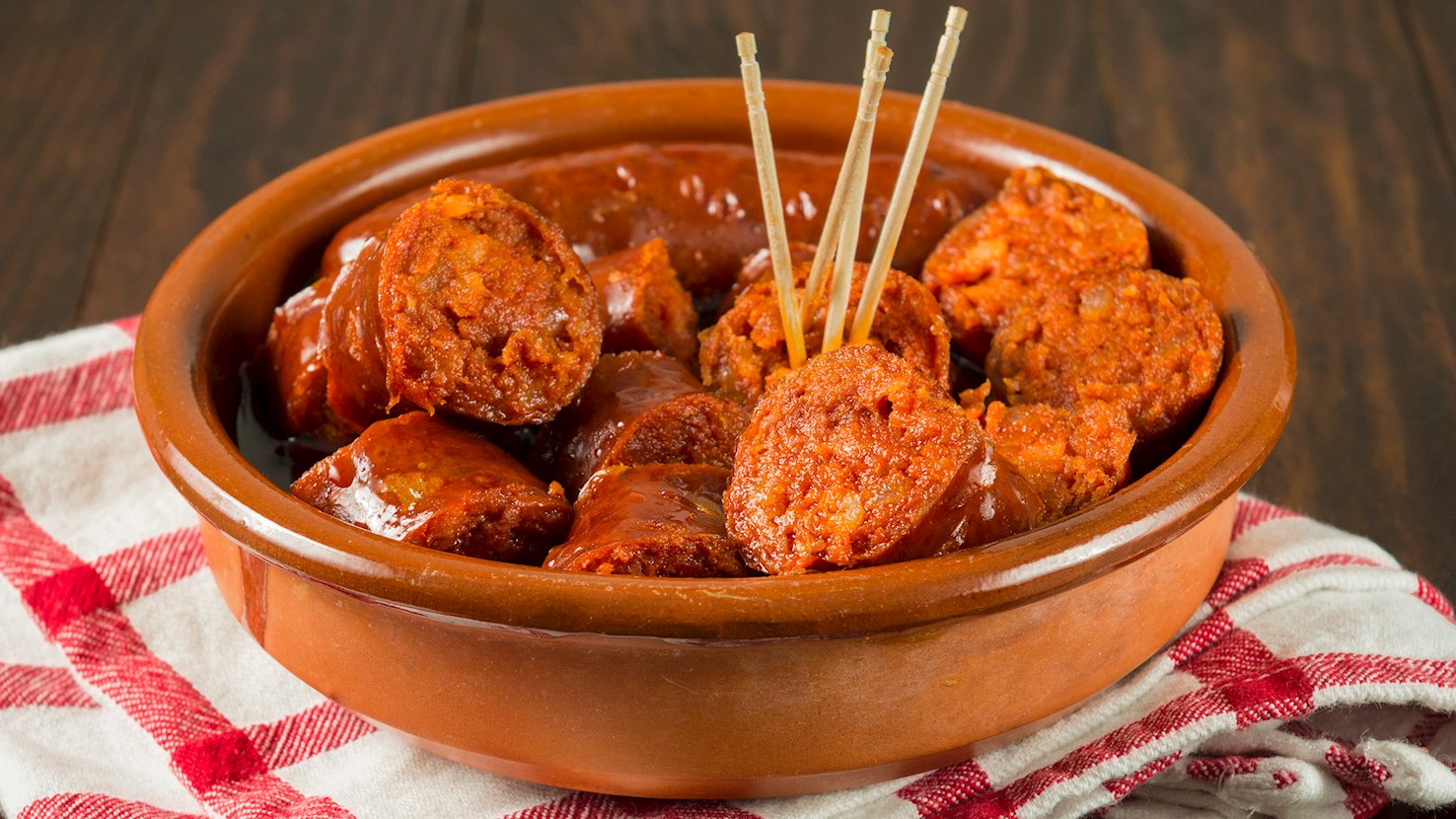
Hailing from the region of Asturias, chorizo a la sidra is one of the most traditional Spanish tapas. It's made with fresh or uncured chorizo sausage that's cut into thick slices and fried in olive oil with the addition of Asturian apple cider until the liquid reduces. This tapa is traditionally served warm in small clay pots. And don't forget to pair this tapa with a glass of Sidra de Asturias on the side, because you can never have too much cider.

09

Albóndigas en salsa

4.2 ·

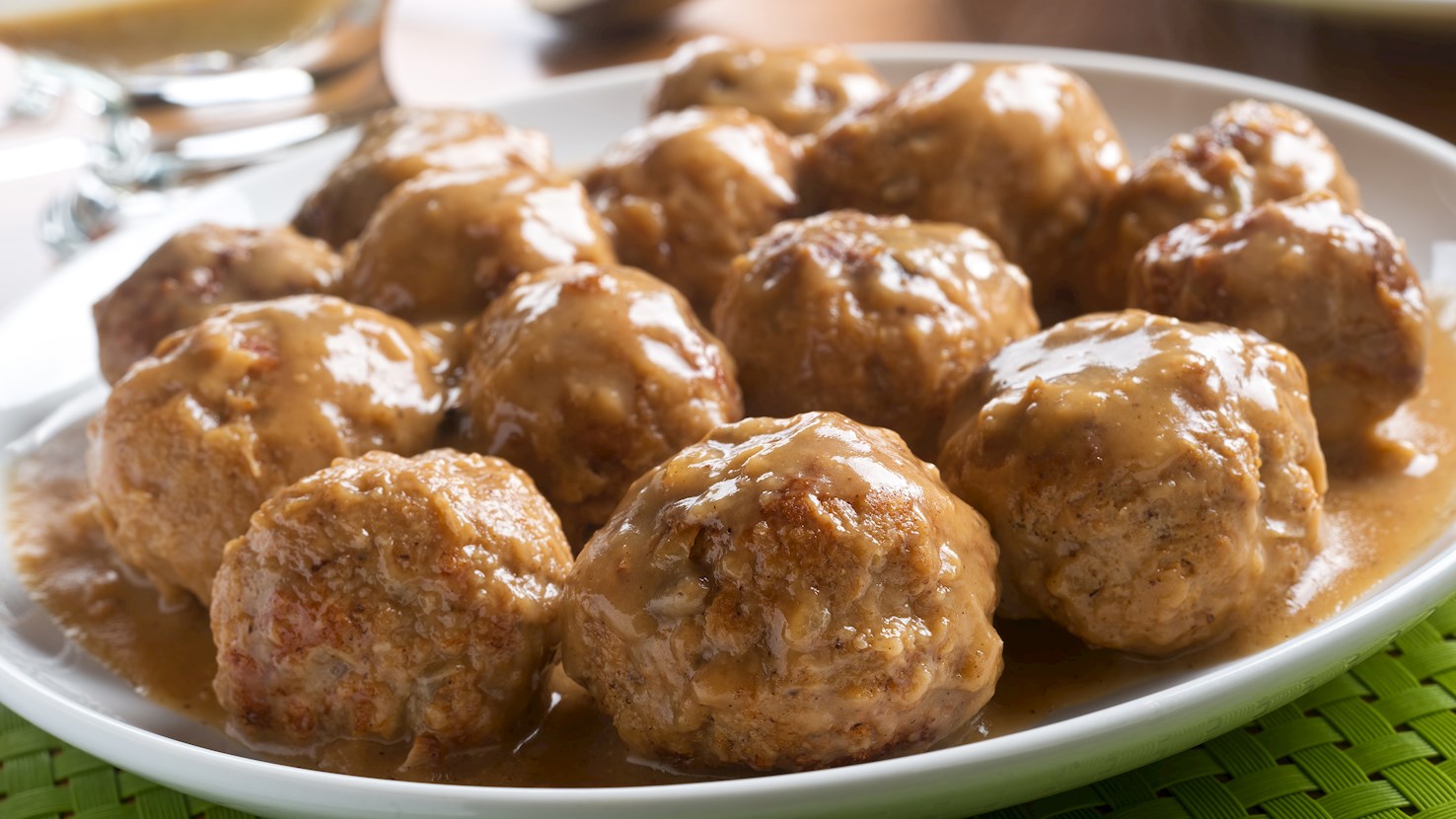
Albóndigas en salsa is a traditional dish that's typically eaten as a tapa. This appetizer consists of meatballs in rich tomato sauce. The small meatballs are often made with a combination of beef, pork, veal (or a combination of the three), breadcrumbs, parsley, eggs, garlic, flour, and seasonings, while the sauce is made with garlic, onions, tomatoes, red wine, olive oil, paprika, salt, and stock. Before cooking them in the sauce, the meatballs are usually lightly browned. When the sauce becomes thick, the dish is served, often with crusty bread and a glass of red wine on the side. It is believed that these meatballs originated as a Berber or Arab dish which was brought over to Spain during the Muslim rule. The name is derived from the Arabic word al-bunduq, meaning hazelnut, referring to the small size of the meatballs.

10

Papas arrugadas

4.2 ·

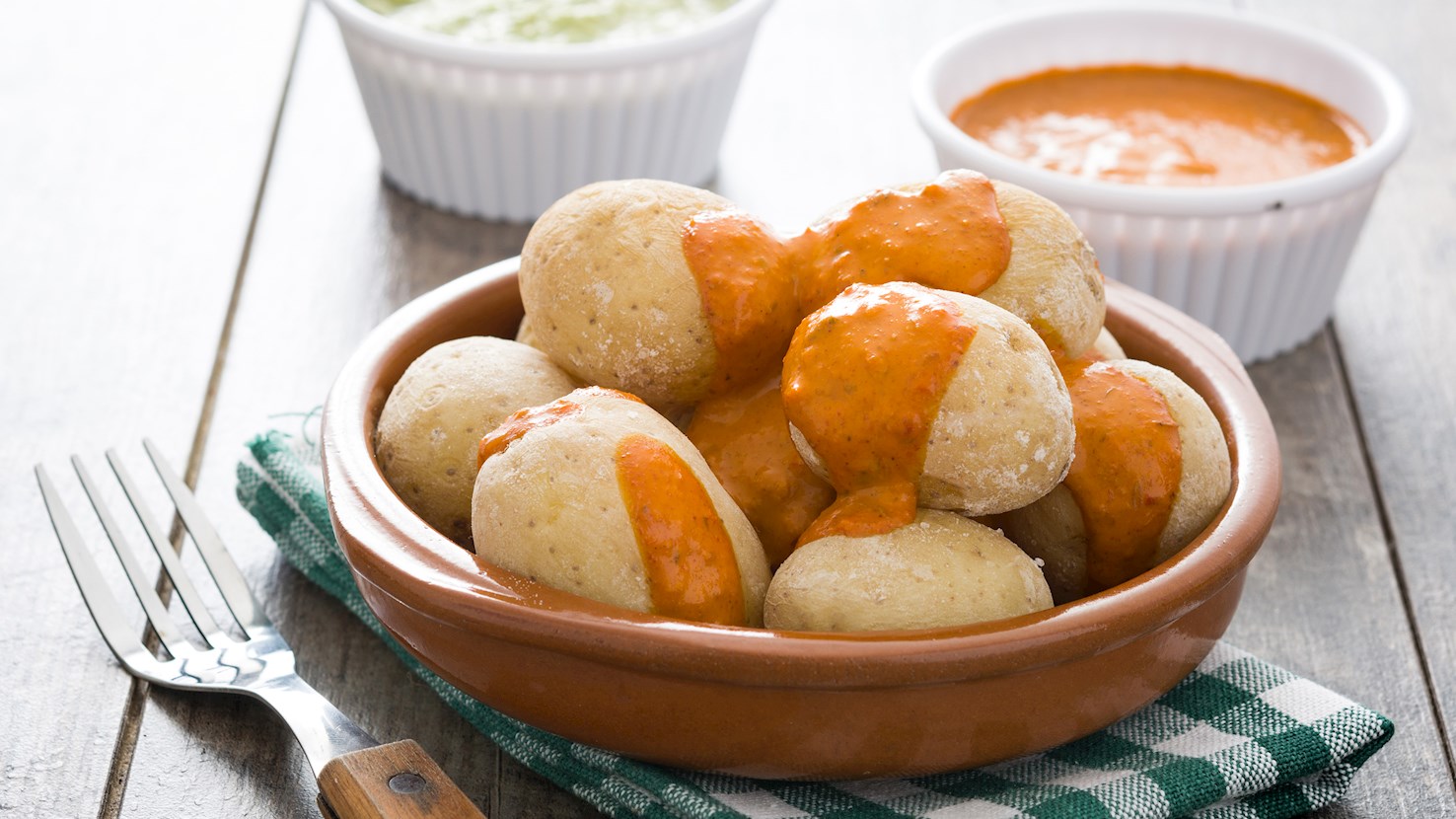
Papas arrugadas (wrinkly potatoes) is the signature dish of the Canary Islands. This incredibly simple specialty is made with whole, unpeeled potatoes that are thoroughly cleaned and then cooked in salted water. The dish was traditionally prepared with seawater, but nowadays, the water is usually just heavily salted. When cooked, the potatoes are put in the same pot without the water. The process allows any additional moisture to evaporate, leaving the potatoes somewhat dry while the skin attains its specific wrinkly appearance—hence the name—and a thin layer of salt. The dish is found in most traditional restaurants, and it is typically served as an accompaniment to hearty stews, though the potatoes can be served on their own as a simple and filling snack. Usually, the potatoes will come drizzled with mojo verde or mojo rojo—two typical Canarias sauces. The dish is best prepared with two potato varieties found on the Canary Islands, papas negra and papas bonita.

About this Ranking

TasteAtlas food rankings are based on the ratings of the TasteAtlas audience, with a series of mechanisms that recognize real users and that ignore bot, nationalist or local patriotic ratings, and give additional value to the ratings of users that the system recognizes as knowledgeable. For the “74 Tapas Varieties Ranked From the Best To the Worst” list until November 17, 2026, 821,345 ratings were recorded, of which 540,572 were recognized by the system as legitimate.

TasteAtlas Rankings should not be seen as the final global conclusion about food. Their purpose is to promote excellent local foods, instill pride in traditional dishes, and arouse curiosity about dishes you haven’t tried.

What People Say

Similar Lists