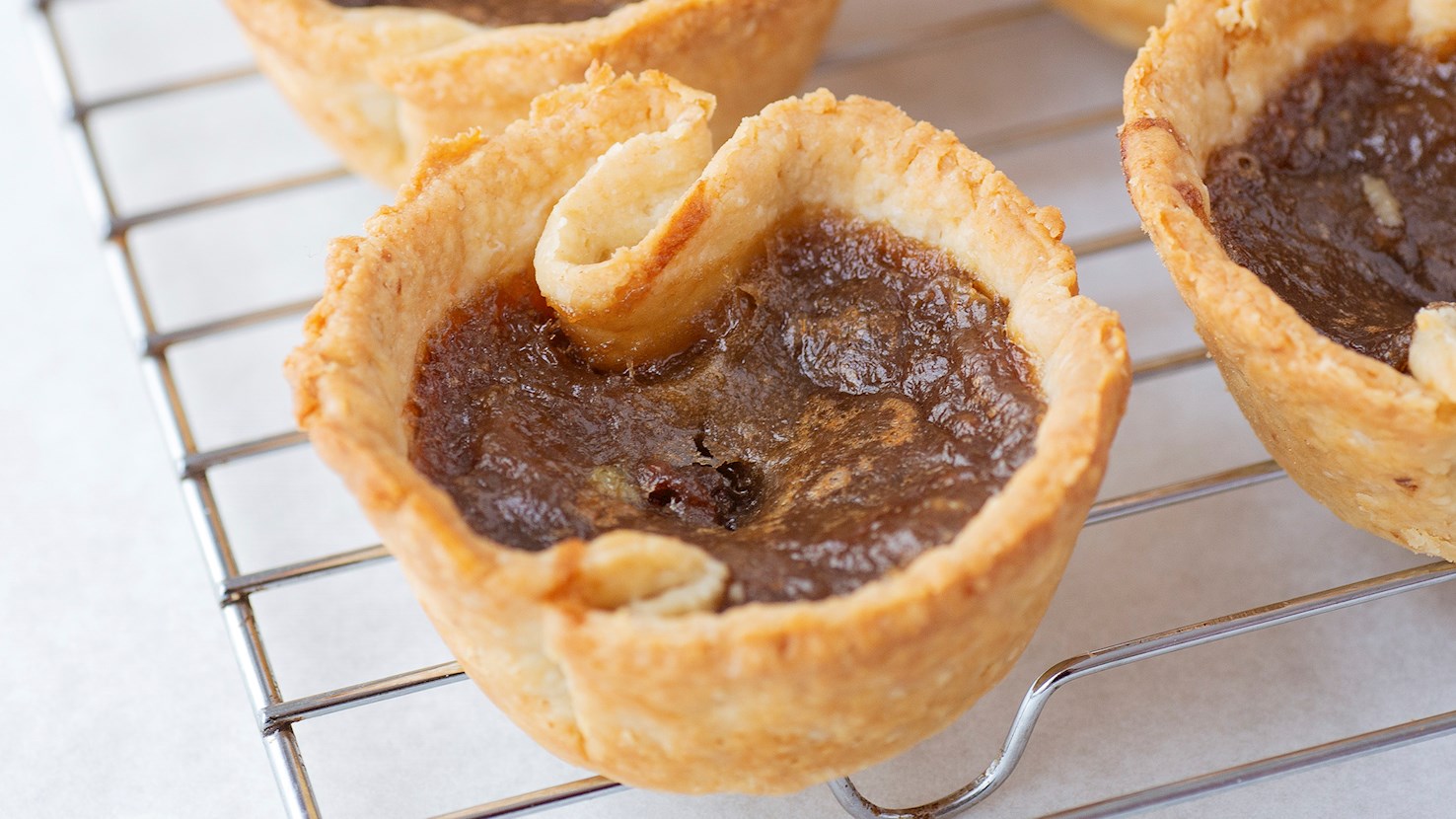
Butter tart is a humble food that achieved iconic status in early 20th-century Canada. The filling is traditionally made with a combination of walnuts, eggs, brown sugar, butter, and white vinegar, and it's then placed into small, flaky, deep or shallow tart shells before baking. Early versions of the recipe, dating back to 1915, suggest that currants and raisins should also be included in the mixture. There are lots of theories about the origin of the tart – some say that it is related to pecan pie, which was brought to the country by American slaves, some say it evolved from Quebec's sugar pie, while others say it's linked to Border Tarts from southern Scotland. Regardless of their origin, butter tarts are nowadays especially popular in the provinces of Ontario and Nova Scotia. The color of baked tarts depends on the darkness of the brown sugar used, and the filling on the interior can be either solid or runny (for a runny tart, the cooking time is shortened).
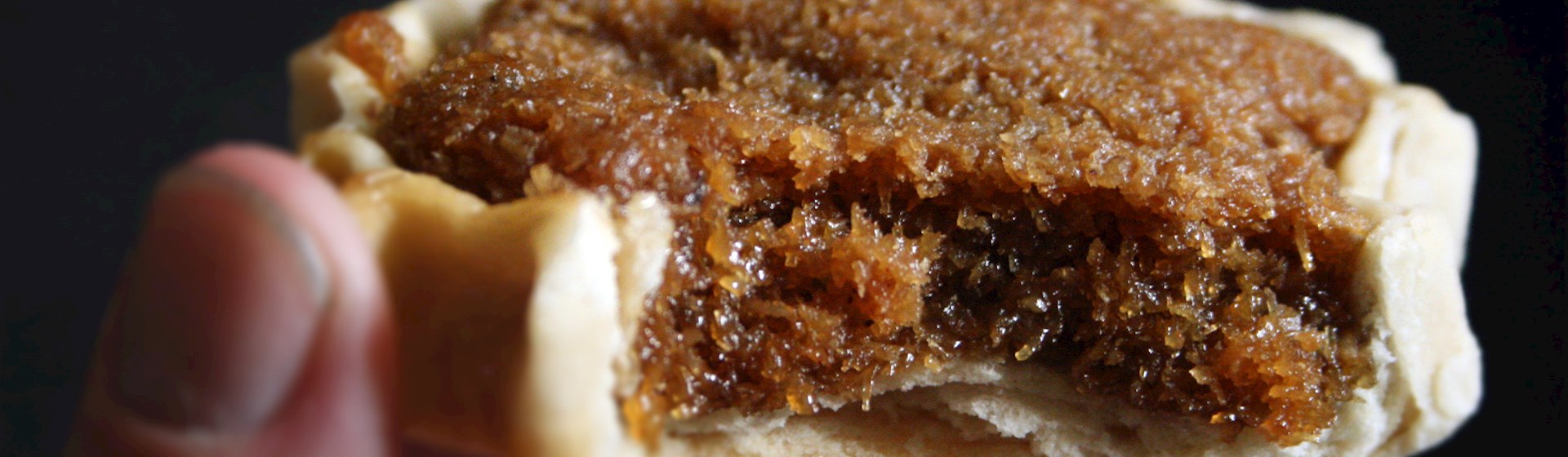
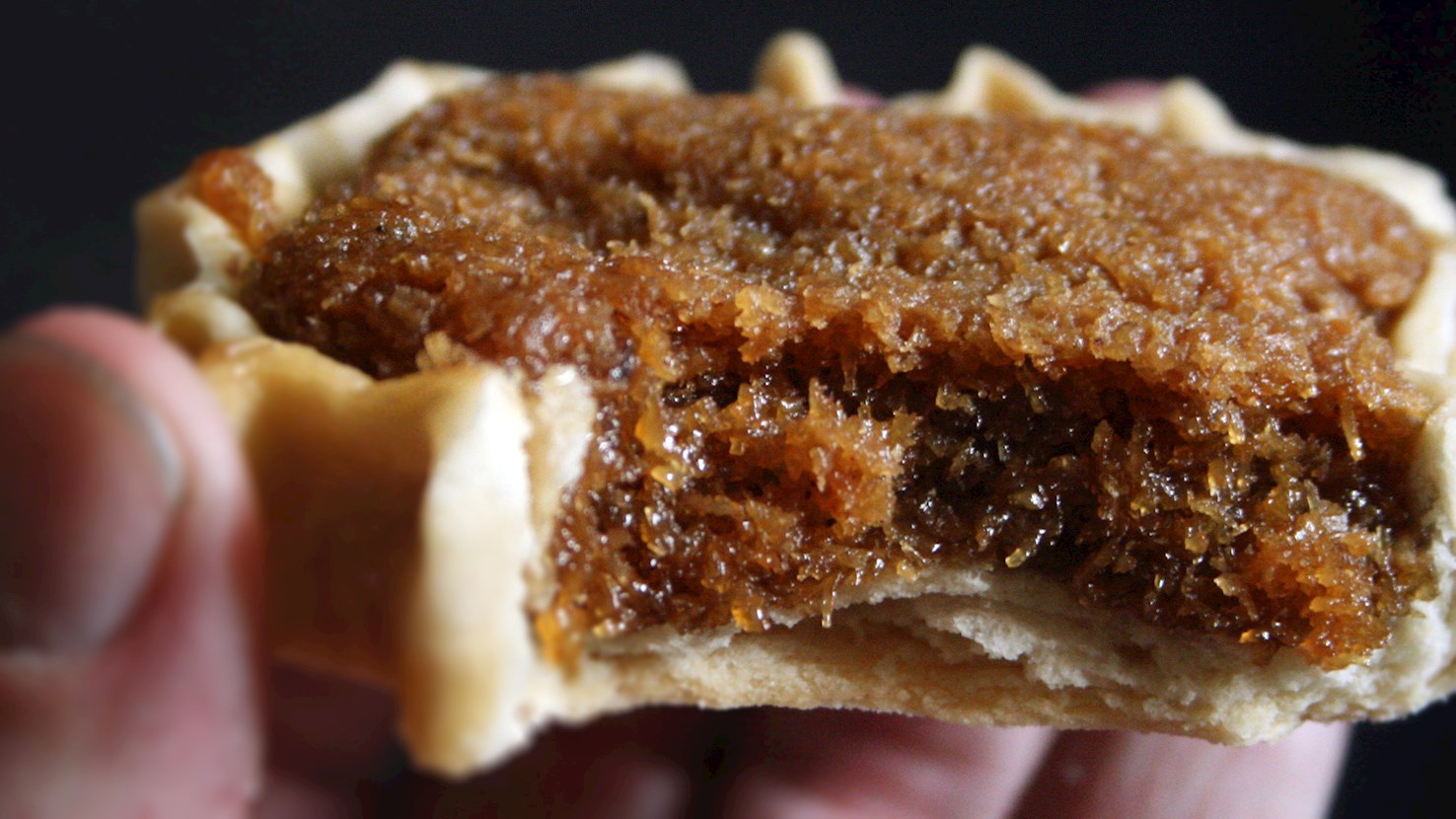
Gizzada is a Jamaican pastry made from a small, hand-formed shortcrust shell filled with a cooked mixture of grated coconut, sugar, spices, and sometimes a small amount of butter to bind the filling. It is recognized across the island and in Jamaican communities abroad as a common bakery item and street-side sweet. The pastry reflects the use of coconut in Jamaican cooking, especially in coastal areas where coconuts have long been harvested for milk, oil, and grated flesh. Bakers adapted grated coconut, already used in many Jamaican sweets, into a pastry filling placed inside pinched dough cups that hold the mixture securely as it bakes. Over time, the form and preparation became consistent among bakeries and home cooks, giving gizzada a distinct identity within Jamaican pastries. Preparation begins with making a firm shortcrust dough from flour, cold butter, water, and a pinch of salt. The dough is rolled out and cut into rounds, then shaped into small tart shells with pinched or crimped edges. The filling is made by cooking grated coconut with brown sugar or granulated sugar, ginger, nutmeg, a little water, and sometimes butter until it thickens but remains moist enough to spoon easily. Once the filling cools slightly, it is placed into the dough cups, and the pastries are baked until the shells become crisp and lightly colored while the filling sets without losing its soft texture. Gizzada is eaten throughout Jamaica and appears in bakeries, school canteens, markets, and food stalls. It is commonly enjoyed as a snack, dessert, or accompaniment to tea. It pairs well with hot beverages such as ginger tea, cocoa tea, and milder black teas, and it can also be served with fruit drinks or simple iced water when eaten as a sweet treat after a meal.
Tarte à la bouillie is a traditional Cajun dessert hailing from Louisiana. This French-inspired tart is made with a combination of sugar, salt, flour, milk, whipping cream, eggs, butter, and vanilla. The custard is placed into a pie shell, the crust is brushed with egg whites, and the tart is then baked until the crust becomes golden brown and the center of the filling is slightly jiggly. Once cooled, this burnt milk tart is often served with strawberries and garnished with confectioners' sugar.
Tert di preimu is a traditional pie or tart originating from Curaçao and Aruba. The dough base for the pie is made with a combination of milk, butter, eggs, baking powder, flour, and salt, while the filling consists of chopped prunes, sugar, flour, cinnamon, mace, and nutmeg. The filling is cooked and stirred with a wooden spoon, then cooled and poured into the pie crust. Once assembled, the pie is baked in an oven until the crust becomes golden brown. It is then left to cool, sliced, and served.
TasteAtlas food rankings are based on the ratings of the TasteAtlas audience, with a series of mechanisms that recognize real users and that ignore bot,
nationalist or local patriotic ratings, and give additional value to the ratings of users that the system recognizes as knowledgeable.
For the “Top 4 North American Tarts” list until May 15, 2026, 132 ratings were recorded, of which 111 were recognized by the system as legitimate.
TasteAtlas Rankings should not be seen as the final global conclusion about food. Their purpose is to promote excellent local foods,
instill pride in traditional dishes, and arouse curiosity about dishes you haven’t tried.