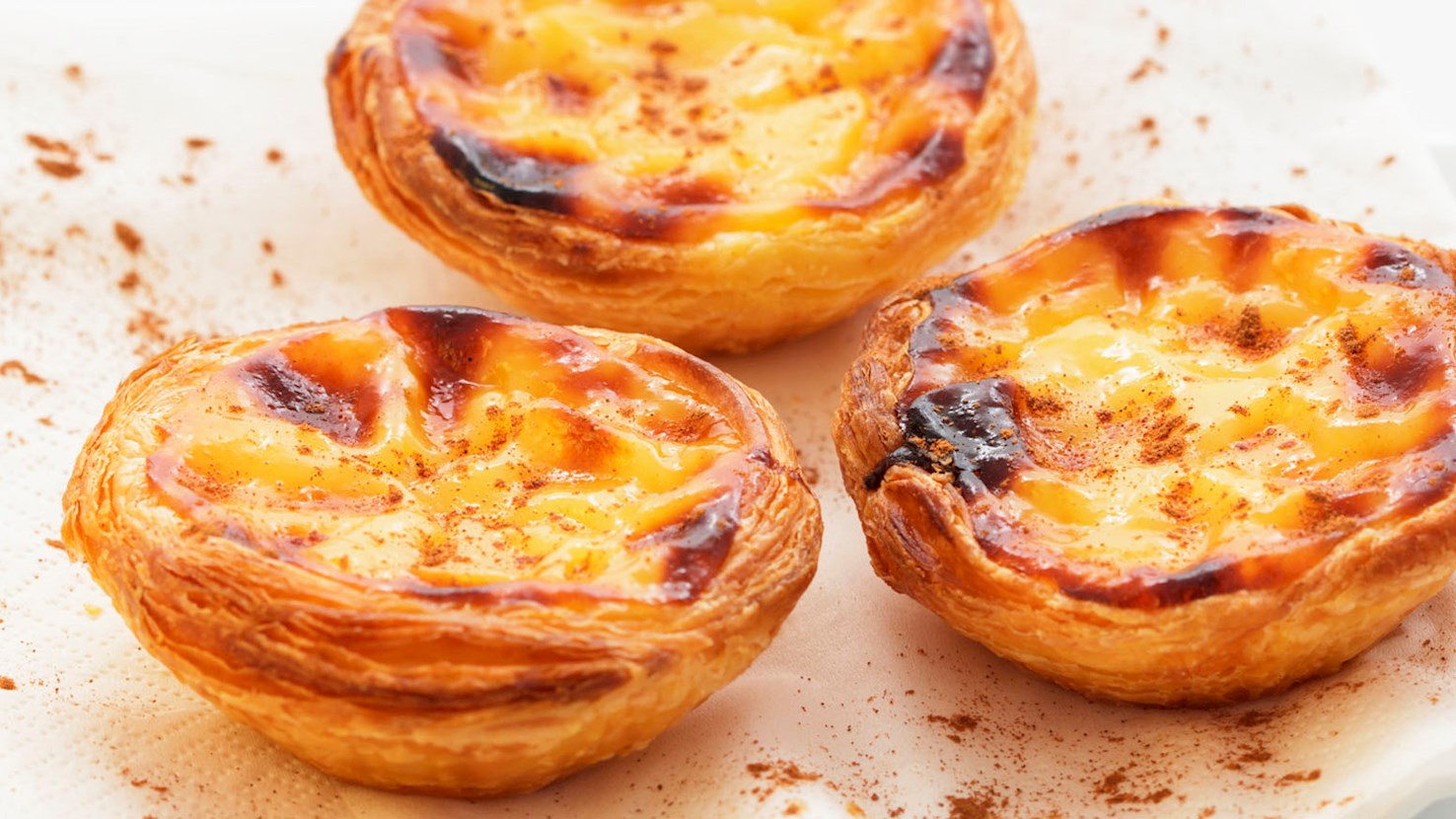
Flaky, laminated pastry shells filled with a creamy egg yolk custard, flavored with cinnamon, or pastel de nata for short, is the world-famous Portuguese dessert invented by Catholic nuns and monks sometime before the 18th century. The preparation is a lengthy one, and every step should be done with the utmost care. First, the pastry is made by laminating the dough with butter — however, lard was used before, and margarine is commonly used today. The custard is made with just milk, water, sugar, and egg yolks, and flavored with cinnamon, or in some recipes also with vanilla and lemon, which has the purpose of cutting the sweetness of the custard. However, in any case, the custard should not be overly sweet. Once the pastry shells have been filled with custard, they are baked in a high-temperature oven for a short time, which gives for a blistering burn on the top that makes these custard tarts instantly recognizable. Pastel de nata should be eaten shortly after baking, so the custard doesn't lose its texture. Before consumption, the tart should be sprinkled with cinnamon, or eventually, icing sugar, and paired with a cup of coffee.
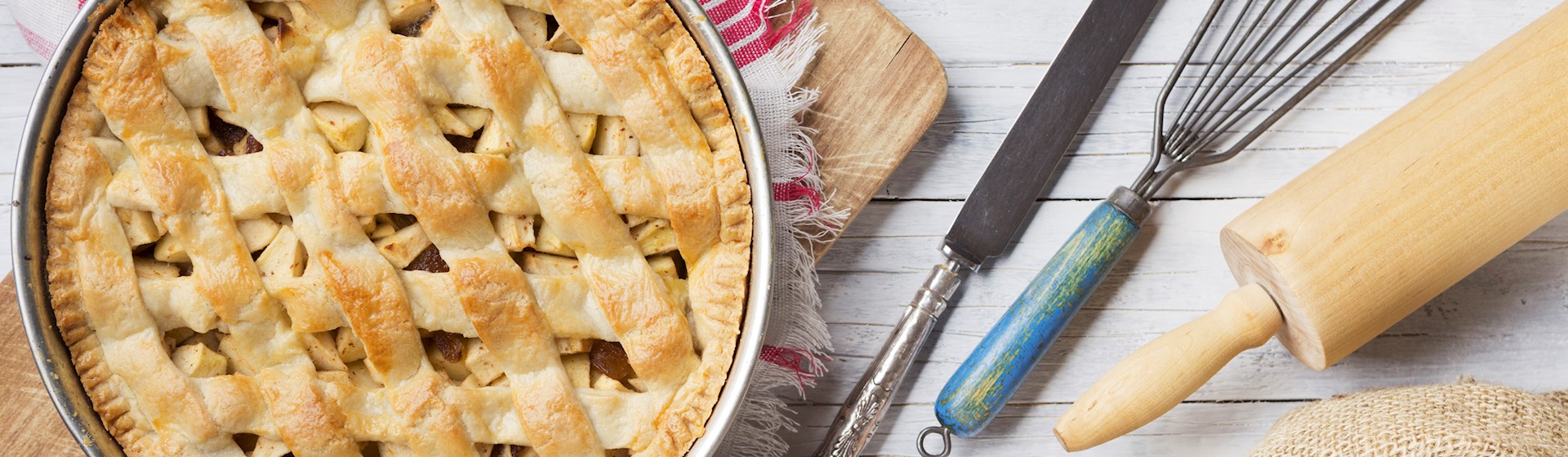
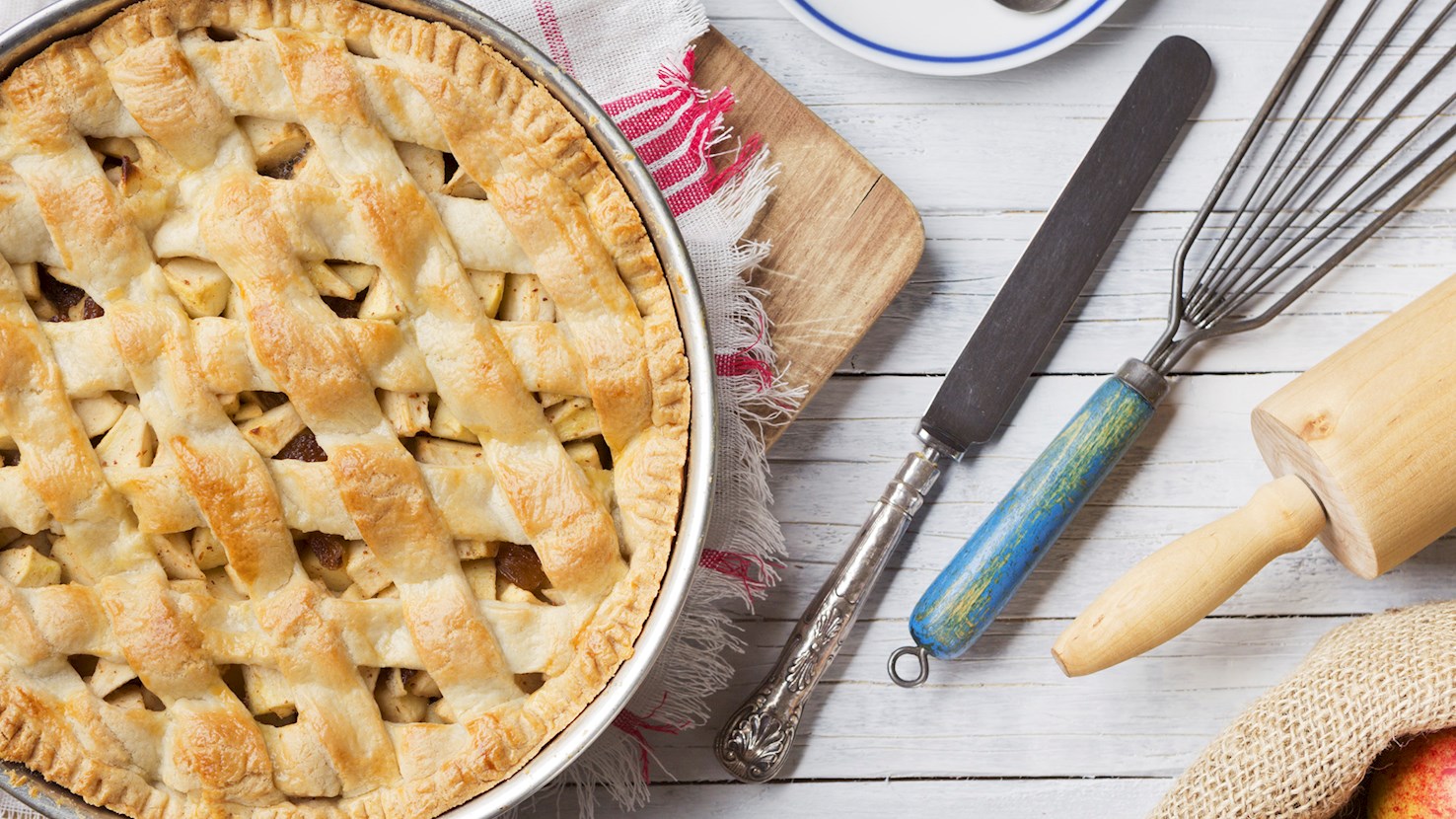
Appeltaart, commonly known as the Dutch apple pie, has been a staple of Dutch food culture for centuries. The filling consists of thickly chopped apples and raisins flavored with fragrant warm spices such as cinnamon, ginger, and nutmeg. A classic Dutch apple pie is made with Golden Reinette apples which are, not coincidentally, the most cultivated apple variety in the Netherlands. Because Dutch apple pies are baked in deep springform pans, their crust is typically much thicker and crisper compared to other world-famous pies. For example, unlike Dutch apple pies, American pies have flaky or shortening-based crusts that fully enclose the apple filling. On the other hand, French apple pies tend to have puff pastry or cookie-like crusts. While making the Dutch apple pie is not an arduous process, it takes a bit of patience and baking skills to prepare. The dough is made by combining flour, sugar, butter, salt, egg, and water. After resting for half an hour, approximately ⅓ of the dough is set aside for the top decoration. The rest of the dough is then rolled out, placed in a springform pan, and topped with the apple filling made with thickly chopped apples, sugar, raisins, and cinnamon. Out of the remaining dough, long stripes are cut and arranged in a lattice pattern on top for which the appeltaart is widely recognized. Additionally, to help balance the sweet and sour flavors of the pie, a serving of appeltaart is usually paired with a dollop of whipped cream or a scoop of vanilla ice cream on top.
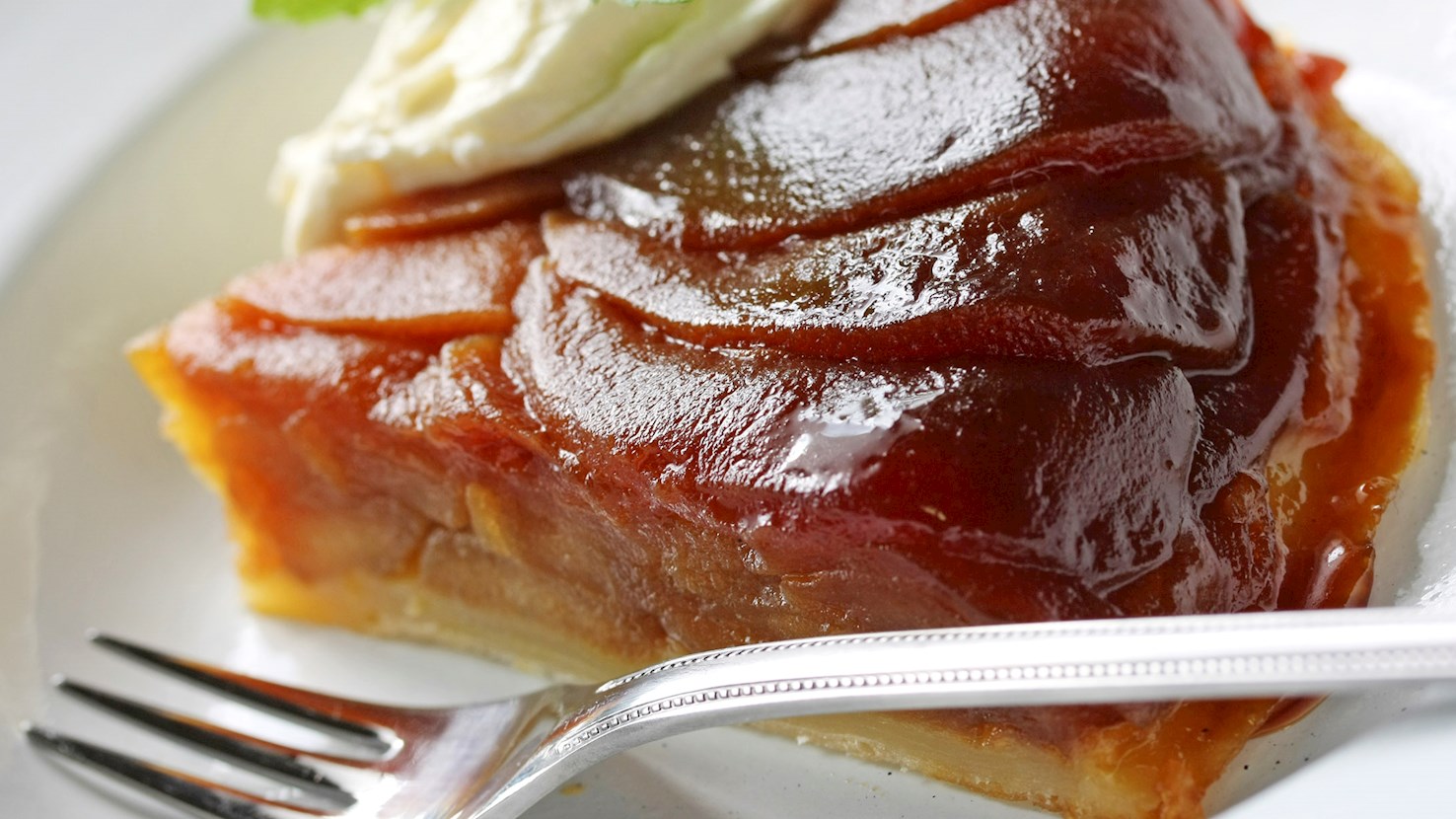
This French dessert, created by the Tatin sisters at their hotel in Lamotte-Beuvron in France, is one of the most famous desserts in the world. Despite its French origins, it can now be sampled in thousands of restaurants all around the world. This humble open-faced pie uses only a few ingredients — apples, sugar, and butter for the filling, and flour, water, butter, egg, and a pinch of salt for the dough. First, the caramel is prepared with butter and sugar directly in the tart pan. Next, apple quarters are arranged in the tart pan atop caramel in two layers and then baked in the oven for up to 30 minutes. To finish, a round of pâte brisée (shortcrust pastry) is placed on top of the apples, and the assembled tarte is then baked for up to 30 minutes or until golden. Tarte Tatin is best when served warm and functions best without any additions or garnishes.
At it’s most basic, crostata consists of a filling — either fruits, custard, jam, or ricotta — enclosed in an Italian version of shortcrust pastry called pasta frolla. However, unlike the French tart and the American pie, the dough for the Italian crostata is made by kneading soft butter into the flour which gives it a cake-like texture. Crostata is usually round, either open-faced or with a woven lattice top, but can also be made as a free-form pie. Before serving, it is usually sprinkled with powdered sugar and eaten for breakfast or as a mid-day snack, with cappuccino.
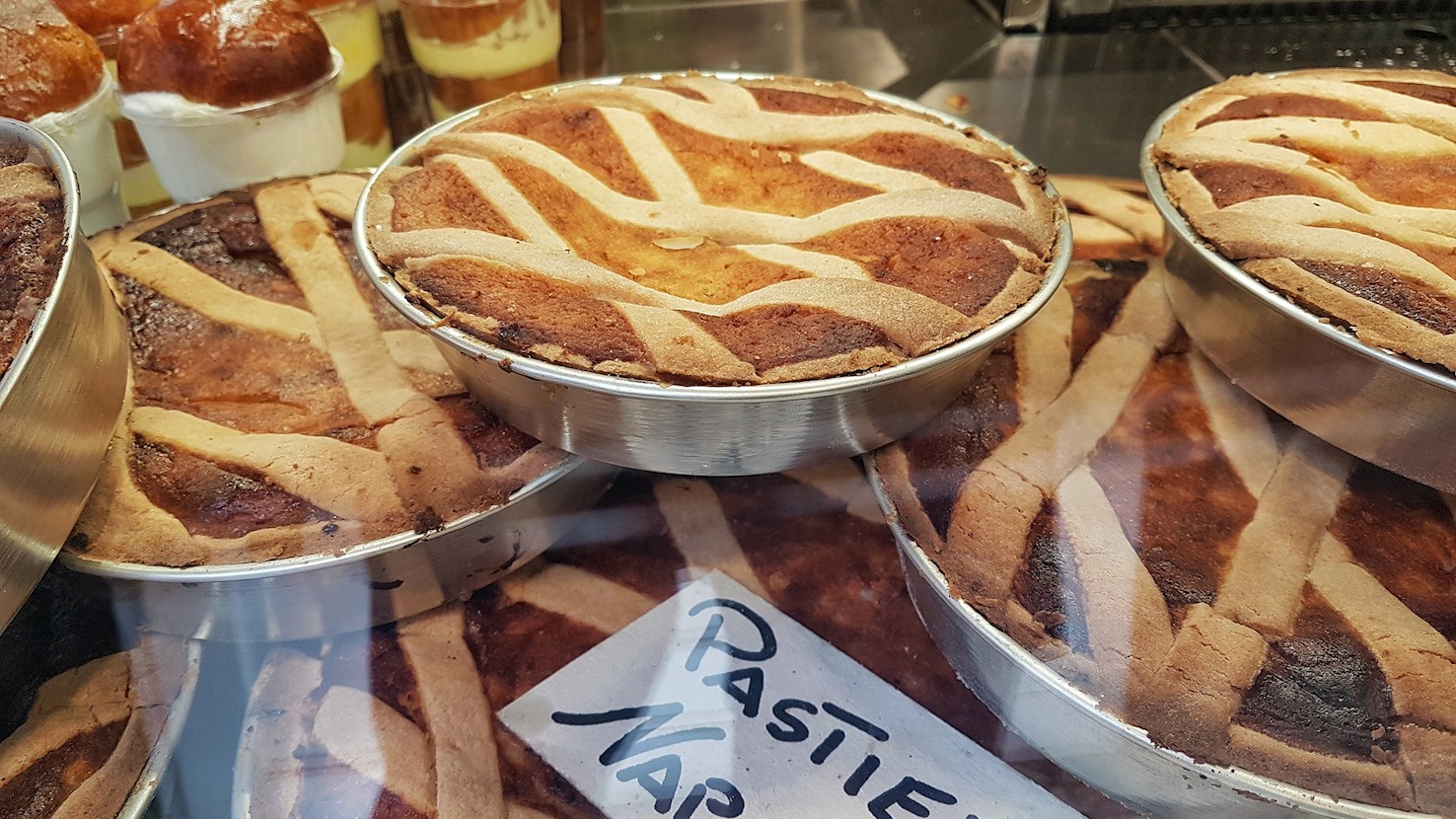
This traditional Neapolitan delicacy is traditionally prepared for Easter, on Holy Thursday or Good Friday. However, it is prepared year-round nowadays and can be sampled in the city’s pasticcerias, shops selling pastries and cakes. Pastiera is a tart with a shortcrust pastry shell filled with a mixture of ricotta, sugar, grano cotto (cooked wheat), eggs, yolks, and candied fruits, flavored with orange blossom water and vanilla. Cinnamon is also common, but there are debates about whether or not it should be included, with purists claiming that a true pastiera does not contain cinnamon. Strips of shortcrust pastry dough are arranged on top of the pie, either in the shape of a Greek or a St. Andrew’s cross. Usually, seven strips are arranged on top of the pie, four strips are arranged first, and then three are placed on top of the first four. The finished pastriera should be left to rest for two days, so the flavors can develop, which is the reason it’s traditionally prepared two to three days before Easter. Before serving, it can be sprinkled with icing sugar and is commonly paired with limoncello.
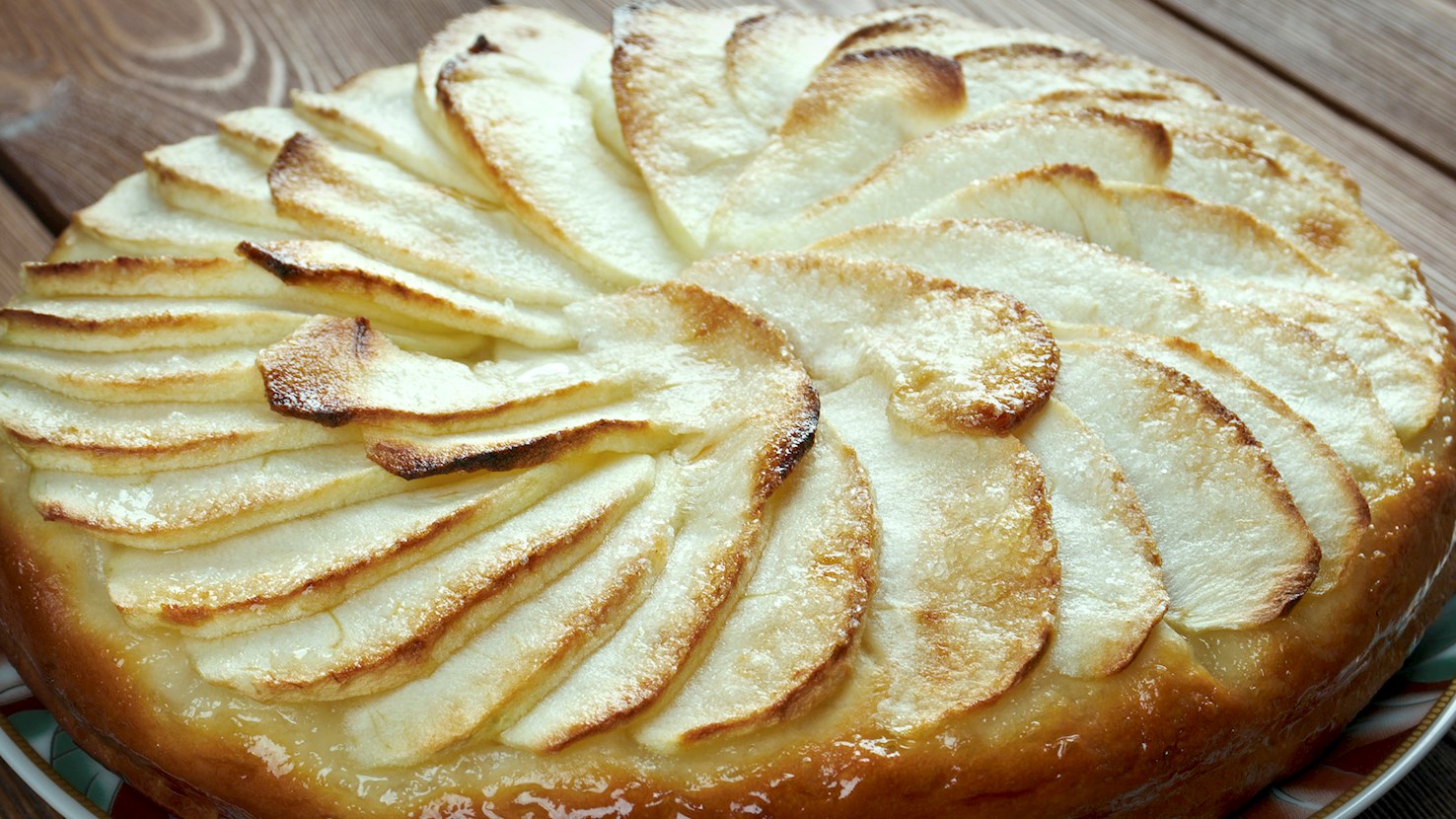
Unlike most other classic French apple tarts, which are typically topped with beautifully arranged apple slices and baked until the apples are caramelized, tarte Normande is made with a layer of apples covered in a custard that is baked until it sets. In addition to the custard, this tart is also set apart by the addition of Calvados apple brandy, which imparts an exceptional aroma.
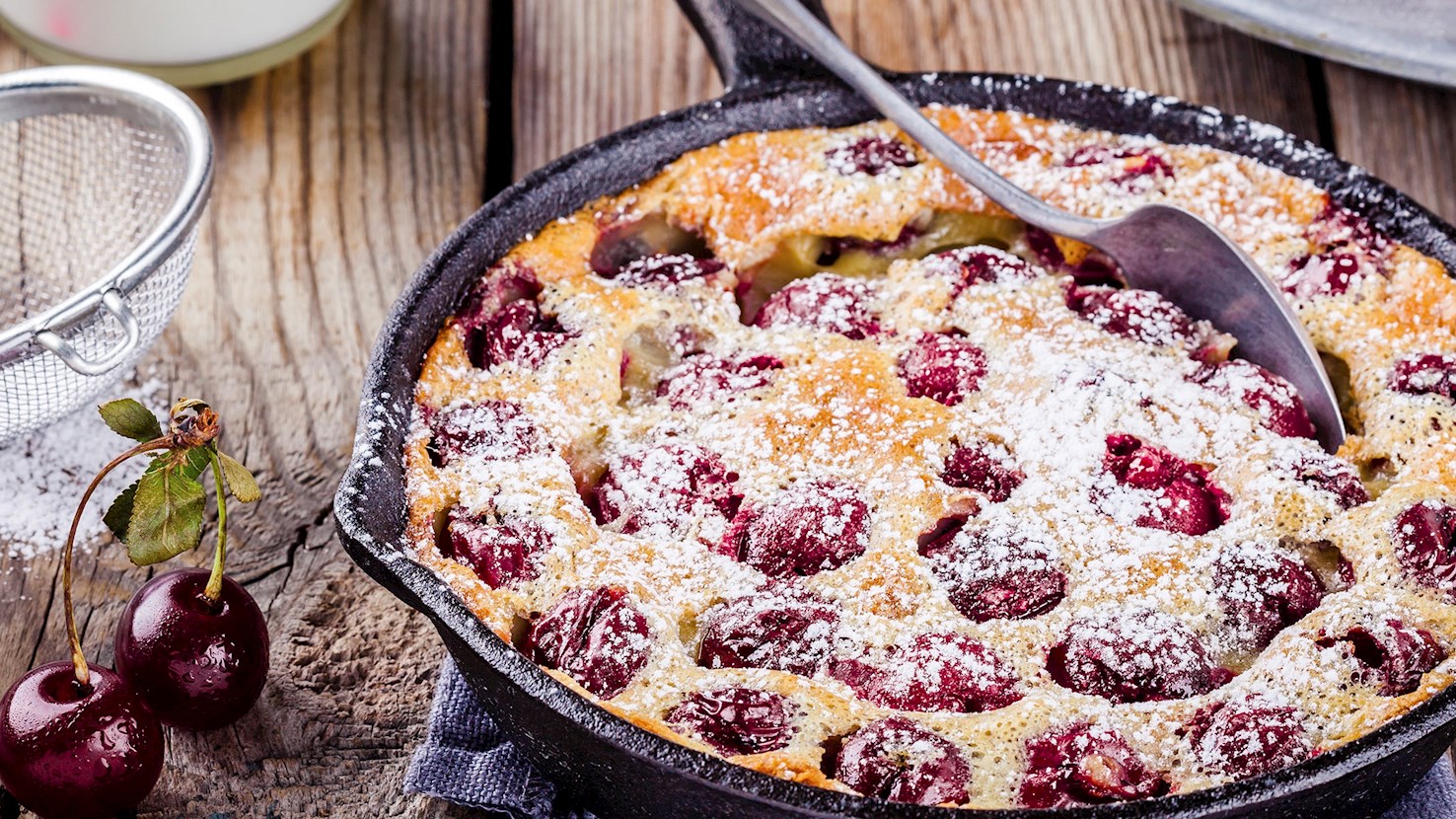
Clafoutis is usually prepared in a flat, shallow pan, which is buttered and covered with a layer of cherries. For the batter, the thickness of which can be adjusted according to taste, eggs, milk, flour, and sugar are mixed well and poured over the fruit in the pan. Traditional recipes state that the cherries should be left unpitted, as the pits provide an almondy aftertaste, however, recent years have seen a trend towards pitting the cherries. Other variations on this recipe include adding butter to the batter for thickness or even adding flavorings such as liqueurs. The batter will puff up and turn brown in the oven. It is usually served warm with a sprinkling of powdered sugar.
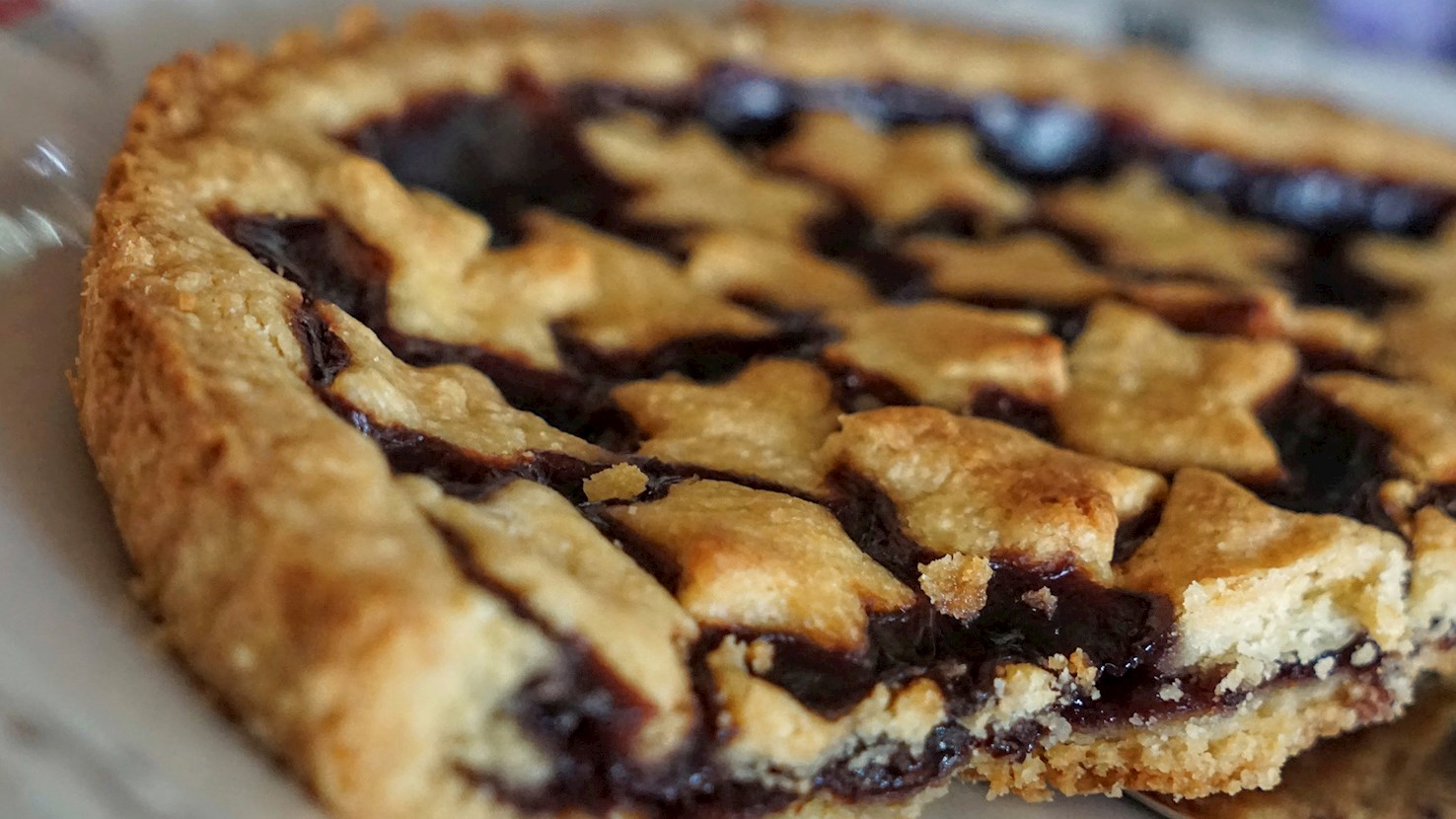
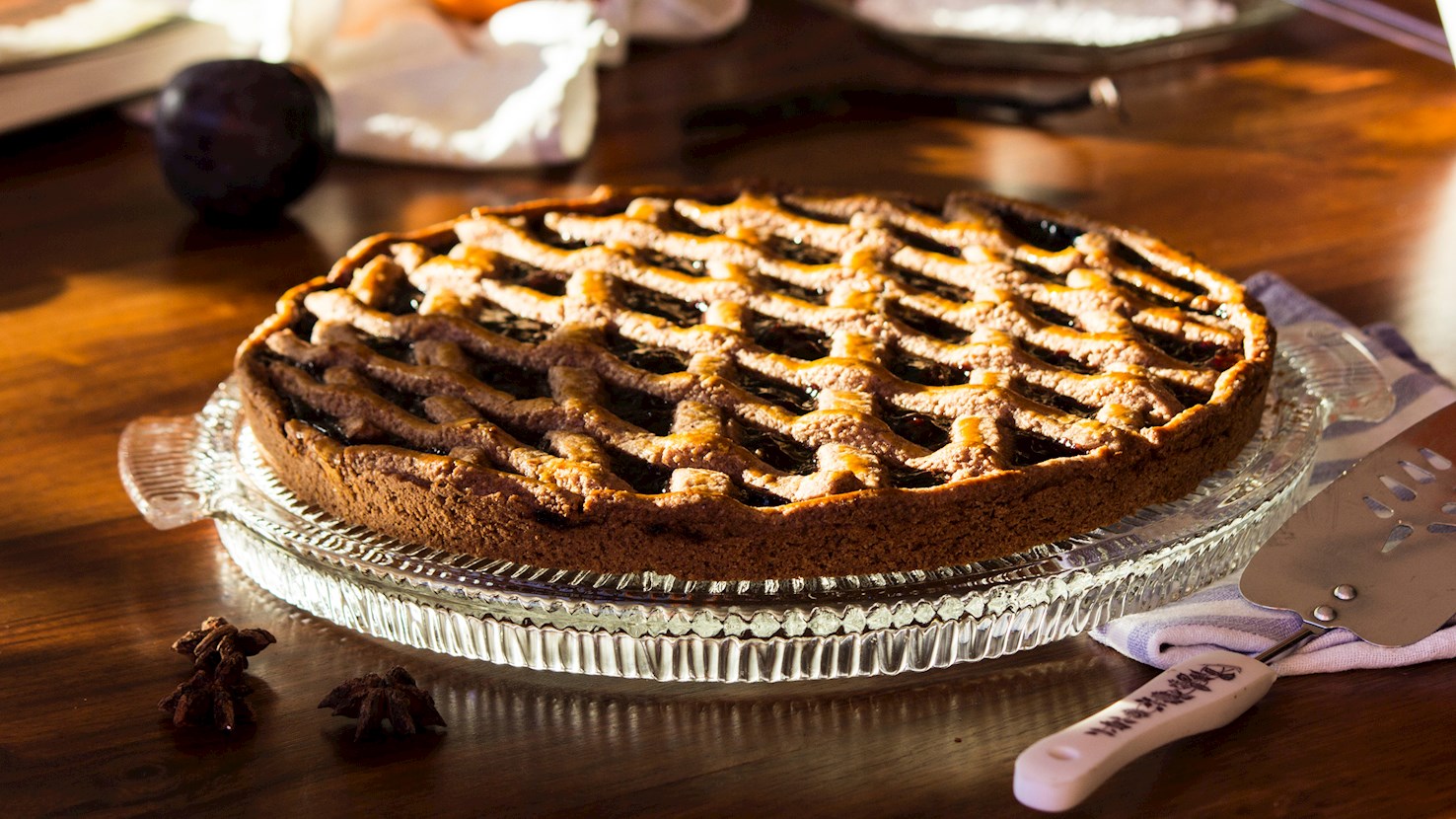
With its instantly recognizable elaborate lattice top and delectable jam filling, the Austrian Linzer torte is deemed the oldest torte with a geographical designation in the world. It consists of two layers of shortcrust dough flavored with nuts and spices – one layer serving as the bottom and sides of the cake and the other as a decorative latticework top — and a layer of tart preserves as filling, which provides contrast and balance to the mellow flavor of the dough. The original recipe calls for redcurrant jam, but raspberry or even apricot jam can be used in its place. The assembled cake is brushed with an egg wash for color and sprinkled with almond flakes for extra crunchiness.
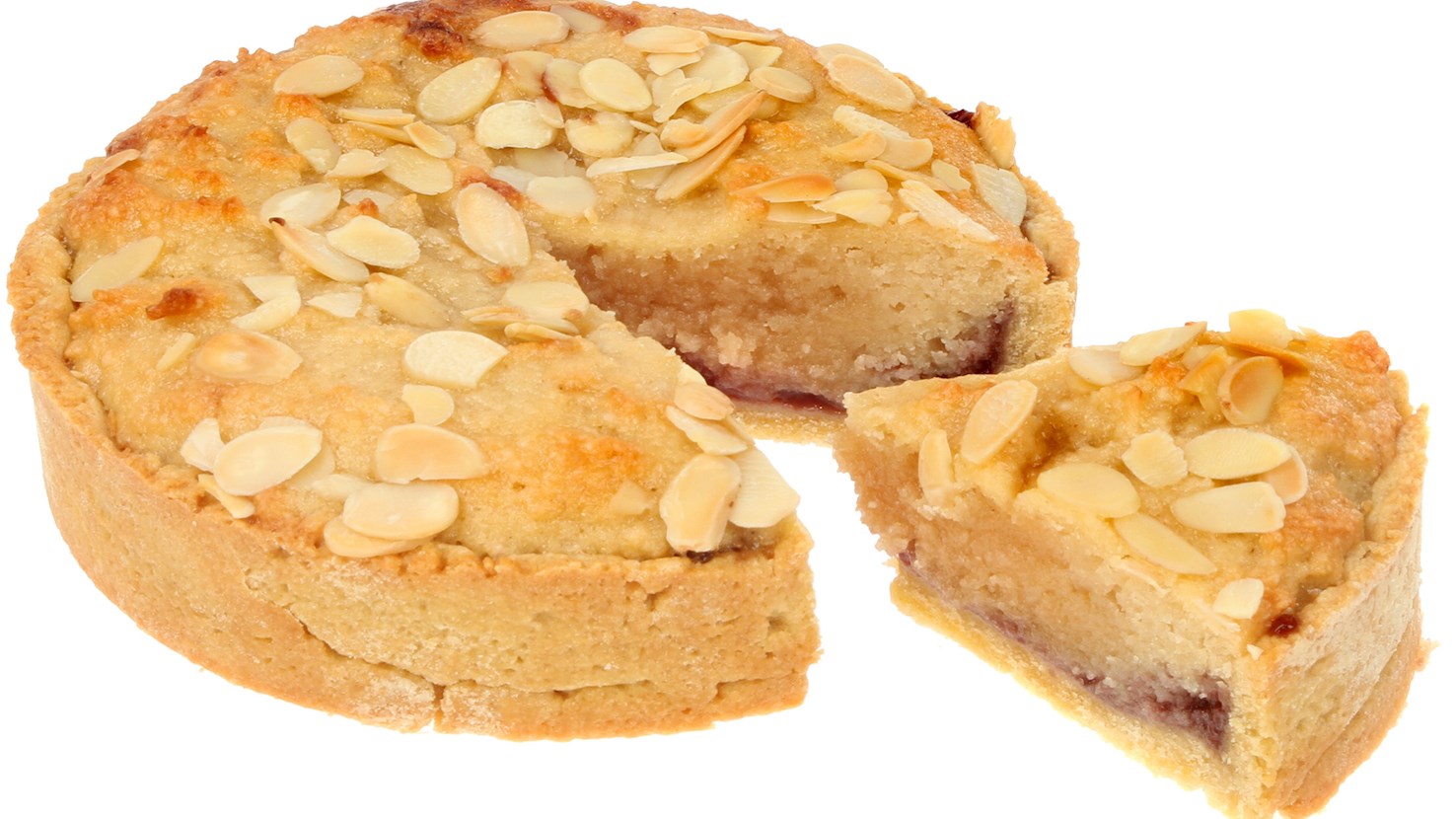
A variation on the Bakewell pudding, Bakewell tart, was invented sometime in the 20th century. It has a shortcrust pastry shell, the bottom of which is spread with strawberry jam and filled with a frangipane filling. The top is sprinkled with flaked almonds, and before serving, the tart is usually sprinkled with powdered sugar.
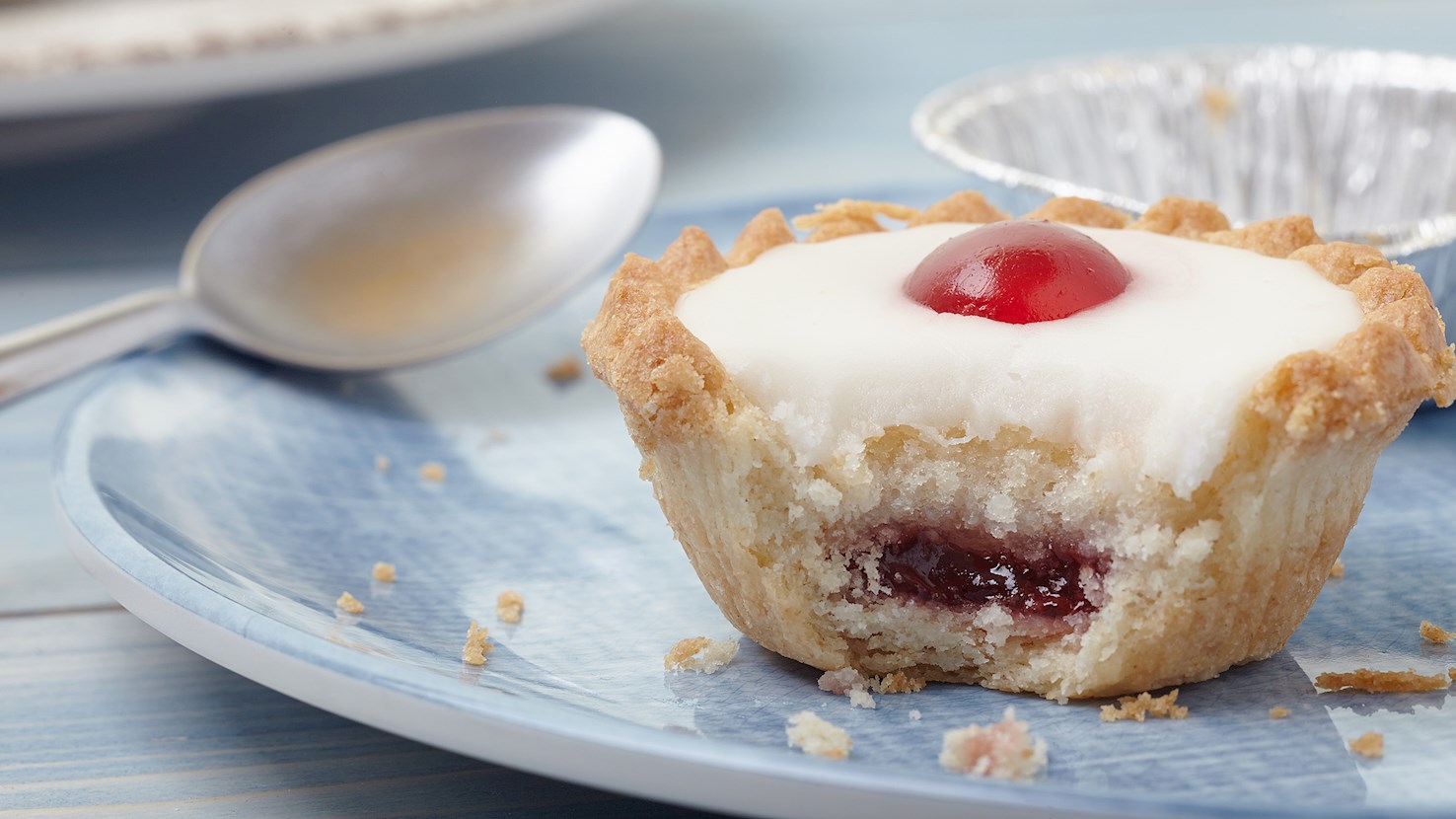
Unlike the more famous Bakewell tart, cherry Bakewell, a take on the Bakewell tart, is usually baked as individual tarts, although recipes that make one large cherry Bakewell are not an uncommon find. The cherry Bakewell consists of shortcrust pastry, jam, either raspberry or cherry, frangipane, icing, and one-half of a glacé cherry. Typically, the icing is almond-flavored, but that’s not always the case.
TasteAtlas food rankings are based on the ratings of the TasteAtlas audience, with a series of mechanisms that recognize real users and that ignore bot,
nationalist or local patriotic ratings, and give additional value to the ratings of users that the system recognizes as knowledgeable.
For the “Top 11 Tart Recipes” list until September 17, 2026, 3,951 ratings were recorded, of which 3,127 were recognized by the system as legitimate.
TasteAtlas Rankings should not be seen as the final global conclusion about food. Their purpose is to promote excellent local foods,
instill pride in traditional dishes, and arouse curiosity about dishes you haven’t tried.








What People Say