Top 3 Eastern European Teas and Herbal Infusions

Last updated on June 15, 2026

Best Eastern European Teas and Herbal Infusions
01

Taba Tea

4.5 ·
Taba Tea is a Georgian tea producer based in the Guria region, an area with deep historical significance in the country’s tea-growing heritage. The brand presents itself as a third-generation family business dedicated to producing premium Georgian tea from its own plantations near Ozurgeti. Its story is connected to nearly century-old tea fields and the legacy of Arkady Shetsiruli, who played a role in the development of tea culture and production in this part of Georgia. The plantations are located in the Gomismta microclimatic zone, where subtropical conditions, Black Sea humidity, and acidic soils create favorable conditions for tea cultivation. Taba Tea emphasizes natural cultivation without chemicals or artificial additives, combining traditional methods, manual craftsmanship, and modern processing technology. Its portfolio includes black, green, white, and blueberry-infused teas, alongside tea seeds, essential oils, and tea-based chocolate products. Beyond tea production, the company also promotes tea tourism through plantation tours, tastings, and tea ceremonies hosted in a traditional 120-year-old Gurian wooden house known as Guri Oda. Rather than functioning solely as a tea producer, Taba Tea positions itself as a steward of Georgian tea heritage, contributing to the modern revival of the country’s tea industry through small-scale production, authenticity, and strong regional identity.

Best Eastern European Tea / Infusion Types
01

Uzvar

4.1 ·

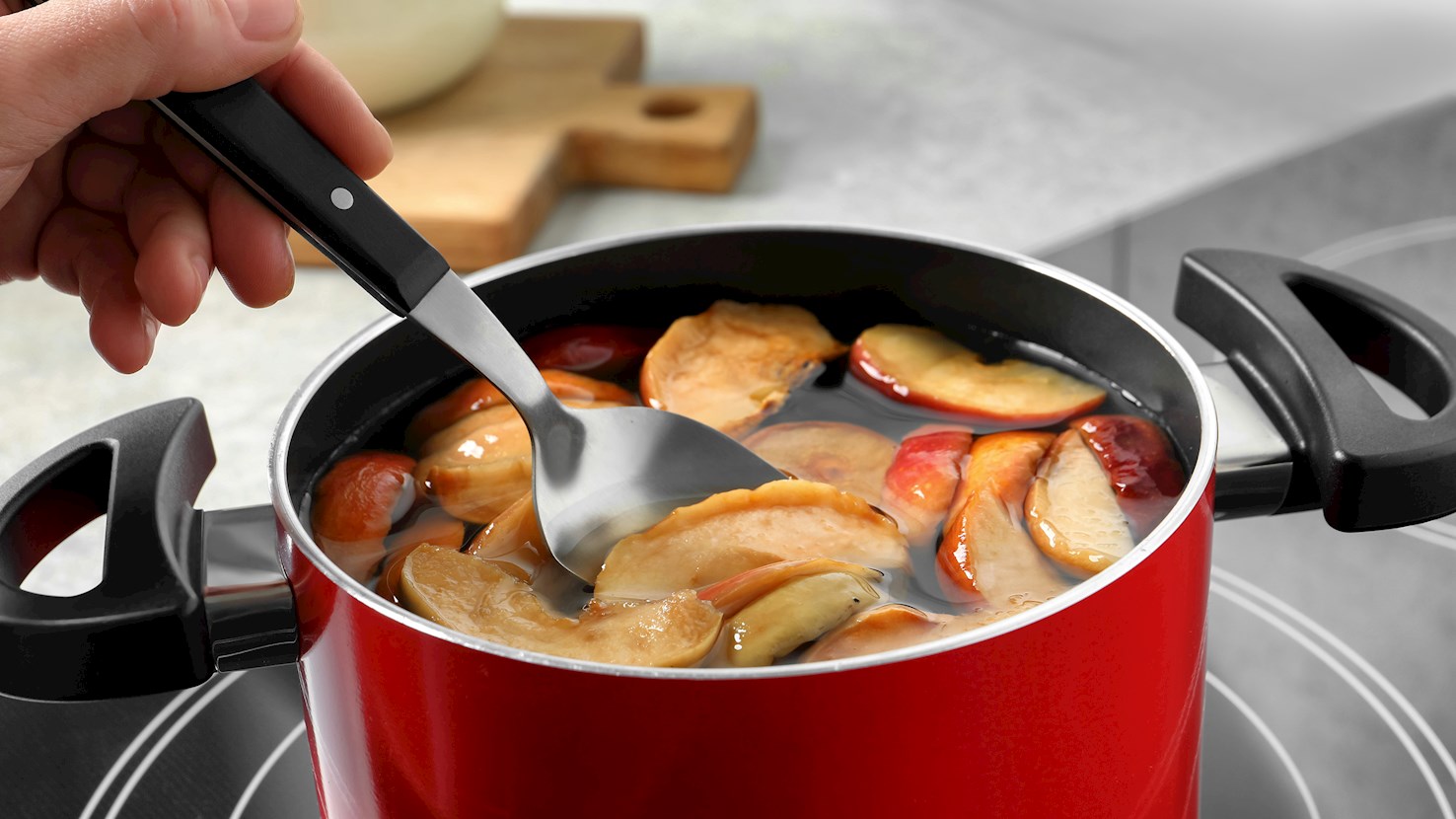
Uzvar is a traditional drink made by simmering dry fruit in water. It is a type of infusion made with various dry fruit, but apples, pears, prunes, and dry apricots are the most common option. Though only one type of fruit can be used, most variations will use a combination of different fruits, while some also add fresh fruit. Spices such as cinnamon, star anise, and nutmeg are commonly used as flavorings, and the drink is typically sweetened with honey. Before it is served, uzvar is left to infuse and chill. It is traditionally enjoyed as a wintertime beverage, and it is also a regular part of Sviata Vechera—Ukrainian Christmas Eve dinner—when it is served as the last part of the meal.

02

Russian Caravan

3.8 ·

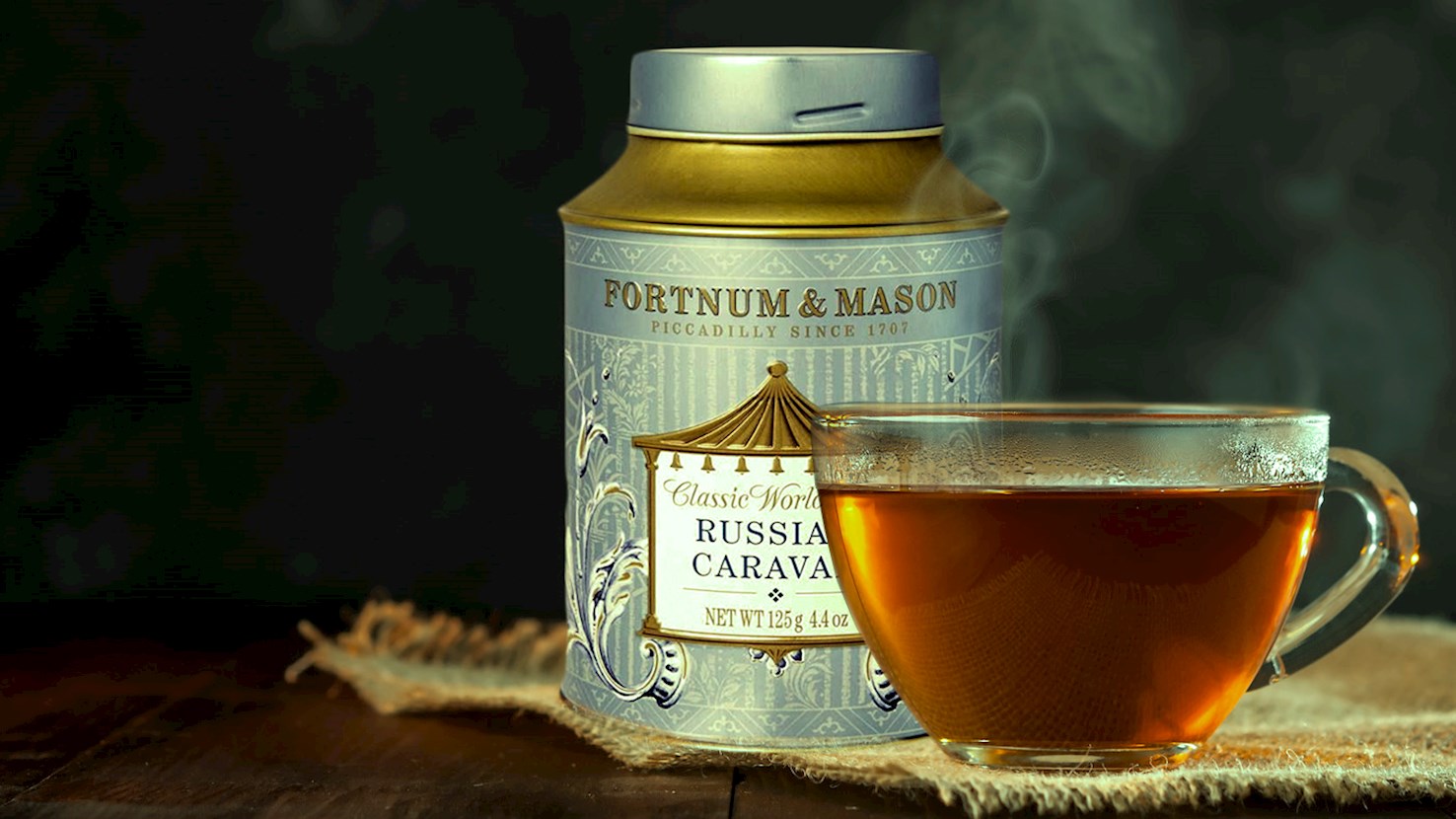
Russian Caravan is a tea blend that is typically made with Chinese oolong and black teas. The blends may vary, but it mostly consists of at least two tea types, while the most common combinations include Keemun black tea, the smoky Lapsang Souchong, and oolong teas. Although the exact selection may vary, Russian Caravan is based on fully or partially oxidized teas, and the final character is typically dark, smoky, spicy, and malty. Traditionally, Chinese black teas were used in the blend, but as there are no set ingredients, the variations may include Indian (Assam) or Taiwanese teas. The intriguing name is linked with the origin of this tea. It is associated with the ancient caravan route used to transport Chinese tea to Tsarist Russia. The route was long, and it went through roughed Siberian terrain. Although there was a shorter route, it was avoided due to the unfavorable climate. The Siberian route was cold and dry, which preserved the quality of the tea. It is said that during these long journeys, the tea would sit next to a fire, and it usually attained subtle smoky notes. As the Russian Caravan blend is an effort to re-create these teas, it traditionally has a smoky note, which is generally acquired with Lapsang Souchong, but it is not mandatory. This tea would pair well with red meat, game, lamb, and lemon-based desserts. They can also work well with BBQ dishes and smoked salmon.

03

Kalmyk Tea

3.1 ·

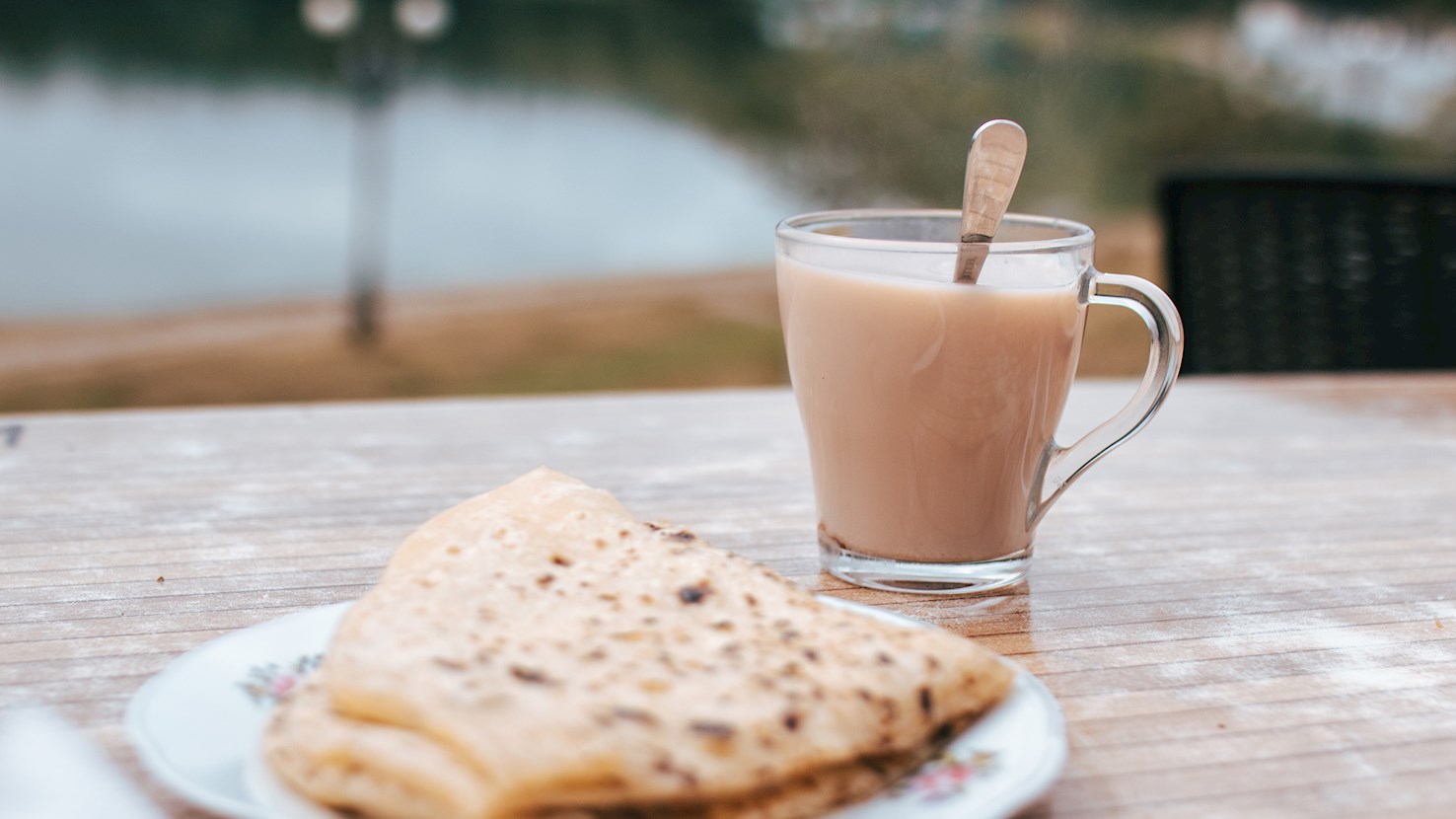
Kalmyk tea or chai is a creamy tea made with pressed green or black tea, usually brewed with butter, milk, and salt. The variations include nutmeg and sometimes other spices such as peppercorns. This tea is mainly made with pressed green tea that includes stems, stalks, and twigs. As the name suggests, Kalmyk tea originated among the Kalmyk, the Mongolian nomadic people in Russia and Kyrgyzstan that make a majority in the Russian region Kalmykia. The tea was most likely initially made with melted butter, salt, and camel milk. It was traditionally enjoyed as a filling and nourishing drink. When paired with bread, it was meant to replace a meal. The tea, and its variations, is still regularly consumed in the region.

Read more
View all
View map
About this ranking

TasteAtlas food rankings are based on the ratings of the TasteAtlas audience, with a series of mechanisms that recognize real users and that ignore bot, nationalist or local patriotic ratings, and give additional value to the ratings of users that the system recognizes as knowledgeable. For the “Top 3 Eastern European Teas and Herbal Infusions” list until June 15, 2026, 76 ratings were recorded, of which 50 were recognized by the system as legitimate. TasteAtlas Rankings should not be seen as the final global conclusion about food. Their purpose is to promote excellent local foods, instill pride in traditional dishes, and arouse curiosity about dishes you haven’t tried.

The initial list of top producers was compiled based on available reviews, awards, local recommendations, media and blog coverage, and consumer reviews. The list will be updated with ratings from TasteAtlas local ambassadors and TasteAtlas users.

Similar lists