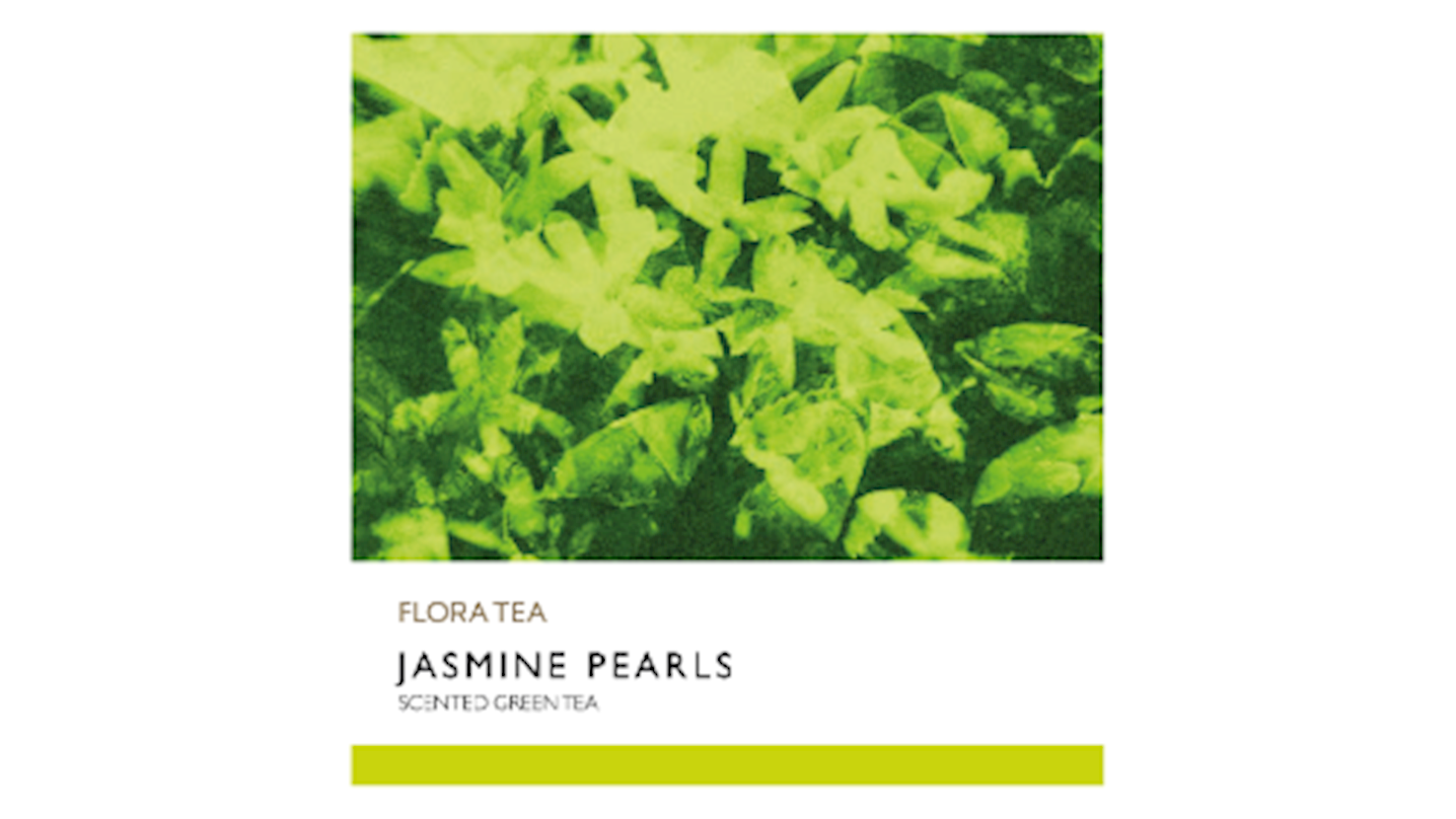
Flora Tea is a brand that specializes in premium flowering teas, offering a unique and artistic tea experience. Known for its elegant and vibrant blooming tea, Flora Tea provides a selection of high-quality teas that unfurl into beautiful flowers when steeped.
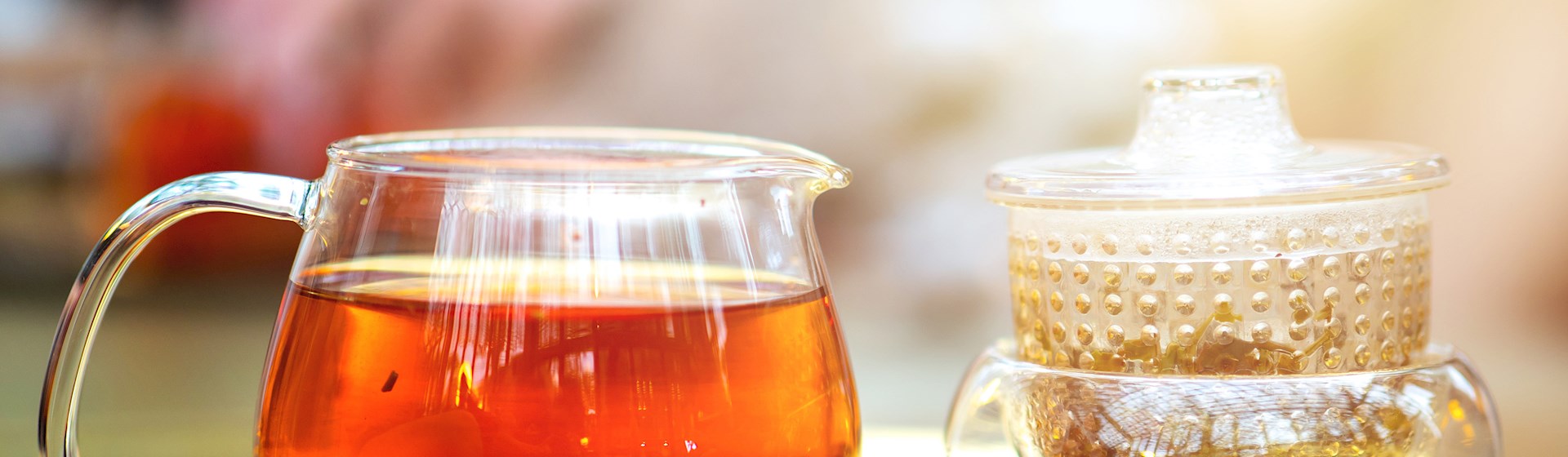
Their range includes carefully hand-tied blooms made from the finest ingredients, offering both visual and sensory delight. Flora Tea also offers elegant teaware, including glass teapots and cups, to enhance the blooming tea experience.
The company’s commitment to craftsmanship and creativity is evident in every product, making it a great choice for tea enthusiasts seeking a more artistic and visually engaging tea time. Whether you are looking for a special gift or a personal indulgence, Flora Tea ensures a memorable tea experience.
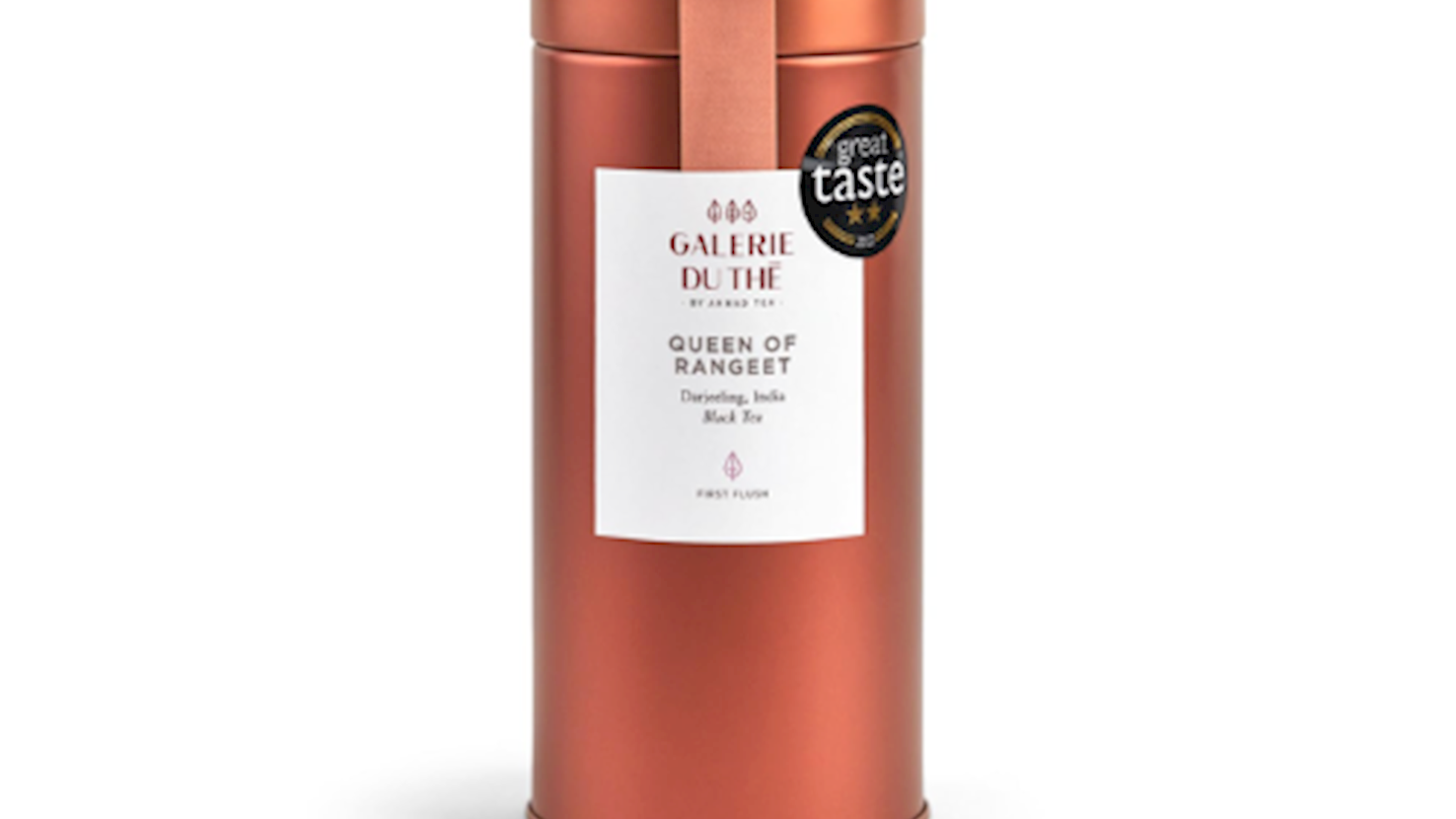
Galerie Du Thé specializes in high-quality loose-leaf teas, including black, green, oolong, matcha, and white tea. Their selection is curated to provide an exceptional tasting experience, with a focus on freshness, craftsmanship, and small-batch production.
The brand emphasizes its commitment to "fresh" teas, vacuum-sealed for optimal freshness, and shipped in protective packaging to ensure that each tea retains its full flavor profile.
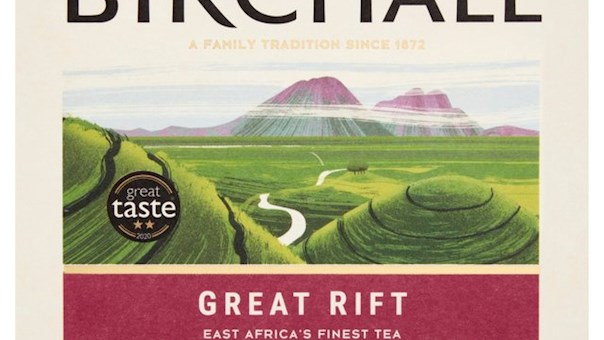
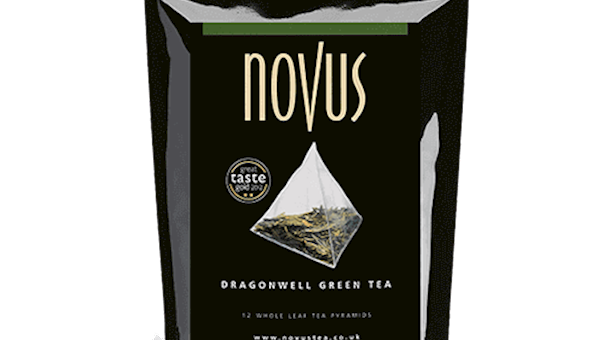
They also offer a selection of award-winning blends, such as their Great Taste Award Collection.
Additionally, Galerie Du Thé offers exclusive gift sets, tea accessories, and packages to explore different teas. They have received positive reviews from top chefs and customers for the quality and uniqueness of their products.
Soalheiro is a renowned winery located in the northern region of Portugal, particularly known for its exceptional Alvarinho wines. The winery has a strong tradition of innovation, with its origins tracing back to João António Cerdeira, who was the first to plant a full vineyard of Alvarinho in Melgaço.
The family-run winery, now managed by the third generation, continues to embrace both tradition and innovation in its winemaking practices.
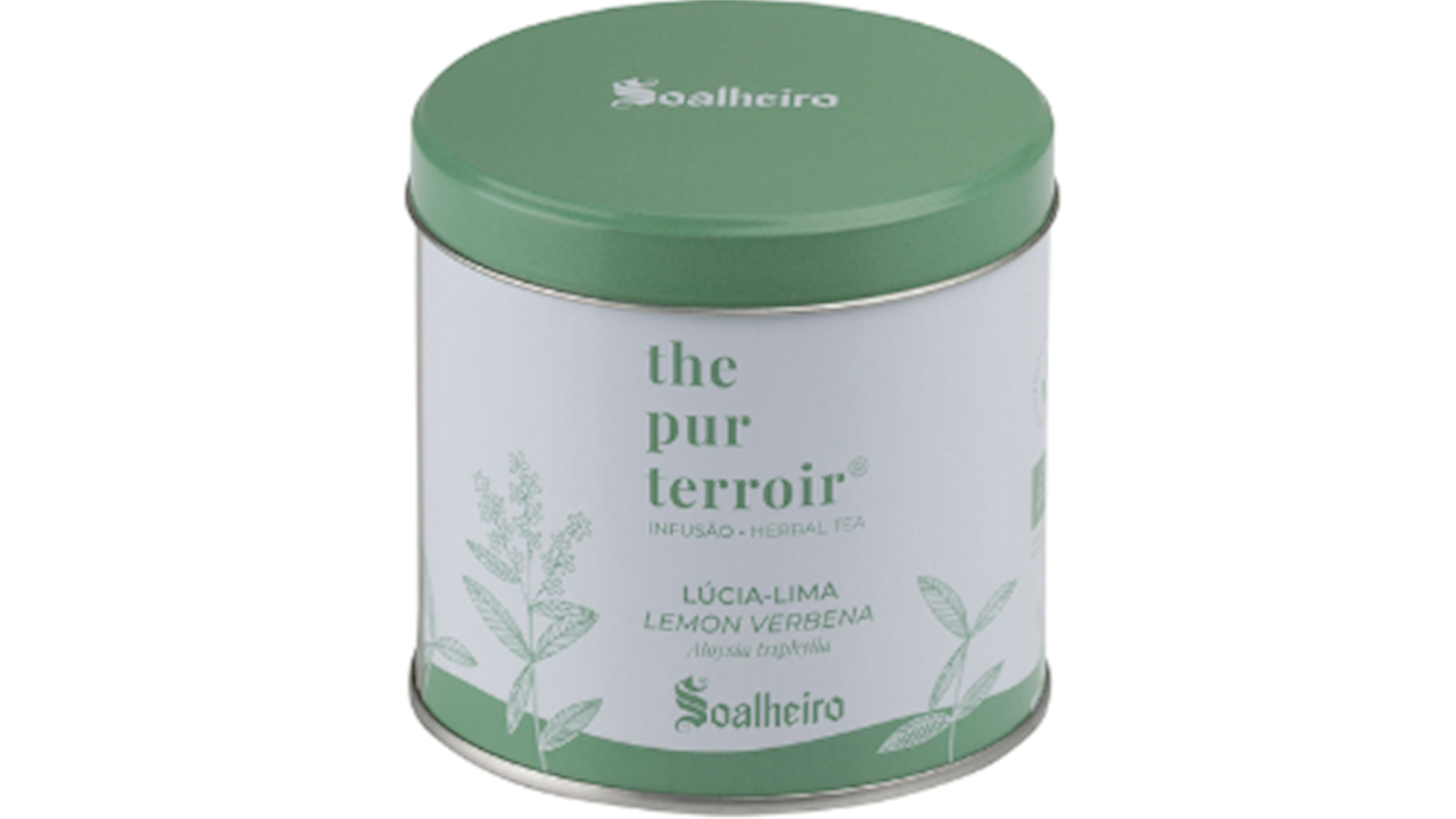
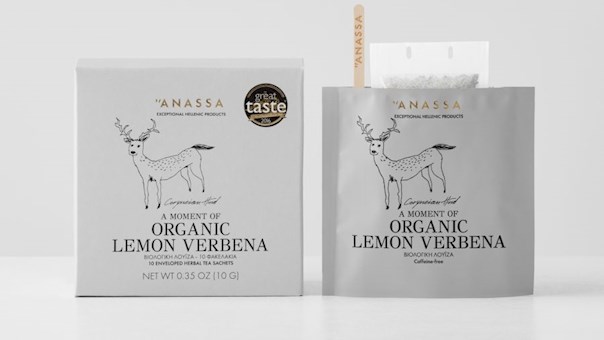
In addition to its wines, Soalheiro also produces herbal teas, which are a part of the region's rich cultural heritage. They offer a variety of herbal infusions such as Lemon Verbena, Spearmint, and Rosemary, which are celebrated for their natural flavors and therapeutic benefits.
Soalheiro places a strong emphasis on sustainability, with eco-friendly practices in both viticulture and packaging, and provides immersive experiences like wine and herbal tea tours, gastronomic journeys, and tastings to introduce visitors to the unique traditions of the Minho region.
Awards
Decanter World Wine Awards - Best in Show
(2021)
Decanter World Wine Awards - Platinum
(2017, 2016)
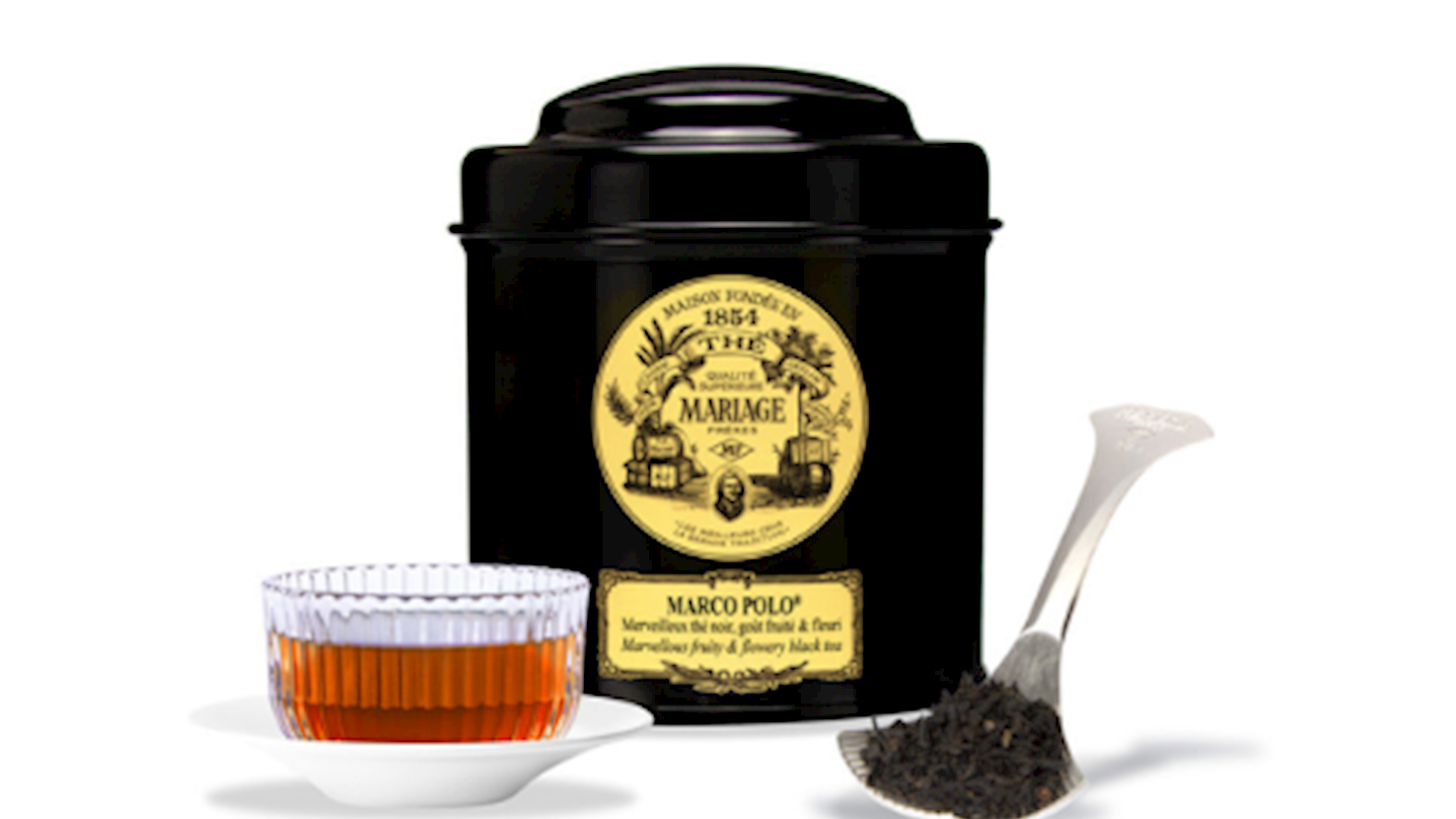
Mariage Frères is a prestigious French tea company founded in 1854 in Paris. It is renowned for its exceptional selection of fine teas and innovative blends.
Mariage Frères has established itself as one of the premier tea brands in the world, offering an extensive range of products, from traditional black, green, and white teas to unique creations infused with flowers, spices, and fruits.
Known for its elegant and luxurious approach, Mariage Frères combines history, expertise, and craftsmanship. Their famous "tea salons" in Paris offer an immersive experience where customers can enjoy a cup of tea alongside gourmet pastries.
The company also prides itself on sustainable sourcing practices and high-quality ingredients. With a focus on refinement and the art of tea, Mariage Frères is beloved by tea enthusiasts and connoisseurs around the globe.
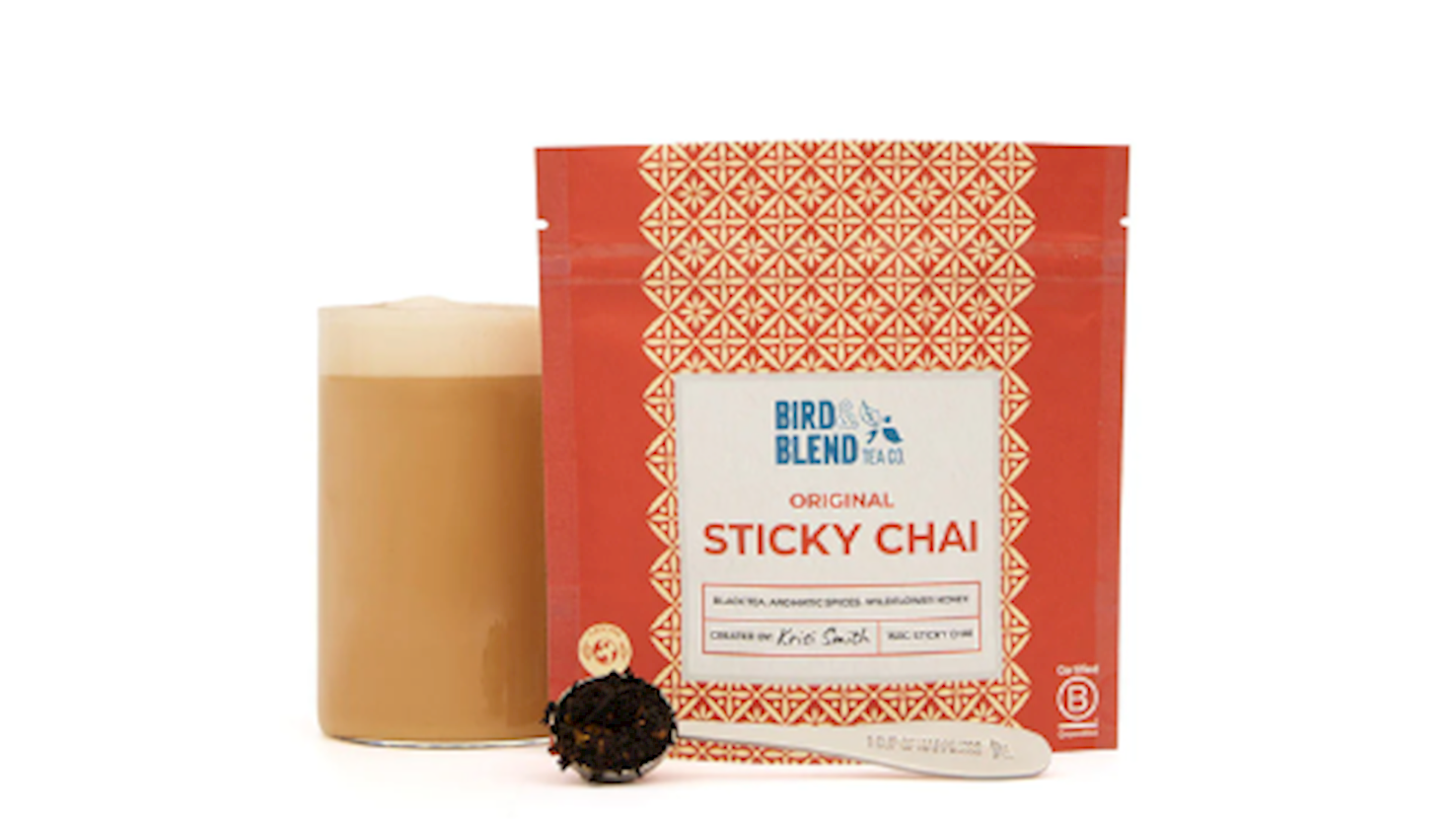
Bird & Blend Tea Co. is an independent British tea brand specializing in loose-leaf teas, tea bags, matcha, and innovative tea blends. The company was founded by Krisi and Mike, who began their business by packing tea in their bedroom and selling it at local markets before developing it into a recognized brand with retail stores and international online sales.
Originating in Brighton, the company previously operated under the name Bluebird Tea Co. Today, it is known for its "tea mixology" approach, combining teas with herbs, spices, fruits, and natural flavorings to create distinctive blends.
Its portfolio includes more than 100 varieties, ranging from black, green, white, oolong, and rooibos teas to herbal infusions and matcha products. Bird & Blend aims to make specialty tea more approachable, diverse, and contemporary while maintaining a strong focus on ingredient quality.
The brand’s stores also serve as tasting spaces where customers can explore and sample different blends. Seasonal releases and unusual flavor combinations have become a defining part of its identity, helping the company build a loyal following among modern tea enthusiasts.
Through its creative approach and commitment to quality, Bird & Blend Tea Co. has established itself as one of the most distinctive specialty tea brands in the United Kingdom.
Postcard Teas is a British specialty tea merchant founded in London in 2005 by tea expert Tim D’Offay. The company was established with the aim of offering tea enthusiasts authentic teas of known origin, sourced directly from small producers in some of the world’s most renowned tea-growing regions.
Over the years, Postcard Teas has built a reputation as a pioneer of transparency in the tea industry by identifying the producer and origin of every tea in its collection. The company works closely with small family-run farms in Japan, China, Taiwan, India, and other tea-producing countries, with a strong focus on quality, sustainability, and the preservation of traditional production methods.
Its portfolio includes a wide range of green, black, white, oolong, and puerh teas, as well as rare and seasonal harvests that reflect the unique character of their place of origin. Postcard Teas is also known for its educational approach, helping customers develop a deeper understanding of tea culture, provenance, tea varieties, and processing techniques.
Its teas are served in restaurants, hotels, and specialty retailers throughout the United Kingdom. Through its direct relationships with growers and unwavering commitment to quality, Postcard Teas has become one of the most respected names in the world of specialty tea.
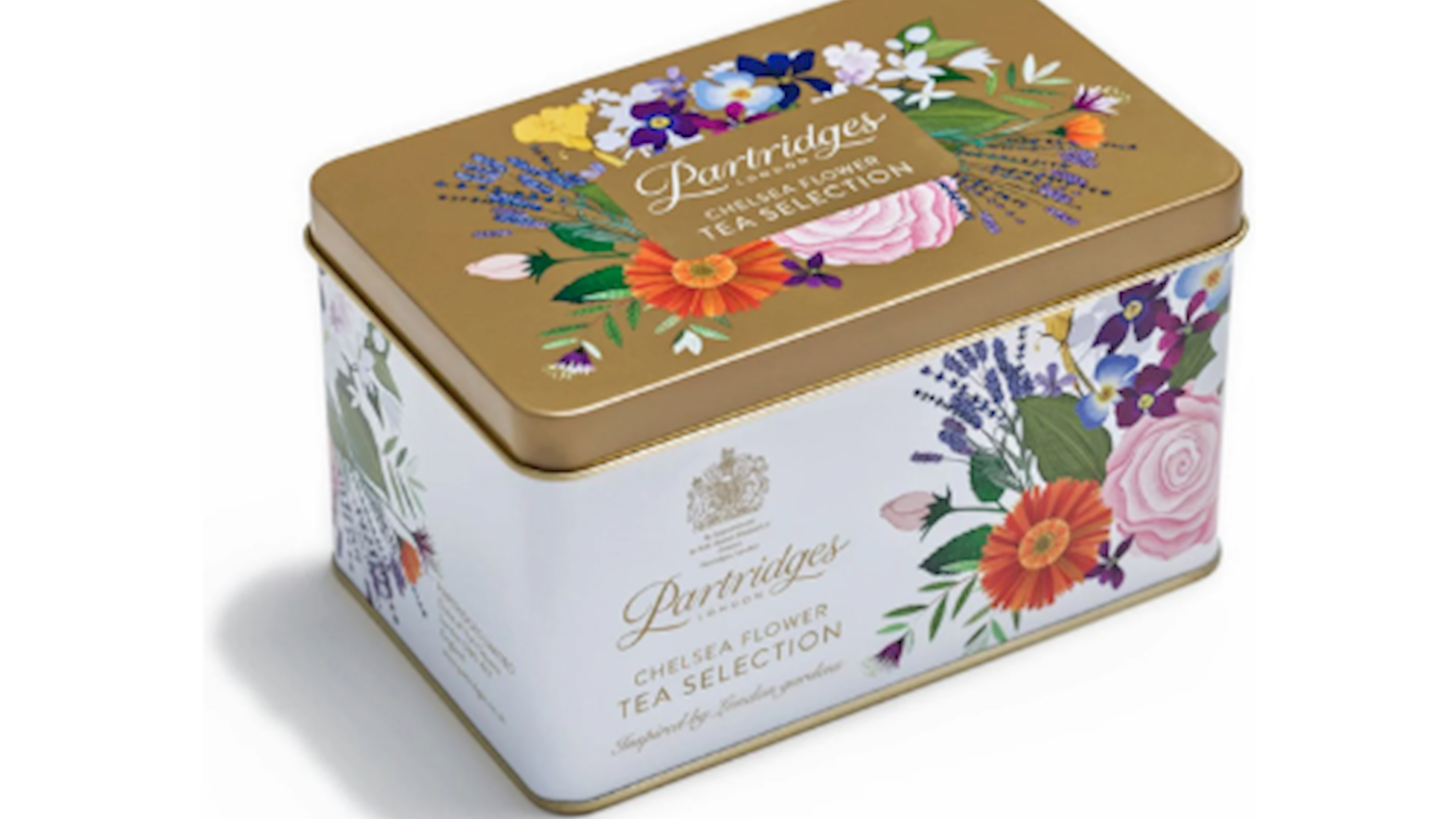
Partridges is a British family-owned retailer specializing in premium food, delicatessen products, and international gourmet goods. The company was founded in 1972 by Sir Richard Shepherd in Chelsea, London.
Its first store opened on Sloane Street and quickly earned a reputation for offering high-quality British products, imported foods, fine wines, and specialty items from around the world. Since 1981, the business has been led by John Shepherd, the founder’s brother, while remaining an independent family enterprise.
Partridges is known for its carefully curated selection of thousands of food products, including teas, biscuits, preserves, chocolates, cheeses, ready-to-eat delicacies, wines, and gift hampers. For decades, it was considered one of Chelsea’s most recognizable institutions, particularly through its store at Duke of York Square and its popular weekly food market.
Although the Chelsea store closed in February 2025, the business continues to operate through its Gloucester Road location and online shop. Partridges stands out for combining traditional British retailing with an international gourmet selection and a long-standing connection to the local community.
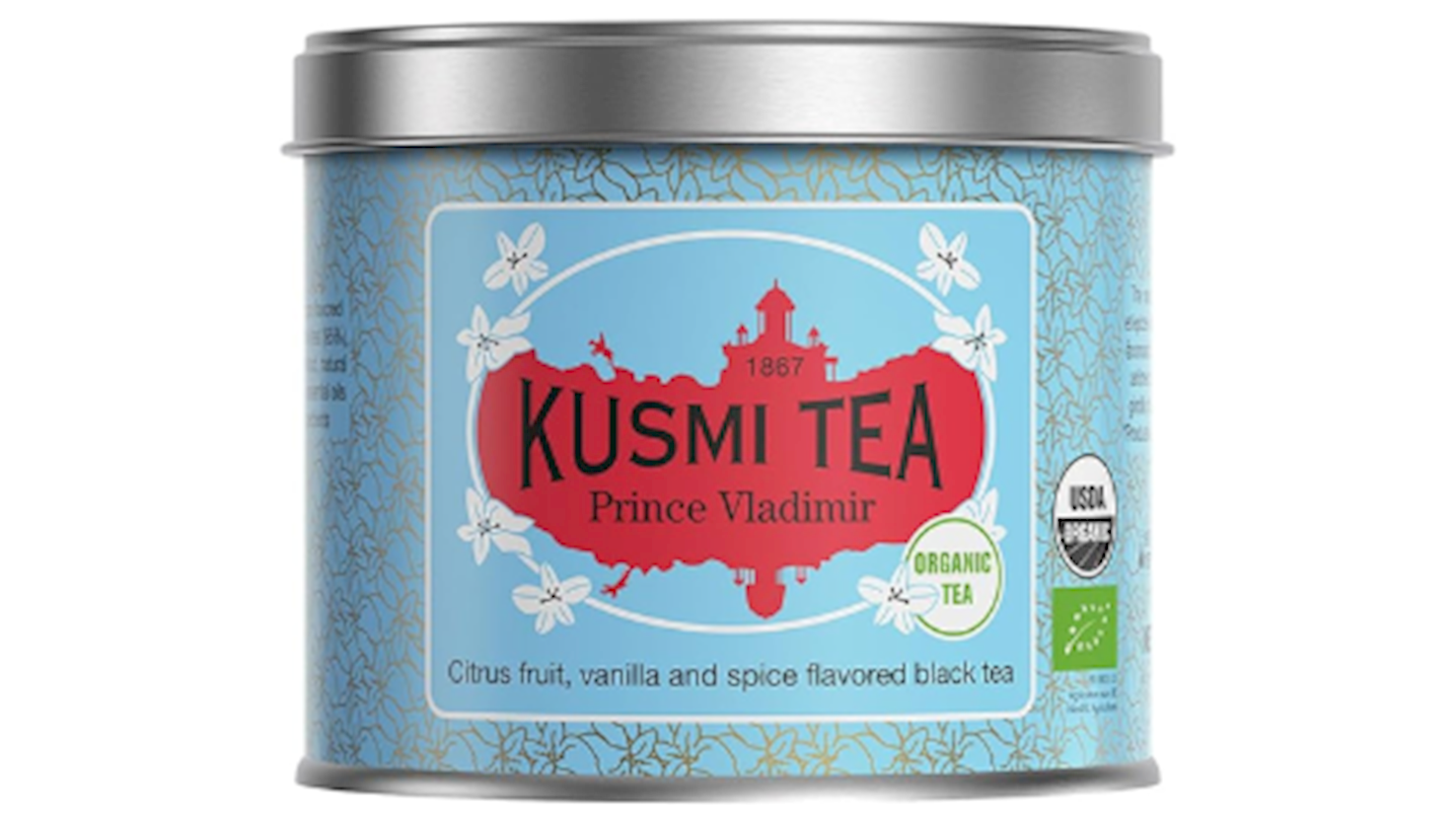
Kusmi Tea is a renowned French tea brand established in 1867, celebrated for its high-quality blends, innovative flavors, and beautiful packaging. With a rich history of over 150 years, Kusmi Tea has built a strong reputation for offering premium teas from around the world.
The company was founded in St. Petersburg, Russia, by Pavel Kousmichoff, a Russian tea merchant, and later moved to Paris, where it became synonymous with sophistication and luxury.
Kusmi Tea is known for its exceptional blends that combine traditional tea leaves with unique flavors, herbs, and spices, creating harmonious and aromatic profiles. Some of the brand’s most iconic blends include Prince Vladimir, Anastasia, and Detox, each offering distinct, high-quality flavors to suit every taste preference.
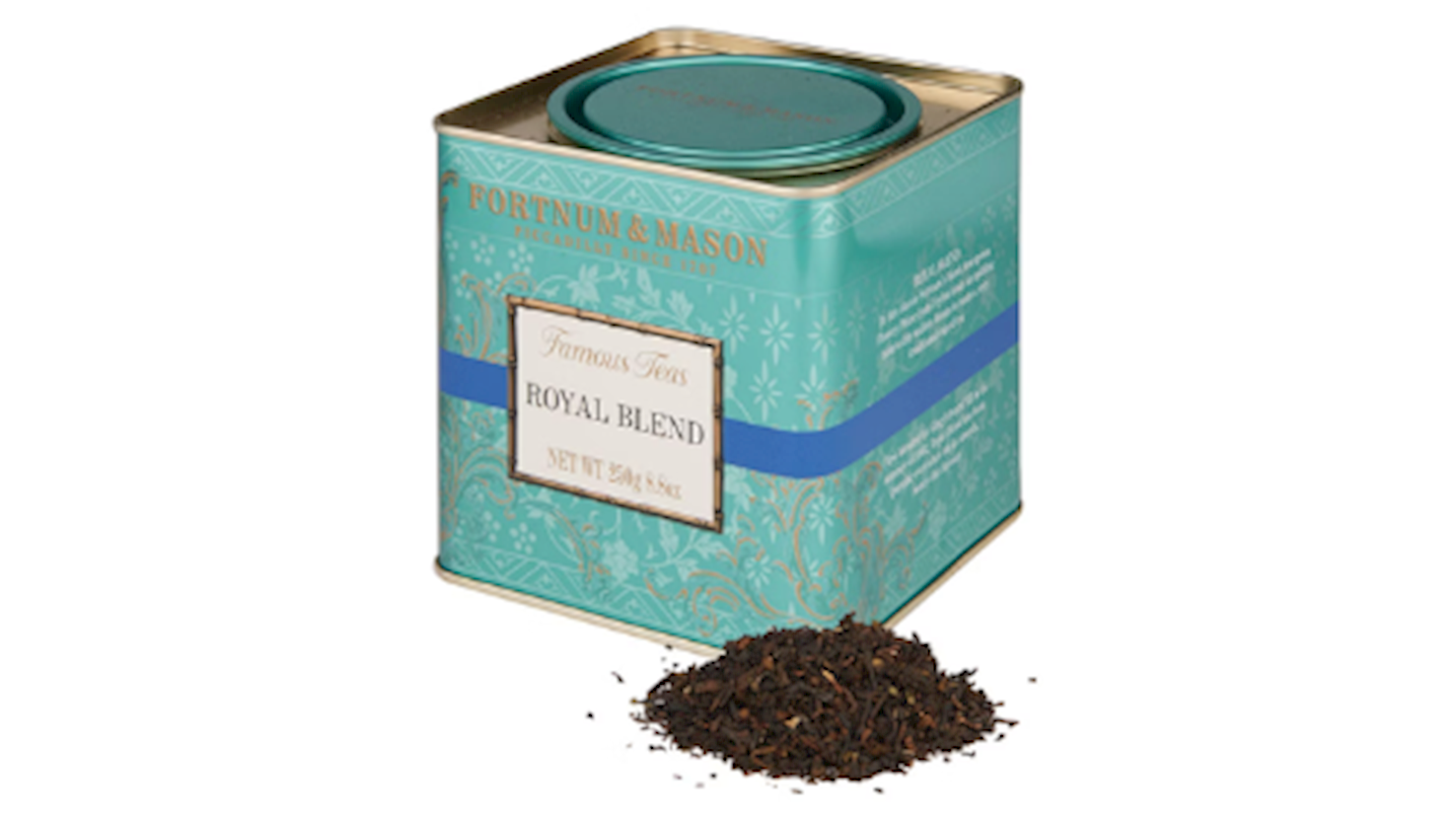
Fortnum & Mason is a renowned British luxury department store, established in 1707 in the heart of London. Known for its high-quality food, fine teas, and beautiful gifts, Fortnum & Mason has become a symbol of British elegance and sophistication.
It is recognized for its iconic hampers and offers a wide range of products, from gourmet foods and exclusive teas to luxury homeware.
The brand has earned a reputation for impeccable customer service and exceptional craftsmanship, offering carefully selected products sourced from the finest producers worldwide. Over the centuries, Fortnum & Mason has become a beloved destination, frequented by royalty and discerning customers alike.
Fortnum & Mason is especially known for its wide selection of premium teas, which reflect tradition and quality.
Their teas come from the most renowned tea plantations around the world, including the finest varieties of black, green, and white teas. The brand offers a rich array of flavors, from classic English Breakfast and Earl Grey teas to special blends with floral and fruity notes.
Awards
Dalemain World Marmalade Awards - Double Gold
(2024)
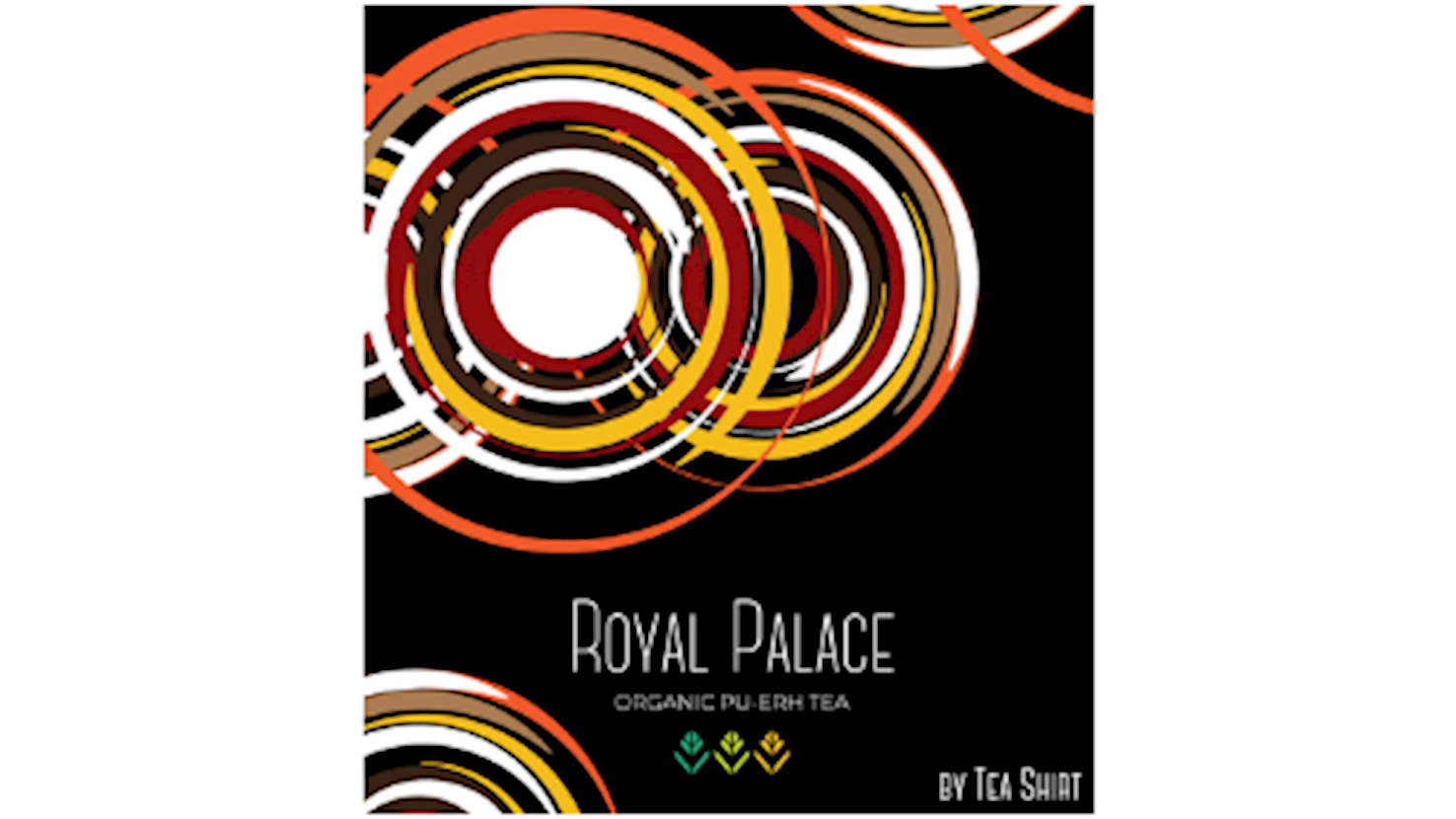
Tea Shirt Teas is a British company focused on providing high-quality, eco-friendly, and ethically produced teas. Their range includes a wide variety of organic and plastic-free loose-leaf teas, including black, green, oolong, herbal, and Ayurvedic teas.
The company stands out for its commitment to sustainability, using recyclable and compostable packaging to reduce its environmental footprint. Tea Shirt Teas is particularly proud of its innovative blends, such as "Chocolate Cloud" and "Apple & Grapefruit." All teas are carefully selected and ethically sourced, supporting fair trade and sustainable practices within the tea industry.
In addition to the exceptional quality of their products, Tea Shirt Teas is recognized for its high level of customer service and its contribution to environmental preservation.
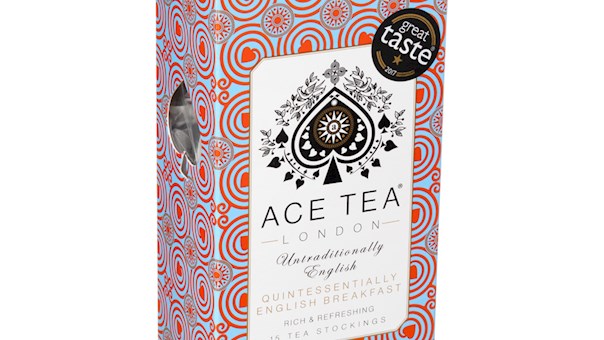
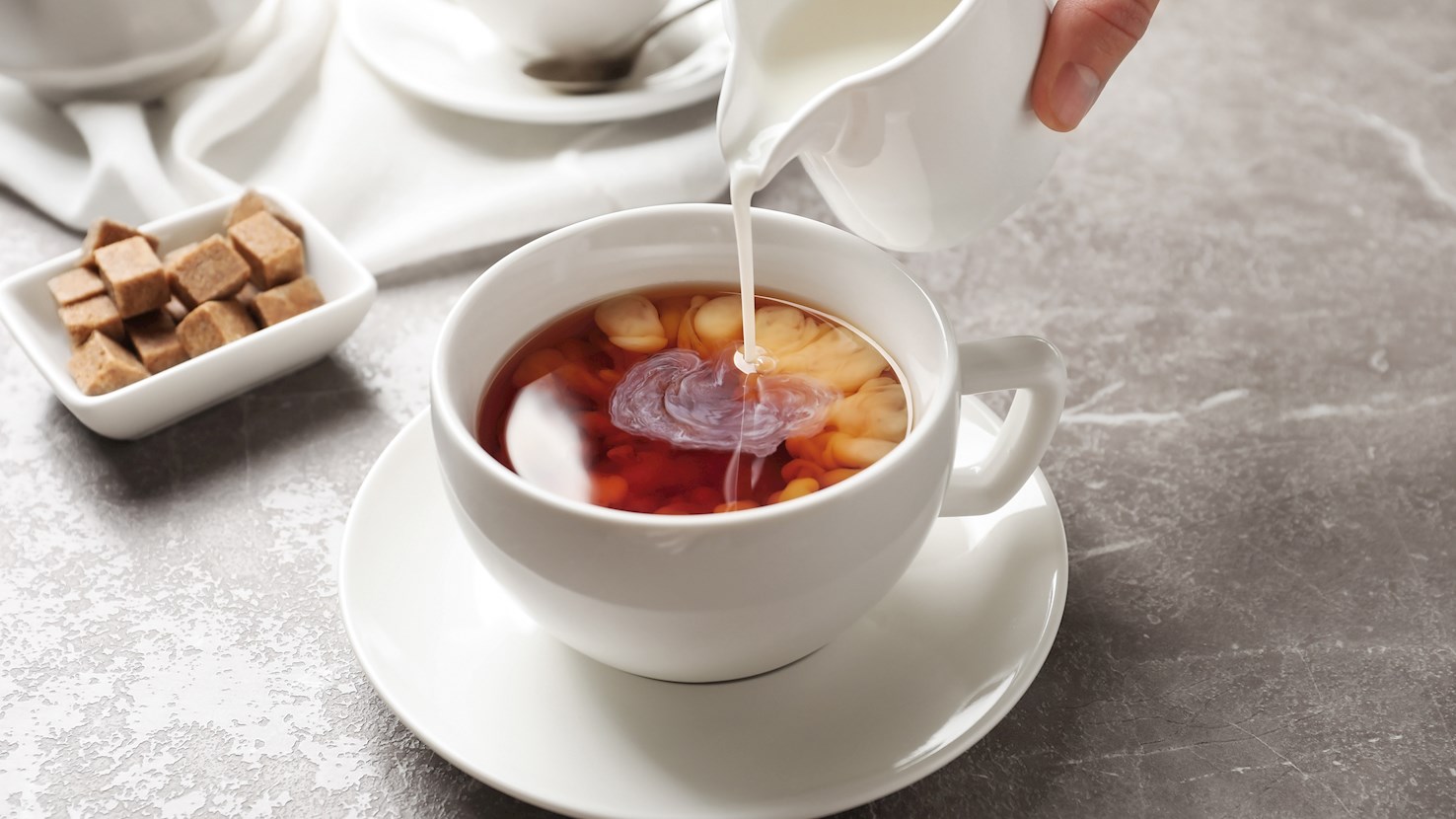
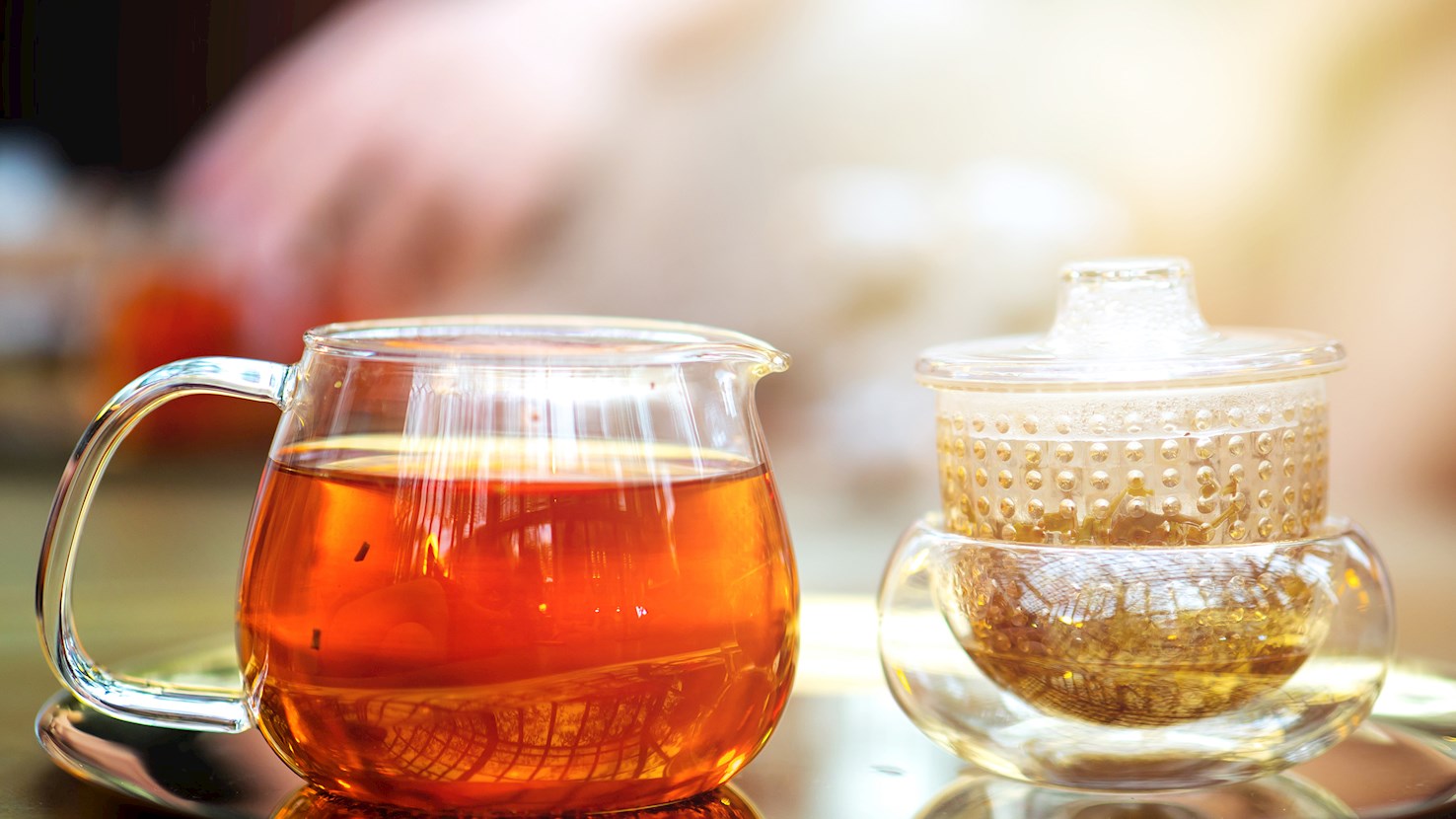
English breakfast tea is one of the most popular tea varieties in the UK and the world. It is a blend typically made with Assam, Ceylon, Chinese, and Kenyan black tea. Its birthplace—as well as the origin of its name—is quite vague and often disputed. One theory claims that the blend was invented in 1892 by a Scottish tea master Drysdale. Allegedly, this version was favored by Queen Victoria—who promoted the blend, and it is believed that the tea was then given its current name. Another theory credits Richard Davies for the invention of the name and the blend. He was a British tea merchant based in New York who supposedly started to sell his blend in 1834. Regardless of its exact origin, black tea became a breakfast staple in Great Britain sometime in the 18th century, and the somewhat weaker blends were then replaced by the strong English breakfast tea in the 19th century. Because of its full-bodied, robust, and strong flavor, the tea is usually sweetened and served with milk.
Earl Grey is a type of tea traditionally made with black tea flavored with bergamot oil. As the name is not trademarked, there are several varieties that may appear under the same name and which use different tea varieties or additional flavorings. Earl Grey is sold in the form of loose tea leaves or tea bags, and it typically yields a slightly tannic tea that has intense aromas of citrusy bergamot. It is believed that the tea was named after Prime Minister Charles Grey. Although the name Grey’s Tea probably appeared before, the first written reference of Earl Grey Tea dates back to the 1880s, while the researchers at Oxford English Dictionary argue that a variety of bergamot-flavored tea was first mentioned in 1824. Despite numerous theories of its origin, it is likely that the tea was already familiar among some Chinese tea masters, and it was then given to the Prime Minister, or it was a simple way to show respect to the nobleman. Some theories claim that it was Grey’s wife who was smitten by this fragrant combination and eventually promoted the tea among the British upper classes. The company Twinings is mostly cited and credited as the first distributor of this aromatic tea. Apart from its regular use, Earl Grey can be used as a flavoring in savory and sweet dishes. Although it is a classic afternoon tea, Earl Grey also pairs well with desserts and can be a surprisingly good match to curry dishes.
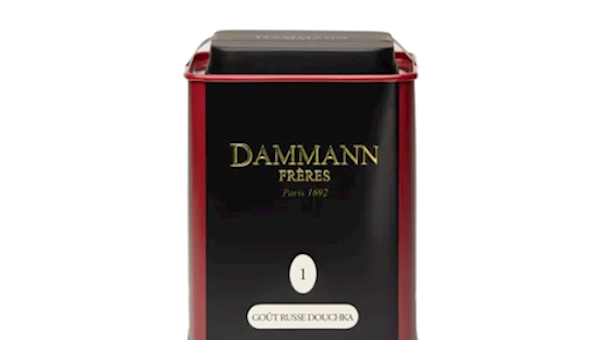
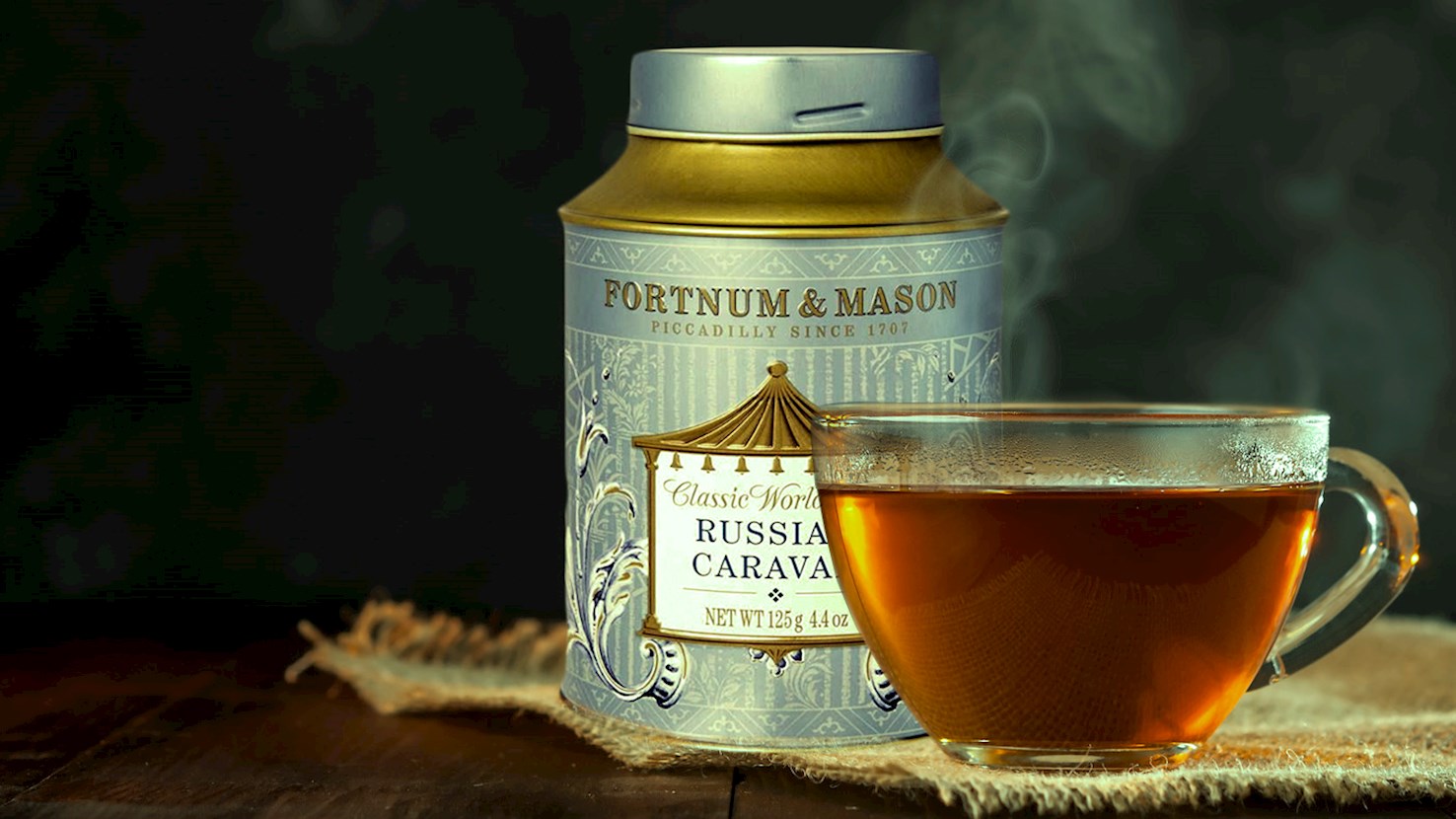
Russian Caravan is a tea blend that is typically made with Chinese oolong and black teas. The blends may vary, but it mostly consists of at least two tea types, while the most common combinations include Keemun black tea, the smoky Lapsang Souchong, and oolong teas. Although the exact selection may vary, Russian Caravan is based on fully or partially oxidized teas, and the final character is typically dark, smoky, spicy, and malty. Traditionally, Chinese black teas were used in the blend, but as there are no set ingredients, the variations may include Indian (Assam) or Taiwanese teas. The intriguing name is linked with the origin of this tea. It is associated with the ancient caravan route used to transport Chinese tea to Tsarist Russia. The route was long, and it went through roughed Siberian terrain. Although there was a shorter route, it was avoided due to the unfavorable climate. The Siberian route was cold and dry, which preserved the quality of the tea. It is said that during these long journeys, the tea would sit next to a fire, and it usually attained subtle smoky notes. As the Russian Caravan blend is an effort to re-create these teas, it traditionally has a smoky note, which is generally acquired with Lapsang Souchong, but it is not mandatory. This tea would pair well with red meat, game, lamb, and lemon-based desserts. They can also work well with BBQ dishes and smoked salmon.
Chamomilla bohemica is a dried flowerhead of the chamomile plant from the Flos chamomilla vulgaris species, produced in the Bohemia area in the Czech Republic, consisting of Prague, Central and South Bohemian, Plzeň, Karlovy Vary, Ústí nad Labem, Liberec, Hrádec Králové and Pardubice regions. The designated area of production is characterized by loamy and sandy soils and the average annual rainfall of 500-700 mm/m2, providing favourable conditions for growing the chamomile plant of an excellent quality, where it was grown before the 1950s. As there is lots of sunshine in the region, it influences the essential oils and chamazulene content in the plant. It is harvested in a gentle way, and there is even a special machinery developed especially for the harvest of the flowerheads. The product is mostly sold in tea bags, and used in the preparation of herbal teas, consumed hot to take full advantage of the beneficial properties of this unique plant.
Alföldi kamillavirágzat is a wild chamomile flower grown on the saline soils of the Great Hungarian Plain. This fragile cultivar is hand-picked, dried in central Hungary and then used in tea sachets or infusions. It has a strong, sweet, intense smell and tastes slightly bitter. Since the essential oils in wild chamomile are preserved much better than the ones in normally cultivated chamomile, Alföldi kamillavirágzat is also prized for its medicinal purposes and used in treating gastrointestinal pain or externally, for treating the gums and mouth sores.
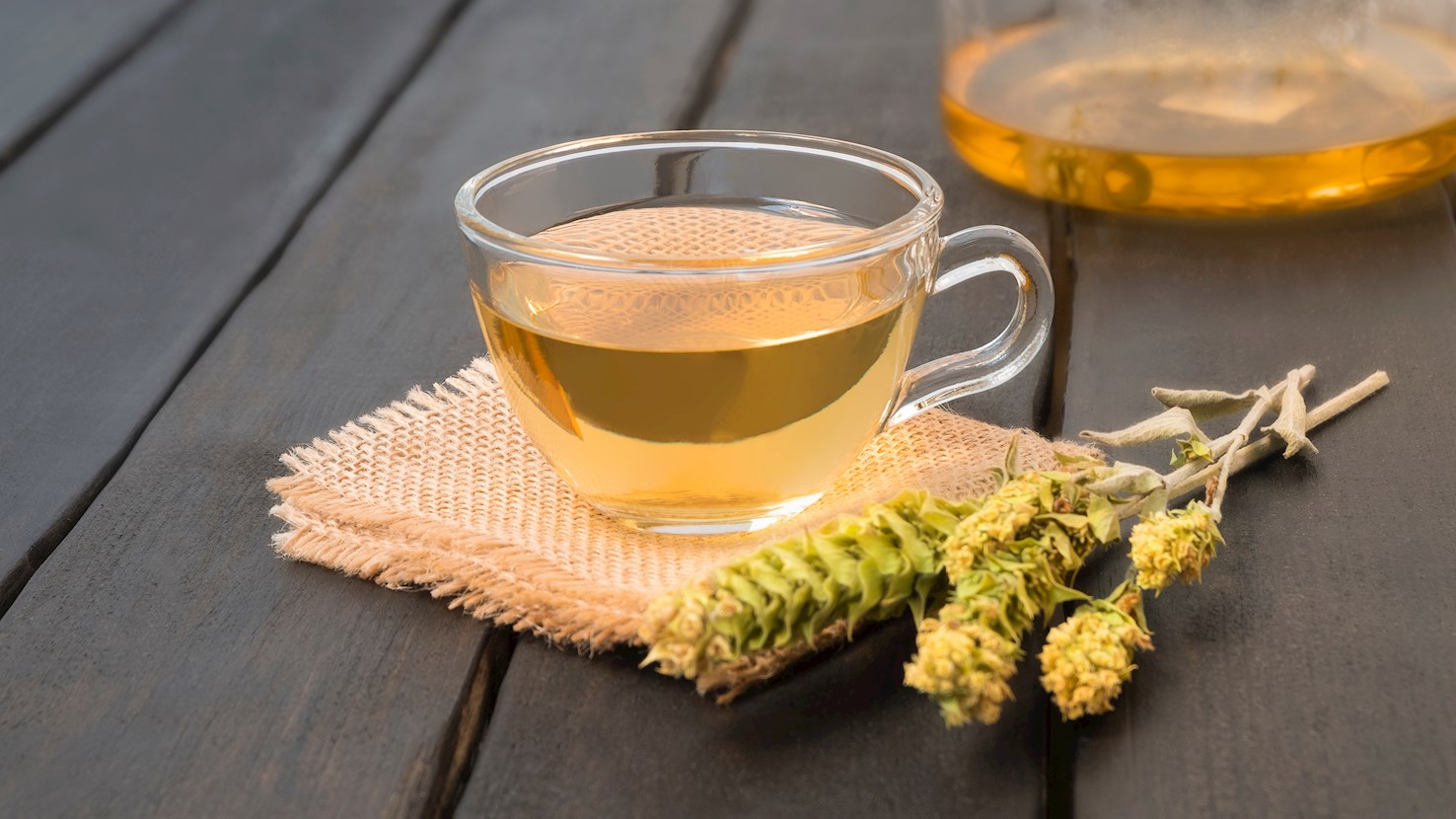
Mursalski chai is a herbal infusion that originates from Smolyan Province, Bulgaria. The infusion, or tea as it is usually called, is brewed from Sideritis scardica, a perennial plant endemic to the Balkan Peninsula. The plant is mainly found in the Rhodope Mountains. The preparation of the drink is simple and includes steeping the dried plant in boiling water. The brew is strained, and it is traditionally sweetened with honey. Many believe that this herbal tea has numerous health benefits. It is said that it eases respiratory problems, reduces risks of cardiovascular diseases, has anti-inflammatory effects, and acts as an antioxidant.
Wild lily (Lilium martagon), Turk’s cap lily, or Martagon lily, known locally as bar tamthi, has traditionally been gathered in early to mid-summer from the alpine meadows by the Kelmendi community in Lëpushë, a mountainous village situated in the Northern Albanian Alps. Distinguished by beautiful, turban-like flowers, this wild plant has been harvested for its bulbs and leaves, which are dried and used to prepare traditional teas, infusions, and decoctions. Regarded as "herb of the liver" in traditional medicine, the plant’s bulbs are believed to help with various liver diseases and digestion problems.
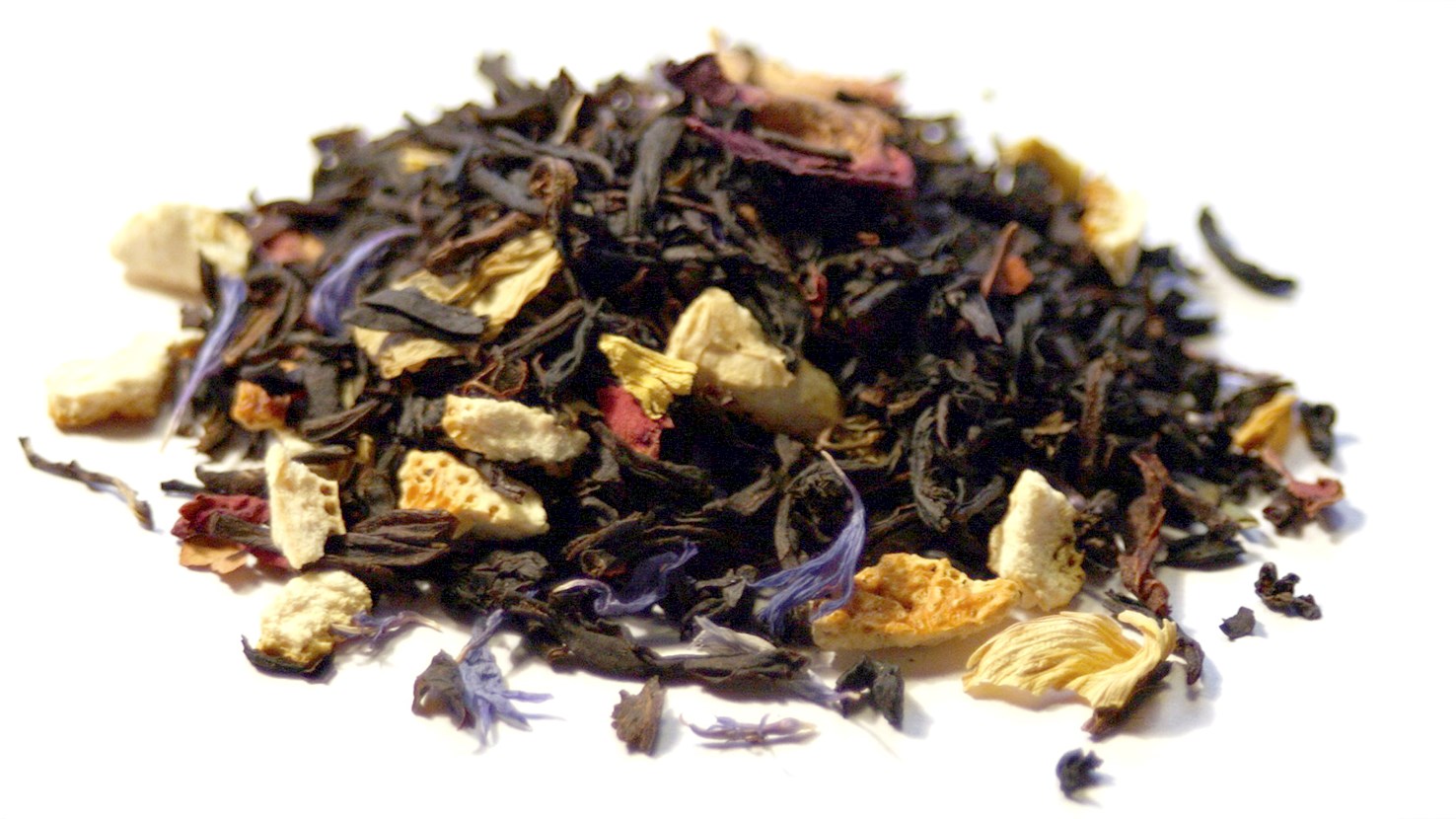
Söderblandning is a tea blend invented in Sweden. It is based on black tea blended with tropical fruit and flowers. The blend was invented in Södermalm, Stockholm—hence the name. It remains one of the most popular teas in Sweden. The exact ingredients are unfamiliar, and there are some differences among brands, but the base is made with Ceylon and Chinese black tea, while the additions may include citrus fruit and various flowers. Söderblandning was allegedly a lucky invention at the Tea Center in Stockholm. The story says that the owner Vernon Mauris accidentally dropped a batch he was working on. His workers refused to throw it away and used it to brew tea. The blend tasted so good that Vernon immediately tried to recreate the combination. It was originally called Misstagsblandningen (The Mistake Blend), later changing its name to Söderblandning to commemorate the district where the tea shop was located.
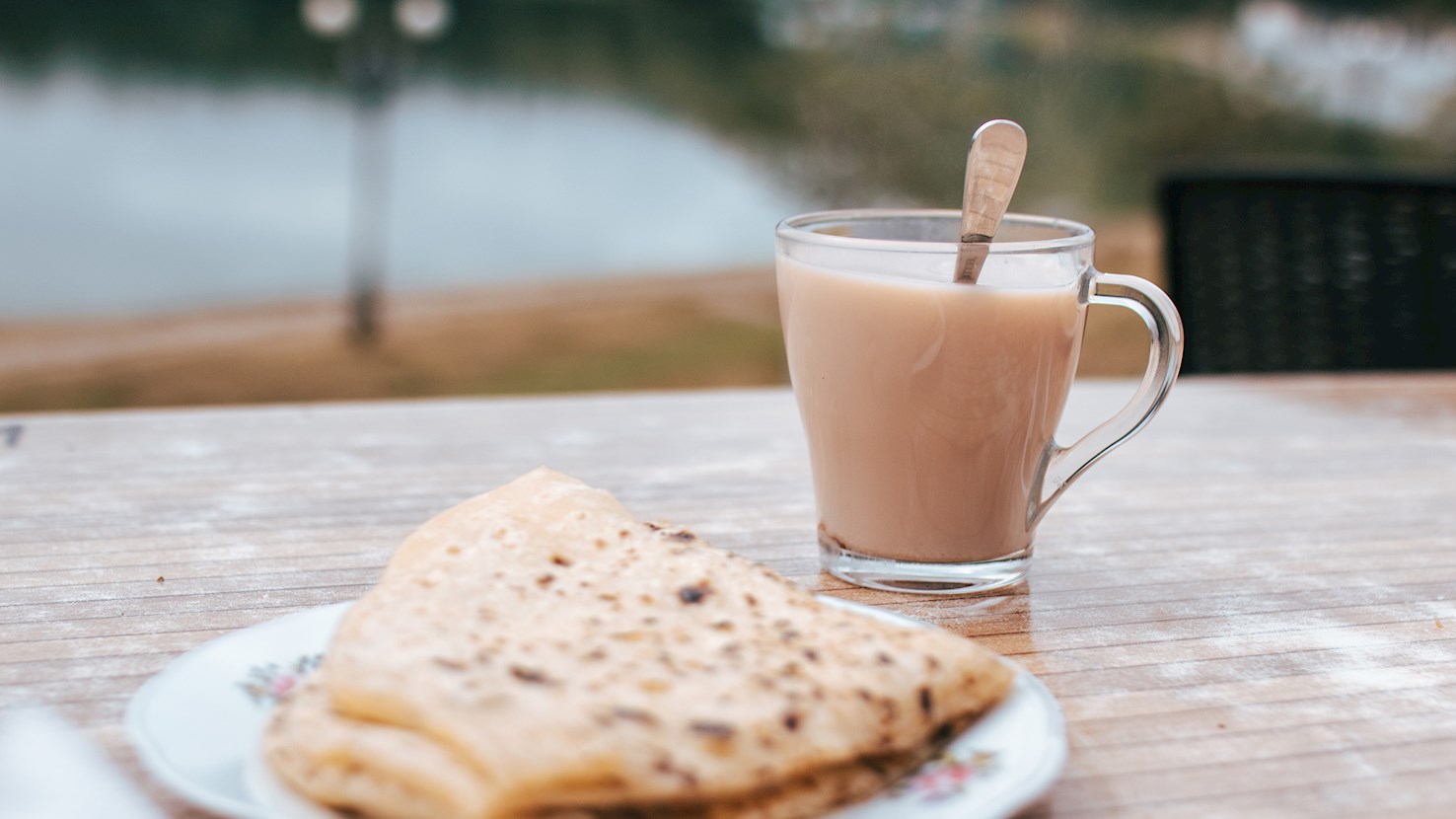
Kalmyk tea or chai is a creamy tea made with pressed green or black tea, usually brewed with butter, milk, and salt. The variations include nutmeg and sometimes other spices such as peppercorns. This tea is mainly made with pressed green tea that includes stems, stalks, and twigs. As the name suggests, Kalmyk tea originated among the Kalmyk, the Mongolian nomadic people in Russia and Kyrgyzstan that make a majority in the Russian region Kalmykia. The tea was most likely initially made with melted butter, salt, and camel milk. It was traditionally enjoyed as a filling and nourishing drink. When paired with bread, it was meant to replace a meal. The tea, and its variations, is still regularly consumed in the region.
Diktamo (lat. Origanum dictamnus), widely known as Cretan dittany, is a branched aromatic perennial plant endemic to the island of Crete in southern Greece. Archeological data and textual remains from Mediterranean antiquity document its continuous usage, with representation in Minoan fresco iconography at Knossos and written analyses by Hippocrates, Aristotle, and Dioscorides, who recorded its topical application for wound healing and its consumption for gastric relief. The plant grows natively in rocky calcareous soil formations, anchoring inside the vertical crevices of limestone cliffs, steep ravines, and mountainous gorges such as Samaria at altitudes up to fifteen hundred meters, though modern commercial yield is supplemented by organized agricultural cultivation in the rural districts of Heraklion. The biological structure features small, round, greenish-grey leaves covered in dense velvet-like white hairs that function to minimize moisture loss under intense solar radiation, producing pinkish-purple flowers during the summer blooming phase. Preparation protocols require harvesting the aerial components during the flowering period, followed by dehydration in shaded, low-humidity environments to preserve the volatile essential oils, which contain high concentrations of carvacrol, p-cymene, and thymol. For consumption as a herbal infusion, three to five grams of the dried leaves and bracts are steeped in water heated to approximately ninety-five degrees Celsius for five to seven minutes, then strained and served hot or cold in standard ceramic vessels. Diktamo's high concentration of carvacrol, an organic phenol compound that imparts a sharp, pungent flavor profile combining elements of wild oregano, thyme, and pepper, led to its inclusion as a primary botanical flavoring agent in the formulation of commercial European vermouths, bitters, and herbal liqueurs. This herb is consumed as a dietary beverage across specialized health networks, domestic Greek households, and international culinary establishments, and it is also utilized topically in modern dermatological cosmetics for its antimicrobial properties. The intense, warm, slightly bitter taste profile of the brewed herbal infusion provides analytical pairings for natural honey, fresh citrus fruits, toasted nuts, and mild goat cheeses, while its use as a dried culinary seasoning pairs precisely with slow-cooked lamb, roasted root vegetables, tomato-based stews, and grilled fish drizzled with olive oil.
TasteAtlas food rankings are based on the ratings of the TasteAtlas audience, with a series of mechanisms that recognize real users and that ignore bot,
nationalist or local patriotic ratings, and give additional value to the ratings of users that the system recognizes as knowledgeable.
For the “Top 53 European Teas and Herbal Infusions” list until September 09, 2026, 662 ratings were recorded, of which 579 were recognized by the system as legitimate.
TasteAtlas Rankings should not be seen as the final global conclusion about food. Their purpose is to promote excellent local foods,
instill pride in traditional dishes, and arouse curiosity about dishes you haven’t tried.
The initial list of top producers was compiled based on available reviews, awards, local recommendations, media and blog coverage, and consumer reviews.
The list will be updated with ratings from TasteAtlas local ambassadors and TasteAtlas users.

















What People Say