shutterstock

Top 5 South American Teas and Herbal Infusions

Last updated on June 04, 2026

Best South American Teas and Herbal Infusions

01

Yerba Mate Pajarito

4.8 ·
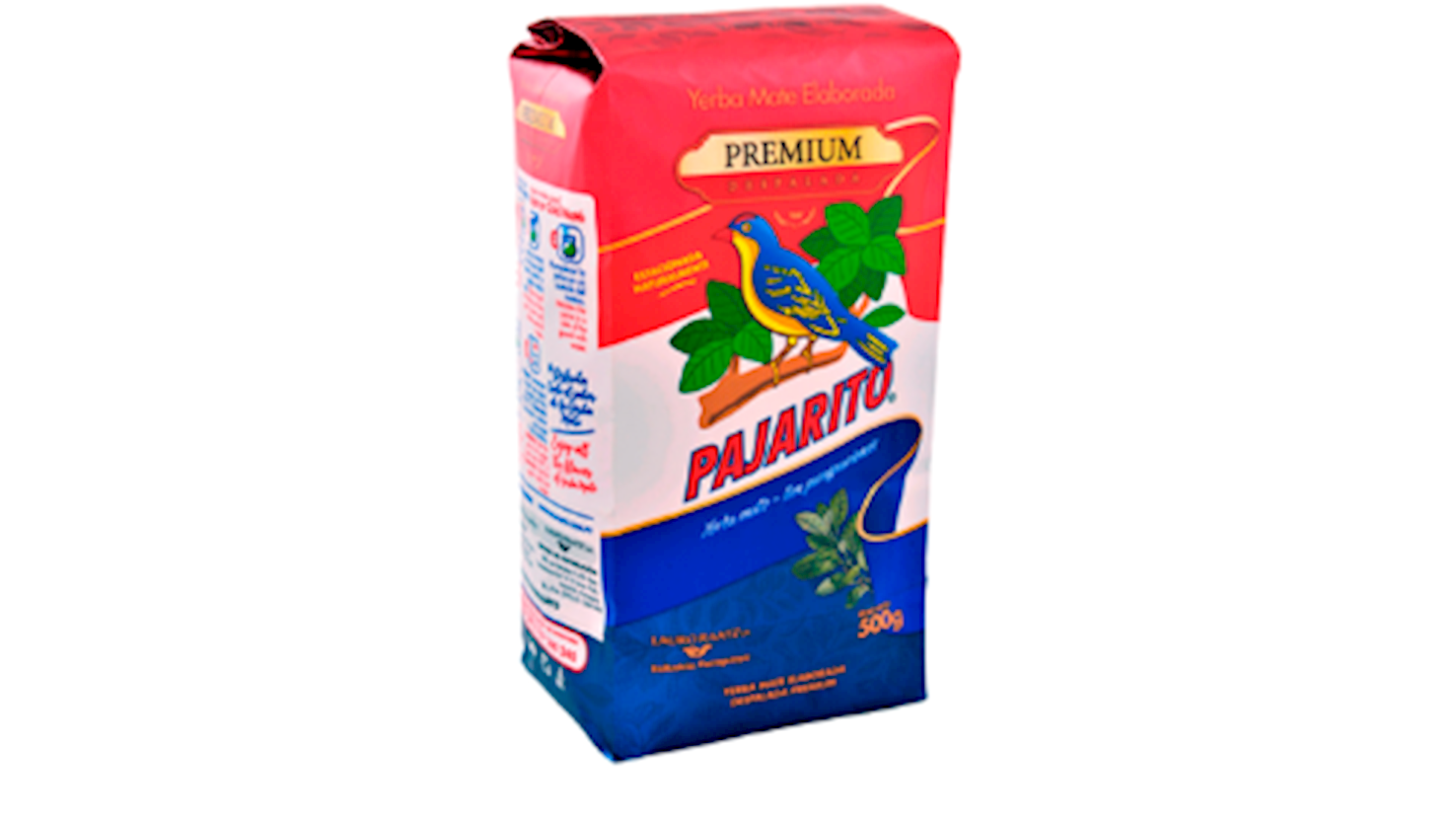
Yerba Mate Pajarito is one of the most renowned Paraguayan yerba mate brands, with a tradition dating back to 1956, when the Raatz family began producing and hand-packing mate in Bella Vista, Itapúa. Over time, the small family workshop grew into a modernized facility that today manages extensive plantations and maintains full control over every stage of production - from cultivation and drying to milling and packaging. The brand has remained faithful to the classic Paraguayan processing style, known for its pronounced bitterness, full aroma, and subtle smoky notes resulting from traditional drying methods. Pajarito offers a wide range of products, including classic blends, premium selections, herbal and citrus infusions, as well as convenient instant and tea-bag formats tailored to contemporary consumers. Today, their mate is exported to more than 40 countries, and the brand’s reputation rests on consistent quality, an authentic flavor profile, and a strong preservation of Paraguayan identity in the global yerba mate landscape.
02

Santa Margarita

4.8 ·
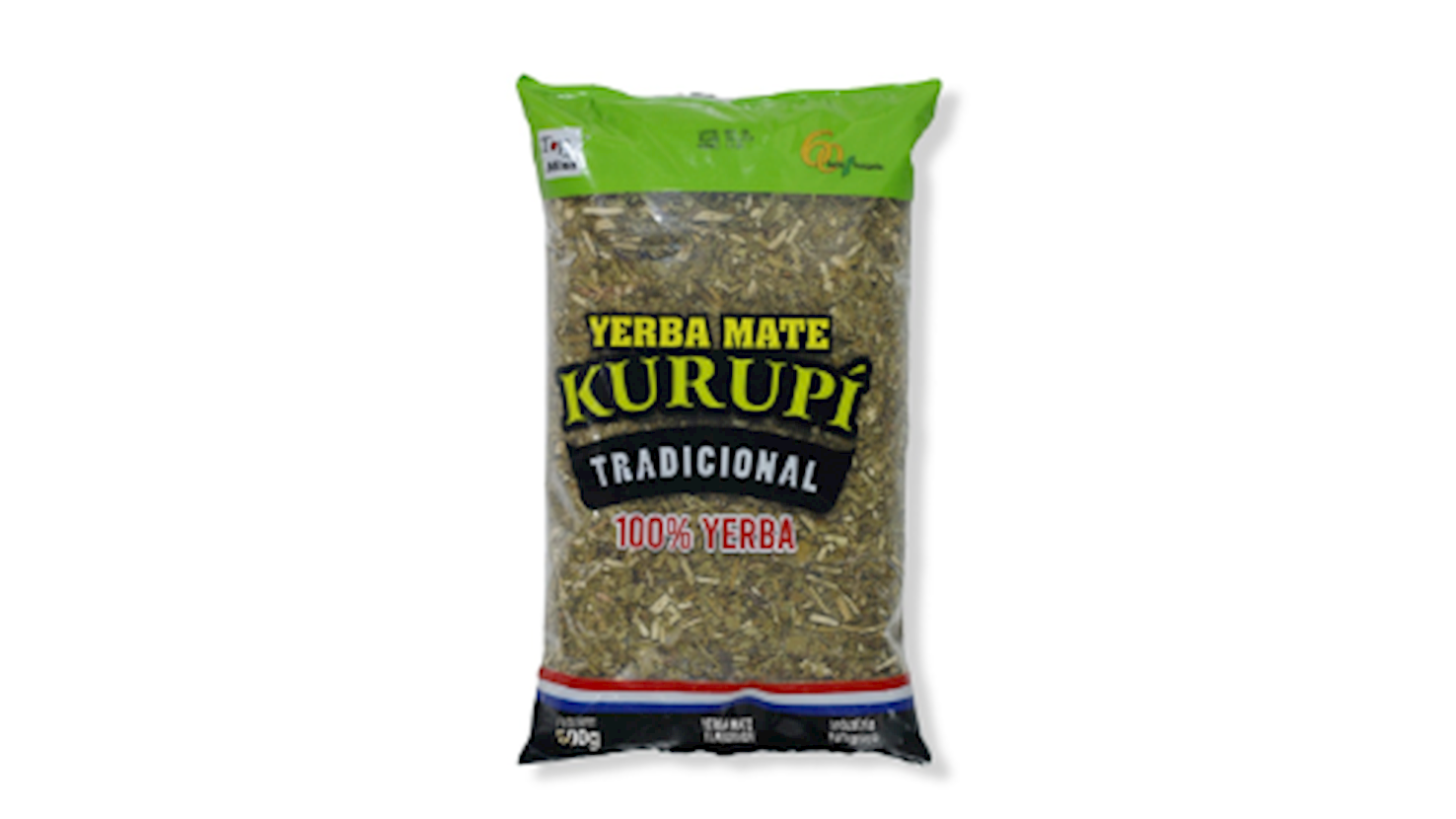
Santa Margarita is a family-owned Paraguayan company with more than six decades of experience in producing herbal teas, phytotherapeutic blends, and yerba mate products, combining local botanical resources with modern quality standards. Founded as a small herbal workshop in San Juan Bautista, it has grown into a modern enterprise that collaborates with hundreds of local harvesters and small producers, promoting sustainable and environmentally conscious agriculture. Its most recognized brands, such as Kurupí yerba mate and the Té Guaraní herbal tea line, are widely distributed in Paraguay and exported to several countries across the region. Santa Margarita stands out for its commitment to product quality, environmental responsibility, and community development, making it one of the most prominent producers of natural and traditional herbal products in Paraguay.
03

Yerba Mate Campesino

4.7 ·
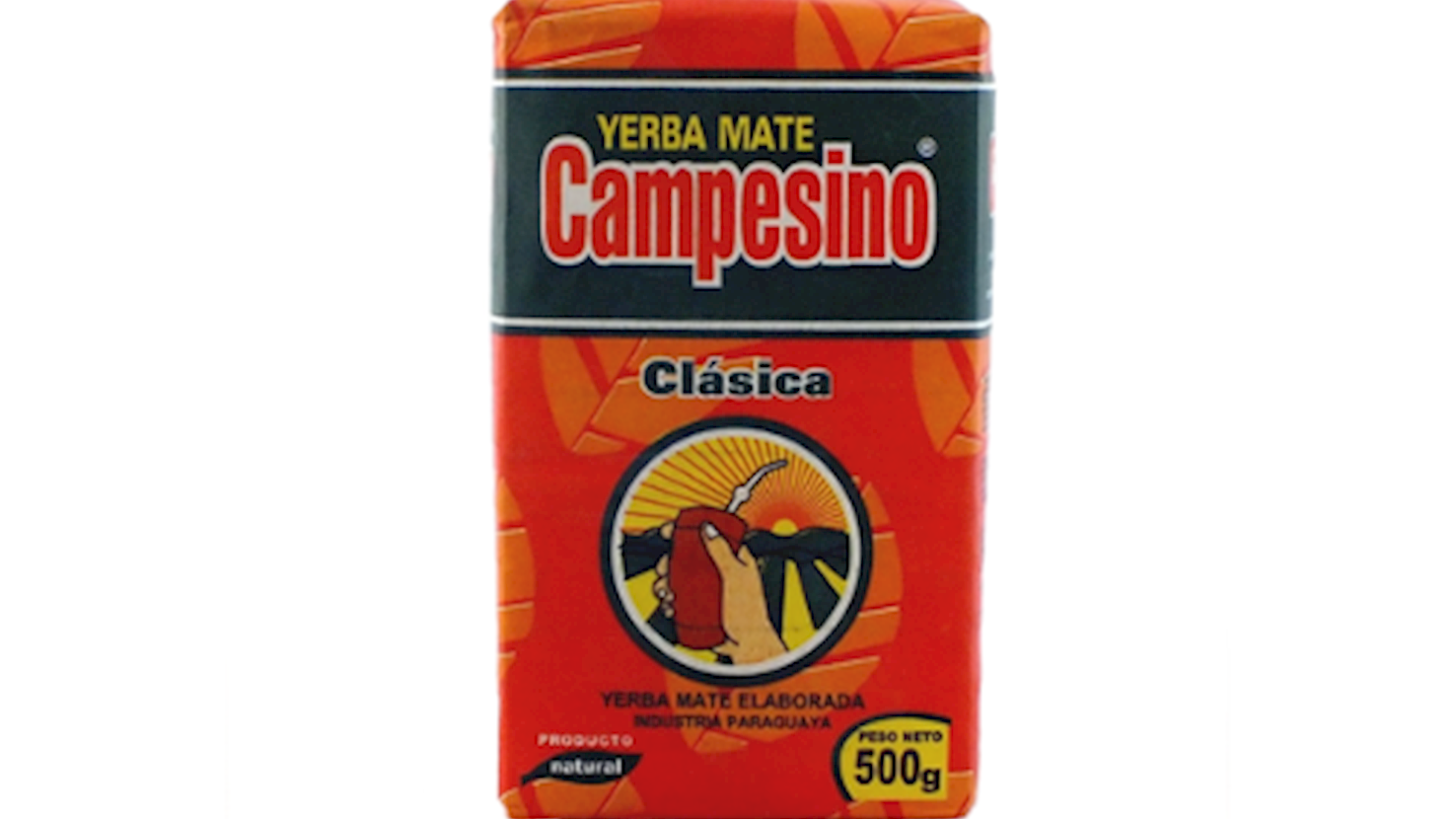
Yerbatera Campesino is a Paraguayan yerba mate producer founded in 1988, which over the past three decades has grown into one of the country’s most recognizable brands. Its raw material comes from plantations in the Itapúa department, giving the yerba a distinctly Paraguayan character - strong bitterness, earthy and lightly smoky notes, and a stable, long-lasting aroma. The blends typically combine leaves and stems, allowing the infusion to remain intense through multiple pours, suitable both for traditional hot mate and refreshing tereré. In addition to its classic varieties, Campesino offers a wide range of flavored yerbas featuring herbs, citrus, and other natural additives, making the brand appealing both to experienced drinkers and those new to yerba mate. Today, Yerbatera Campesino is present on international markets and has built its reputation on consistent quality, a diverse product range, and adherence to the traditional Paraguayan style.
04

Las Marías

4.6 ·
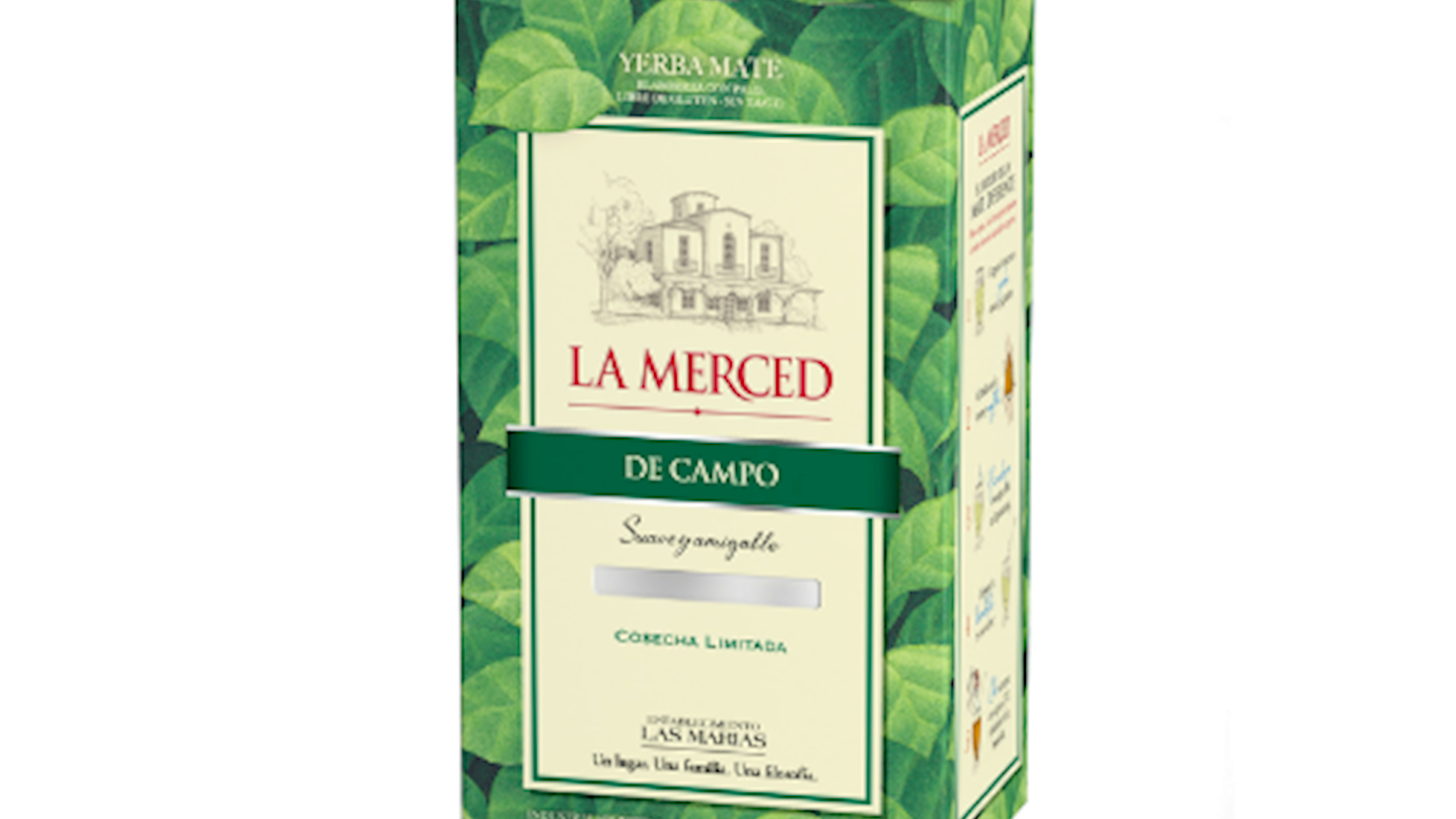
Las Marías is an Argentine producer of yerba mate and tea, headquartered in Corrientes Province, and is best known for brands such as Taragüi, Unión, La Merced, and Mañanita. The company was founded in 1924, when Víctor Elías Navajas Centeno established what became the southernmost yerba mate plantations in the world and laid the foundation for a vertically integrated production model. The Taragüi brand was introduced in 1940 and went on to become one of Argentina’s most recognized yerba mate brands. Las Marías remains a family-owned business, now managed by the fourth generation, with a strong emphasis on controlling the full production chain from cultivation and harvesting to processing, packaging, and distribution. In addition to yerba mate, the company also produces black tea, green tea, and herbal infusions. Its operations combine agricultural expertise with industrial-scale manufacturing, supported by a focus on quality, innovation, and sustainability. Las Marías has played an important role in modernizing the yerba mate industry while helping expand the international visibility of Argentine infusion culture. Today, it is considered one of the country’s most significant producers in the tea and mate sector.
05

Bitaco

4.1 ·
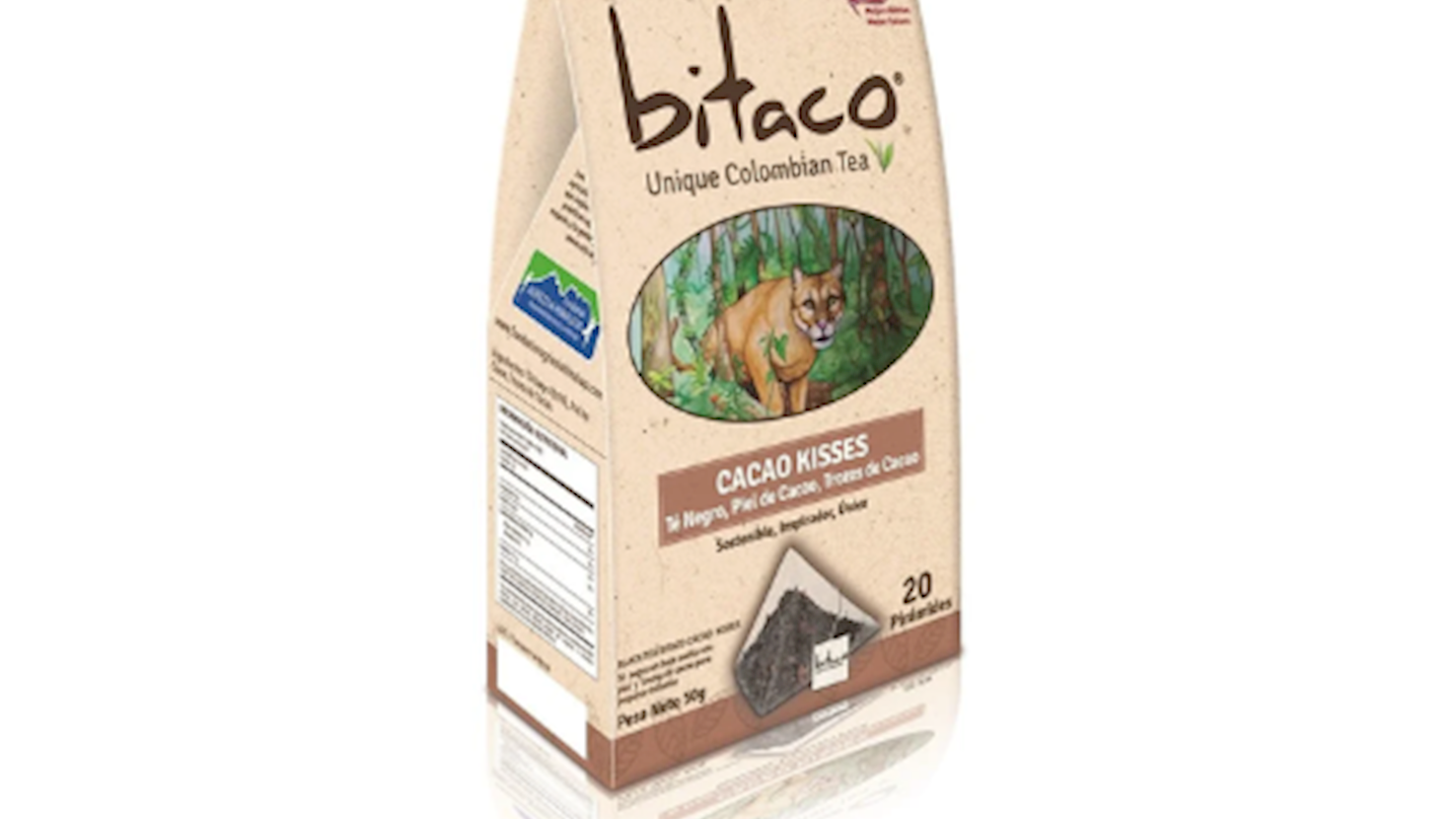
Bitaco is a renowned tea producer located in the Valle del Cauca region of Colombia, known for its commitment to high-quality tea production and sustainable farming practices. The company operates in the picturesque mountains of Bitaco, an area blessed with an ideal climate and fertile soils for cultivating premium tea leaves. The tea from Bitaco is grown at high altitudes, where the cooler temperatures and abundant rainfall create the perfect environment for producing tea with a distinct flavor profile. The combination of these natural conditions, along with the expertise and care of the local farmers, allows Bitaco to produce teas that are rich in flavor, aromatic, and refreshing. With its focus on sustainable farming, premium quality, and the use of local expertise, Bitaco stands out as one of the top tea producers in Colombia, offering a truly authentic tea experience for connoisseurs around the world.

Best South American Tea / Infusion Types
01

Tereré

3.8 ·

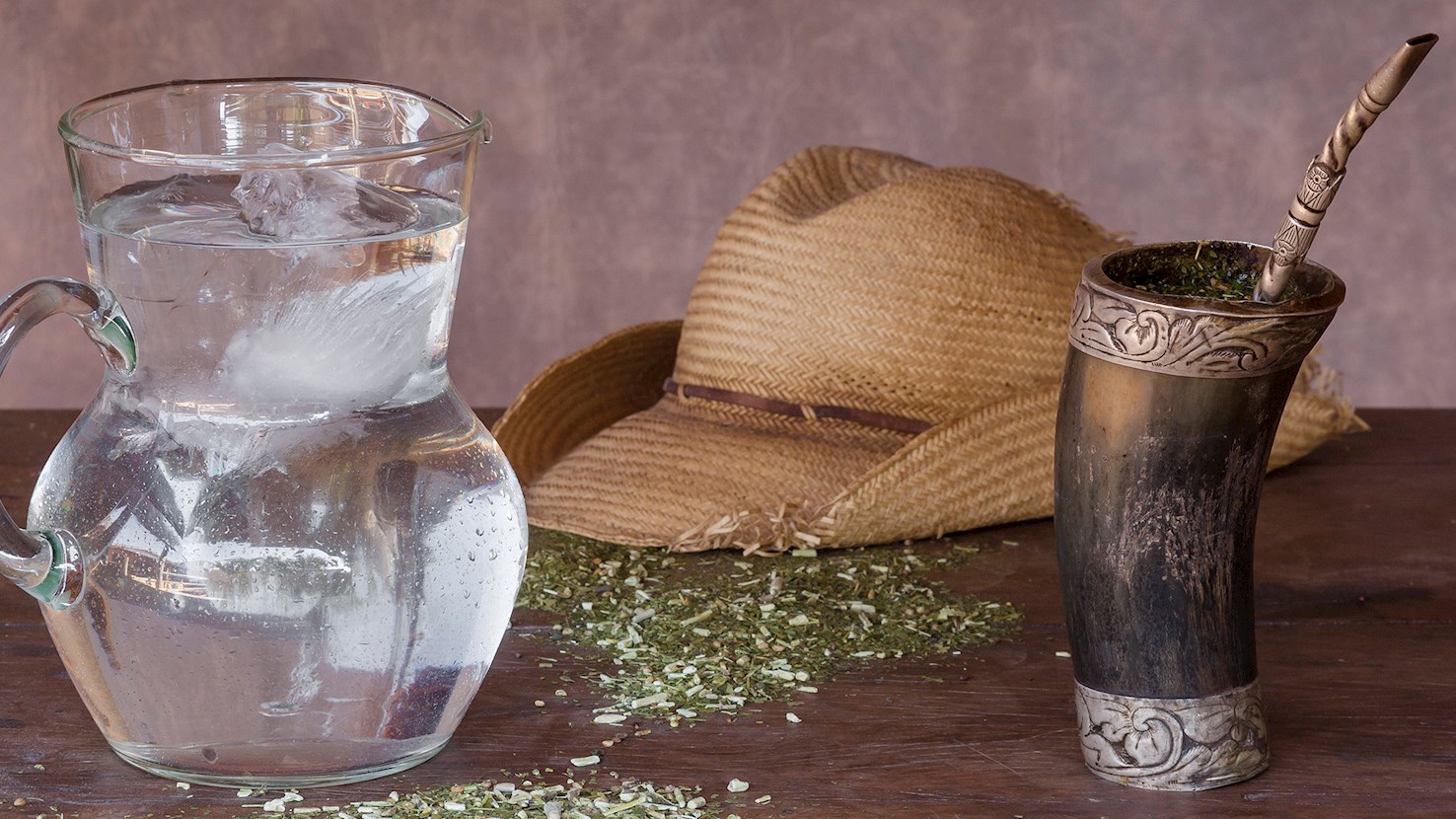
Similar to mate, tereré is a tea drink that originated in Paraguay and was invented by the Guarani people. Besides Paraguay, the beverage is also popular in Argentina and Brazil. It is an infusion of yerba mate that is prepared with cold water, ice cubes, and herbs such as mint, lemongrass, or lemon verbena. This non-alcoholic drink is very refreshing and low in calories, and if it is made with the addition of fruit juice (orange, lime, or pineapple), the beverage is then known as tereré ruso. For centuries, it was considered a social beverage and is traditionally prepared in a large vessel that is shared between people, signifying trust and communion. Tereré is typically consumed through a straw, also known as yerba mate bombilla.

02

Mate

3.7 ·

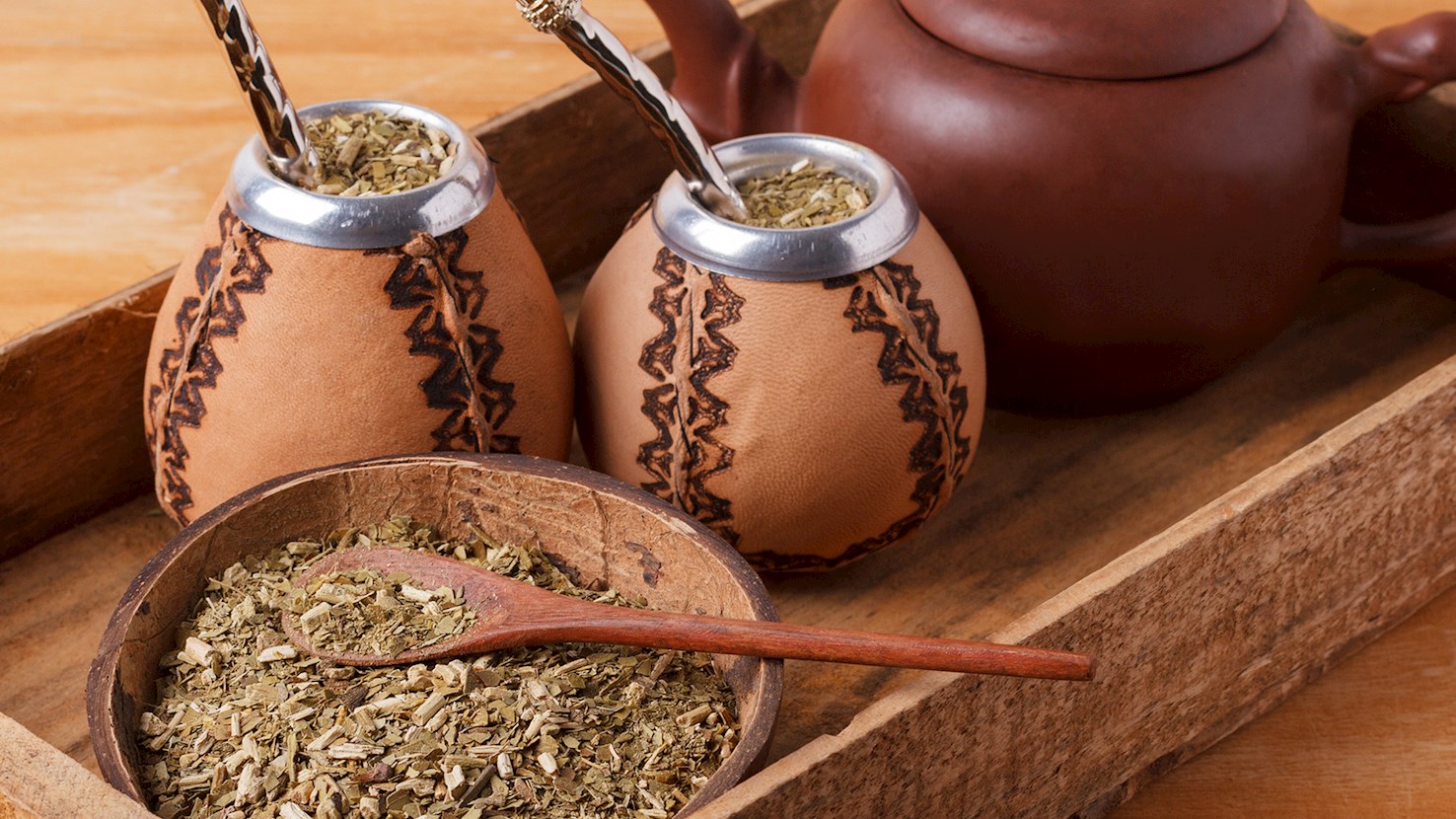
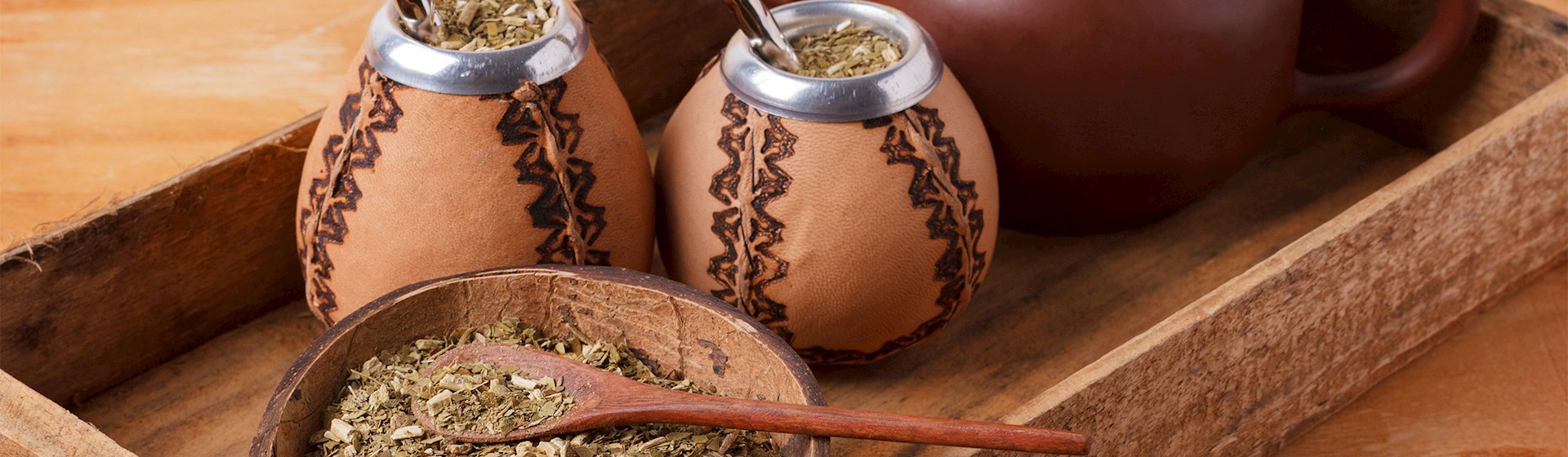
Mate is a herbal infusion prepared with dried and ground leaves of the yerba mate plant. The drink originated among the native Guarani people who are believed to have been the first to harvest the plant and make mate. The leaves are traditionally steeped and served in a hollowed gourd, together with a bombilla—a specialized metal straw that also functions as a sieve. The drink is an integral part of the South American culture, and it has always been prepared and enjoyed at various gatherings, while both the gourd and the bombilla are typically shared among the entire group. The infusion is rich in caffein, and it is charaterized by a slightly bitter herbal flavor. Although it is a common drink in other South American countries such as Uruguay, Paraguay, Bolivia, Chile, and Brazil, Argentina is the largest producer and consumer of mate. Traditional mate should always be prepared with hot water, never boiling, while the varieties may employ cold water, sweeteners, fruit juice, or other additions.

03

Mate de coca (Coca tea)

3.6 ·

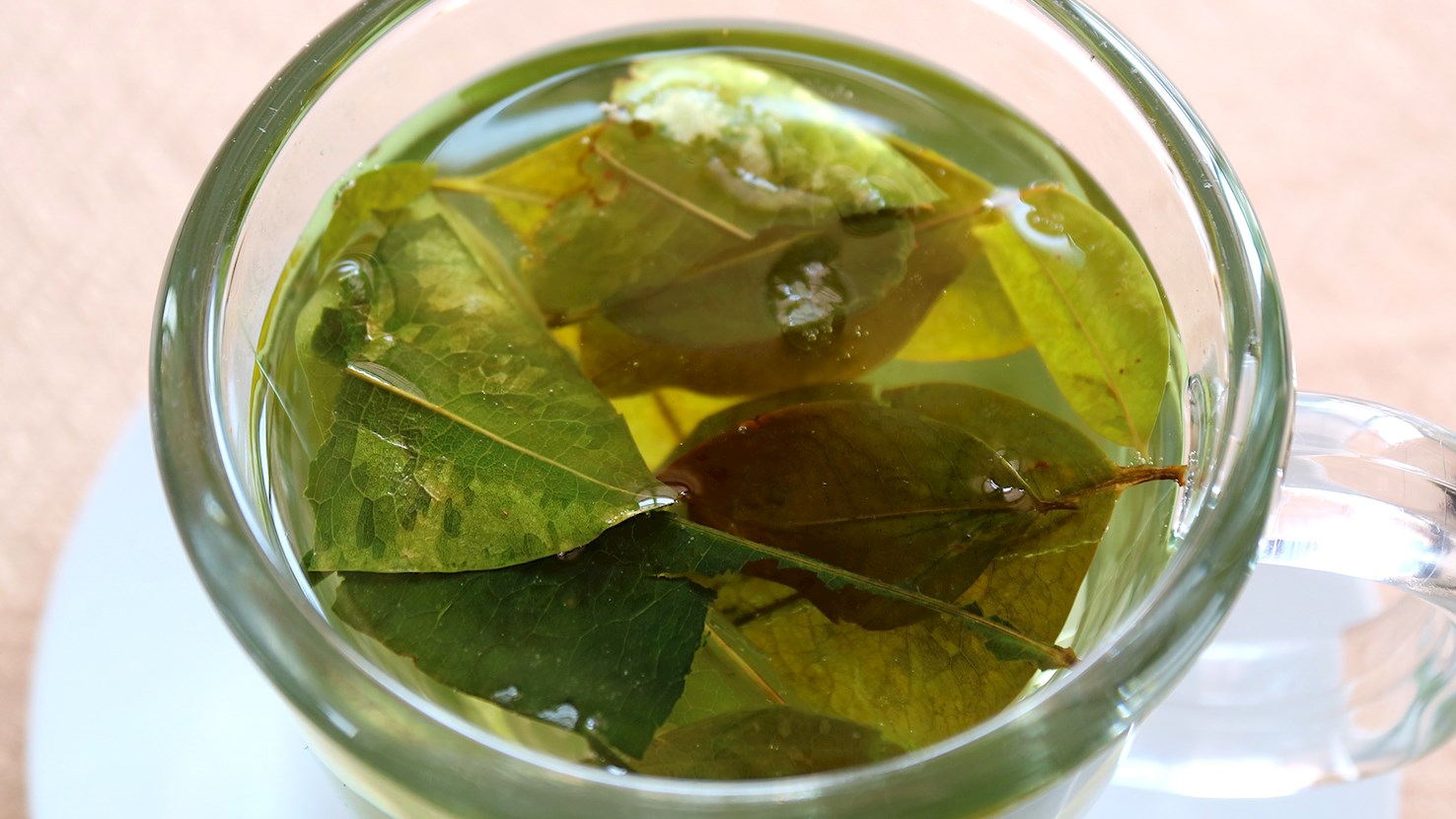
Mate de coca is a herbal infusion that is made by steeping coca leaves or teabags consisting of coca leaves in hot water. This ancient drink has been traditionally enjoyed to treat altitude sickness, and due to the small amounts of alkaloids, it is also regarded as a slightly energizing drink. Although they share a similar name, mate de coca and mate—a herbal infusion often associated with Argentina—should not be mixed up. Coca tea is widely available and legal throughout South America, but outside the region, many countries ban the import and consummation due to the link between coca leaves and cocaine.

04

Horchata lojana

3.4 ·

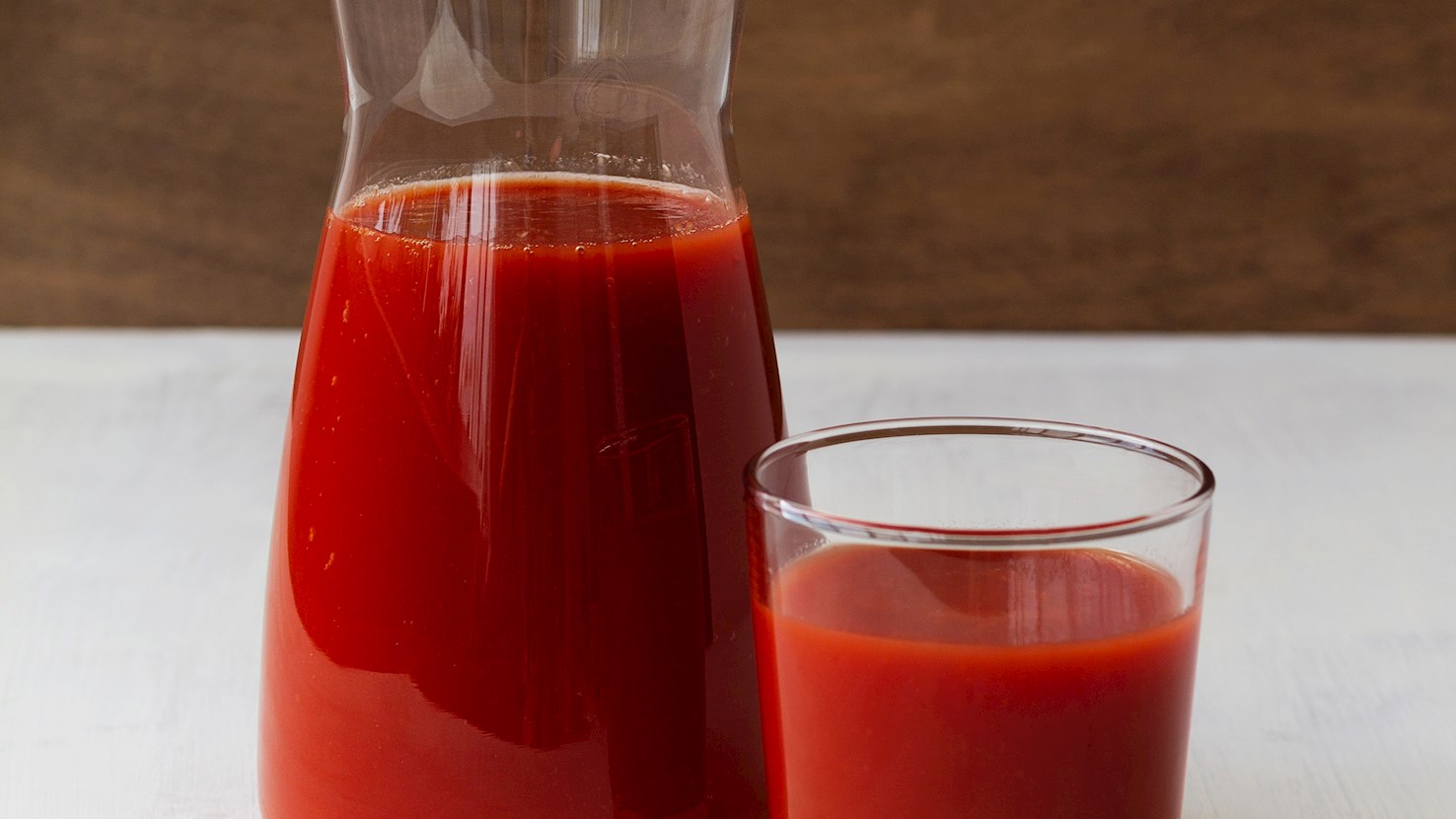
Horchata lojana is a local drink from Ecuador. Although it is called horchata, it does not share many similarities with other rice or seed-based creamy Latin American drinks. Lojana is better classified as a herbal infusion or herbal tea made with a variety of locally-sourced herbs. Numerous herbs can be used for this horchata—research mentions over 70 different species—but some common options include basil, chamomile, and lemon verbena. Several plants are always used to provide a distinctive red hue. Typically, twenty to thirty herbs will be used in the preparation. Horchata lojana is a local specialty from Loja, Ecuador. It was often cited as a drink with medicinal properties, and it probably originated as a health tonic. Locals believe that it aids digestion, has anti-inflammatory qualities and improves memory. The drink can be served hot or cold, and it is usually enjoyed with a meal. In Loja, it is typically sold by street vendors.

05

Mate con leche

2.1 ·

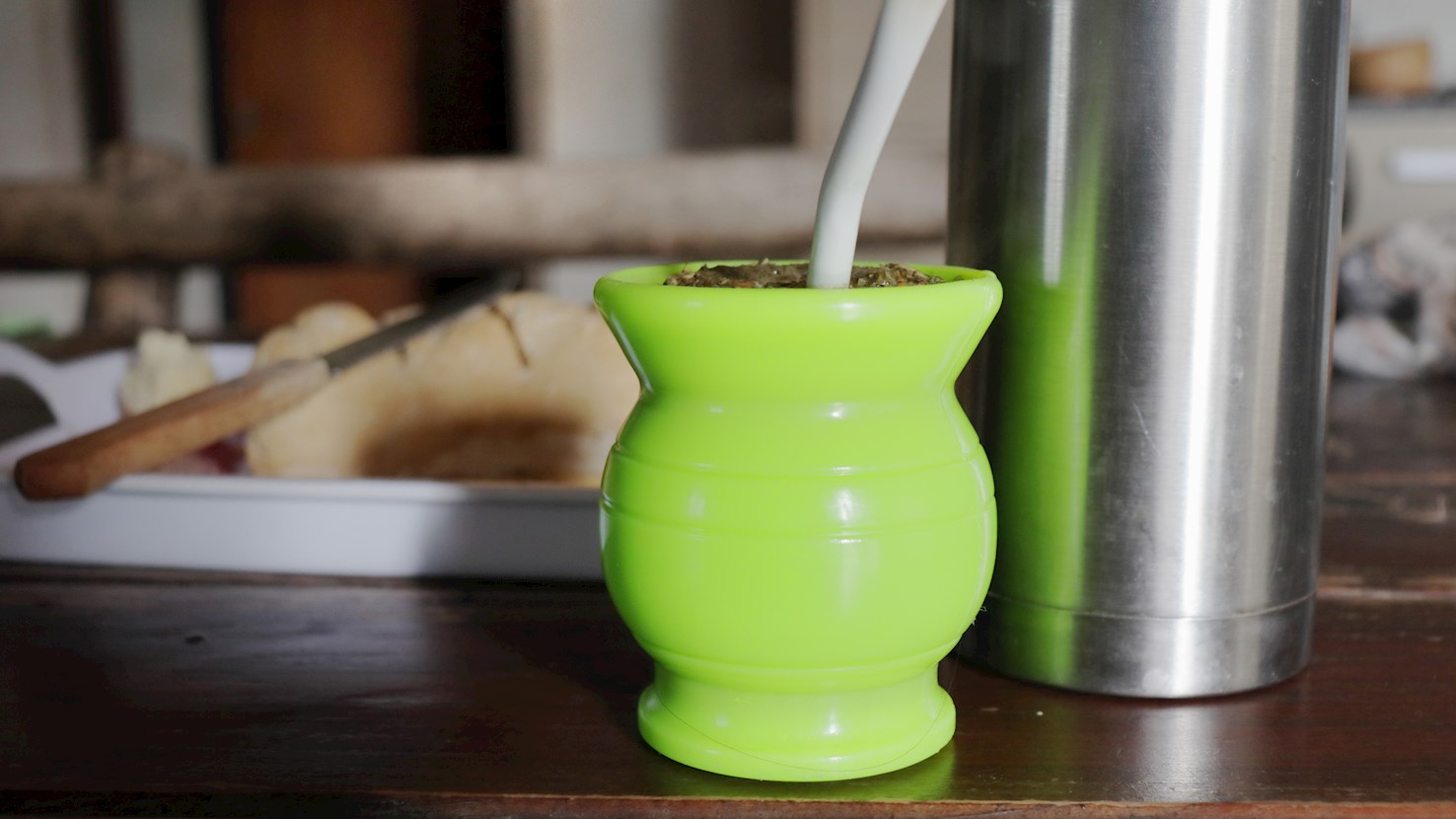
Mate con leche is an infusion prepared with the leaves of the yerba mate plant and milk. Traditionally, mate is prepared with water, but this version entirely replaces water with milk. The drink is prepared by adding warm milk to dry mate leaves. It results in a creamier and less bitter version than the standard mate. Mate con leche can be enjoyed plain, but it is also commonly sweetened with sugar or honey, and it sometimes may include spices. This version is also prepared and served in a hollowed gourd, together with a bombilla—a specialized metal straw that also functions as a sieve.

Read more
View all
View map
About this ranking

TasteAtlas food rankings are based on the ratings of the TasteAtlas audience, with a series of mechanisms that recognize real users and that ignore bot, nationalist or local patriotic ratings, and give additional value to the ratings of users that the system recognizes as knowledgeable. For the “Top 5 South American Teas and Herbal Infusions” list until June 04, 2026, 491 ratings were recorded, of which 281 were recognized by the system as legitimate. TasteAtlas Rankings should not be seen as the final global conclusion about food. Their purpose is to promote excellent local foods, instill pride in traditional dishes, and arouse curiosity about dishes you haven’t tried.

The initial list of top producers was compiled based on available reviews, awards, local recommendations, media and blog coverage, and consumer reviews. The list will be updated with ratings from TasteAtlas local ambassadors and TasteAtlas users.

Similar lists