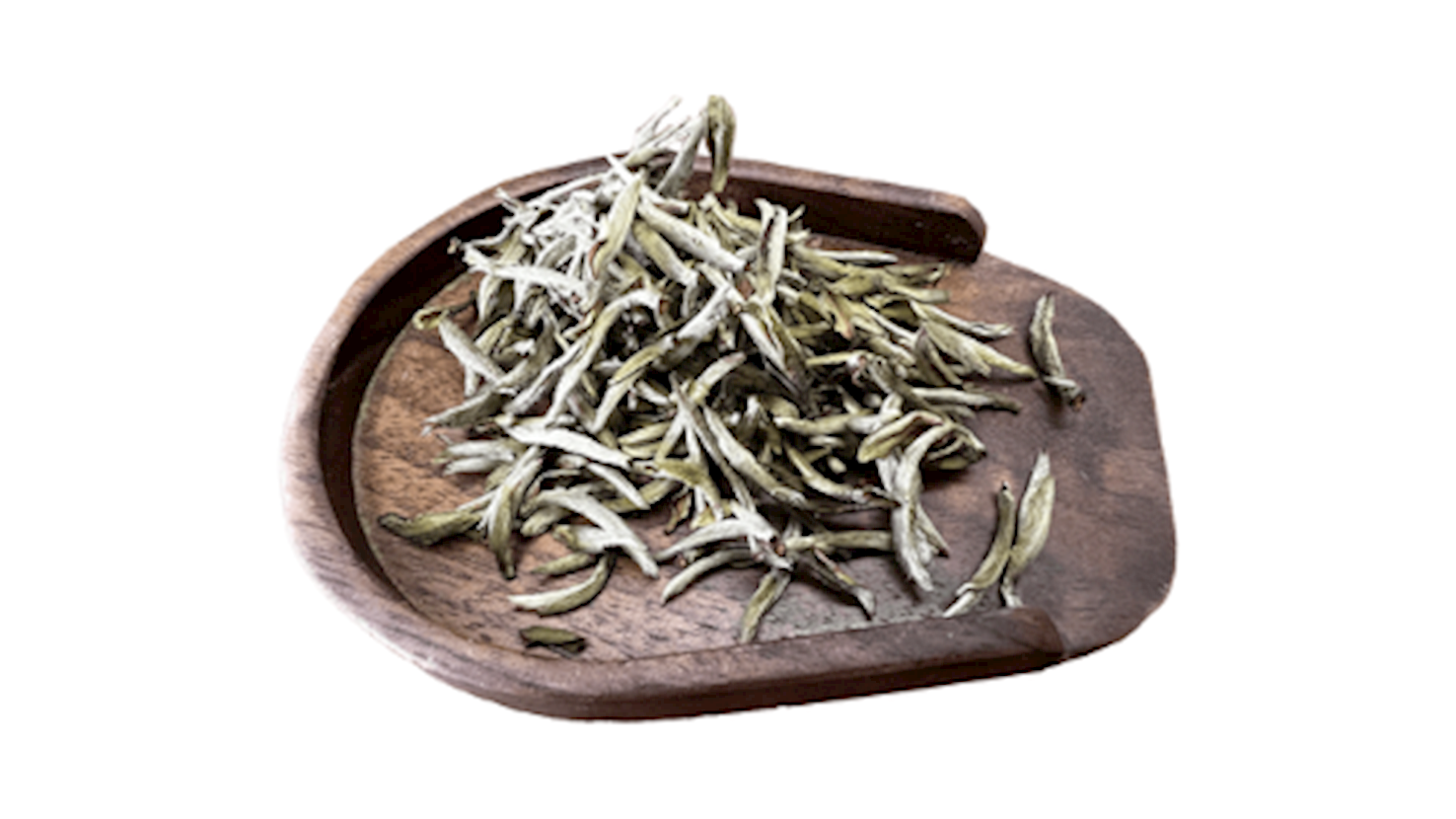
Yiu Shing is a brand specializing in premium teas, with a strong focus on white and organic varieties sourced from China’s Guizhou Province. The company emphasizes collaboration with traditional tea masters and employs carefully controlled processing methods to preserve the natural aroma, freshness, and nutritional qualities of the tea leaves. Their selection includes classics such as White Silver Needle, White Peony, and Shou Mei, each distinguished by its gentle, clean flavor profile and handpicked leaf quality. Yiu Shing builds its reputation on transparency, quality, and a modern presentation of traditional tea, tailored to an international audience. The brand positions itself as a bridge between Chinese tea heritage and contemporary consumer expectations, offering products that combine authenticity, purity, and high standards of craftsmanship.
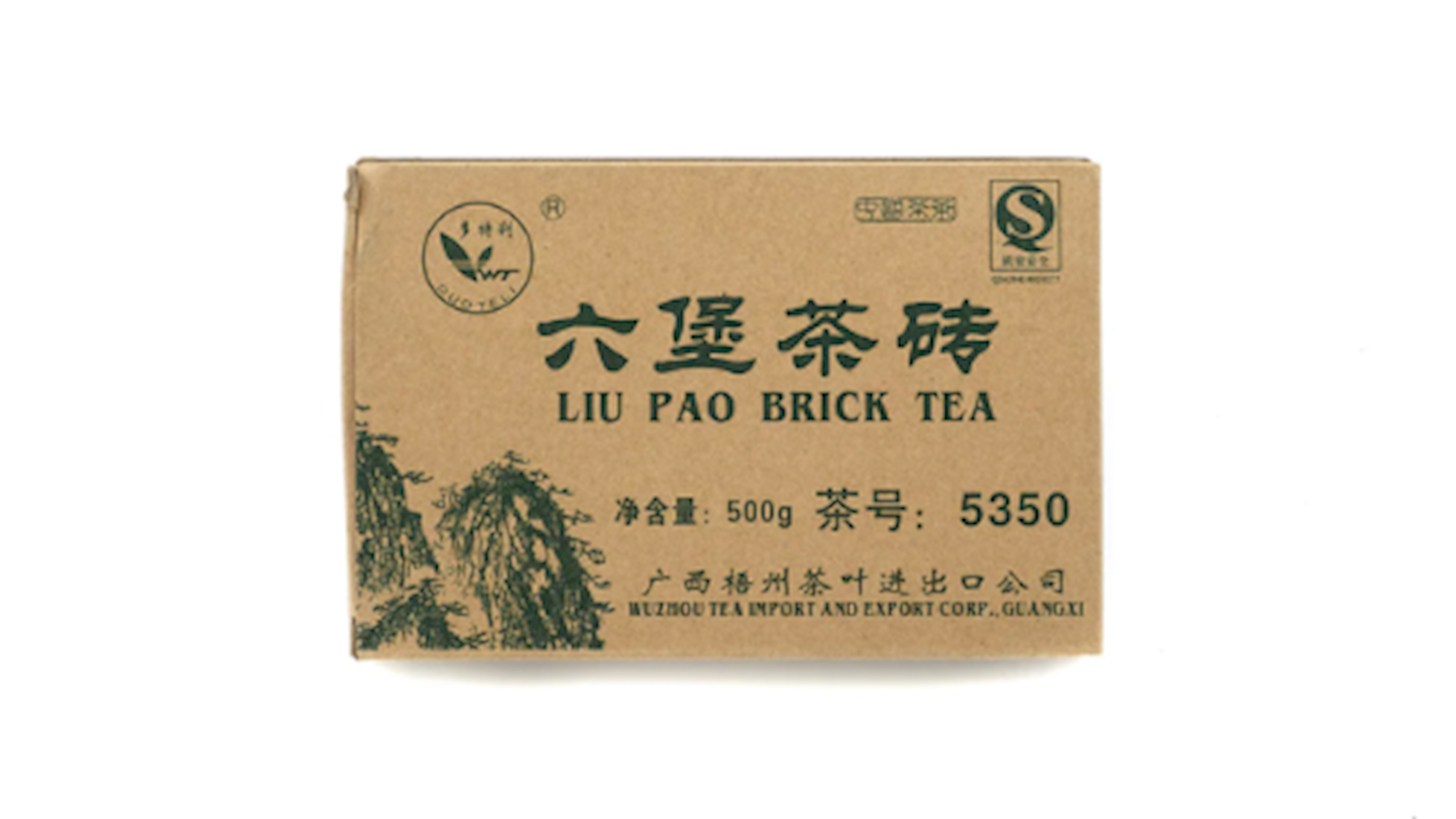
Wuzhou Tea Factory is one of China’s key producers of dark tea, best known for its long-standing expertise in Liubao tea, a post-fermented tea native to the Guangxi region and valued for its earthy, woody, and smooth flavor profile. Established in the 1950s in Wuzhou, Guangxi, the factory played a central role in standardizing and widely distributing Liubao tea, which had previously been a largely local specialty. Over the decades, Wuzhou Tea Factory developed refined methods of controlled post-fermentation, storage, and aging, helping to shape the recognizable “Wuzhou style” characterized by deep fermentation, mild sweetness, and the distinct “humid-wood” note typical of traditionally aged Liubao. The factory sources tea leaves from Guangxi and nearby mountainous areas, producing teas often compressed into baskets, bricks, or cakes to support long-term aging. Today, Wuzhou Tea Factory is particularly known for its “Three Cranes” brand, under which it offers Liubao teas of various vintages and fermentation levels, maintaining its status as a trusted and traditional producer in the world of dark teas.
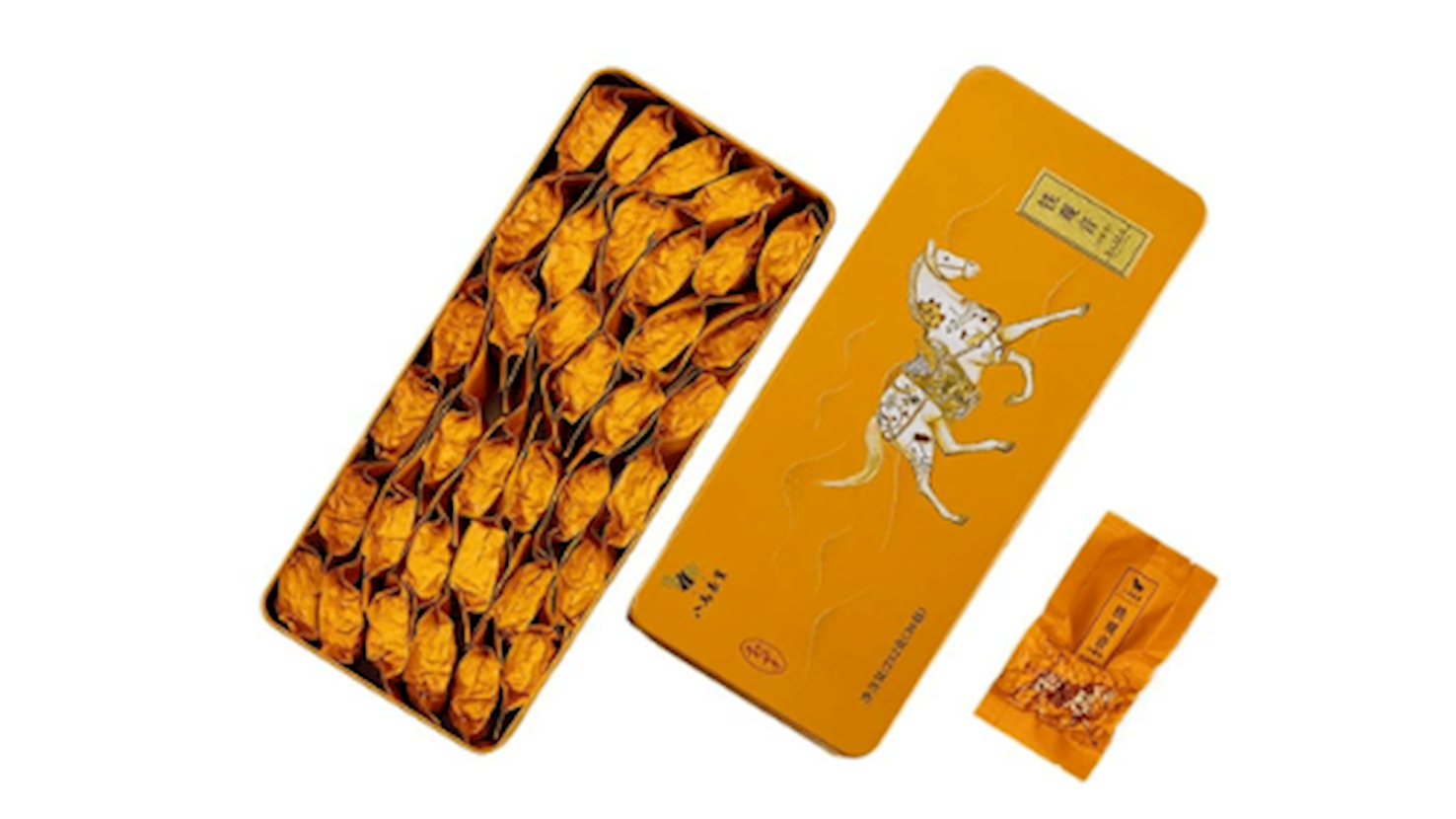
Bama Tea is one of China’s leading modern tea brands, combining the deep-rooted traditions of the Fujian region with contemporary processing, packaging, and distribution practices. Founded in 1997, the company builds on generations of family expertise in cultivating and crafting tea, particularly oolong varieties such as Tieguanyin, which is recognized as part of China’s national cultural heritage. Today, Bama Tea operates an extensive network of retail stores across the country and offers a broad selection of teas - from oolongs and rock teas to green, white, and black varieties - along with complementary tea sets and accessories. The brand is known for its balance of tradition and innovation, maintaining strict quality standards and modern production methods while preserving authentic craftsmanship. With a strong reputation and active international presence, Bama Tea is considered one of the most influential ambassadors of Chinese tea culture on the global stage.
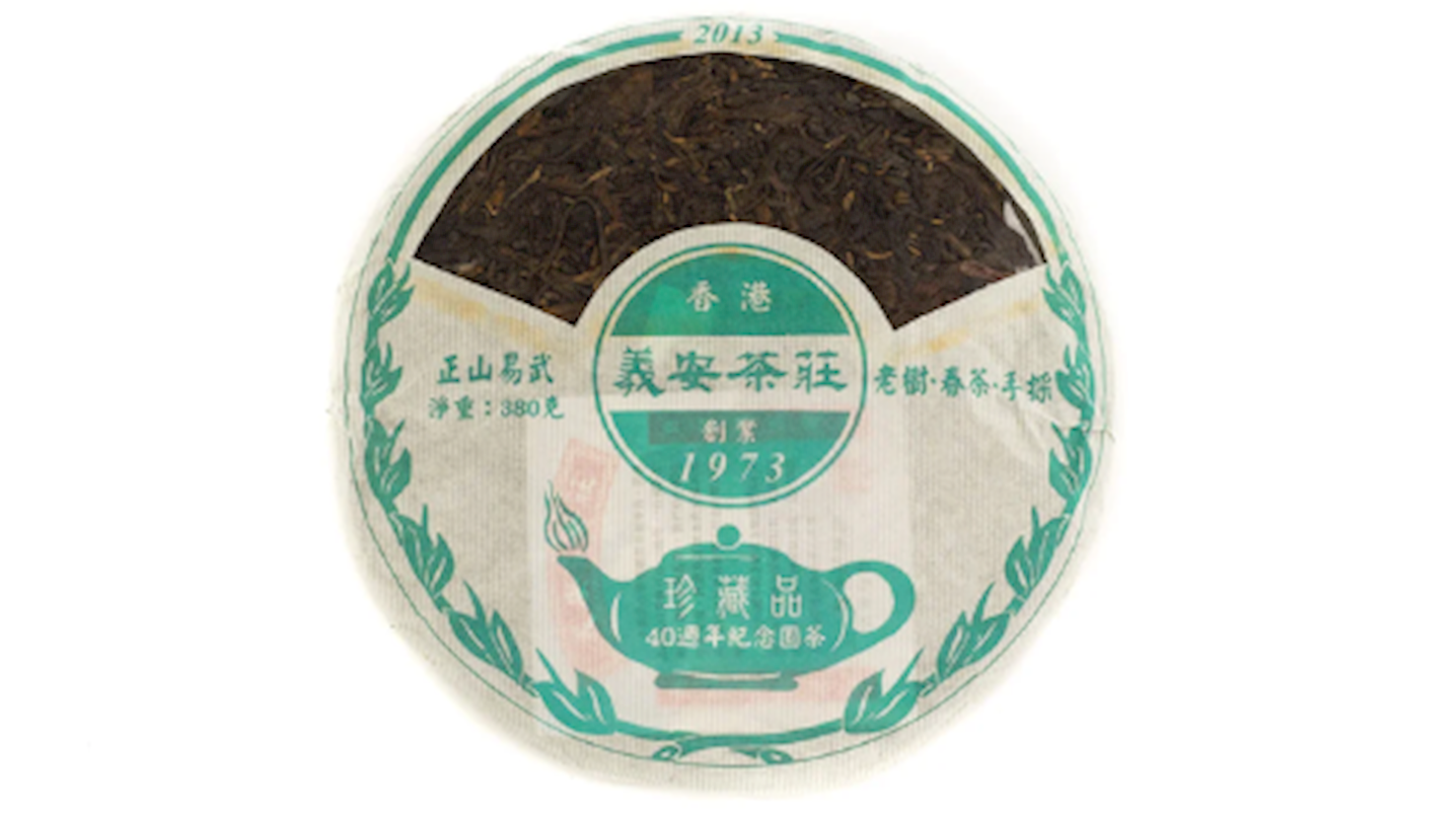
Yee On Tea is a Hong Kong-based tea brand and merchant specializing in traditional pu-erh teas, particularly collectible and well-aged varieties that reflect the local Cantonese tea culture. Founded in the early 1900s, the company became known for its role in sourcing, aging, and distributing pu-erh under the distinctive Hong Kong storage style, which relies on controlled humidity, ventilation, and stable temperatures to produce a recognizable maturation profile. Yee On Tea focuses on acquiring raw and ripe pu-erh from established Yunnan producers such as Menghai, Xiaguan, and Kunming, then categorizing, storing, and offering them under its own labels with clear information about vintage, origin, and storage conditions. Its catalog spans everything from young, fresh sheng cakes to deeply matured shou pu-erh, making it a trusted source for tea enthusiasts seeking authentic Hong Kong-aged pu-erh with transparent provenance and a reliably developed character.
TeaVivre is a producer specializing in Chinese teas, including a wide range of green teas. They source their teas directly from farms in various Chinese regions such as Zhejiang and Anhui. The company emphasizes quality control and offers detailed information about the origin and production methods of their teas. Their offerings include both organic and non-organic teas. TeaVivre also focuses on environmentally friendly practices in their packaging. They provide extensive tasting notes and brewing instructions for each tea variety they sell.
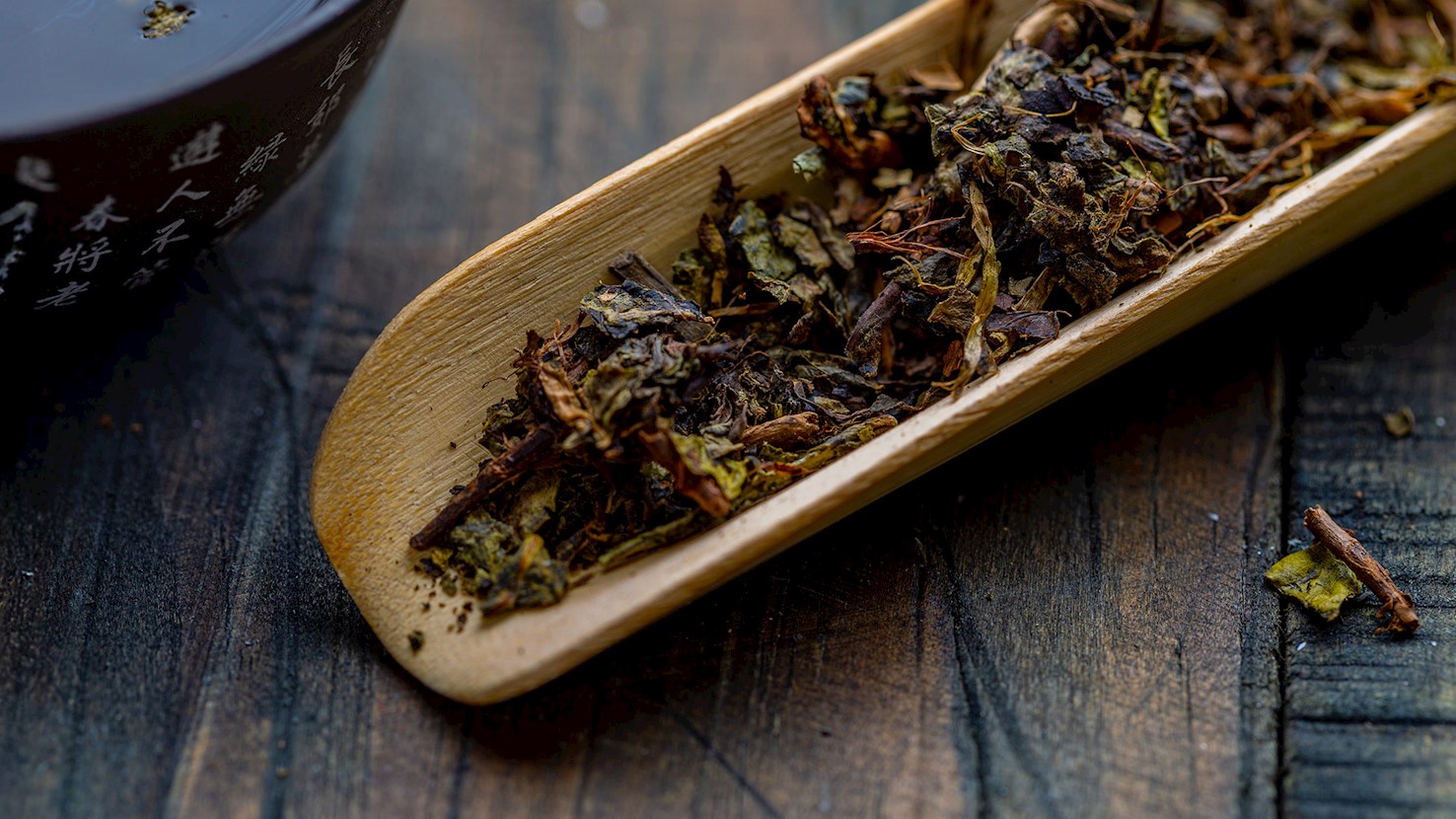
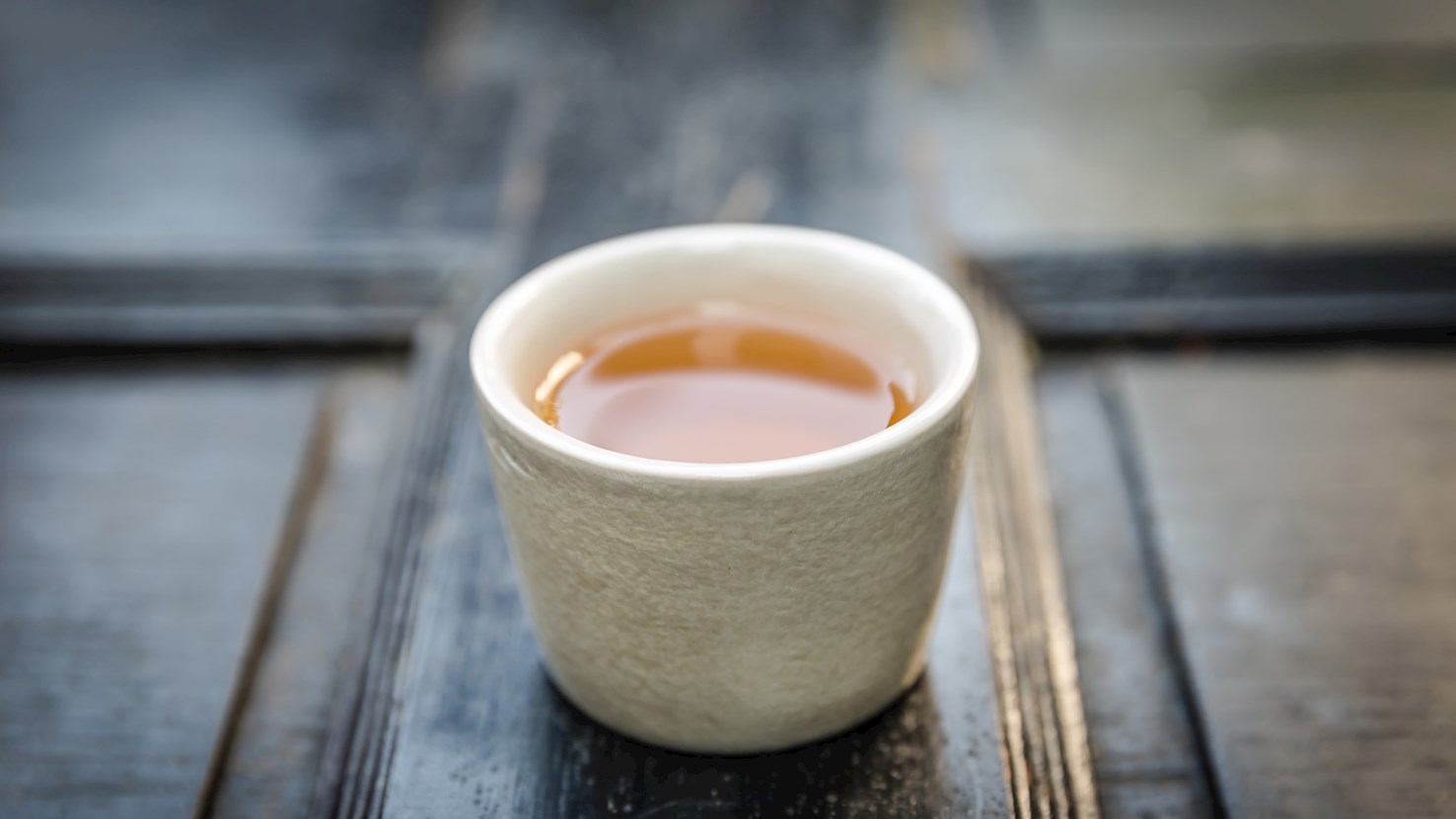
Liu Bao is a fermented dark tea from Cangwu County in Guangxi, known for its post-oxidized character and long-term storage potential, produced primarily from large-leaf cultivars grown in the humid subtropical climate of the region. Its development is linked to documented production in the Qing dynasty, when tea from Liu Bao town was processed with techniques involving controlled fermentation and drying that made it suitable for transport to Southeast Asia, where it was valued especially among Chinese mining communities in Malaysia who used it as a daily beverage. Preparation begins with fixing the leaves through heat to halt active enzymatic oxidation, followed by rolling and controlled pile fermentation that creates the characteristic earthy profile; after this, the tea is dried and often aged in baskets or warehouses where temperature and humidity shape its final character. Liu Bao is known for its ability to mature for decades, with older batches showing increased smoothness, a feature that stems from ongoing microbial and chemical changes in storage rather than additional production steps. It is served by briefly rinsing the leaves and then brewing them with hot water in clay or porcelain teaware, producing a dark infusion that can be re-steeped many times. It is consumed in Guangxi, Guangdong, Hong Kong and across Southeast Asia, often during meals or social gatherings, and pairs well with oily foods, roasted meats, and dishes heavy in spices, while also matching neutral snacks or mild fruit because its earthy and smooth profile balances strong flavors without being overshadowed.
Fènghuáng dāncōng chá is a type of oolong tea produced in the Phoenix Mountains (Fènghuáng Shān) near Chaozhou. The name means “Phoenix single bush tea,” referring to the cultivation method in which leaves are harvested from individual tea bushes rather than blended from multiple plants. It is a semi-oxidized tea known for its complex aroma and floral or fruity character, often described as having natural notes reminiscent of orchid, honey, or peach. The tea is classified within the wider category of southern Chinese oolongs but is distinguished by its regional terroir, altitude, and specific processing style. Fènghuáng dāncōng chá has long been associated with the Chaozhou style of tea drinking and is considered one of the finest oolongs of southern China. The cultivation of tea in the Phoenix Mountains dates back several centuries, favored by the region’s high humidity, red soil, and mist-covered slopes. Local farmers developed tea bushes that adapted well to the microclimate, producing leaves rich in aromatic oils. Over generations, particular bushes were selected for their distinct fragrance and taste, leading to the practice of naming teas after their aroma profiles, such as Mi Lan Xiang (honey orchid fragrance) or Zhi Lan Xiang (orchid fragrance). By the Qing dynasty, these single-bush teas had gained recognition in regional trade, particularly among merchants in Chaozhou and Shantou. The emphasis on single-plant harvesting allowed producers to maintain consistency in flavor while highlighting the natural variation between different bushes and mountain locations. This approach distinguishes Fènghuáng dāncōng chá from other oolongs that rely on blending for uniformity. Preparation of the tea follows a multi-step process involving withering, rolling, oxidation, and roasting. Freshly picked leaves are first laid out to wither under the sun, reducing moisture and allowing the enzymes to begin breaking down. The leaves are then gently shaken and rested in cycles, encouraging partial oxidation that develops the tea’s floral and fruity compounds. Once the desired level of oxidation, typically between 30% and 60%, is reached, the leaves are fired to halt the process and preserve aroma. The tea is finally roasted over charcoal or electric heat in several stages, a method that stabilizes flavor and allows for aging. The finished leaves are long, wiry, and slightly twisted, with a dark green or brown hue. When brewed, Fènghuáng dāncōng chá produces a bright amber infusion with a layered taste combining sweetness, light astringency, and lingering floral fragrance. It is most often prepared using the Gongfu style of brewing, which uses a small clay teapot or gaiwan, high leaf-to-water ratio, and multiple short infusions. The first steeping opens the aroma, while subsequent ones reveal depth and evolving notes of fruit, spice, or honey. The tea is known for its pronounced yan yun, a mineral or rock-like aftertaste characteristic of teas grown in mountain soils. Some varieties are lightly roasted for freshness, while others are aged or re-roasted to deepen their profile. The tea is consumed throughout China, especially in Guangdong and among Chaozhou communities abroad. It is often served after meals or during social gatherings, reflecting the region’s strong tea culture. It pairs well with lightly flavored foods such as seafood, steamed dim sum, and fruit, as its floral profile complements delicate tastes without overpowering them. When aged or heavily roasted, it can accompany richer dishes like roasted duck or sweet pastries.
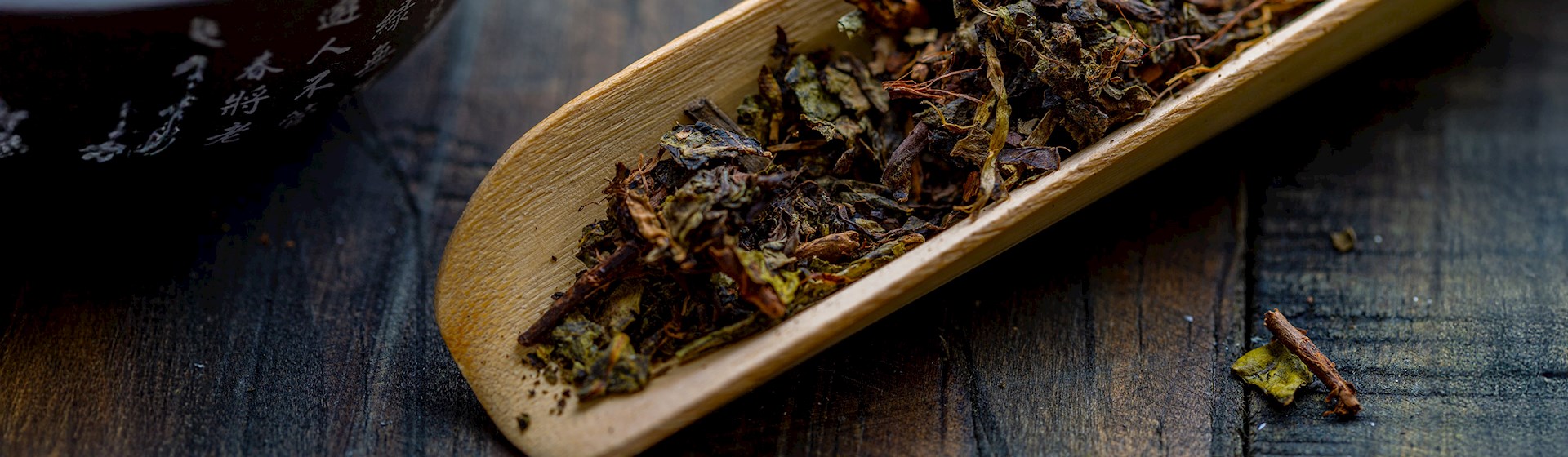
Ānhuà hēichá is a type of dark tea produced in Anhua County, a region known for its humid climate, rich soils, and mist-covered mountains that create ideal conditions for tea cultivation and fermentation. This tea belongs to the category of fermented or post-fermented teas, meaning it undergoes microbial transformation after initial processing, which develops its characteristic deep color, earthy aroma, and mellow flavor over time. It has been an integral part of daily life in central and western China for centuries and is particularly associated with the tea cultures of minority regions in western China and along historic trade routes. The making of dark tea in Anhua can be traced back more than a thousand years, when it was produced as a staple beverage for long-distance trade to Tibet, Xinjiang, and Inner Mongolia, where its rich, restorative qualities were valued in cold climates and high altitudes. It became a key commodity along the Ancient Tea Horse Road, often compressed into bricks for easier transport and storage, and was frequently exchanged for horses and livestock. Over time, Anhua dark tea gained a reputation not only as a practical beverage but also as one linked to health and vitality, and it was widely consumed by herders, nomadic peoples, and farmers in remote areas. The production of Ānhuà hēichá is a complex process that sets it apart from other Chinese teas. Fresh tea leaves are withered, pan-fired, and rolled before undergoing a unique fermentation stage, where controlled moisture and temperature encourage the growth of specific microorganisms. This microbial activity gradually transforms the tea’s chemical composition, deepening its color, softening its astringency, and creating a smooth, rich, and slightly sweet profile. The tea is often aged for months or even years, during which its flavors continue to mature, gaining complexity and depth. It is commonly formed into bricks, logs, or discs, which not only enhance aging but also reflect its historical role as a traded good. Today, Ānhuà hēichá remains popular in western and northern China and has gained recognition among tea enthusiasts worldwide for its complexity and longevity. It is often brewed in clay pots or large kettles and served in small cups, sometimes blended with milk or salt in Tibetan and Mongolian regions. It pairs well with fatty meats, dairy-based foods, and rich stews, as its earthy, slightly sweet flavor cuts through richness and complements hearty dishes.
Jūnshān yínzhēn is a rare and highly regarded yellow tea originating from Junshan Island in Dongting Lake, located in Hunan province. It is one of the most celebrated teas in the country, produced exclusively from the delicate buds of the tea plant harvested in early spring. The name, which translates to “Junshan silver needle,” refers to the tea’s slender, silvery buds, which are covered in fine down and brew into a bright golden liquor. Its cultivation and production are deeply tied to the unique microclimate of Junshan Island, where the humid air, misty conditions, and fertile soil create ideal growing conditions that cannot easily be replicated elsewhere. The cultivation and appreciation of this tea stretch back over a thousand years. Historical records show that it was once reserved for imperial courts and offered as tribute to emperors, prized for its refined aroma, clear liquor, and complex flavor. Over the centuries, its production remained limited due to the small size of Junshan Island and the labor-intensive process required to make it, which contributed to its status as one of China’s rarest teas. It also became associated with local culture and poetry, often referenced as a symbol of purity and refinement in classical literature. Producing Jūnshān yínzhēn is a meticulous process. Only the tender, unopened buds are handpicked during a brief window in early spring. These are then carefully withered, pan-fried, and steamed before undergoing a unique slow yellowing process, in which the leaves are gently wrapped and allowed to oxidize slightly. This step gives the tea its characteristic mellow sweetness and golden hue, setting it apart from green teas made from similar buds. The finished tea has a smooth, layered flavor profile, with floral, honeyed, and subtly fruity notes balanced by a clean, refreshing finish. The visual experience is an essential part of enjoying this tea. When steeped in glass, the buds stand upright in the water before slowly sinking, a quality often appreciated during formal tea ceremonies. Jūnshān yínzhēn is typically drunk without any additions, allowing its delicate flavors to shine, and it pairs well with lightly flavored dishes such as steamed fish, fresh fruit, or subtle pastries. Because of its rarity, it is often reserved for special occasions, gifted as a sign of respect, or served as part of ceremonial tea gatherings, where its history and craftsmanship are as valued as its taste.
TasteAtlas food rankings are based on the ratings of the TasteAtlas audience, with a series of mechanisms that recognize real users and that ignore bot,
nationalist or local patriotic ratings, and give additional value to the ratings of users that the system recognizes as knowledgeable.
For the “Top 5 Central Southern Chinese Teas” list until June 03, 2026, 3 ratings were recorded, of which 2 were recognized by the system as legitimate.
TasteAtlas Rankings should not be seen as the final global conclusion about food. Their purpose is to promote excellent local foods,
instill pride in traditional dishes, and arouse curiosity about dishes you haven’t tried.
The initial list of top producers was compiled based on available reviews, awards, local recommendations, media and blog coverage, and consumer reviews.
The list will be updated with ratings from TasteAtlas local ambassadors and TasteAtlas users.