Wuyi Star Tea is a modern tea producer from Fujian Province, rooted in the long-standing traditions of the Wuyi Mountains, a region renowned for its “rock tea” oolong styles and distinctive mineral-rich terroir. Founded in 2001, the company manages the entire process - from cultivation and leaf selection to processing, packaging, and export - while adhering to certified quality standards.
Their portfolio includes some of the most iconic Wuyi teas, such as Da Hong Pao and other yancha oolongs known for their mineral, lightly smoky, and fruity notes, as well as black, white, and green teas tailored to a wide range of preferences. Wuyi Star emphasizes traceability, authenticity, and the preservation of local techniques, establishing itself as a brand that successfully bridges traditional Chinese tea craftsmanship with the expectations of the modern global market.
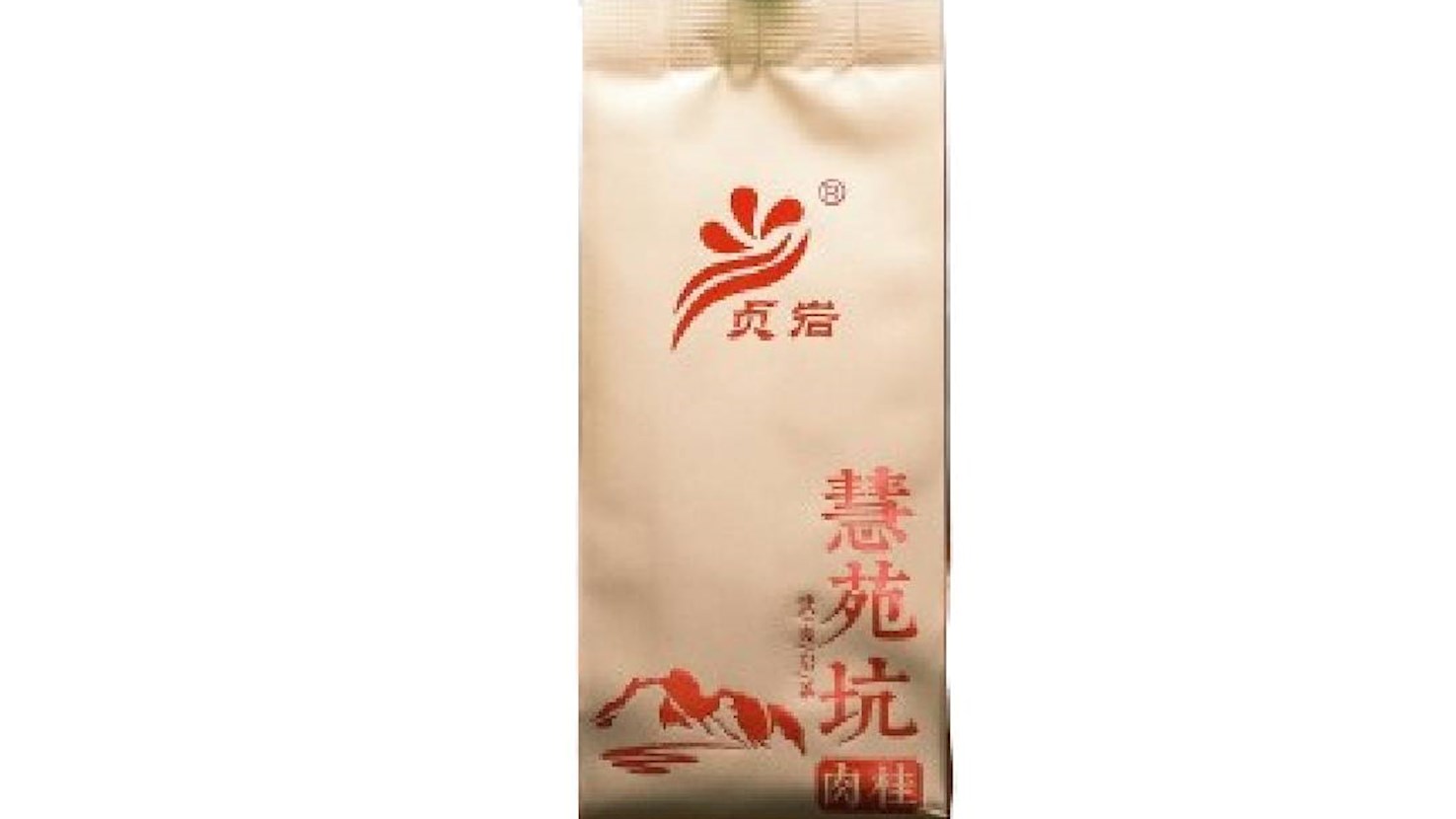
Gaopeng Tea Factory is a renowned producer of Wuyi rock teas (Yancha), located in the Zheng Yan region of Wuyi Mountain, China. The factory specializes in traditional charcoal-roasted teas, such as Huiyuan Pit Rougui and Dolomite Floral Shui Xian, known for their rich flavors and mineral complexity.
Their teas undergo meticulous processing, including multiple rounds of roasting, to enhance their aromatic depth and smooth mouthfeel. Gaopeng is highly regarded for preserving the heritage of Wuyi tea craftsmanship, ensuring high-quality production.
Their teas are sought after by tea connoisseurs worldwide for their unique terroir and distinctive yan yun (rock rhyme).
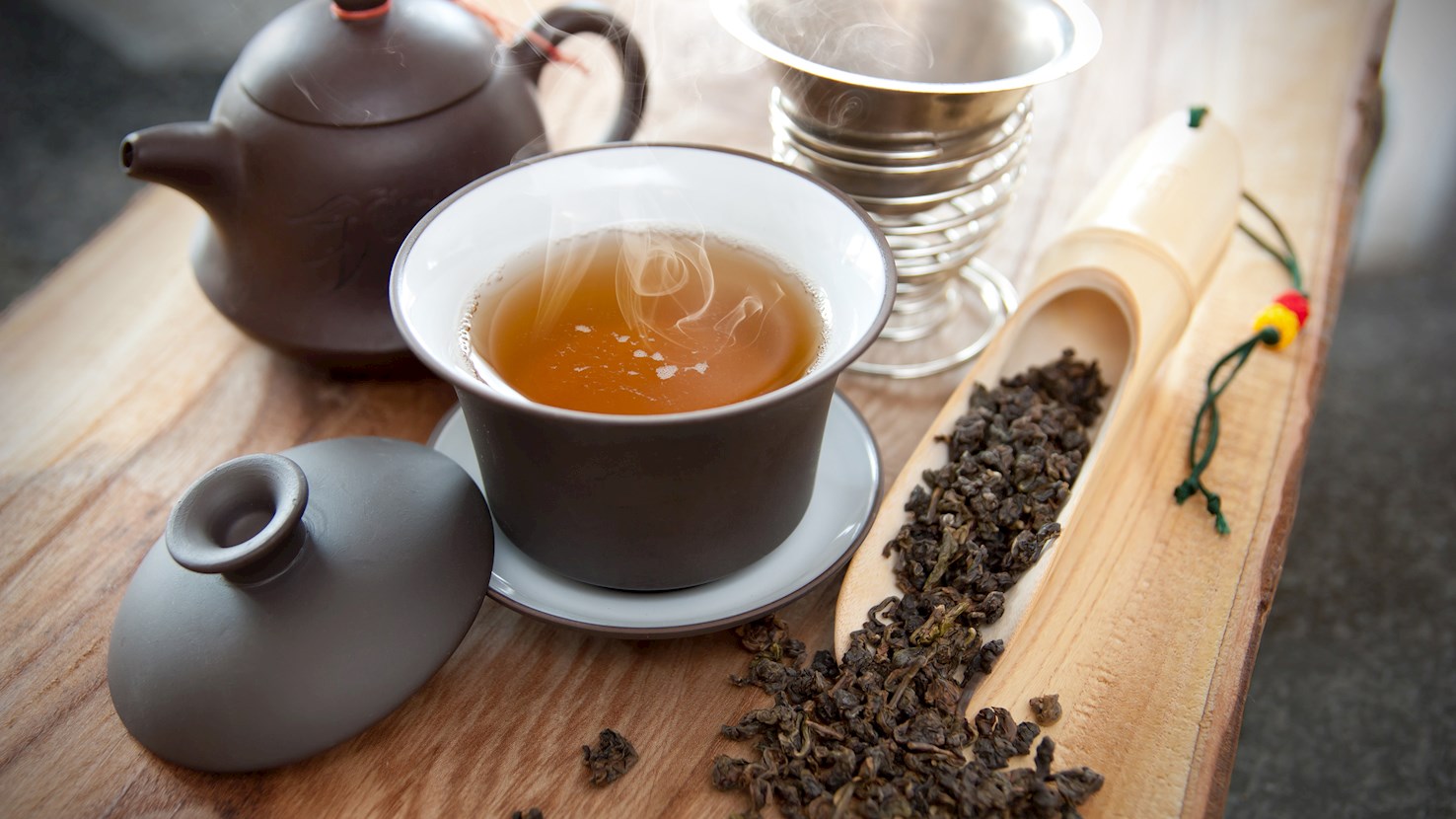
Oolong is a semi-oxidized tea that can vary depending on the leaf style, level of oxidation, color, and the roasting degree. Falling somewhere between green and black teas, it is one of the most complex varieties regarding production, and it can take on a wide variety of flavors and aromas. Their color can vary from pale green or yellow to dark orange, while the aromas often include notes of melons, apricots, wood, orchids, or spices. The level of oxidation can vary anywhere from 10-80%. The less oxidized styles resemble green teas, while more oxidized varieties, typically over 50% percent, share more characteristics with black teas. Oolong originated in China, most probably in the Wuyi Mountains. Although China remains one of the biggest producers, significant amounts of oolong are also cultivated in Taiwan. Traditionally, Taiwanese varieties will be less oxidized. The oolong tea category is broadly categorized into long, strip-style curly oolong tea and small, wrap-curled oolongs. Lightly-oxidized oolong teas can be paired with lighter dishes and seafood, while darker styles generally go well with smoked or cured meat and desserts.
Lapsang souchong is a type of smoky black tea that is traditionally smoke-dried over pinewood. The production process is similar to standard black tea production, with the additional smoking step in which the leaves are dried over a pinewood fire. The smokiness level can vary, but it should never be overpowering. It typically remains even after several infusions. Apart from smokiness, this tea is usually described as malty, subtly sweet, and mellow. It is traditionally enjoyed without any additions, but milk and sugar can be added depending on preference. This distinctive tea originated in Fujian's Wuyi Mountains, and it is traditionally produced from the Bohea cultivar, which is native to the area. Its origin is mainly associated with Tongmu Guan—which is still considered the best and the ideal location for the cultivation and production of authentic version. This tea would pair well with savory dishes, especially meat-based dishes such as pork and lamb. It can also be a good pairing with cheese, game meat, tuna, and breakfast or brunch dishes. Lapsang can also be used in cooking to impart a subtle smoky flavor, and it is sometimes used in blends, particularly breakfast blend and Russian Caravan. Similar tea is also produced in Taiwan.
Da hong pao is an esteemed variety of Chinese oolong tea and one of the most expensive teas in the world. It is cultivated and harvested in the Wuyi Mountains of northern Fujian from the plants that mostly grow on cliffs and ledges. This tea is usually heavily-oxidized and typically has an earthy and mineral character with complex aromas and a sweet finish. Da hong pao has a centuries-old tradition and holds a somewhat mythical status in China. The most expensive varieties came from six mother trees, which are considered the only authentic type of da hong pao. These mother trees are no longer used for harvesting and have been protected and insured. In 1998, 20g of da hong pao harvested from mother trees was sold for a remarkable $28,000. Some amount of da hong pao is produced from the mother tree cultivars, but it is mostly available as da hong pao blend, which is made by master tea blenders.
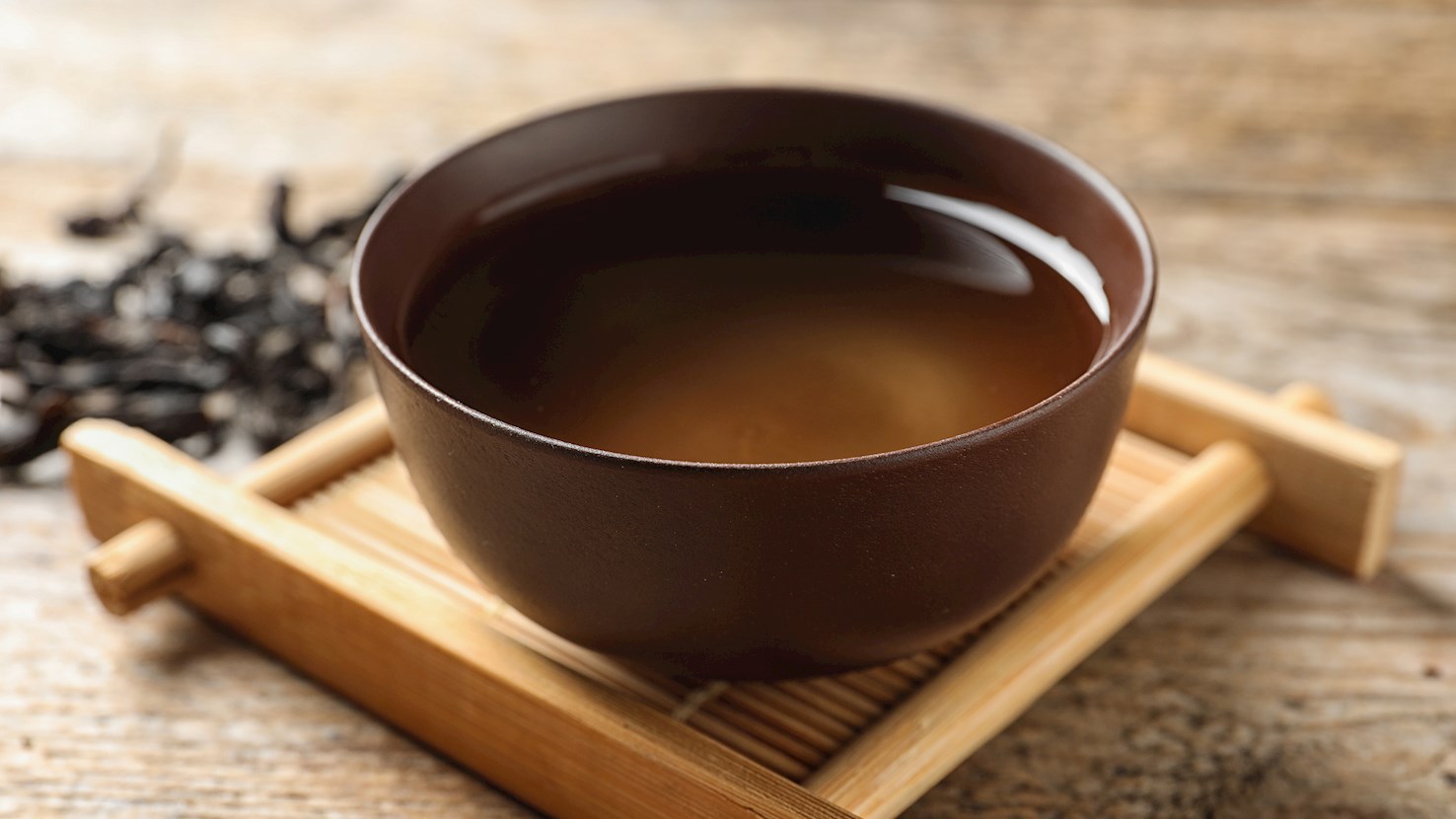
Rougui is an oolong tea that hails from the Wuyi Mountains in Fujian. It is one of the most esteemed Wuyi rock teas known for its persistent and complex aromas. Though roasting levels may differ, the tea will usually have brown, bright, and curly leaves. The brewed tea is clear, orange-yellow to amber, and has a long-lasting, warm, and sweet floral aroma. The flavor is mellow, smooth, floral, and fruity, often displaying woody and mineral notes, while the finish is long and sweet. As it matures, rougui tea will typically become milder. It can be paired with seafood.
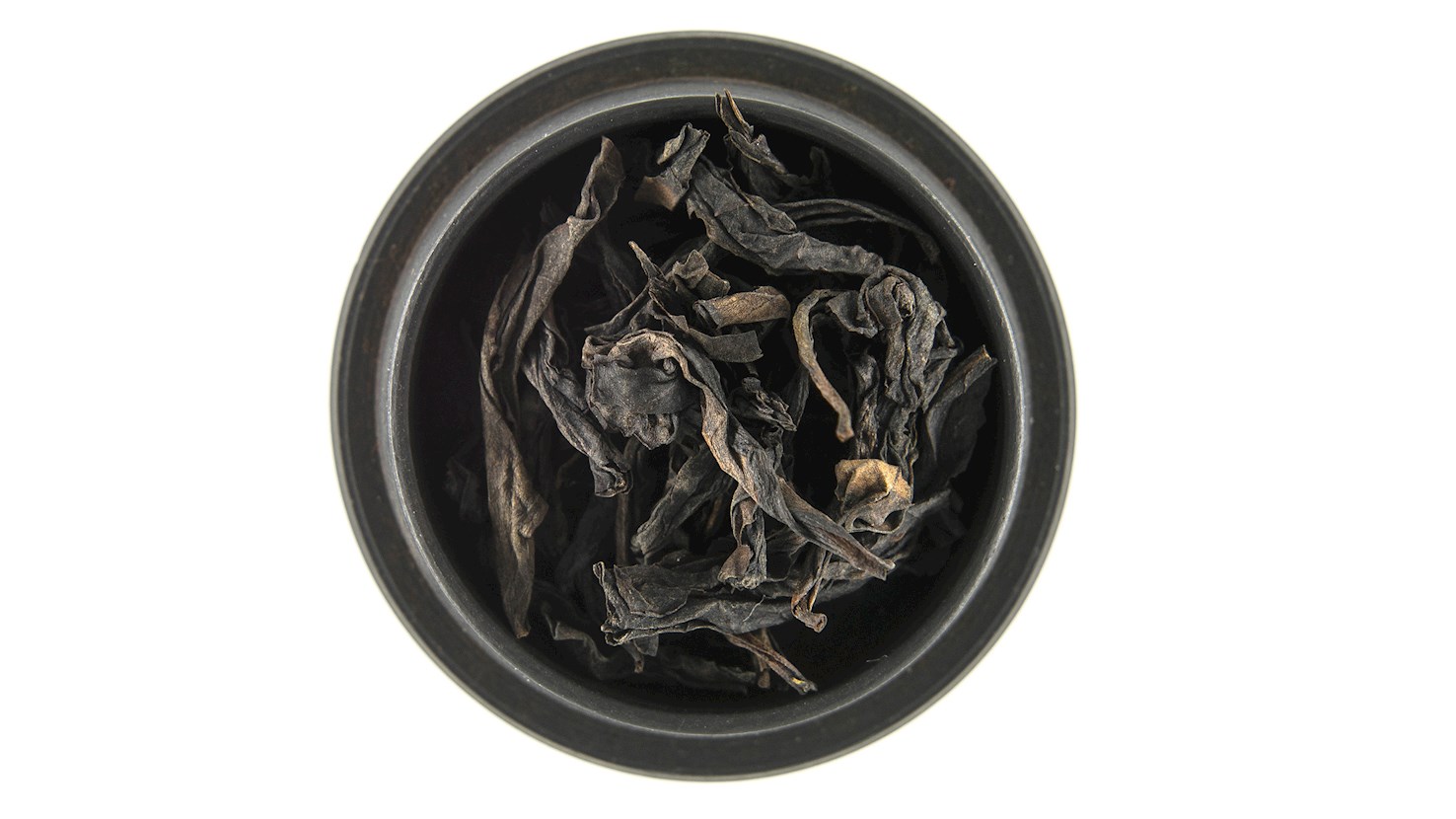
Wǔyí yánchá is an oolong tea produced in the Wuyi Mountains of northern Fujian Province. It is known for its semi-oxidized leaves, roasted aroma, and mineral-rich flavor profile. The term yánchá means “rock tea,” referring to the rocky soil and mountainous terrain in which the tea is cultivated. The area’s volcanic and sandstone formations, coupled with misty humidity and filtered sunlight, create growing conditions that yield tea leaves with a distinctive character known as yán yùn or “rock rhyme,” a mineral taste and lingering aftertaste unique to teas from this region. Wǔyí yánchá is considered one of the most renowned Chinese oolong teas, combining complex aroma, layered flavor, and a long finish. The cultivation of tea in the Wuyi Mountains dates back over a thousand years, with oolong processing methods developing during the Song and Ming dynasties. The region became recognized for producing semi-oxidized teas that bridged the gap between green and black teas, offering the freshness of one and the depth of the other. Artisans in the area refined techniques of partial oxidation and charcoal roasting, which gave Wuyi teas their distinct flavor and longevity. Over time, teas grown on the rocky cliffs near the Nine Bends River gained particular fame for their unique soil composition and microclimate. These cliff-grown teas were categorized as zhèng yán (core rock area teas), while those grown slightly outside the central valley were classified as bàn yán (half rock area teas). Famous varieties such as Dà Hóng Páo, Shuǐ Xiān, Ròu Guì, and Bái Jīguān emerged from this region, each noted for its own fragrance and flavor profile. Processing Wǔyí yánchá involves several carefully timed steps. Freshly picked leaves are first withered under the sun to reduce moisture content, then gently shaken and rested to initiate oxidation. This controlled bruising of the leaf edges allows enzymes to interact with oxygen, producing complex aromatic compounds. The oxidation is halted midway through heating, and the leaves are rolled to shape them into long, twisted strands. Finally, they are roasted multiple times over charcoal at low temperatures, often over several days or weeks, to stabilize the tea and bring out its toasty, mineral notes. The result is a dry leaf with a dark brown to black color and a glossy surface. When infused, the liquor is amber to orange-red, rich in aroma, and balanced in taste with hints of floral sweetness, fruit, and spice. A distinctive feature of Wǔyí yánchá is its yán yùn, the mineral or “rock” resonance left on the palate after drinking. This characteristic arises from the mineral composition of the Wuyi soil and the humid microclimate that supports slow, steady leaf growth. The flavor is further shaped by charcoal roasting, which enhances depth and extends the tea’s shelf life. Each batch of yánchá varies slightly depending on the location of the tea bushes, the skill of the roaster, and the duration of oxidation, making it a product that reflects both its environment and human technique. Wǔyí yánchá is typically prepared using the Gongfu brewing method, common in Fujian and Guangdong. Small clay teapots or porcelain gaiwans are used to brew high leaf concentrations in short infusions, allowing the flavor to unfold over multiple steeps. Each steeping reveals different layers: initial roasted notes, followed by floral, fruity, or honey-like tones, and finally a mineral aftertaste. The tea is consumed both in formal tastings and in daily tea sessions, valued for its depth and lasting aroma. It is most commonly enjoyed in southern China, particularly in Fujian and Chaozhou, and by tea enthusiasts worldwide. It pairs well with lightly flavored foods such as steamed fish, dumplings, or fruit, which allow its complexity to stand out. Heavier roasted varieties can accompany richer foods like roast duck or pork, while aged yánchá complements mildly sweet pastries and nuts. In modern settings, it is often served after meals as a digestif or during quiet gatherings, reflecting the tea’s balance between refinement and everyday accessibility.
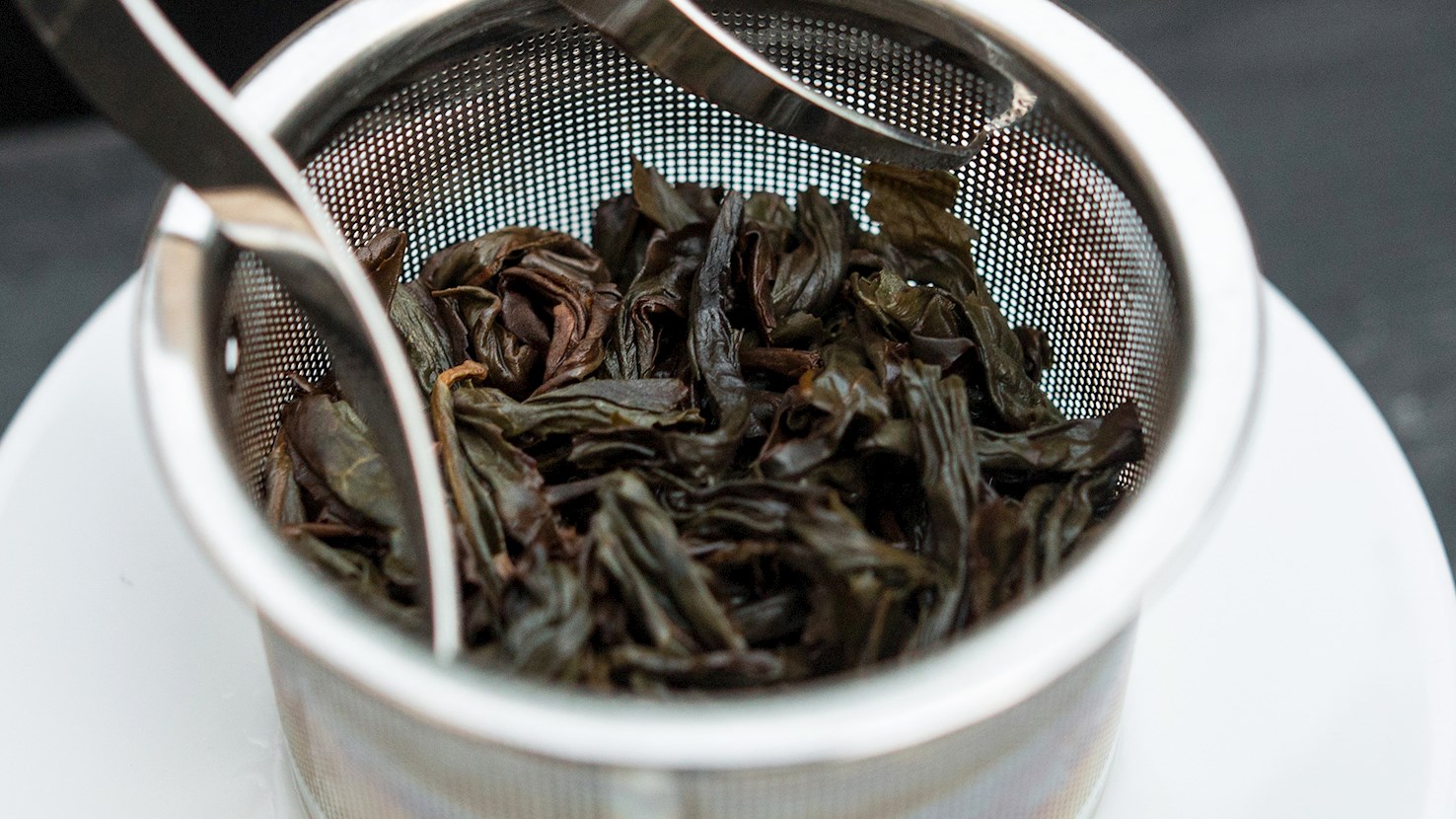
Wuyi tea is a celebrated category of Chinese oolong and black teas grown in the Wuyi Mountains of Fujian Province, a region renowned for producing some of the most aromatic, complex, and mineral-rich teas in the world. Nestled in a UNESCO World Heritage landscape of rugged cliffs, misty valleys, and mineral-laden soils, the Wuyi region offers a unique terroir that imparts a distinct “rock rhyme” (yán yùn, 岩韵) to its teas—a sought-after taste note prized by tea connoisseurs for its earthy depth, floral undertones, and long-lasting finish. The most iconic and historically significant of these teas is Dà Hóng Páo (Big Red Robe), a legendary cliff tea with a rich legacy and a price to match its rarity. Other famous Wǔyí teas include Shuǐ Xiān (Water Immortal), known for its bold, roasted flavor and floral aroma, and Bái Jǐ Guān (White Cockscomb), recognizable by its lighter-colored leaves and delicate taste. These teas undergo partial oxidation and skillful charcoal roasting, resulting in a layered profile that balances roasty warmth with sweet, fruity, and spicy nuances. Unlike tightly rolled oolongs from Taiwan or Anxi, Wuyi tea is traditionally twisted into long, dark strips, which unfurl beautifully during brewing. It is best enjoyed using the gongfu cha method, a ceremonial style of tea preparation that involves multiple short infusions, each revealing a different facet of the tea’s character—from its toasted aroma to its lingering mineral finish. Beyond oolongs, the Wuyi region is also the birthplace of zhèngshān xiǎozhǒng (正山小种), better known internationally as Lapsang Souchong, a smoked black tea with a bold pinewood aroma.
TasteAtlas food rankings are based on the ratings of the TasteAtlas audience, with a series of mechanisms that recognize real users and that ignore bot,
nationalist or local patriotic ratings, and give additional value to the ratings of users that the system recognizes as knowledgeable.
TasteAtlas Rankings should not be seen as the final global conclusion about food. Their purpose is to promote excellent local foods,
instill pride in traditional dishes, and arouse curiosity about dishes you haven’t tried.
The initial list of top producers was compiled based on available reviews, awards, local recommendations, media and blog coverage, and consumer reviews.
The list will be updated with ratings from TasteAtlas local ambassadors and TasteAtlas users.





What People Say