

shutterstock

Top 6 French Techniques

Last updated on June 15, 2026
01

Pommes fondantes

4.2 ·

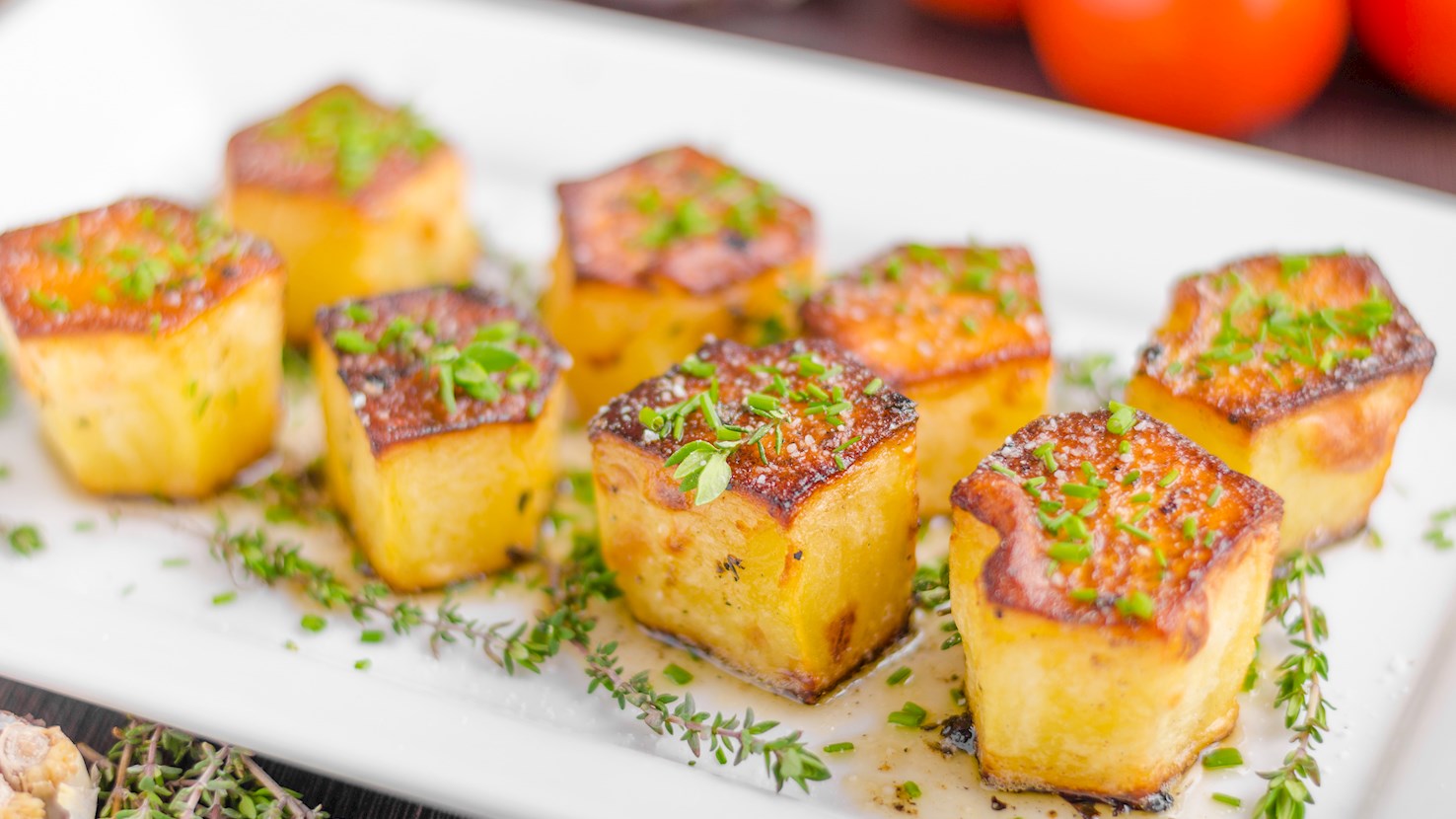
Pommes fondantes is a traditional side dish originating from France and a technique of cooking new potatoes. The potatoes are well-scraped, washed, and dried, and then browned in butter, either whole, or with the ends cut off. They're roasted in butter and chicken or beef stock until fully cooked. If properly prepared, the potatoes should be golden on the outside and melting inside. The flavor of butter is essential to the dish, and margarine should be avoided at all costs because it will leave a sediment at the bottom of the pan that burns and sticks. Pommes fondantes are typically served as an accompaniment to meat dishes.

02

Gratin

4.2 ·

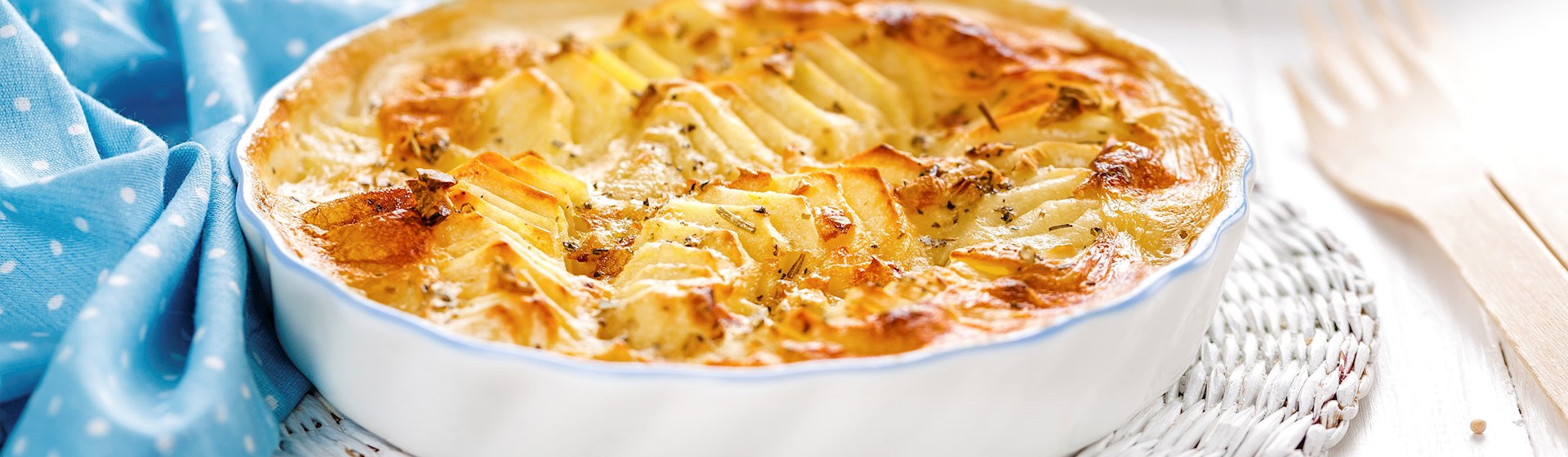
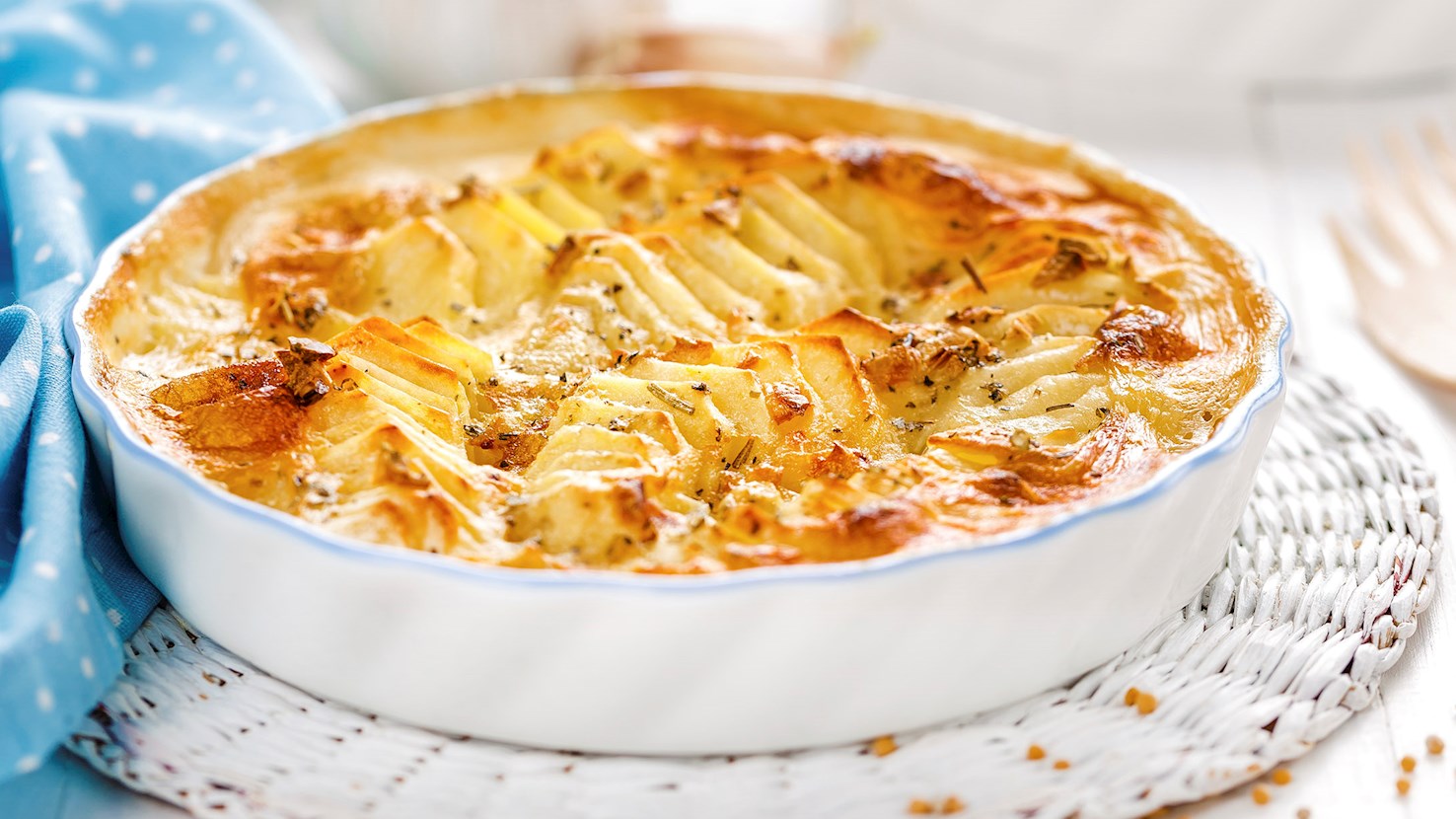
The French expression au gratin is an everyday term in the culinary world, denoting a technique for preparing oven-baked dishes. In the 16th century or even earlier, the word gratin referred to the burnt, crispy bits of a dish that were stuck to the bottom of a pot or pan, which had to be grated or scraped off if they were not to go to waste. Today, gratin commonly refers to any dish with a crispy baked topping. The ingredients for gratin most often include cream, grated cheese, and breadcrumbs, or a combination of the three. In addition to baking the dish uncovered in a hot oven, the au gratin effect can also be achieved by quickly browning of the top of a prepared dish under a broiler, giving it a nice crispy crust. The technique is thought to have originated in Provence, but nowadays it is popular throughout the world. In addition to the famed potatoes à la Dauphinoise, gratin is a technique widely used in the preparation of various other vegetable-based dishes, as well as numerous meat, fish, and pasta casseroles.

03

En papillote

4.1 ·

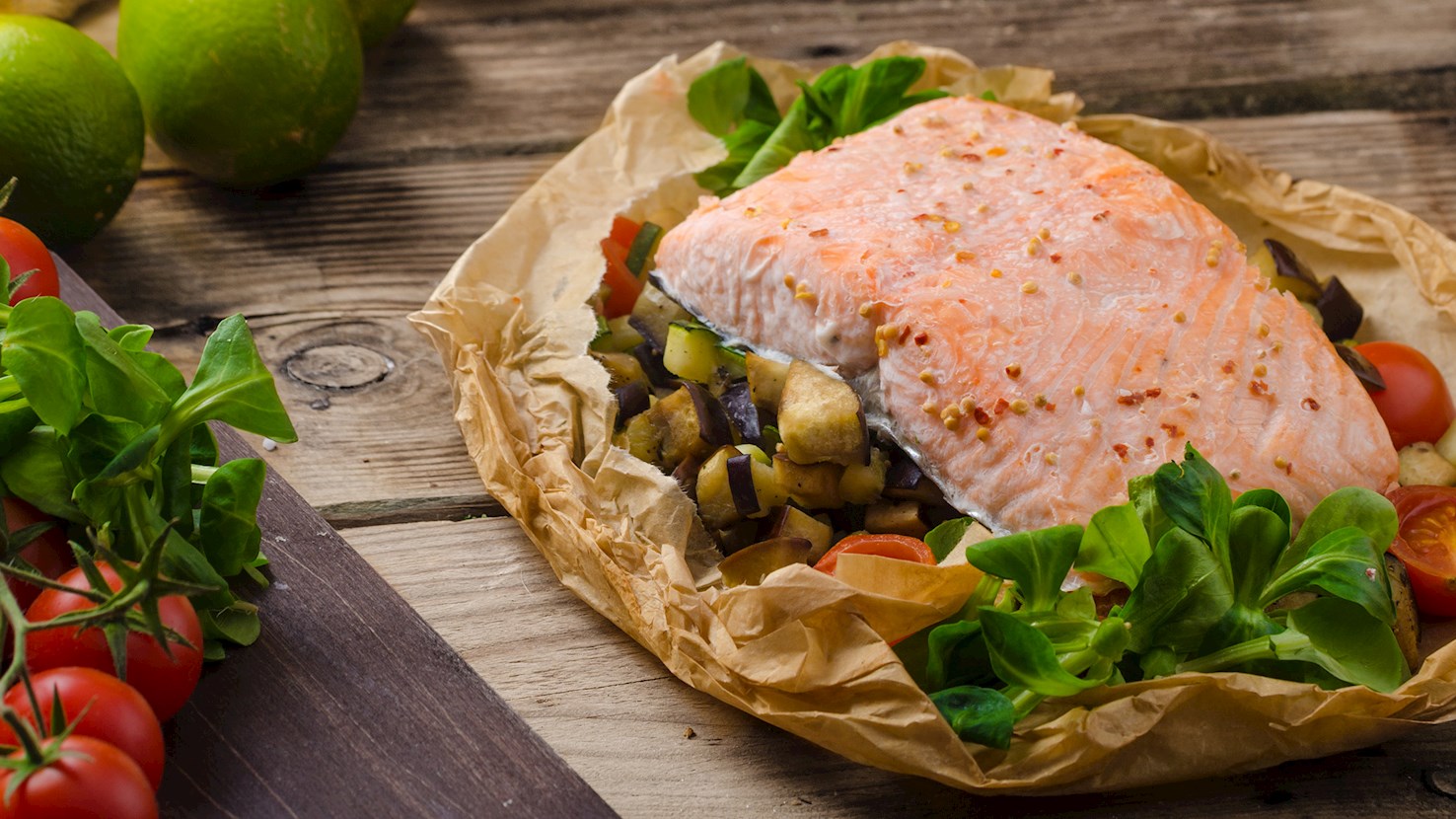
En papillote (lit. in paper or in parchment) is a simple French technique of preparing food that’s been carefully wrapped in paper packets by moist-heat cooking. This unique cooking method helps trap steam inside the paper packets, allowing for the food to cook in its juices and retain all the flavors, aromas, and nutrients. Food prepared this way comes out moist, tender, and packed with flavor. Traditionally, the food is enclosed in parchment paper, though aluminum foil or paper bags are often used instead. Cooking en papillote is typically done in an oven, but a steamer, a metal plate, or even a grill may also be used. A wide variety of foods may be prepared using this technique, though seafood, vegetables, and poultry are said to deliver the best results. Other typical ingredients that are often cooked en papillote include certain types of cheese, eggs, pasta dishes, mushrooms, desserts, and various dough-based specialties. Although it usually does not require the addition of oil or other liquids, this technique may optionally call for a drizzle of oil, wine, vinaigrette, lemon juice, or soy sauce, depending on the food that is being cooked. In Italy, this cooking method is known as al cartoccio.

04

Meunière

3.9 ·

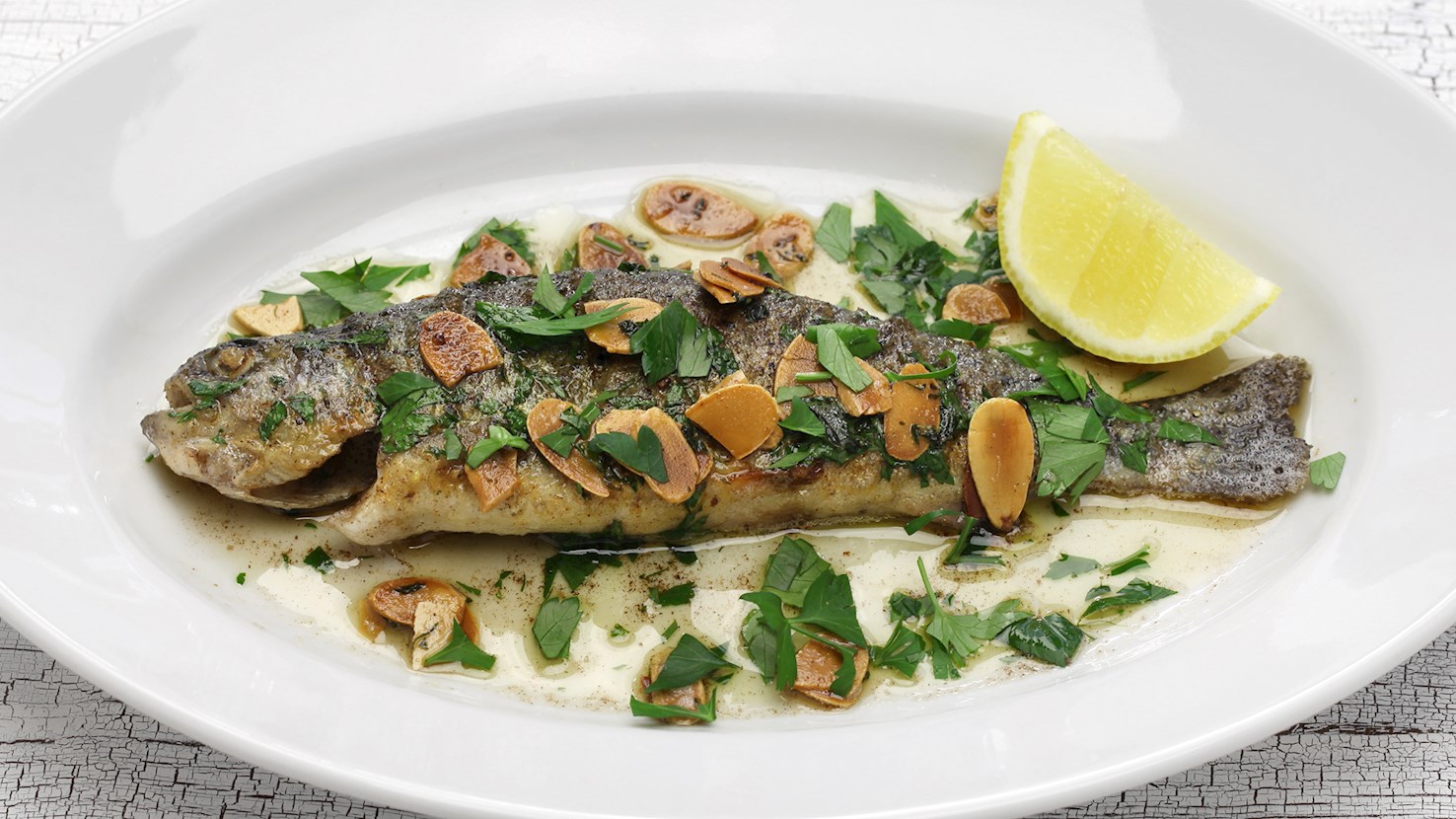
Roughly translated as in the manner of miller’s wife, the term à la meunière refers to a French cooking technique in which a whole fish or fish fillets are lightly dusted in flour and then sautéed in butter. Traditionally, meunière dishes are made with white flesh fish and are commonly finished off with the addition of lemon juice and parsley, but the technique is easily adapted by replacing the main ingredients or incorporating additional elements such as capers or almonds. The most common dish prepared with this technique is called sole meunière.

05

Paupiette

3.3 ·

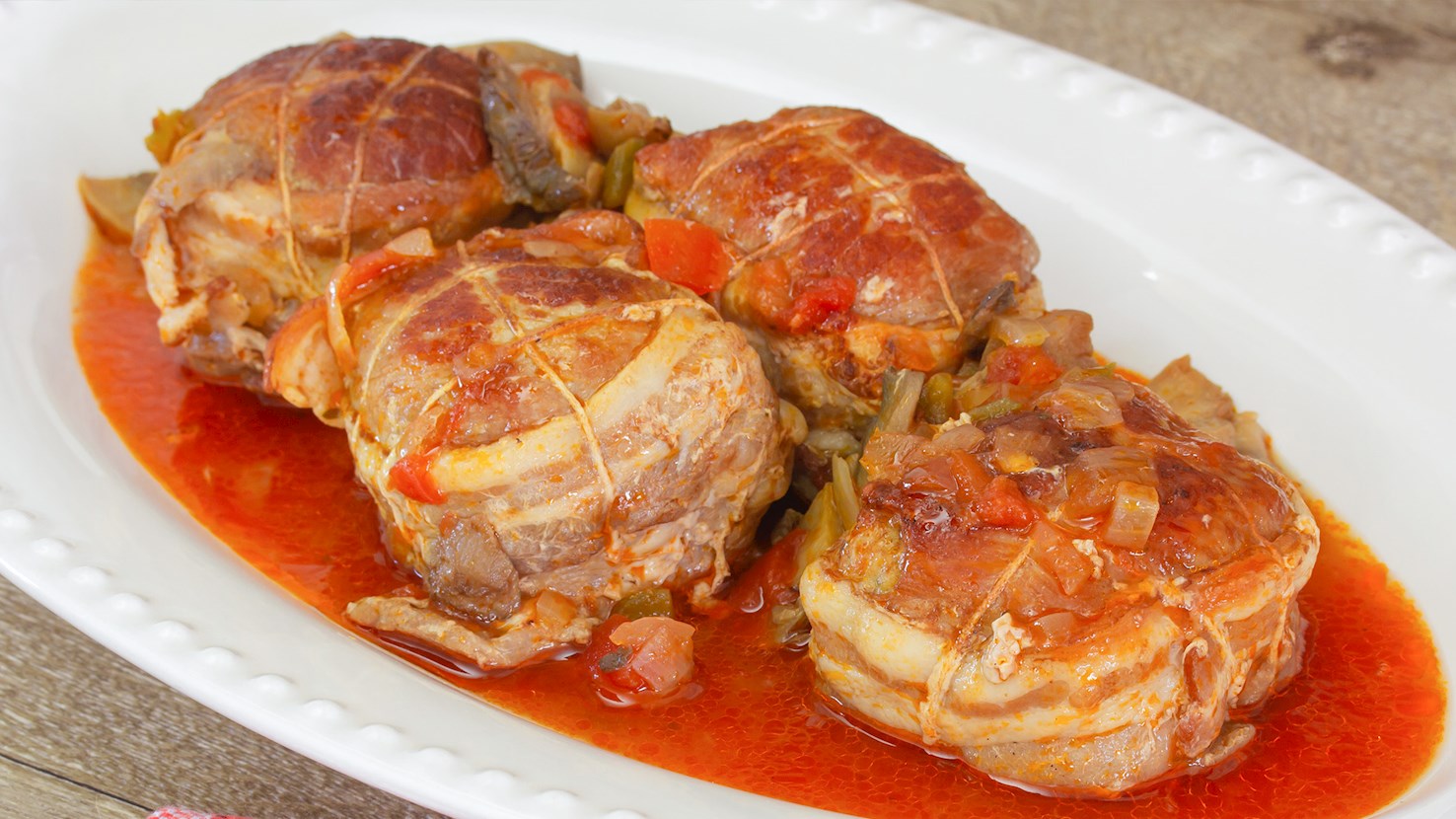
Paupiette is a French culinary term referring to a thin slice of meat, such as veal, beef, or chicken, that is stuffed with a filling, rolled up, and then cooked. The filling often includes ingredients like herbs, vegetables, and sometimes other meats or breadcrumbs. The rolled meat is typically tied with string to hold the filling in place and then braised, baked, or simmered in a sauce until tender. Paupiettes are known for their flavorful and moist texture, making them a popular choice in French cuisine. They are usually sold ready-made in supermarkets and by butchers and rarely made at home.

06

En vessie

n/a ·

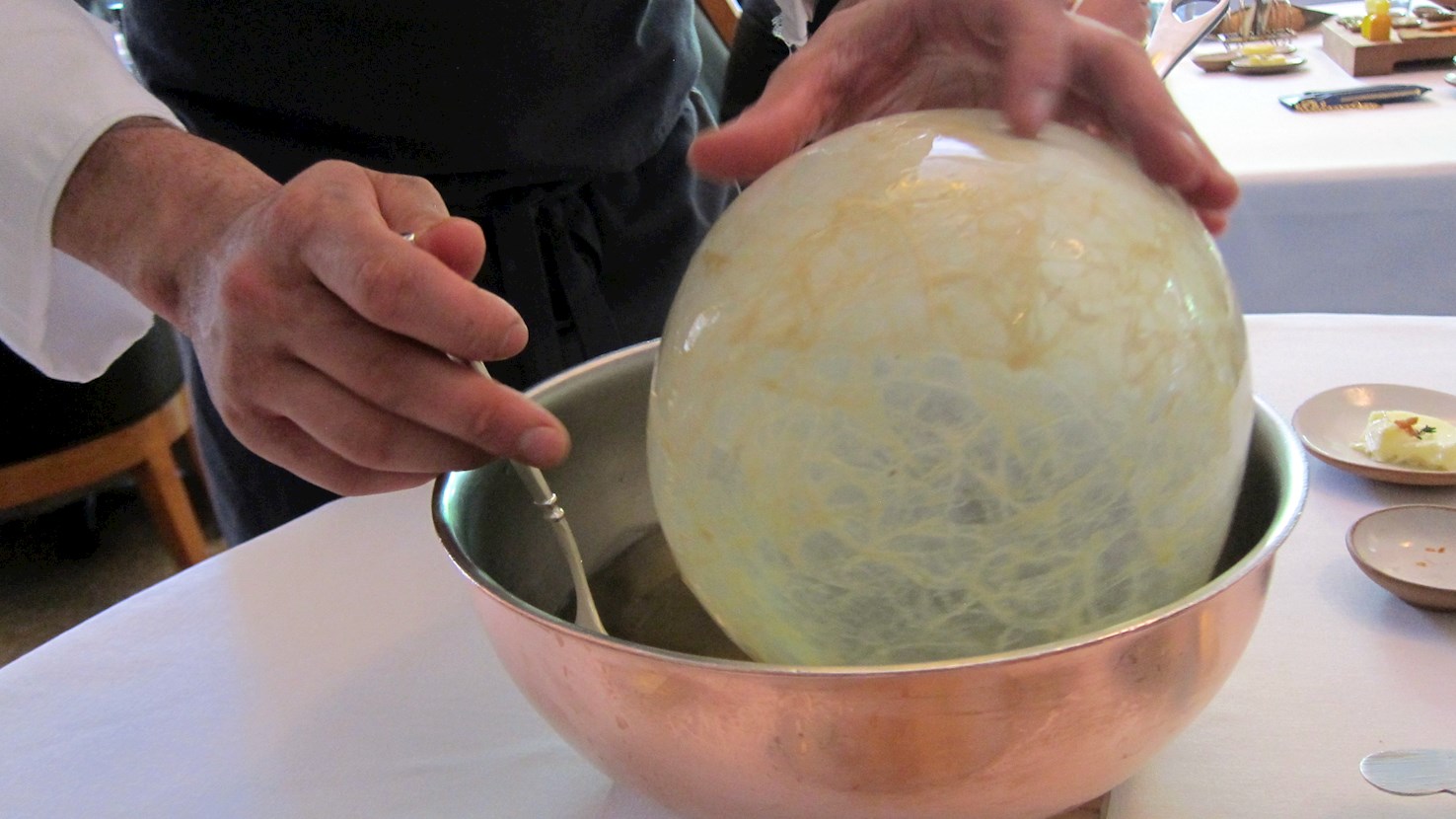
En vessie is an unusual French cooking technique that's usually done with a pig bladder which is used to enclose the meat and keep it succulent and juicy. One of the most popular applications of this technique can be seen in a dish callet poulet en vessie, in which Bresse chicken is first stuffed with foie gras, white wine, and black truffles, steamed, then enveloped in a bladder. The chicken is then poached in chicken broth, thus allowing the steam to come into the bladder and making the meat very flavorful and aromatic while remaining extremely moist.

Read more
View all
View map
About this ranking

TasteAtlas food rankings are based on the ratings of the TasteAtlas audience, with a series of mechanisms that recognize real users and that ignore bot, nationalist or local patriotic ratings, and give additional value to the ratings of users that the system recognizes as knowledgeable. For the “Top 6 French Techniques” list until June 15, 2026, 557 ratings were recorded, of which 502 were recognized by the system as legitimate. TasteAtlas Rankings should not be seen as the final global conclusion about food. Their purpose is to promote excellent local foods, instill pride in traditional dishes, and arouse curiosity about dishes you haven’t tried.

Similar lists