

shutterstock

Top 15 Western European Techniques

Last updated on July 15, 2026
01

Chouriço assado

4.2 ·

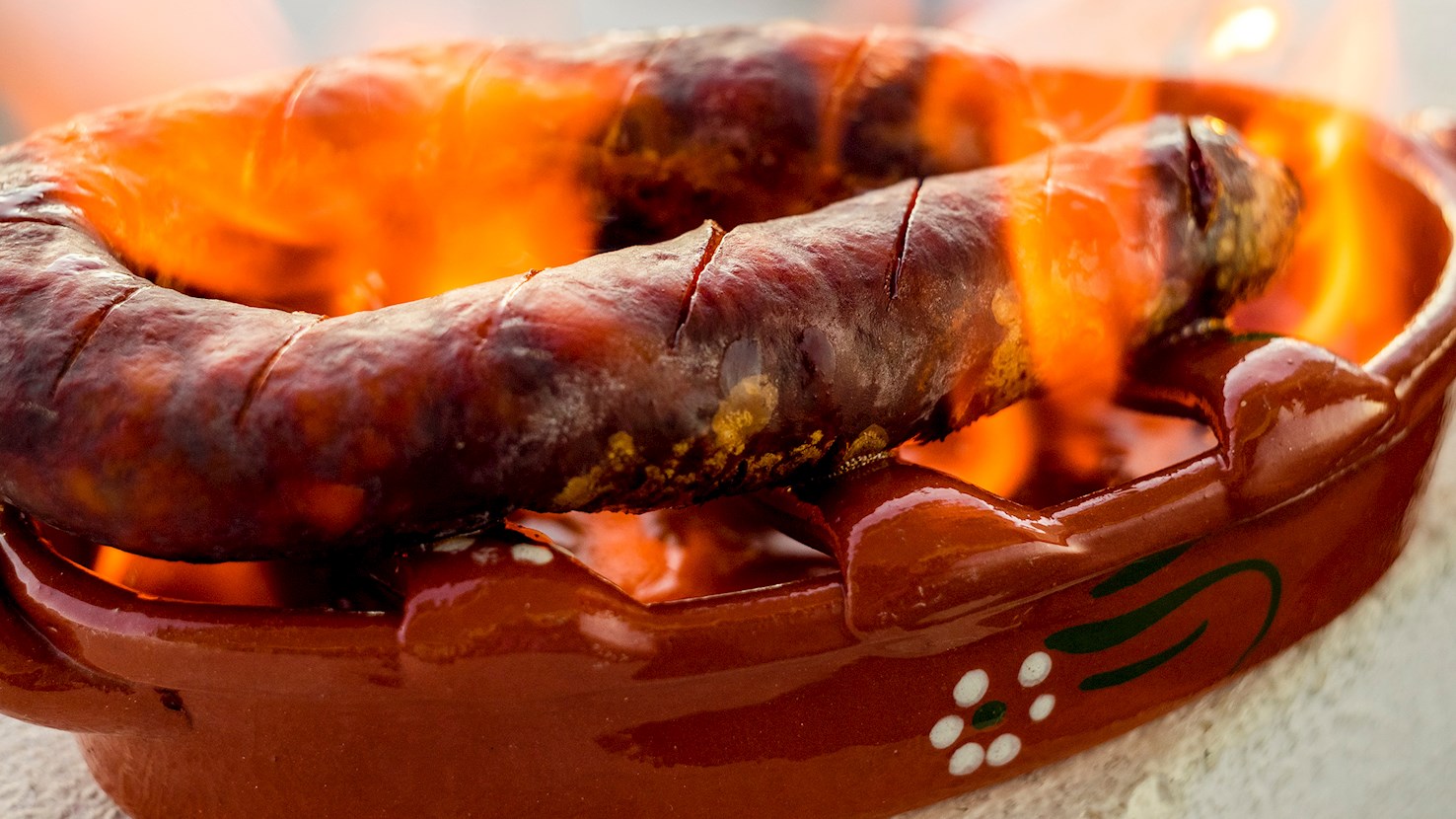
Chouriço assado is a Portuguese technique of grilling chouriço, a traditional pork sausage, over boat-shaped terracotta bowls (assador). The bottom of the vessel is filled with aguardente—a strong local spirit—which is set on fire before the sausage is placed on top and is then allowed to cook over flames until it is crisp and slightly charred. This preparation technique is common in Portuguese restaurants, and it is often prepared tableside. Apart from the chouriço, the technique can be used for grilling other types of sausages such as linguiça, farinheira, and alheira.

02

Pommes fondantes

4.2 ·

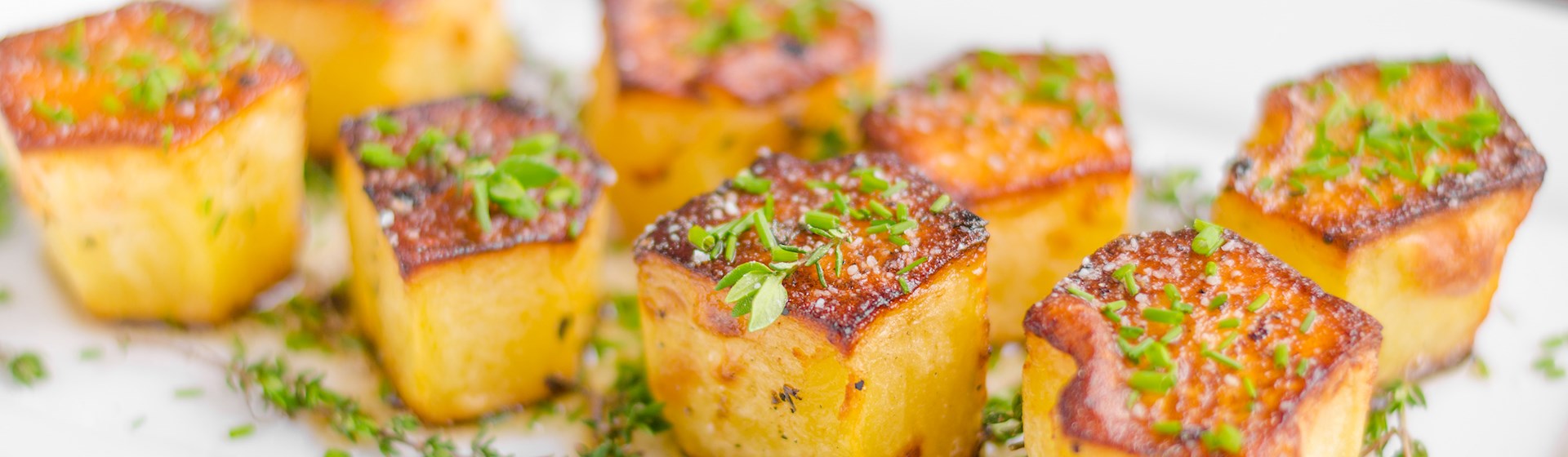
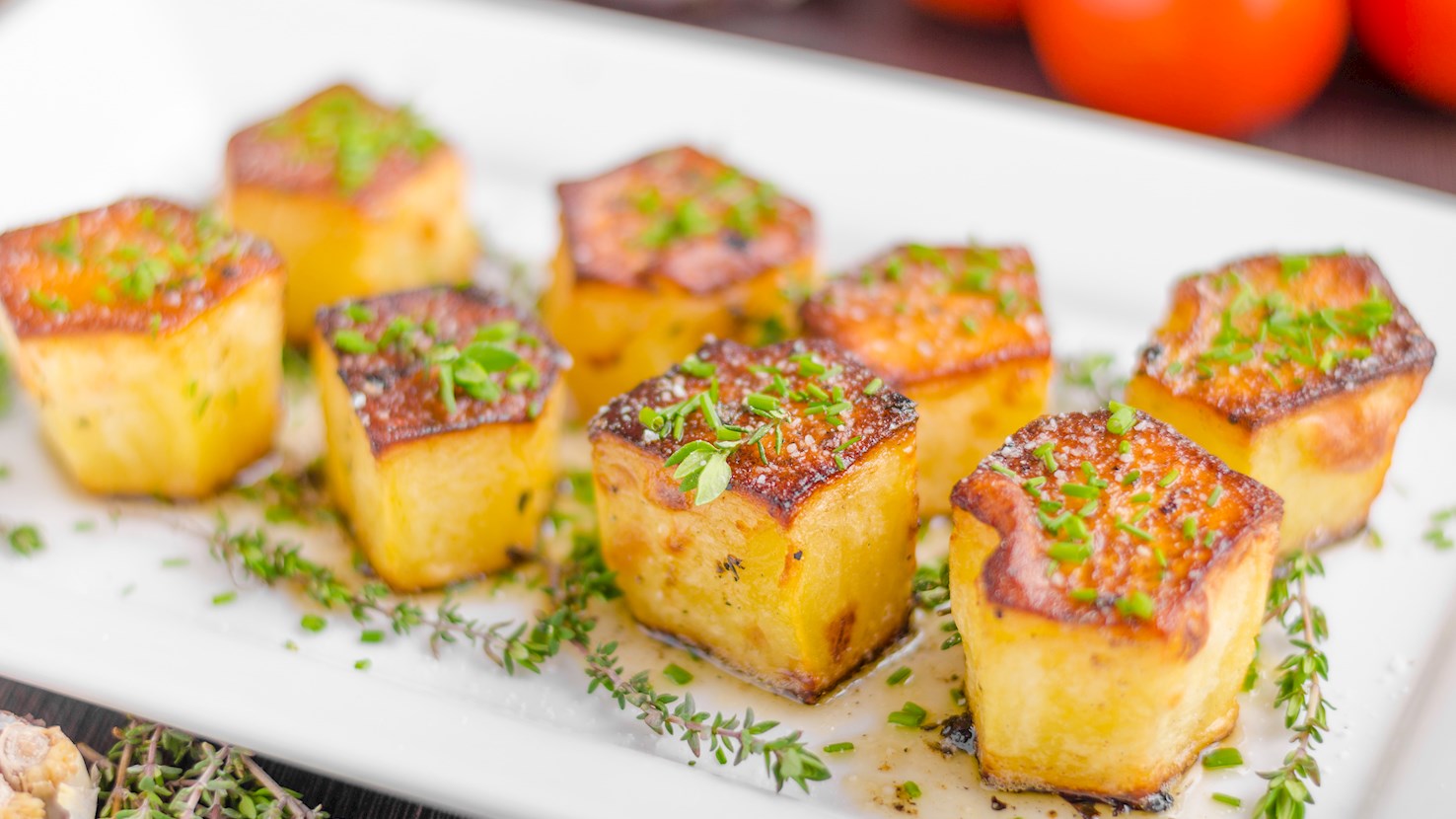
Pommes fondantes is a traditional side dish originating from France and a technique of cooking new potatoes. The potatoes are well-scraped, washed, and dried, and then browned in butter, either whole, or with the ends cut off. They're roasted in butter and chicken or beef stock until fully cooked. If properly prepared, the potatoes should be golden on the outside and melting inside. The flavor of butter is essential to the dish, and margarine should be avoided at all costs because it will leave a sediment at the bottom of the pan that burns and sticks. Pommes fondantes are typically served as an accompaniment to meat dishes.

03

Gratin

4.2 ·

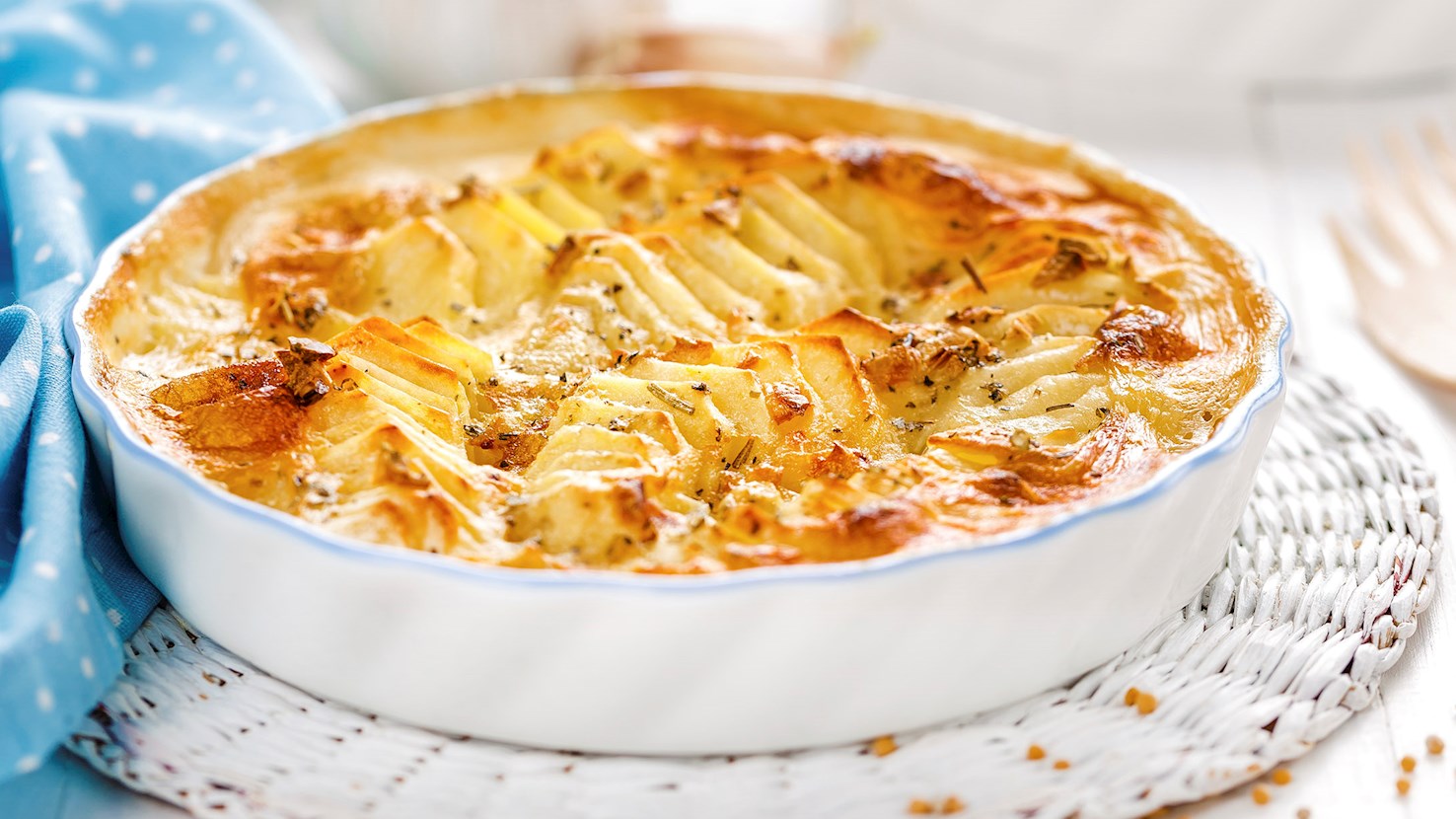
The French expression au gratin is an everyday term in the culinary world, denoting a technique for preparing oven-baked dishes. In the 16th century or even earlier, the word gratin referred to the burnt, crispy bits of a dish that were stuck to the bottom of a pot or pan, which had to be grated or scraped off if they were not to go to waste. Today, gratin commonly refers to any dish with a crispy baked topping. The ingredients for gratin most often include cream, grated cheese, and breadcrumbs, or a combination of the three. In addition to baking the dish uncovered in a hot oven, the au gratin effect can also be achieved by quickly browning of the top of a prepared dish under a broiler, giving it a nice crispy crust. The technique is thought to have originated in Provence, but nowadays it is popular throughout the world. In addition to the famed potatoes à la Dauphinoise, gratin is a technique widely used in the preparation of various other vegetable-based dishes, as well as numerous meat, fish, and pasta casseroles.

04

Tempura

4.2 ·

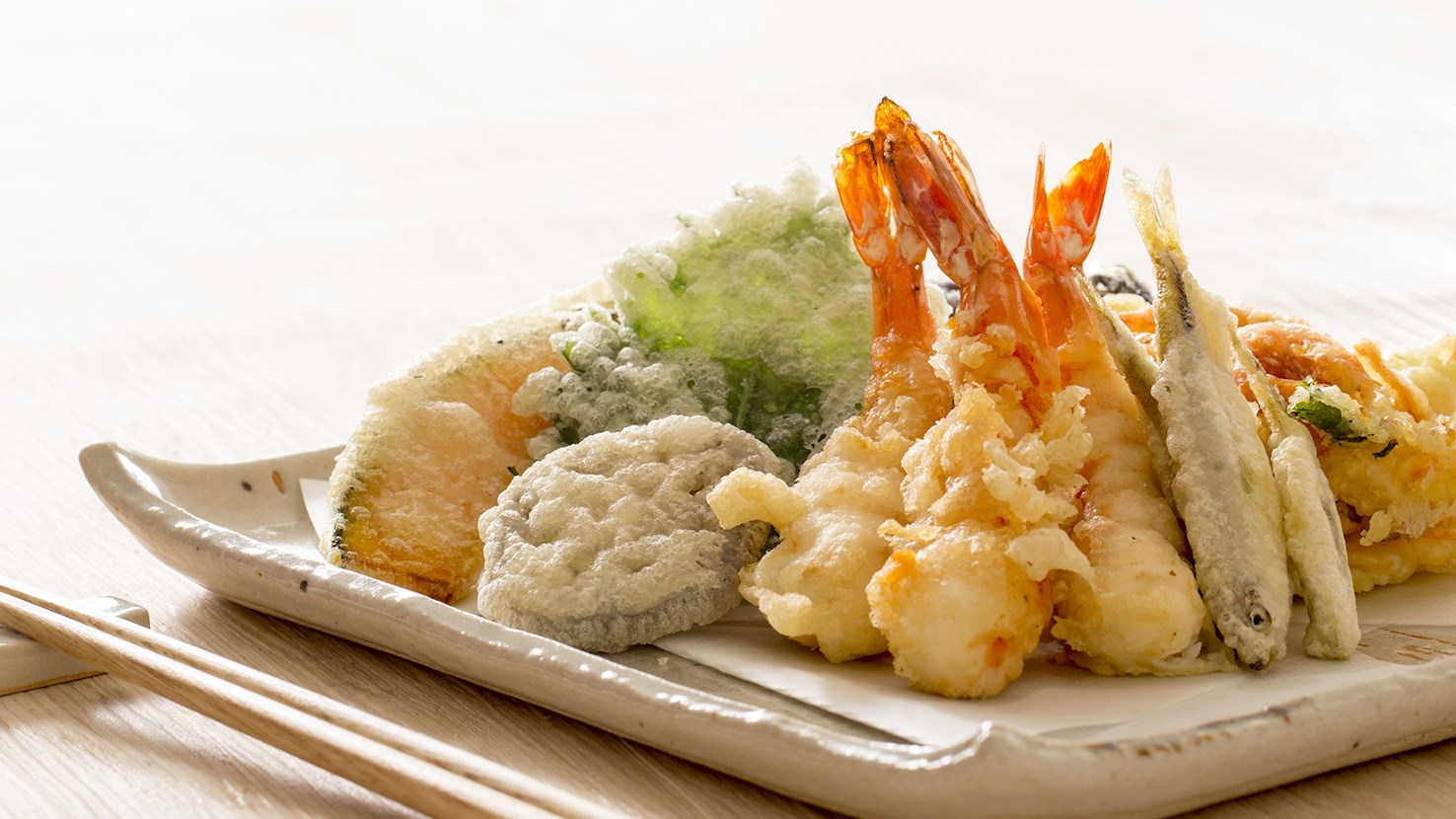
Although tempura is battered and deep-fried, the Japanese approach to food, characterized by clean flavors, simplicity, and minimalistic approach to ingredients remains intact. The most favorable ingredients for the dish include shrimp, scallops, squid, and small crabs, or vegetables such as shiitake mushrooms, asparagus, Japanese eggplant, and snow peas. The batter is the most crucial part of tempura, consisting of flour, eggs, and water, keeping the ingredients moist and flavorful. Even though the dish is very simple, it has quite murky origins. The most popular theory says that the Jesuit missionaries who came to Japan from Portugal in the 16th century were the most probable inspiration for the dish, consuming vegetable and seafood fritters on ember days (days on which no meat was allowed to be consumed). Another theory says that battered and deep-fried food was introduced to Japan by the Chinese, initially embraced by Zen priests who wanted to make their vegetarian diet more flavorful. Regardless of the origins of tempura, it remains an iconic dish that is served in a wide variety of ways: on its own, over rice, accompanied by tentsuyu or soy sauce, or even as a filling in sushi rolls.

05

Cataplana

4.1 ·

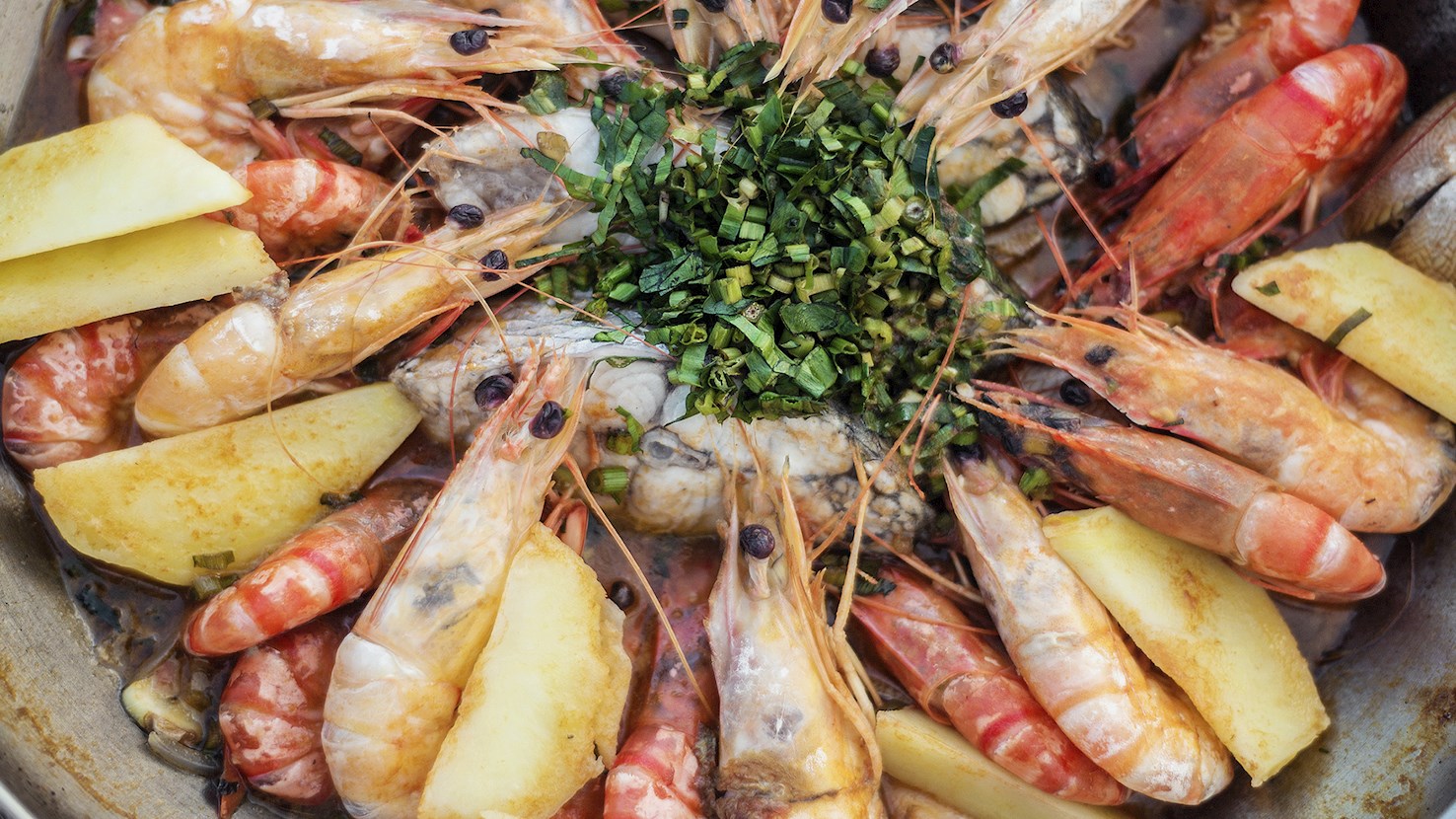
Sharing the same name as the frying pan in which they are prepared, cataplana refers to an extensive group of Portuguese dishes that can be prepared with various ingredients such as meat, seafood, rice, or pasta. The pan, as well as the savory dishes, are traditionally associated with Faro, and it is said that every city in the region has its favorite ingredient for the dish. Originally invented by fishermen, cataplana dishes are today found throughout Portugal. The most famous version of the dish is cataplana de marisco, prepared with a variety of seafood.

06

En papillote

4.1 ·

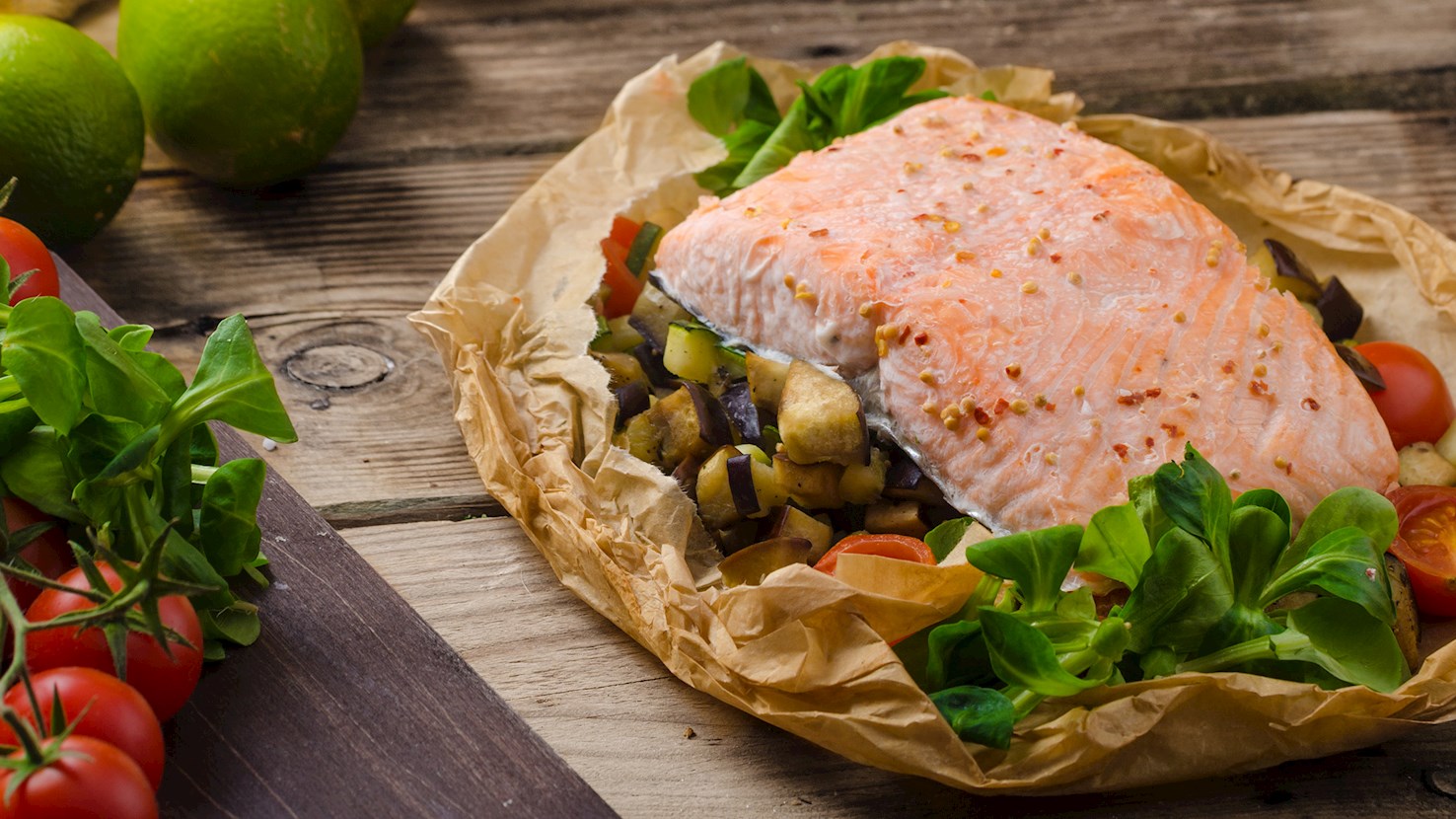
En papillote (lit. in paper or in parchment) is a simple French technique of preparing food that’s been carefully wrapped in paper packets by moist-heat cooking. This unique cooking method helps trap steam inside the paper packets, allowing for the food to cook in its juices and retain all the flavors, aromas, and nutrients. Food prepared this way comes out moist, tender, and packed with flavor. Traditionally, the food is enclosed in parchment paper, though aluminum foil or paper bags are often used instead. Cooking en papillote is typically done in an oven, but a steamer, a metal plate, or even a grill may also be used. A wide variety of foods may be prepared using this technique, though seafood, vegetables, and poultry are said to deliver the best results. Other typical ingredients that are often cooked en papillote include certain types of cheese, eggs, pasta dishes, mushrooms, desserts, and various dough-based specialties. Although it usually does not require the addition of oil or other liquids, this technique may optionally call for a drizzle of oil, wine, vinaigrette, lemon juice, or soy sauce, depending on the food that is being cooked. In Italy, this cooking method is known as al cartoccio.

07

Meunière

3.9 ·

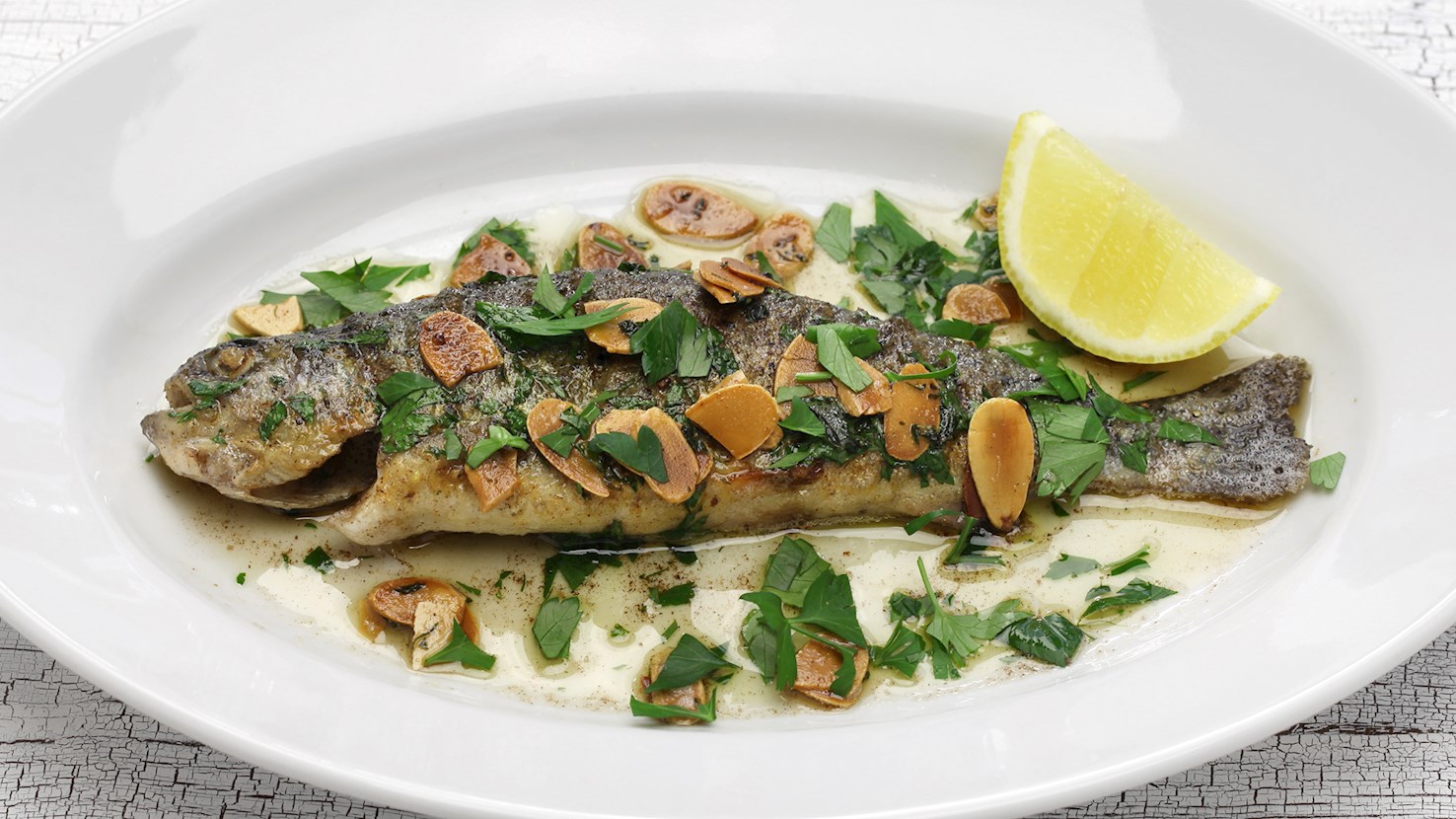
Roughly translated as in the manner of miller’s wife, the term à la meunière refers to a French cooking technique in which a whole fish or fish fillets are lightly dusted in flour and then sautéed in butter. Traditionally, meunière dishes are made with white flesh fish and are commonly finished off with the addition of lemon juice and parsley, but the technique is easily adapted by replacing the main ingredients or incorporating additional elements such as capers or almonds. The most common dish prepared with this technique is called sole meunière.

08

Mejillones en escabeche

3.9 ·

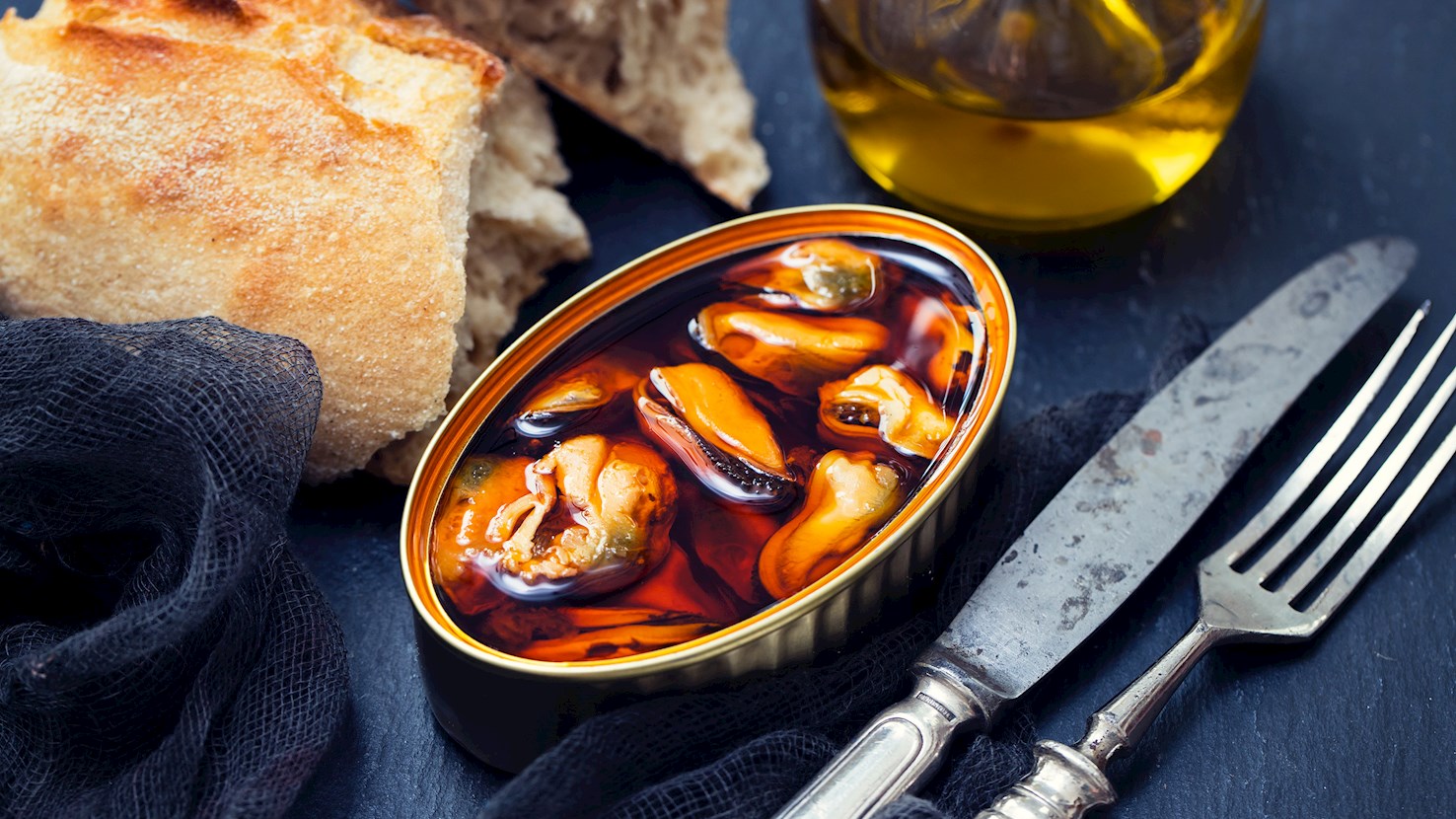
Mejillones en escabeche is a traditional method of preserving mussels in a combination of vinegar, olive oil, white wine, onions, garlic, bay leaves, peppercorns, and paprika. These marinated mussels can be bought in small tin cans in most stores in the country, but they can be prepared at home from scratch as well. Mejillones en escabeche can be served either hot or cold, with toothpicks, and they’re often served as a tapa, accompanied by slices of rustic bread on the side for mopping up the sauce.

Best restaurants
09

Escabeche

3.4 ·

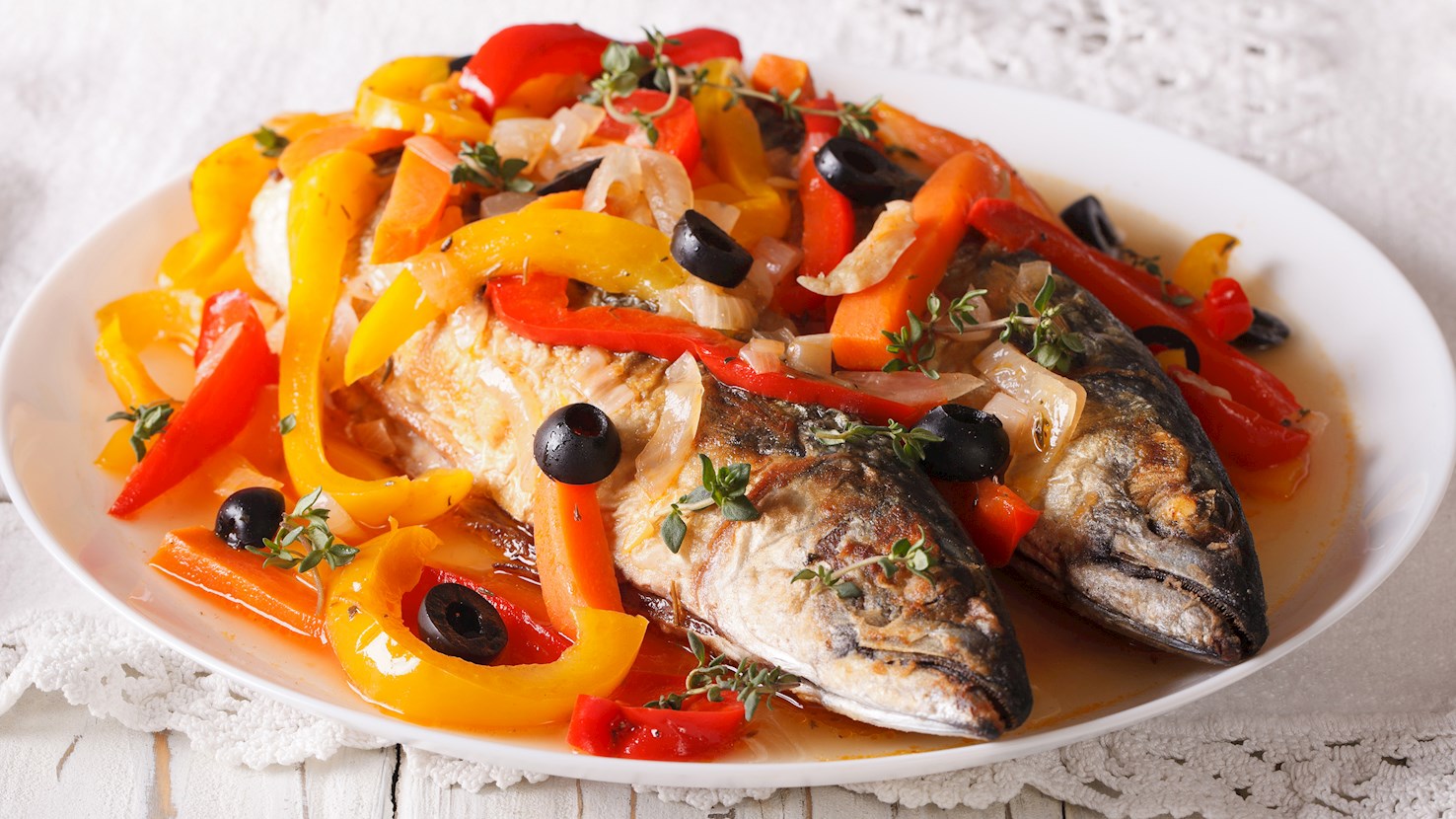
Escabeche is an internationally popular dish consisting of fried or poached meat or fish and various vegetables, served together in a flavorful vinegar sauce filled with herbs, spices, and onions. The Spaniards brought escabeche to Guam, where it is mostly prepared only with fish and called eskabeche. There is also a Filipino version of the dish, distinguished by the usage of thickening agents such as cornstarch or flour. Escabeche is most commonly served cold at various festivities, when it is typically placed alongside other fish dishes.

10

Saor

3.4 ·

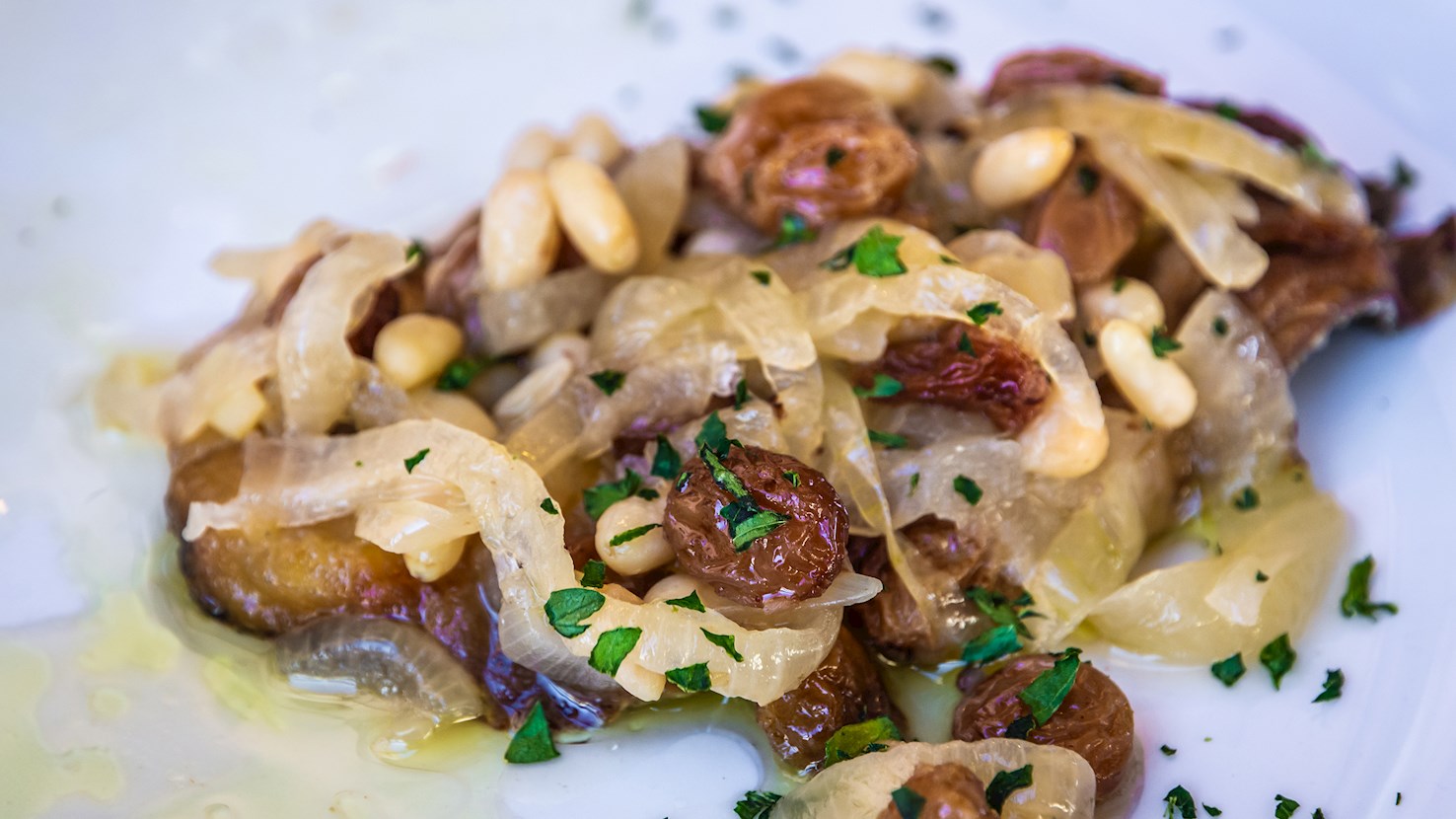
Saor is a traditional food preparation technique originating from Veneto. The word means flavor in Venetian dialect, and in the past it was used as a preservation technique by sailors during their long sea trips. Saor consists of onions (with pine nuts and raisins, although they were originally not a part of the technique) cooked in oil, vinegar, and white wine. The most famous dish made with this technique is called sarde (sardines) in saor, in which fresh sardines are fried and marinated in a mixture of white wine, vinegar, onions, pine nuts, and raisins. The onions must be white, and the variety from Chioggia is preferred. When prepared in saor, the sardines are typically accompanied by grilled polenta for a complete meal, although the dish is traditionally served as an appetizer. It is best to consume in saor dishes after they've rested for at least 24 hours. In the past, in saor wasn't limited to sardines, but to sole fish and eels as well, among others.

11

Paupiette

3.3 ·
13

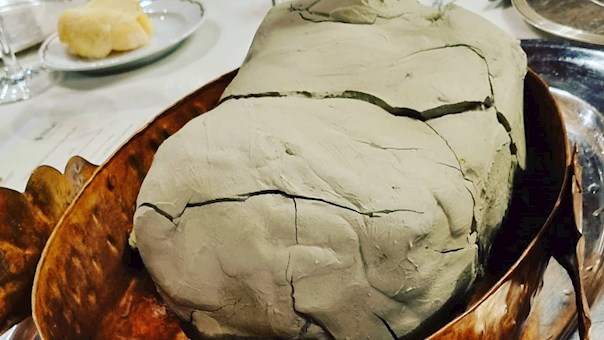
Alla creta

n/a ·
14

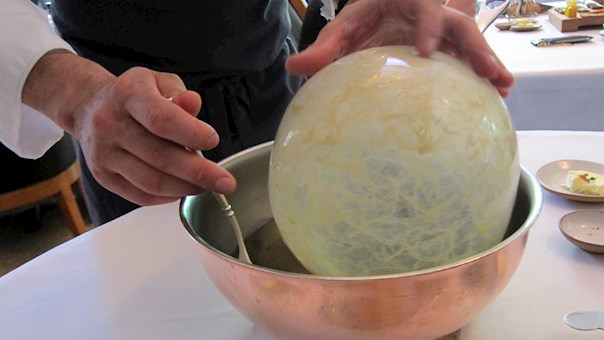
En vessie

n/a ·
Read more
View all
View map
About this ranking

TasteAtlas food rankings are based on the ratings of the TasteAtlas audience, with a series of mechanisms that recognize real users and that ignore bot, nationalist or local patriotic ratings, and give additional value to the ratings of users that the system recognizes as knowledgeable. For the “Top 15 Western European Techniques” list until July 15, 2026, 1,620 ratings were recorded, of which 1,392 were recognized by the system as legitimate. TasteAtlas Rankings should not be seen as the final global conclusion about food. Their purpose is to promote excellent local foods, instill pride in traditional dishes, and arouse curiosity about dishes you haven’t tried.

Similar lists