

shutterstock

11 Thai Curry Varieties
Ranked From the Best To the Worst

Last updated on July 17, 2026
01

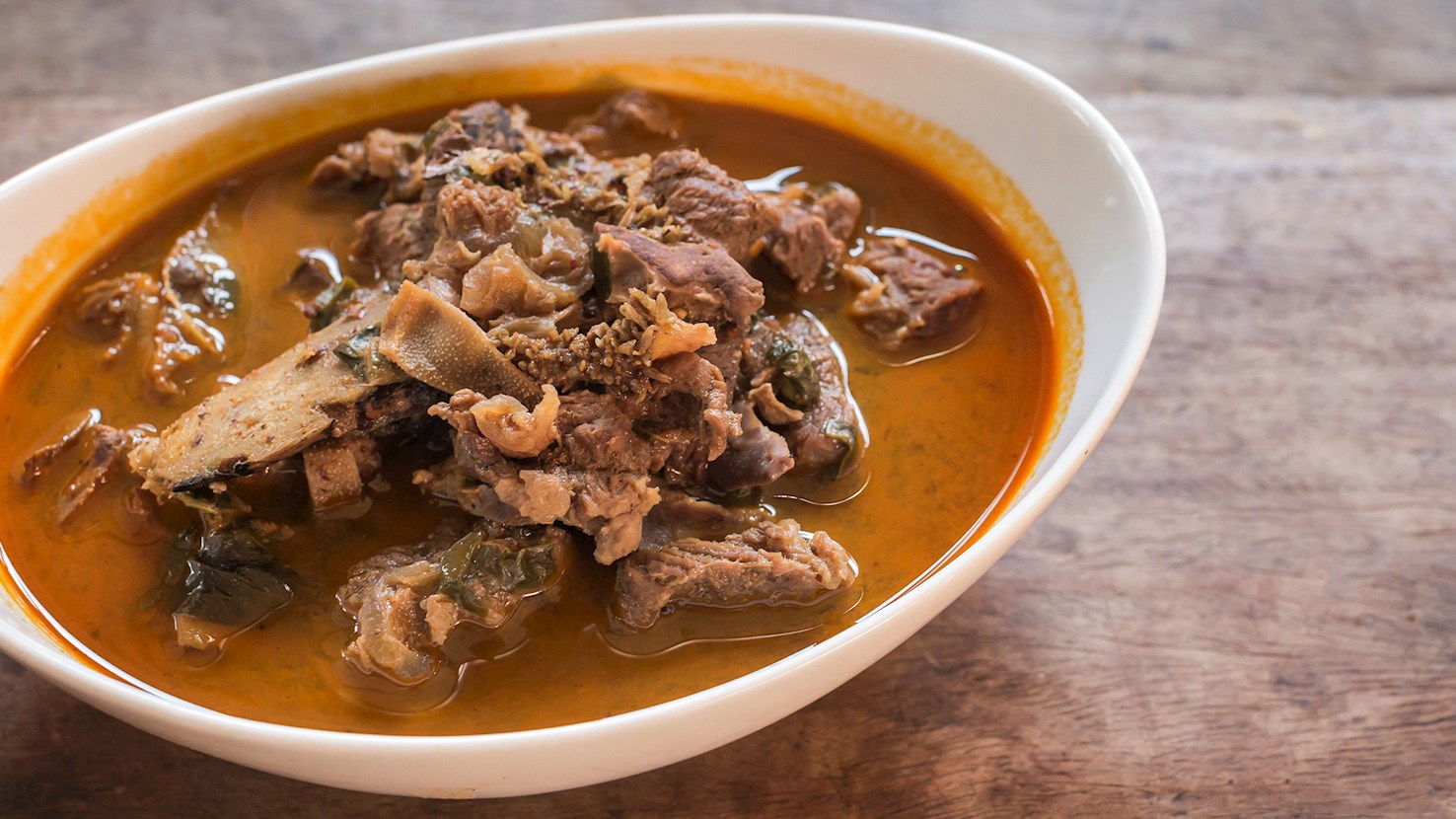
Phanaeng Curry

4.4 ·

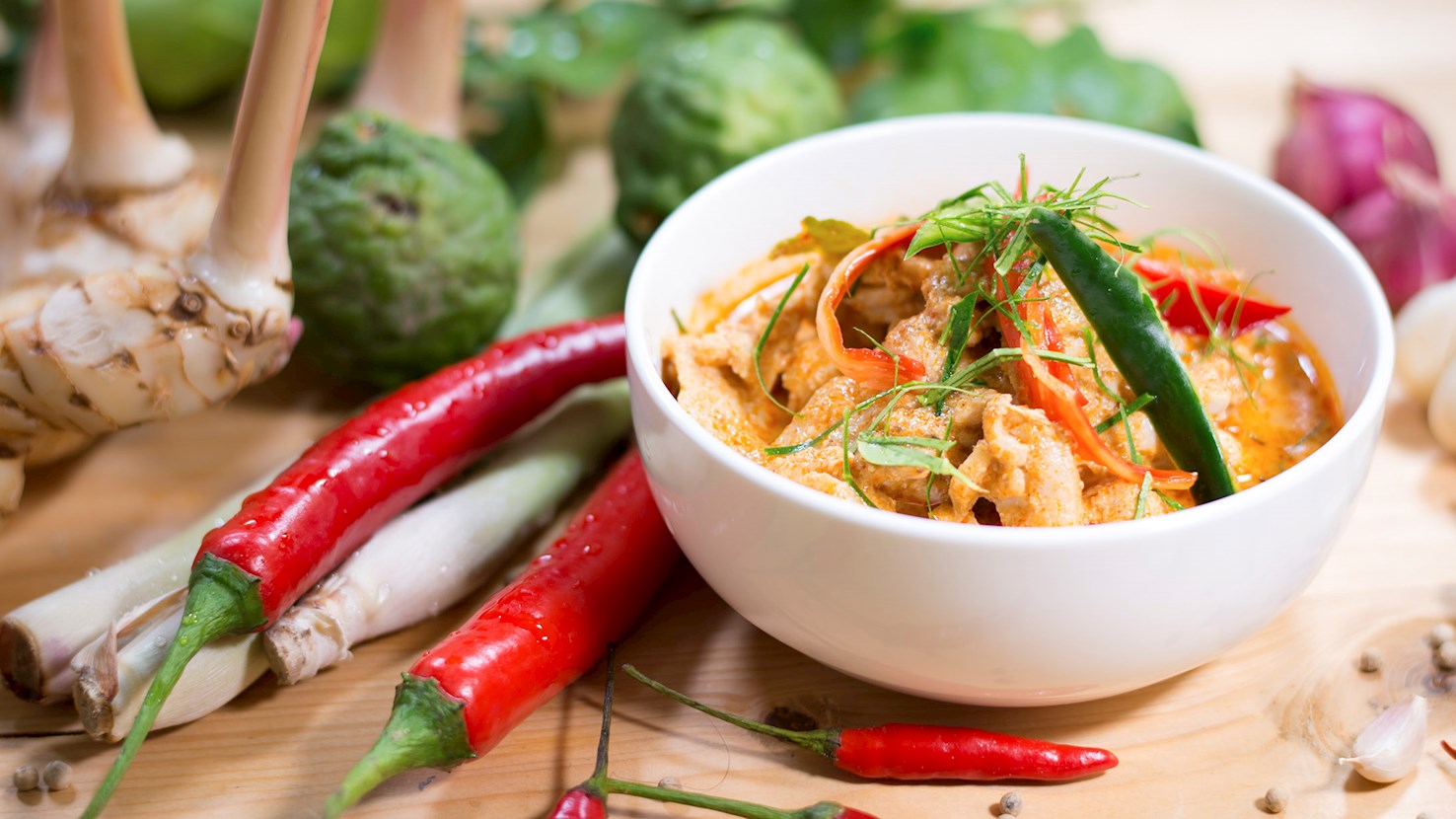
Phanaeng curry is a variety of Thai curry that is characterized by a thick texture and salty-sweet peanut flavor. It consists of meat that is stewed with coconut milk, panang curry paste, makrut lime leaves, fish sauce, and palm sugar. The meat used in phanaeng curry is usually beef, chicken, duck, or pork, and the dish traditionally does not include any vegetables. The name of the dish is derived from the word panang, meaning cross, which refers to the ancient way of preparing chicken with its legs crossed and set in an upright position. Though the origins of phanaeng curry are somewhat murky, it is often associated with the Malaysian state of Penang, but there is little evidence to support this claim. However, the earliest known recipe is found in Maawm Sohm Jeen’s book Tam Raa Gap Khao, dating back to 1890. Once finished, the curry is garnished with thinly sliced makrut lime leaves and Thai spur chili slices, and a bit of coconut milk can be poured over the curry.

02

Khao soi

4.4 ·

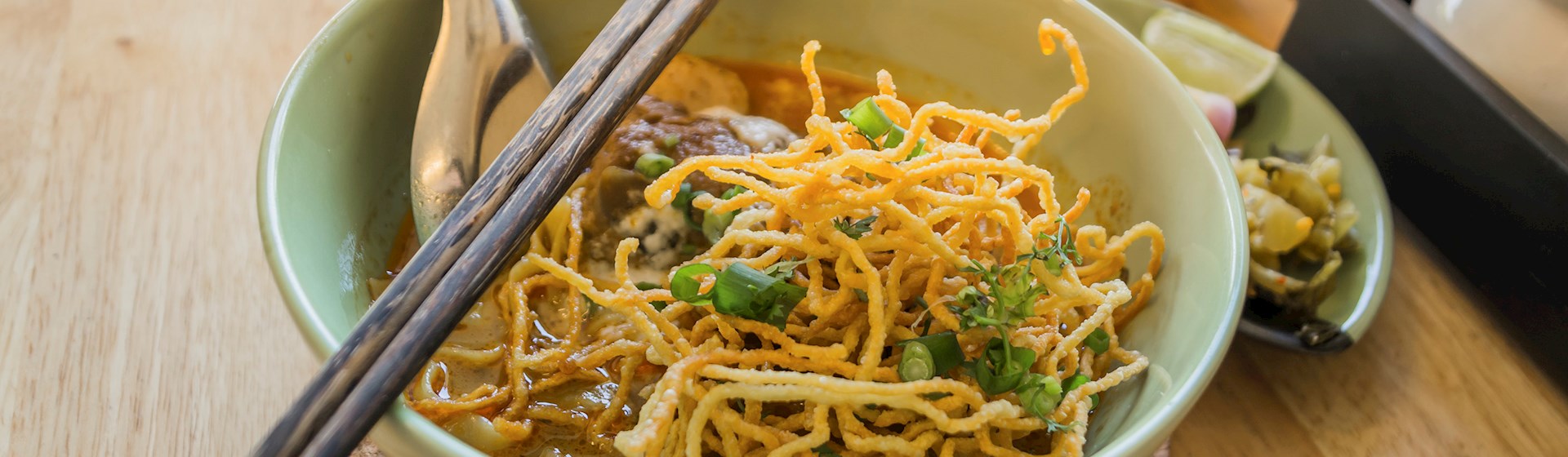
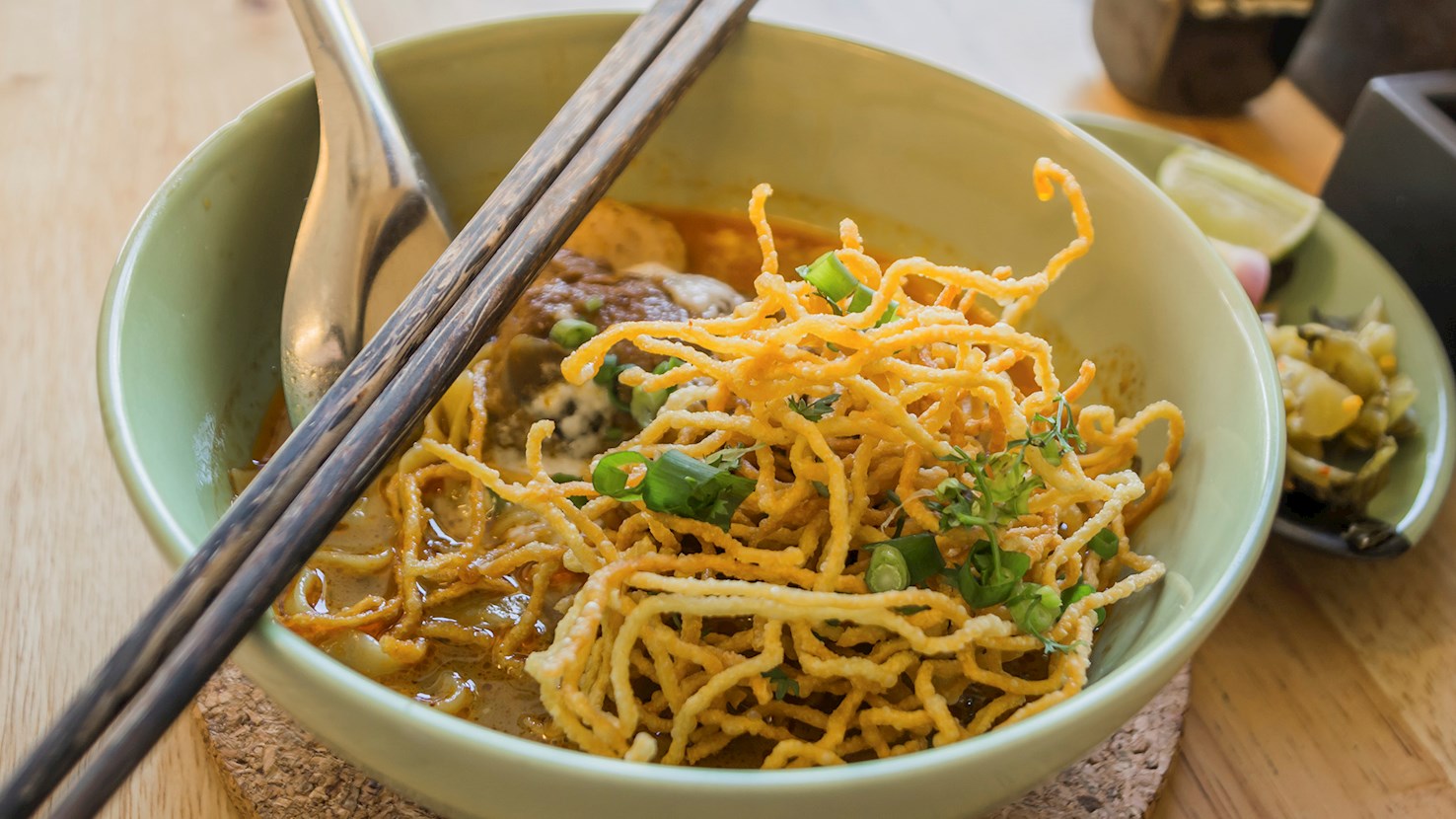
A signature dish of Northern Thailand, khao soi is a delicious coconut soup in which numerous regional influences were combined to create a truly spectacular dish. The base of the soup is a slightly spicy broth which combines coconut milk and red curry paste. The broth is served with flat egg noodles and a choice of meat, which usually includes chicken, beef, and pork. It is topped with a handful of crisp fried noodles and chopped cilantro. The dish is commonly served alongside a variety of condiments such as fresh lime, pickled cabbage, shallots, and chilis. Even though the dish originated in the north of the country, it is still not totally clear how and when this famous noodle soup was created. The most probable theory claims that khao soi is a fusion dish which originated under the influence of Chinese Muslims, traveling from the Yunnan region through Myanmar, Thailand, and Laos. It is also believed that the soup is a variety of an old Myanmarese coconut soup made with rice noodles, which were also primarily used in khao soi and were later replaced with the more traditional egg noodles. Regardless of its confusing origin, today this flavorful soup is a genuine product of Northern Thailand, found in numerous eateries and restaurants across the region, representing an irreplaceable dish among the locals and a favorite among the tourists. Khao soi is also popular in the neighboring Laos. However, the Lao version employs other ingredients and is somewhat different than the Thai counterpart.

03

Massaman Curry

4.3 ·

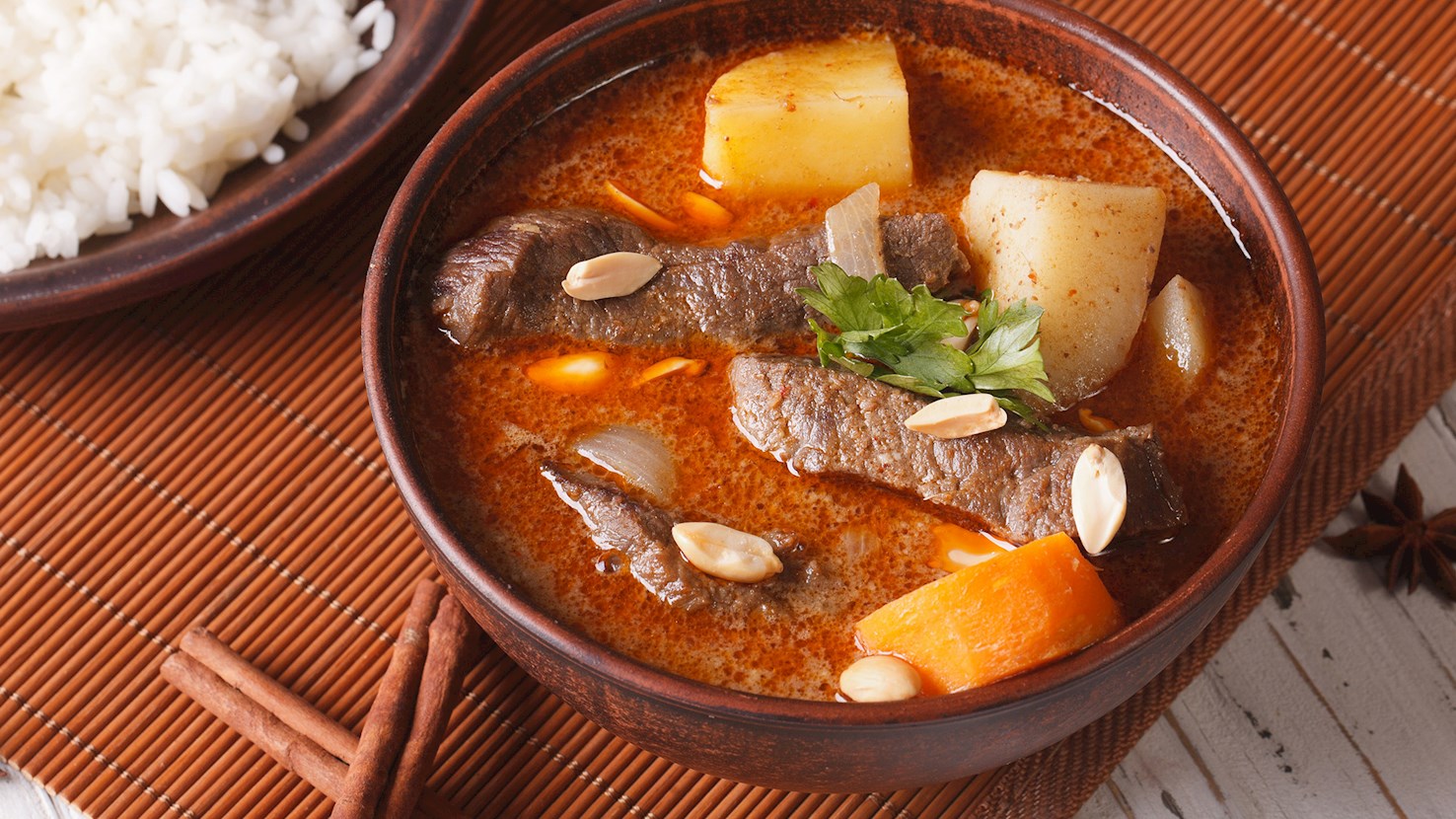
Out of all Thai curry varieties, massaman curry stands out as the mildest, sweetest, and the most unusual type. It is a combination of creamy coconut milk, meat, potatoes, and a curry paste made with roasted spices. Coconut milk is the authentic Thai element of the dish, providing a rich base for the rest of the ingredients. Since it is cooked for a long time, massaman curry usually employs thicker cuts of beef or bone-in chicken, and occasionally lamb or mutton. The list of spices commonly used in massaman is versatile and extensive. It usually employs a combination of dry spices such as cumin, coriander, cloves, cinnamon, and peppercorns, mixed with fresh garlic, chili, galangal, lemongrass, tamarind paste, and palm sugar. The dark red, thick spice paste is simmered with other ingredients and gives the dish an incredibly complex and layered flavor. It is still not clear if massaman curry originated in South or Central Thailand, but it is certain that it owes its name and origin to Muslim traders from the Middle East and the Indian subcontinent. This is the reason why massaman curry employs a variety of fragrant oriental spices that are not common in the region. Massaman curry is usually accompanied by a bowl of steamed rice and ajad, the famous pickled cucumber side dish. Chopped or whole peanuts can also be incorporated into the dish or sprinkled on top right before serving.

04

Red Curry

4.2 ·

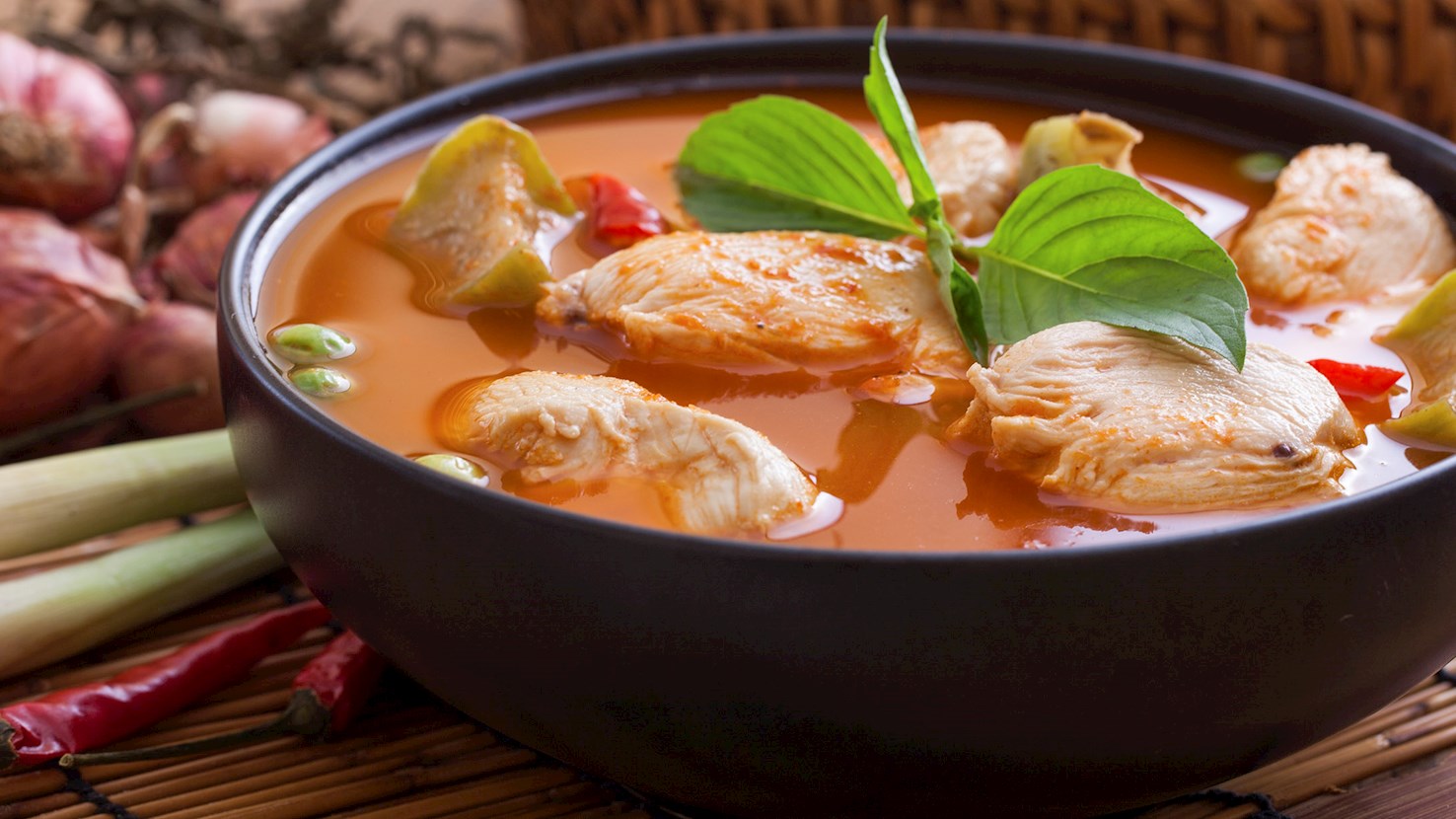
Red curry is one of the most common curry varieties in Thailand. It combines red curry paste, coconut milk, vegetables and meat into a delectable and hearty meal. Red curry paste and coconut milk are the foundations of the dish, and their combination results in a perfectly balanced, creamy and spicy broth. The paste is created with dry red chilis which are mixed and ground with fragrant Thai spices such as shallots, garlic, galangal, kaffir lime leaves, lemongrass, shrimp paste, coriander, and cumin. When creamy red curry broth is created, other ingredients, which might include meat, seafood or tofu, and various vegetables are added and cooked in the broth to infuse all the fragrant aromas. Red curry differs from typical Indian curries since the broth is thin and almost soup-like. Even though it is spicy, the main features of red curry are its freshness and a smooth, creamy taste. The dish is eaten everywhere in Thailand and can be found at high-end restaurants or casual, authentic eateries. Red curry is usually served over plain rice and it is mainly eaten for lunch or dinner.

05

Green Curry

4.2 ·

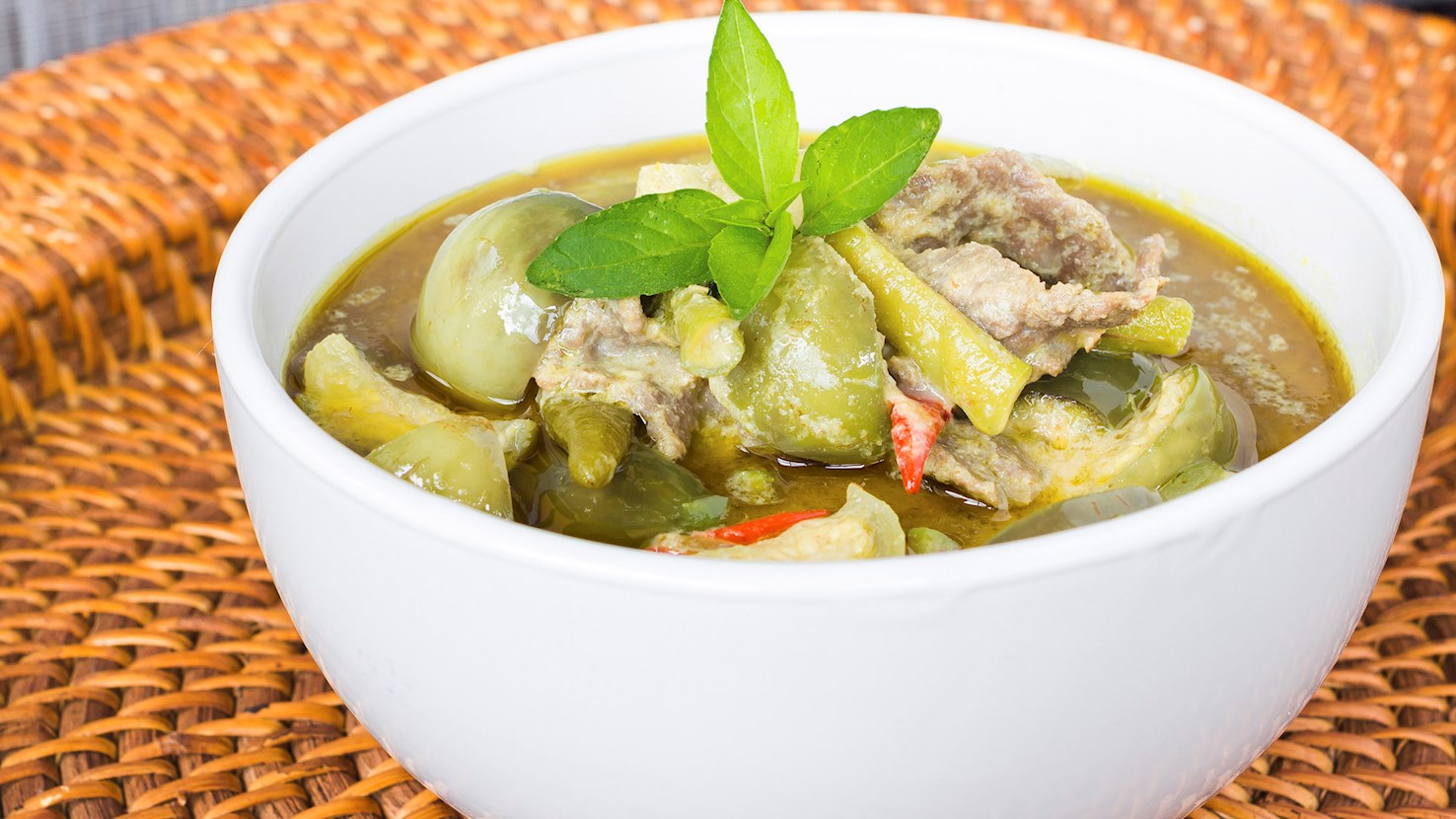
Kaeng khiao wan is a traditional name for the fiery green curry. Although the name translates to sweet green curry, it merely refers to the color, which is known as sweet green. Thai green curry is a dish based on fragrant and spicy green chilis, brought to Thailand by Portuguese missionaries in the 16th century. Fresh chilis are ground into a paste and mixed with ingredients such as galangal, shrimp paste, lemongrass, garlic, turmeric, coriander, kaffir leaves, and whole peppercorns. The paste is the heart of every green curry, a foundation which determines the final flavor of the dish. Another essential ingredient is coconut milk, which perfectly balances the spiciness of green chilis, but it also provides creaminess and a subtle sweetness. Although green paste can be easily found in specialized stores and regular supermarkets, the freshness of ingredients is the key in green curry, so it is always recommended to use fresh spices which should be ground in a mortar. Additional ingredients in the green curry are highly versatile. They usually include a protein, meat or seafood, and a variety of vegetables. When served, the dish is decorated with sliced green chilis and fresh kaffir leaves. Plain steamed rice, fragrant Jasmin rice, traditional rice noodles, and fried vegetables are often served on the side. Green Thai curry is a dish which originated in Central Thailand, but nowadays it is regarded as one of Thailand’s signature dishes. It can be found in high-end restaurants and local eateries across the country.

06

Yellow Curry

4.1 ·

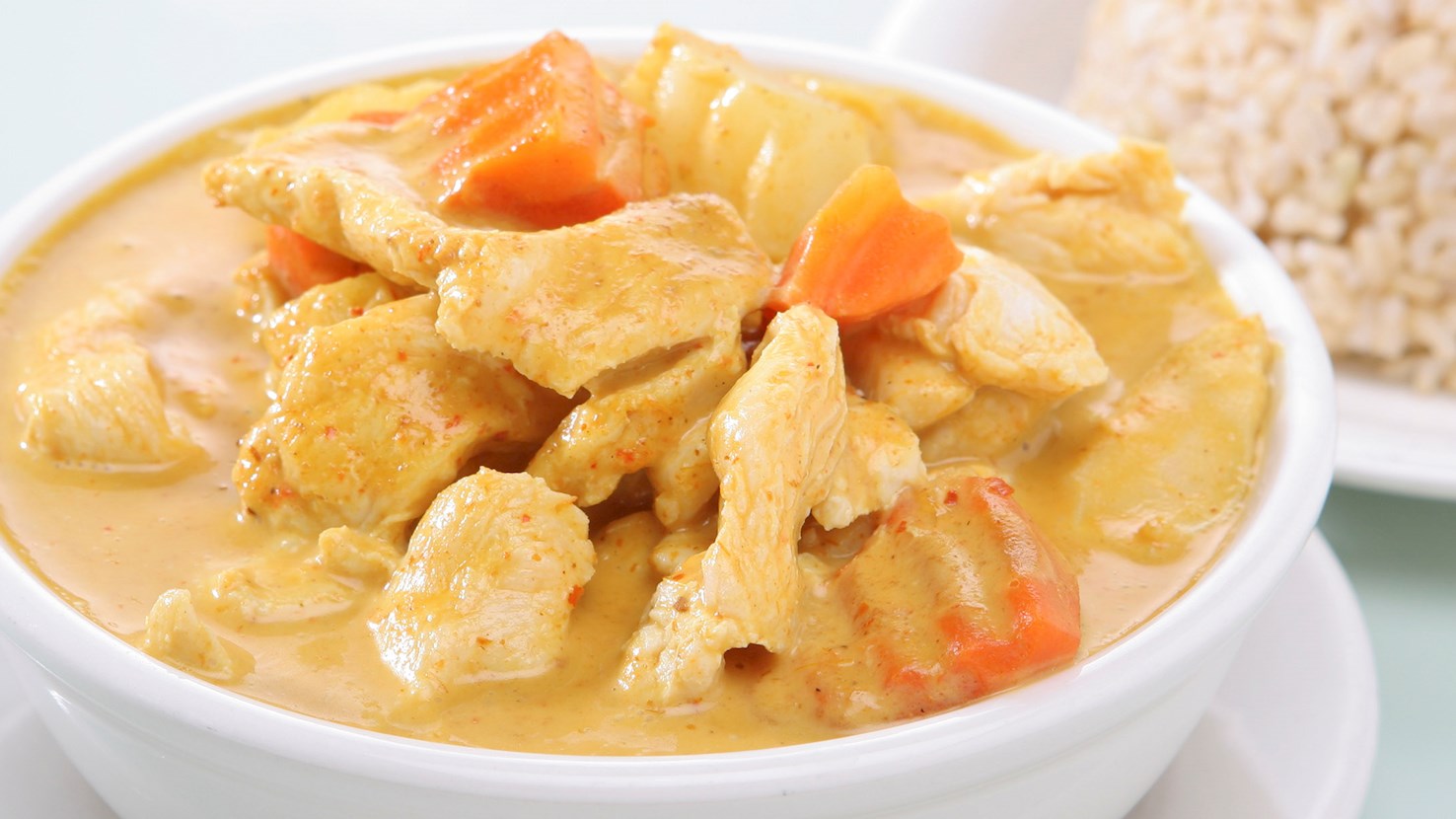
One of three major curry types in Thailand is the famous yellow curry. Similar to its red and green counterparts, yellow curry is also made with spices such as coriander, cumin, lemongrass, kaffir leaves, garlic, galangal, and numerous other aromatic additions. The spices are usually combined with potatoes and onions; all doused in a creamy and slightly sweet sauce made with coconut milk. What differentiates yellow curry from the other types is the addition of yellow curry powder, giving the dish its distinctive color. Yellow curry falls into the category of mild Thai curries since it does not incorporate a lot of spicy chili peppers, but bases the flavors on the fragrant and lightly sweet curry powder. It is usually made with chicken, fish, duck, vegetables, or tofu. Just like other Thai curries, yellow curry has a thin broth that differs from the thick Indian curry varieties. It can be found everywhere in Thailand, and it is one of the favorite Thai dishes eaten outside of the country. Traditionally, yellow curry is accompanied by a cucumber relish known as ajat. In Thailand, yellow curry is referred to as kaeng kari, and it should not be mistaken with sour curry, known as kaeng lueang.

07

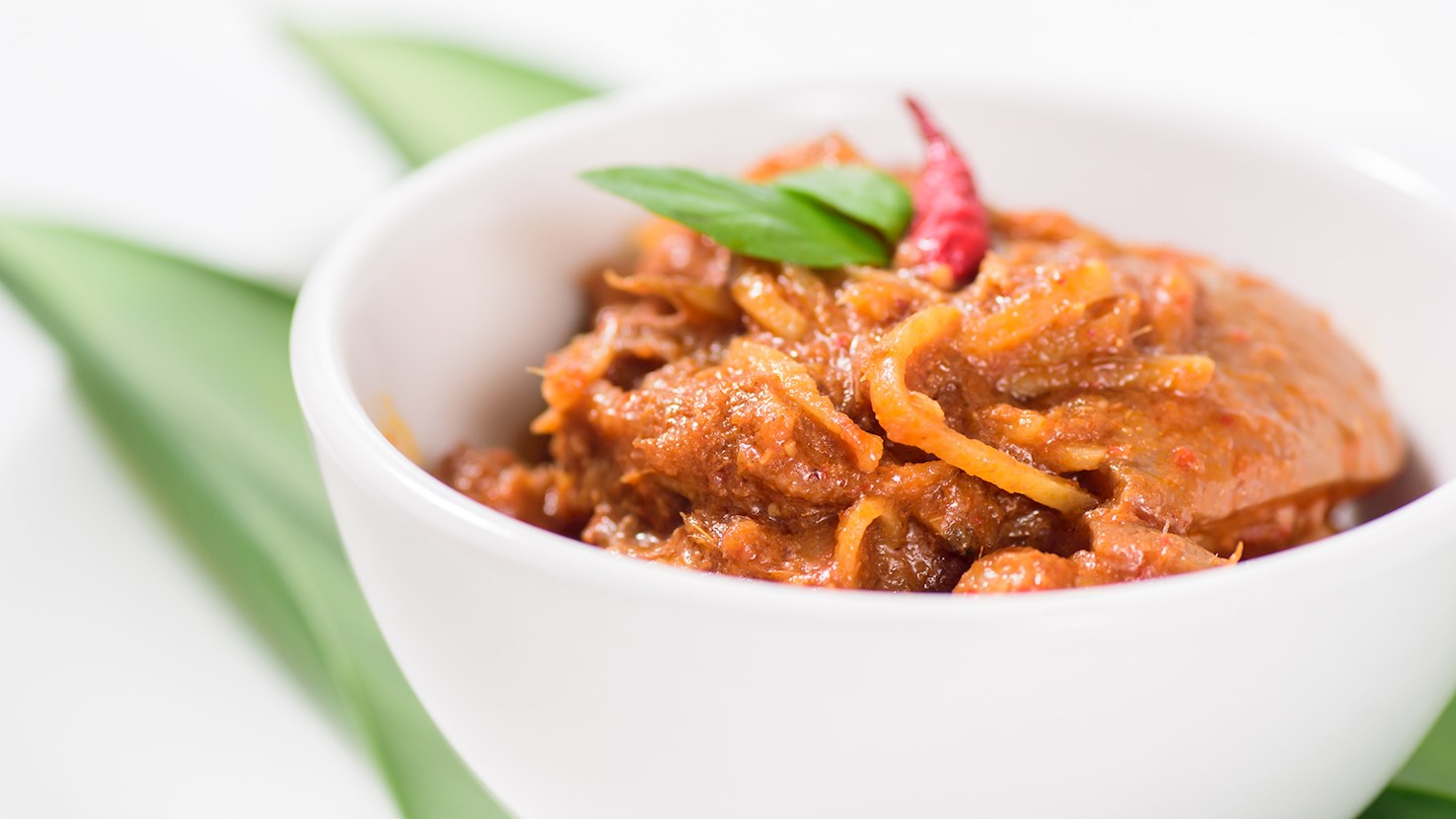
Khua kling

3.6 ·

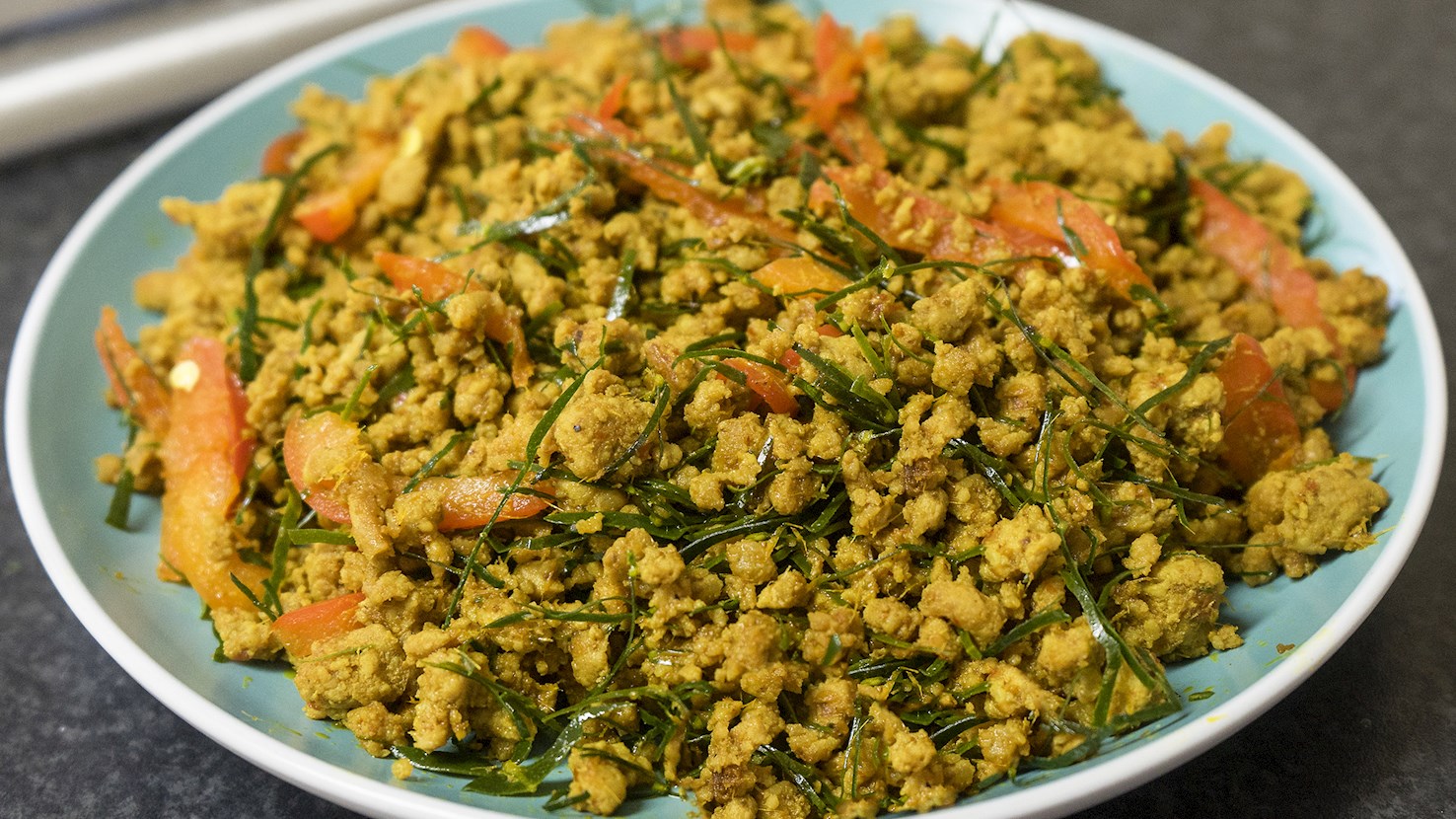
This southern Thai variety of dry curry combines spicy curry paste and ground pork. The fragrant paste consists of red chili peppers, lemongrass, garlic, turmeric, cilantro, galangal, and shrimp paste, while the whole dish is seasoned with palm sugar and fish sauce. No liquid is added to the curry, allowing the pork to be thoroughly coated in the curry paste and producing an almost dry version of a stir-fry. The dish is usually served with fresh vegetables and rice on the side.

08

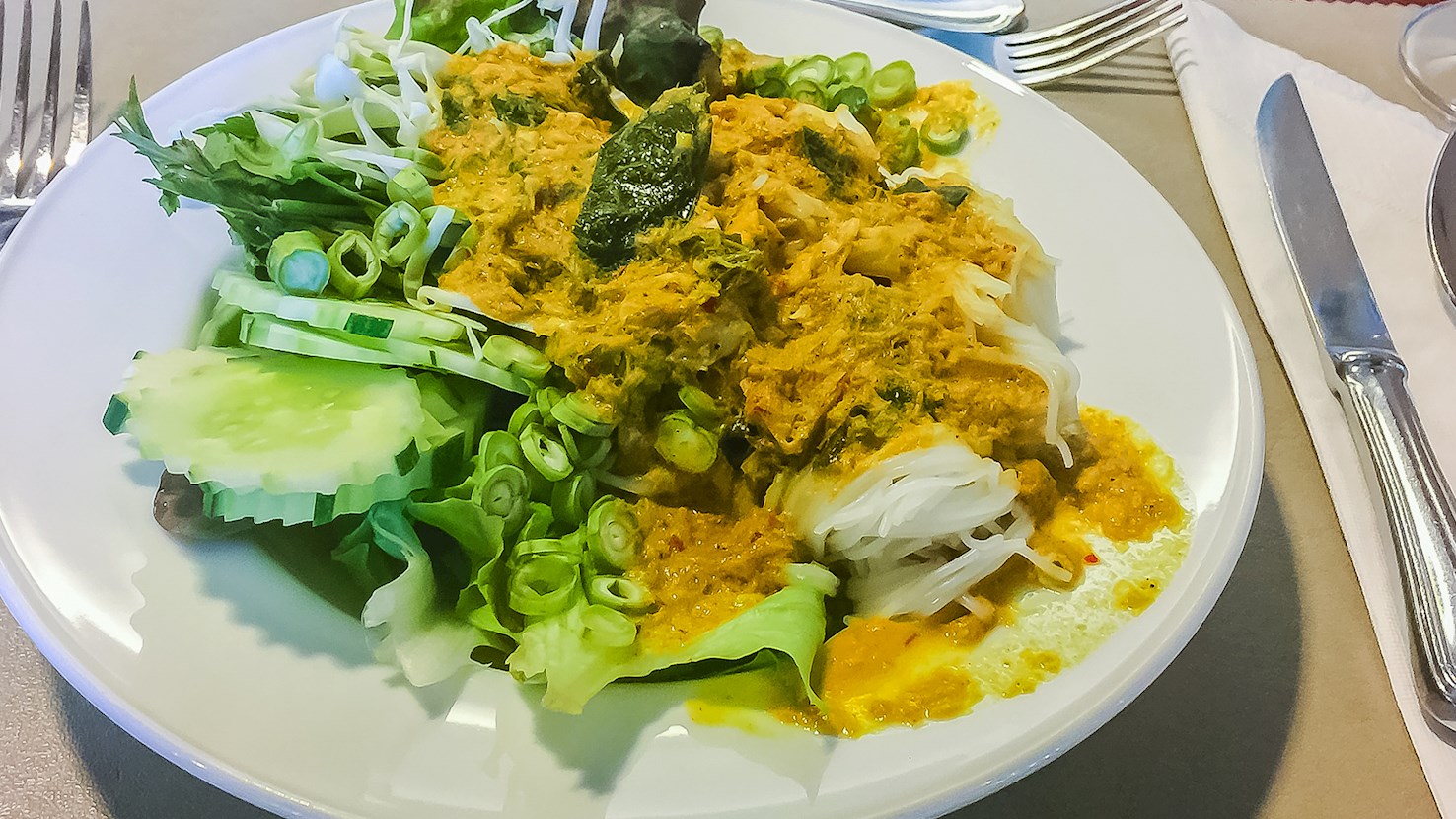
Khanom chin nam ya

3.5 ·

This fiery Thai fish curry is usually associated with Central Thailand, although similar varieties can be found throughout the country. The most popular version consists of fresh rice noodles (khanom chin) that are served with a thick and spicy curry which is based on coconut milk, white fish, and a thick curry paste that usually combines freshly ground chilis, lemongrass, shrimp paste, turmeric, and garlic. The dish is traditionally accompanied by fresh vegetables, lemon basil, and fried chilis. Traditionally, it comes topped with hard-boiled eggs.

09

Kaeng om (Isan-Style Curry)

2.5 ·

Kaeng om is a light herbal curry originating from northern Thailand. Unlike the creamy curry varieties, this version does not employ coconut milk. The meat stock is water-based and enriched with a pungent fish sauce known as pla ra, kaffir lime leaves, dill, various vegetables, as well as a fragrant curry paste which usually combines chili peppers, shallots, garlic, and lemongrass. Although it is usually prepared with chicken, the dish can also incorporate other types of meat or fish. Kaeng om can be enjoyed on its own as a healthy, nutritious soup, but it can also be served with rice or noodles on the side.

10

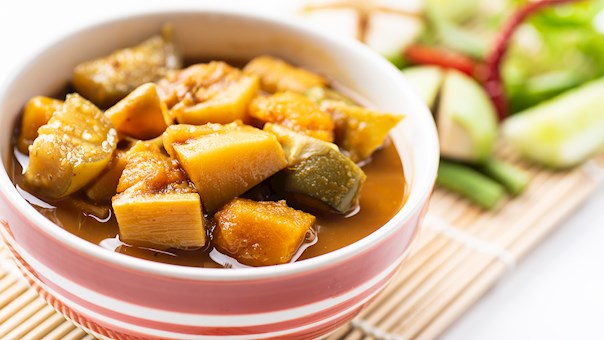
Kaeng hang le (Hang Lay Curry)

2.3 ·

Kaeng hang le is Northern Thai curry variety that was modeled on a similar Burmese dish. The dish consists of a curry base that is usually made with dried chili peppers, lemongrass, galangal, shrimp paste, garlic, and shallots, while other ingredients usually include pork, mainly pork belly, tamarind juice, peanuts, pineapple, and shallots. Variations of the dish are found throughout the region, and they may even include other types of meat or seafood. Before it is served, this traditional curry is usually garnished with thin strips of freshly sliced ginger.

About this ranking

TasteAtlas food rankings are based on the ratings of the TasteAtlas audience, with a series of mechanisms that recognize real users and that ignore bot, nationalist or local patriotic ratings, and give additional value to the ratings of users that the system recognizes as knowledgeable. For the “11 Thai Curry Varieties Ranked From the Best To the Worst” list until July 17, 2026, 785,456 ratings were recorded, of which 511,199 were recognized by the system as legitimate. TasteAtlas Rankings should not be seen as the final global conclusion about food. Their purpose is to promote excellent local foods, instill pride in traditional dishes, and arouse curiosity about dishes you haven’t tried.

Similar lists