


shutterstock

Top 5 Peruvian Tropical Fruits

Last updated on May 30, 2026
01

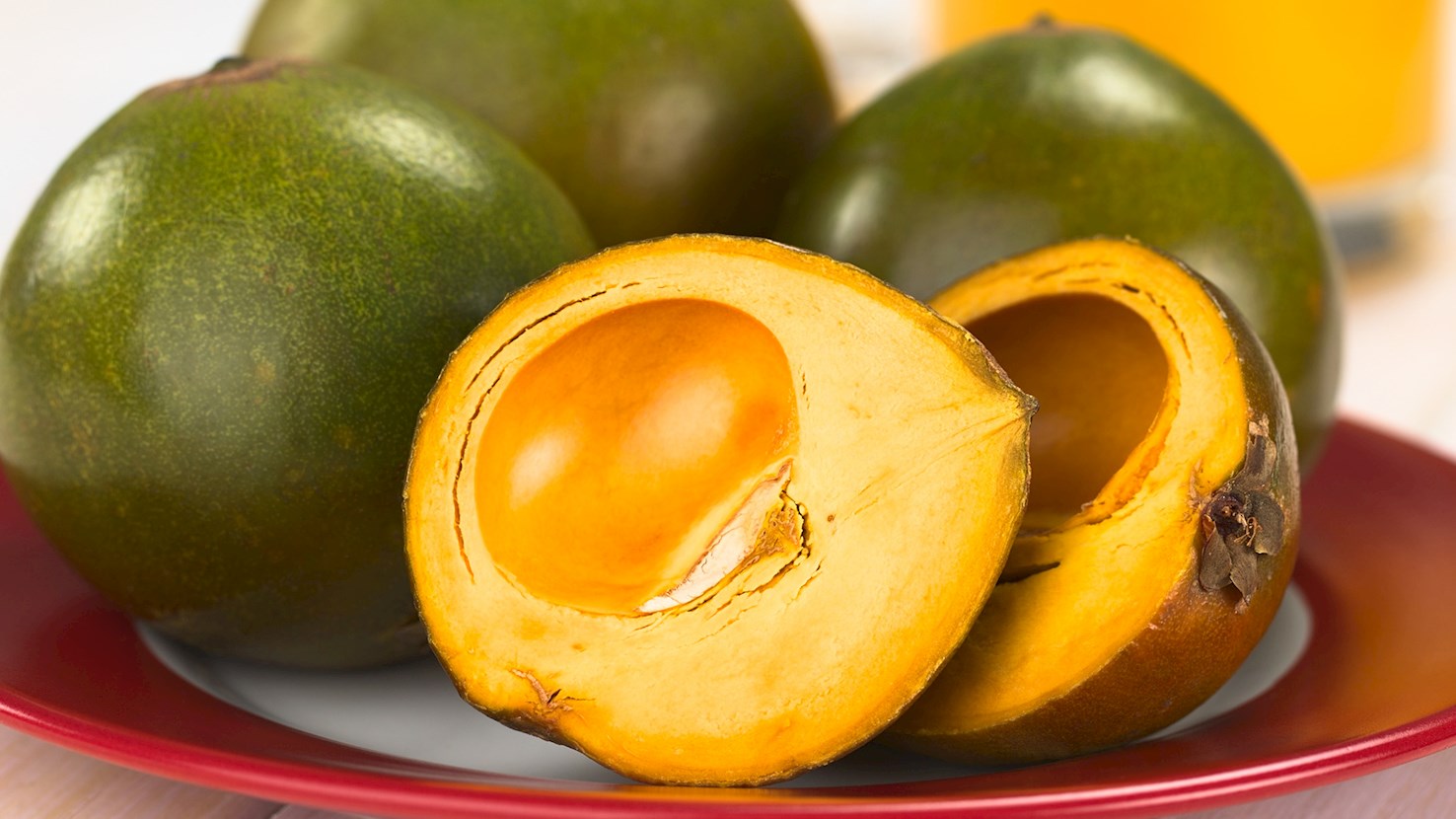
Lúcuma

4.2 ·

Lúcuma is a fruit native to the Andean region of South America, most notably valleys of Peru, Chile, Bolivia and Ecuador. It is characterized by a high nutritional value, as it is full of calcium, protein, iron, zinc, and beta-carotene. Its flavor is best described as slightly sweet and similar to maple, making it an ideal ingredient for baked desserts and ice cream. Originally, lúcuma was called gold of the Incas and was viewed as a symbol of fertility. Today, it can be found in most regional markets from January to April.

02

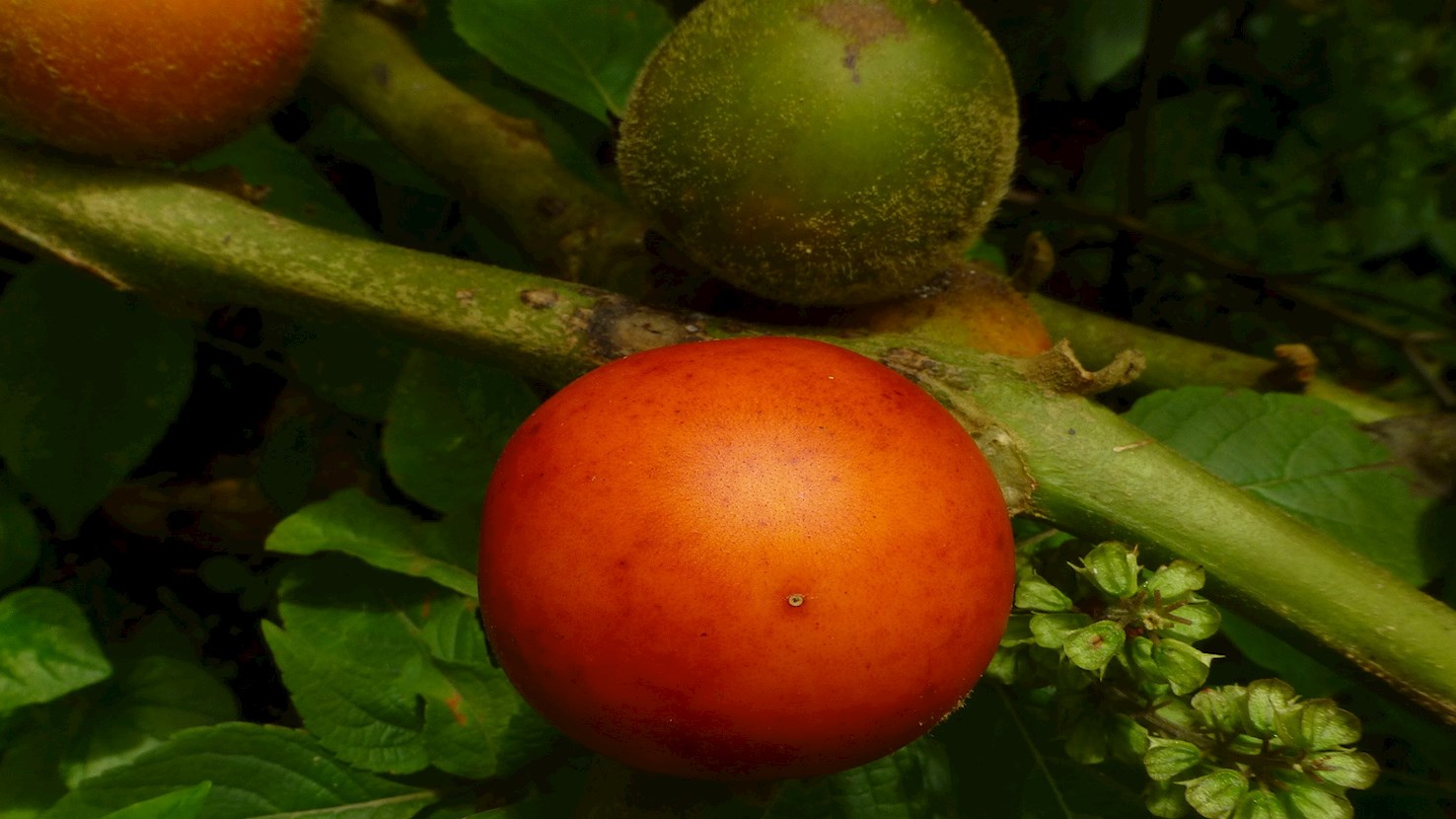
Cocona

3.6 ·

Cocona is a tropical fruit growing in South America and the Andean region. It is characterized by its thin, yet tough skin, and a tart, fruity flavor. Cocona's flesh is very similar to that of a tomato, and it is often used in the preparation of sauces, juices, ice creams, and desserts. The fruit is very rich in vitamin B5 and iron, making it a healthy, yet flavorful and versatile ingredient for numerous culinary uses.

03

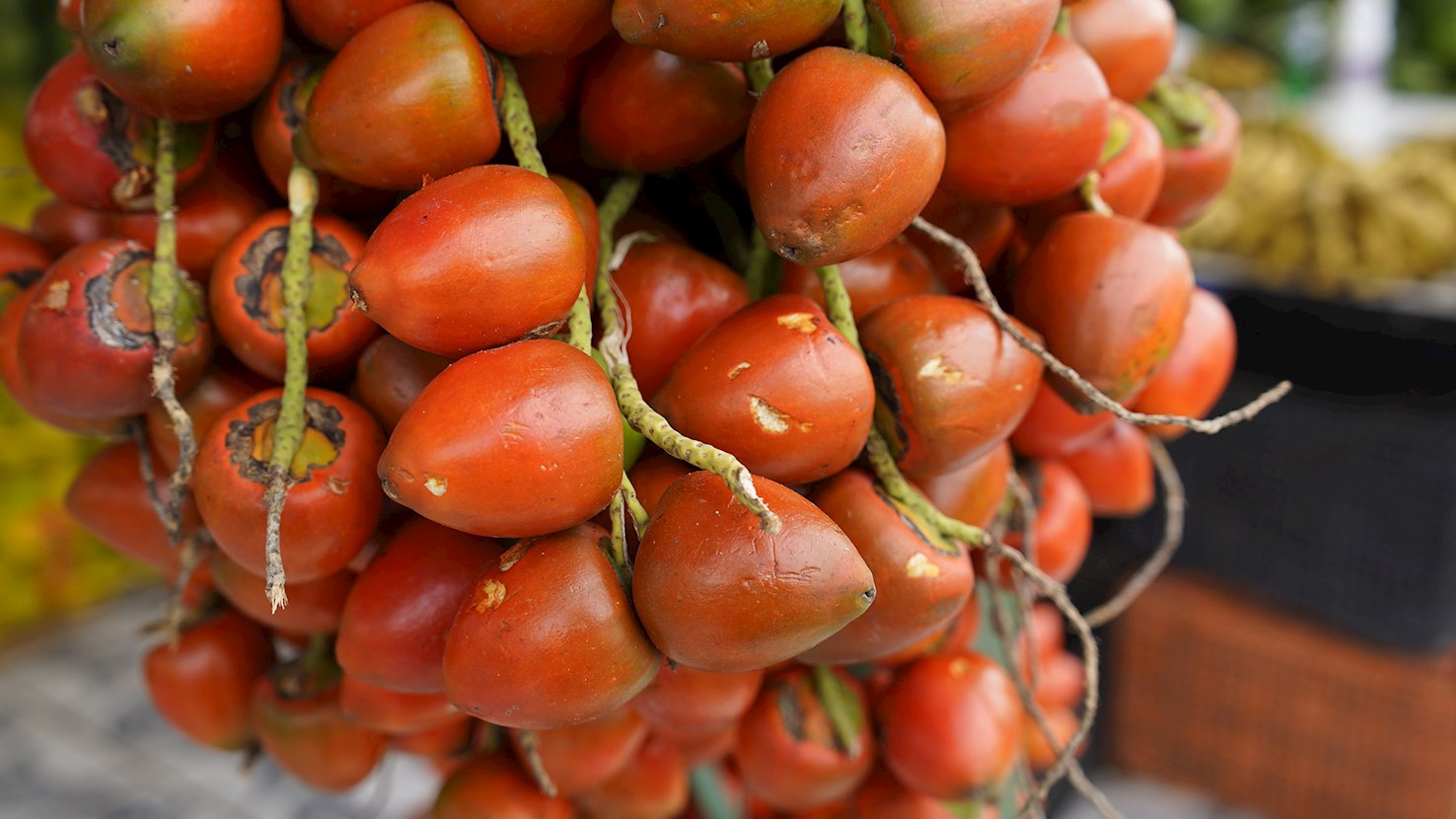
Pupunha (Peach palm fruit)

3.3 ·

Peach palm fruit is the edible fruit of the peach palm tree (lat. Bactris gasipaes). This tropical palm is cultivated for both its fruit and its heart of palm, making it an important crop in various parts of Central and South America. The fruit itself is small, typically about the size of a large olive or small peach, and has a hard, thick skin ranging in color from yellow to orange to red when ripe. Nutritionally, peach palm fruit is rich in carbohydrates, dietary fiber, vitamins A and C, and contains some protein. Its flesh is dense and starchy, with a texture and taste that can be compared to a combination of pumpkin, potato, and chestnut. Because of its hard flesh, the fruit must be cooked before it can be eaten, usually boiled in salted water for an hour or more until it becomes soft. Once cooked, it can be consumed on its own, often with a dab of mayonnaise or lime juice, or used as an ingredient in various dishes.

04

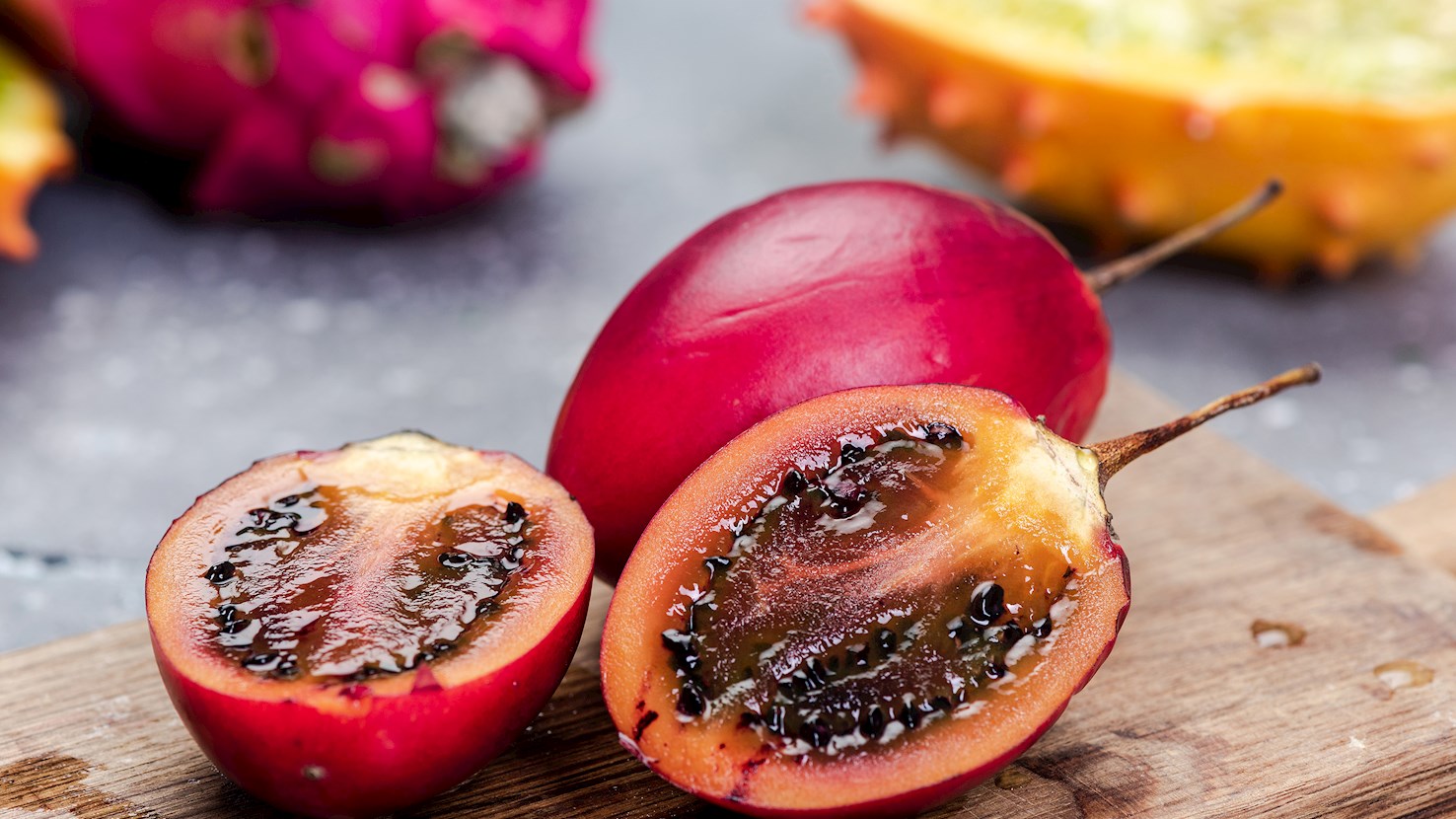
Tamarillo

3.2 ·

Tamarillo is a small shrub or tree that’s native to the Andean regions of Colombia, Ecuador, Peru, Bolivia, and Chile. The small egg-shaped fruits are succulent and have a slightly sweet to subacid flavor of the pulp. The flavors are often described as similar to kiwi and underripe tomatoes. Tamarillo fruits are used in numerous sweet and savory dishes, beverages, salads, dips, spreads, chutneys, pickles, jams, and sweet or savory sauces. In Ecuador, cooks make a tamarillo sauce by mixing the fruits with garlic, onions, salt, hot peppers, and spices such as coriander. The name tamarillo is a hybrid of tomato and amarillo, meaning yellow.

05

Mountain papaya

3.2 ·

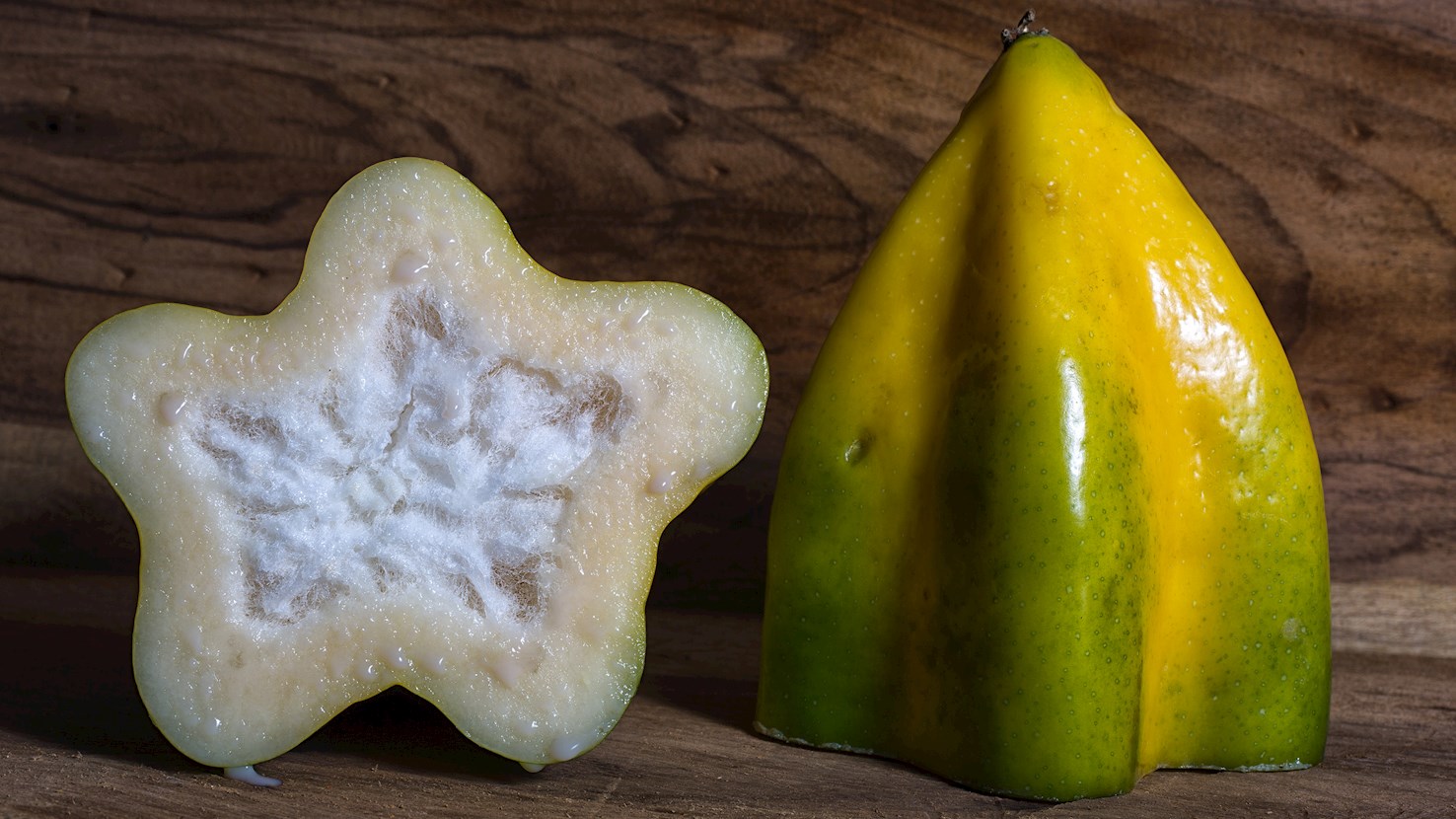
Mountain papaya is an evergreen softwood tree that’s native to the Andes from southern Colombia to central Chile, but it’s also cultivated in subtropical and cool mountain climates of Southeast Asia and Africa. The tree produces fruits that have soft flesh with many round brown seeds. When fully ripe, the fruits are slightly tart and acidic with an intense aroma. They’re usually enjoyed fresh or sprinkled with sugar. The fruits are also used to produce jellies and marmalades. Mountain papaya can be stewed and served as dessert, while chunks of the fruit are sometimes preserved in syrup. These obovoid fruits are also a great source of vitamin C.

Read more
View all
View map
About this ranking

TasteAtlas food rankings are based on the ratings of the TasteAtlas audience, with a series of mechanisms that recognize real users and that ignore bot, nationalist or local patriotic ratings, and give additional value to the ratings of users that the system recognizes as knowledgeable. For the “Top 5 Peruvian Tropical Fruits” list until May 30, 2026, 537 ratings were recorded, of which 140 were recognized by the system as legitimate. TasteAtlas Rankings should not be seen as the final global conclusion about food. Their purpose is to promote excellent local foods, instill pride in traditional dishes, and arouse curiosity about dishes you haven’t tried.

Similar lists