shutterstock

Top 78 Tropical Fruits
in the World

Last updated on June 24, 2026

Best Tropical Fruit Types in the World

01

Plátano de Canarias

4.3 ·

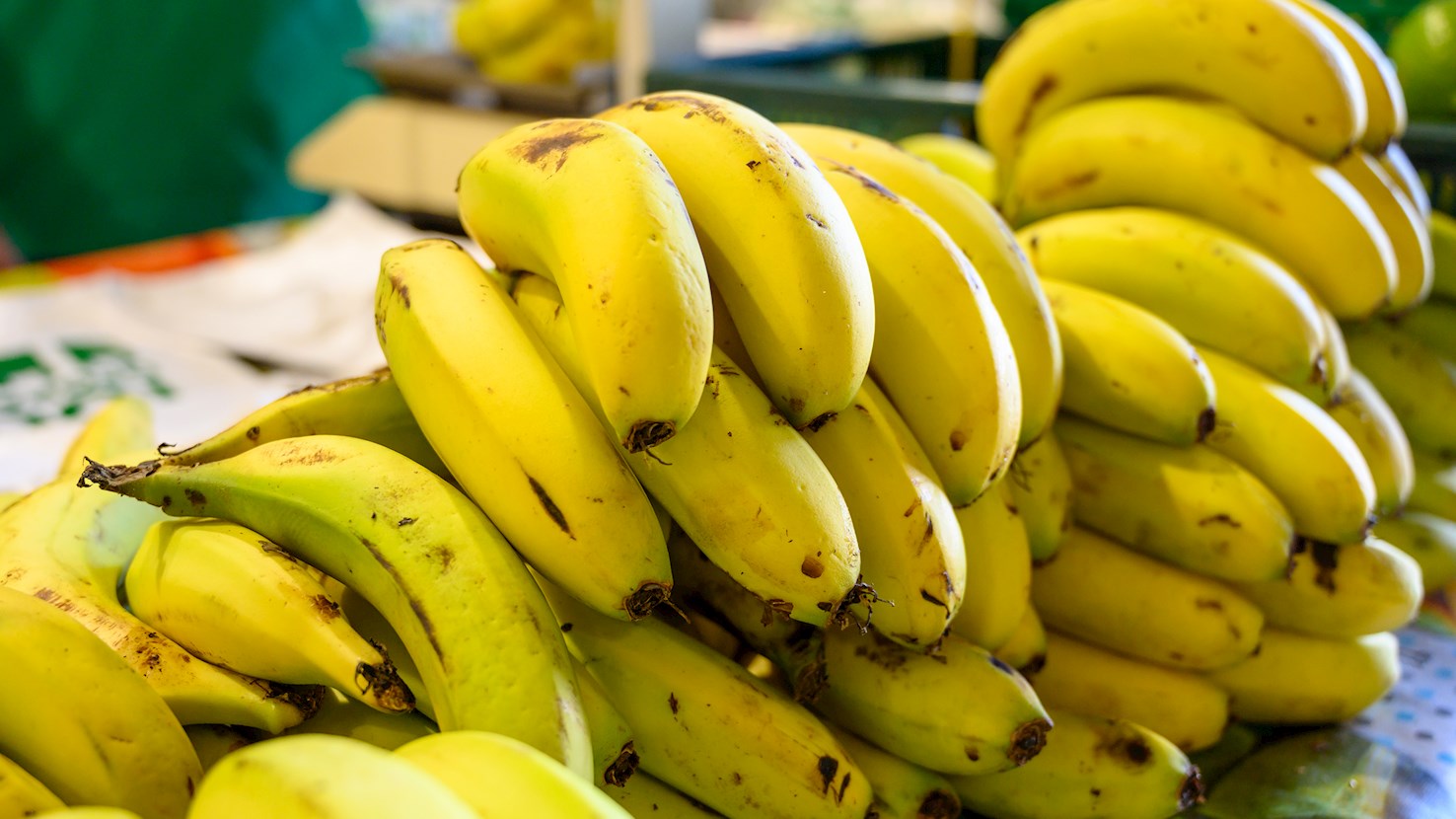
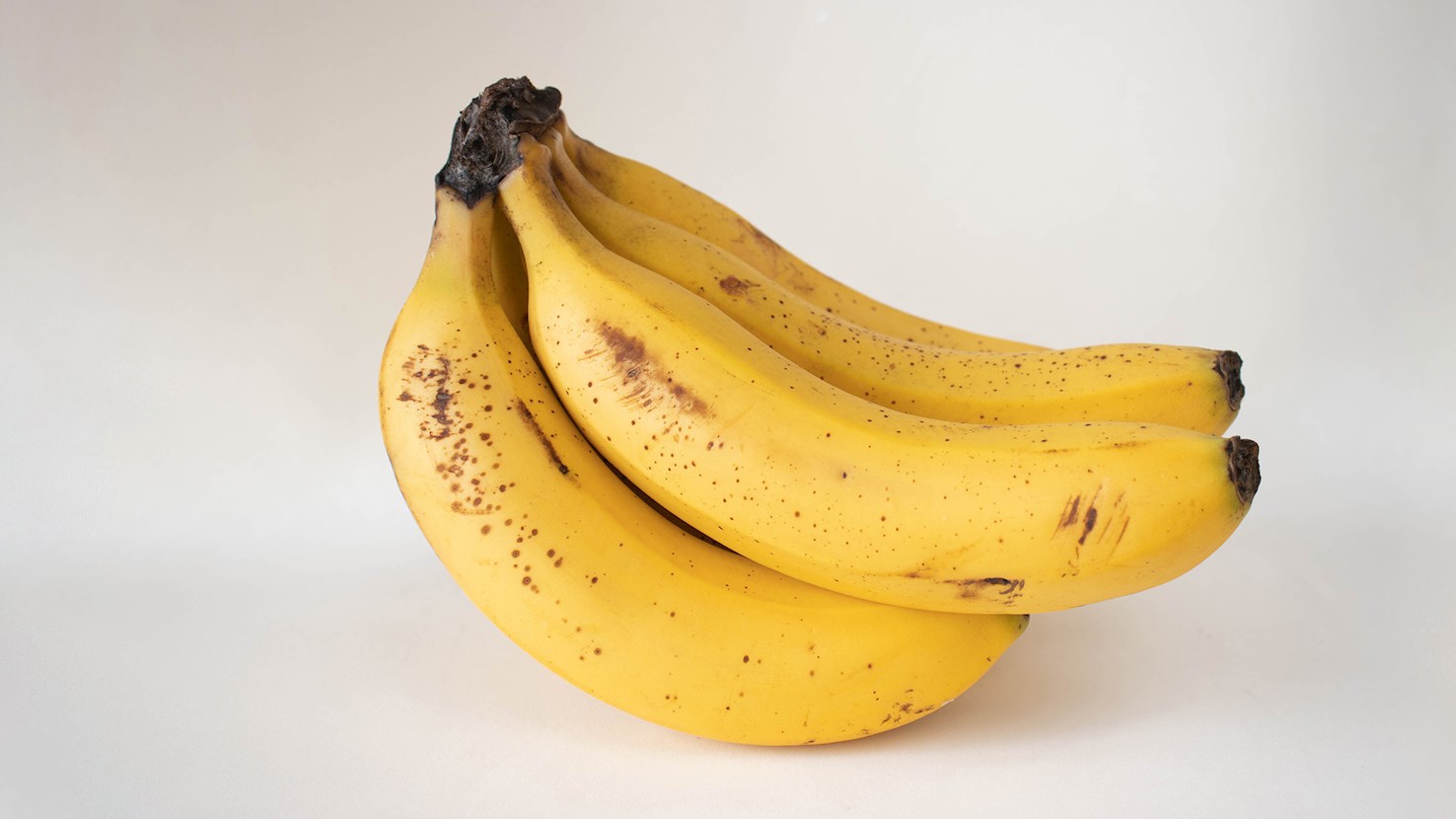
Plátano de Canarias are Cavendish variety bananas, grown in the archipelago of the Canary Islands. The distinctive feature of these bananas are the brown flecks on their bright yellow skin due to the higher activity of enzymes in this variety which help ripen the fruit faster. The fruits are graded by shape and are at least 14 cm long. Plátano de Canarias have an intense and sweet flavor, which is the result of its high sugar and low starch content. Nutritionally, these bananas contain more potassium and phosphorus and less sodium and calcium than those grown elsewhere.

02

Jabuticaba

4.3 ·

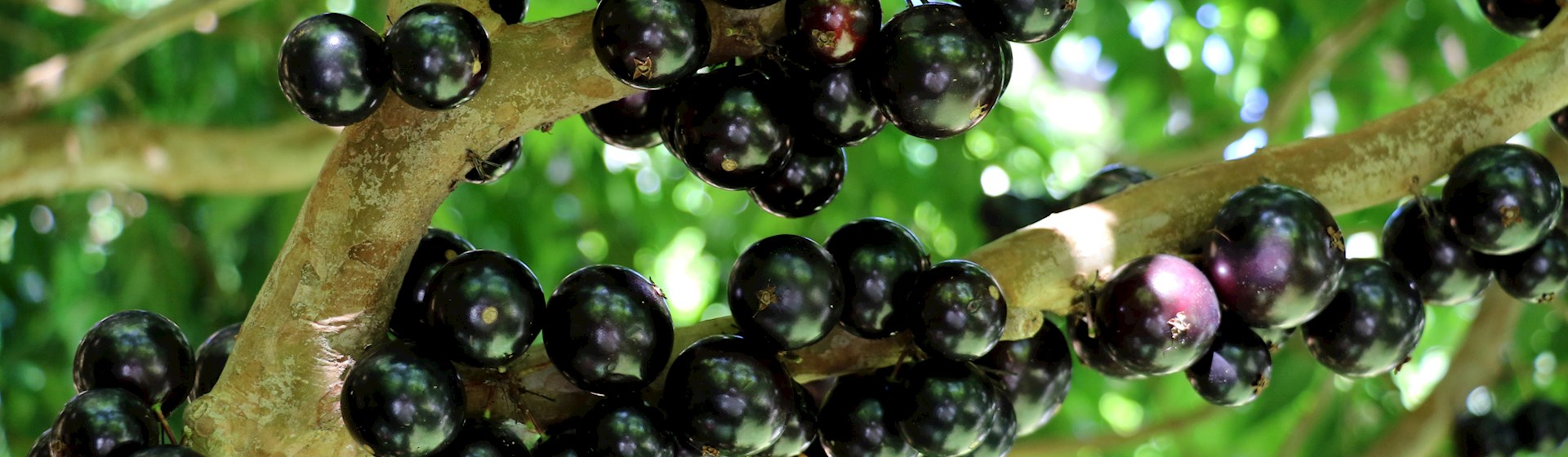
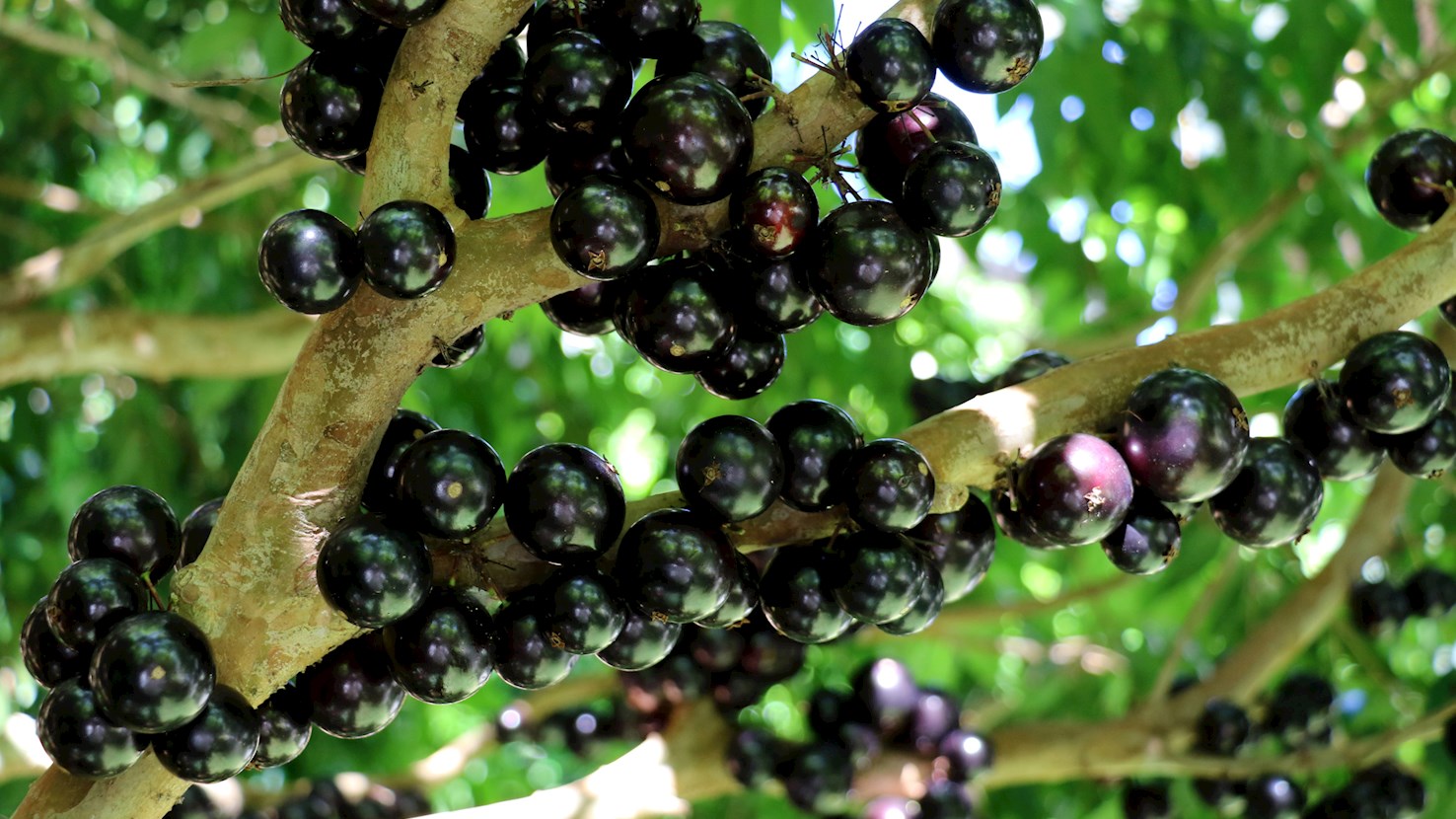
Jabuticaba are traditional Brazilian berries native to the states of Minas Gerais, Goiás, and São Paolo. The berries are dark purple in color with a thick skin and they grow on tree trunks. Jabuticaba berries have a very short shelf life and begin to ferment 3 to 4 days after being picked, and the jabuticaba tree takes between 6 and 8 years to ear fruit, which is why these berries are so prized. They also contain antioxidants, calcium, potassium, iron, phosphorus, and vitamins C and E. The flavors are a combination of sweet and acidic. People usually enjoy them fresh and eaten out of hand, but the berries are also often made into jellies, juices, and jams.

03

Ananás dos Açores

4.3 ·

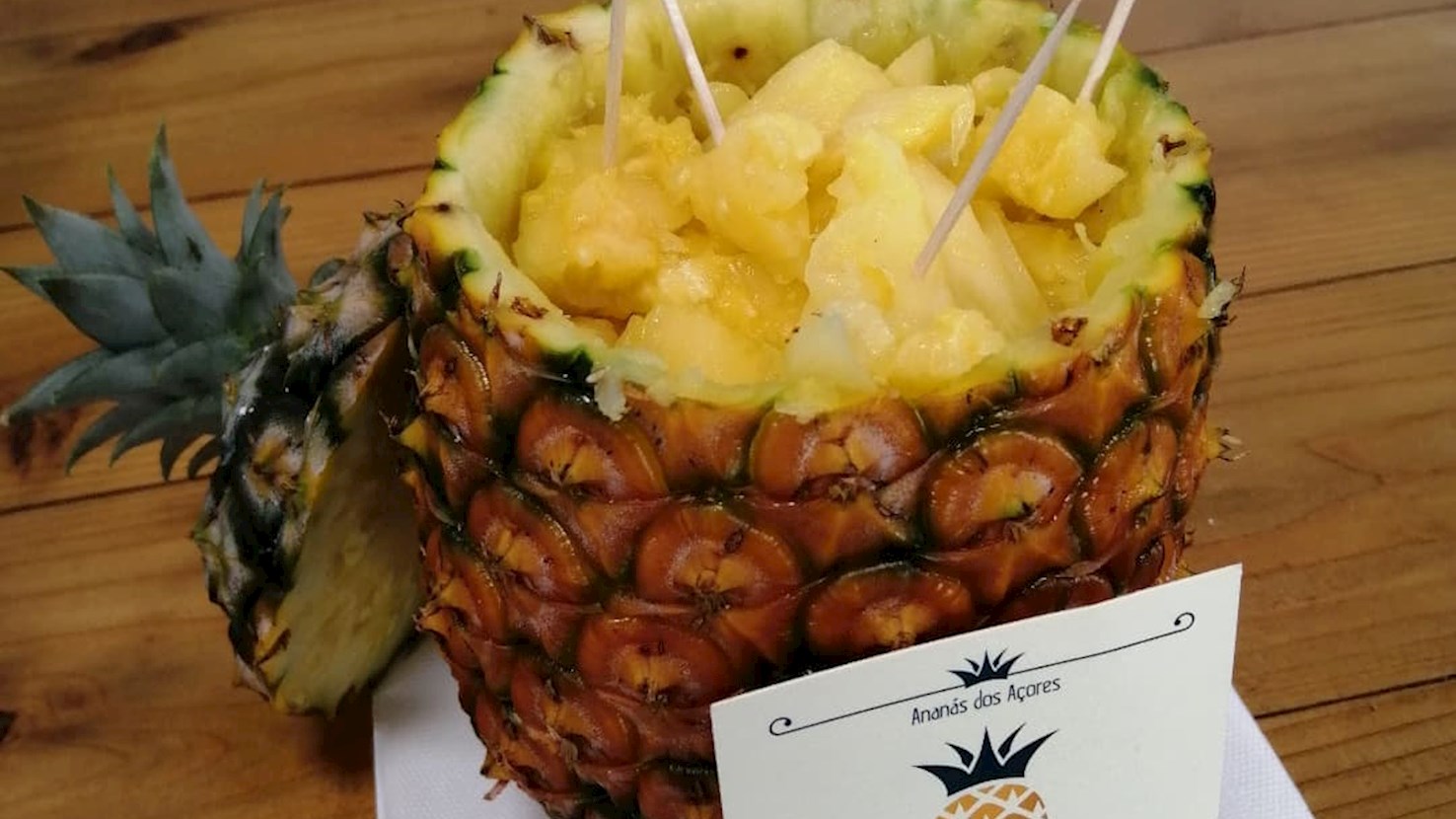
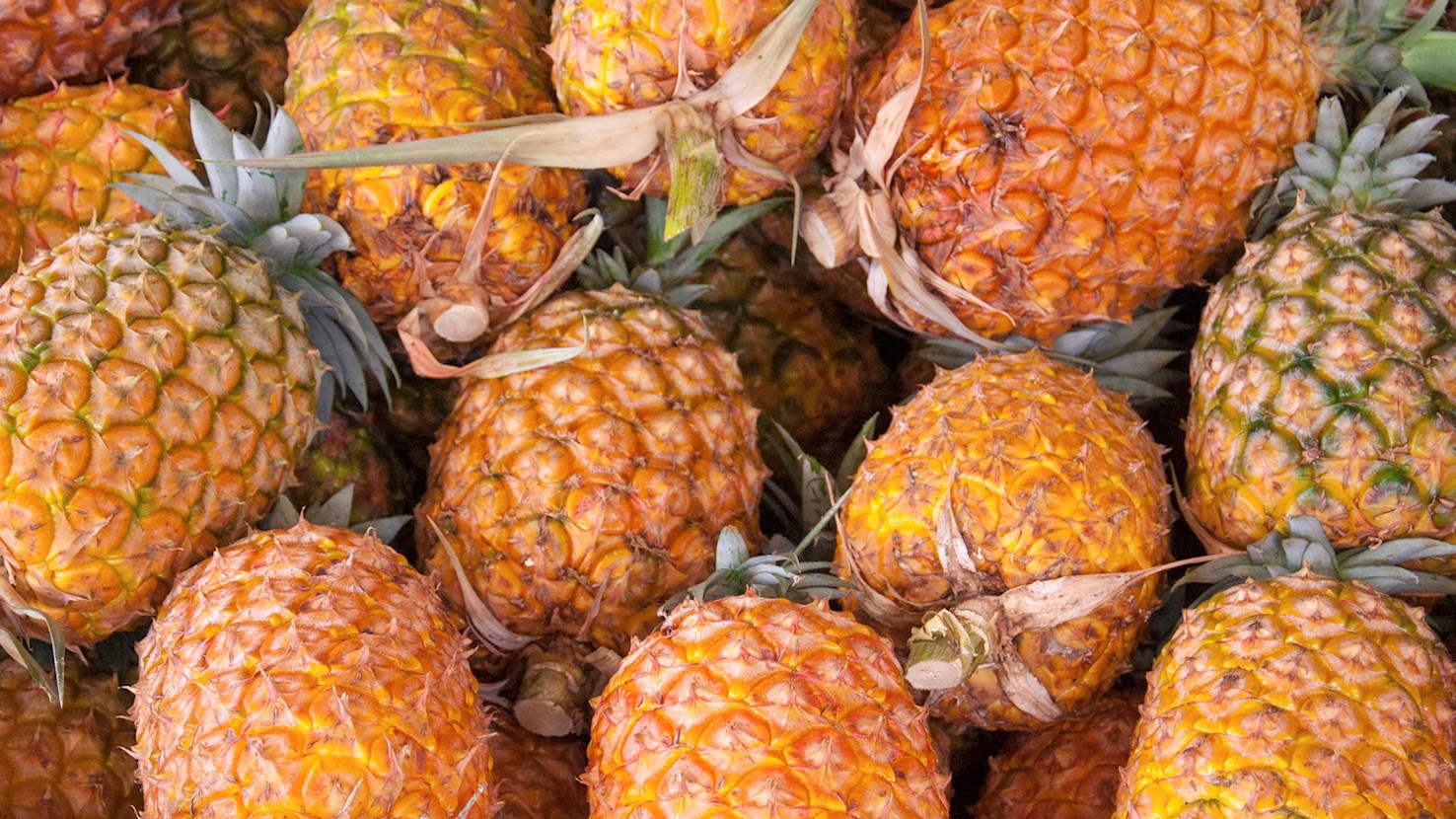
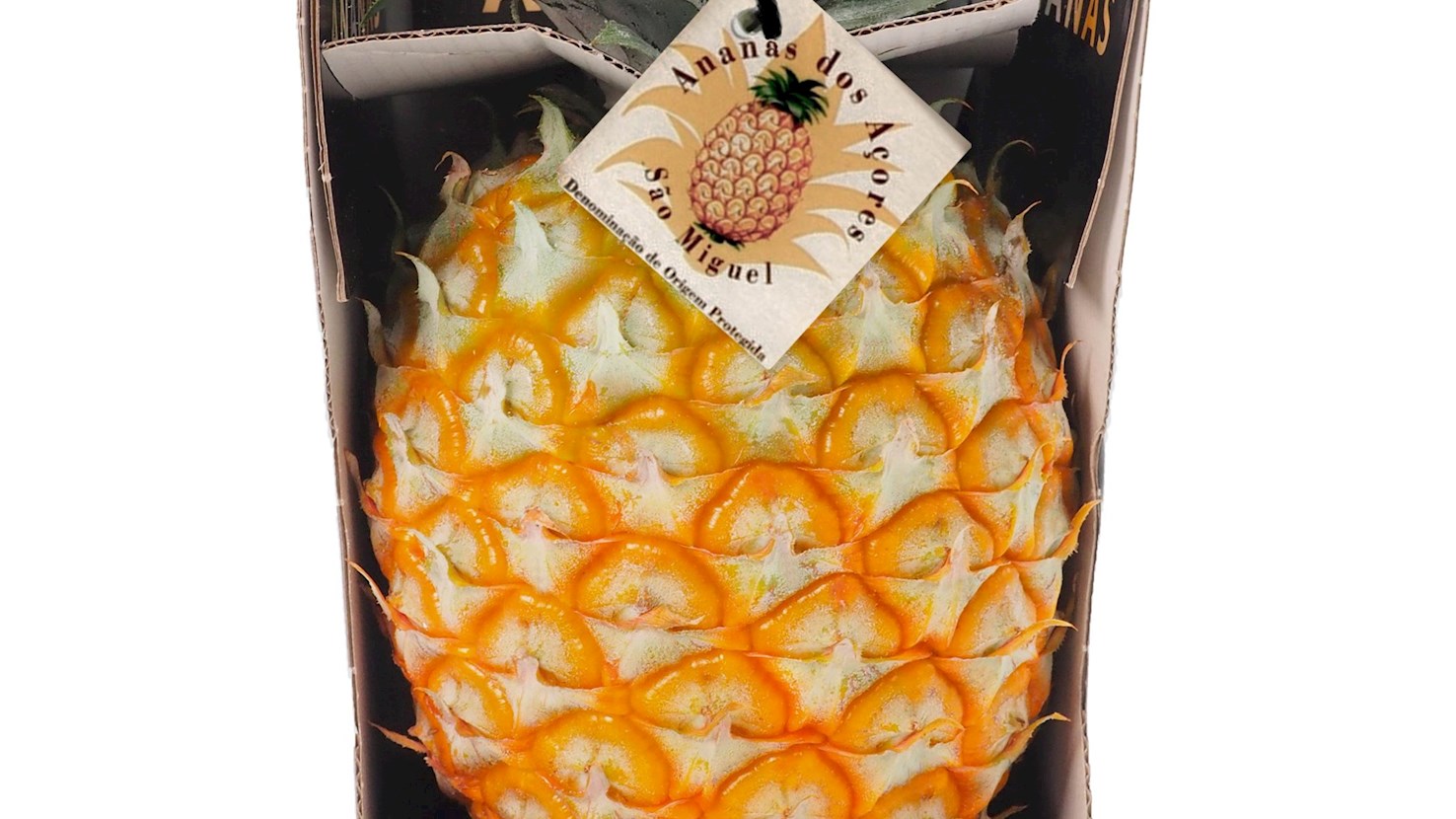
Grown on the Portuguese Azores island of São Miguel, the Ananás dos Açores is a pineapple of the Cayene variety. It is produced on the island in more than 6,000 glass greenhouses using traditional cultivation techniques. These pineapples can only be harvested two years from after they are planted. The Azorean pineapple has been grown in São Miguel since the 1840s, and it has enjoyed widespread popularity throughout Europe ever since. This particular varietal of pineapple has a bright orange skin, yellow flesh, and a small crown. The pulp is yellow and almost translucent, and it has a distinct, bittersweet flavor and a pleasant, exotic aroma. Apart from being used in a wide range of sweet and savory dishes, the Azorean pineapple is also featured in the ever-popular Piña colada cocktail.

04

Mangosteen

4.3 ·

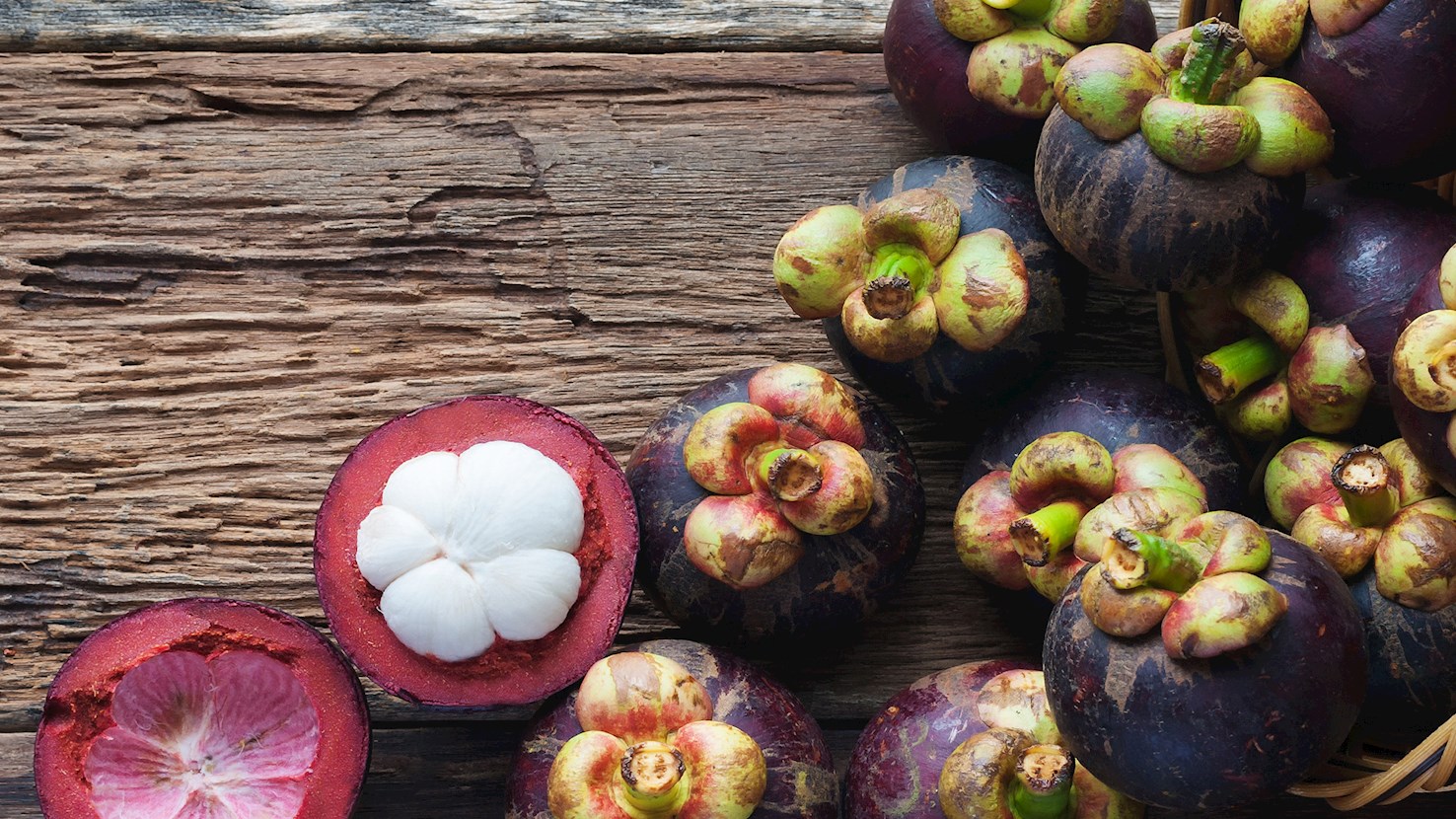
Mangosteen, also known as purple mangosteen, is a tropical plant grown for its sweet fruit. Its origin is believed be on the Sunda Islands, now divided between Indonesia, Malaysia, Brunei, and East Timor. Mangosteen is characterized by its dark purple, firm shell which covers and protects the edible white fruit. The texture of the fruit is soft, juicy, and delicate, while the flavor is sweet with slight hints of tartness. The fruit is usually enjoyed plain, but it can also be incorporated in various baked desserts, mixed salads, custards, smoothies, teas, or ice creams. Mangosteen is found throughout Southeast Asia, and it is available in many markets around the world. It's especially popular in Vietnam.

05

Lúcuma

4.2 ·

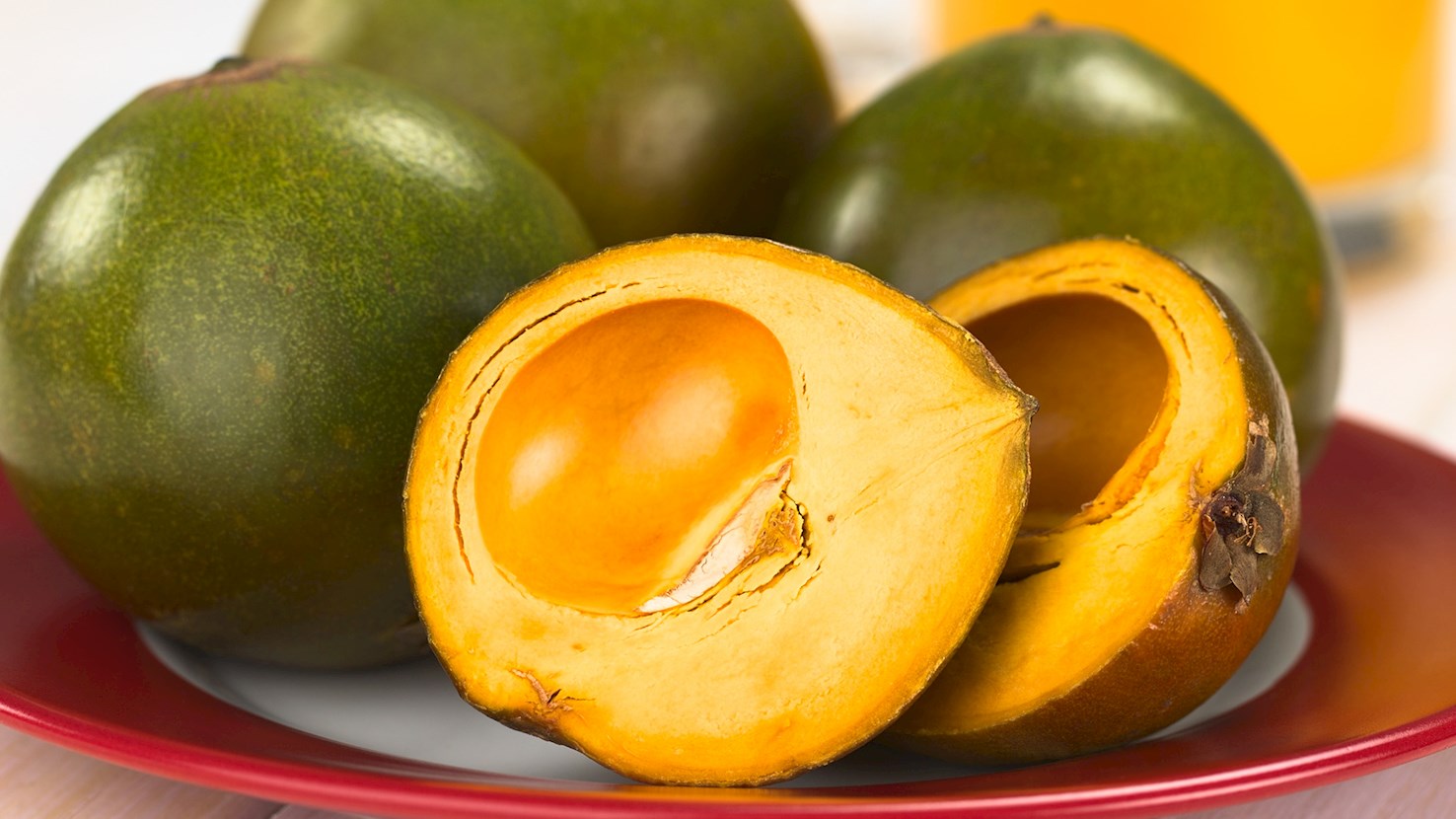
Lúcuma is a fruit native to the Andean region of South America, most notably valleys of Peru, Chile, Bolivia and Ecuador. It is characterized by a high nutritional value, as it is full of calcium, protein, iron, zinc, and beta-carotene. Its flavor is best described as slightly sweet and similar to maple, making it an ideal ingredient for baked desserts and ice cream. Originally, lúcuma was called gold of the Incas and was viewed as a symbol of fertility. Today, it can be found in most regional markets from January to April.

06

Pisang mas (Lady Finger banana)

4.2 ·

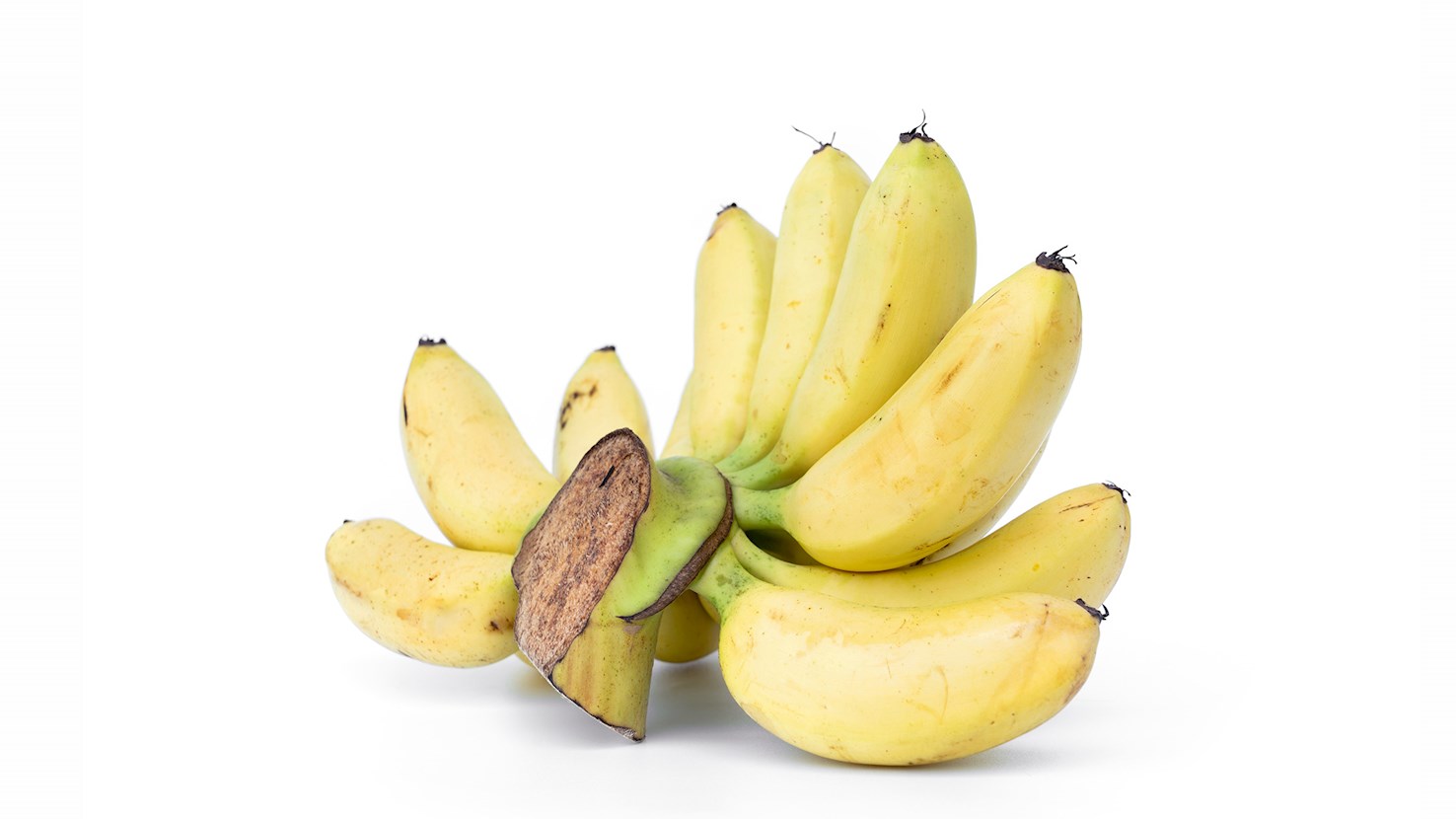
Lady Finger banana is a small, sweet variety of banana distinguished from others by its size, taste, and texture. It is significantly smaller and thinner than the more commonly known Cavendish banana, typically measuring about 4 to 6 inches (10 to 15 centimeters) in length. What sets the Lady Finger banana apart is its exceptionally sweet flavor and creamy texture, making it a favorite for fresh eating. Its sweetness is often compared to that of honey, and it has a delicate, almost floral flavor profile. The skin of the Lady Finger banana is thin and the flesh is less dense compared to larger banana varieties, contributing to its unique texture. Cultivated in tropical and subtropical regions around the world, the Lady Finger banana is a popular variety in its native Southeast Asia, as well as in Australia, Thailand, and the Philippines. Despite its delicious flavor and nutritional benefits, including being a good source of vitamins C and B6, potassium, and dietary fiber, it is less commonly found in global markets. This scarcity is due to its greater sensitivity to damage during transportation and its shorter shelf life compared to the more robust Cavendish bananas. Lady Finger bananas are often enjoyed fresh, but they can also be used in a variety of culinary applications, from desserts and baked goods to smoothies.

07

Naranjilla

4.1 ·

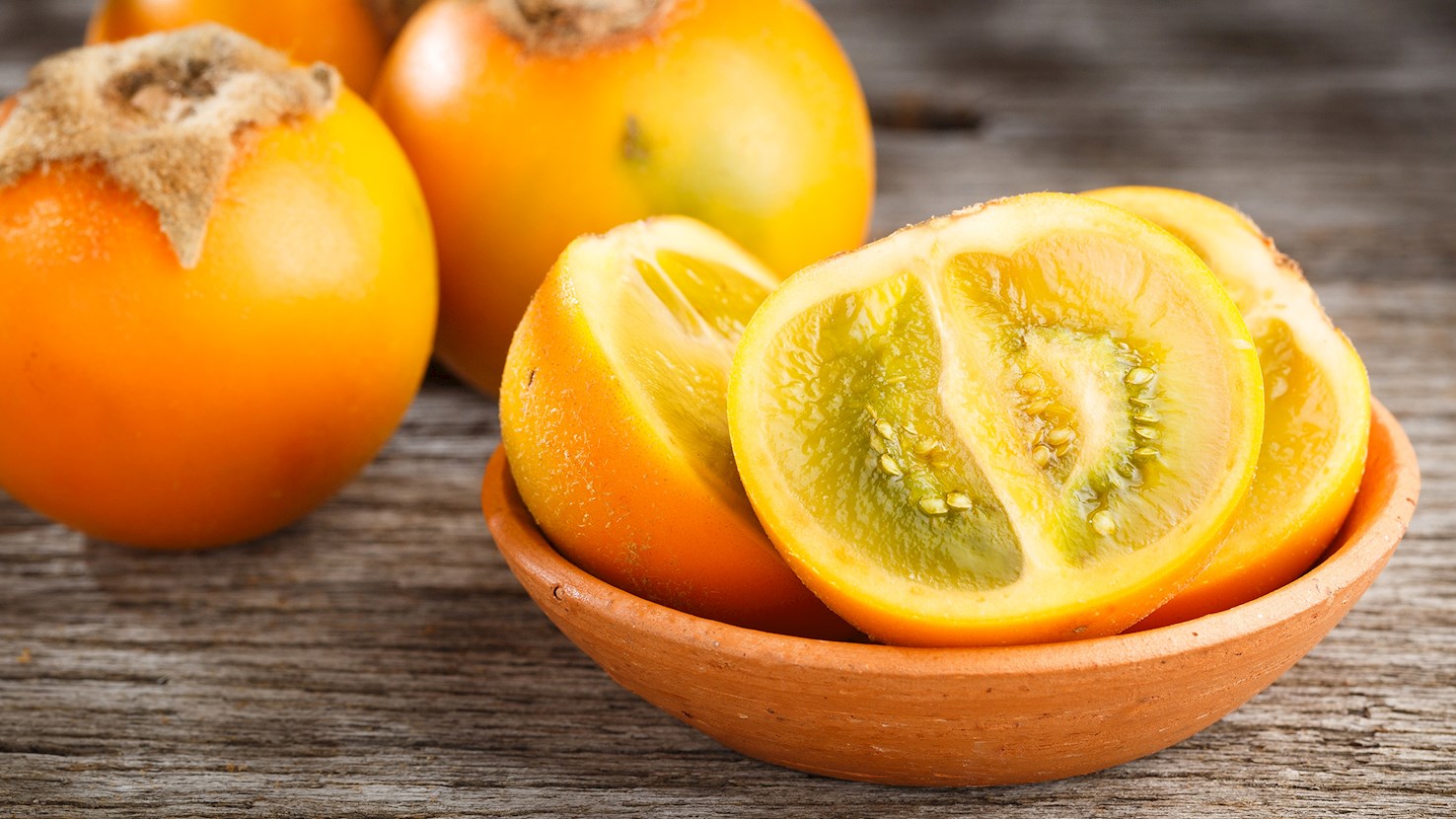
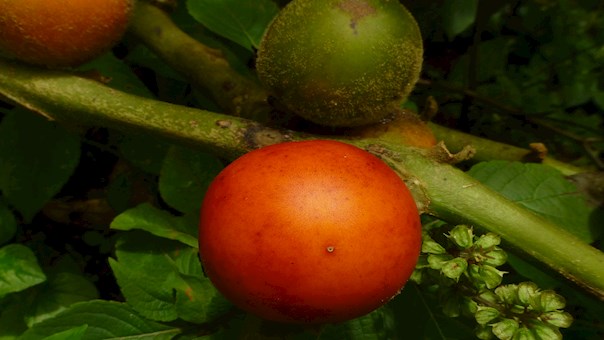
Naranjilla or lulo (lat. Solanum quitoense) is a tropical fruit native to the Andes mountains in South America, particularly found in countries like Ecuador and Colombia. The name "naranjilla" translates to "little orange" in Spanish, a nod to its appearance, although it is not closely related to oranges or other citrus fruits. Instead, it belongs to the nightshade family, which also includes tomatoes, potatoes, and eggplants. The fruit is about the size of a small orange or large tomato, with a round shape. The outer skin is green and may turn a yellow-orange color when ripe, covered in a fine, fuzzy layer. Inside, the fruit contains a green, acidic pulp filled with small seeds, similar in texture to a tomato. The flavor of naranjilla is unique and often described as a mix between lime and rhubarb or a combination of citrus and pineapple with a hint of earthiness. Naranjilla is used in a variety of culinary applications, particularly in the form of juices, jams, and desserts. The fruit's tangy flavor makes it a popular ingredient for refreshing beverages in South American cuisine. Cultivating naranjilla outside of its native habitat can be challenging due to its sensitivity to low temperatures and certain diseases, which has limited its commercial production and availability in other parts of the world.

08

Rambutan

4 ·

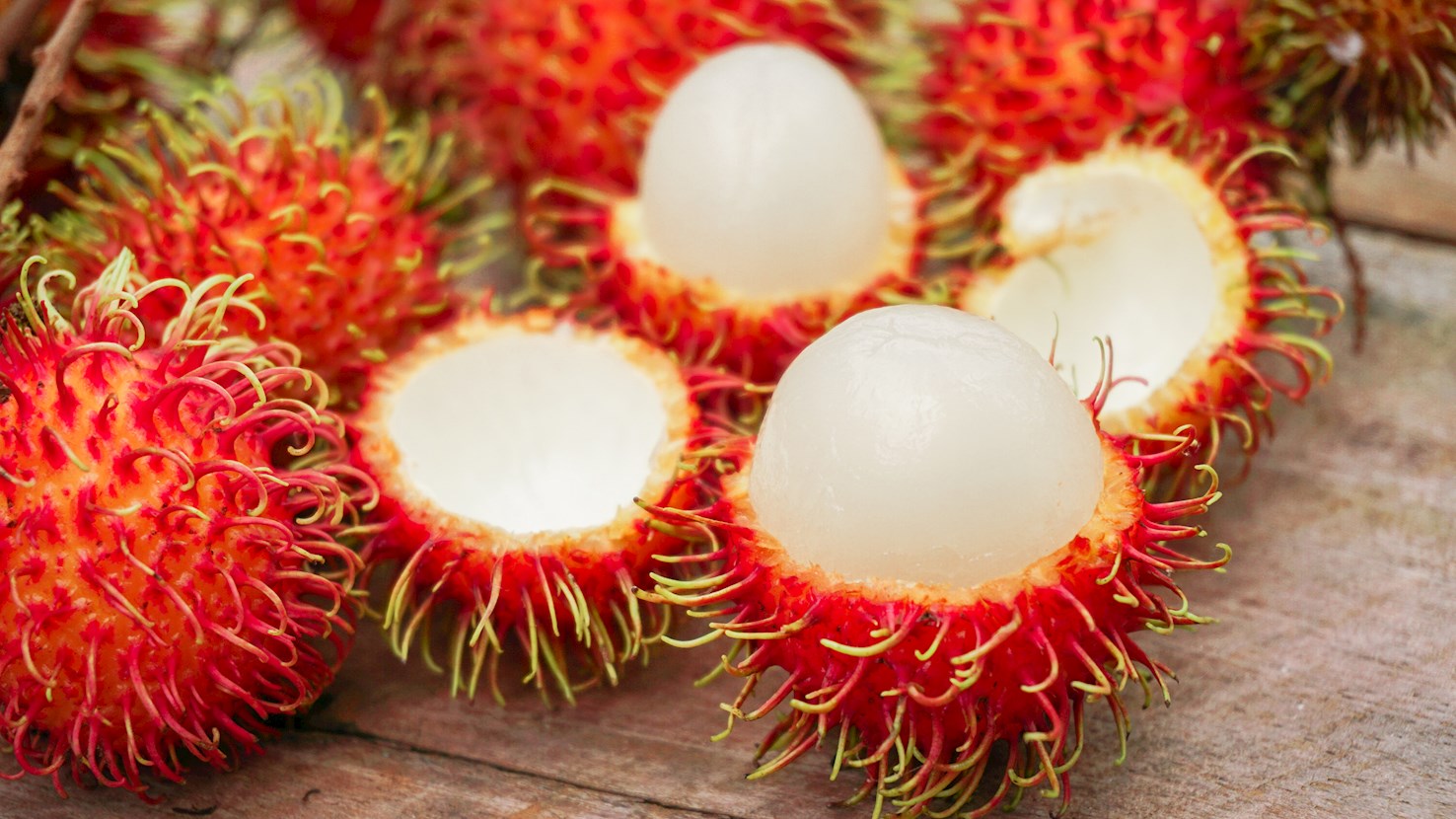
Rambutan is a medium-sized evergreen tree originating from the rainforests of western Malaysia and Singapore. The trees produce fruits that are round with leathery skin that’s covered in soft hairlike spines. The colors range from dark red to yellow. The pulp is subacid to sweet and it contains a single seed. The seeds contain up to 40% fat, which is extracted and used for making soap. In the Philippines, people sometimes roast the seeds and eat them as a snack. The fruits are usually eaten out of hand and they are sold fresh or canned. People use rambutan in jams, jellies, preserves, fruit salads, and savory dishes (in Southeast Asia). There are many cultivars of rambutan, such as red, yellow, orange, clingstone, and freestone. Although rambutan is mostly cultivated in Southeast Asia, the fruit is also gaining popularity in Central America.

09

Lizhi (Lychee)

3.9 ·

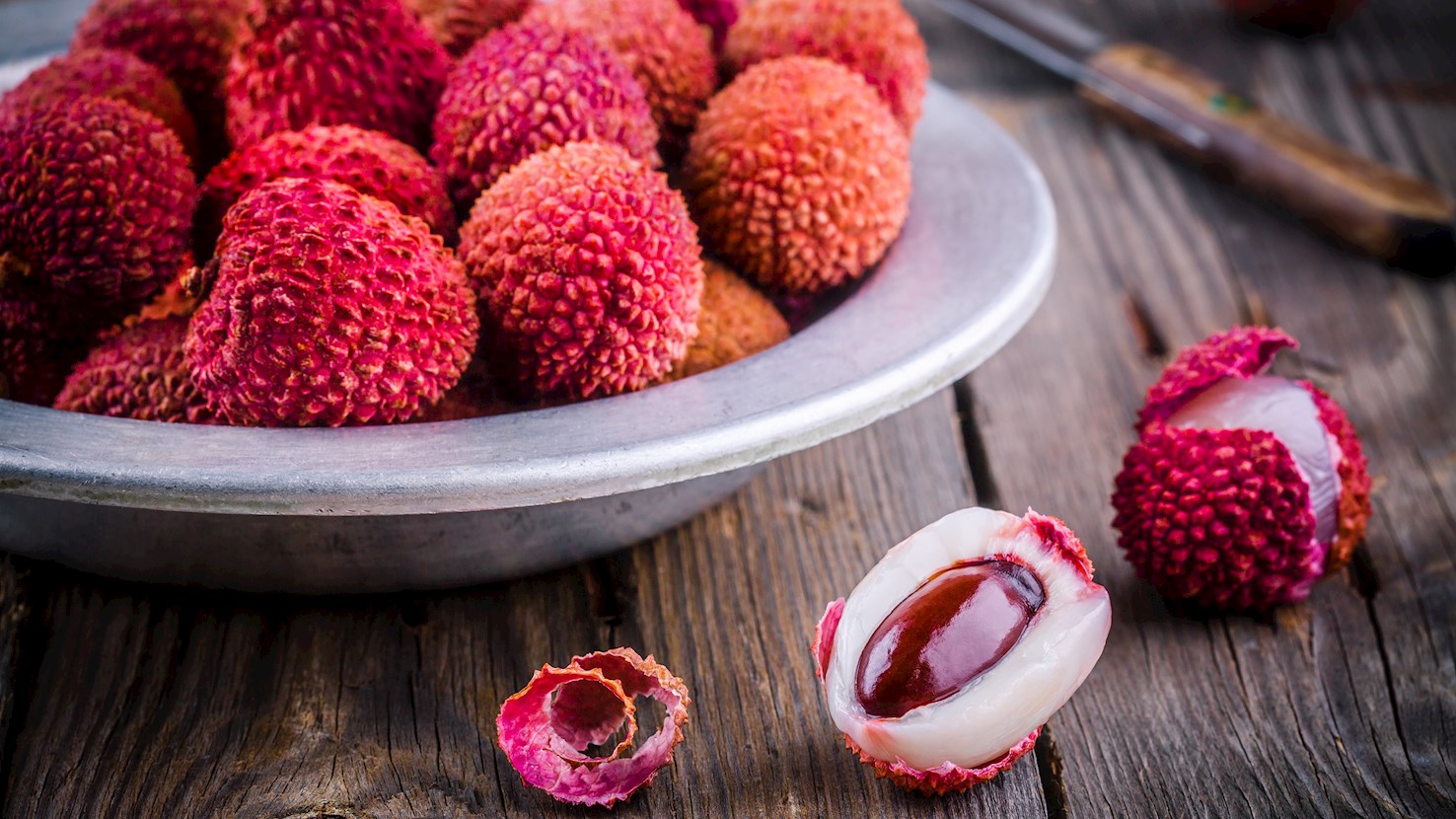
Lychee is a tropical fruit that's native to the Chinese provinces of Fujian and Guangdong. The fruit is oval to round, red in color, and has a brittle and inedible outer covering that encloses a translucent white flesh on the inside and one large seed. The flavor of the pulp is musky and aromatic when fresh, and when dried, it's acidic and sweet. Lychees are most commonly enjoyed fresh, but they can also be dried, canned, used in ice creams, or processed into wine, juice, and jelly. The fruit is a good source of minerals, vitamins, and antioxidants. Nowadays, lychees are grown in southern China and tropical Southeast Asia, India, Florida, Hawaii, and South Africa.

10

Cavendish banana

3.9 ·

Cavendish banana is the most widely grown and consumed type of banana in the world today. Named after William Cavendish, the 6th Duke of Cavendish, who is credited with having propagated the plant from cuttings in his greenhouse in England in the 19th century, the variety itself originated from Southeast Asia. It was introduced to other parts of the world, including the Canary Islands, from where it was later exported to the Americas and became a staple in global agriculture. Cavendish bananas are known for their distinct features: they are medium-sized, have a thick, bright yellow skin when ripe, and are sweet with a creamy texture. This variety of banana is especially favored for its resistance to diseases that affected previous staple banana cultivars, like the Gros Michel, which was devastated by Panama disease in the mid-20th century. Despite its current dominance and popularity, the Cavendish banana is not without its challenges. It is susceptible to a strain of Panama disease called Tropical Race 4 (TR4), which threatens its production globally. The monoculture farming practices associated with Cavendish bananas also raise concerns about biodiversity, as reliance on a single variety increases vulnerability to pests and diseases.

Best Tropical Fruits in the World
01

Plantação de Ananás dos Açores

4.4 ·
Plantação de Ananás dos Açores refers to the traditional cultivation of pineapples on the Portuguese island of São Miguel in the Azores. Unlike tropical pineapples, Azorean pineapples are grown in greenhouses to protect them from the Atlantic climate, using natural farming techniques. This unique production method results in a smaller, sweeter, and more aromatic pineapple compared to other varieties. The cultivation process takes around two years, from planting to harvest, ensuring the fruit's exceptional flavor and quality. Recognized as a regional delicacy, Ananás dos Açores is often used in gourmet cuisine and is protected by a Protected Designation of Origin (PDO) certification.
02

Ananás Santo António

4.3 ·
Ananás Santo António is a premium brand under the management of Casa Agrícola Bernardo Cabral, Lda., a company dedicated to the production and distribution of organic products exclusively from the Azores. Founded in 1911 by the Machado family, the company underwent a pivotal change in ownership during the 1940s when Manuel Bernardo Cabral acquired it, ensuring its place as a family-run business ever since. Located on São Miguel Island, Ananás Santo António specializes in cultivating pineapples using traditional greenhouse methods, a hallmark of the Azorean agricultural heritage. This meticulous approach not only preserves the natural ecosystem but also produces pineapples of exceptional quality and flavor. The brand has become synonymous with authentic Azorean excellence, providing a wide range of products derived from its organically grown pineapples, including jams, liqueurs, and desserts.
About this ranking

TasteAtlas food rankings are based on the ratings of the TasteAtlas audience, with a series of mechanisms that recognize real users and that ignore bot, nationalist or local patriotic ratings, and give additional value to the ratings of users that the system recognizes as knowledgeable. For the “Top 78 Tropical Fruits in the World” list until June 24, 2026, 2,741 ratings were recorded, of which 1,785 were recognized by the system as legitimate. TasteAtlas Rankings should not be seen as the final global conclusion about food. Their purpose is to promote excellent local foods, instill pride in traditional dishes, and arouse curiosity about dishes you haven’t tried.

The initial list of top producers was compiled based on available reviews, awards, local recommendations, media and blog coverage, and consumer reviews. The list will be updated with ratings from TasteAtlas local ambassadors and TasteAtlas users.

Similar lists