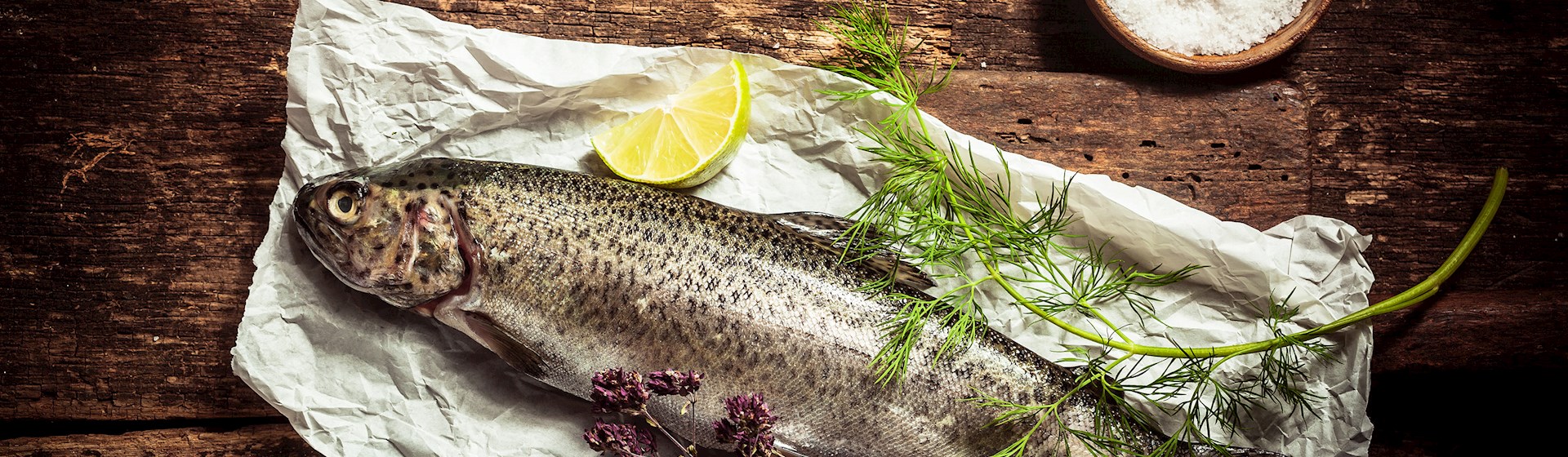
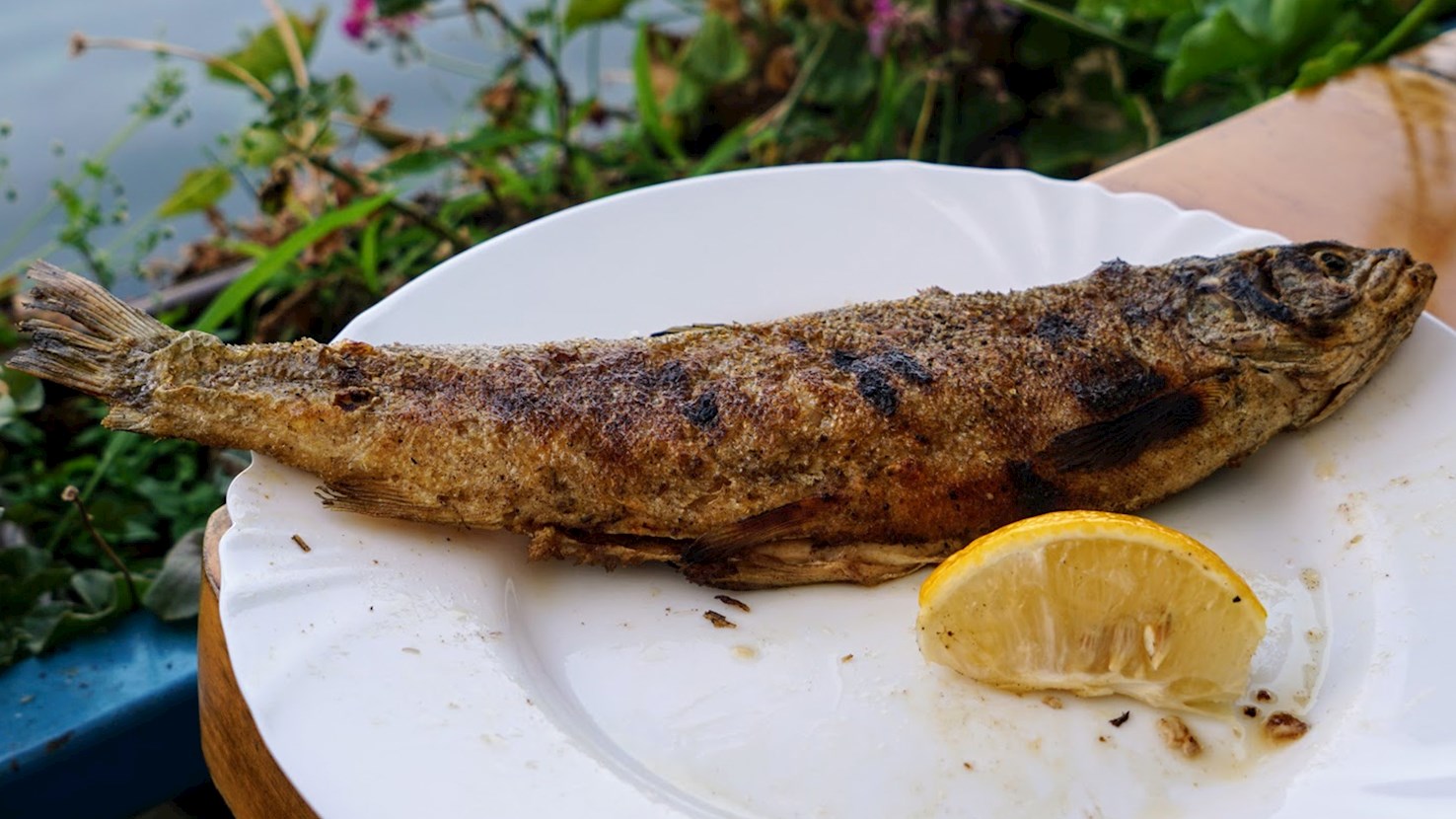
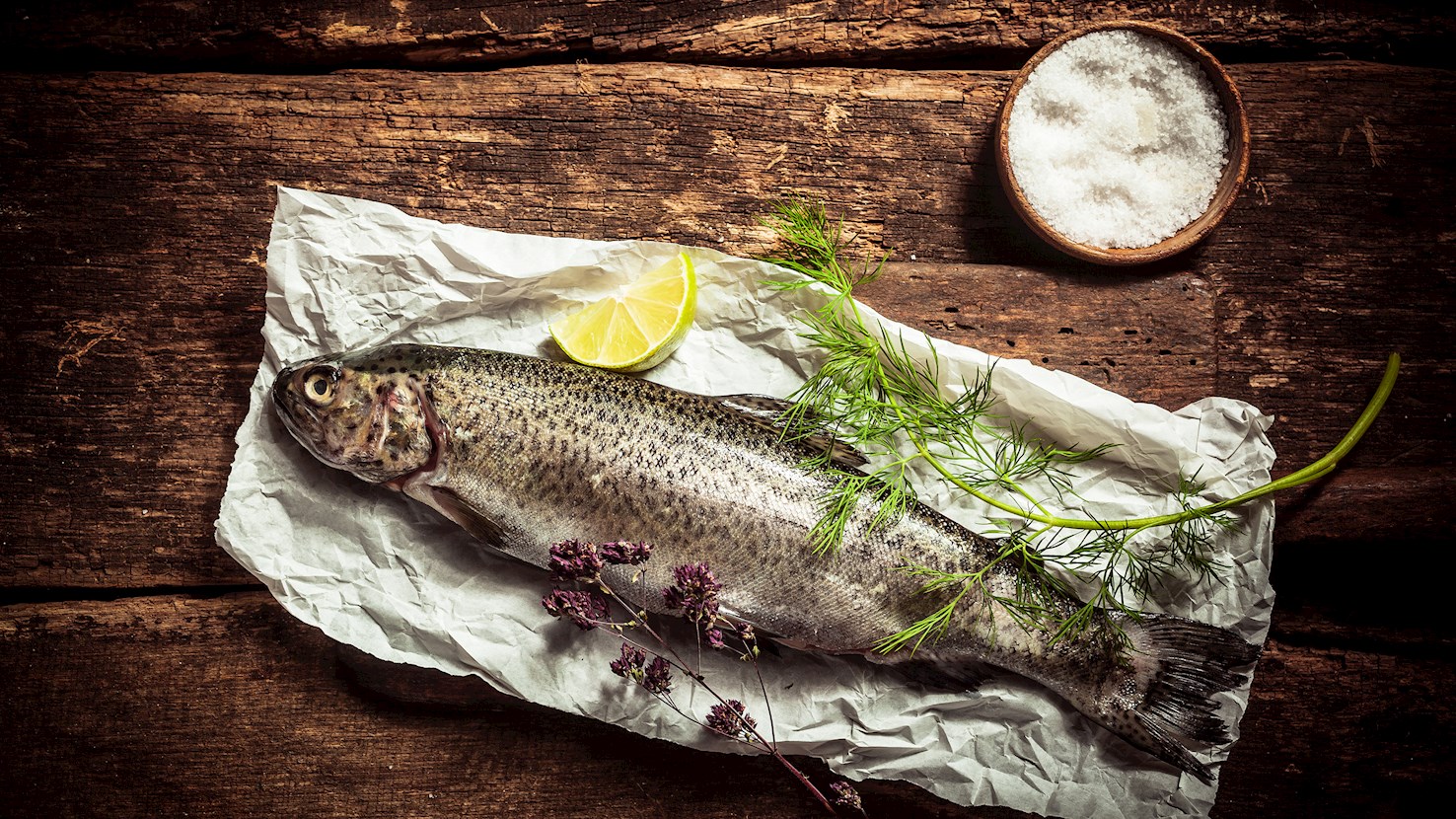
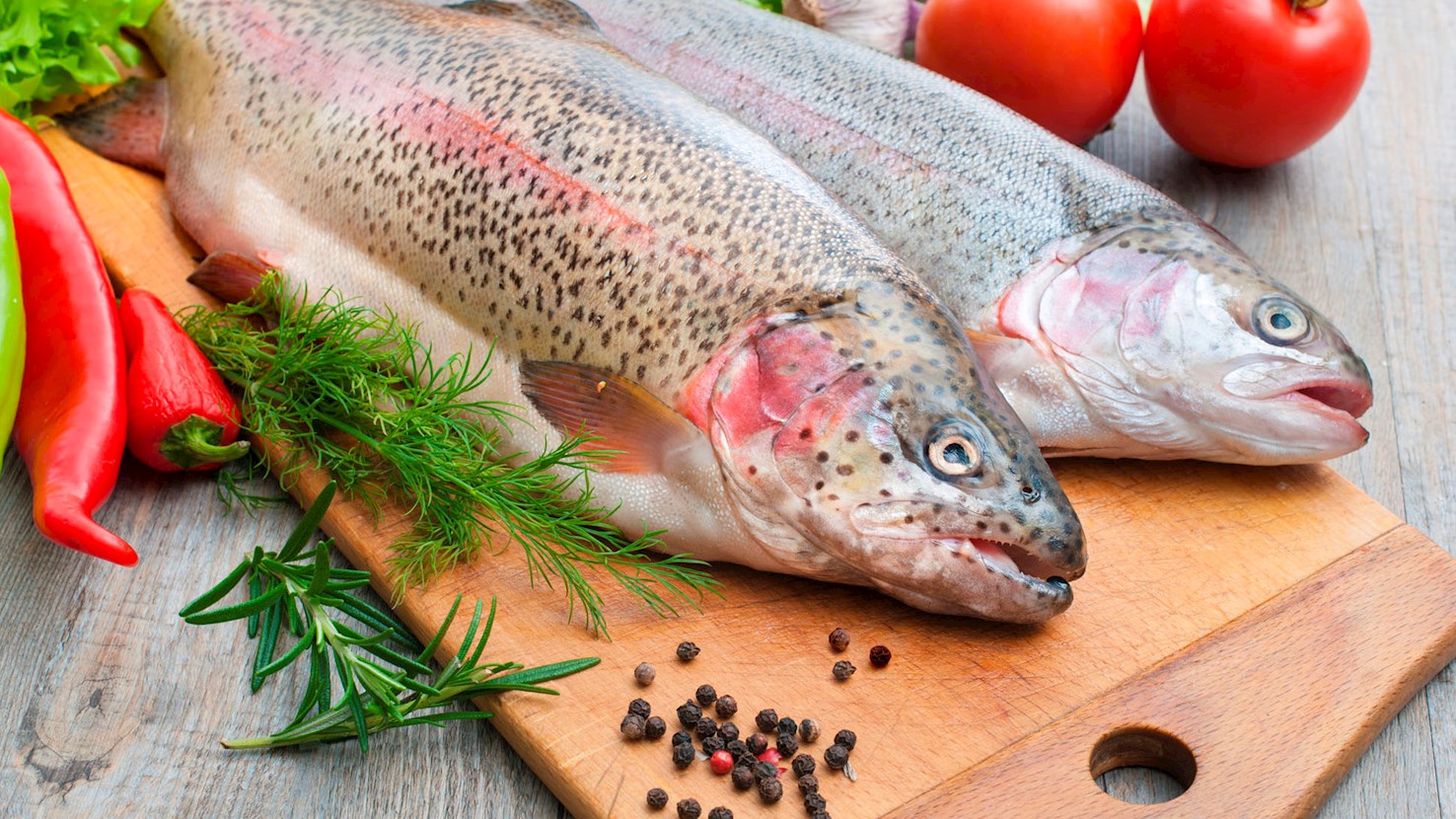
Ohrid trout is an endangered salmonoid fish that is praised for its delicately-flavored pink flesh. It inhabits the waters of Lake Ohrid, shared by Albania and North Macedonia, and the rivers leading to and from the lake. Although it is held in high esteem, it would be a crime against nature to eat the trout. Due to overfishing, poaching, and poor conservation methods, as of recently, the fish has been in danger of extinction. Four varieties of the trout have been distinguished, including Salmo balcanicus, Salmo lumi, Salmo aphelios, and Salmo letnica. The trout is considered a culinary delicacy, usually enjoyed on its own or used in a variety of hearty fish soups or other fish dishes. Dubbed as a living fossil, the fish has supposedly survived the ice age period due to the favorable microclimate of Lake Ohrid. Until 1991, the annual catch of trout was 220 tons, but since then, the numbers have significantly fallen. In 2005, the Macedonian government introduced a ban on catching Ohrid trout in their waters until 2014, but despite the legislation, in reality, not much was changed. Mainly, because similar conservation methods did not exist in the neighboring Albania where Ohrid trout was legally caught and sold, usually for an unreasonably low price. This opened up a new set of problems, including smuggling operations that made the trout available in Ohrid and other Macedonian cities.
Sevani ischkhan is an endemic variety of trout found only in the Armenian lake Sevan. This salmonid fish is endangered, due to changes in the lake's level and the introduction of non-native fish species into the lake during the Soviet period. The trout has a distinctive flavor and a color that typically ranges from pink to yellow and is determined by its nutrition and the microclimate. The fish is considered a delicacy, and it is usually poached and flavored with bay leaves, fresh tarragon, and peppercorns. Other traditional dishes starring this fish call for grilling, frying, boiling, or braising the fish and combining it with wine, a variety of spices, pomegranate juice, and lemon juice, or filling it with fruits or nuts such as hazelnuts or almonds. In order to protect it, in 1976, Armenia's Council of Ministers decided to forbid commercial fishing of Sevani ishkhan. There are four main strains of Sevan trout, and while summer bakhtak and gegharkuni are mainly reared in hatcheries, winter bakhtak and bojak may be extinct.
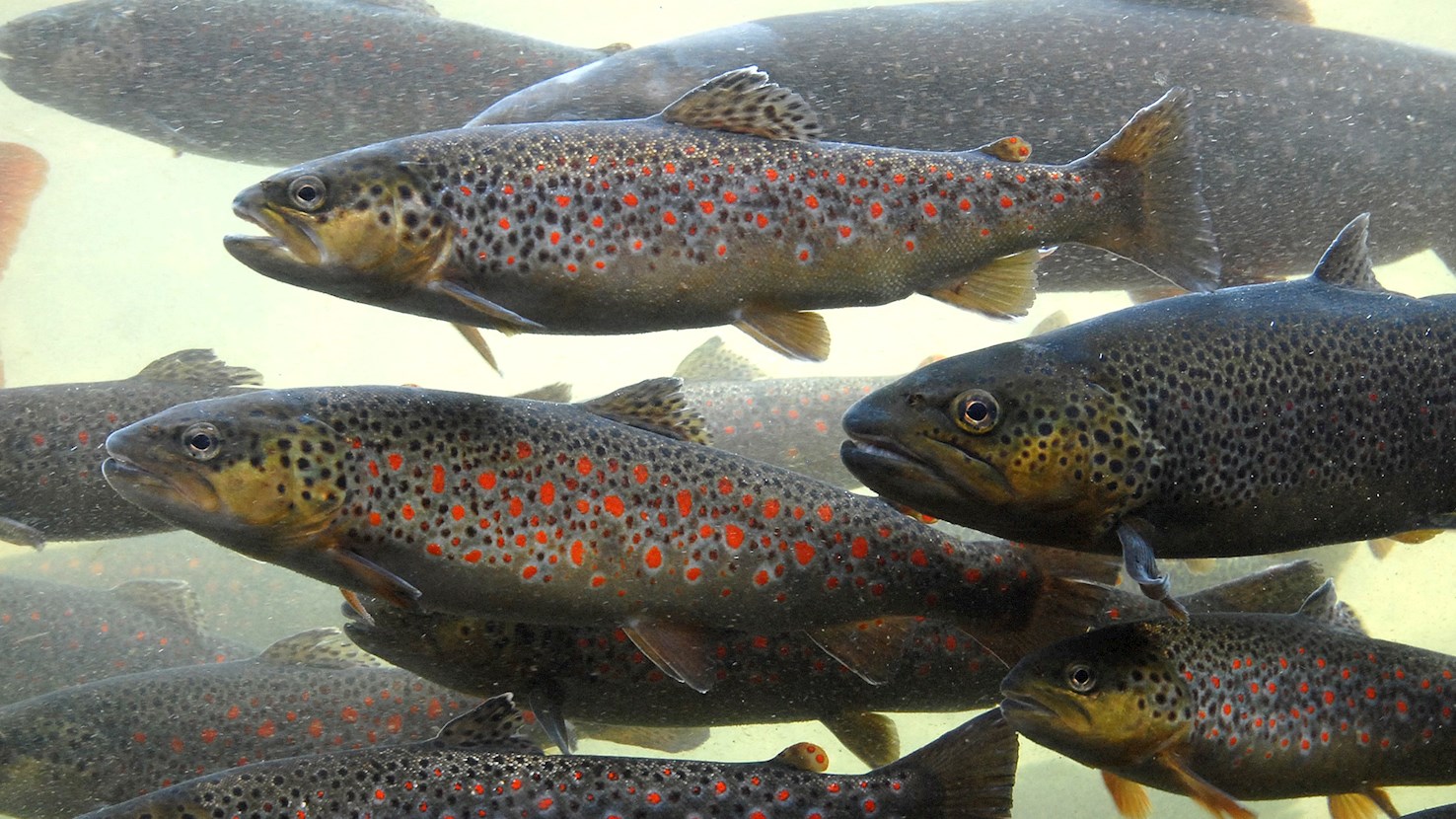
Karmrakhayt is a type of Armenian river trout with distinctive red dots. Commonly known as alabalagh trout, fish production of this type is also carried out in high-altitude artificial lakes, especially in the Mantash Reservoir located at the base of Mt. Aragats, in the Shirak province. The cold and pure water of this reservoir makes for a perfect habitat for karmrakhyat. This Armenian fish can be fried, stuffed, or baked in lavash flatbread alongside seasonal vegetables and cheese.
Only brook trout or rainbow trout raised in southwestern Germany near the Schwarzwald mountain range are entitled to the name Schwarzwaldforelle (Black Forest trout). This region has a long tradition of trout farming due to its outstanding cold, oxygen-rich mountain waters. The lower the temperature of the mountain water, the longer it takes for the trout to reach the targeted size and firmness. This slow, natural growth and the quality of the feed given to the trout is the reason why they have such a distinctive taste. The firm flesh is described as exceptionally strong and aromatic. Black Forest trout has been offered as a regional specialty for decades, and its unique qualities have made it famous even outside the Schwarzwald region. It is suitable for all kinds of preparation and can be served hot or cold, smoked, fried, or marinated. Even the skin of the Black Forest trout is considered a delicacy.
The Trote del Trentino (trouts from Trentino) belong to the rainbow trout species, reared in tanks supplied with water sources that fall within the Autonomous Province of Trento, in the Trentino Alto-Adige region, and in the municipality of Bagolino in the province of Brescia, in Lombardy. The quality of the water used is decisive for the farming of Trote del Trentino. Water is particularly abundant in this area, thanks to the presence of perennial snowfields and glaciers, with high oxygenation, excellent chemical-physical-biological properties and a low average temperature (below 10° C from November to March). The combination of frequent rainfall, snow in winter and cool temperatures even in summer creates the perfect environment for trout farming. Thanks to all this, Trote del Trentino have chemical-physical values that are not obtainable in trout farming on the lowlands. The flesh is white or salmon pink, firm, tender and lean, with a delicate fish flavor and a soft, fragrant fresh-water smell, completely devoid of the muddy aftertaste that is often characteristic of farmed trout. This type of fish is perfect for pan-frying with herbs, roasting with almond flakes, and baking in foil with cherry tomatoes and rosemary. Today it can also be enjoyed minced in the form of a burger, as a fresh pasta filling or in light ragù sauces for pasta.
Koghak is a type of endemic Armenian freshwater trout inhabiting Lake Sevan, a high-altitude freshwater lake in the Gegharkunik Province. Also known as capoeta sevangi or Varicorhinus capoeta, this fish is used in some of the traditional Armenian fish specialties, including roasted koghak, and koghak steamed with vegetables. This Armenian fish specialty is available at fancy restaurants around Lake Sevan and on the beaches surrounding it, where the freshly-caught fish is being grilled right away. Along with other native species found in this lake, Sevan koghak production has long been significantly decreased and is now under threat of becoming extinct.
The Ausseerland forelle is the type of trout belonging to brown and rainbow trout species. It is considered "the queen of the Alpine lakes" and can grow quite large. Local fishermen have caught specimens that are over 20 kilos. The Ausseerland forelle can be prepared in various ways: boiled, sautéed, or fried. Also, it can be smoked, pickled, and eaten raw.
West Wales sewin is unique for its traditional method of catching the Salmo Trutta species with coracles, small handmade vessels shaped like baskets. The sewin is silver with black spots above and below the lateral line. Their flesh is firm to the touch, light pale pink in color, fresh smelling, and their texture is dense, with lots of muscle protein and beneficial oils. Their meat is of such great muscle quality because they are caught as soon as they enter the river from the sea, so that they do not get accustomed to the inactive river environment. Once cooked, the taste is distinctively buttery and nutty.
TasteAtlas food rankings are based on the ratings of the TasteAtlas audience, with a series of mechanisms that recognize real users and that ignore bot,
nationalist or local patriotic ratings, and give additional value to the ratings of users that the system recognizes as knowledgeable.
For the “Top 8 European Trouts” list until June 24, 2026, 97 ratings were recorded, of which 47 were recognized by the system as legitimate.
TasteAtlas Rankings should not be seen as the final global conclusion about food. Their purpose is to promote excellent local foods,
instill pride in traditional dishes, and arouse curiosity about dishes you haven’t tried.