Ggul tteok are colorful Korean steamed rice cakes that are usually shaped into bite-sized balls. Translated as honey cakes, they are traditionally served drizzled with honey-infused syrup. Even though ggul tteok are often prepared plain, some varieties are filled with sesame and occasionally served dusted with roasted soybean powder. Available at many specialized shops, these chewy cakes are usually enjoyed as a dessert or a sweet snack.
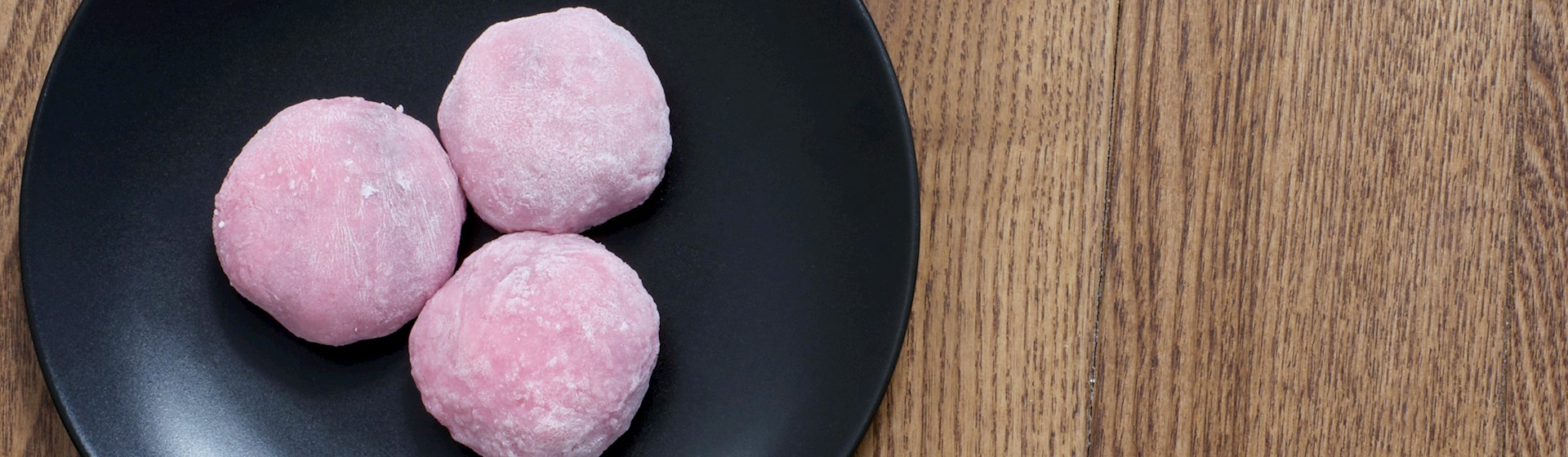
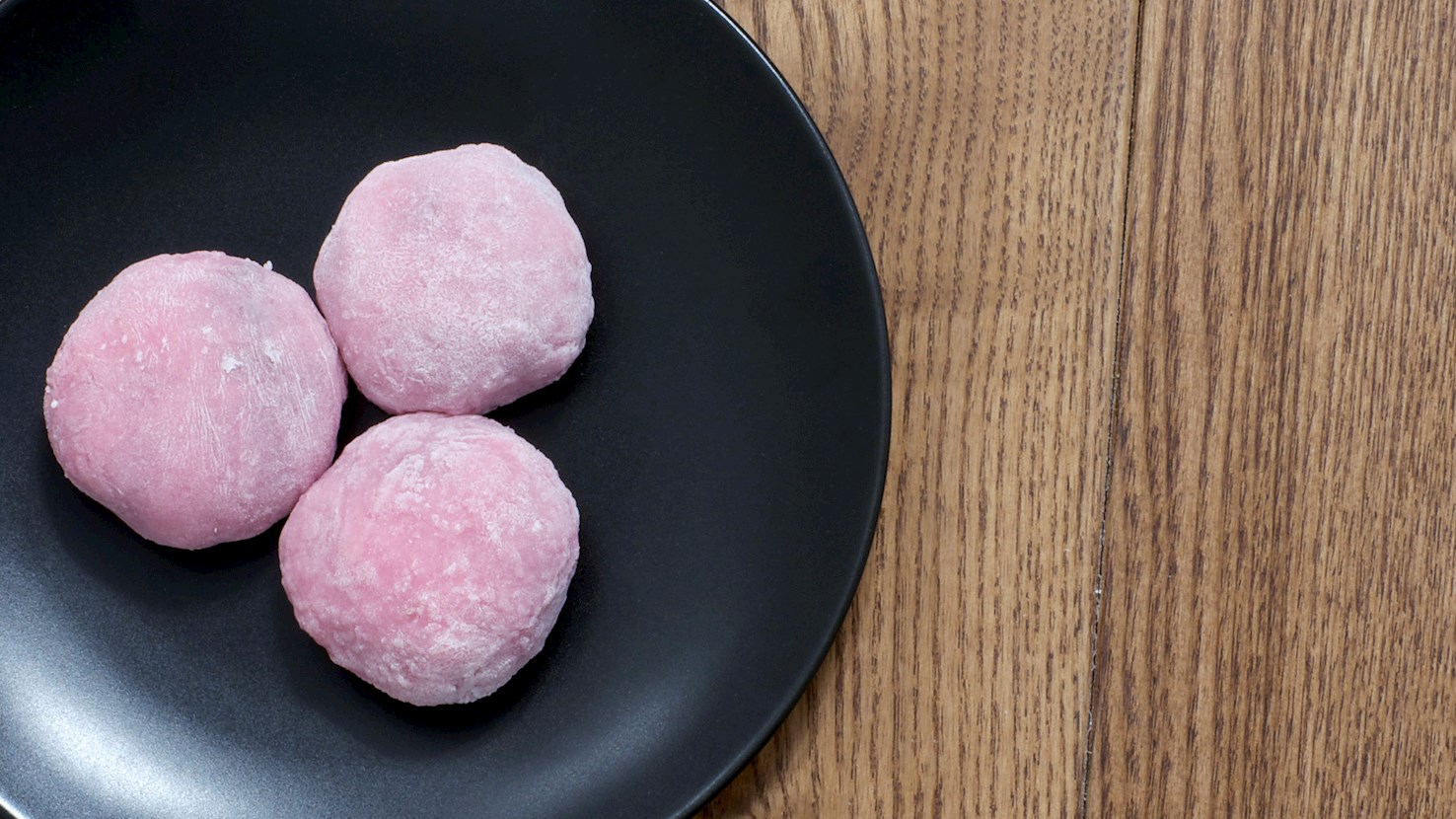
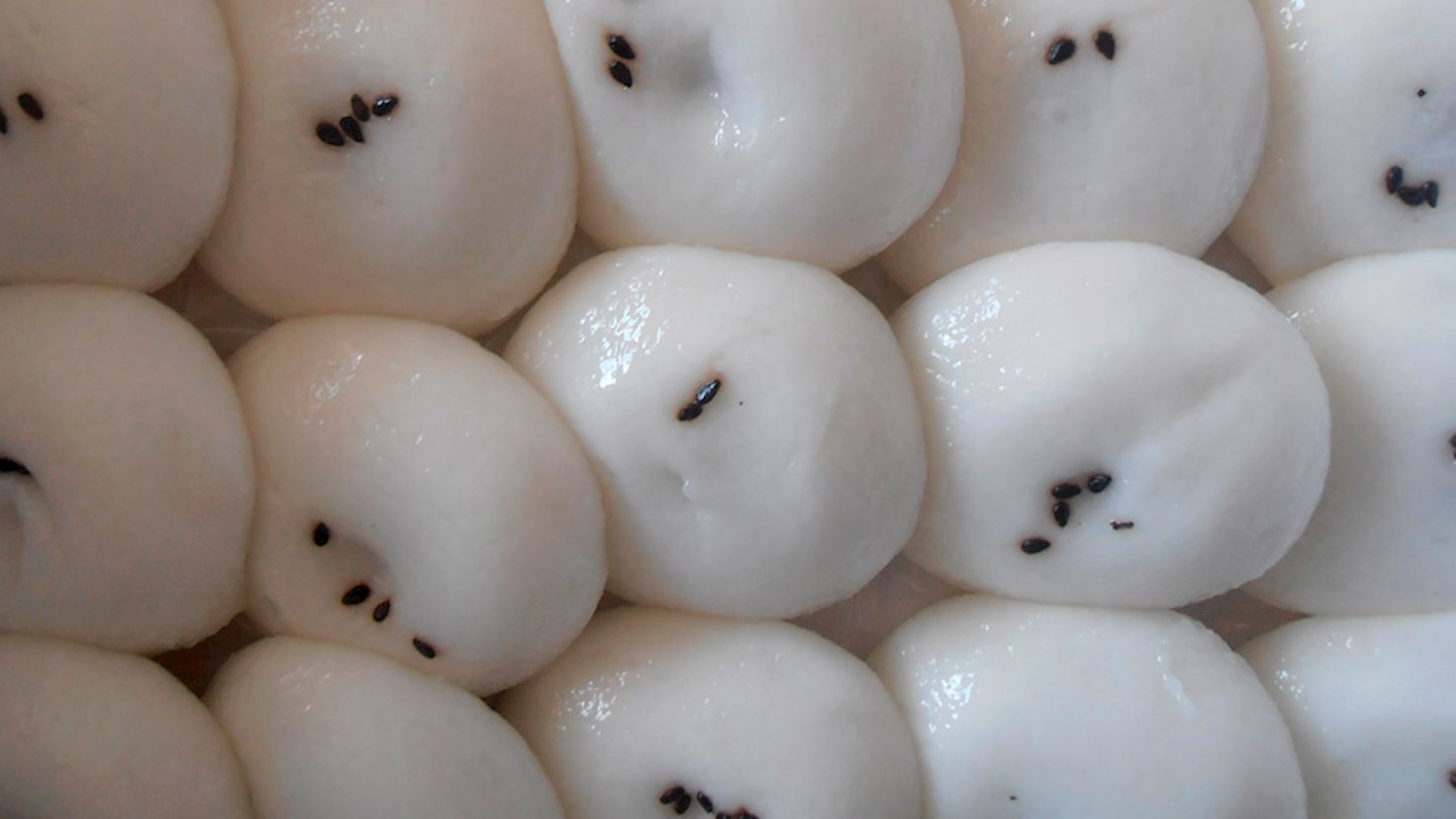
Chapssaltteok is a soft, highly elastic sweet cake crafted from pounded glutinous rice dough that encases a dense core of sweetened red bean paste. It serves as a powerful cultural symbol of academic success, primarily because the ultra-sticky dough easily adheres to surfaces, representing the act of "sticking" to a goal or to a desired university admission. Consequently, it is an incredibly popular gift given to high school students immediately before they sit for grueling winter entrance exams. The historical roots of this dessert date back to the early 20th century, and the cake was heavily influenced by the introduction of similar imported sweets during colonial periods, which eventually merged seamlessly with domestic rice farming techniques to form a distinct local identity. In the past, during freezing winter nights, street vendors roamed residential neighborhoods, carrying heavy wooden boxes and loudly shouting the name of the sweet they were selling as late-night snacks for studying youths and families. The outer shell requires mixing fine glutinous rice flour with water, sugar, and a pinch of salt. This liquid slurry undergoes intense steaming or rapid heating until it transforms into a thick, translucent mass. To achieve the required bouncy texture, the hot dough is repeatedly pounded with a heavy wooden mallet or folded aggressively, aligning the starches to create immense stretch. The filling is made by boiling red azuki beans until soft, mashing them with a large amount of sugar, and reducing the mixture over a stove to evaporate excess moisture. Small spheres of this dense bean jam are entirely enveloped by the hot, stretched dough. To prevent the incredibly sticky spheres from permanently fusing to hands and plates, the finished balls are aggressively rolled in fine white cornstarch, potato starch, or roasted yellow soybean powder. Beyond the baseline white exterior and dark bean interior, there are a vast number of different variations. Strawberry chapssaltteok wraps the sticky dough entirely around a whole, fresh strawberry resting on a thin layer of red bean paste, creating a sudden burst of tart fruit juice when bitten. Other variations mix bitter green tea powder or earthy boiled mugwort directly into the raw dough, turning the exterior a deep green. The fillings frequently incorporate crushed walnuts, pine nuts, or roasted sesame seeds to introduce a crunchy contrast to the smooth paste, while modern dessert shops occasionally swap the red beans entirely for rich cream cheese, chocolate ganache, or sweet potato puree. Individuals consume the chewy treats entirely by hand at room temperature, frequently purchasing them tightly packaged in decorative cardboard boxes or individually wrapped in clear plastic to retain maximum moisture. Because the thick dough poses a choking hazard if swallowed whole, small, deliberate bites are required, almost always chased with hot, bitter green tea or roasted barley tea to effortlessly wash away the lingering sweetness. Because it is very similar to the Japanese mochi (meaning rice cake in Japanese), some people also refer to chapssaltteok by that name.
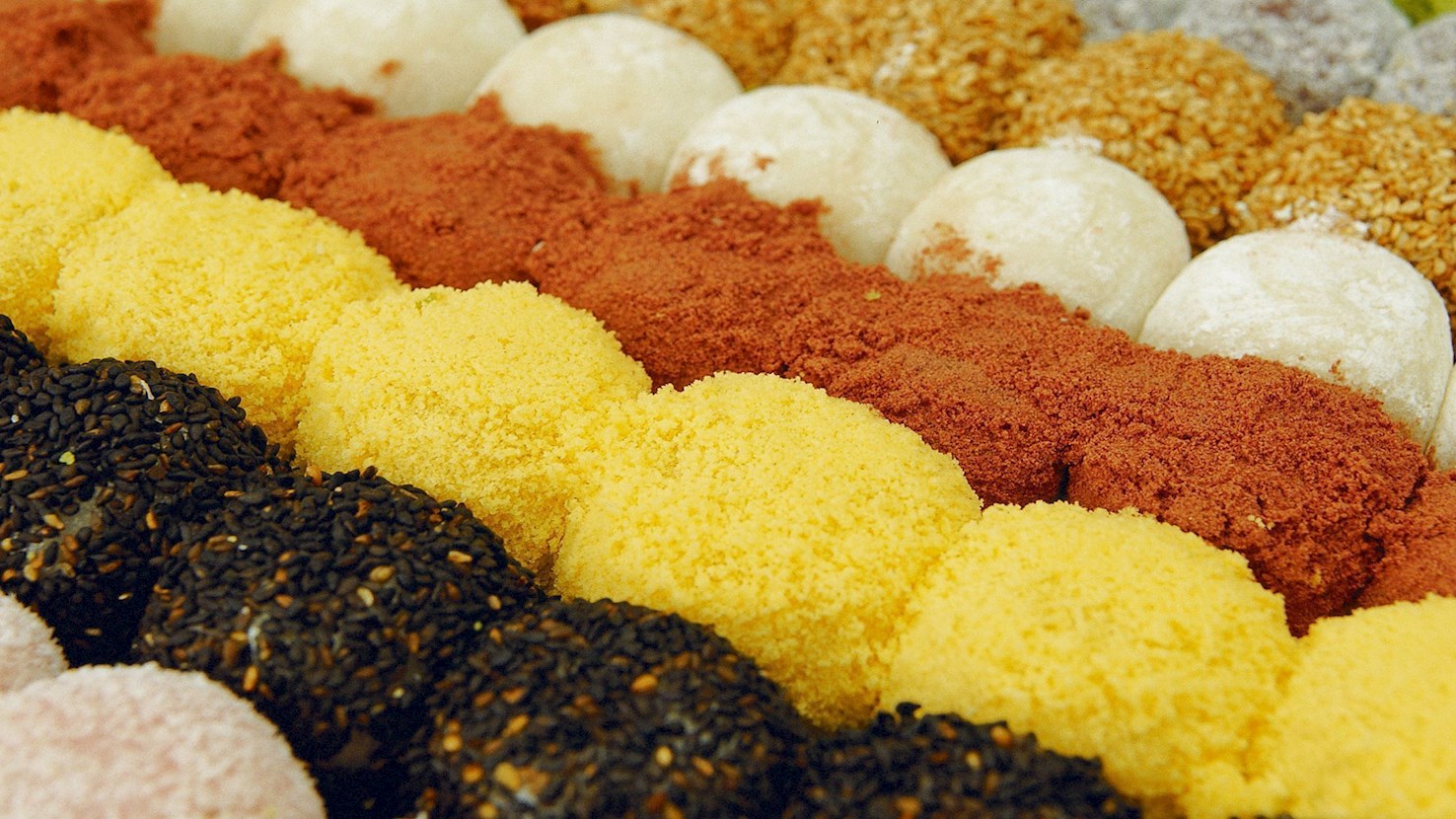
Round and chewy gyeongdan are traditional Korean cakes consisting of soft rice dough that is wrapped around sweet red bean filling. When boiled, they are usually coated with colorful powders - from ground black sesame and toasted soybean to mugwort powder and grated tinted coconut. These bite-sized rice cakes are a popular sweet treat often enjoyed on various special occasions.
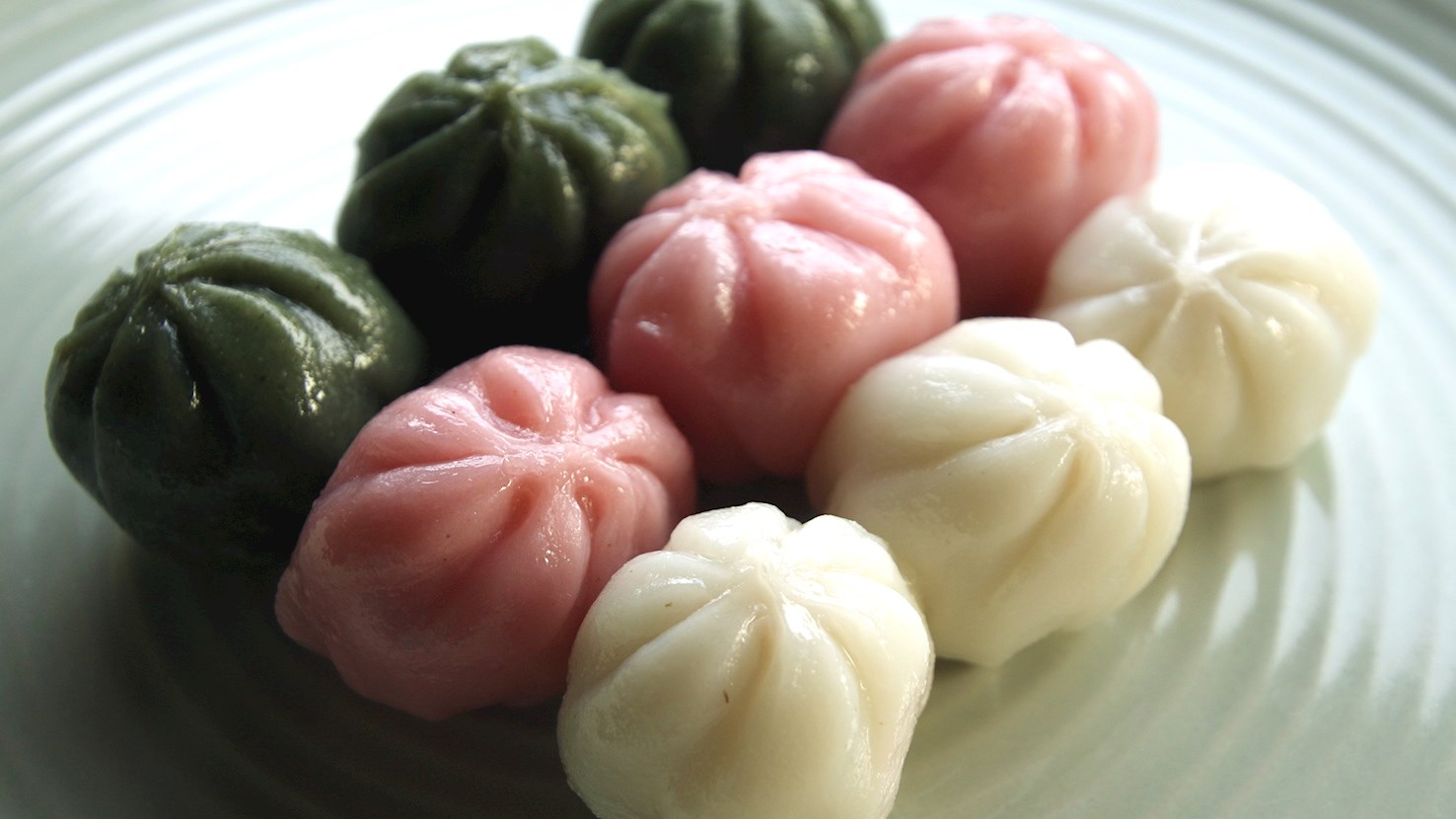
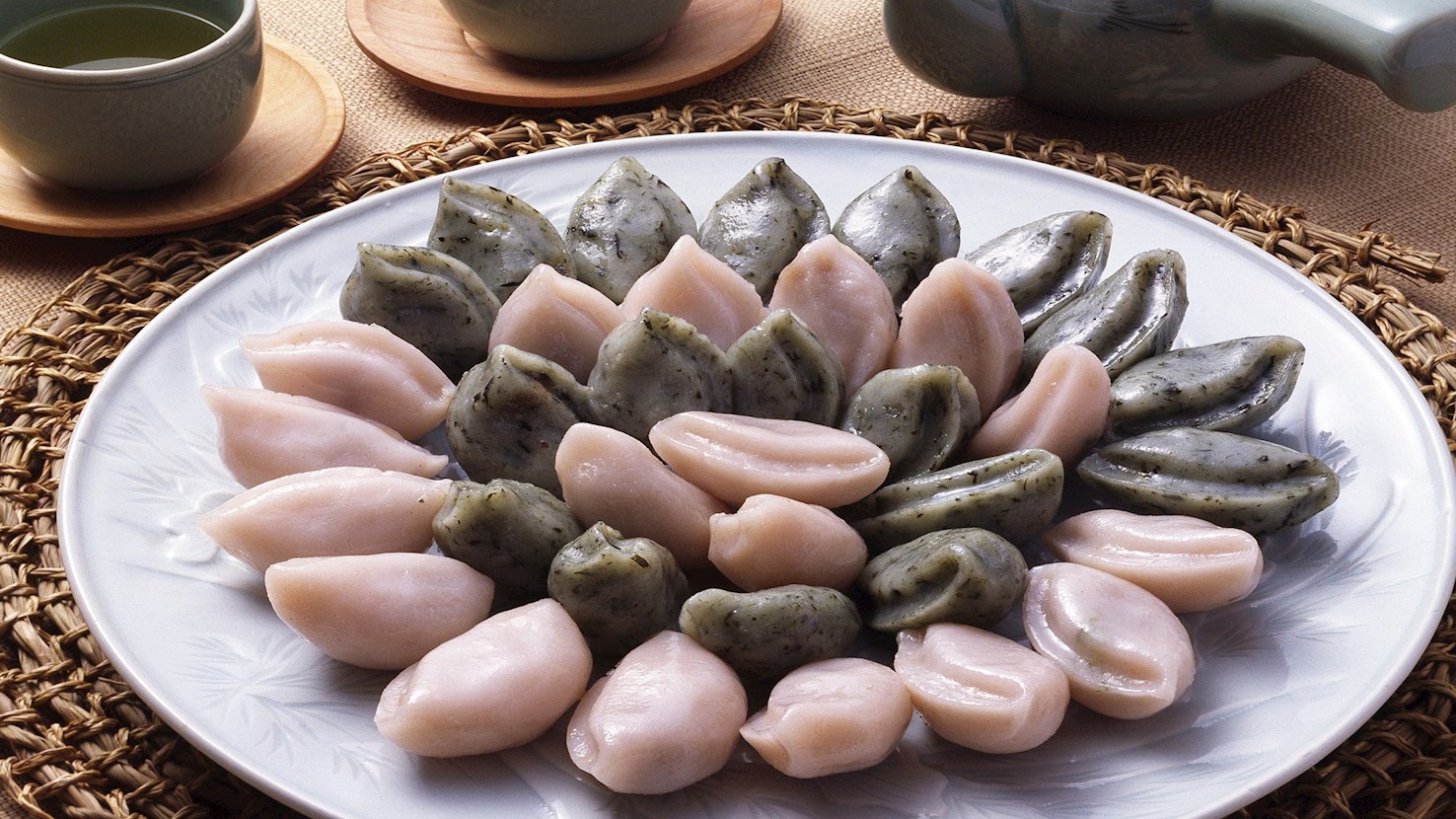
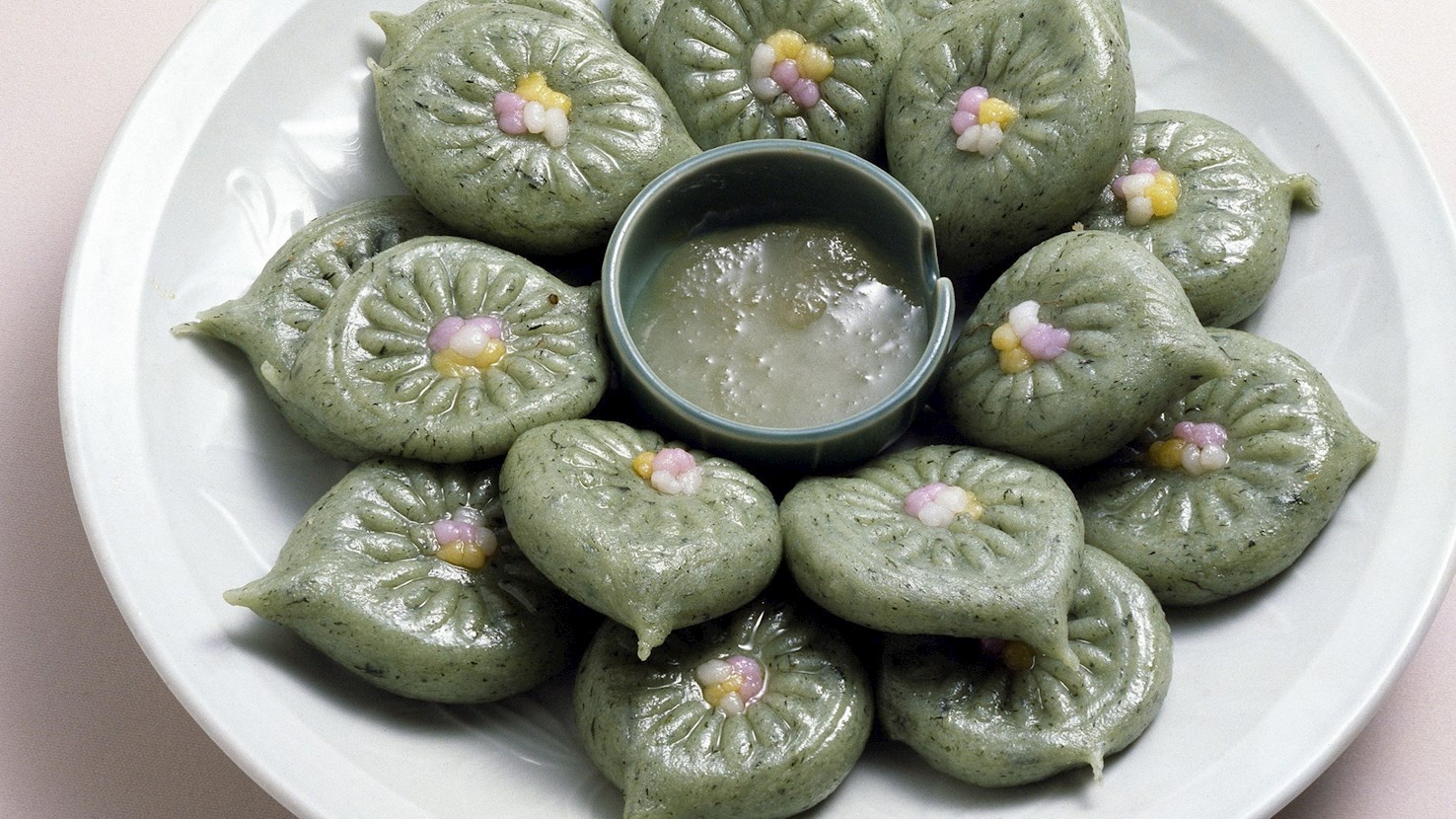
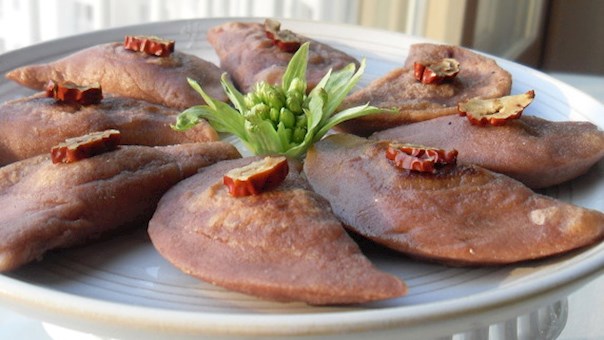
Songpyeon are steamed South Korean rice cakes consisting of a rice flour shell which is tinted and wrapped around various fillings such as mung bean or sesame powder as well as creamy red bean or chestnut paste. The cakes are formed into half-moon shapes and are usually steamed on a bed of pine needles, which impart flavor and keep the cakes separated. Songpyeon are traditionally served during Chuseok festival, the annual celebration of a good harvest season.
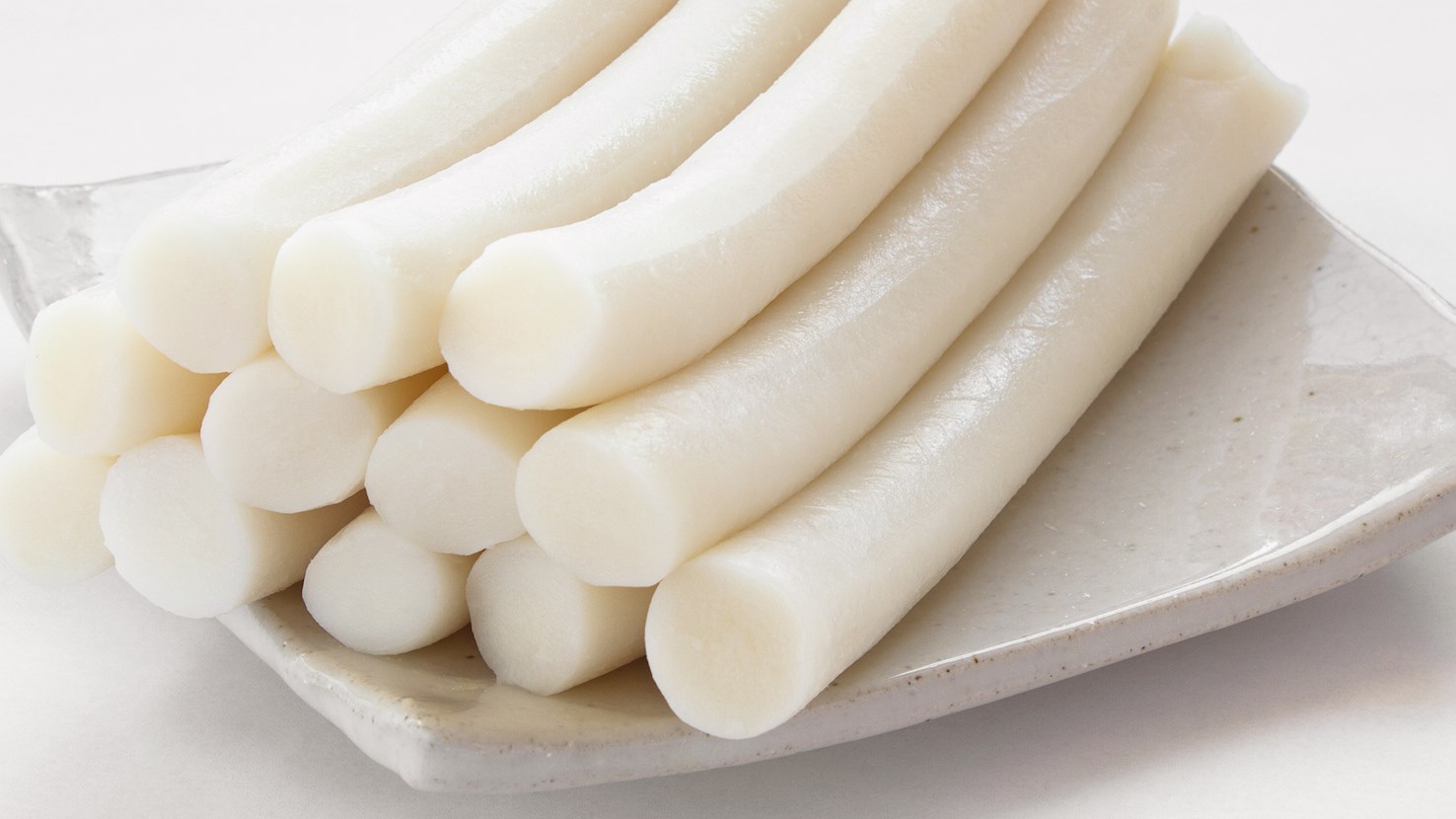
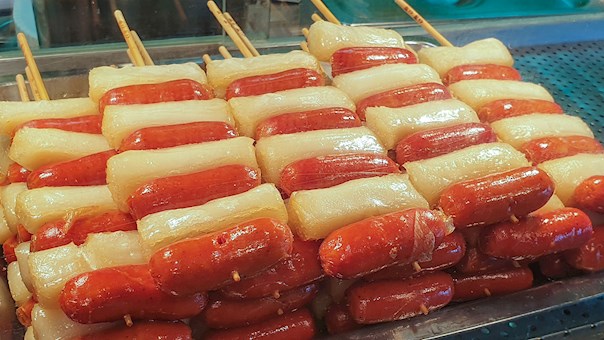
Garaetteok are long, cylindrical Korean rice cakes that are usually cut diagonally into smaller round discs. Although they can be enjoyed on their own, because of their neutral flavor, the cakes are easily incorporated into various dishes. The sliced version is one of the elements in tteokguk soup, while the thinner, whole cakes make the base of the tteokbokki stew and the spicy tteok kkochi skewers.
This traditional Korean rice cake is made from a combination of glutinous rice, sugar, yeast, and makgeolli—fermented rice drink. The dough is formed into a larger round or rectangular cakes or in many bite-sized pieces before it is steamed until tender. The top is neatly decorated with jujubes, pine nuts, or various seeds, and the dough is occasionally tinted with natural colorings. The first written mention of jeungpyeon dates back to the 17th century, where it was also stated that the cakes were a favorite summer staple since they could withstand warm temperatures without spoiling. Although they can be enjoyed throughout the year, the cakes are traditionally prepared for Dano festival.
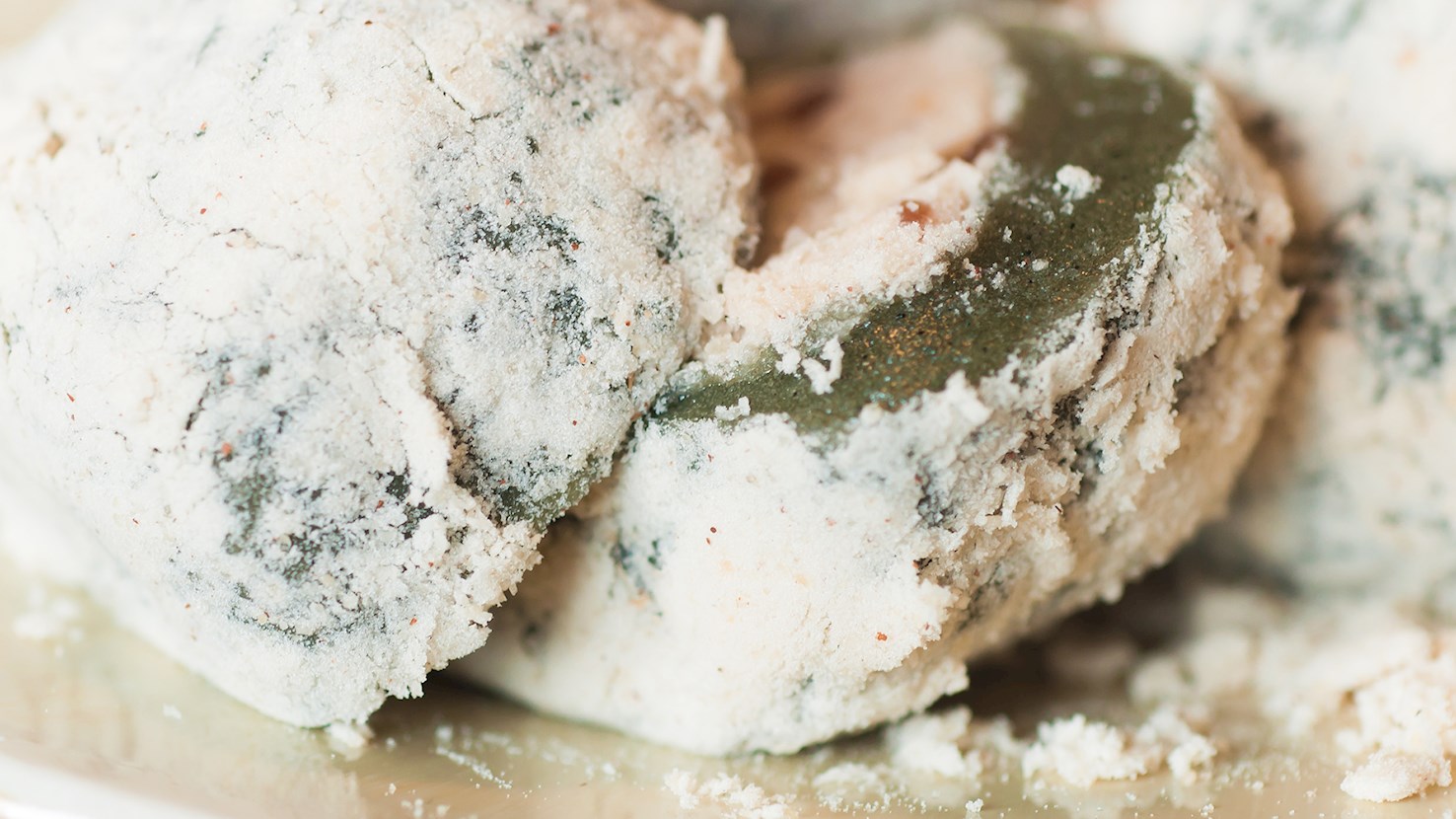
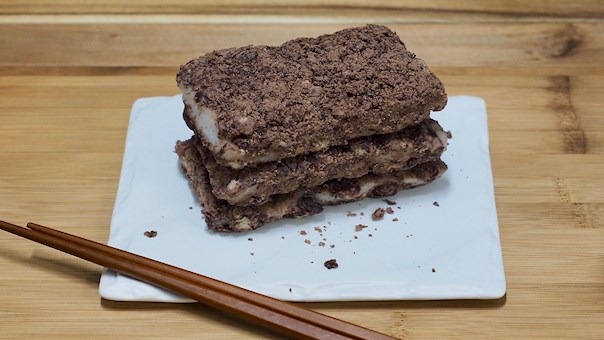
Injeolmi are traditional South Korean steamed rice cakes. They are prepared by steaming and pounding rice into a pliable dough which is then rolled and generously dusted with roasted soybean powder. The varieties include ssuk injeolmi, which incorporates mugwort powder, or kkaeinjeolmi, which is dusted with black sesame. According to a legend, these cakes were invented by a commoner Yim who offered them to the king Injo after he fled Seoul due to a rebellion. To show his appreciation, the king named the dish after its inventor. Nowadays, injeolmi is mainly enjoyed on special occasions, and it is usually served sliced into bite-sized rectangular pieces.
Jeolpyeon are Korean flat rice cakes which are steamed and embellished with decorative patterns. They are prepared with glutinous rice, and apart from the plain version, they can be infused and colored with different ingredients. Before they are served, each cake is brushed with sesame oil, which prevents them from sticking and adds a subtle sesame flavor. Jeolpyeon are usually enjoyed as a sweet everyday treat, but they are also traditionally served at weddings and tea ceremonies.
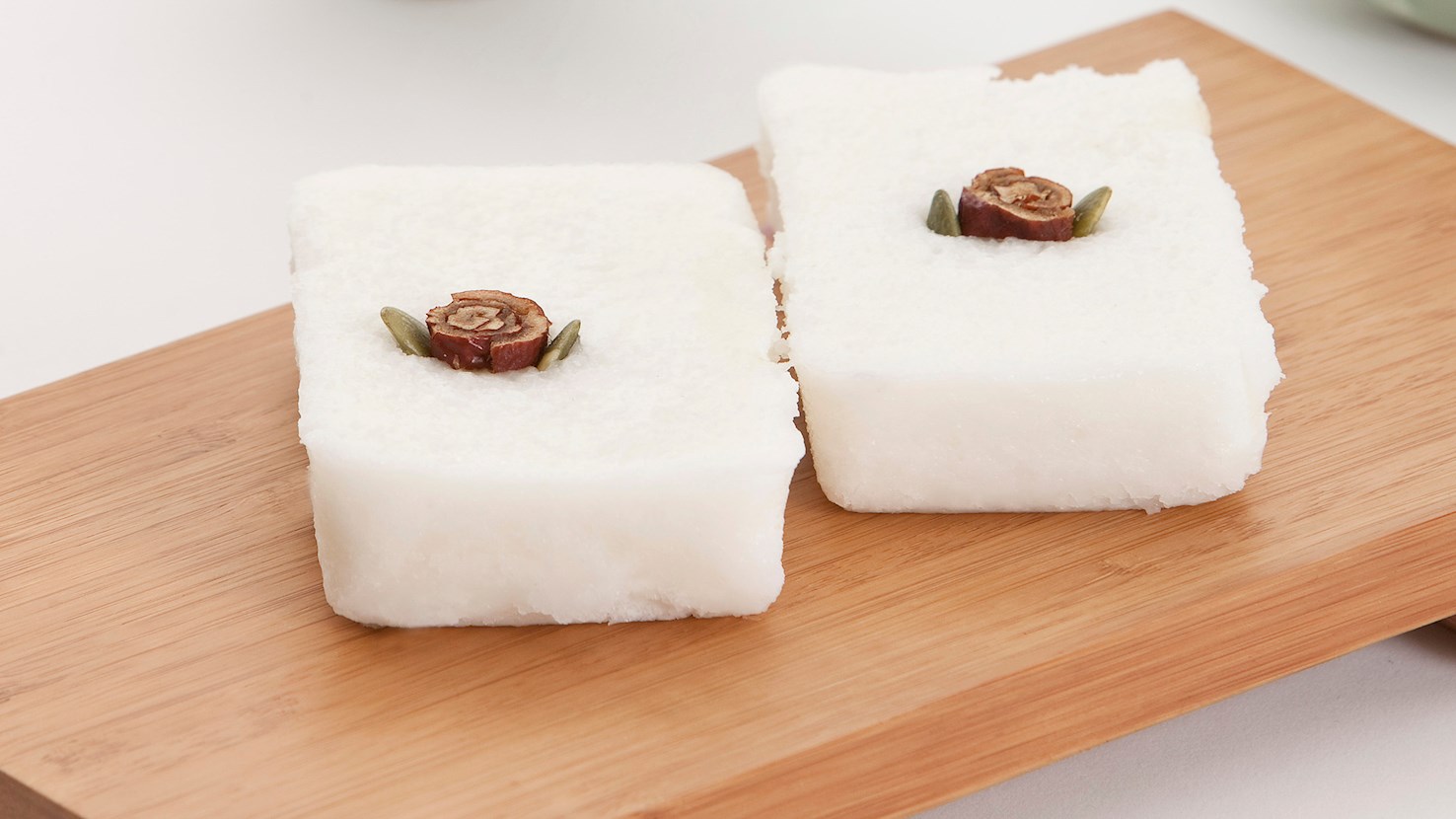
This traditional Korean rice cake is usually enjoyed on various special occasions. It is made with rice flour, sugar, water, and salt which are carefully combined and then steamed until the cake is light and chewy. Baekseolgi is always white, symbolizing purity and innocence, and because of that, it is usually made to celebrate one hundred days after a baby was born. Although it is traditionally served without garnishes, it is sometimes decorated with dry fruit or nuts.
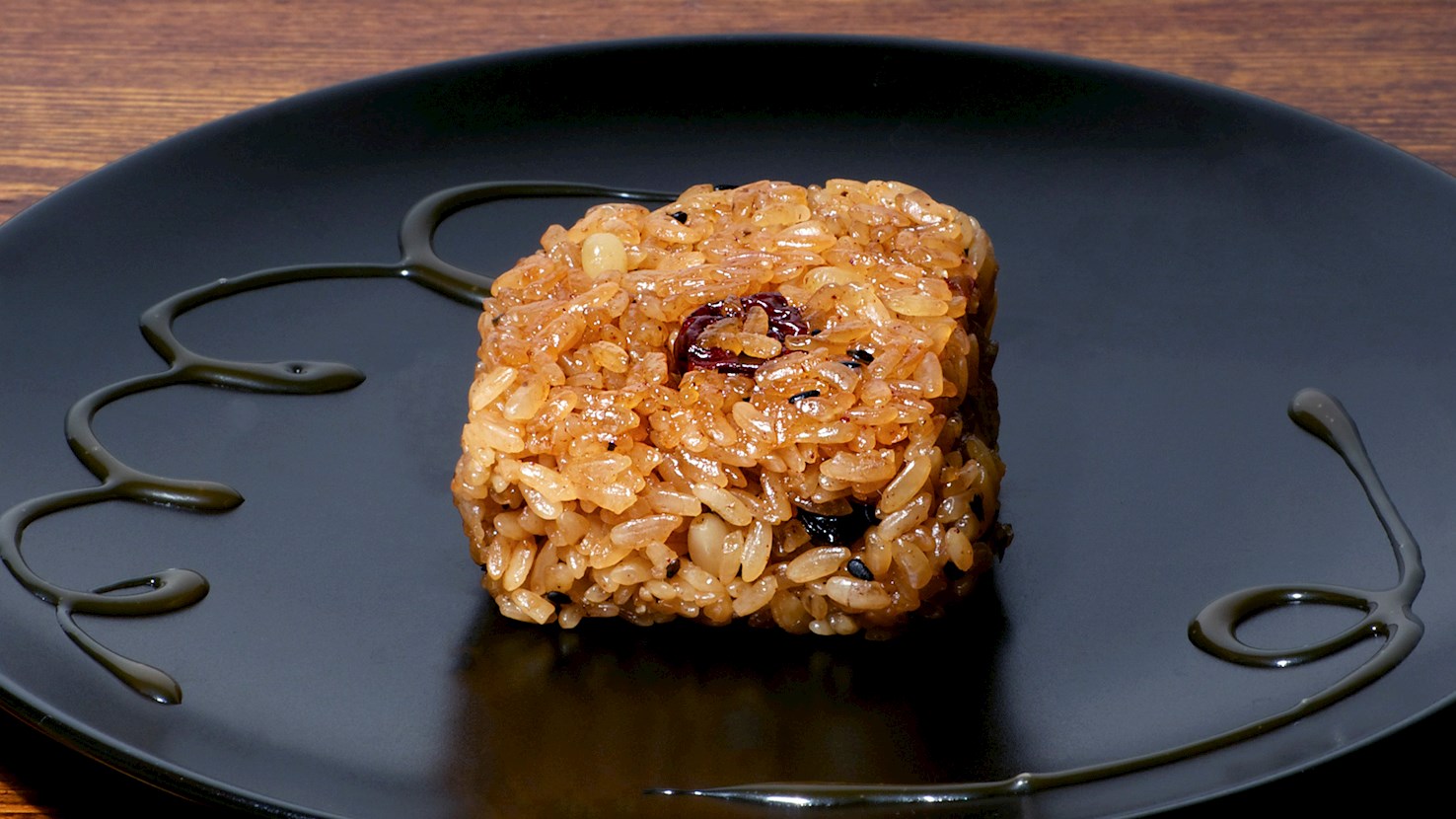
A common staple at every special occasion in Korea is a rich and sweet rice cake known as yaksik. It is made with a combination of steamed glutinous rice, honey, pine nuts, dried jujube fruit, and chestnuts. The dessert is infused with a dark brown sauce consisting of caramelized sugar, cinnamon, soy sauce, and sesame oil. The cake is then steamed until all the elements are bound and the sauce develops a more pronounced flavor. The sticky and warm yaksik is usually scooped with a spoon from the tray, and when chilled, it is easily cut into squares and can be eaten by hand.
TasteAtlas food rankings are based on the ratings of the TasteAtlas audience, with a series of mechanisms that recognize real users and that ignore bot,
nationalist or local patriotic ratings, and give additional value to the ratings of users that the system recognizes as knowledgeable.
For the “13 Tteok Varieties Ranked From the Best To the Worst” list until September 17, 2026, 804,807 ratings were recorded, of which 527,136 were recognized by the system as legitimate.
TasteAtlas Rankings should not be seen as the final global conclusion about food. Their purpose is to promote excellent local foods,
instill pride in traditional dishes, and arouse curiosity about dishes you haven’t tried.


What People Say