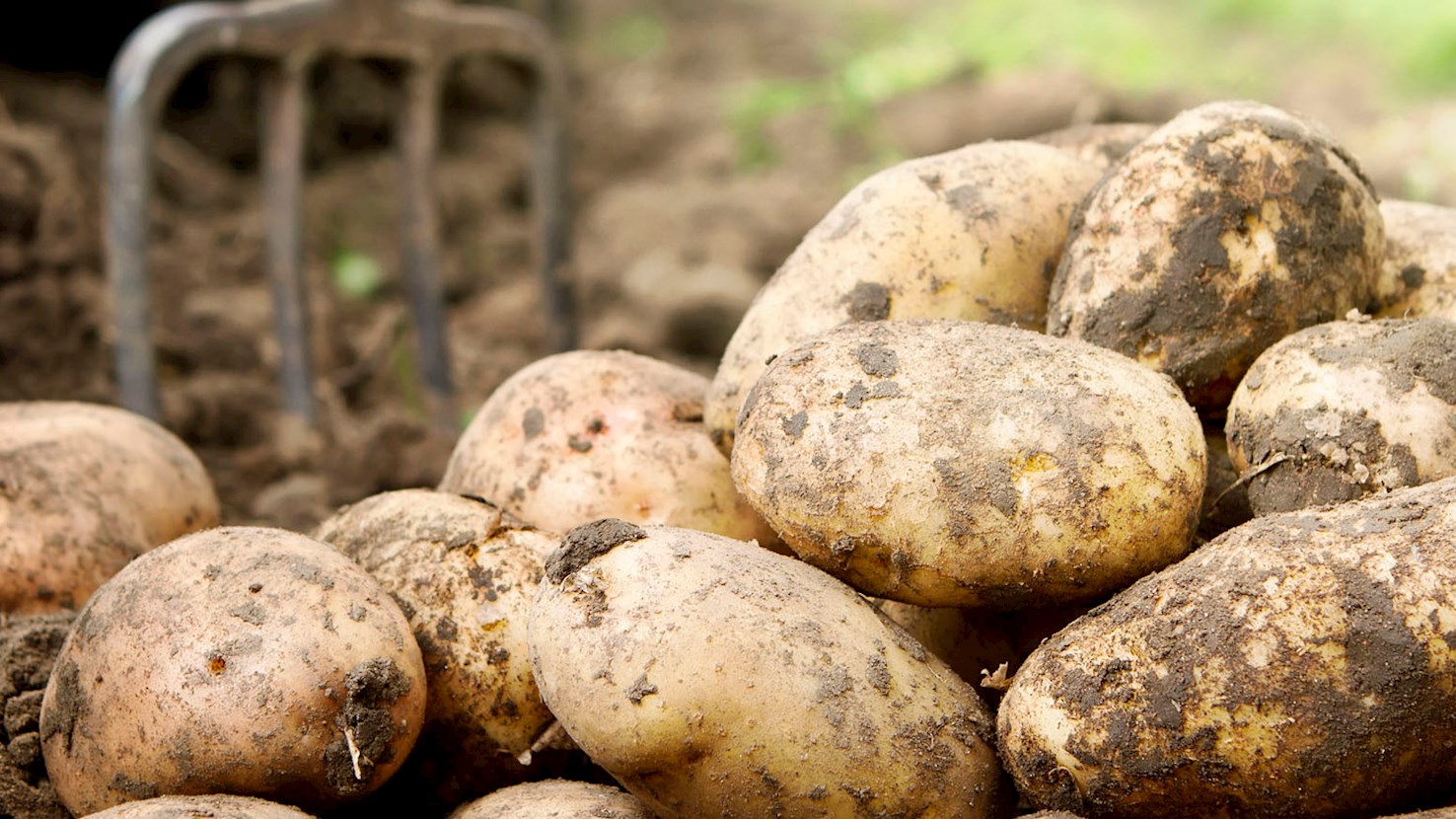
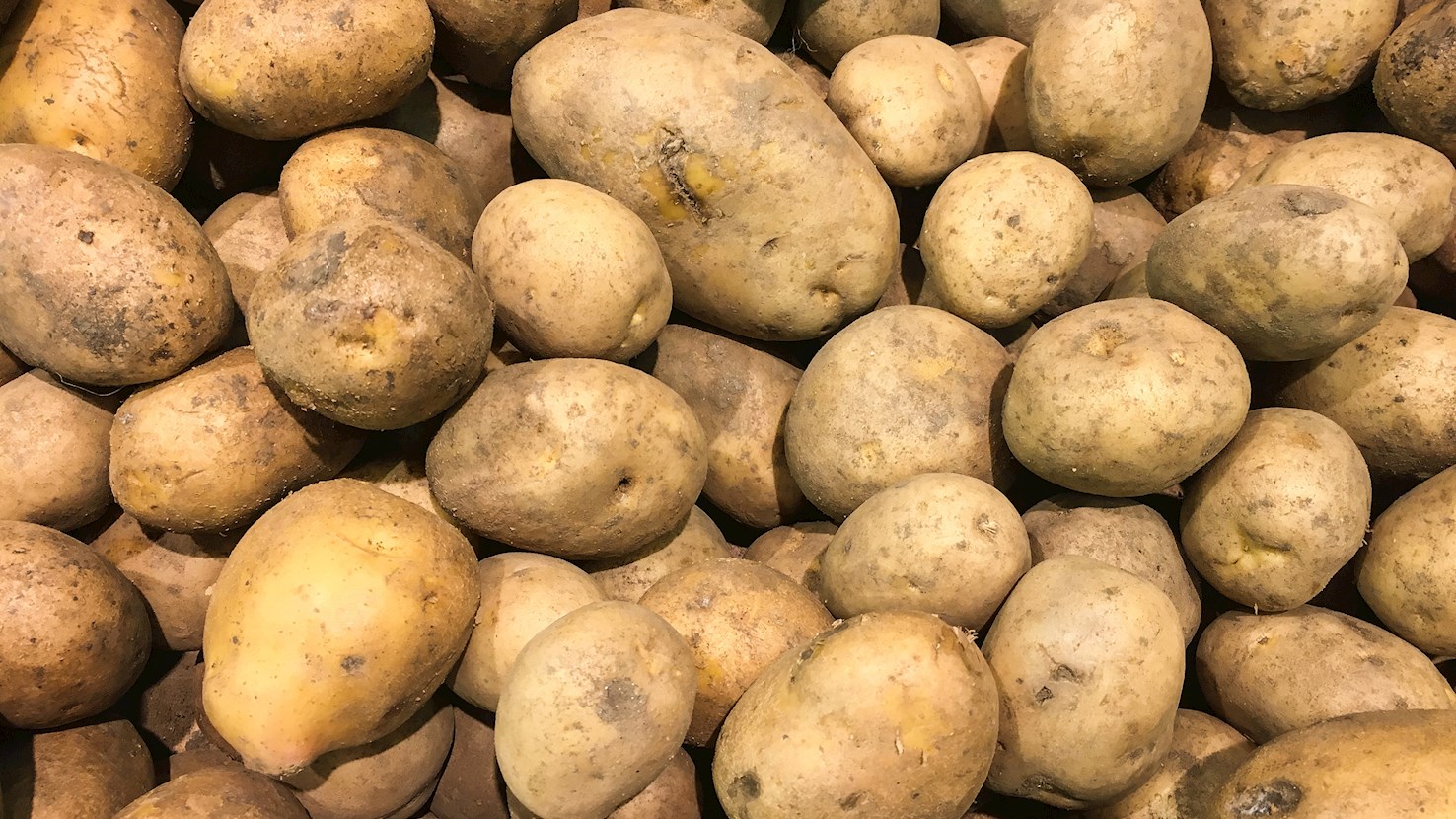
Potatoes from Lika differ from others in that they contain a higher percentage of dry matter. That means that this potato variety contains more starch, vitamins, minerals and fiber. Potatoes grown in Lika have yellow to brown skin and bright white to yellow meat. The taste of these potatoes is floury due to their high starch content, which also contributes to their ability to disintegrate if cooked for too long. The planting, earthing and extraction of potatoes must take place in the region of Lika, in southwestern Croatia.
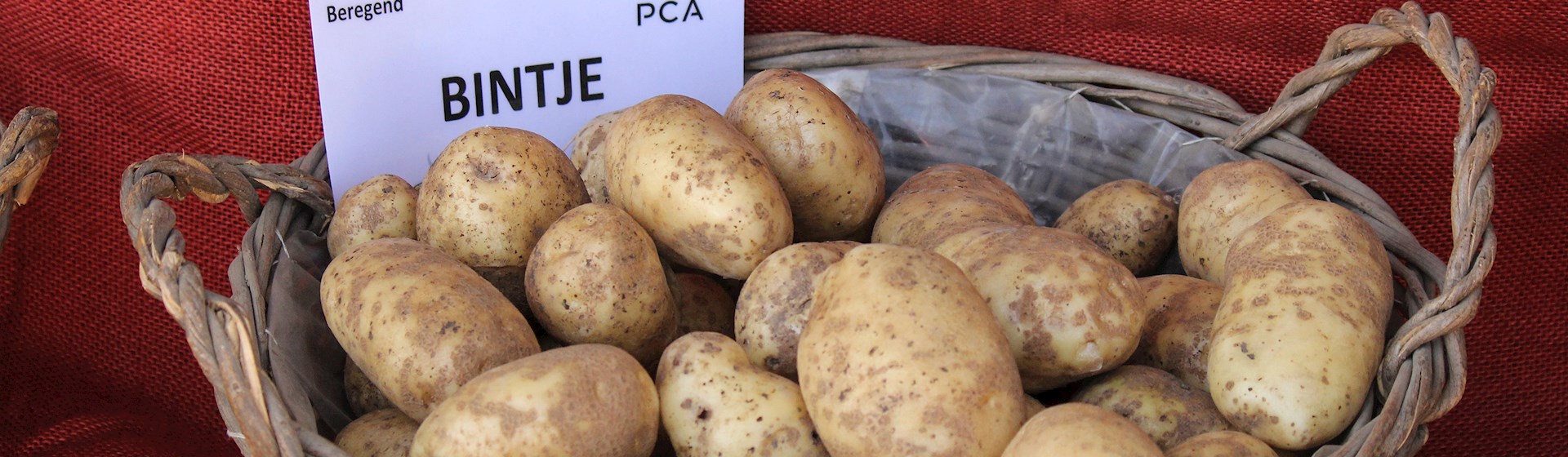
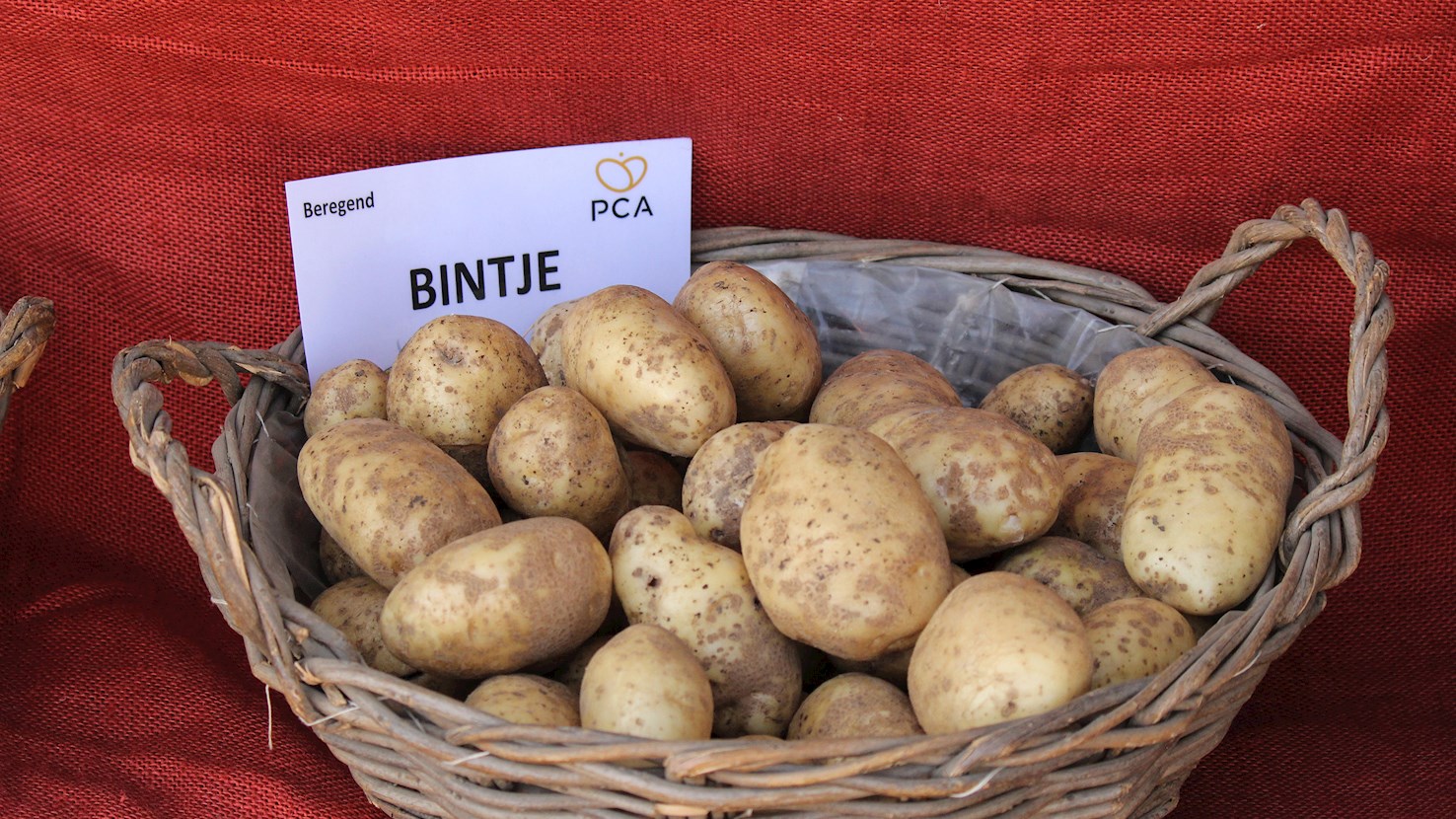
Bintje is a potato variety originating from the Netherlands, where it was bred by Kornelis Friesland in 1904 as a cross between Fransen and Munstersen. These tubers are small to medium in size and round in shape, with a golden skin and yellow flesh underneath. The skin also has a silk-like finish, while the flavor is often described as light, unique, and nutty. It's recommended to serve Bintjes roasted or as french fries.
Opperdoezer Ronde is a variety of yellow or white-fleshed potatoes. Even though it is not the prettiest looking potato, considering its irregular, oval shape, it is full of vitamins (B1, B2, B6, B11, C) and is valued by many chefs who prepare it boiled or fried, although the traditional way is to serve them boiled with creamery butter. The first potatoes are harvested at the beginning of May, and until the beginning of September, all the potatoes are harvested and then sold at auctions. Since this variety has a very delicate and thin skin, it is mainly harvested by hand in order to protect it. The potatoes are sorted into groups - above or below 35 millimeters. One can obtain the potatoes only in the summer and autumn, making it a valuable rarity in the potato world. The potatoes are cultivated on light sandy clay soil, with a particular composition of sulfur, around the village of Opperdoes in the Netherlands region of Noord-Holland, which is why they have such a distinctively rich and creamy taste, and a distinctively low starch content.
Germans eat more than 60kg of potatoes per capita a year. In Germany alone, farmers harvest approximately eleven million tons of potatoes per year, and almost every second German potato comes from Lower Saxony, the home of Lüneburger Heidekartoffeln. Since the mid-19th century, the Lüneburg Heath has been the largest potato-growing area in Germany. The potatoes grown in this region are known to be particularly tasty, and they are considered a regional specialty. Lüneburg Heath potatoes always have a bright, smooth skin and yellow flesh. They are available in following varieties: Belana, Gloria, Princess, and Linda.
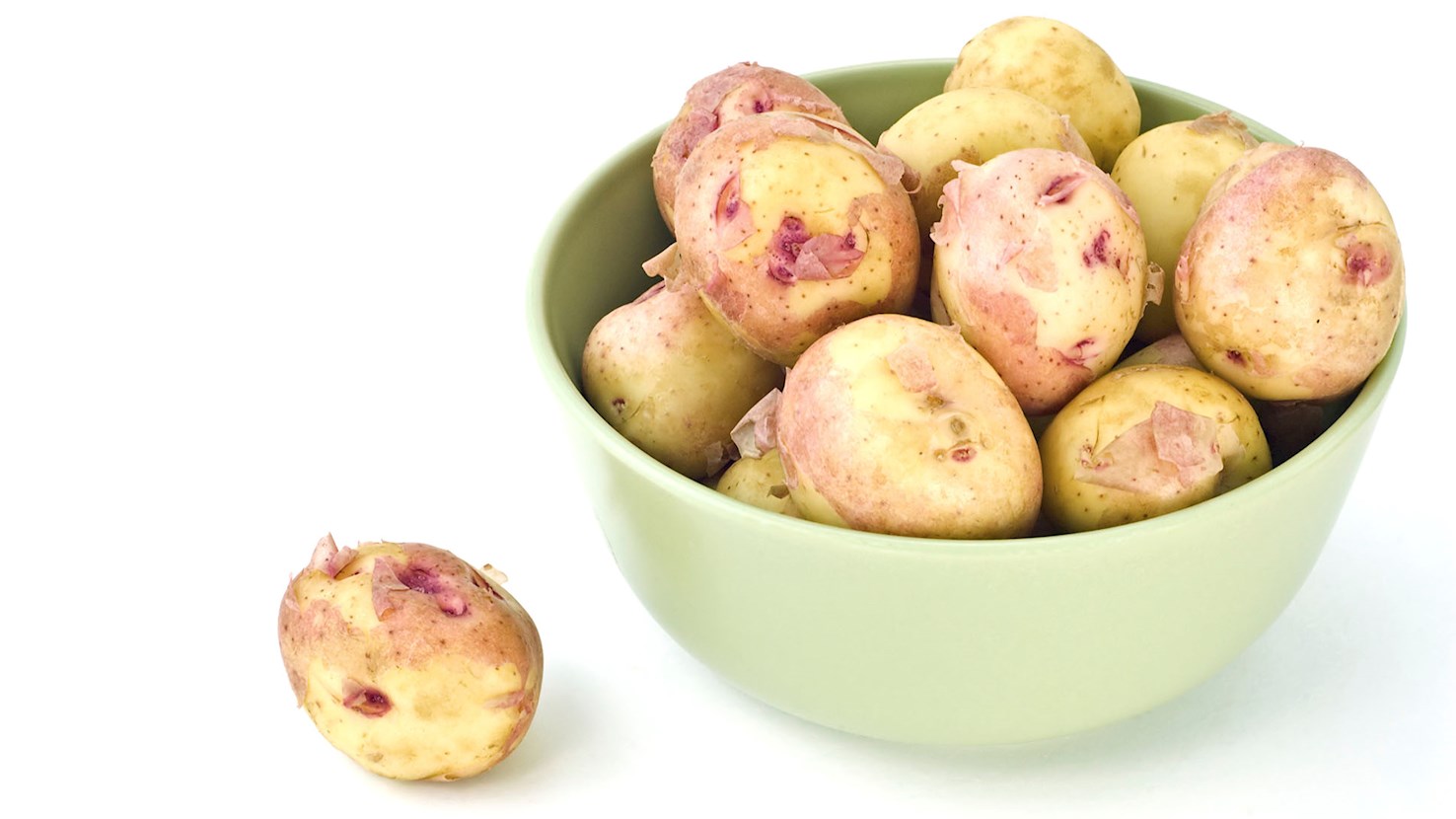
One of the most famous Belgian potato varieties, Plate de Florenville, is a waxy, low starch potato with pink hued skin and bright yellow flesh. These round to oval, slightly flattened potatoes are of highest quality, high-yielding and disease-free. Due to their intensely sweet flavour and firmess, the popular Florenvilles are most often skin boiled and used in salads. However, all across Belgium and Luxemburg, these delicious potatoes are an essential ingredient of many local dishes such as the simple roasted potatoes called Roustiquettes Gaumaises or Touffaye Gaumaise, a type of pork and potato hotpot.
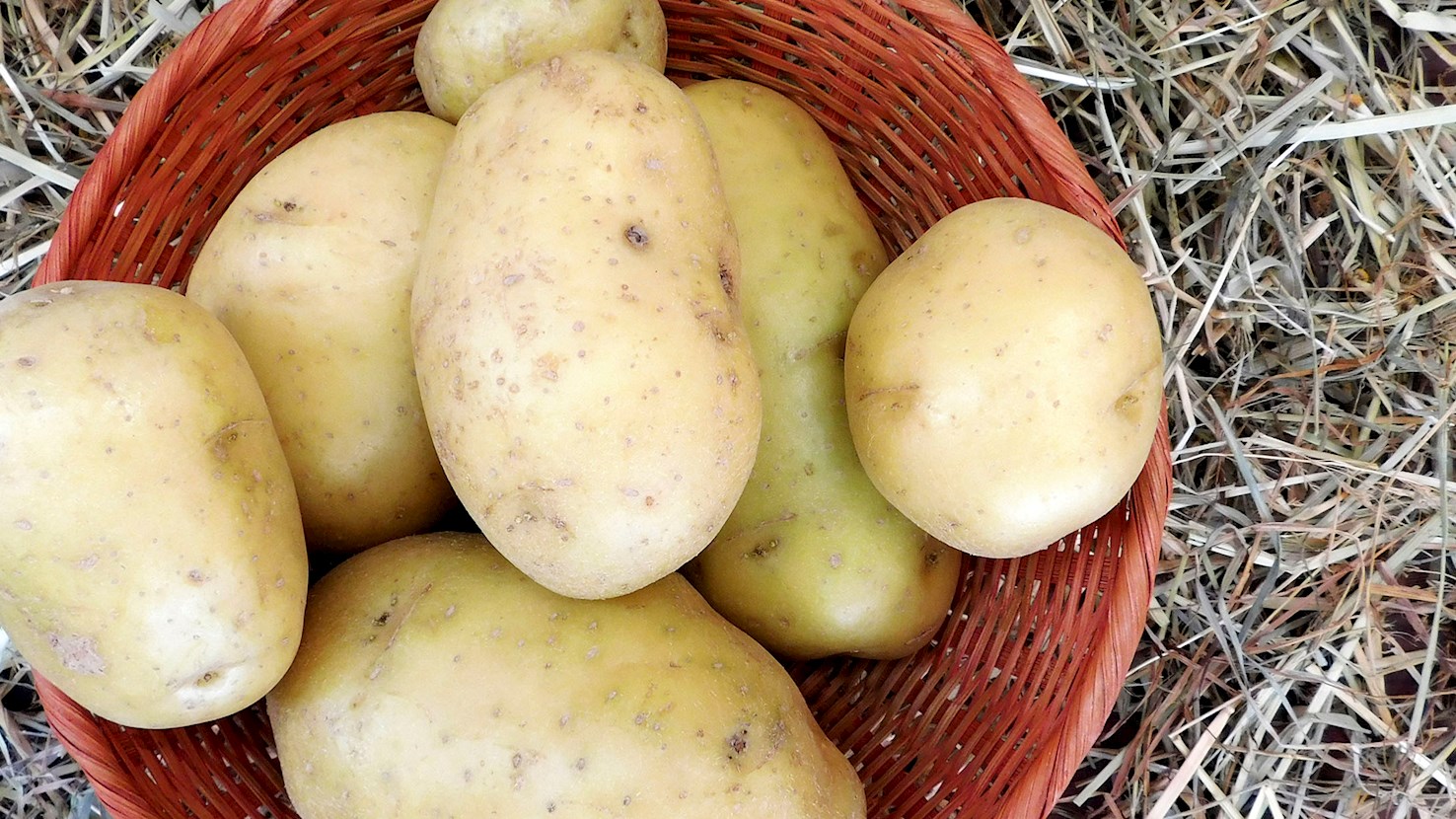
De Meerlander are an early-ripening variety of potato, with an oval, flattened shape, pale yellow skin and flesh and shallow eyes, usually harvested in September. When boiled, it doesn't change much in color, and it is also floury but not dense, due to its high dry matter content (around 20%). Its unique taste is velvety and mild, dry, slightly salty, but full-flavored. The potatoes are also highly resistant to disease, viruses, and internal damage. It is grown on the Haarlemmermeer polder in the Netherlands, surrounded by the Ringvaart canal, so the name of the potatoes stems from the name of the area. Packaged potatoes must have a printed PGI certificate logo and a specific coat of arms to prove its authenticity.
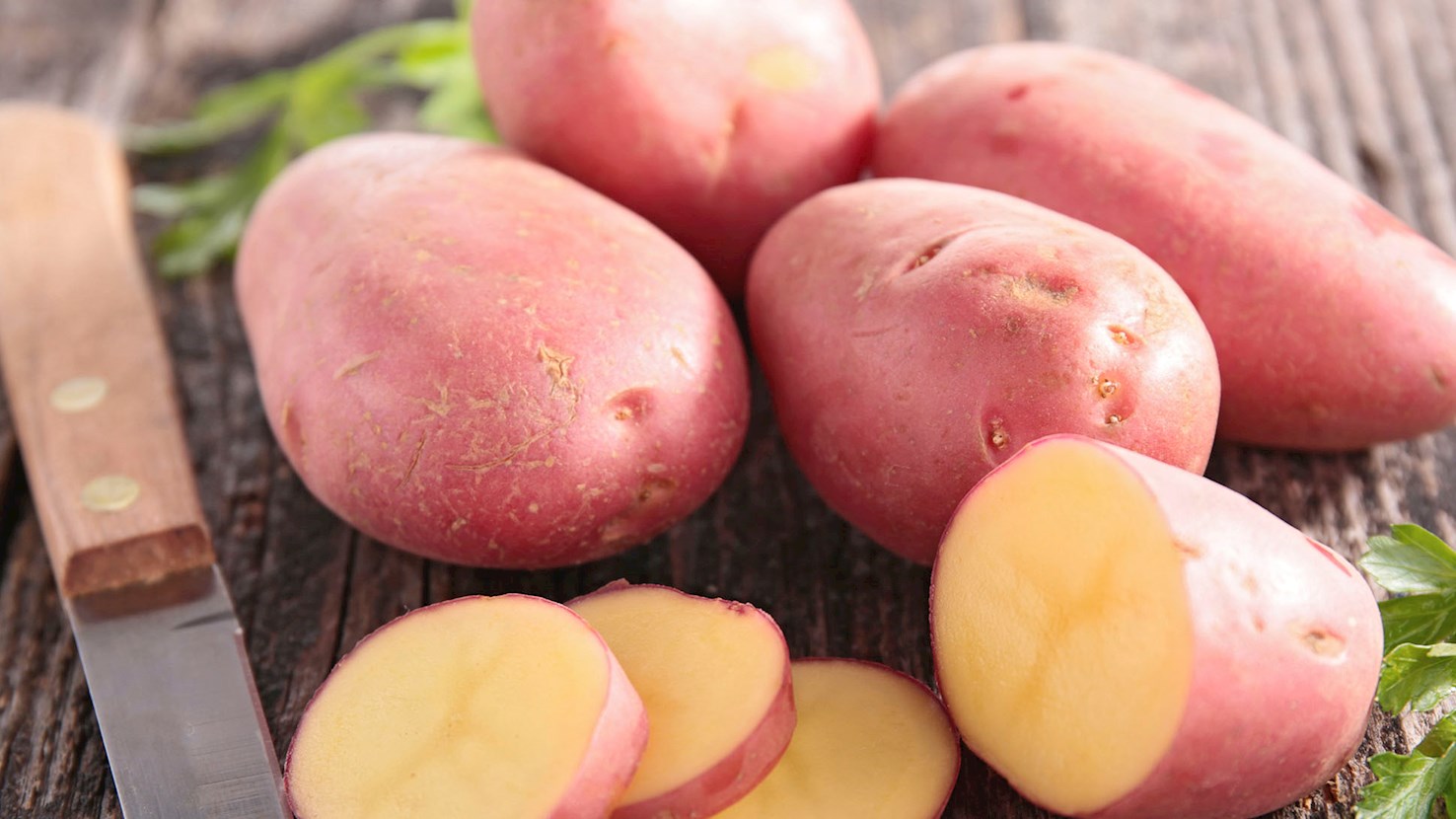
Desiree are potatoes that have been grown in the Netherlands since 1962. They have a smooth red skin and light yellow flesh underneath. The texture is firm and creamy, making them ideal for mashed potatoes or cooking in sauces. The potatoes are on the larger side, usually elongated and oval. They can also be cut into wedges and fried, baked, or roasted, which is why the Desiree variety is sometimes used for fish and chips.
Lungauer eachtling refers to a type of potato that is cultivated in the Lungau region of Salzburg, Austria. The "eachtling" is a term used in some parts of Austria, particularly in the state of Salzburg, which means potato. The Lungau region is recognized for its organic farming, and the Lungauer eachtling is particularly noted for its high quality. This potato variety is rich in starch, high-quality proteins, and mineral. These potatoes are often used in traditional Austrian dishes, including various types of potato salads, dumplings, and roasts.
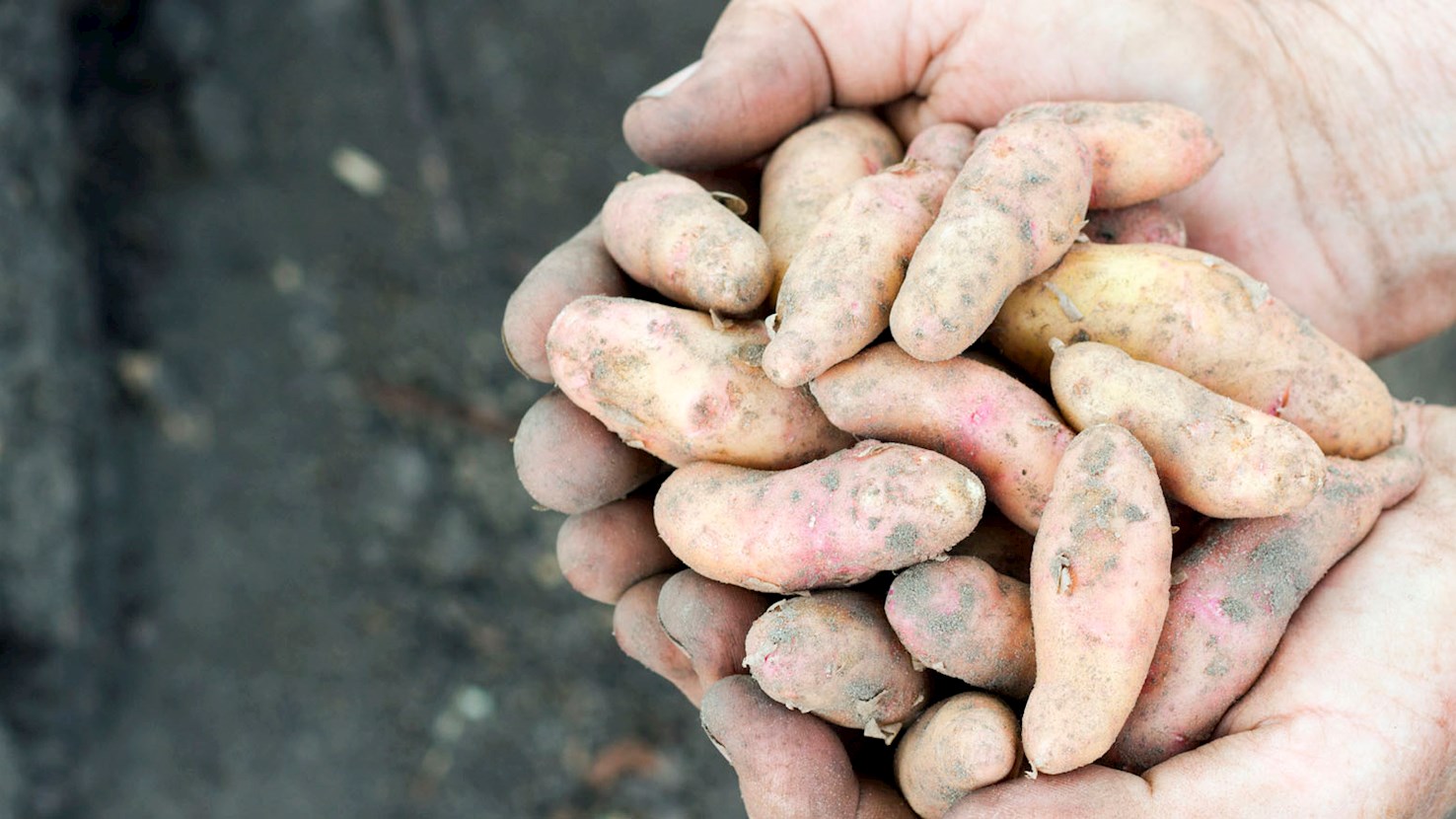
This old variety of potato originated in the German region of Franconia, where it has been grown since the late 19th century. These waxy, almost nutty flavored potatoes are small and have an elongated shape. Potatoes of the Bamberger Hörnla variety are particularly well suited for potato salads, and outside of Franconia they can only be found in gourmet shops or health food stores.
TasteAtlas food rankings are based on the ratings of the TasteAtlas audience, with a series of mechanisms that recognize real users and that ignore bot,
nationalist or local patriotic ratings, and give additional value to the ratings of users that the system recognizes as knowledgeable.
TasteAtlas Rankings should not be seen as the final global conclusion about food. Their purpose is to promote excellent local foods,
instill pride in traditional dishes, and arouse curiosity about dishes you haven’t tried.








What People Say