

shutterstock

Top 8 Italian Tubers

Last updated on June 05, 2026
01

Patata della Sila

4 ·

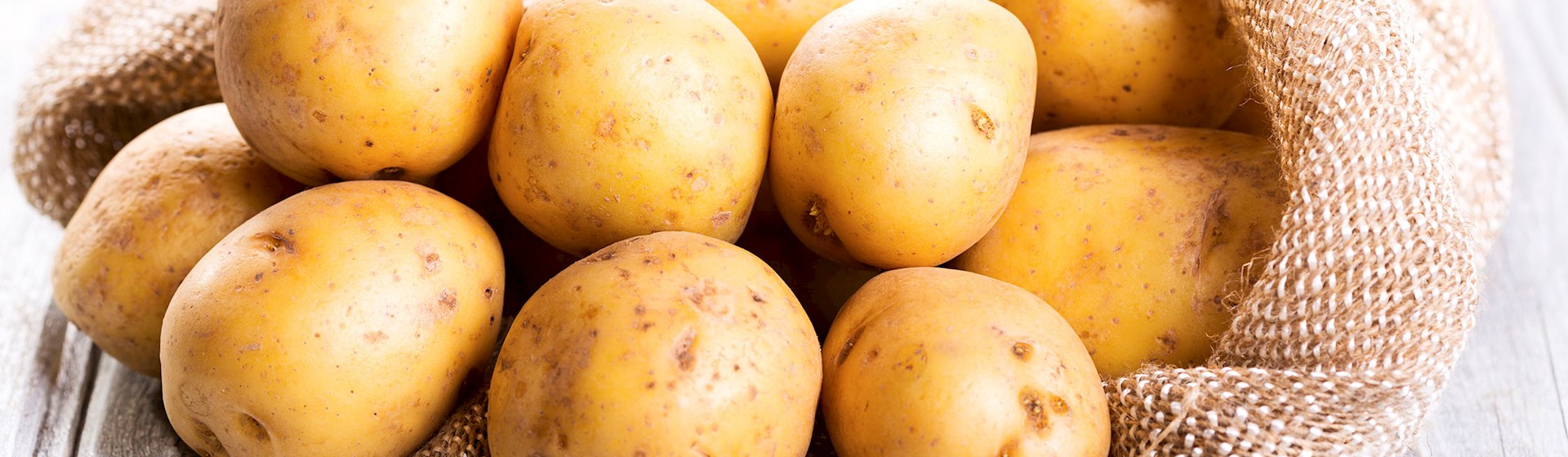
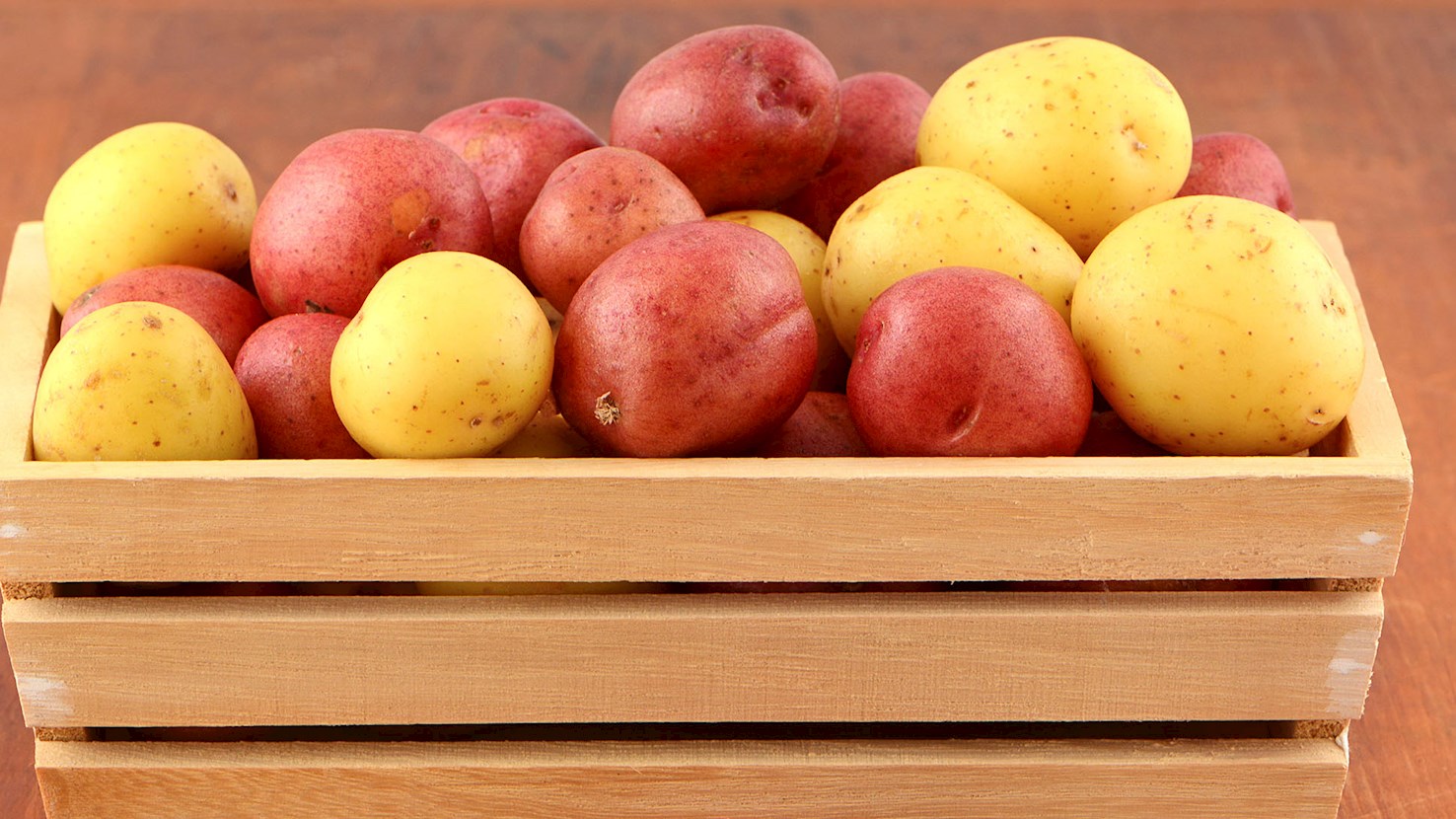
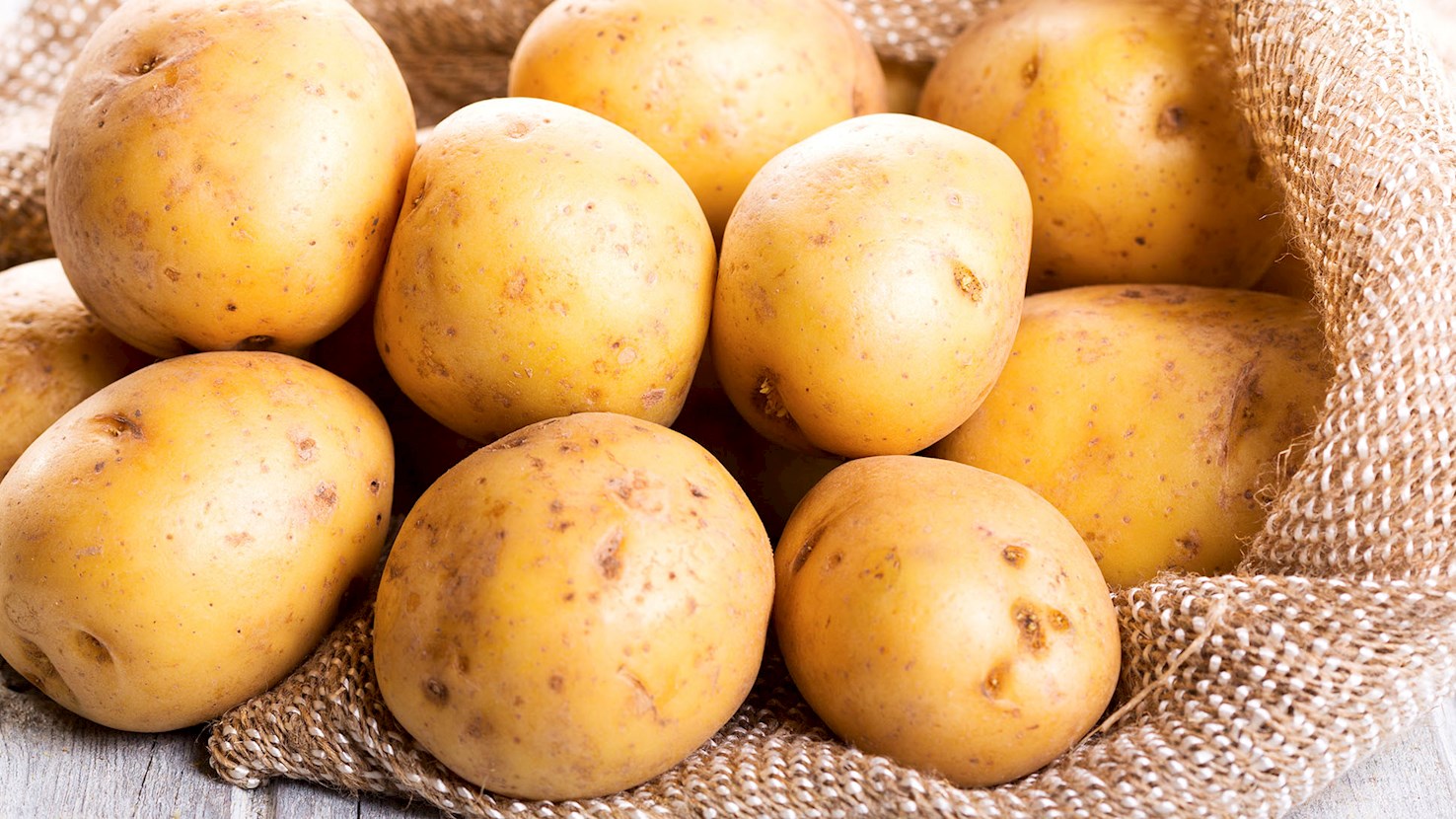
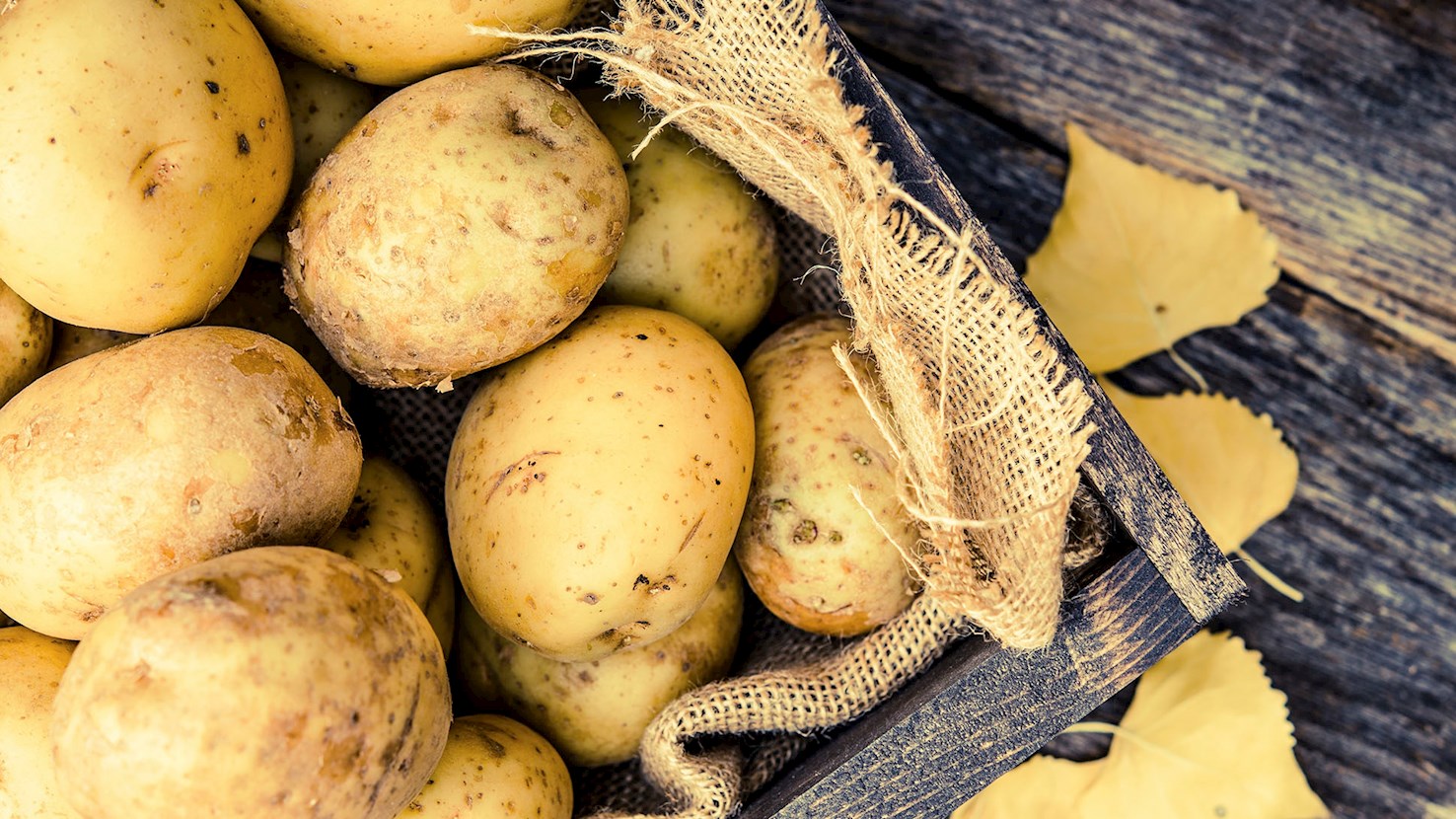
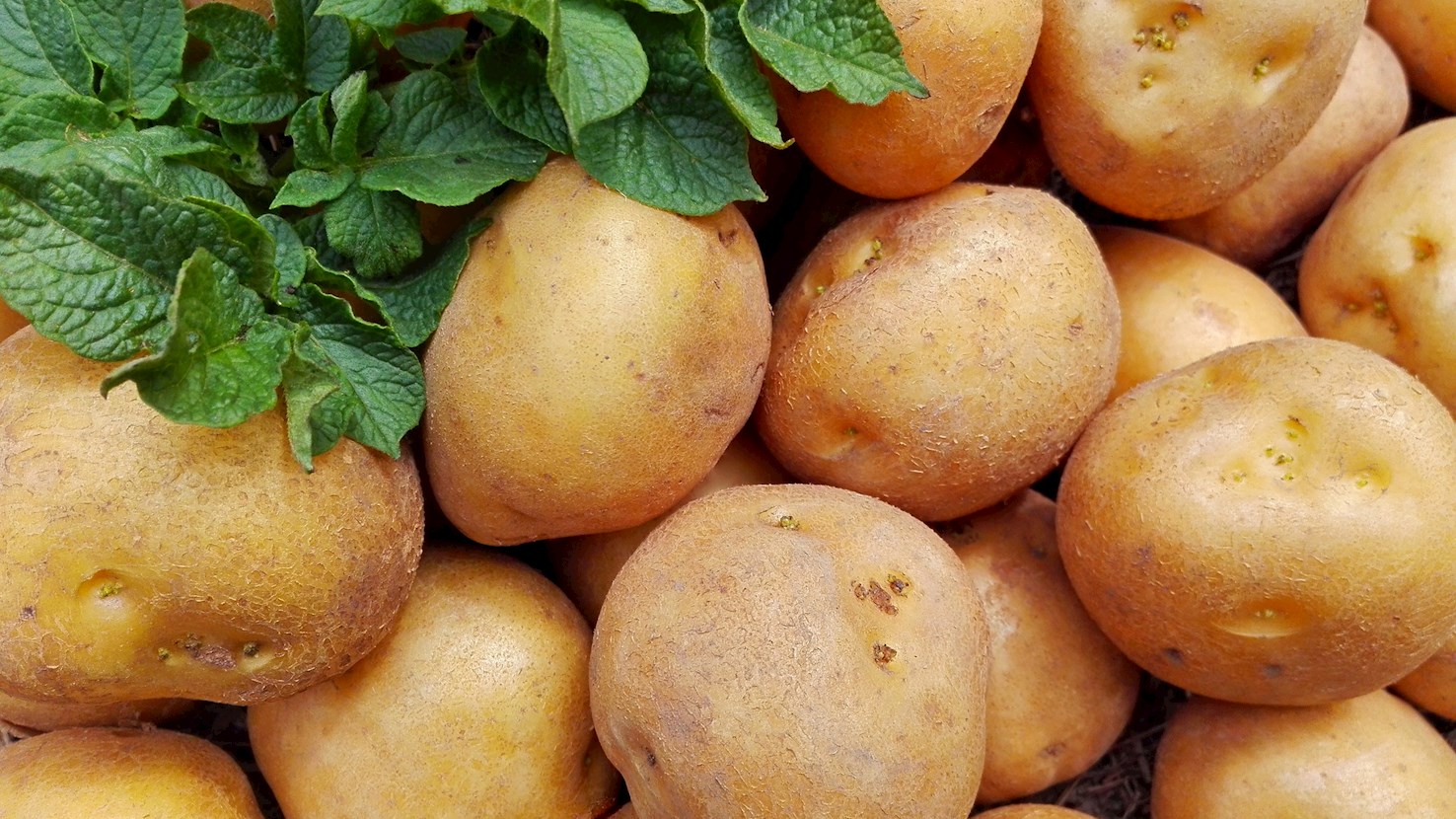
Named after La Sila, a mountainous plateau located in Calabria, Patata della Sila refers to potatoes of the Agria, Ditta, Marabel, Nicola, Majestic and Desirèe varieties, grown within the provinces of Cosenza and Catanzaro. The composition of the fertile soil of the Sila plateau together with favorable climate conditions result in high-quality tubers with an extremely long shelf-life. Sila potatoes are easily distinguished by appearance: Agria, Ditta, Marabel and Nicola varieties have yellow skin and flesh; Majestic has yellow skin and white flesh, whereas the Desirèe variety has maroon red skin and yellow flesh. Thanks to the high content of dry substance, Agria is ideal for frying, while Desirèe is ideal for making gnocchi, and Ditta potatoes are most often used for roasting and boiling. The Majestic variety is excellent for making mashed potatoes, while Nicola is best steamed or oven-baked.

02

Patata del Fucino

3.9 ·

Grown in the fertile plains of the Fucino Plateau, Patata del Fucino is a potato cultivar whose overall quality is directly influenced by the composition of the soil, irrigation and micro-climate of the designated area. The potatoes are planted in the spring, and harvested in late summer or early autumn when they are fully ripe. Patata del Fucino is characterized by firm flesh that does not easily yield to pressure; its skin does not separate from the flesh; it shows no signs of after-cooking blackening, and it has a very pleasant flavor. These qualities are maintained even after months of storage. The Fucino potatoes are available in several varieties: Agata, Agria, Labella, Laura, Majestic, Sirco, Tonda di Berlino and Universa.

03

Patata dell’Alto Viterbese

n/a ·

Cultivated since the 1970s, Patata dell’Alto Viterbese refers to potatoes of the Amber, Monalisa, Agria and Agata varieties, grown within the province of Viterbo in the fertile, mineral rich volcanic soils north of Lake Bolsena. Having a particularly high content of calcium, potassium and vitamin C, potatoes from northern Viterbo are prized both locally and across the country. Amber and Monalisa varieties are known to be suitable for all uses, although they are most often used for oven-baking and making gnocchi. Thanks to the elevated presence of dry matter, the Agria variety is most suitable for deep-frying and Agata is ideal for steaming and making croquettes or mashed potatoes.

04

Patata Rossa di Colfiorito

n/a ·

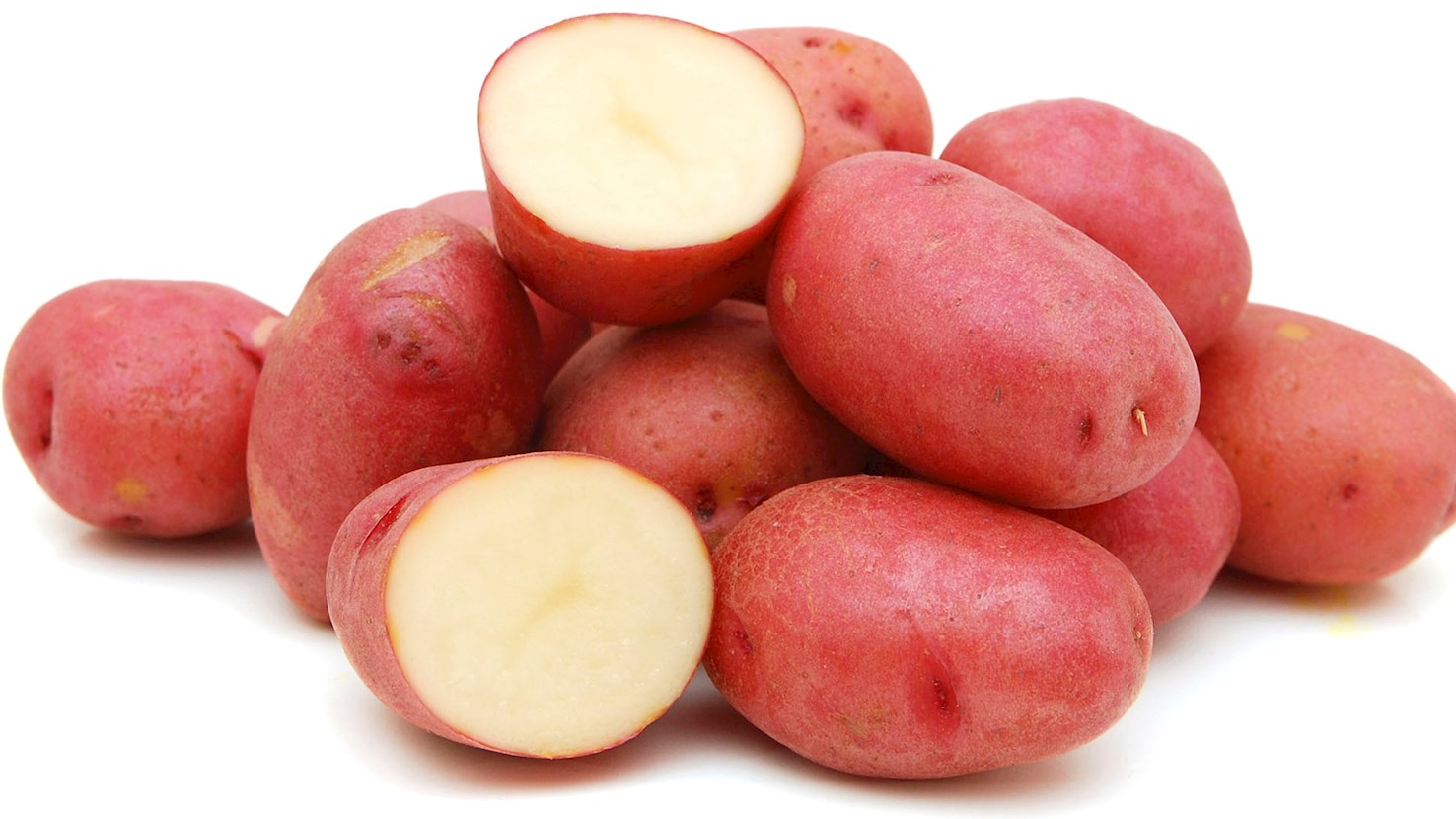
Named after one of the plateaus of the Umbrian-Marchigian Apennines, Patata Rossa di Colfiorito refers to red potatoes of the Desirée variety grown within the neighboring provinces of Perugia and Macerata at an altitude of at least 470m above sea level, where they thrive in the siliceous soils of the designated cultivation area. Colfiorito potatoes are fairly waxy, firm and hold their shape which makes them suitable for all methods of cooking. In Umbria and Marche, they are used for making gnocchi which are typically served with mutton ragù. Also, a good opportunity to discover another way these flavorful potatoes are prepared is the annual Patata Rossa di Colfiorito fair, which takes place every August.

05

Patata di Bologna

n/a ·

Named after its province of origin, Patata di Bologna refers to potatoes of the Primura variety grown in the fertile, alluvial soils rich in potassium, phosphorus and nitrogen, which together with the rainy climate of the area provide ideal conditions for the cultivation of these tubers. Bologna potatoes are characterized by their fine-grained, dense flesh that holds its shape when cooked, a delicate flavor and long shelf life. Patata di Bologna is ideal for preparing various potato salads, soups and stews, but can also be roasted and baked.

06

Patata Turchesa (Turchesa Potato)

n/a ·

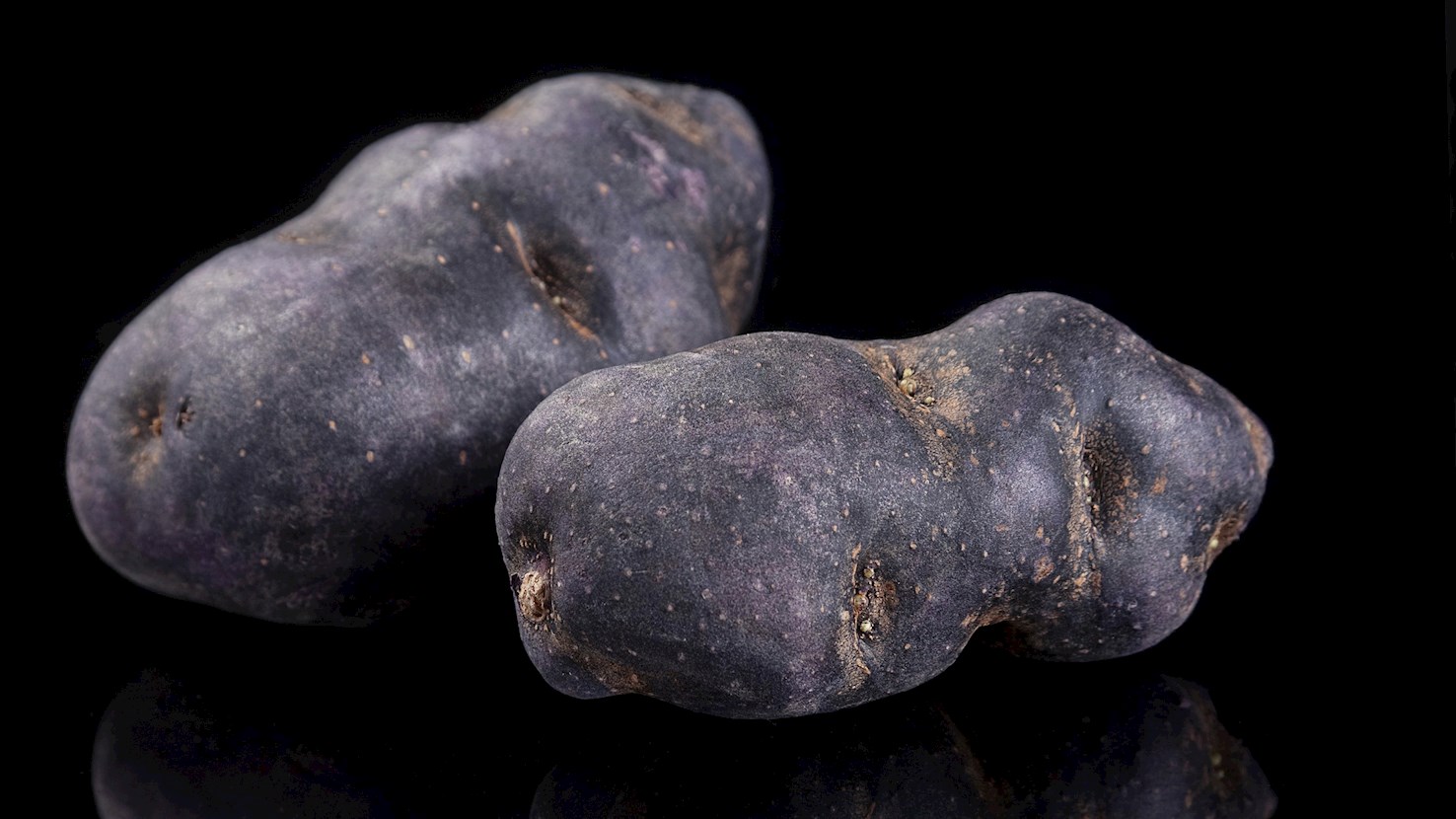
Patata Turchesa is a traditional potato variety originating from Abruzzo. Harvested from August to October, this unusual purple potato grows at high altitudes and has dark purple skin and white flesh. The flesh has low water content and medium density and granularity, which is the reason why it's so versatile and can be cooked in many ways. It's most commonly used to make soups and gnocchi. The shape is lumpy and irregular, with many deep eyes. In the past, Turchesa potatoes were stored in caves and underground spaces after the harvest, ensuring its availability throughout the year. These potatoes are easy to digest, with many anti-age and antioxidant properties.

07

Patata di Zapponeta

n/a ·

Patata di Zapponeta is a firm, medium-sized potato variety rich in starch, proteins, and sugars. It is grown in the Apulian commune of Zapponeta, also renowned for their onions and carrots. The cultivation takes place in two phases. The young potatoes called primaticcia are grown first - planted during January and February, they are harvested between April and May. Half of the primaticcia is then used for the second phase, during August and September, when the so-called bisestile, or old potatoes, are produced. Interestingly, the primaticcia potatoes can be enjoyed raw and they are often served sliced in salads. The bisestile are, like common potatoes, mostly used for cooking - the best way to try all the possible recipes is in early July, when a festival dedicated to these potatoes is held in Zapponeta.

08

Patata Novella di Galatina

n/a ·

Named after a small town in the province of Lecce, Patata Novella di Galatina refers to an early potato variety grown along the Apulian coast of the Ionian Sea and Salento, the area known as the 'heel of the Italian boot'. Due to significant differences in the microclimate conditions of the cultivation area, Galatina potatoes of Salento are harvested between March and June, while the ones grown on the Ionian coast ripen from May to mid-July. They are characterized by a lower content of starch and dry matter, and a particularly delicate flavor. Galatina potatoes are ideal boiled and used for preparing various salads, but they can also be enjoyed fried or roasted.

Read more
View all
View map
About this ranking

TasteAtlas food rankings are based on the ratings of the TasteAtlas audience, with a series of mechanisms that recognize real users and that ignore bot, nationalist or local patriotic ratings, and give additional value to the ratings of users that the system recognizes as knowledgeable. For the “Top 8 Italian Tubers” list until June 05, 2026, 48 ratings were recorded, of which 27 were recognized by the system as legitimate. TasteAtlas Rankings should not be seen as the final global conclusion about food. Their purpose is to promote excellent local foods, instill pride in traditional dishes, and arouse curiosity about dishes you haven’t tried.

Similar lists