



shutterstock

Top 18 South American Tubers

Last updated on June 24, 2026
01

Papa criolla

4.2 ·

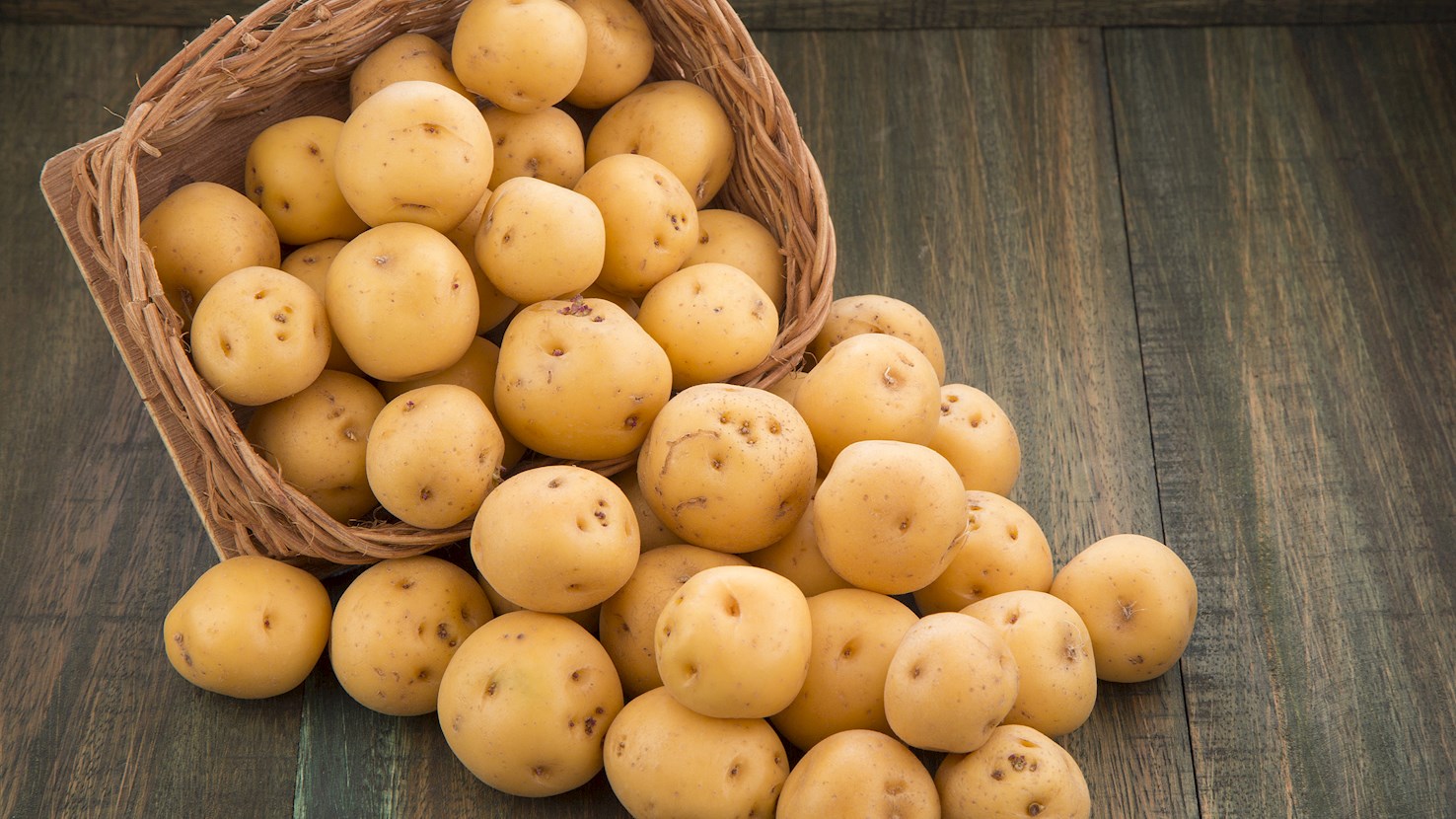
Papa criolla is a potato variety that's native to South America and it's especially popular in Colombia. These tubers are small in size, similar to a golf ball. The flesh is yellow to dark yellow, an indication of high lutein and zeaxanthin content. The Colombian papas criollas grow wild in the highlands of the Andes. The skin is thin and tender. These potatoes are often used in traditional dishes such as ajiaco soup, but they are also roasted, fries, boiled, mashed, or even skewered and grilled.

02

Papa pastusa (Pastusa potatoes)

4 ·

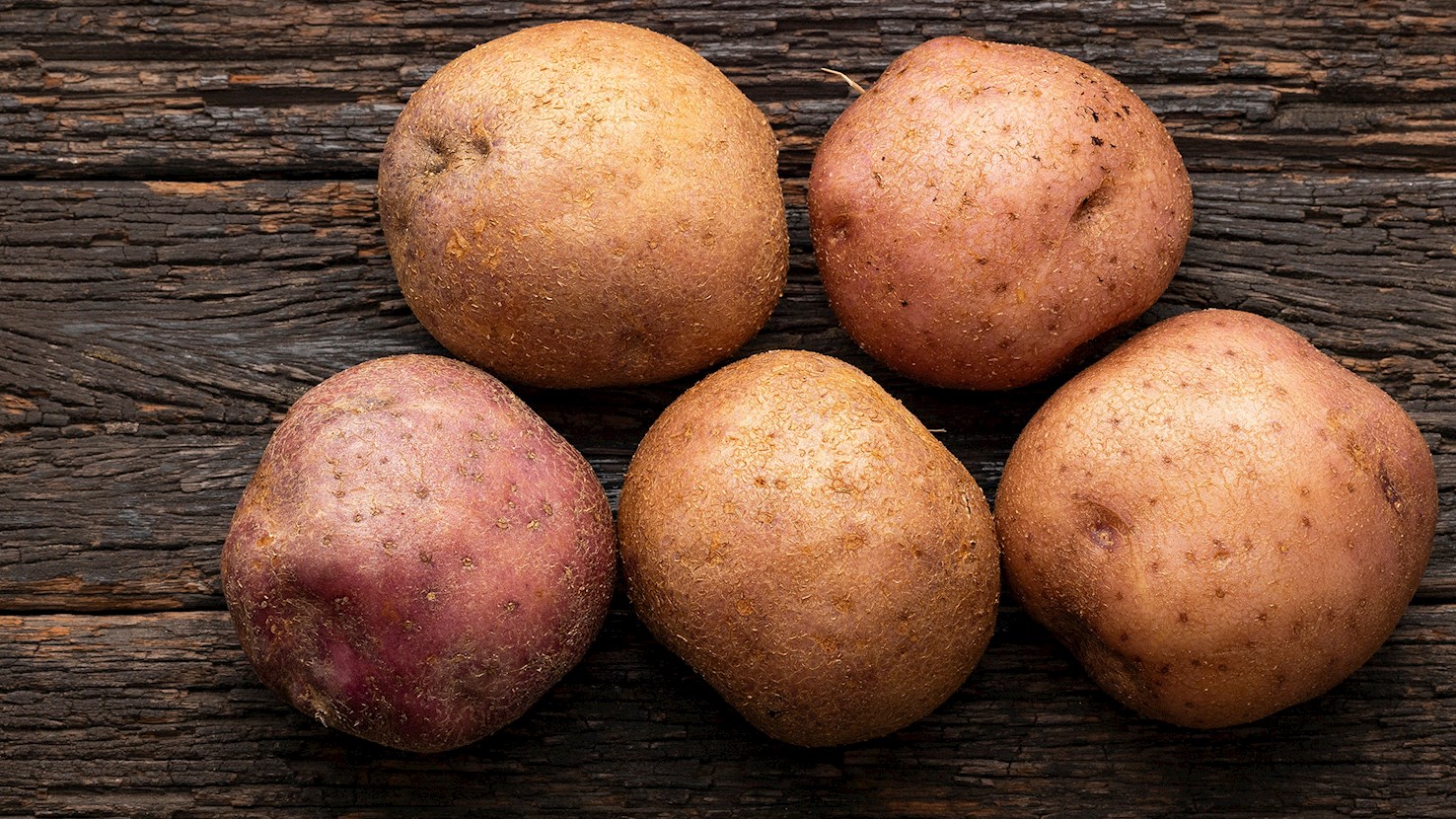
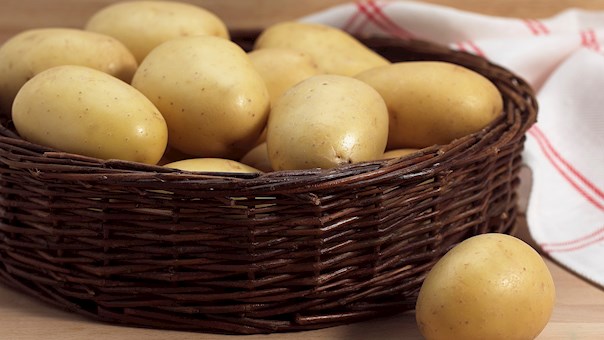
Papa pastusa is a potato variety that's native to Colombia. These tubers have yellow or dark yellow skin without spots. The flesh is yellow in color, and the texture is soft and starchy. The potatoes are usually oval in shape, and when cooked, it easily becomes very tender, which is why it's used in a traditional soup called ajiaco. These versatile potatoes are also often used to make french fries and mashed potatoes. They're grown in all the potato-growing regions in Colombia.

03

Cassava

3.9 ·

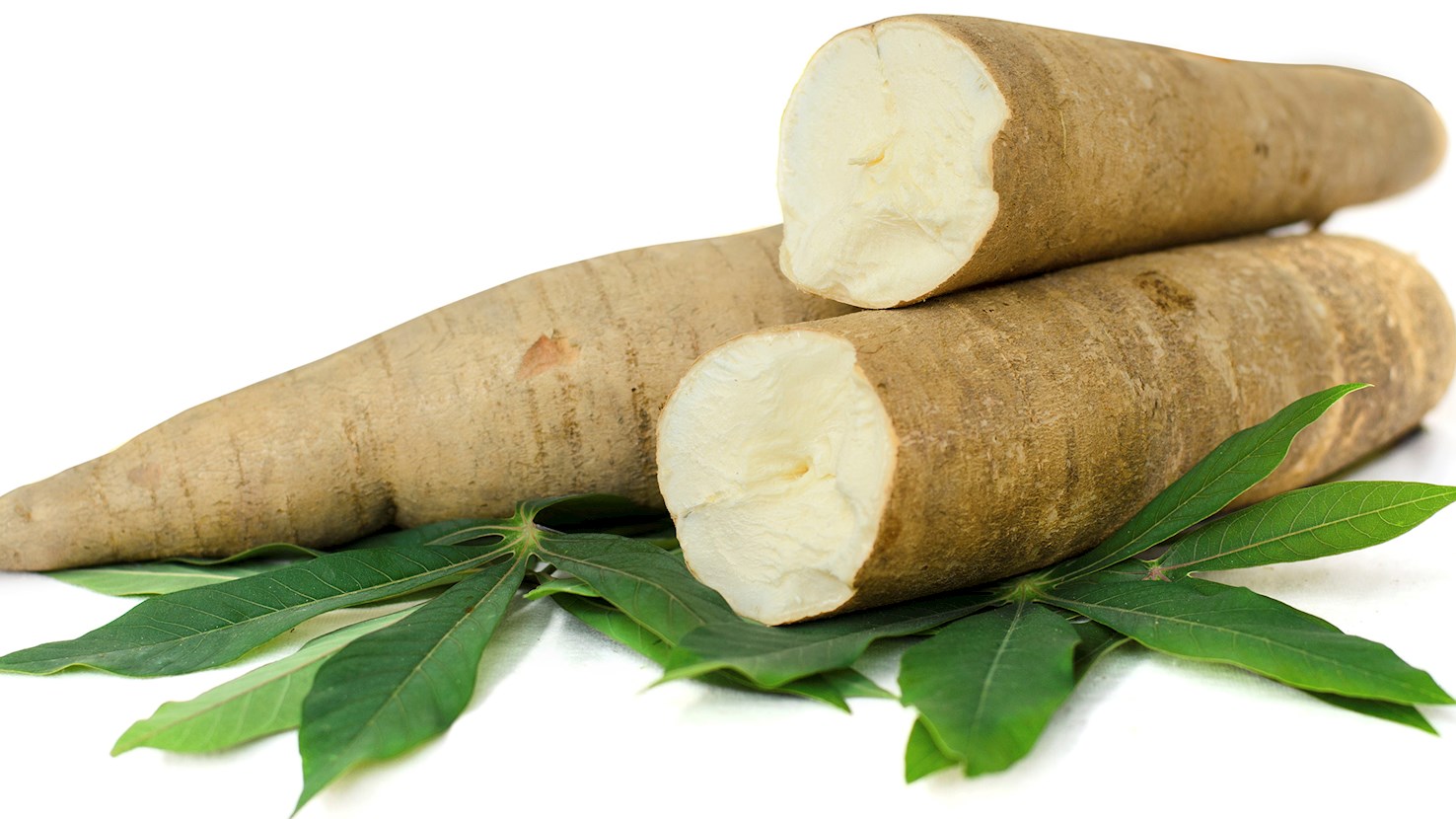
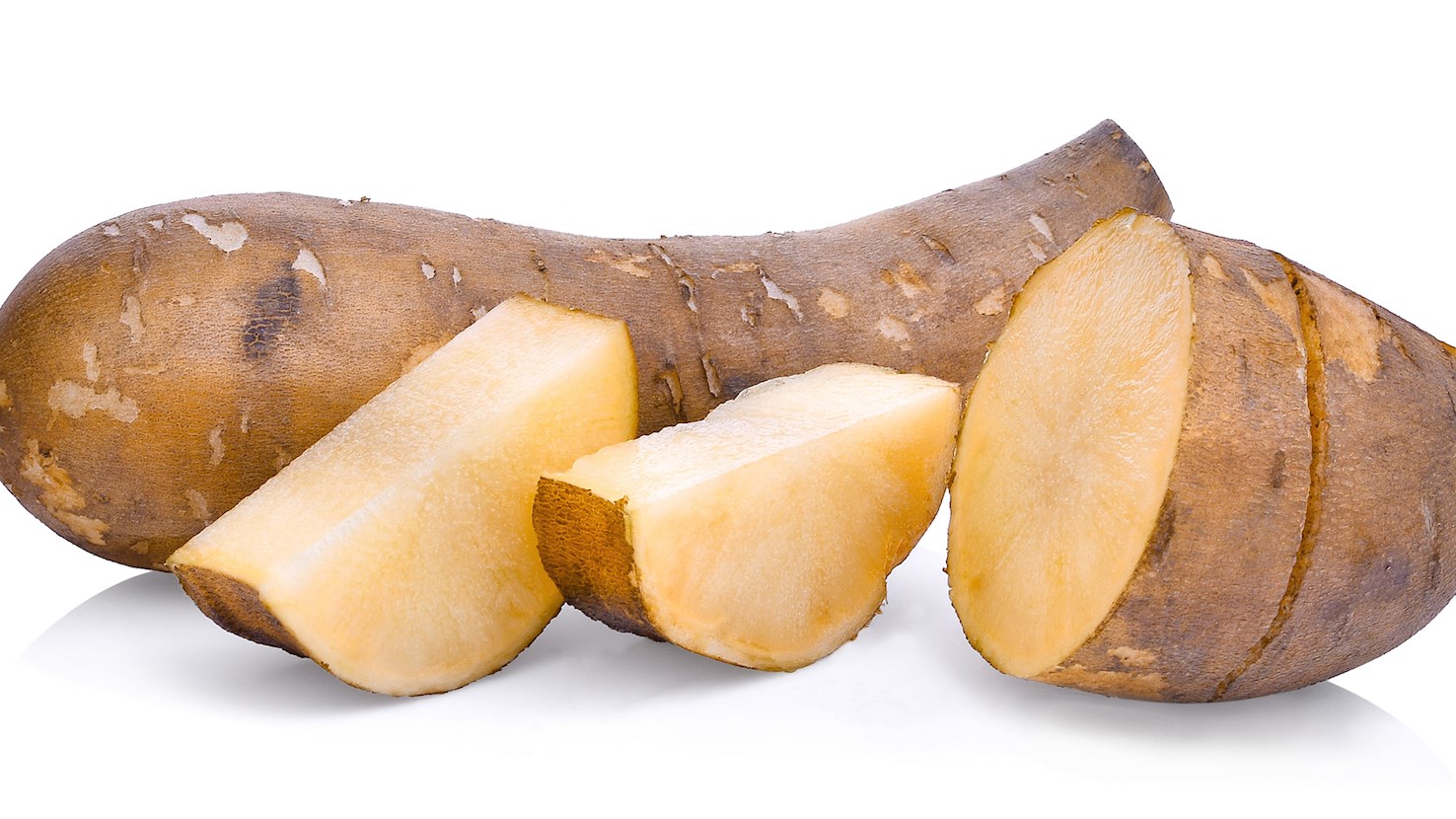
Cassava is a woody shrub native to Brazil and the tropical areas of the Americas. It is widely cultivated throughout Latin America and the Caribbean, and it is often praised for its edible, starchy tuberous root, which is a great source of carbohydrates. The root has a brown, fibrous exterior, and white flesh on the interior. It is a staple food of the native Arawak population, especially when prepared in the form of cassava bread. The root is truly a versatile ingredient as it can be boiled, steamed, grilled, fried, mashed, baked, or added to various stews. When dried into a powder, it is known as tapioca, which is an ingredient that is often used in the preparation of desserts. Cassava root is usually served with meat, sprinkled with lime juice, pepper, and salt.

04

Quebrada de Humahuaca Andean Potatoes

3.9 ·

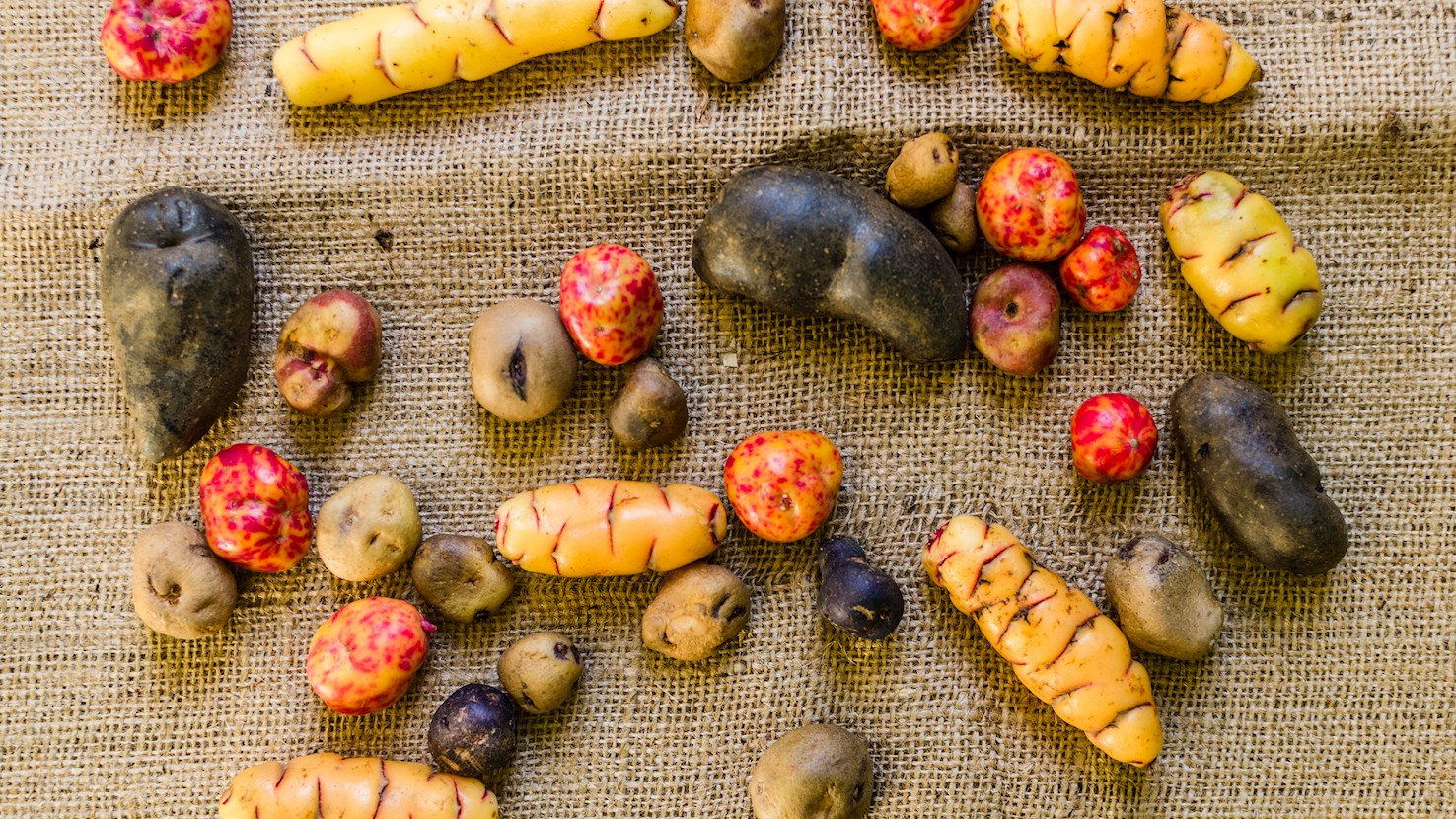
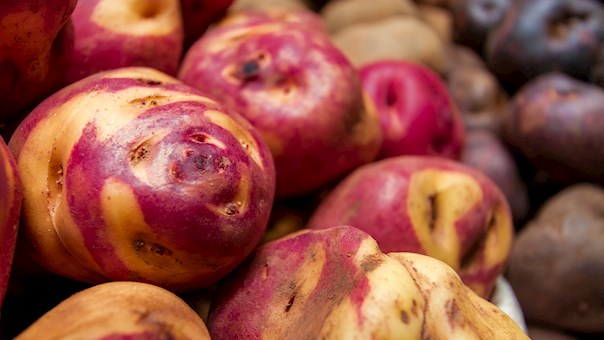
Quebrada de Humahuaca is an area in the center of Jujuy province in Argentina, where local farmers grow native plants dating back to the time of the conquistadores such as kiwicha, quinoa, papa lisa, and oca. The farmers also grow corn, and most importantly – potatoes, which were first cultivated in the region 4,000 years ago. Every generation used to cultivate their own potato variety, and families used to name the varieties after themselves. Some communities specialized in seed conservation, so the varieties multiplied and were refined over the years. However, a great number of potato varieties has been lost – almost half of the 70 previously registered varieties are gone today. The varieties which survived are characterized by their color, flavor, and high content of protein. Nowadays, there are five potato varieties which are farmed at altitudes ranging from 2,100 to 3,800 meters. Papa Azul is the sweetest among them, characterized by dark blue skin with white flecks and yellow flesh. Papa Señorita is irregularly-shaped with white skin that is streaked with pink, while the flesh is also yellow. Cuarentilla has pink skin and white flesh, and Tuni Morada is round, flat, and dark-skinned with white flesh that is ideal for mashing. The last variety is called Chacarera, characterized by its blunted ends, white skin and white flesh. It is ideal for frying and develops violet streaks if cultivated above 3,000 meters.

05

Papa púrpura

3.8 ·

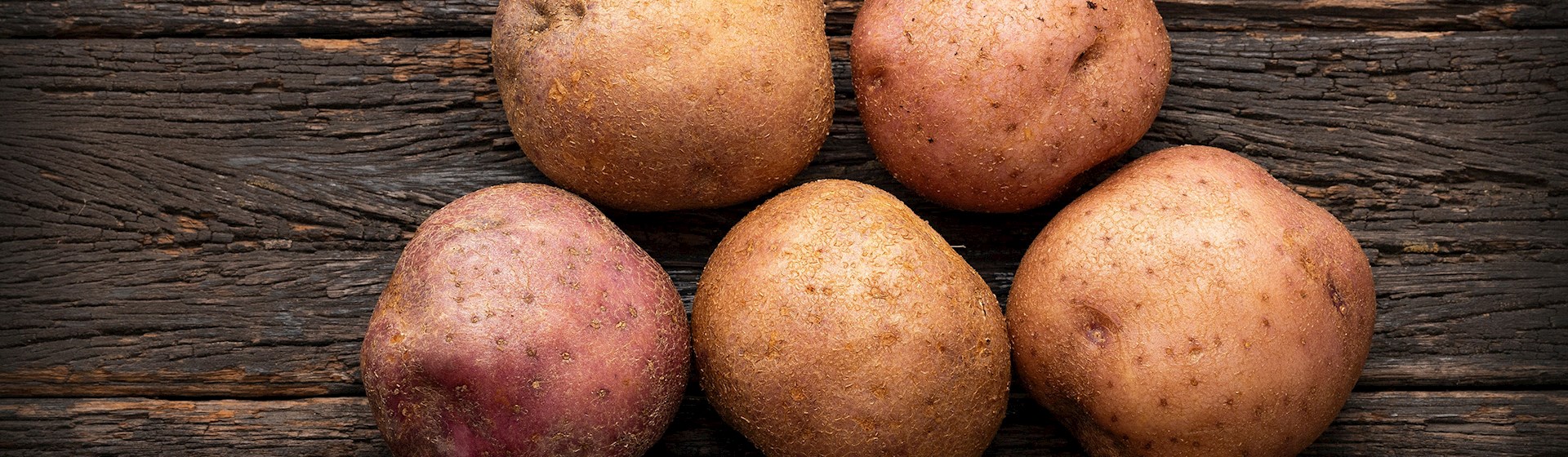
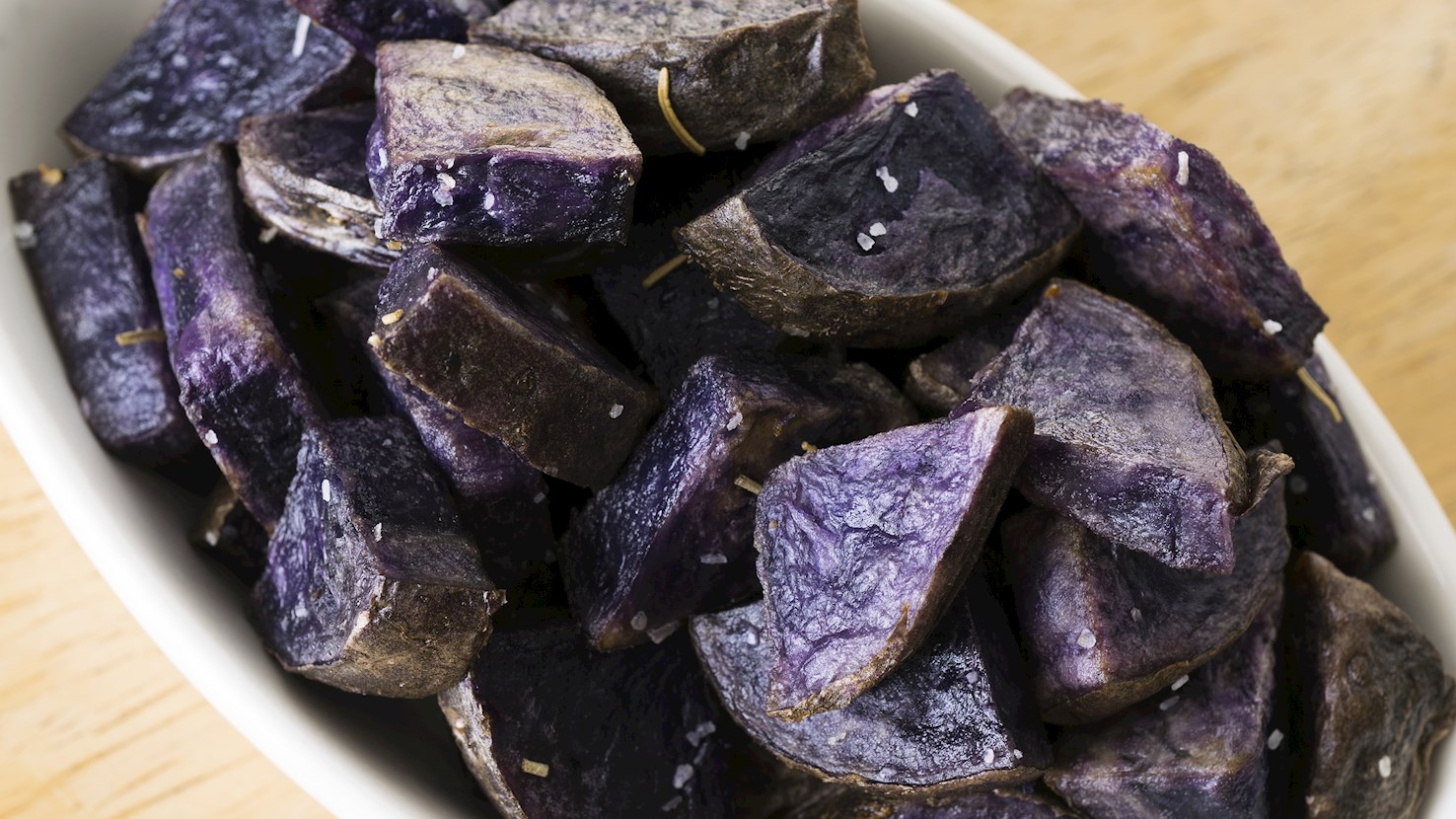
Papa púrpura are Peruvian purple potatoes. The skin and flesh have a deep purple color, and when cooked, the potatoes usually turn bluish. They're cooked just like regular potatoes and the flavor is also similar to regular potatoes, just with buttery notes. It's recommended to roast them, add them to salads, or deep-fry them. In pre-Hispanic times, purple potatoes were usually reserved exclusively for the Inca Kings, and nowadays some chefs affectionately call them Gems of the Andes. Interestingly, they contain two to three times the antioxidants found in yellow or white potatoes.

06

Olluco

3.6 ·

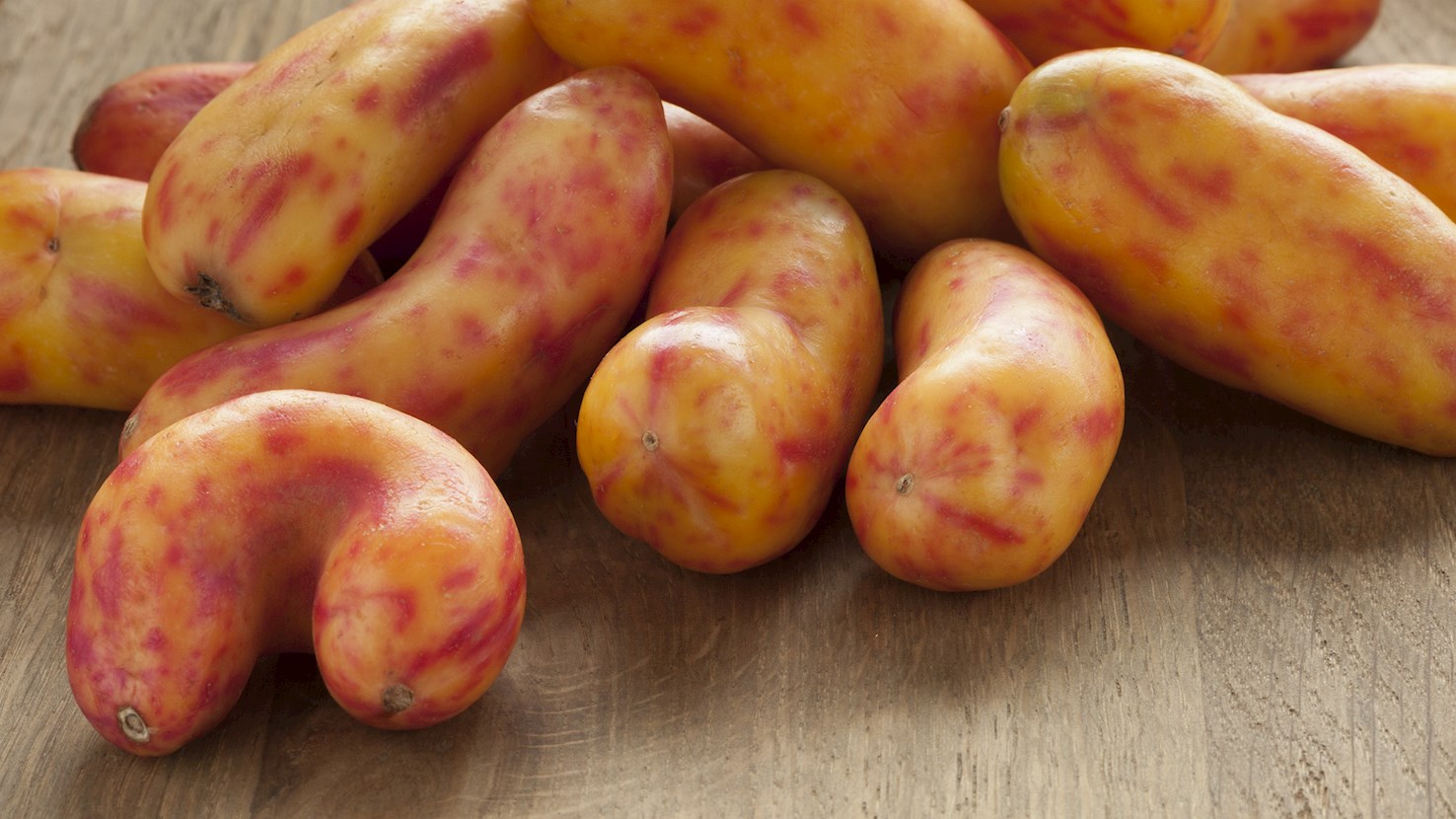
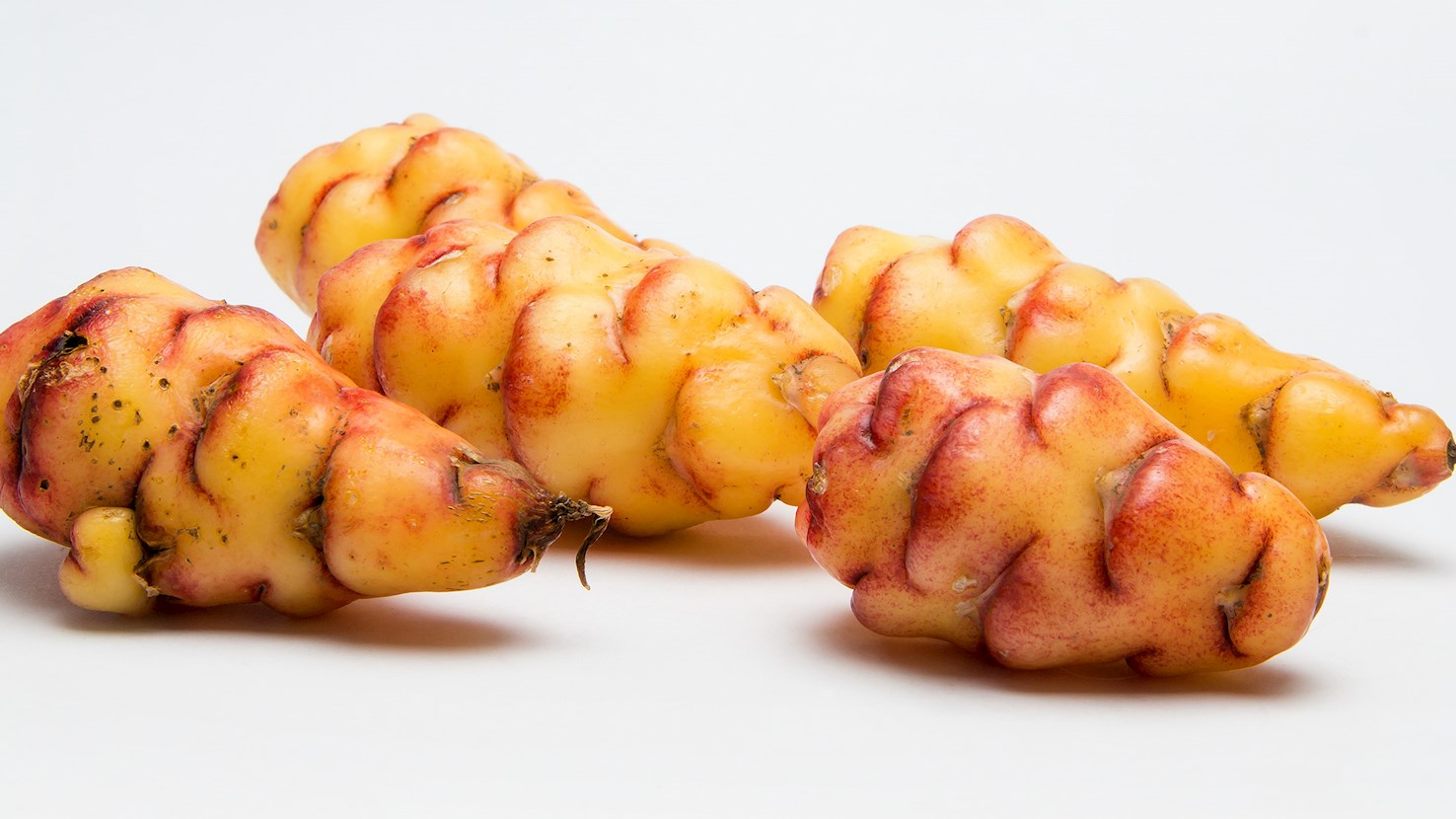
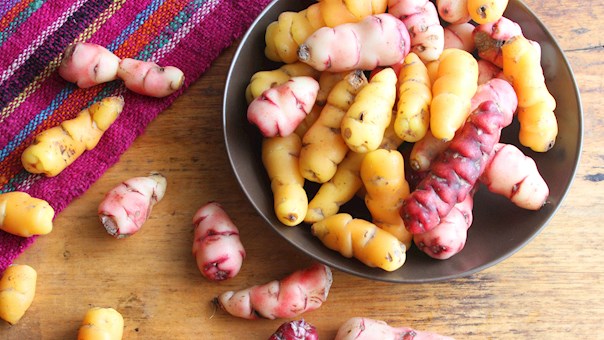
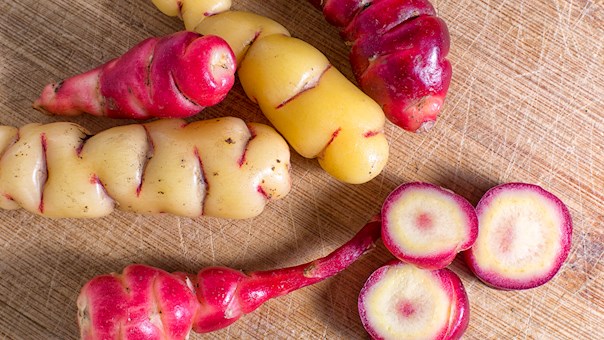
Ulluco is an economically important South American root crop that is indigenous to the Andean region in South America. It is widely cultivated and consumed in Peru, Bolivia, Ecuador, Colombia, Argentina, Venezuela, and Chile. Having its roots in ancient times, this root vegetable used to represent an essential food crop for the Incas, and it has long been grown primarily for its tubers, but also for its leaves, both of which are edible and equally flavorful. Varying in both size and shape, the tubers may have a bright yellow, green, orange, red, pink, or purple exterior that surrounds white or yellow flesh. These tubers are characterized by a smooth, firm, and crispy texture with a distinctive and somewhat earthy flavor. Ulluco can be enjoyed raw, cooked, pickled, or dried, and traditional South American cuisine offers plenty of specialties made with this root, such as the Peruvian meat soup called olluquito con charqui, the Bolivian ají de papalisas (ulluco tubers with peppers), and the Ecuadorian mellocos soup or ulluco tuber soup.

07

Yacón

3.6 ·

This South American perennial plant has long been grown for its edible roots. Yacón tubers resemble sweet potatoes and may come in various colors including white, pink, red, yellow, orange, or purple, while their flesh is typically white. This root-like vegetable is characterized by a distinctive, mildly sweet flavor with hints of apples, pears, celery, and watermelon. It has a pleasant crispiness that the tubers retain even after they have been cooked. Yacón is highly-appreciated for being a fantastic source of moisture, electrolytes, salts, and starch, which is why the juice of its tubers used to be enjoyed as a potent refreshing beverage by the indigenous populations in the past, and is probably the reason for its name, which translates to water root in the Inca language. The nutritious tubers of yacón are incredibly versatile, and they can be consumed both raw and cooked, either as a fruit or a vegetable. Yacón is commonly made into a fruit juice or a syrup, used in a wide range of soups, stews, salads, stir-fries, and curries, roasted with meat, or added to baked goods and desserts.

08

Mashua

3.3 ·

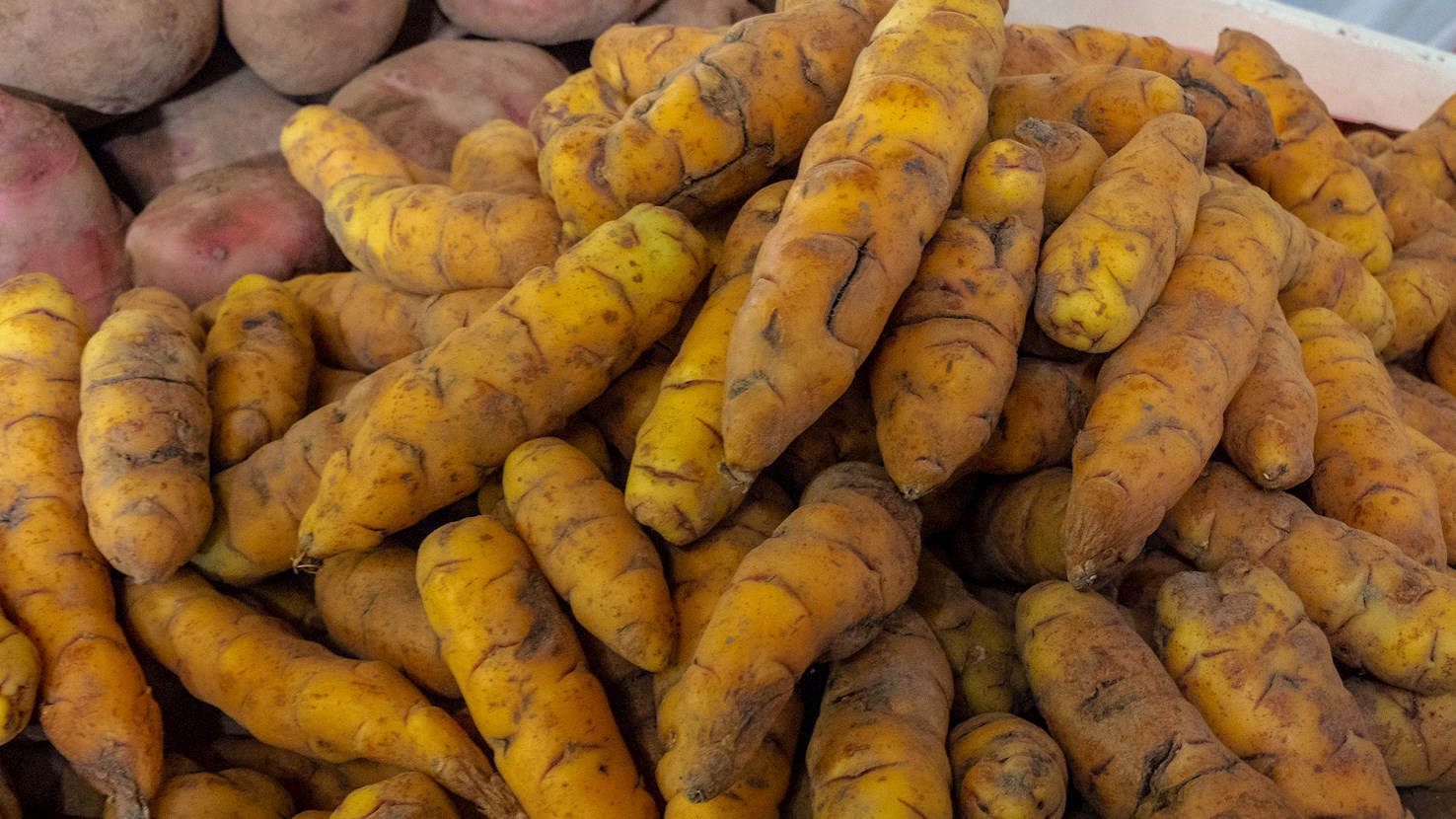
One of the valuable food sources and medicinal plants of indigenous Andean populations, and native to the Andean region, mashua is a type of tuberous crop that continues to be grown in countries such as Peru and Bolivia (and to lesser extent in Ecuador), although mostly for household consumption. There are both domesticated and wild mashua varieties, and the plant’s tubers vary in size and color, depending on the variety. Mashua tubers are shiny and cone-shaped and may come in white, pale yellow, orange, red, purple, or even black color. Fresh mashua tubers are crispy on the outside and tender on the inside, while a slightly bitter or sour flavor, sometimes with a spicy finish, characterizes their flesh. Although they can be eaten both raw and cooked, mashua tubers are typically preferred cooked, as the flavor of the cooked tubers is more pleasant and somewhat reminiscent of cabbage. They're generally boiled, baked, roasted, or even pickled or sun-dried, and they go particularly well with roasted meat. The flowers and leaves of mashua are also edible, and just like the tubers, they can be enjoyed either raw, in salads, or cooked. The lack of knowledge about its high nutritional value and medicinal properties, along with the common practice of associating its consumption with the lower classes are making this crop undesirable and threatening its existence.

09

Chuño

2.9 ·

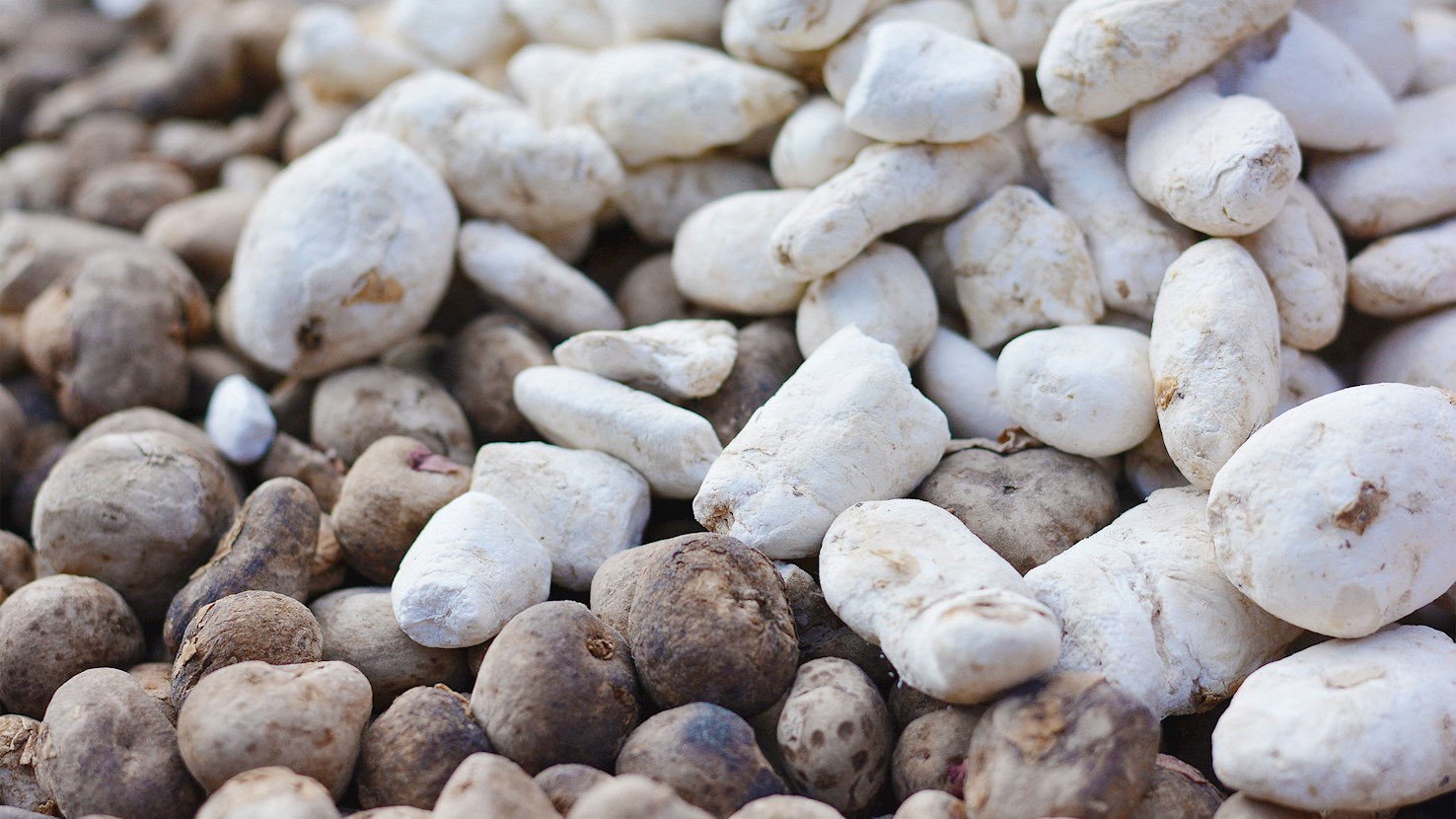
Chuño is an unusual variety of Andean naturally freeze-dried potatoes. The name comes from a Quechua word ch'uñu, which can be literally translated as freeze-dried potatoes. The potatoes have a very long shelf life and are often used in dishes such as stews and soups. Before consumption, the potatoes need to be soaked in water in order to rehydrate. There are two basic varieties of these potatoes – black and white. White chuños are soaked in cold water, then sun-dried, while the black variety is left to freeze overnight, and is then crushed in the morning in order to extract the liquid, but at night, it gets frozen again, so the process is repeated until the potatoes are totally dehydrated.

10

Pampacorral sweet potatoes

n/a ·

Pampacorral sweet potatoes are produced in the Quechua, Suni, and Puno regions in the province of Calca in the region of Cusco in Peru. The potatoes are farmed across the Andes and symbolize the gastronomy and the agriculture of local people. There are nine species of potatoes that farmers have selected because of their shape, flavor, and color. Those nine species are further diversified into about 900 varieties. From this huge array, a handful of varieties have been selected in order to promote the lesser-known varieties with great production potential. Mactillo is a long and floury potato with violet skin and white flesh streaked with violet. The Choclluscha is characterized by a bright red skin and red-colored veins running through the flesh. The Pitiquiña has yellow flesh and deep eyes on the skin, while the Chapiña has black skin and flesh that is black to light blue in color. From all of these varieties, the Chapiña and the Choclluscha are especially suitable for frying. In Cusco, the producers also make potato chips – they are washed and peeled, sliced, fried, then dried with absorbent paper before being packed into cardboard boxes.

Read more
View all
View map
About this ranking

TasteAtlas food rankings are based on the ratings of the TasteAtlas audience, with a series of mechanisms that recognize real users and that ignore bot, nationalist or local patriotic ratings, and give additional value to the ratings of users that the system recognizes as knowledgeable. For the “Top 18 South American Tubers” list until June 24, 2026, 690 ratings were recorded, of which 246 were recognized by the system as legitimate. TasteAtlas Rankings should not be seen as the final global conclusion about food. Their purpose is to promote excellent local foods, instill pride in traditional dishes, and arouse curiosity about dishes you haven’t tried.

Similar lists