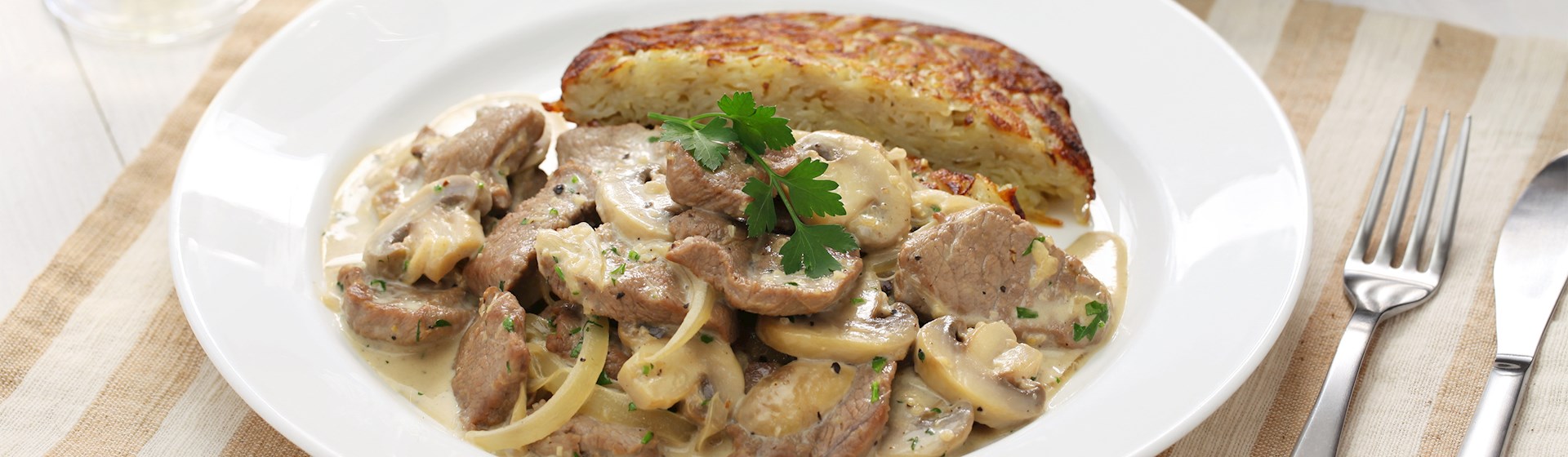
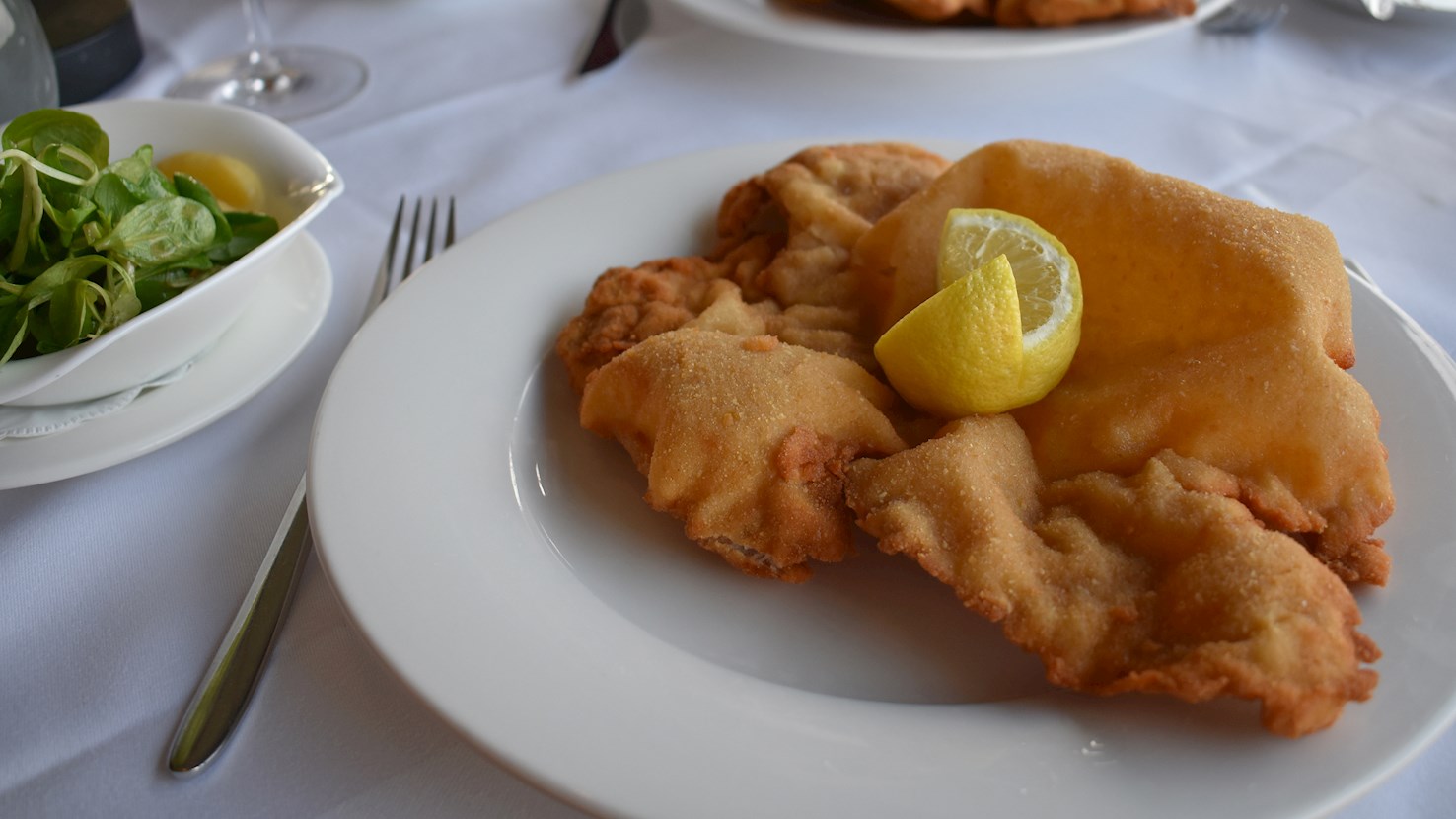
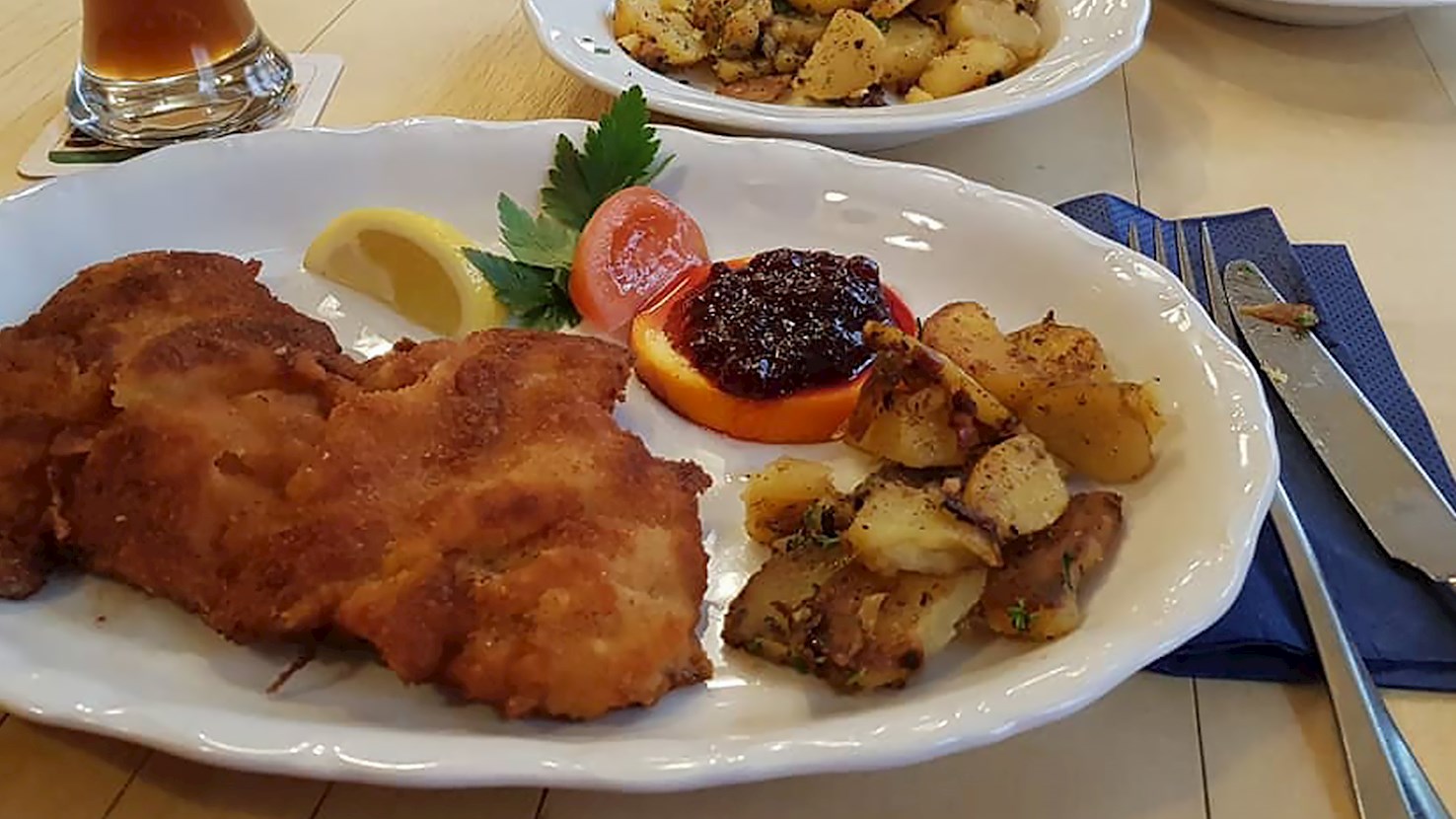
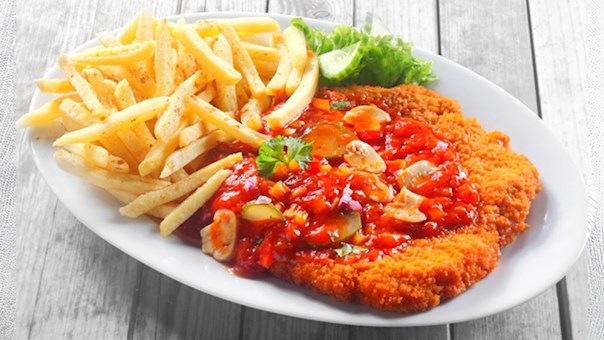
One of the best-known dishes of Austrian cuisine, the Wiener schnitzel is a thinned, breaded, and pan-fried veal cutlet that is traditionally served with a dollop of lingonberry jam, lemon wedges, and either buttered parsley potatoes, a simple potato salad, or french fries. The dish is protected under Austrian law, and—if it is to be called Wiener schnitzel—it must be made with veal. However, pork is often used instead of veal because it's more available and cheaper. Such a schnitzel is not considered a real Wiener schniztel and is referred to as Wiener schnitzel vom schwein (lit. Wiener schnitzel from pork) or schnitzel Wiener art (lit. Viennese style schnitzel). But sadly, these days, the schnitzel made with pork is what most people consider the real-deal Wiener schnitzel. Even Figlmüller, probably the most popular schnitzel spot in Vienna, offers both the Wiener schnitzel made with pork and the one made with veal. Despite this dish being one of Austria's most popular offerings, it has been suggested that this Austrian national dish was actually invented elsewhere. According to one legend, in the 19th century, Austrian field marshal Josef Radetzky supposedly brought the schnitzel to Vienna upon returning home from Italy, where he had enjoyed the Milanese cotoletta, a dish that bears quite a strong resemblance to the Viennese classic. Regardless of its true origins, the crispy yet tender Wiener schnitzel remains a favorite in Austria and beyond.
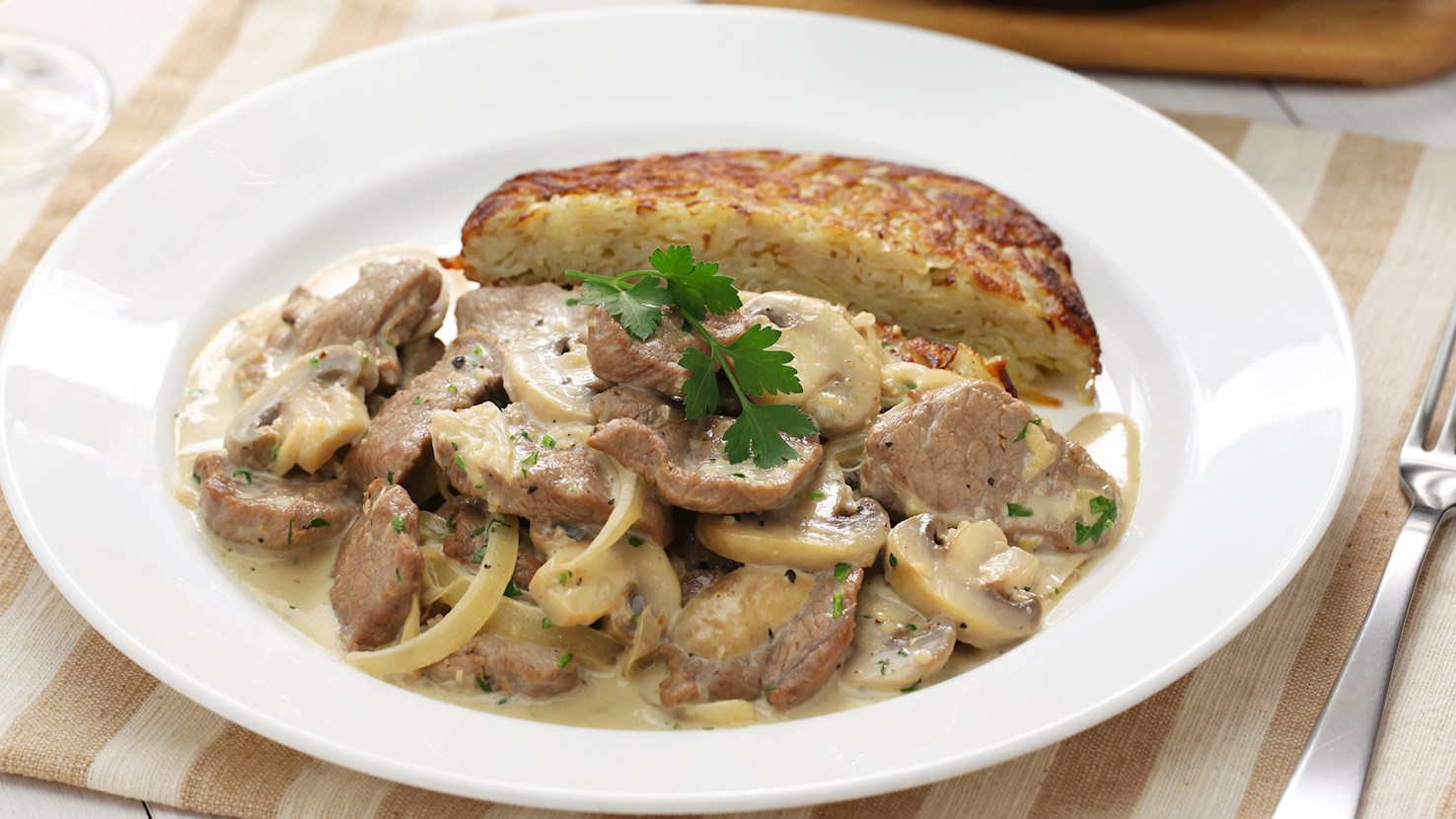
Traditionally prepared with sliced veal strips, cream, beef stock, white wine, and often with the addition of mushrooms, Zürich-style veal – popularly known as Zürcher geschnetzeltes – first appeared in cookbooks in 1947, but nowadays it is considered one of the classic dishes with origins in the Zürich region. The dish is typically seasoned with salt, pepper, paprika, and lemon juice. Although potato rösti is the most common accompaniment, it can also be served with rice, mashed potatoes, or tagliatelle pasta on the side.
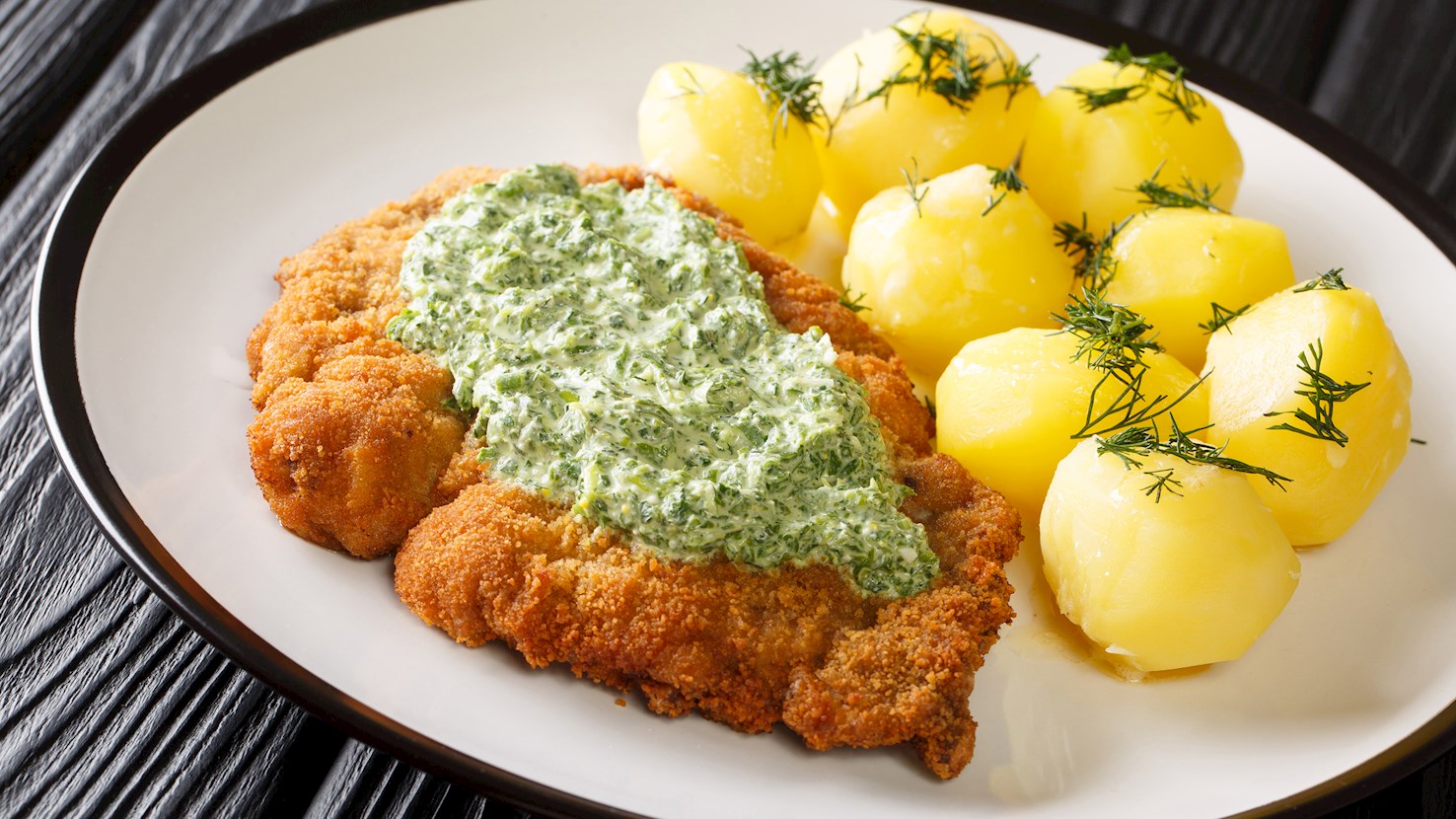
Frankfurter schnitzel is a traditional dish originating from Frankfurt. The dish is very similar to the famous Wiener schnitzel, which is always made with veal, but this version from Frankfurt can be prepared with other types of meat such as pork. The meat is pounded thin, coated with flour, dipped in beaten eggs, and dredged in breadcrumbs before it's fried in clarified butter (or a mixture of oil and butter) on both sides until golden brown and crispy. Once done, frankfurter schnitzel is traditionally served with grüne soße (green sauce), and often boiled potatoes and chopped hard-boiled eggs on the side. It's recommended to squeeze some lemon juice over the schnitzel before eating, while Apfelwein is the preferred accompanying beverage.
Münchner schnitzel is an interesting variety on the world-famous Wiener schnitzel. This is a Munich-style variety, hence the name of the dish. The veal cutlets are brushed with a combination of sweet mustard and horseradish before they're coated in flour, eggs, and breadcrumbs, then fried in butter. The dish is ready to be eaten when the meat becomes golden brown. It's traditionally served hot with lemon wedges on the side.
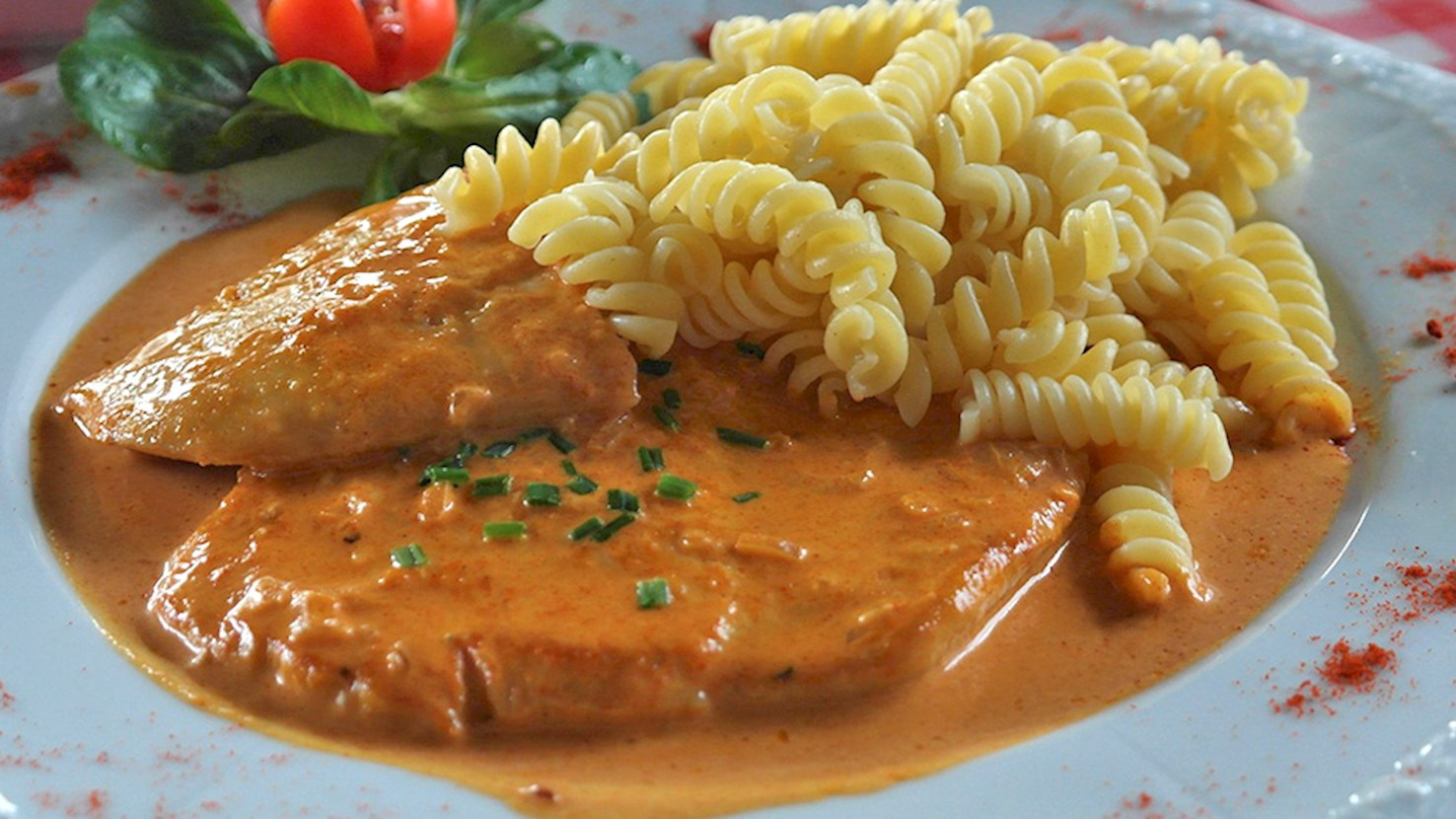
Rahmschnitzel is a German meat dish. It's usually prepared with a veal cutlet, but pork or chicken can be used instead, if preferred. Other ingredients include flour, butter, white wine, heavy cream, and herbs such as parsley and chives. The meat is tenderized and seasoned, then rolled in flour and fried in butter until golden brown. White wine is added to the pan in order to form a sauce with heavy cream and a bit of sugar. When done, each cutlet is topped with the gravy and garnished with chopped chives or parsley. Traditionally, this dish is served with spaetzle, but pasta or potatoes are also welcome additions regarding side dishes.
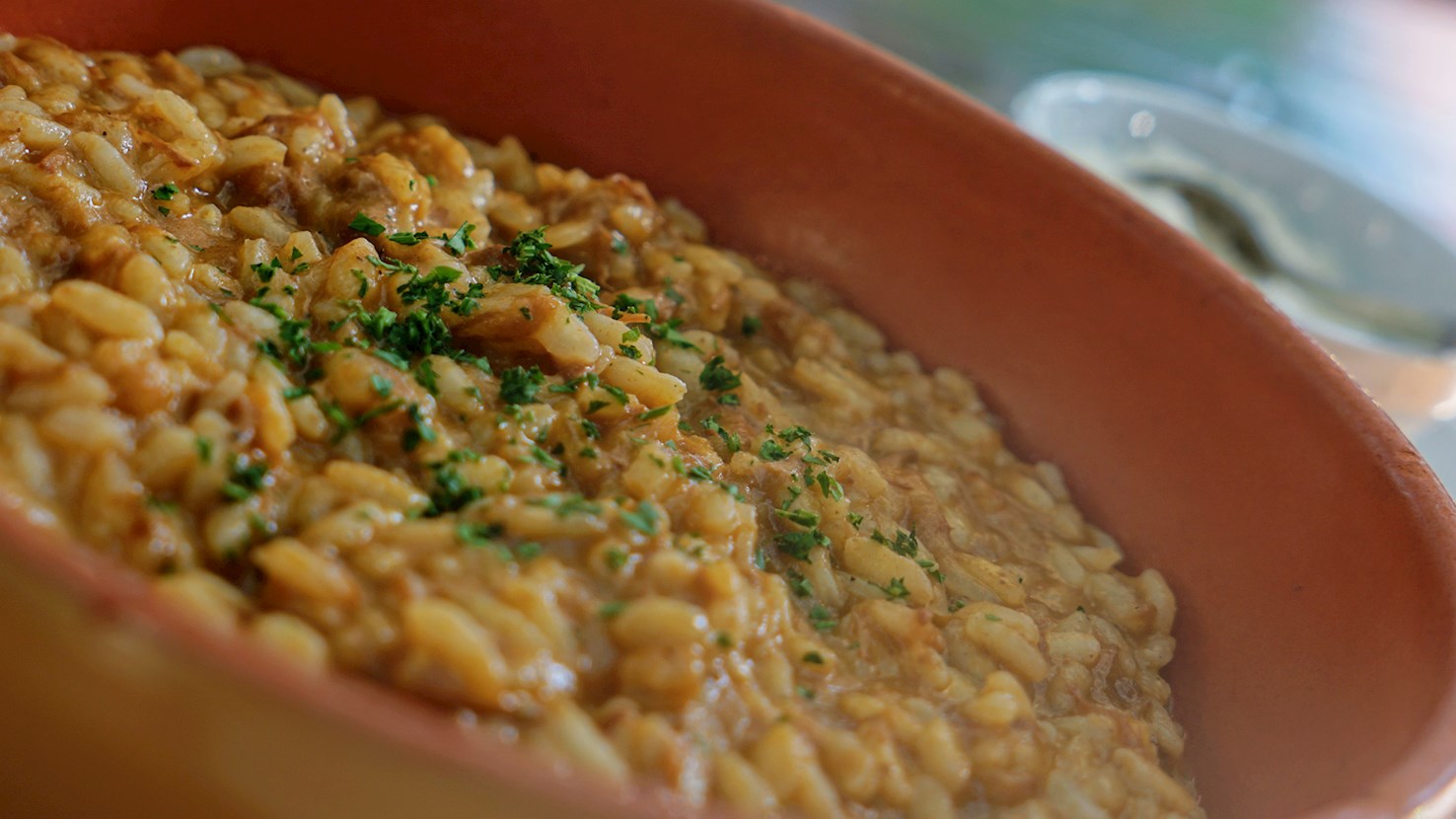
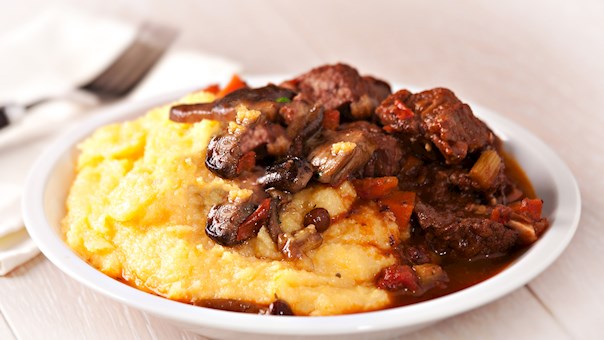
It takes about 10 to 12 hours to make this magnificent risotto that is traditionally prepared by men. Skradinski rižot is made with veal rump, a bit of ham, some beef, onions, a bouillon of capon, rooster, or beef, and rice. Some recipes incorporate prosciutto pieces for extra flavor. The risotto is usually seasoned with salt, pepper, and nutmeg, and the whole thing is finished off with some grated cheese, preferably Paški sir from the nearby island called Pag. Due to its long cooking time, it often has to be ordered a few days in advance. It is recommended to pair Skradinski rižot with a glass of full-bodied red wine.
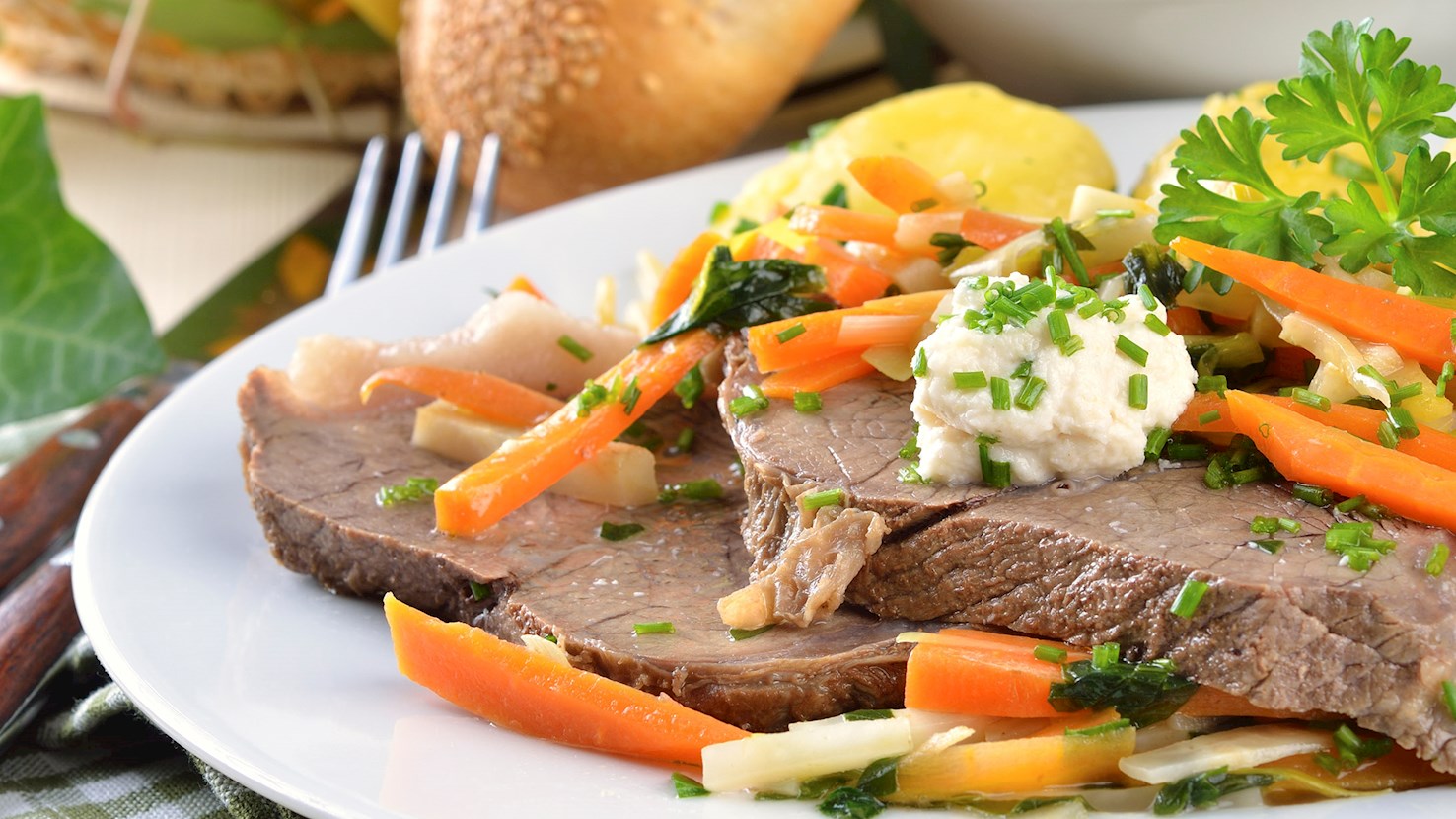
Even though tafelspitz is today one of the most popular Austrian dishes, this succulent boiled veal dish was once reserved only for the ruling class, and it was the favorite dish of Emperor Franz Joseph I. According to the 1912 imperial cookery book, tafelspitz was standard fare at the court, and "his Majesty’s private table was never without a fine piece of boiled beef." The name tafelspitz (lit. a tip [of meat] for the table) refers to a cut from the top hind end of the cow just below the tail, though some cooks prefer to use top round or chuck for this dish, while the richest and juiciest meat comes from a leg cut called beinfleisch. Regardless of the cut, the meat is always simmered slowly with root vegetables. Some chicken pieces and a marrow bone may also be added to the mix, and the pot is constantly skimmed, resulting in a crystal clear broth. Traditionally, tafelspitz is eaten in separate courses: first comes the broth that's served hot in bouillon cups, followed by tender slices of beef which are usually accompanied by potatoes, carrots, and a creamy apple-horseradish and chive sauce.
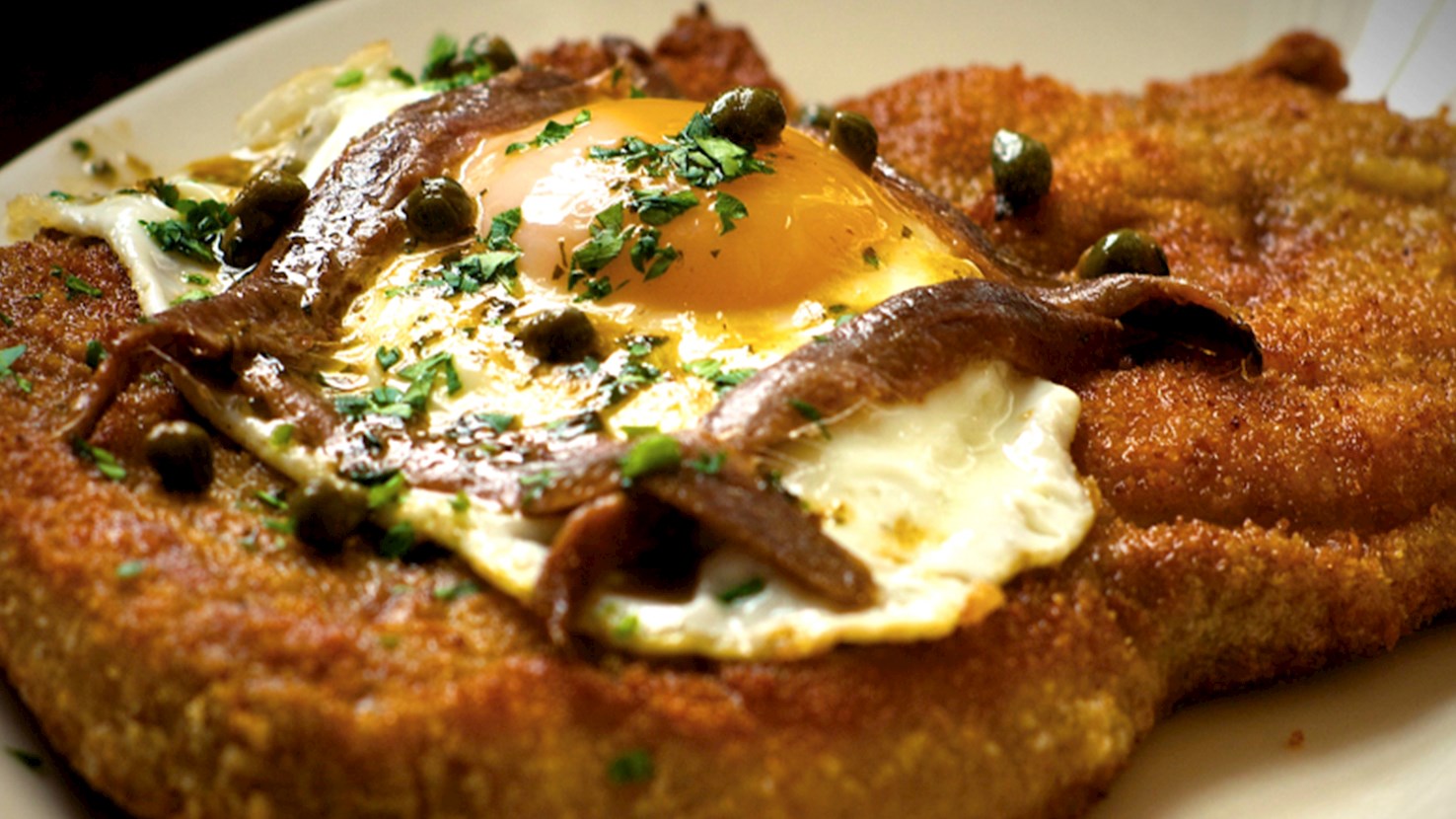
This German dish is a variation of the well-known Wiener schnitzel that originated sometime in the late 19th century. Though it appears in slightly different regional variations, Holstein schnitzel predominantly consists of a breaded and lightly fried veal cutlet that comes served with various additions. A fried egg is always served on top of the schnitzel, while other additions traditionally include smoked salmon, caviar, sardines, capers, or anchovies. The dish is said to have been created at a Berlin restaurant Borchardt’s, and many believe it was named after a German statesman Friedrich von Holstein rather than the Holstein region. This filling main course is usually paired with fried slices of bread or croutons, fried potatoes, red cabbage, gherkins, or beetroot.
Kalbsrahmgulasch is a creamy veal stew originating in Austria, especially associated with Viennese cuisine and Central European culinary practices. It is a variation of goulash that replaces the strong paprika-heavy seasoning of its Hungarian cousin with a milder, cream-based sauce, creating a more delicate and subtle dish. The use of veal, known for its tender texture and light flavor, reflects a preference in Austrian cooking for refined meat preparations, especially in dishes that prioritize balanced richness over intensity. The word "Rahm" refers to cream, indicating the defining element of the sauce, which sets it apart from other types of goulash found across Central Europe. The dish is made by slowly braising cubes of veal, typically from the shoulder or leg, in a sauce built from sautéed onions, broth or stock, and light seasoning such as white pepper, lemon juice, and sometimes a splash of white wine. The onions are finely chopped and cooked gently until they become soft and nearly melt into the base of the sauce, contributing body and sweetness. Once the veal is tender, sour cream or heavy cream is added to the cooking liquid, giving the dish its creamy consistency and pale color. The sauce is sometimes lightly thickened with flour or roux to help it coat the meat evenly. The seasoning is intentionally mild, designed to let the flavor of the veal and the richness of the cream come through without overpowering them with spice or acidity. Kalbsrahmgulasch is commonly served with soft, neutral sides that absorb the sauce well. In Austria, it is often accompanied by egg noodles such as spätzle, potato dumplings, or bread dumplings, depending on regional preference and occasion. While it is rooted in domestic cooking, it also appears on the menus of restaurants specializing in Austrian and Central European fare.
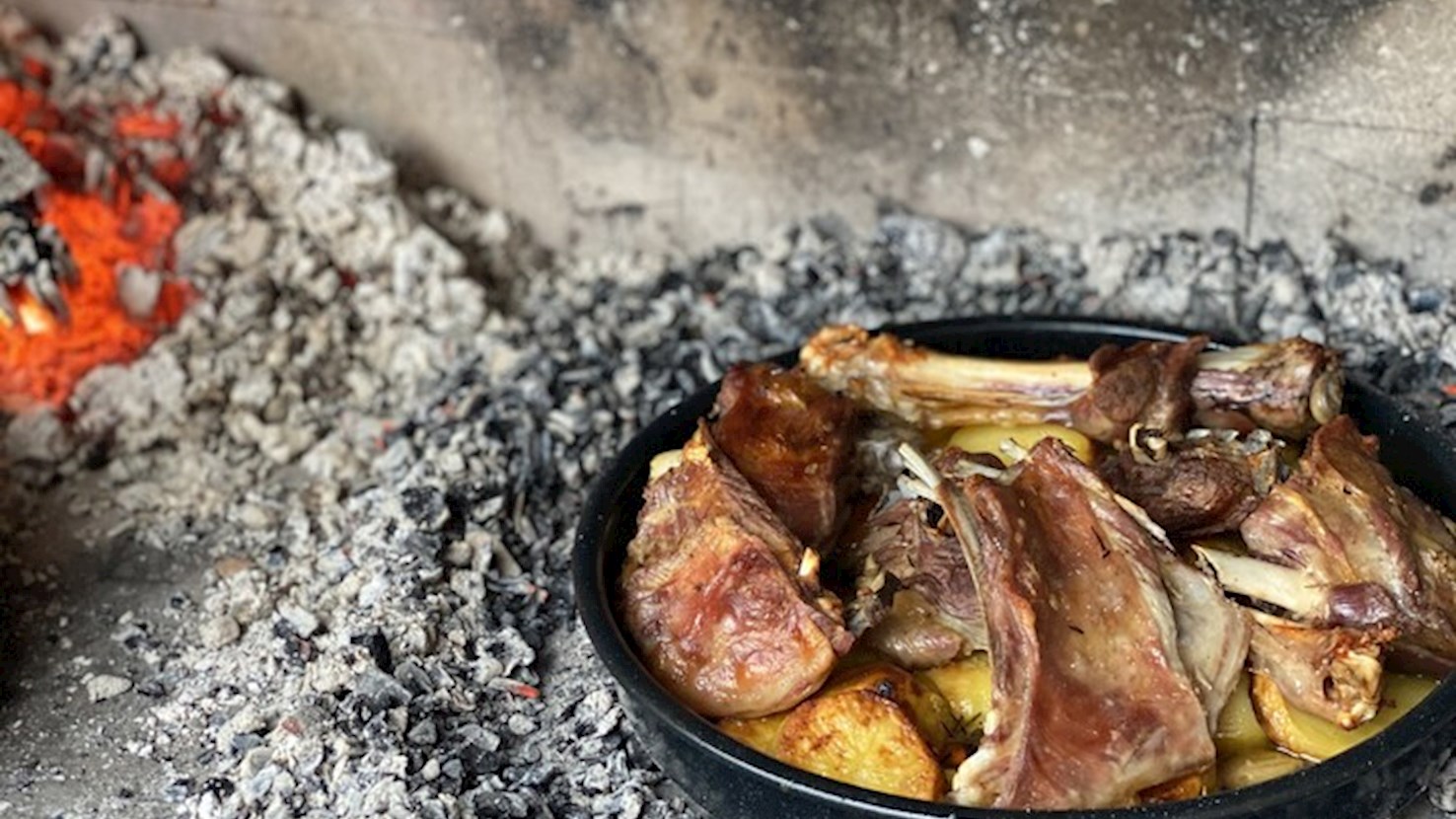
Teletina ispod peke is a traditional dish that’s made with meat cooked under the lid (called peka in Croatian). It’s usually made with veal, potatoes, onions, carrots, bell peppers, oil, bay leaves, rosemary, and seasonings. The vegetables are cut into chunks that are placed over the veal. The combination is then covered with a big and round metal lid and cooked for about 2 hours until the meat and the vegetables are tender and fully cooked. The dish is traditionally served with kruh ispod peke (bread baked under the lid) and fresh seasonal salads on the side.
TasteAtlas food rankings are based on the ratings of the TasteAtlas audience, with a series of mechanisms that recognize real users and that ignore bot,
nationalist or local patriotic ratings, and give additional value to the ratings of users that the system recognizes as knowledgeable.
For the “Top 17 Central European Veal Dishes” list until May 16, 2026, 1,306 ratings were recorded, of which 1,072 were recognized by the system as legitimate.
TasteAtlas Rankings should not be seen as the final global conclusion about food. Their purpose is to promote excellent local foods,
instill pride in traditional dishes, and arouse curiosity about dishes you haven’t tried.