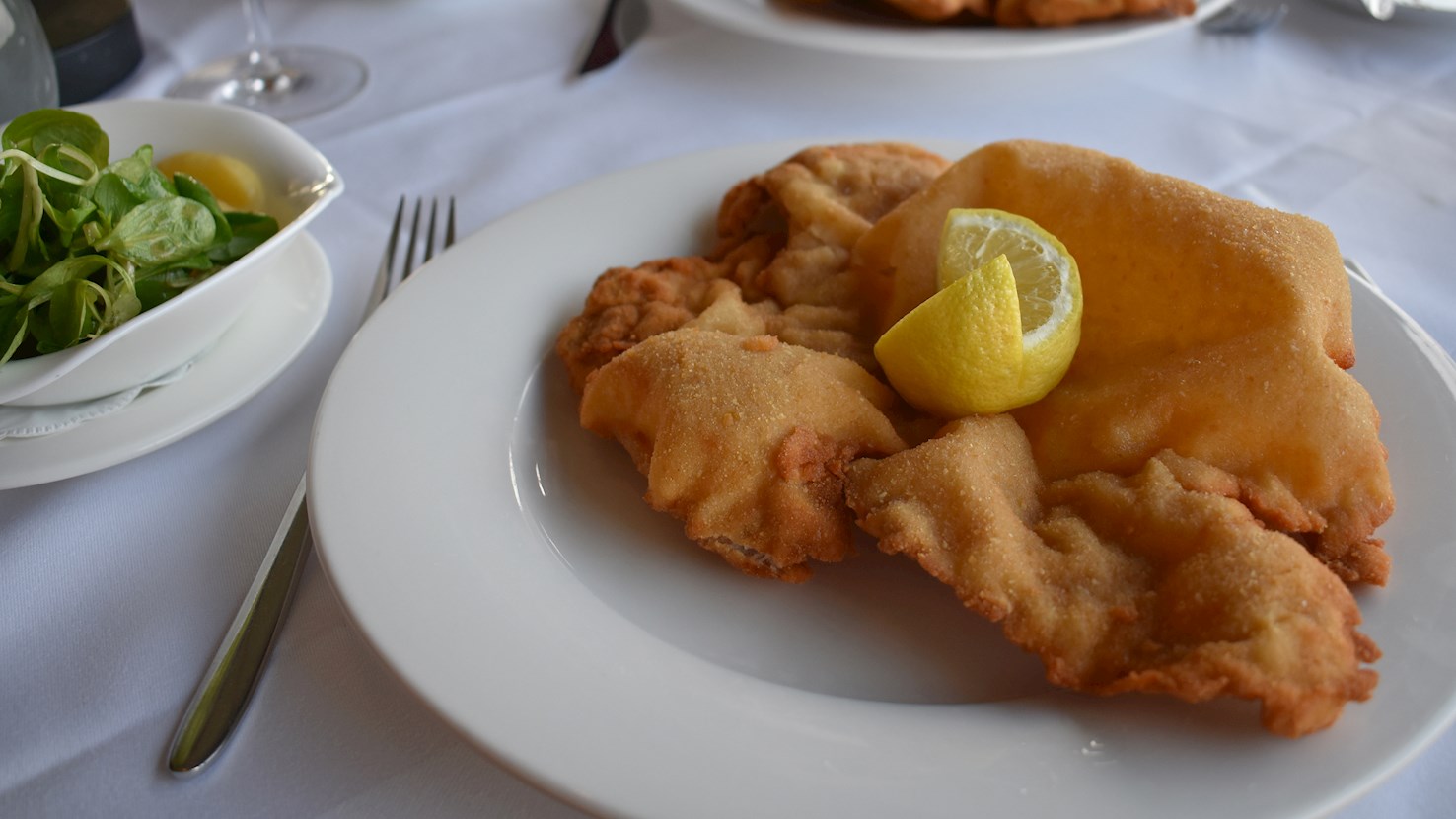
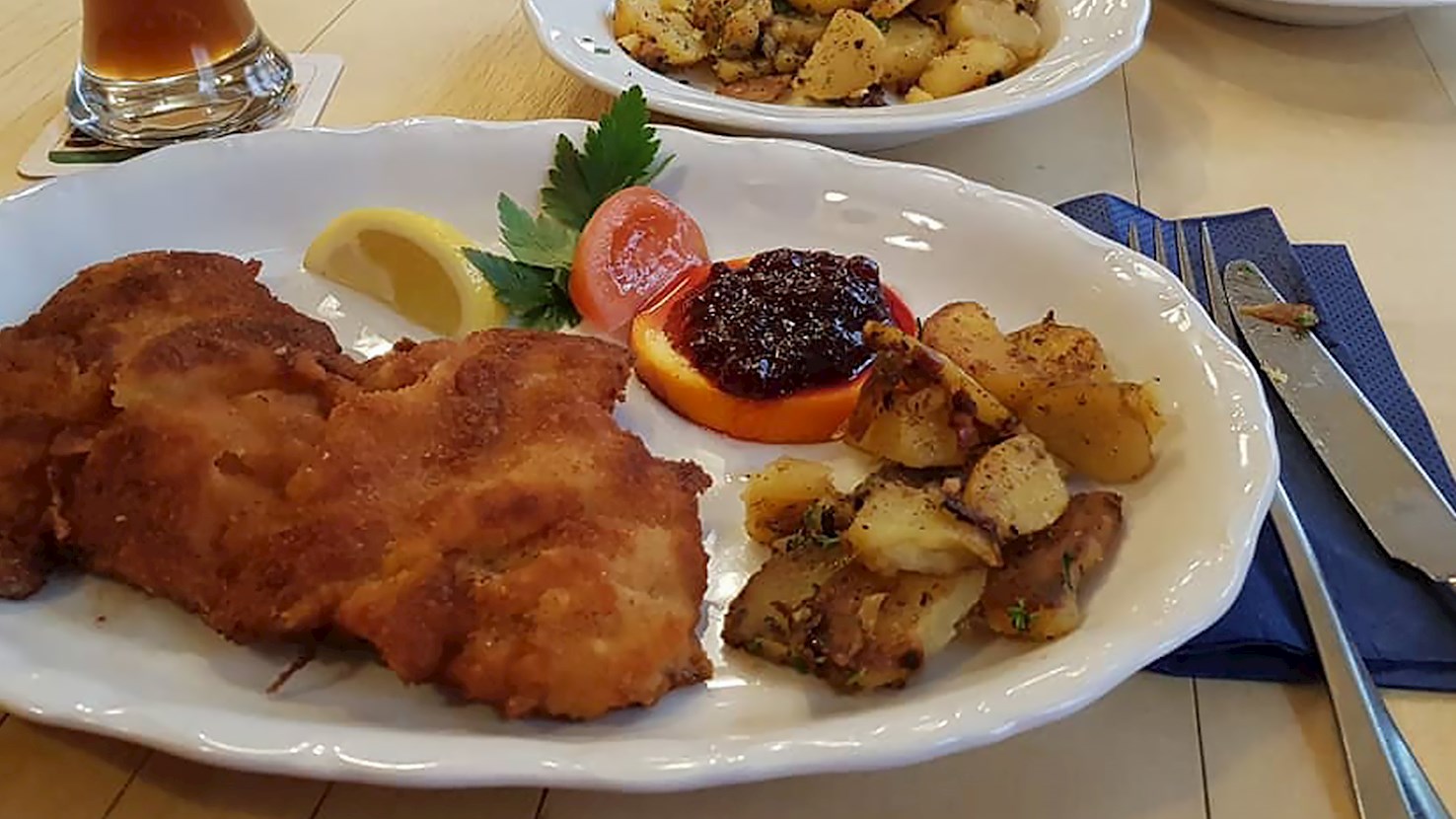
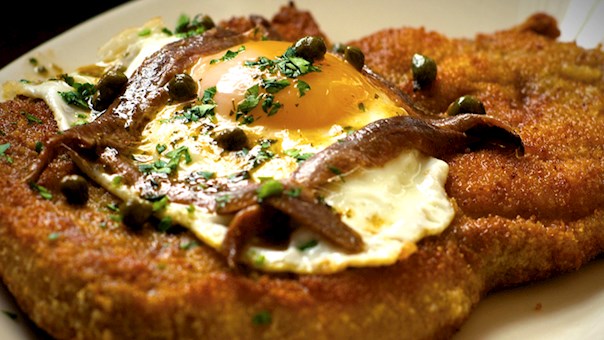
One of the best-known dishes of Austrian cuisine, the Wiener schnitzel is a thinned, breaded, and pan-fried veal cutlet that is traditionally served with a dollop of lingonberry jam, lemon wedges, and either buttered parsley potatoes, a simple potato salad, or french fries. The dish is protected under Austrian law, and—if it is to be called Wiener schnitzel—it must be made with veal. However, pork is often used instead of veal because it's more available and cheaper. Such a schnitzel is not considered a real Wiener schniztel and is referred to as Wiener schnitzel vom schwein (lit. Wiener schnitzel from pork) or schnitzel Wiener art (lit. Viennese style schnitzel). But sadly, these days, the schnitzel made with pork is what most people consider the real-deal Wiener schnitzel. Even Figlmüller, probably the most popular schnitzel spot in Vienna, offers both the Wiener schnitzel made with pork and the one made with veal. Despite this dish being one of Austria's most popular offerings, it has been suggested that this Austrian national dish was actually invented elsewhere. According to one legend, in the 19th century, Austrian field marshal Josef Radetzky supposedly brought the schnitzel to Vienna upon returning home from Italy, where he had enjoyed the Milanese cotoletta, a dish that bears quite a strong resemblance to the Viennese classic. Regardless of its true origins, the crispy yet tender Wiener schnitzel remains a favorite in Austria and beyond.
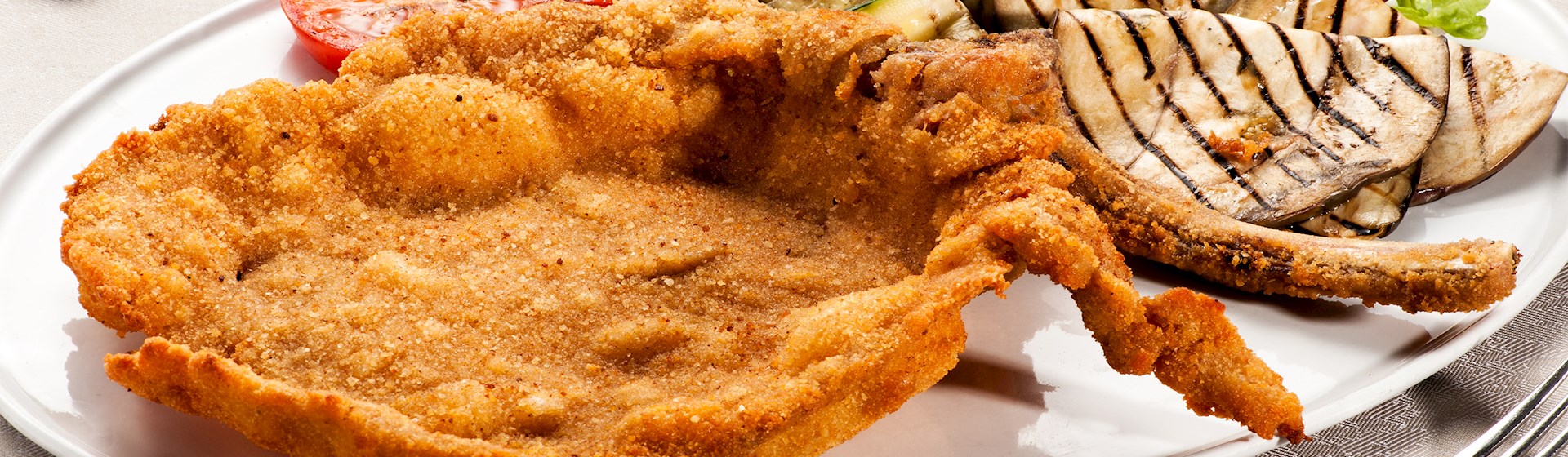
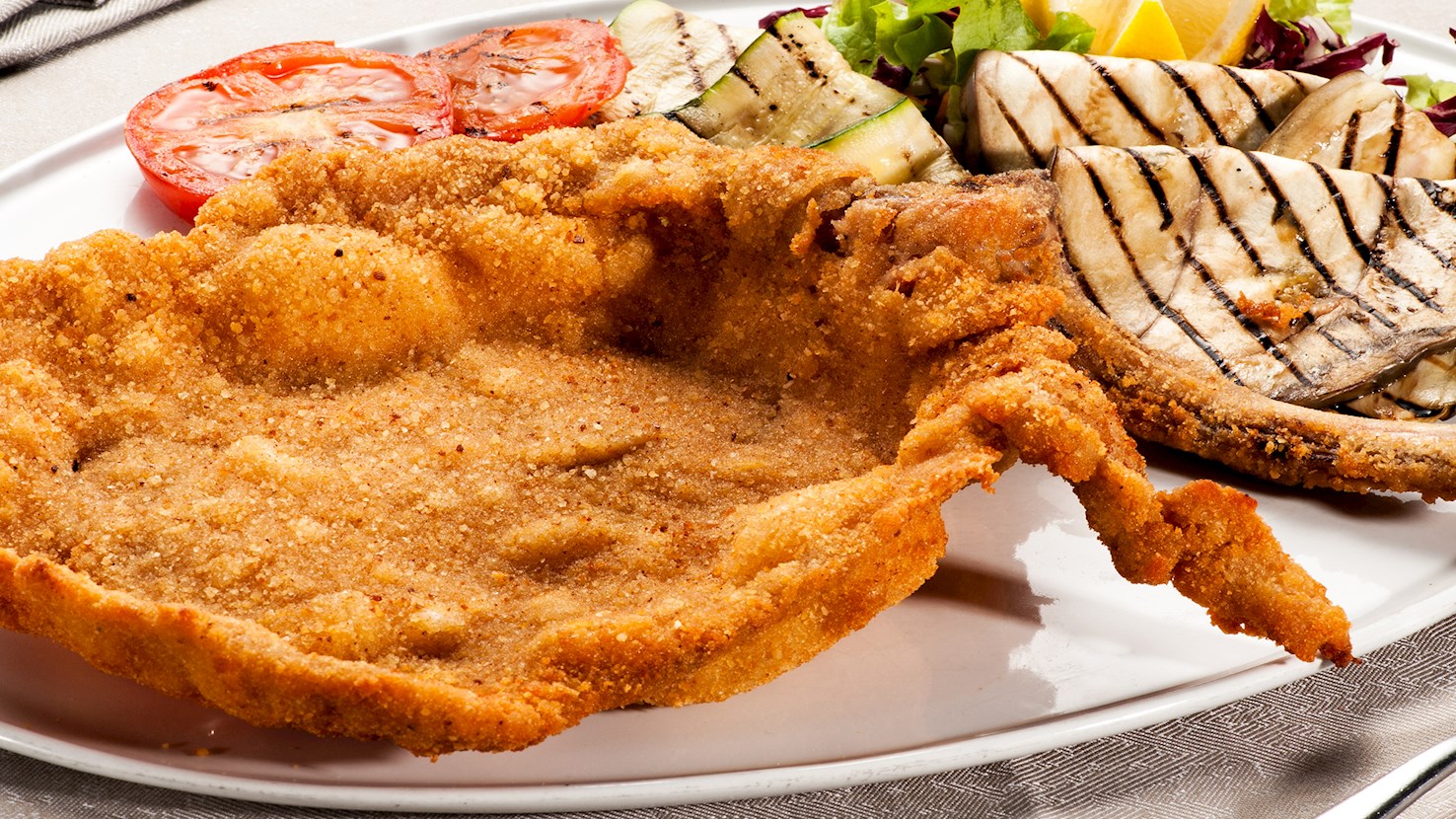
Just like its distant Viennese cousin, cotoletta alla Milanese is a thinly pounded, breaded, pan-fried veal cutlet. Although similar, the two dishes do differ slightly: the Viennese version is traditionally dipped in both flour and bread crumbs before being fried in oil, butter, or a combination of both, while the Milanese version is cooked bone-in and uses only bread crumbs and butter. It is often suggested that the similarities between these two culinary classics are not purely coincidental, as Milan was a part of the Austro-Hungarian Empire in the 17th and 18th century. However, when responding to any superficial comparison between the cotoletta and Wiener schnitzel, the Milanese will proudly point out that their dish has been a specialty of Milan and Lombardy since the 12th century. A recent Milanese invention is a version of the cotoletta called l’orecchia di elefante (lit. elephant's ear) in reference to its size and shape, while the original version gets its name from la costoletta - the cut of meat traditionally used to make it, a nearly inch-thick bone-in veal chop.
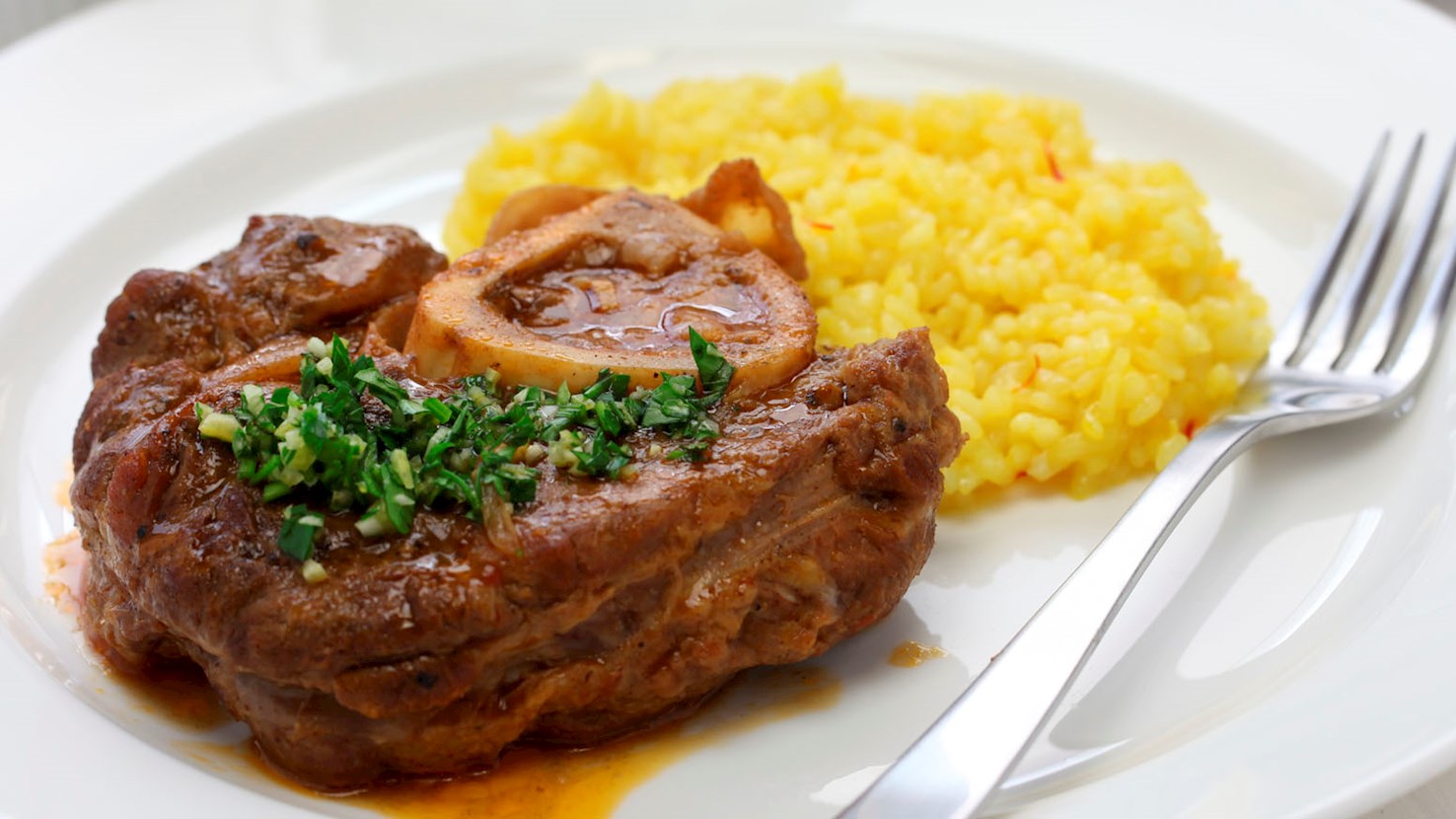
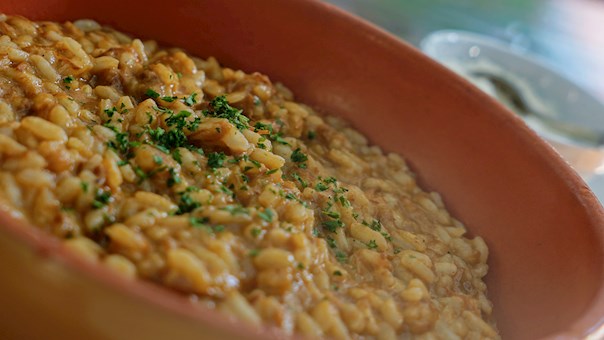
Locally known as l'oss bus a la Milanesa, these wine-braised veal shanks are a classic of northern Italian cuisine and one of Milan's most cherished signature dishes. Ossobuco is believed to have been prepared in local trattorias for centuries, although the first written recipe was found in Pellegrino Artusi's 1891 cooking manual La Scienza in Cucina e l’Arte di Mangiar Bene. The word ossobuco translates to hollow bone — the cut of veal used for this dish is sliced horizontally through the bone and exposes the marrow, which is what gives the dish its buttery richness. Slow-cooked in beef broth until the meat becomes soft enough to cut with a fork, ossobuco is finished with a topping of gremolà or gremolada, a zesty herb relish made with mashed anchovies, minced garlic, parsley, and lemon zest. Ossobuco can be served alone or it can be accompanied by polenta, peas, mashed potatoes, or spinach with butter, but for a real feast of flavors, it is best enjoyed with risotto alla Milanese.
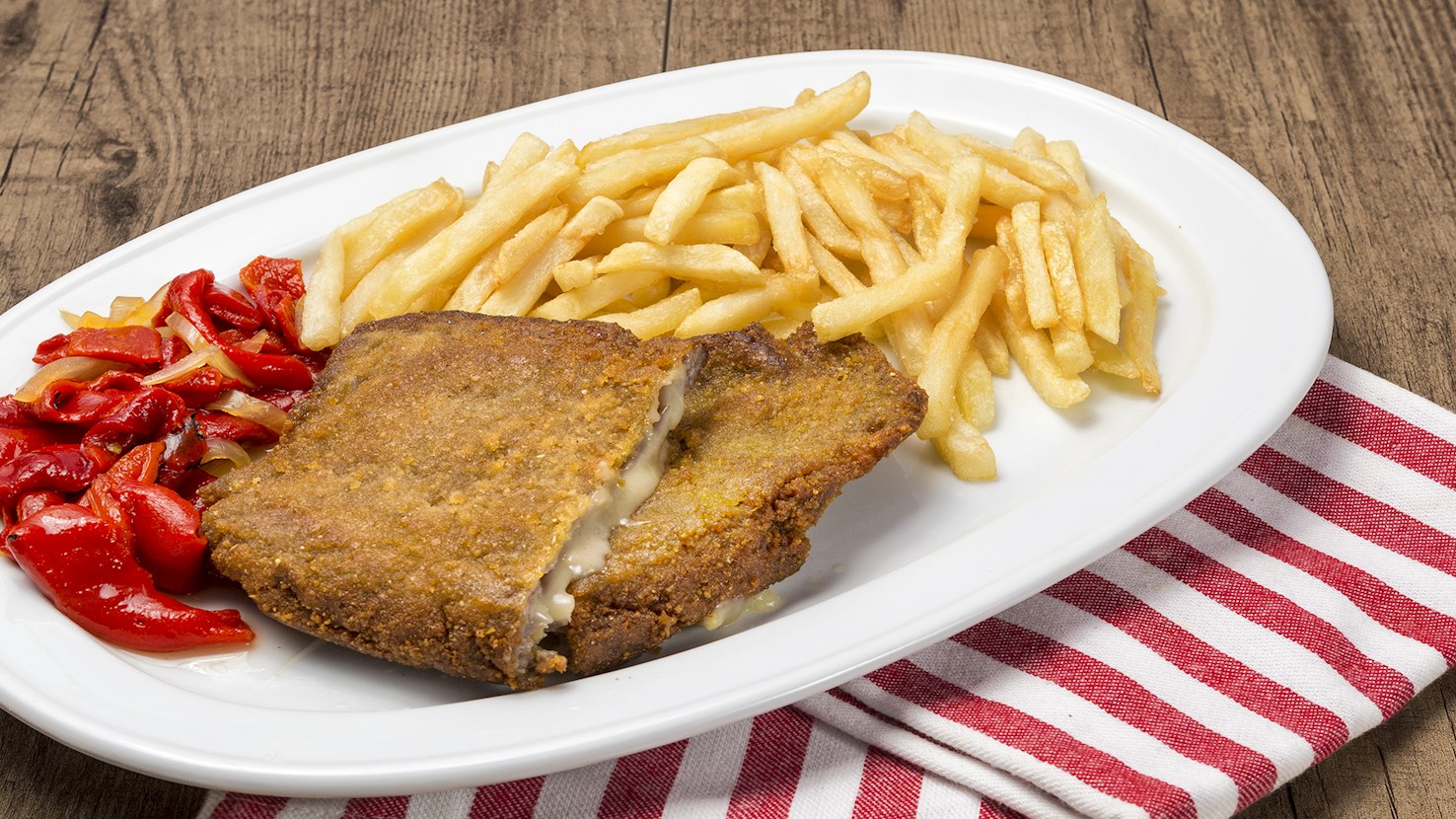
Cachopo is a meaty delicacy from the Spanish region of Asturias, consisting of two veal or beef steaks filled with cheese and a slice of ham. The whole concoction is then coated in breadcrumbs and fried in hot oil. The dish is traditionally served with roasted potatoes, grilled peppers, and mushrooms on the side. Today, there are numerous versions of this classic dish prepared with fish, chicken, or pork.
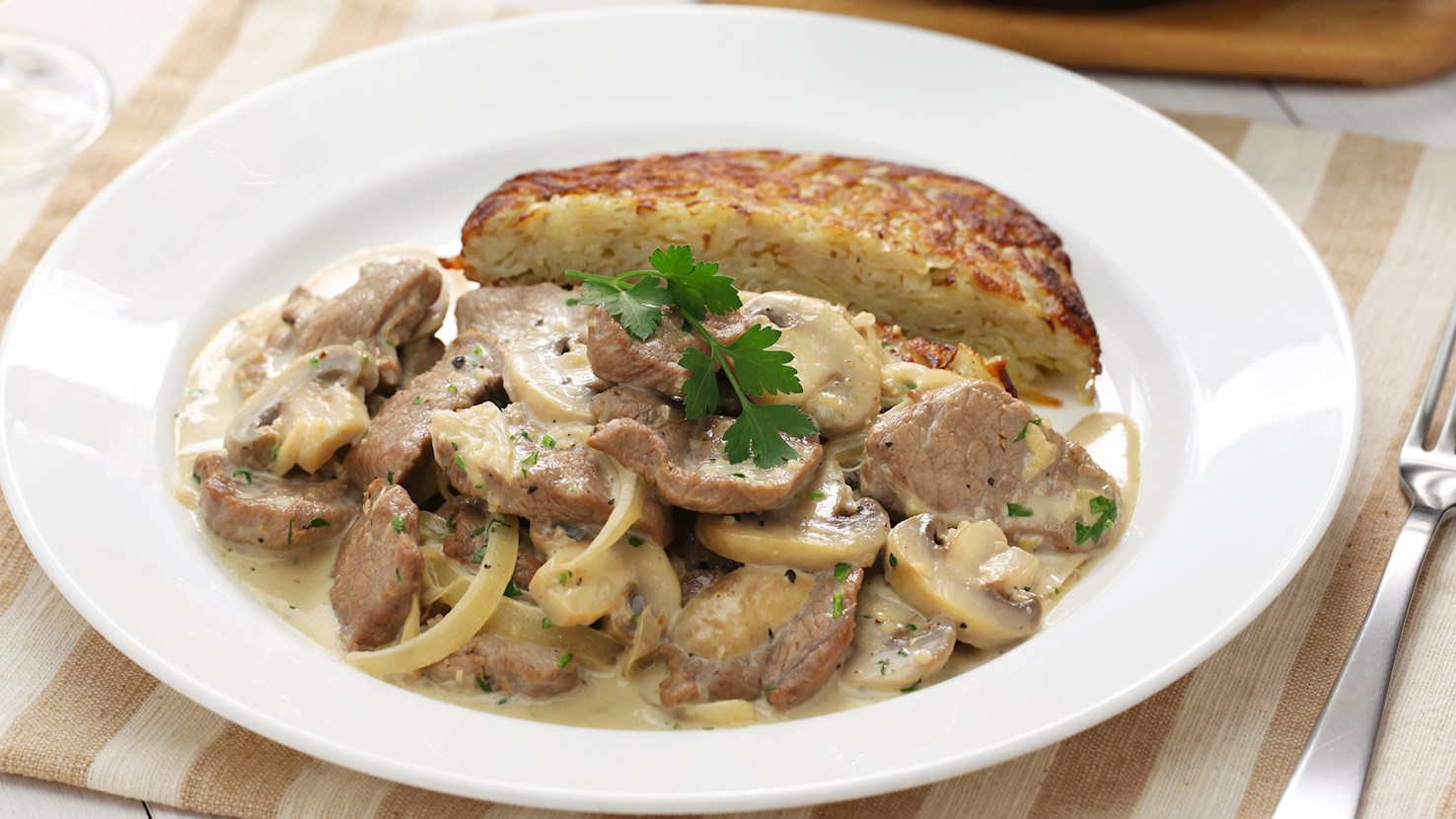
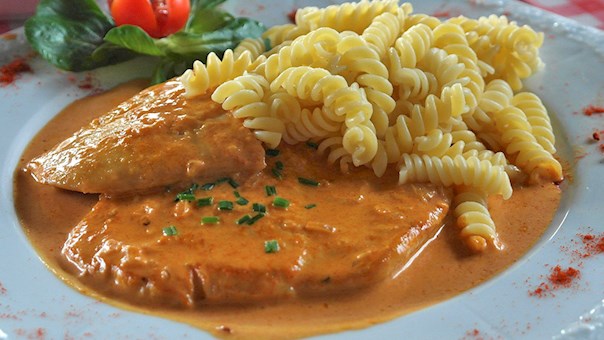
Traditionally prepared with sliced veal strips, cream, beef stock, white wine, and often with the addition of mushrooms, Zürich-style veal – popularly known as Zürcher geschnetzeltes – first appeared in cookbooks in 1947, but nowadays it is considered one of the classic dishes with origins in the Zürich region. The dish is typically seasoned with salt, pepper, paprika, and lemon juice. Although potato rösti is the most common accompaniment, it can also be served with rice, mashed potatoes, or tagliatelle pasta on the side.
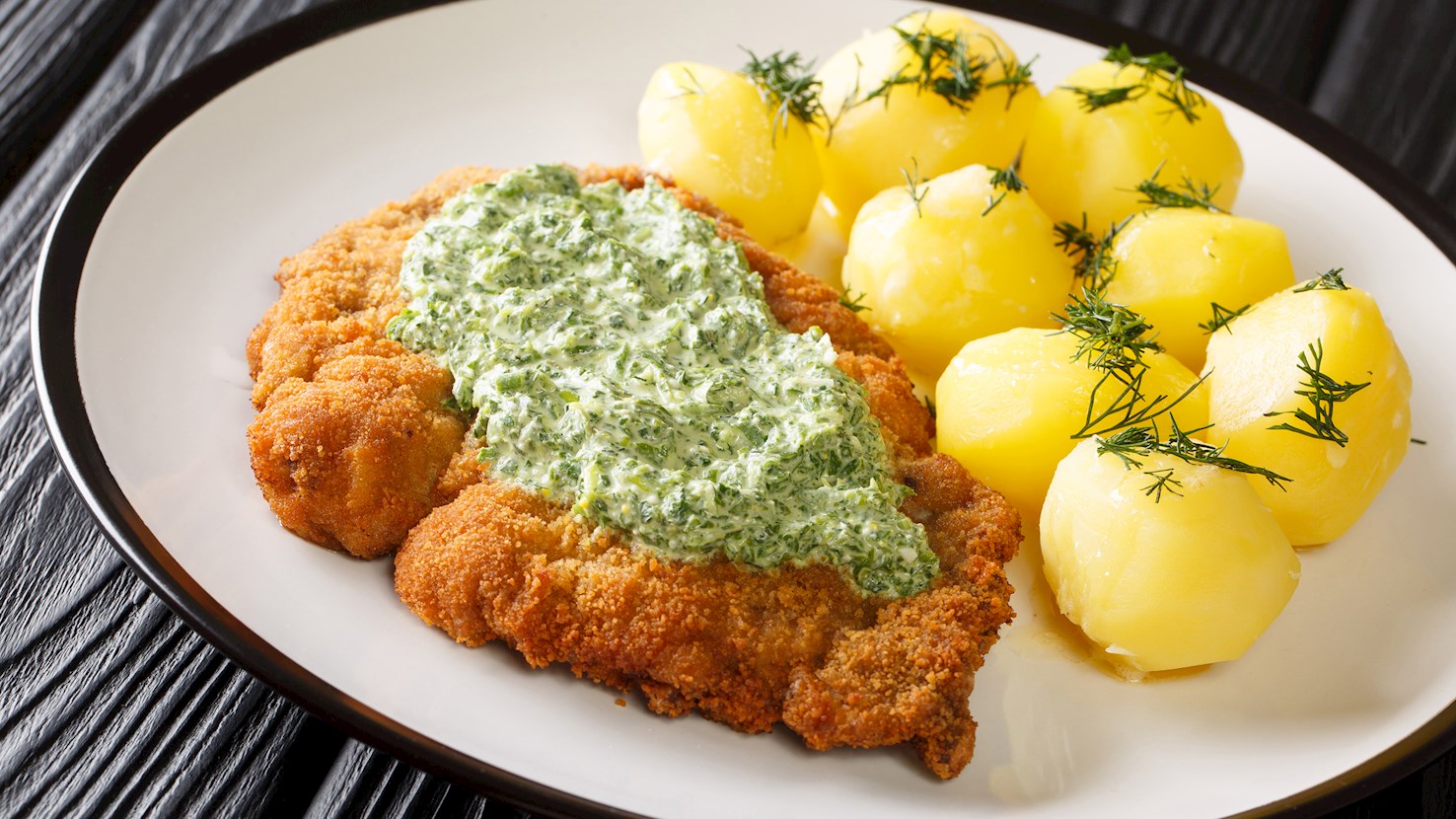
Frankfurter schnitzel is a traditional dish originating from Frankfurt. The dish is very similar to the famous Wiener schnitzel, which is always made with veal, but this version from Frankfurt can be prepared with other types of meat such as pork. The meat is pounded thin, coated with flour, dipped in beaten eggs, and dredged in breadcrumbs before it's fried in clarified butter (or a mixture of oil and butter) on both sides until golden brown and crispy. Once done, frankfurter schnitzel is traditionally served with grüne soße (green sauce), and often boiled potatoes and chopped hard-boiled eggs on the side. It's recommended to squeeze some lemon juice over the schnitzel before eating, while Apfelwein is the preferred accompanying beverage.
Münchner schnitzel is an interesting variety on the world-famous Wiener schnitzel. This is a Munich-style variety, hence the name of the dish. The veal cutlets are brushed with a combination of sweet mustard and horseradish before they're coated in flour, eggs, and breadcrumbs, then fried in butter. The dish is ready to be eaten when the meat becomes golden brown. It's traditionally served hot with lemon wedges on the side.
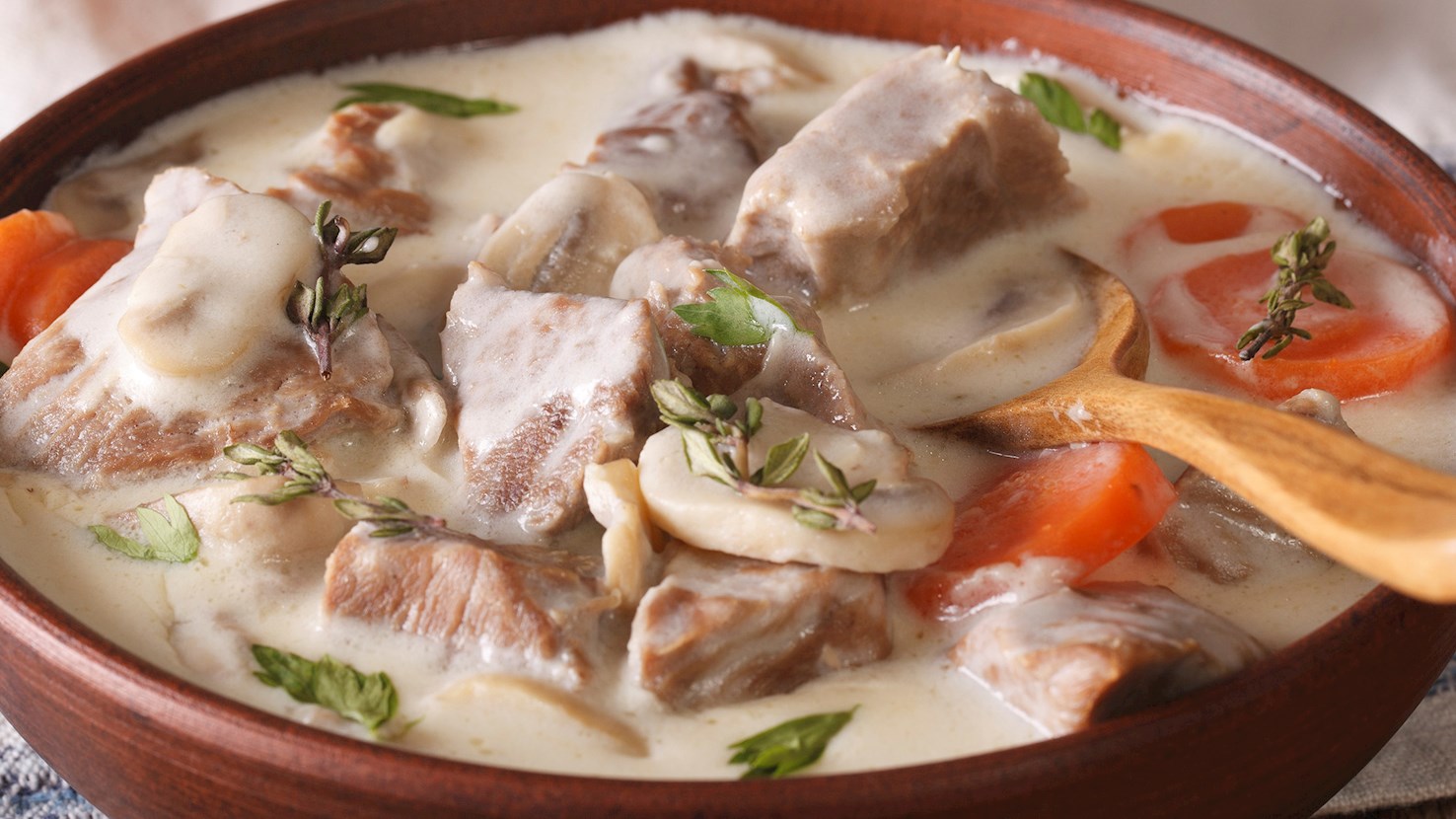
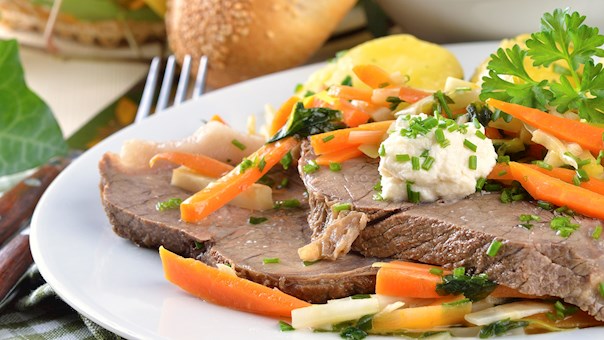
Often considered an institution of French cuisine and the mother of all French dishes, this is the ultimate home cooked meal – traditional and bourgeois, yet simple and flavorful. Blanquette de veau is a veal stew (often with mushrooms and onions) in which neither the veal nor the butter is browned during cooking. The ingredients are cooked en blanquette, meaning that they are simmered in white stock or water with various seasonings, resulting in a decadent and creamy white sauce. The first recipe for blanquette de veau hails from the 1739 edition of Les Dons de Comus, in which the author references its long tradition. The dish is usually served with rice, but carrots, leeks, and cucumbers also make great accompaniments to this gem of French cuisine.
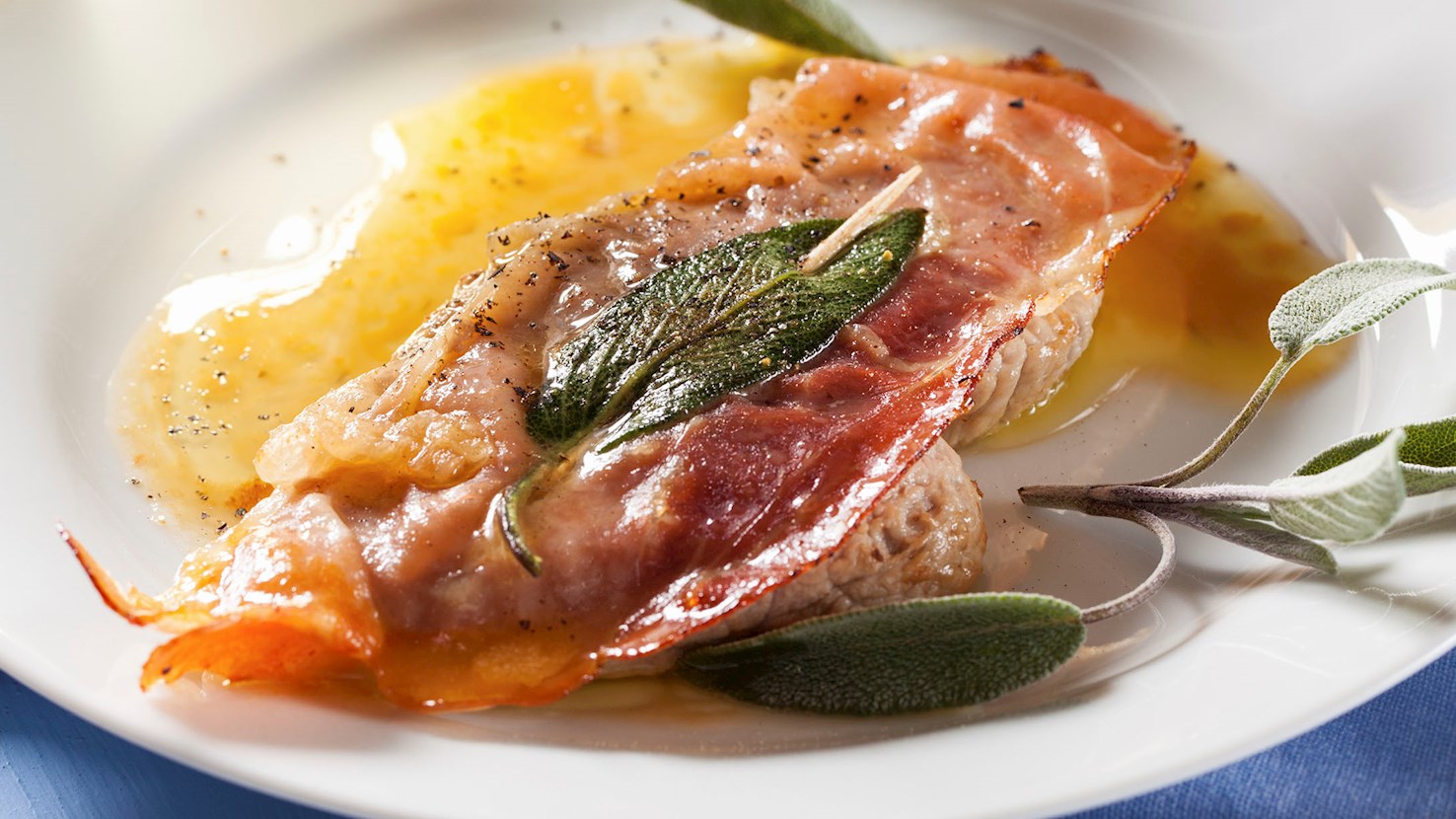
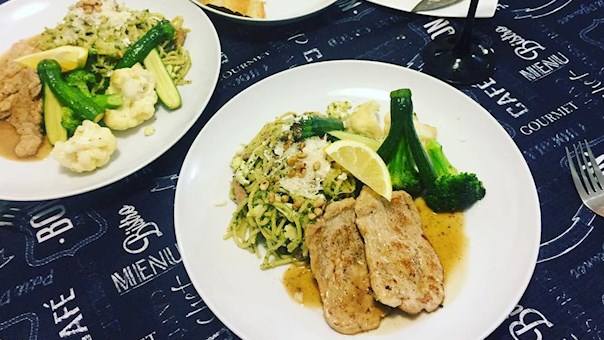
This dish is one of the most traditional Roman dishes, and it is deeply rooted in regional cuisine. The name of this Italian classic comes from salti in bocca, meaning it jumps in the mouth, which is exactly what the flavors of saltimbocca do. The dish consists of tender, pan-fried veal cutlets that are wrapped in Italian prosciutto, flavored with fresh sage, then sautéed in white wine. Even though the original recipe for saltimbocca is supposedly centuries old, the first written trace of this dish was found in Pellegrino Artusi’s 1891 cookbook La Scienza in Cucina e l’Arte di Mangiar Bene, in which he claims to have enjoyed this famed dish at Roman trattoria Le Venete. However, saltimbocca alla Romana is often said to have originated not in Rome, but in Brescia, a Lombardian city nestled at the foot of the Alps, where an almost identical dish dubbed saltimbocca alla Bresciana has been prepared since the early 1800s. Regardless of its true origins, saltimbocca is one of Rome’s favorite secondi piatti today, and it is usually enjoyed with a side of green vegetables such as piselli alla Romana, Roman-style green peas.
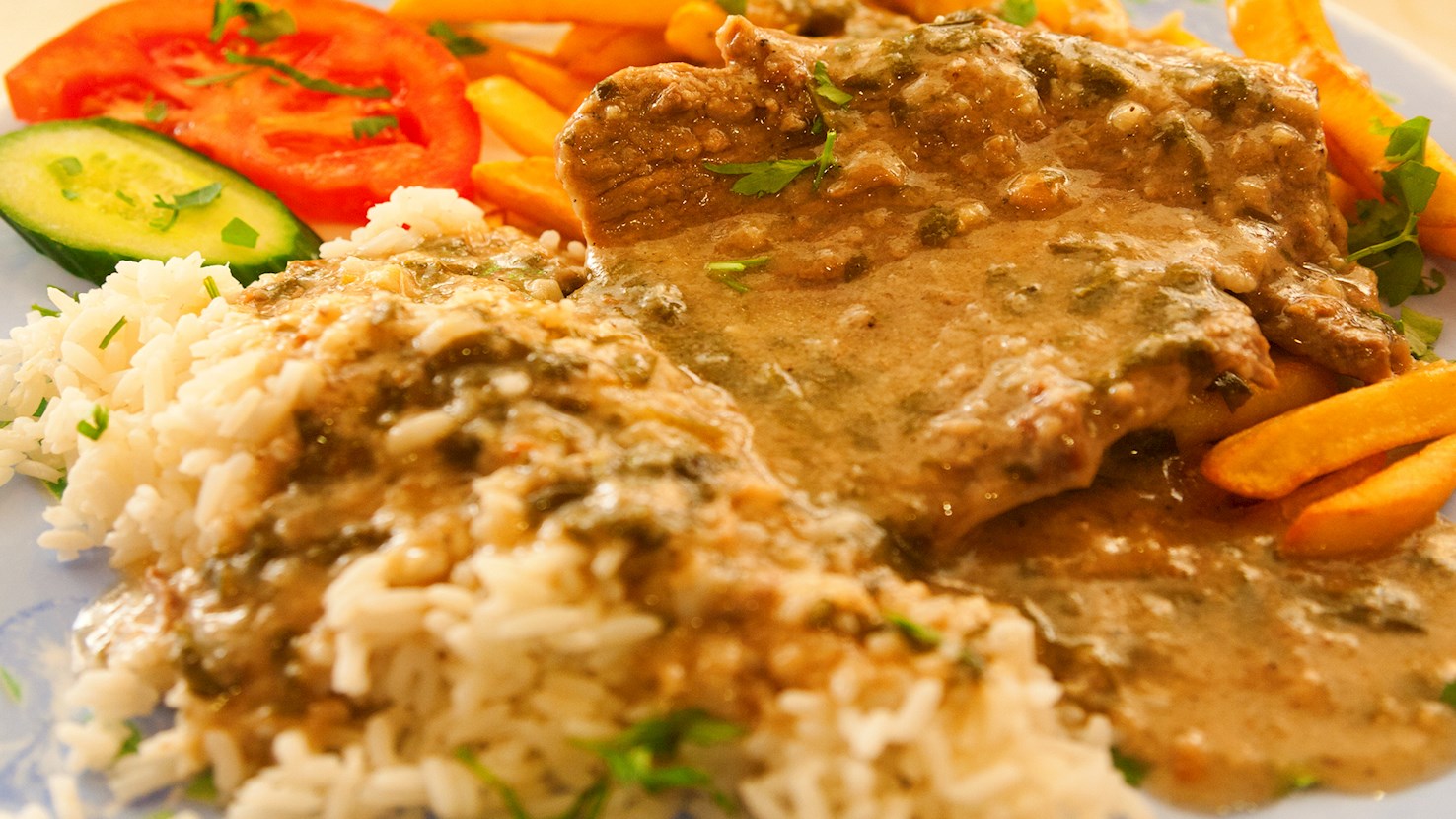
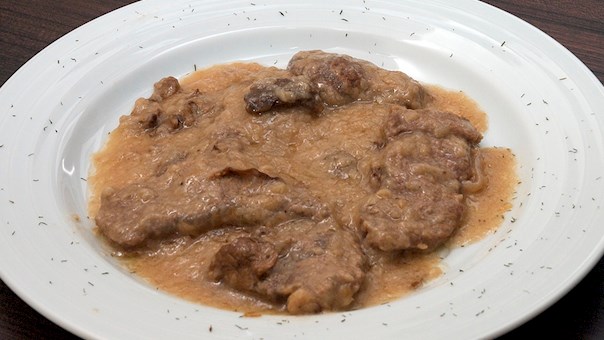
Greek sofrito is a dish consisting of tender cuts of beef or veal that are lightly dredged in flour and then slowly sautéed in a flavorful sauce based on white wine, which is additionally seasoned with garlic, parsley, and vinegar. Though it is considered a delicacy that hails from Corfu, it is commonly enjoyed throughout the country. Because the term sofrito stems from the Italian language, meaning to sautée, and the whole island was under the Venetian rule for centuries, it is believed that the dish was inspired by traditional Venetian cuisine. Greek sofrito is typically accompanied by rice, potatoes, or crusty bread.
TasteAtlas food rankings are based on the ratings of the TasteAtlas audience, with a series of mechanisms that recognize real users and that ignore bot,
nationalist or local patriotic ratings, and give additional value to the ratings of users that the system recognizes as knowledgeable.
For the “Top 55 European Veal Dishes” list until May 16, 2026, 2,466 ratings were recorded, of which 1,922 were recognized by the system as legitimate.
TasteAtlas Rankings should not be seen as the final global conclusion about food. Their purpose is to promote excellent local foods,
instill pride in traditional dishes, and arouse curiosity about dishes you haven’t tried.