


shutterstock

Top 4 Lombard Veal Dishes

Last updated on November 15, 2026
01

Cotoletta alla Milanese

4.2 ·

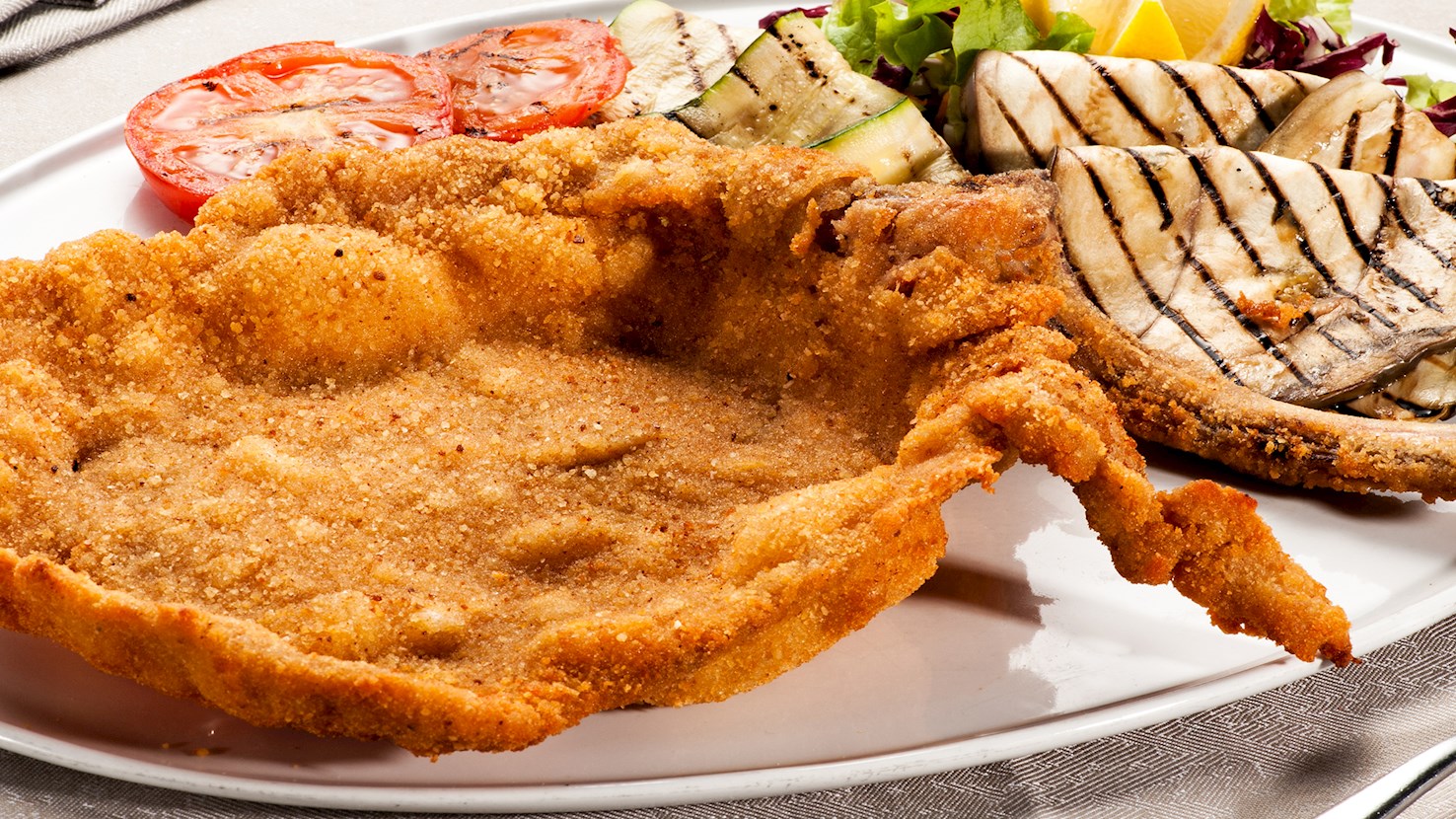
Just like its distant Viennese cousin, cotoletta alla Milanese is a thinly pounded, breaded, pan-fried veal cutlet. Although similar, the two dishes do differ slightly: the Viennese version is traditionally dipped in both flour and bread crumbs before being fried in oil, butter, or a combination of both, while the Milanese version is cooked bone-in and uses only bread crumbs and butter. It is often suggested that the similarities between these two culinary classics are not purely coincidental, as Milan was a part of the Austro-Hungarian Empire in the 17th and 18th century. However, when responding to any superficial comparison between the cotoletta and Wiener schnitzel, the Milanese will proudly point out that their dish has been a specialty of Milan and Lombardy since the 12th century. A recent Milanese invention is a version of the cotoletta called l’orecchia di elefante (lit. elephant's ear) in reference to its size and shape, while the original version gets its name from la costoletta - the cut of meat traditionally used to make it, a nearly inch-thick bone-in veal chop.

02

Ossobuco alla Milanese

4.1 ·

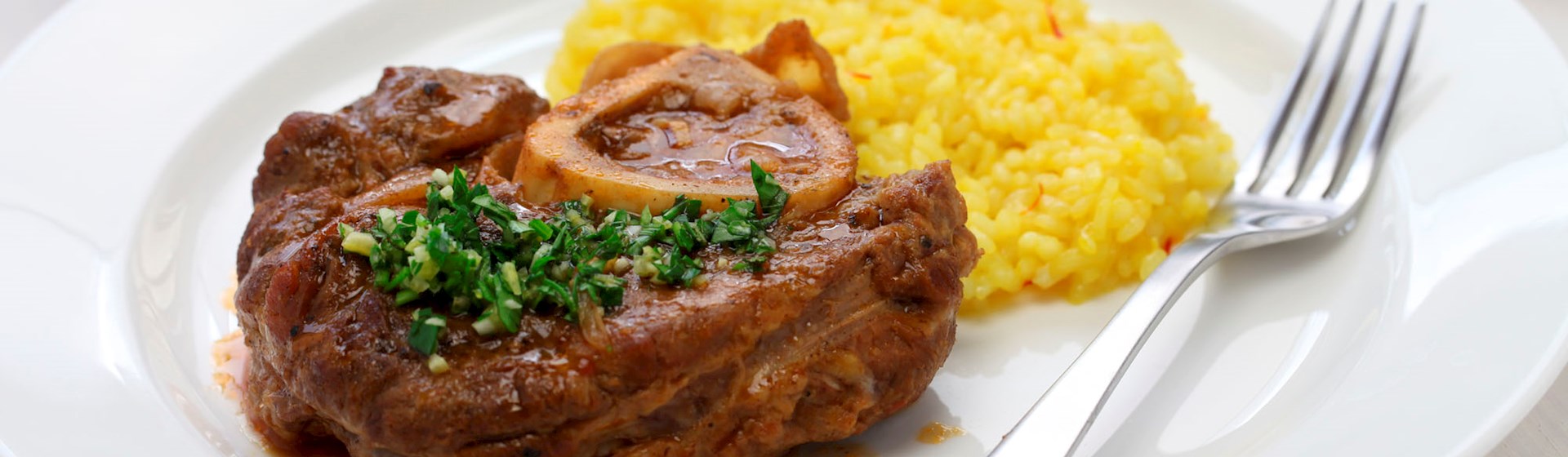
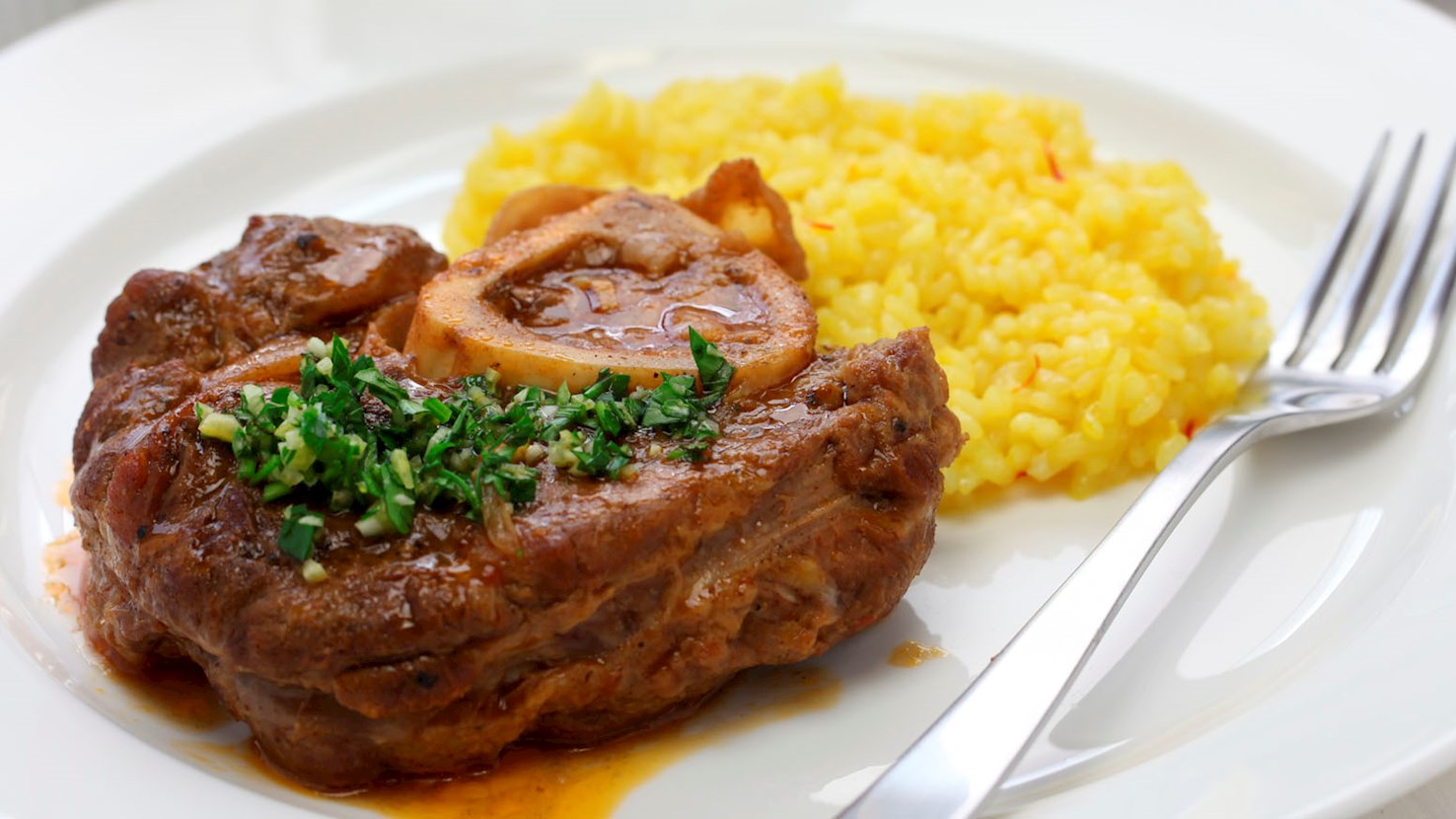
Locally known as l'oss bus a la Milanesa, these wine-braised veal shanks are a classic of northern Italian cuisine and one of Milan's most cherished signature dishes. Ossobuco is believed to have been prepared in local trattorias for centuries, although the first written recipe was found in Pellegrino Artusi's 1891 cooking manual La Scienza in Cucina e l’Arte di Mangiar Bene. The word ossobuco translates to hollow bone — the cut of veal used for this dish is sliced horizontally through the bone and exposes the marrow, which is what gives the dish its buttery richness. Slow-cooked in beef broth until the meat becomes soft enough to cut with a fork, ossobuco is finished with a topping of gremolà or gremolada, a zesty herb relish made with mashed anchovies, minced garlic, parsley, and lemon zest. Ossobuco can be served alone or it can be accompanied by polenta, peas, mashed potatoes, or spinach with butter, but for a real feast of flavors, it is best enjoyed with risotto alla Milanese.

03

Ossibuchi con piselli

n/a ·

Ossibuchi con piselli is a classic Italian dish, particularly associated with Lombardy, that consists of braised veal shanks (ossibuchi) cooked until tender and served with peas (piselli) in a savory sauce. The preparation begins by dusting the ossibuchi with flour and browning them in a pan with olive oil. A soffritto of finely chopped onions, carrots, and celery is then added to enhance the flavor. After the meat is seared, white wine is used to deglaze the pan, followed by the addition of broth to keep the dish moist during cooking. The ossibuchi are simmered until they become tender, typically for about an hour. Toward the end of cooking, peas are added to the sauce, which gives the dish a touch of sweetness and freshness that balances the richness of the meat. Ossibuchi con piselli is often garnished with gremolata (a mixture of lemon zest, garlic, and parsley), adding a fresh and citrusy finish to the dish. It’s typically served with risotto, polenta, or mashed potatoes to soak up the flavorful sauce.

04

Messicani alla milanese

n/a ·

Messicani alla milanese is a traditional dish originating from Milan. The dish is usually made with a combination of veal, breadcrumbs, eggs, sausage, mortadella, rosemary, Grana Padano, parsley, nutmeg, garlic, sage, milk, stock, butter, flour, olive oil, Marsala or dry white wine, salt, and pepper. Thin slices of veal are wrapped around a mixture of sausage, ground veal or pork, cheese, eggs, and nutmeg. Once assembled, they're threaded onto wooden skewers and sautéed in sage-flavored butter and olive oil. A splash of Marsala or white wine is added near the end of cooking. The messicani (Mexicans) are typically served with mashed potatoes on the side.

About this Ranking

TasteAtlas food rankings are based on the ratings of the TasteAtlas audience, with a series of mechanisms that recognize real users and that ignore bot, nationalist or local patriotic ratings, and give additional value to the ratings of users that the system recognizes as knowledgeable.

TasteAtlas Rankings should not be seen as the final global conclusion about food. Their purpose is to promote excellent local foods, instill pride in traditional dishes, and arouse curiosity about dishes you haven’t tried.

What People Say

Similar Lists