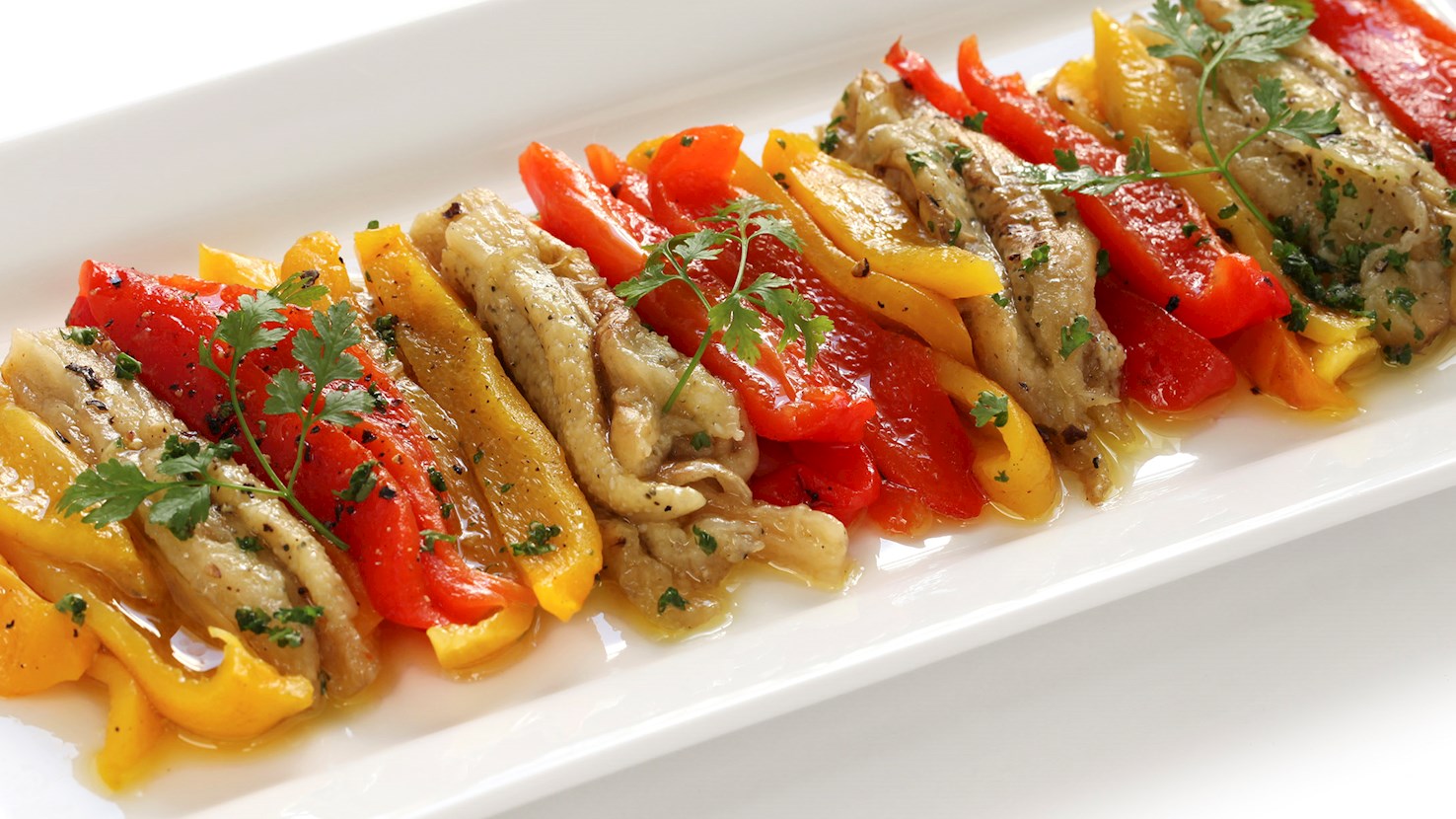
Escalivada is one of the most famous dishes from the Catalonia region of Spain, but it is also one of the simplest. The main ingredients include eggplants, bell peppers, and sometimes onions and tomatoes, typically grilled whole over hot embers. The vegetables are then peeled, seeded, seasoned, and served as appetizers or side dishes, accompanying numerous roasted or grilled meat dishes and complementing each other. The name of the dish is derived from the word escalivar, meaning to roast over embers, to grill, or to roast in ashes. It is believed that the first escalivada was prepared by farmers from the Pyrenees mountains, who would prepare the meal while the cattle was out on the pastures. Although escalivada is nowadays served mostly as a side dish, it can also be served as tapas, a warm salad, or as an accompaniment to fish dishes.
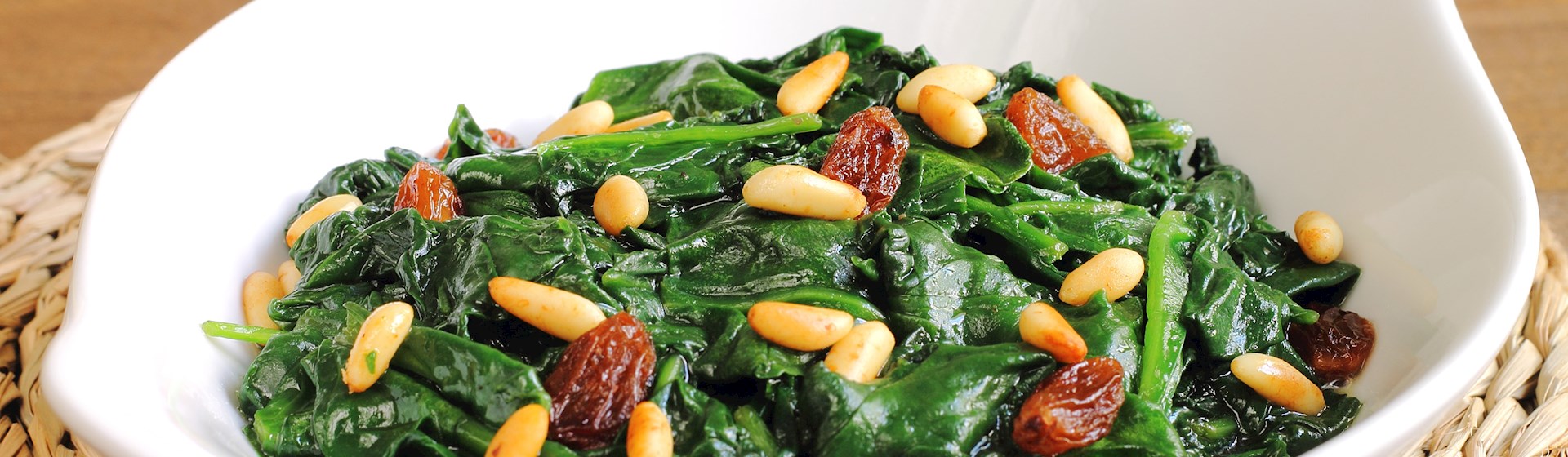
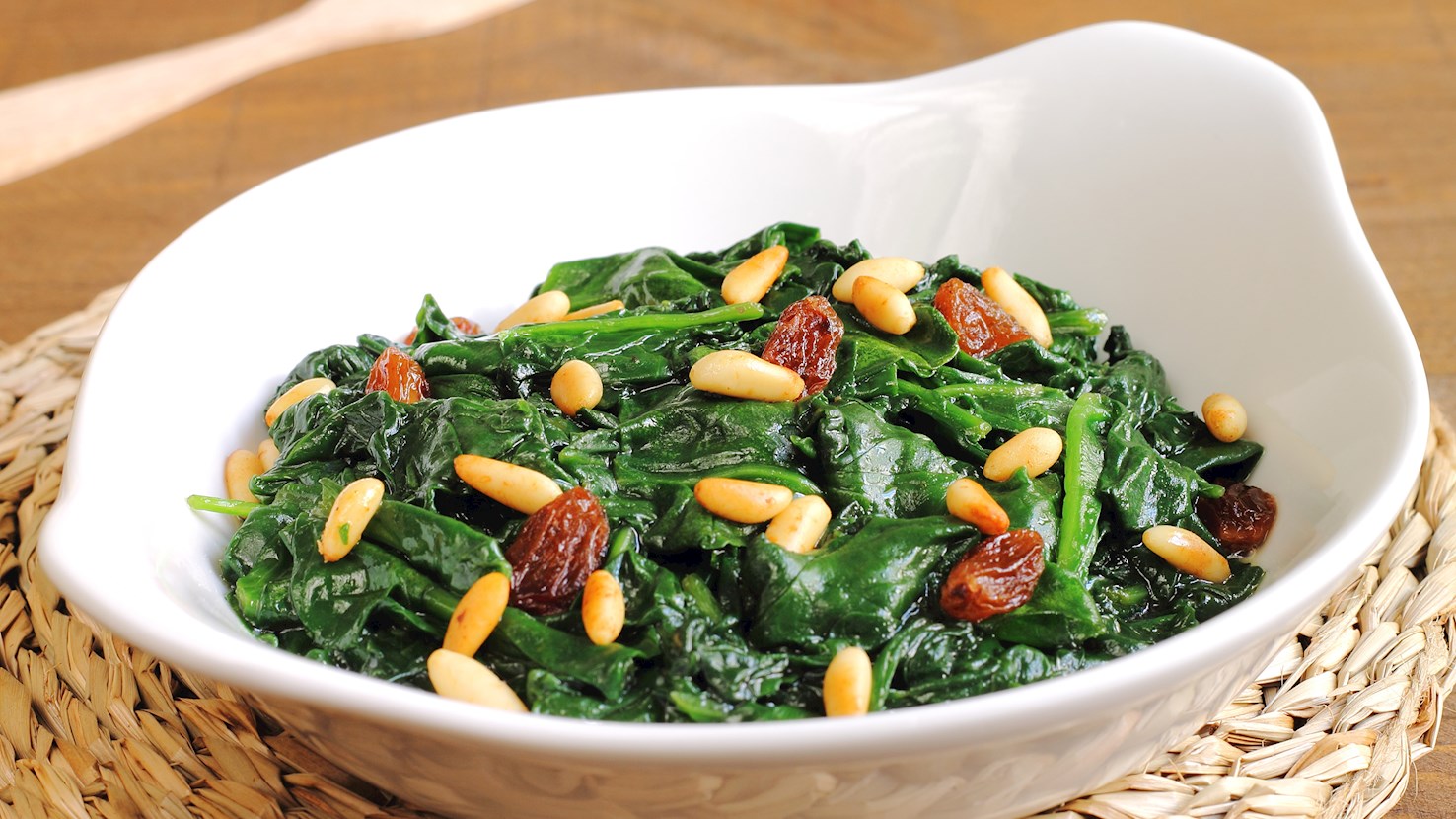
Espinacas a la catalana is a traditional dish originating from Catalonia. It's usually made with a combination of spinach, raisins, olive oil, salt, pepper, garlic, and pine nuts. The spinach is blanched, drained, and chopped. The garlic and pine nuts are sautéed in olive oil and the garlic is then removed. The raisins and spinach are added to the pan, seasoned with salt and pepper, and then fried for a few more minutes. The dish is served on small plates, and it's often accompanied by bread and ham on the side.
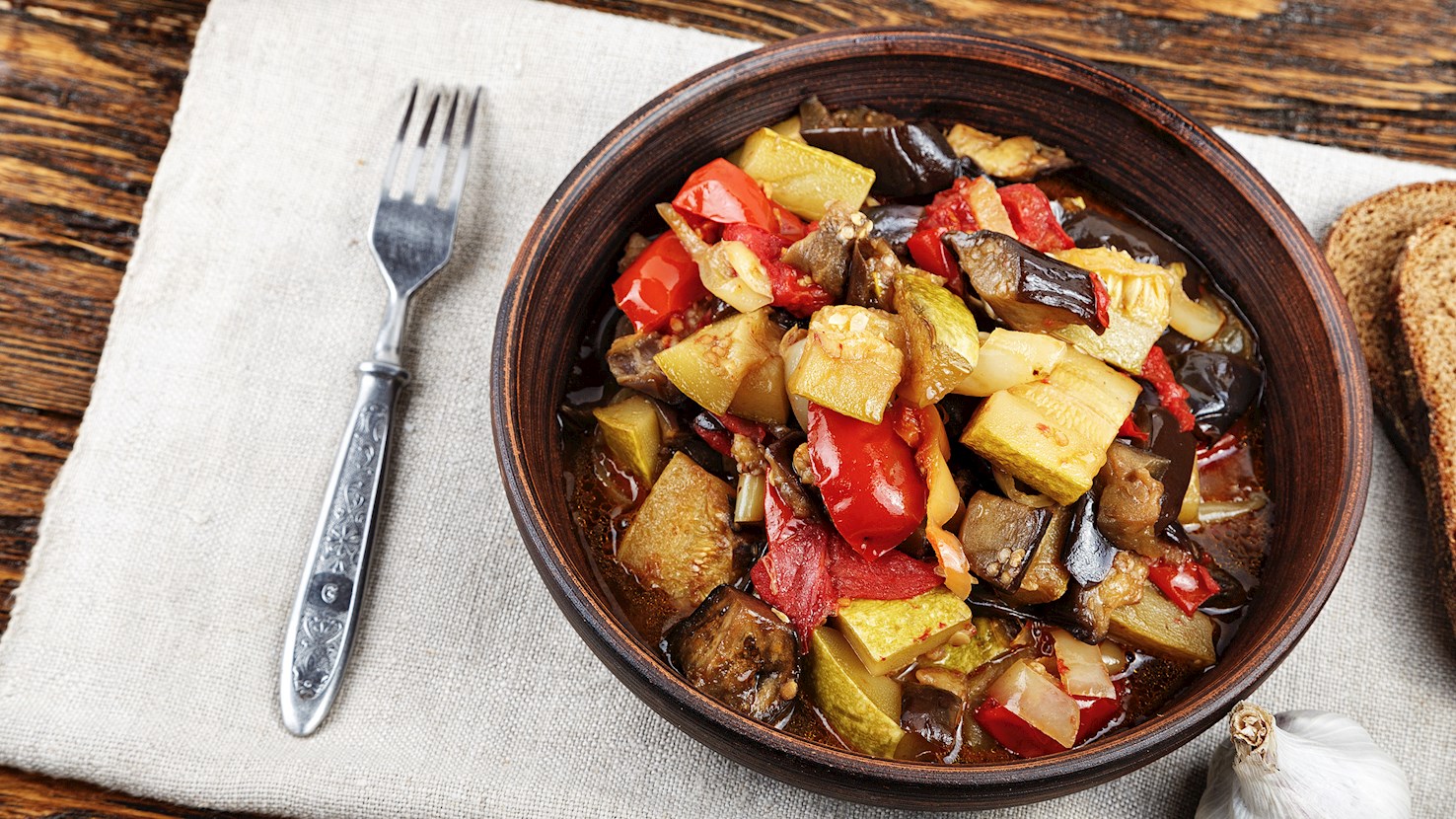
Samfaina combines eggplant, peppers, and tomatoes into a soft, olive-oil-rich mixture that Catalan cooks serve alongside meat and fish or use to finish them in the pan. Onion is common, zucchini appears in many versions, and the vegetables cook until their juices form a thick sauce around the remaining pieces. Texture matters: a good samfaina is tender and cohesive, with enough substance to eat with a forkful, but moist enough to spoon over salt cod or soak into bread. Closely associated with Catalonia and also found in Valencian cooking, it belongs to the summer kitchen, when peppers, eggplants, and tomatoes are plentiful and fully ripe. By the early nineteenth century, related pepper-and-tomato mixtures accompanied salt cod and tripe in Catalan recipes. However, those preparations should not be treated as identical to every modern version. The range of vegetables has never been completely fixed. Some cooks make a relatively spare mixture dominated by peppers and tomatoes; others include onion, eggplant, and zucchini in generous quantities. That flexibility makes more sense in a household vegetable preparation than a claim that one exact formula governs the dish. Eggplant gives the mixture much of its soft body, while peppers retain a little more structure and contribute a distinct sweetness. Red and green peppers can be used together, the green ones bringing a slightly sharper, more vegetal flavor. Tomato adds acidity and is the liquid the vegetables finish cooking in. Onion adds sweetness, and garlic, when included, provides a savory background without dominating. Zucchini makes a milder, wetter mixture and is an addition rather than a universal requirement. Seasoning is generally restrained: salt and sometimes black pepper are enough, though bay leaves or other herbs occur in individual versions. Samfaina is not inherently hot, and sweet peppers are not chilies. Preparation begins with cutting the vegetables into manageable pieces, usually diced or short strips. There is no need for identical cubes, but overly uneven cuts can cause some pieces to collapse while others stay firm. Tomatoes may be peeled and chopped or grated, leaving their skins behind; either approach avoids conspicuous curls of skin in the finished sauce. Cooking order varies with the vegetables and the cook’s preferred texture. Onion and peppers often go into olive oil first because they need time to soften, followed by eggplant and, if used, zucchini. Tomato is then allowed to cook down around them. Another approach cooks some vegetables separately before combining them, giving greater control over moisture and preventing delicate zucchini from breaking down while the peppers are still firm. Eggplant absorbs oil readily at first, so it needs attentive cooking rather than repeated, indiscriminate additions of oil. As it softens, its flesh becomes supple and integrates with the tomato. The essential work happens during the slow reduction: vegetable juices mingle, the onion loses its raw sharpness, and the tomato becomes concentrated enough to coat the pieces. The excess liquid needs to evaporate, but the pan shouldn't dry out so much that the vegetables catch and turn bitter. Occasional gentle stirring protects their shape better than constant vigorous mixing. Neither flour nor cream is needed to thicken the mixture. Its body comes from softened vegetables, reduced tomato, and olive oil. Samfaina shares ingredients with ratatouille and several Spanish vegetable dishes, but in Catalan cooking its frequent use as both sauce and accompaniment is particularly useful. It is also more substantial than a basic onion-and-tomato sofregit: the peppers and eggplant remain an appreciable part of the meal. Bacallà amb samfaina, salt cod with samfaina, is a familiar application. The desalted fish may be lightly floured and fried before spending a short time with the vegetables, allowing the sauce to gather around it without prolonged cooking that would dry its flakes. Chicken, rabbit, and pork also appear with samfaina, often browned first and then cooked with the vegetables so their juices enter the sauce. In homes and restaurants, these are substantial everyday dishes rather than foods tied to a single celebration. Samfaina can also accompany eggs or become a meal with bread, especially when the vegetables are at their summer best. It can be served hot or warm, and a brief rest after cooking lets the separate vegetable flavors settle together. With salt cod, a piece of crusty bread is useful for the tomato-rich juices; alongside chicken or rabbit, potatoes or plain rice make a practical accompaniment. A spoonful beside a fried egg gives the yolk something to mingle with, while toasted country bread underneath catches the oil and sauce.
TasteAtlas food rankings are based on the ratings of the TasteAtlas audience, with a series of mechanisms that recognize real users and that ignore bot,
nationalist or local patriotic ratings, and give additional value to the ratings of users that the system recognizes as knowledgeable.
TasteAtlas Rankings should not be seen as the final global conclusion about food. Their purpose is to promote excellent local foods,
instill pride in traditional dishes, and arouse curiosity about dishes you haven’t tried.



What People Say