



shutterstock

Top 8 Chinese Vegan Dishes

Last updated on July 15, 2026
01

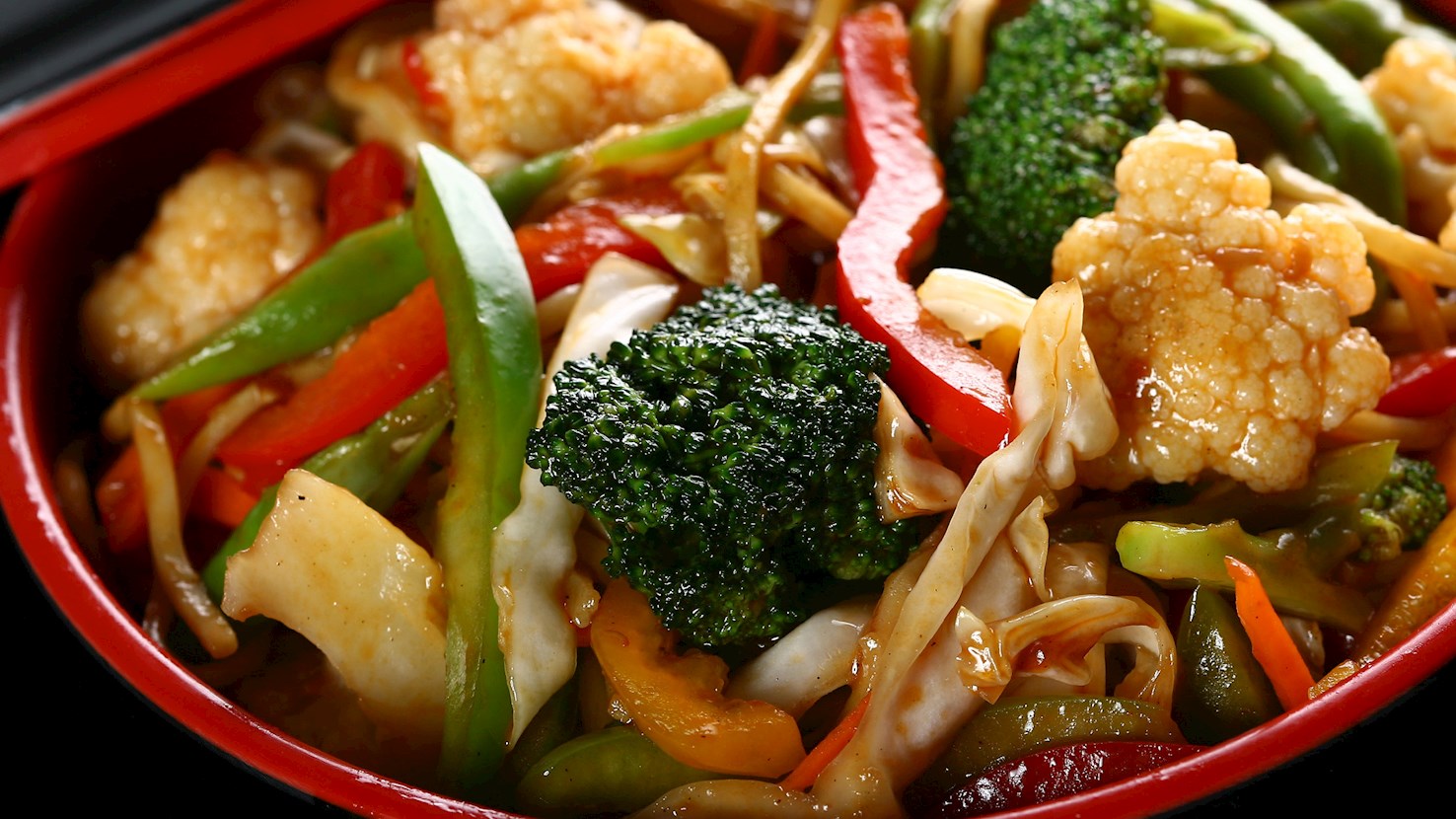
Luo han zhai (Buddha's delight)

3.5 ·

Buddha's delight is a popular dish both in numerous Chinese households and in Buddhist temples, since it is a vegetarian dish, often consisting of more than ten different types of vegetables which are cooked in soy sauce and spices until they develop a tender texture. Some of the more common vegetables used in the dish are bamboo shoots, black mushrooms, carrots, lotus seeds, water chestnuts, and cellophane noodles. Originally, the dish was a staple of Buddhist monks, as all of them are practicing vegetarians, but today, it is an international dish prepared in many Chinese restaurants, satisfying the appetites of vegetarians throughout the world. Buddha's delight is especially popular for Chinese New Year celebrations due to the Buddhist practice of maintaining a vegetarian diet for the first five days of the new year.

02

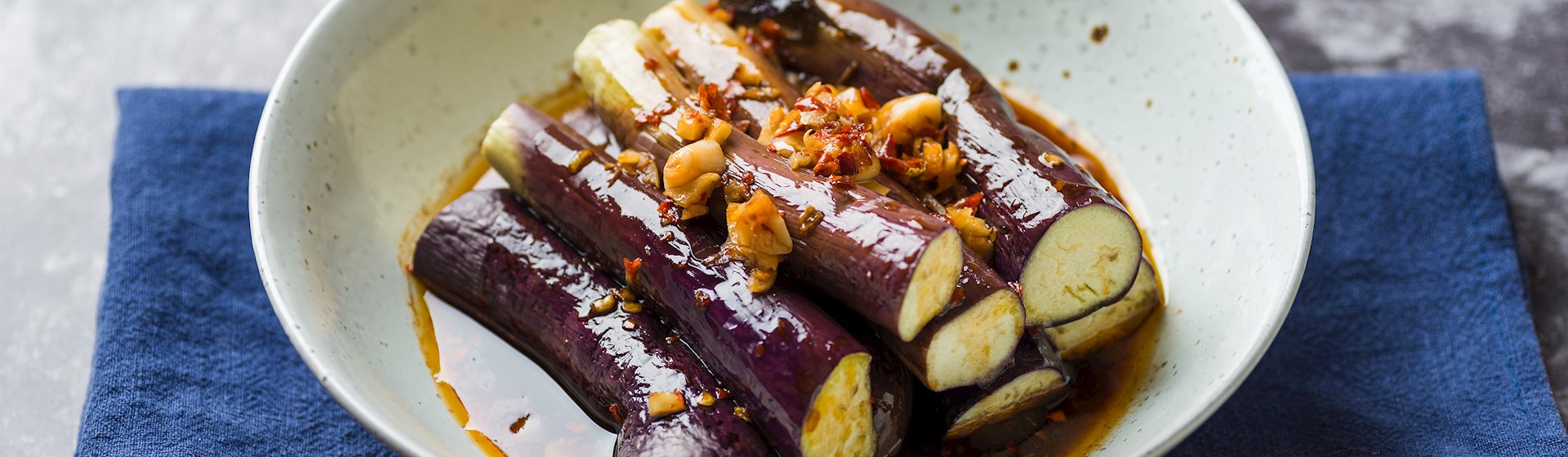
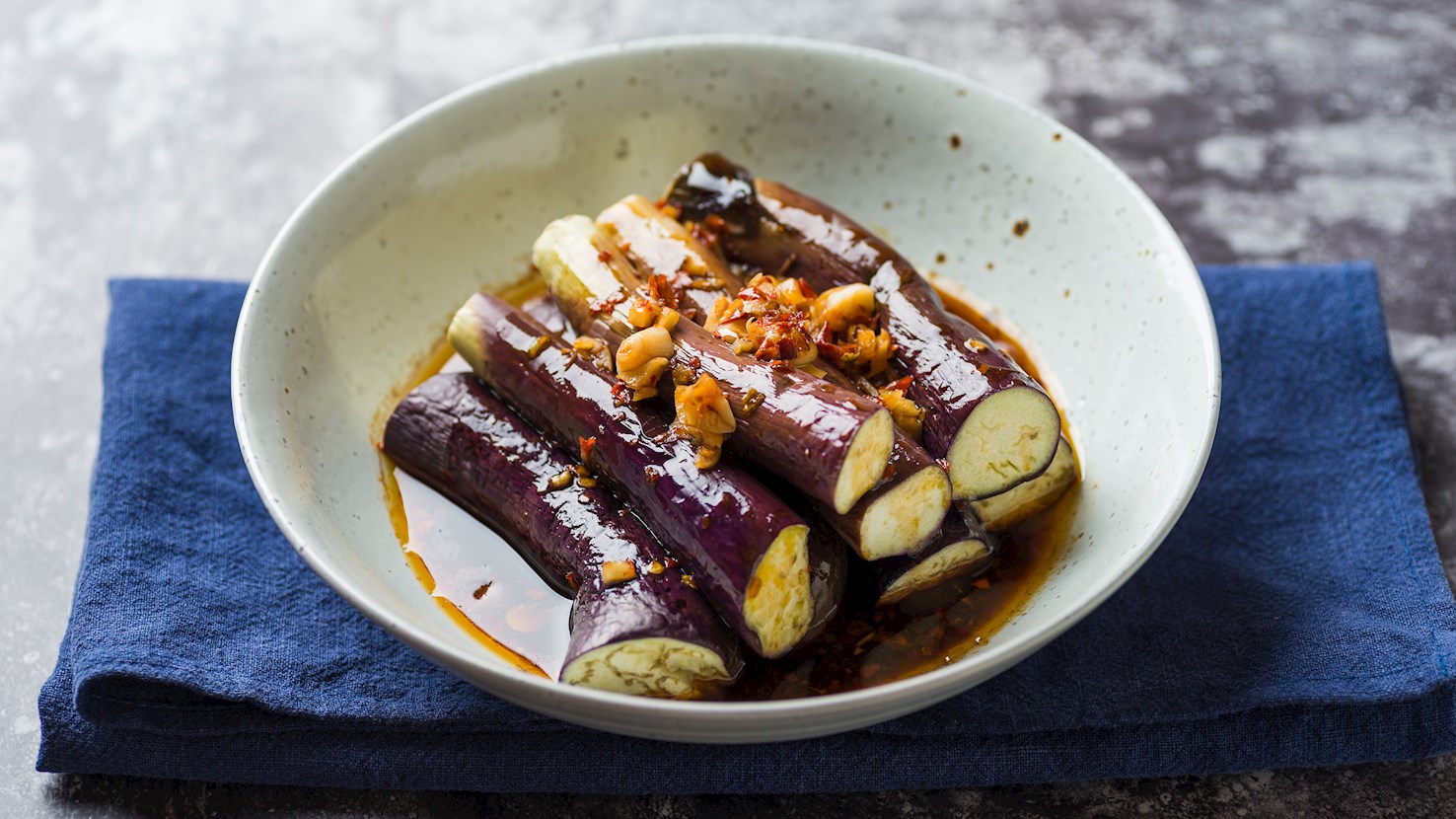
Liang ban qie zi (Cool steamed eggplant with a garlicky dressing)

3.5 ·

Liang ban qie zi is a traditional dish originating from Shanghai. The dish is usually made with a combination of eggplants, scallions, garlic, ginger, soy sauce, oil, sugar, and Chinkiang vinegar. The eggplants are sliced and cut into bite-sized strips that are steamed in a steamer basket until tender. The strips are piled in a serving dish and topped with garlic, scallions, and ginger. The oil is heated in a pan and ladled over the garlic, scallions, and ginger to create a sizzling effect. A mixture of vinegar, soy sauce, and sugar is poured over the eggplants and the dish is gently stirred before it's served as an appetizer.

03

Qiang lian hua bai (Stir-fried cabbage with chili)

3.3 ·

Qiang lianhuabai is a traditional dish originating from Sichuan. The dish is usually made with a combination of cabbage, dried chili peppers, soy sauce, Chinkiang black vinegar, Sichuan pepper, salt, sugar, and oil. In order to prepare the dish, the cabbage is torn and stir-fried with hot peppers and Sichuan pepper, and then seasoned with sweet-and-sour flavorings before serving. The Chinese prefer to use lianhuabai, the large, flat, and loosely-leaved white cabbage, but it can be replaced with regular cabbage. This dish is beloved because it's quick and easy to make along with being inexpensive.

04

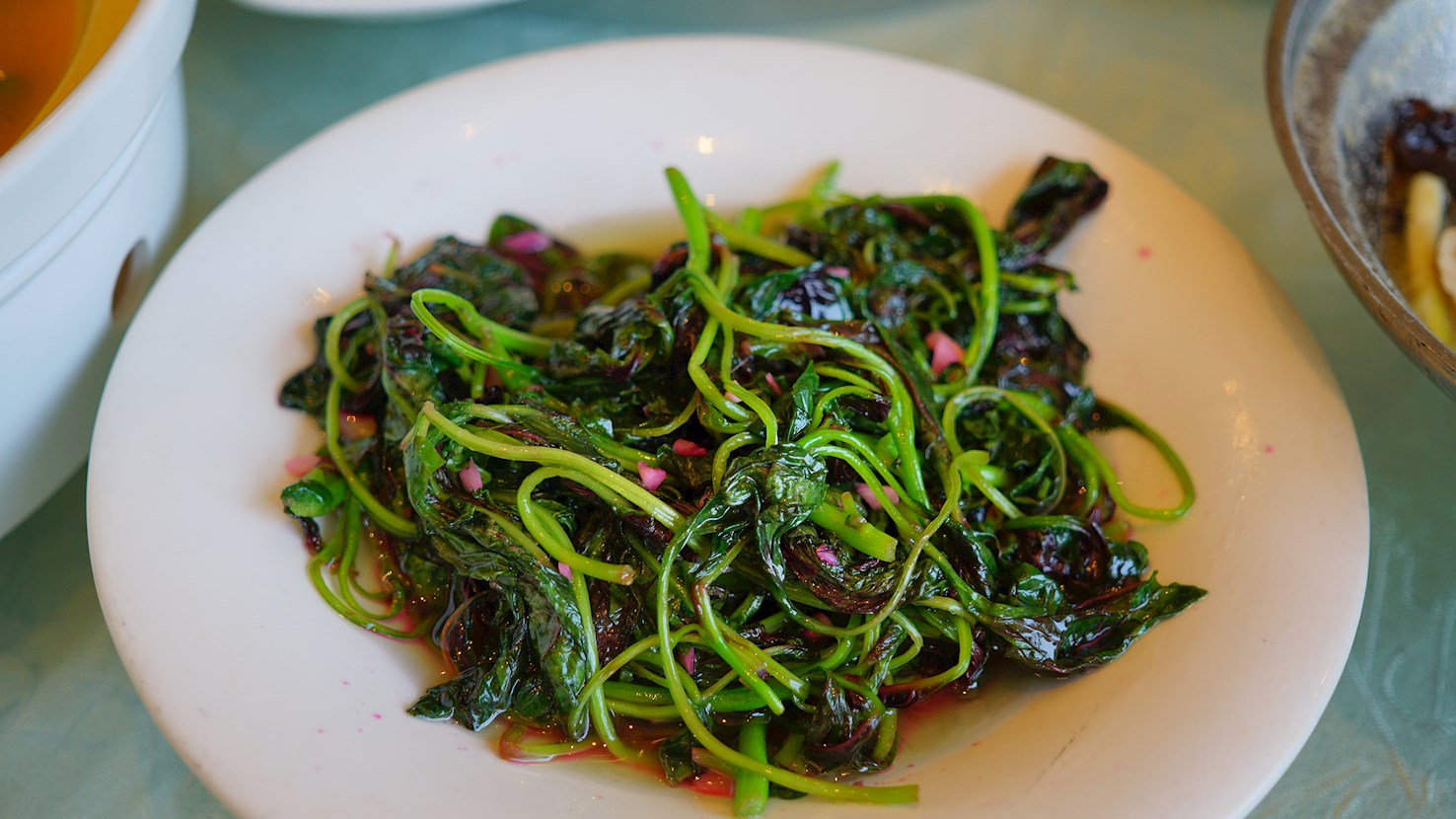
Da suan chao han cai (Stir-fried amaranth with garlic)

3.2 ·

Chao hancai is a traditional dish originating from Sichuan. The dish is usually made with a combination of amaranth leaves, garlic, oil, salt, and sesame oil. The garlic is peeled, sliced, and stir-fried in oil in a wok. Before it becomes golden, amaranth leaves are added to the wok and stir-fried with garlic until the stems are tender and the leaves wilted. The wok shouldn't be too dry – if it gets dry, a bit of stock is added so that the final dish rests in a small pool of liquid from the leaves. Once stir-fried, chao hancai is seasoned with salt and served hot. Traditionally, the people of Sichuan eat amaranth during the Dragon Boat Festival, along with zongzi and salted duck eggs.

05

You men chunsun (Braised spring bamboo shoots)

n/a ·

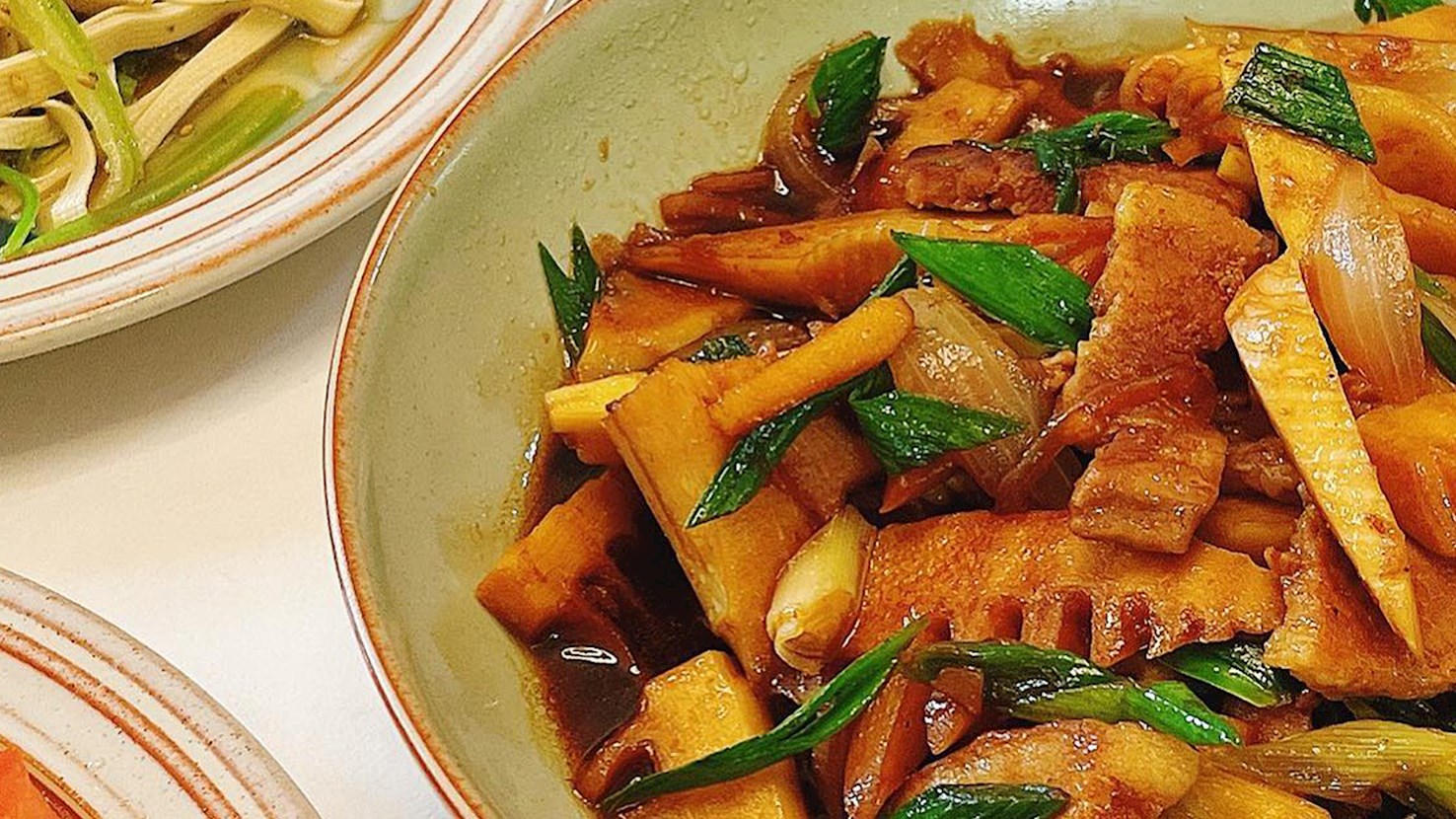
The Chinese dish known as braised spring bamboo shoots is often seen in the menus of numerous restaurants in the country because it is easy to prepare, high in nutrients, and has a delicious, savory flavor. Spring bamboo shoots are unearthed around April 5, also known as the Tomb-Sweeping Day. In order to prepare the dish, tender bamboo shoots are simply braised in vinegar and lots of sugar. When properly prepared, the dish should have a bright red color and a flavor which can best be described as tender, fresh, salty, and sweet.

06

Qing jiao yu mi (Corn with green peppers)

n/a ·

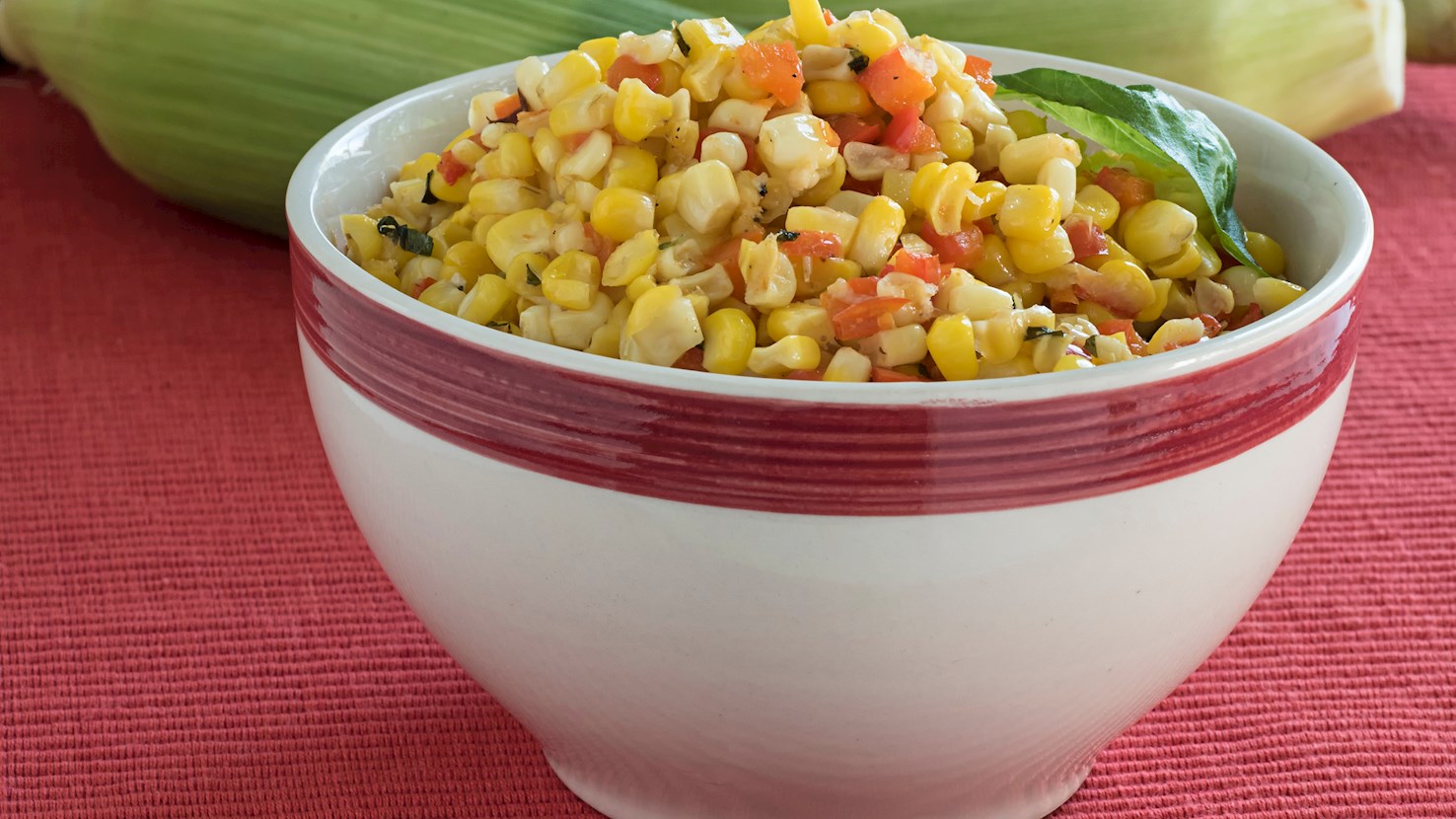
Qing jiao yu mi is a traditional dish originating from Sichuan. This simple dish is usually made with a combination of sweet corn kernels, green peppers, salt, and oil. The kernels are stripped from the cobs, the pepper is cut into chunks that are roughly the same size as corn kernels, and both are then fried in oil in a wok over high heat until piping hot and sizzling. During the stir-frying process, the dish is seasoned with plenty of salt. Qing jiao yu mi is an everyday dish that can be found in home kitchens and low-key restaurants in the region.

07

Chao dou ya (Stir-fried bean sprouts)

n/a ·

Stir-fried beansprouts is a traditional side dish that's popular throughout China and in Chinese restaurants across the world. It's usually made with a combination of beansprouts, garlic, scallions, salt, and vegetable oil. Crisp and firm beansprouts are washed and stir-fried with garlic in vegetable oil. Once the beansprouts are coated with the oil, the scallions and salt are added to the wok, and the dish is shortly stir-fried until everything is heated through. Stir-fried beansprouts are served while still hot, often as an accompaniment to meat dishes. There are many variations on the dish, so it's not unusual to see ginger, soy sauce, or hot peppers in the wok as well.

08

Gan bian ku gua (Dry-fried bitter melon)

n/a ·

Ganbian kugua or dry-fried bitter melon is a traditional dish originating from Sichuan. The most common version of the dish is made with a combination of bitter melon, green peppers (bell peppers or hot peppers), oil, sesame oil, and salt. The dish is made using a technique called ganbian, which means dry-frying with minimal oil. The melon is sliced and dry-fried with thinly sliced green peppers. Once fried, the dish is seasoned with salt and it's ready to be enjoyed. Gnabian kugua has an extremely bitter flavor, which is an acquired taste. The dish is especially popular in hot and humid weather.

Read more
View all
View map
About this ranking

TasteAtlas food rankings are based on the ratings of the TasteAtlas audience, with a series of mechanisms that recognize real users and that ignore bot, nationalist or local patriotic ratings, and give additional value to the ratings of users that the system recognizes as knowledgeable. For the “Top 8 Chinese Vegan Dishes” list until July 15, 2026, 86 ratings were recorded, of which 72 were recognized by the system as legitimate. TasteAtlas Rankings should not be seen as the final global conclusion about food. Their purpose is to promote excellent local foods, instill pride in traditional dishes, and arouse curiosity about dishes you haven’t tried.

Similar lists