


shutterstock

Top 6 Nepali Vegan Dishes

Last updated on June 15, 2026
01

Dal bhat

4.0 ·

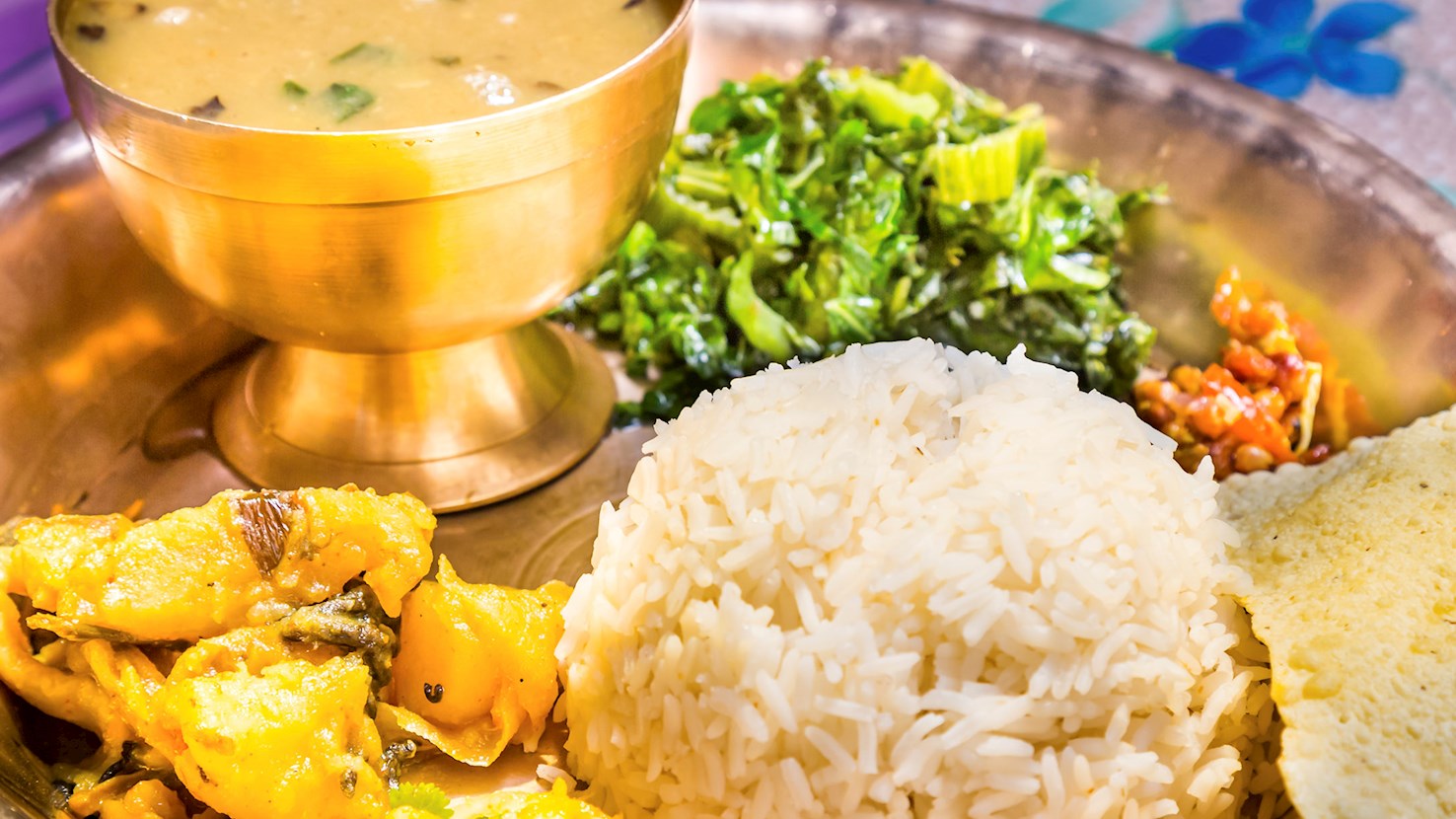
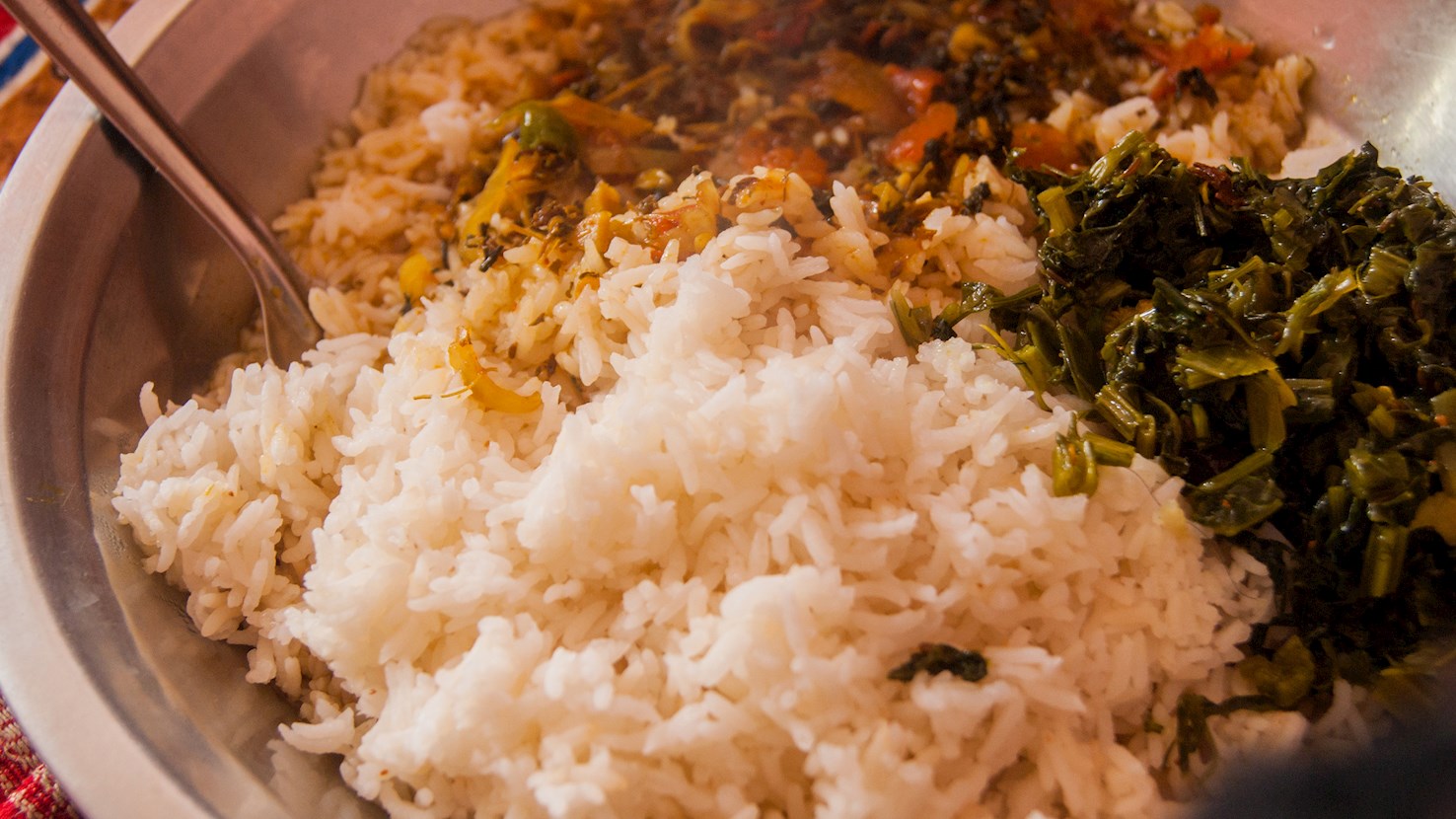
Dal bhat, a staple of Nepalese diet, is a combination of rice (bhat) and lentil soup (dal) served with a variety of side dishes. Depending on the type of lentils used, the dal can be either yellow or black in color, whereas barley, maize, buckwheat, and unleavened bread roti are often used as a substitute for rice. Most common side dishes include a vegetable curry called tarkari, spicy chutneys, a crisp flatbread called papadamu, South Asian achaar pickles, stir-fried greens, and slices of tomatoes, cucumbers, and onions. Dal bhat is considered to be a typical vegetarian dish, although it can also be prepared with meat and fish.

02

Kwati

n/a ·

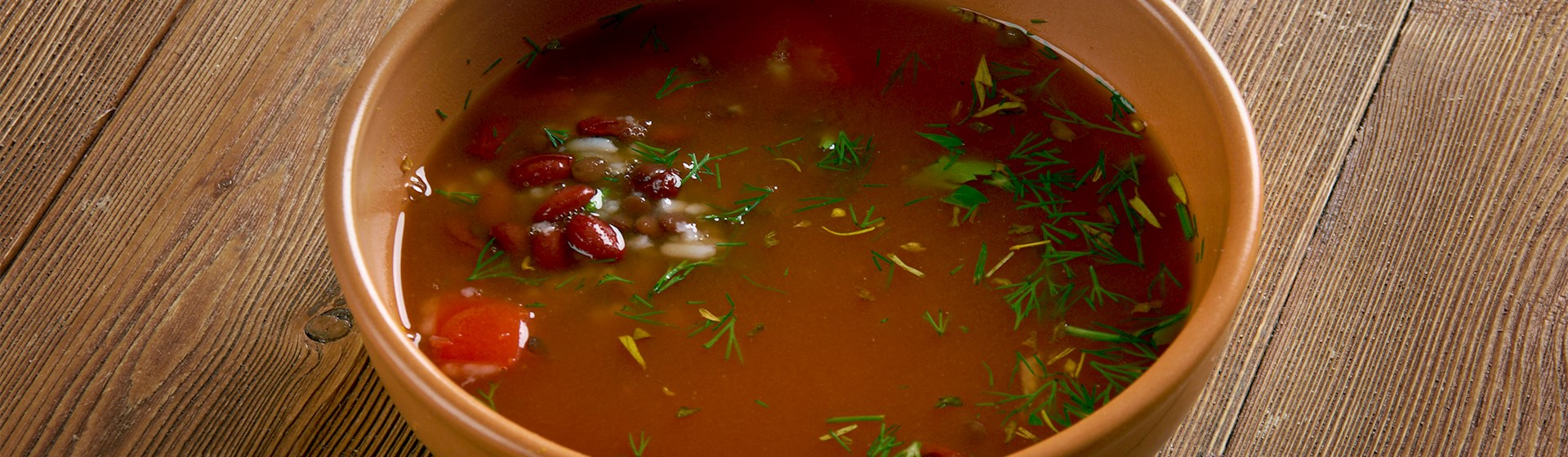
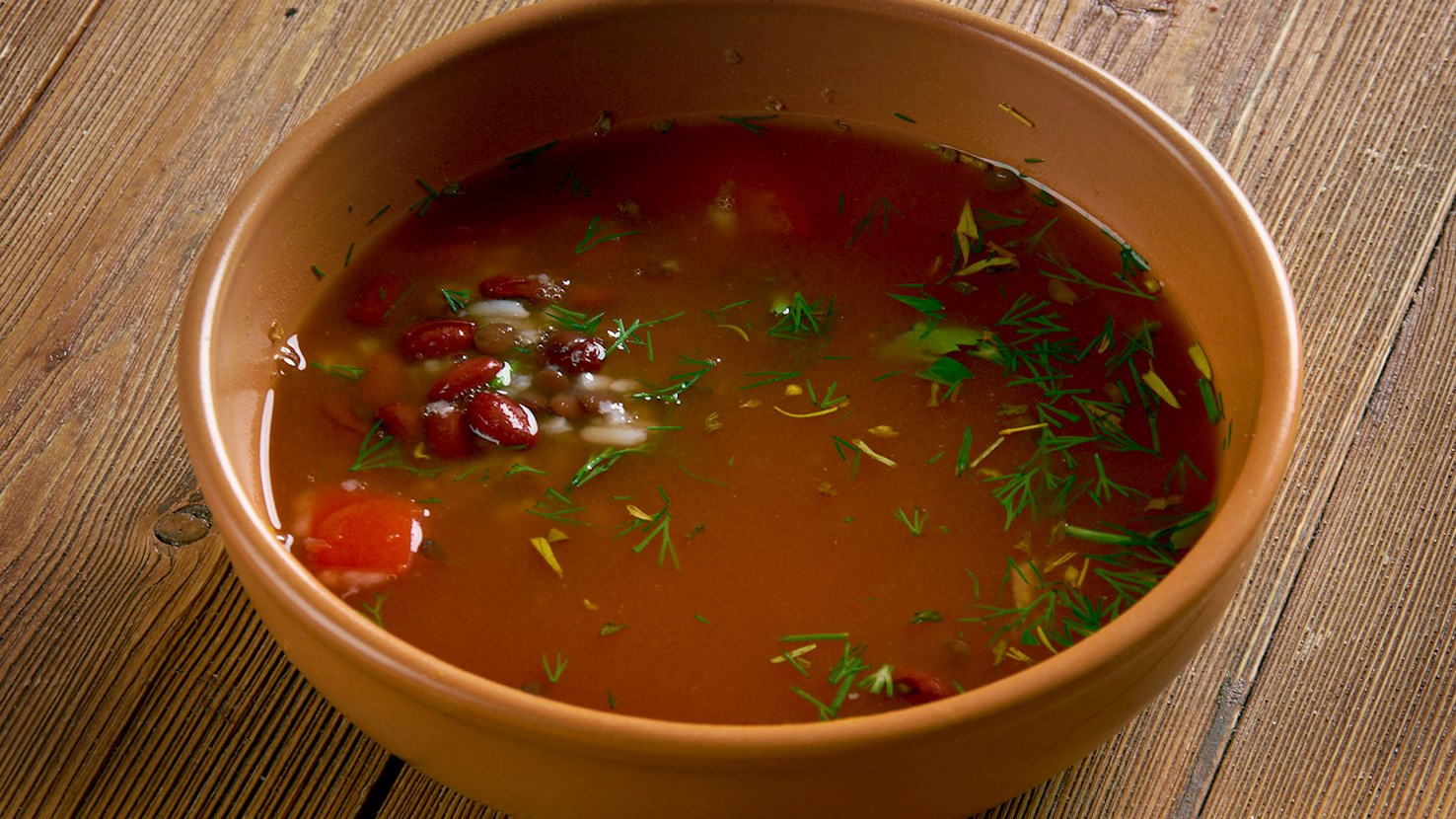
Kwati is a traditional Nepalese stew consisting of different types of beans such as white peas, chickpeas, soya beans, mung beans, kidney beans, and black-eyed peas. The stew is additionally flavored with turmeric, ginger, salt, and ajwain lovage seeds. It is especially popular on the day of Janai Purnima, and it is recommended to serve it with any kind of flatbread on the side.

03

Alu kauli ko tarkari

n/a ·

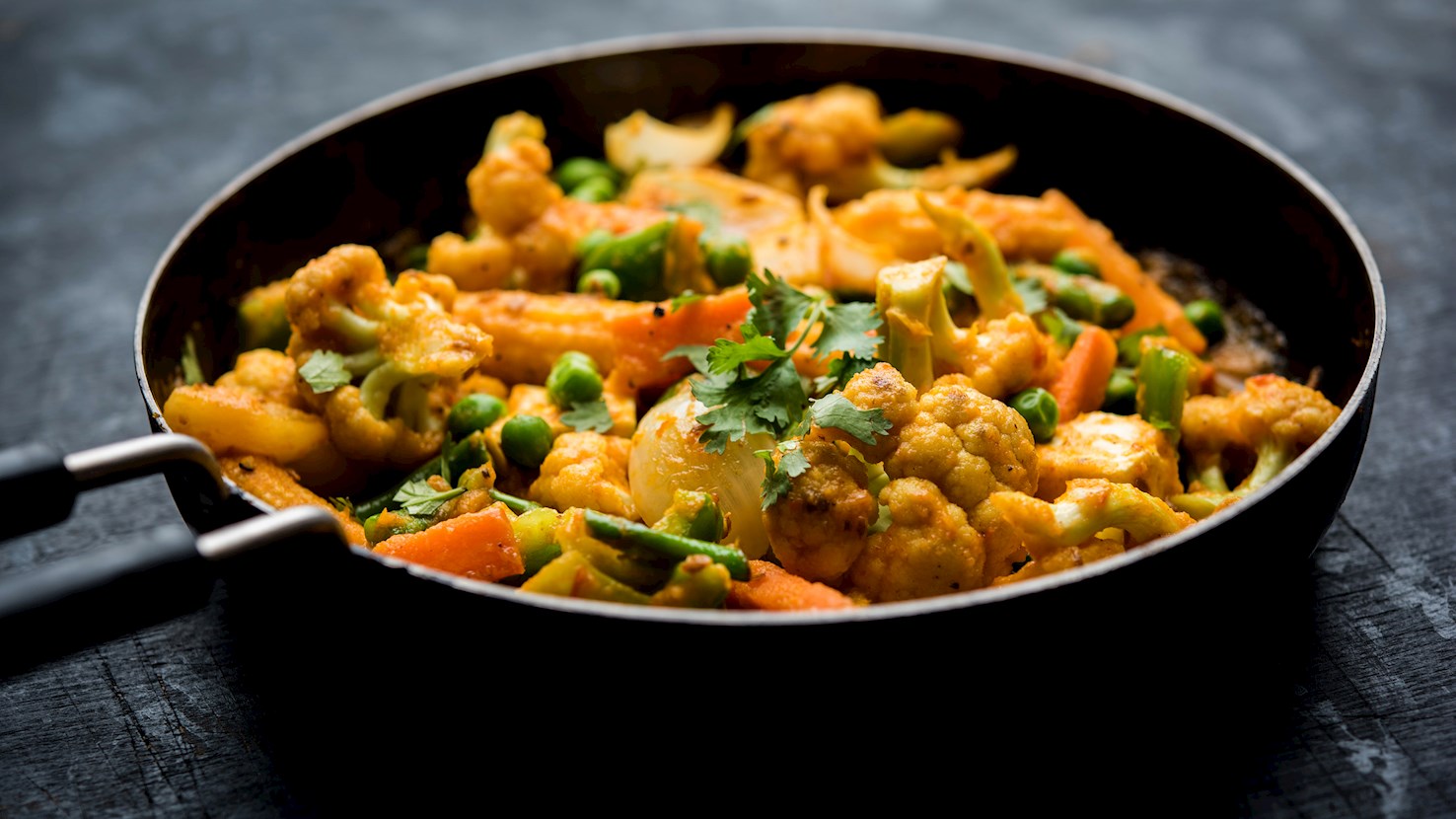
Alu kauli ko tarkari is a traditional vegetable dish originating from Nepal. The dish is usually made with a combination of cauliflower, potatoes, peas, ginger, garlic, tomatoes, olive oil, cumin, bay leaves, asafoetida, hot peppers, and turmeric. The ingredients are fried in oil in the following order: cumin seeds, bay leaves, asafoetida, hot peppers, ginger, garlic, tomatoes, potatoes, cauliflower florets, and peas. Paprika is added to taste, along with a bit of salt, and a bit of water is poured over the vegetables. The dish is simmered until everything is tender. Once done, alu kauli ko tarkari is enjoyed with rice on the side, but it can also be served as an accompaniment to main dishes.

04

Gundruk

n/a ·

Gundruk is a popular Nepalese dish made by fermenting and drying several leafy vegetables such as rayo sag, mustard leaves, radish leaves, and cauliflower, in order to produce a sour product characterized by its dark brown color. It is a versatile food item that can be served both as an appetizer or a side dish, but it can also be made into a soup. Due to the fact that it is a great source of minerals, gundruk is especially important in rural areas of the country where people mostly feed on maize and tubers.

05

Arikanchan

n/a ·

Arikanchan is a traditional dish originating from Mathil and Tharu communities in Nepal. The dish is made with a combination of taro leaves, black lentils paste, and a spice paste consisting of ingredients such as ginger, garlic, salt, cumin, turmeric, coriander, and red chili powder. The lentil paste and spices are wrapped in taro leaves, and the dish is then steamed and cut into slices before it's deep-fried in oil. The dish is especially popular when taro (colocasia) leaves are in season because it's a great way to enjoy the leaves in a new way, as they are most commonly used in curries.

06

Masyaura

n/a ·

Masyaura is a traditional Nepalese dish consisting of vegetable balls that are dried in the sun. Most commonly, the balls are prepared from black lentils as the main ingredient, which are mixed with taro stems, black matpe beans, colocasia leaves, yam, cauliflower, spinach, or potatoes. Once shaped, the balls are dried in the sun for about three days, and they're then stored in airtight containers. When desired, masyaura is taken out of the container and fried in oil or added to soupy curries. It is believed that the name of the dish is derived from the word maas, meaning black lentils.

Read more
View all
View map
About this ranking

TasteAtlas food rankings are based on the ratings of the TasteAtlas audience, with a series of mechanisms that recognize real users and that ignore bot, nationalist or local patriotic ratings, and give additional value to the ratings of users that the system recognizes as knowledgeable. For the “Top 6 Nepali Vegan Dishes” list until June 15, 2026, 61 ratings were recorded, of which 49 were recognized by the system as legitimate. TasteAtlas Rankings should not be seen as the final global conclusion about food. Their purpose is to promote excellent local foods, instill pride in traditional dishes, and arouse curiosity about dishes you haven’t tried.

Similar lists