



shutterstock

Top 5 Austrian Vegetable Dishes

Last updated on July 15, 2026
01

Käferbohnensalat

3.6 ·

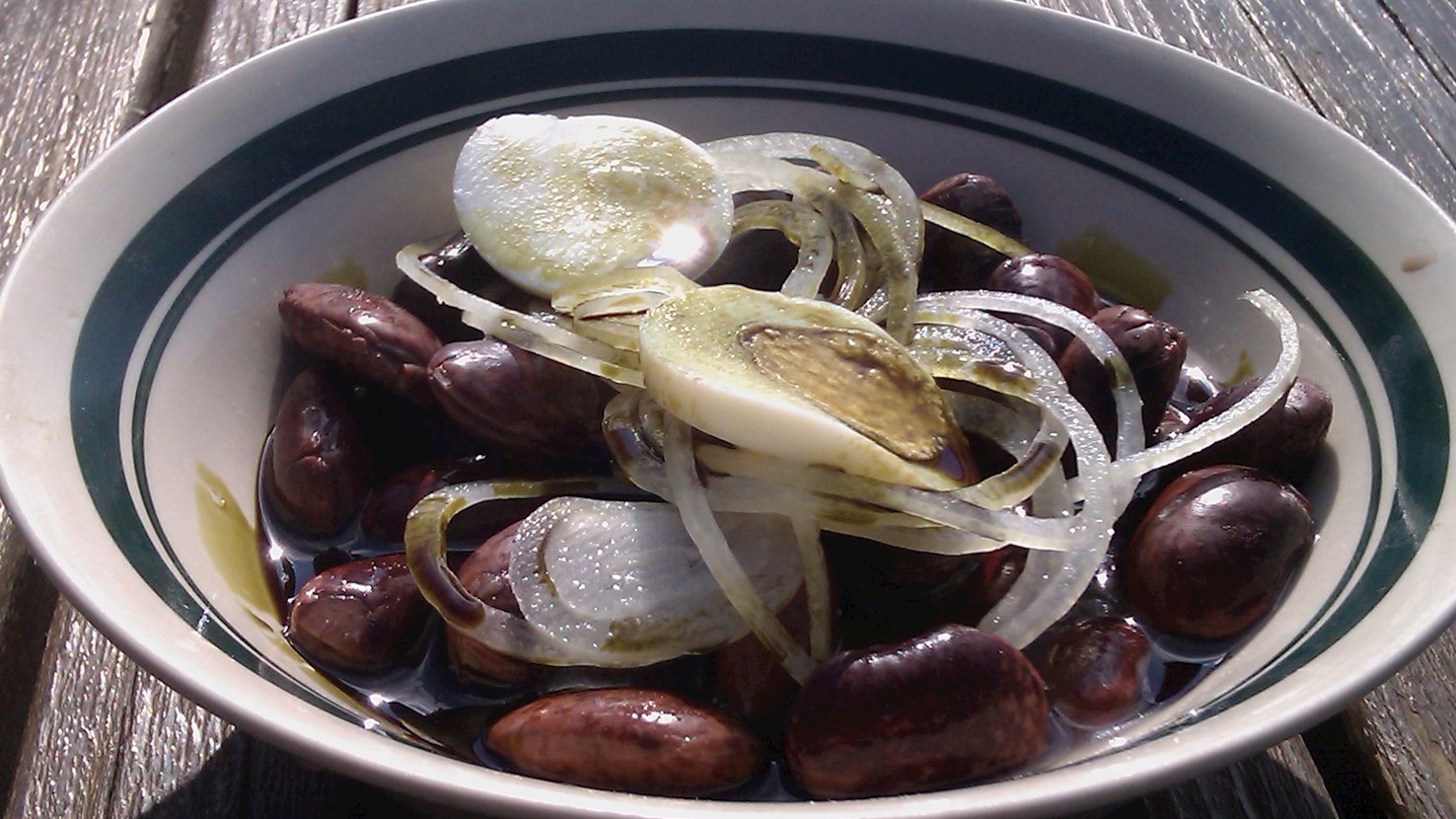
Käferbohnensalat is one of the most traditional dishes from the Austrian state of Styria. Käferbohnen, literally meaning beetle beans, also known as Styrian scarlet runner beans, are a variety of extra large, lilac-violet speckled beans that have been grown in Styria ever since the 16th century. In this simple salad, previously soaked and cooked beans are flavored with vinegar, pumpkin seed oil, onions (grated horseradish can be used instead), salt, pepper, and a pinch of sugar. This basic, traditional recipe is sometimes additionally enriched with hard-boiled eggs, peppers, corn, or tomatoes.

02

Cremespinat

3.4 ·

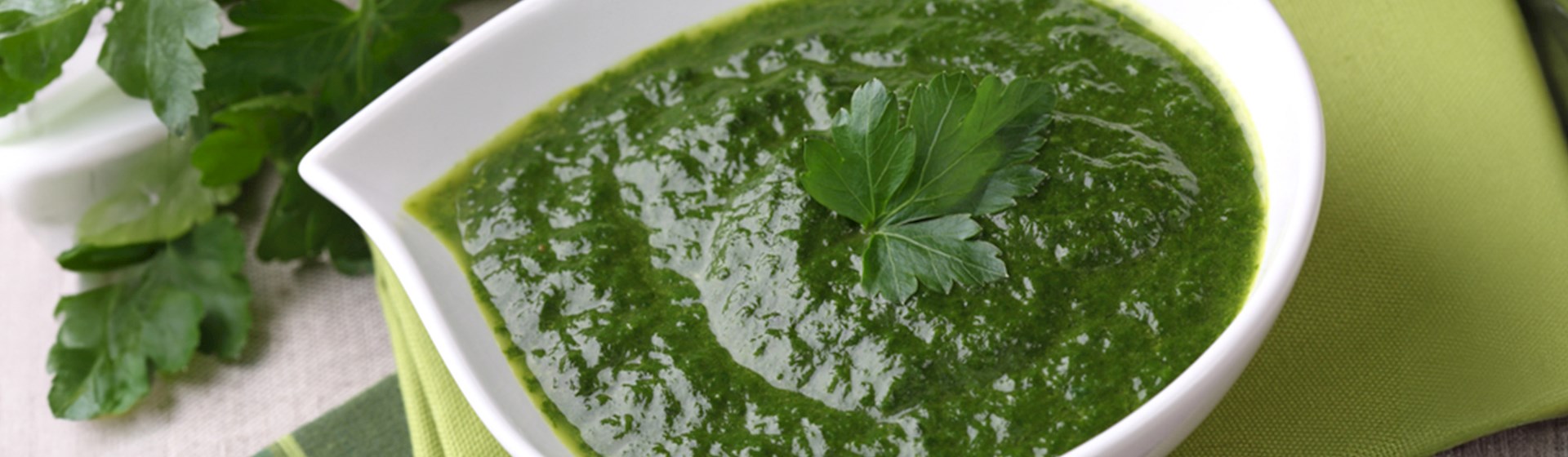
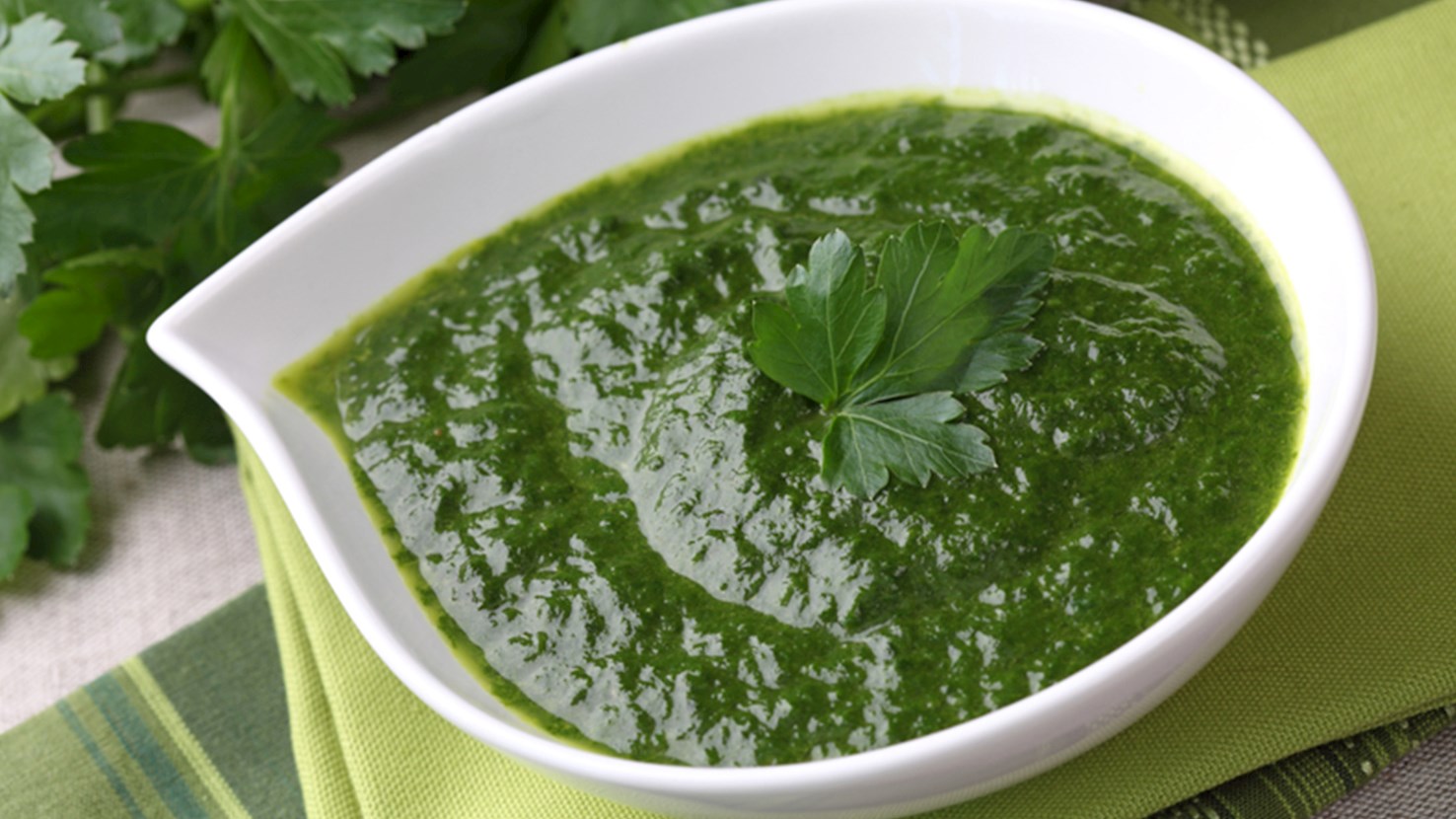
Cremespinat, also known as creamed spinach, is a classic side dish popular in German-speaking countries. It consists of spinach that is cooked and blended with a creamy sauce made from ingredients like butter, milk, flour, onions, and garlic. The spinach is typically seasoned with salt, pepper, and nutmeg to enhance its flavor. This dish has a rich, velvety texture and is often served alongside fried eggs or meats such as schnitzel or roast, making it a comforting and nutritious addition to a meal.

03

Spinat mit Spiegelei

3.2 ·

Spinat mit spiegelei is a classic Austrian and German dish that translates to "spinach with fried egg." This simple yet nutritious meal typically consists of sautéed or creamed spinach served alongside sunny-side-up eggs and sometimes fried potatoes or potato pancakes. The spinach is often seasoned with garlic, onions, salt, and pepper and occasionally enriched with a bit of cream or milk for added richness. The fried eggs, with their runny yolks, complement the creamy texture of the spinach. This dish is a popular choice for a quick, healthy, and satisfying meal, often enjoyed for lunch or dinner. In Austria, the dish is traditionally prepared for Maundy Thursday.

04

Paradeiskraut

n/a ·

Paradeiskraut is a specialty of Burgenland cuisine, consisting of, as the name suggests, tomatoes (paradeis) and cabbage (kraut). This traditional dish is typically made by sautéing chopped white cabbage with caramelized onions and a handful of spices before the cabbage mixture is simmered with tomato paste (paradeismark) and tomato sauce. The dish is usually seasoned with salt, pepper, and cumin, while the use of schmalz (lard) and einbrenn (flour browned in fat) contribute to its unique flavor. Often referred to as Apetloner paradeiskraut, this flavor-packed cabbage-and-tomato stew is particularly associated with Apetlon, where no feast or celebration is complete without a serving of warm paradeiskraut. Typical accompaniments served with this stew include fleischlaibchen (fried meat patties or rissoles), boiled beef (usually from the local gray steppe cattle), and boiled potatoes with parsley.

05

Linsen mit Speck und Knödel

n/a ·

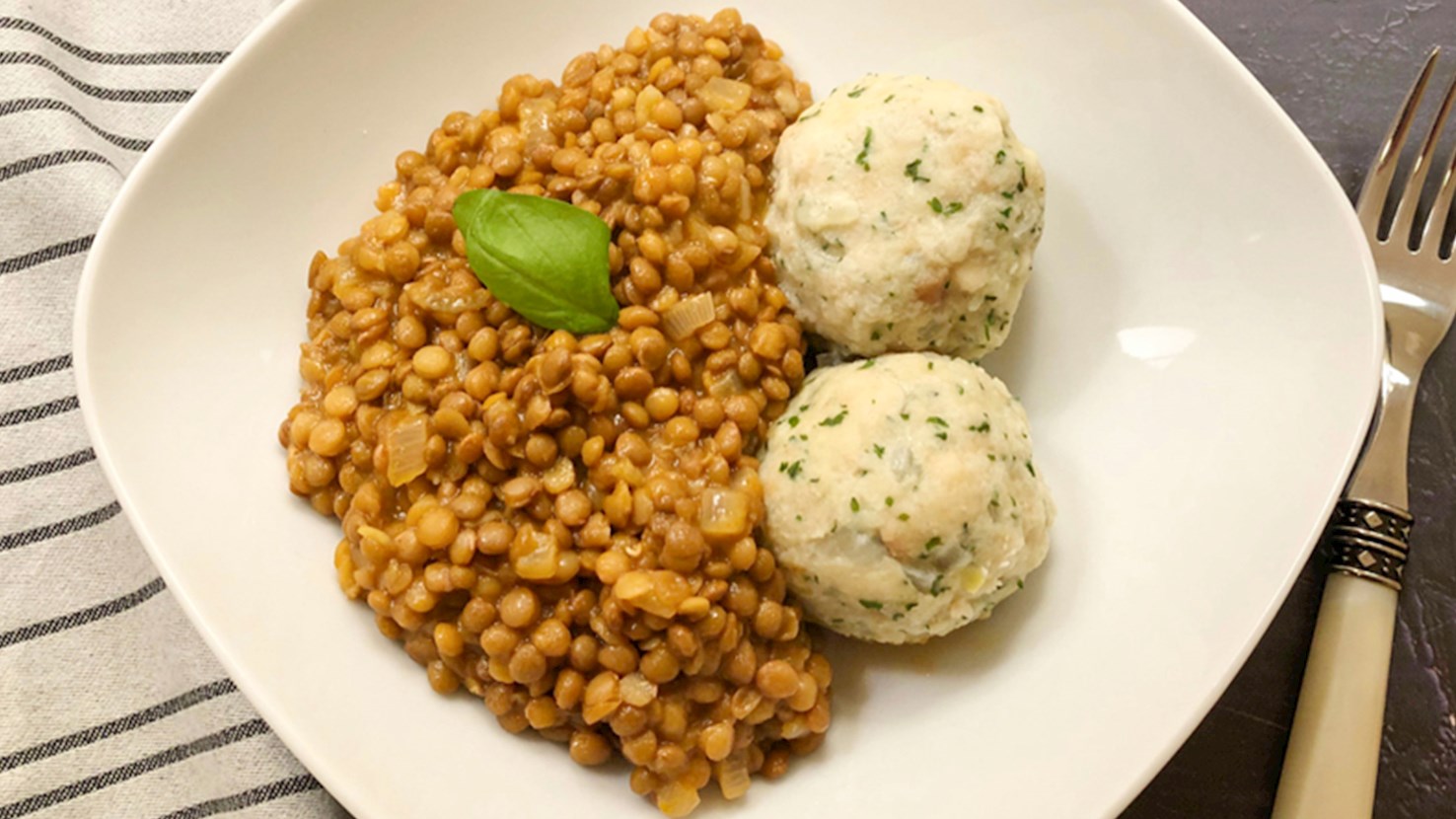
Linsen mit speck und knödel is a traditional dish featuring lentils, bacon, and dumplings. The lentils are cooked with aromatic vegetables and flavorful spices, creating a hearty base. Bacon is added to impart a rich, smoky taste that complements the earthiness of the lentils. The dish is typically served with fluffy bread dumplings (Knödel), which are perfect for soaking up the savory sauce. This comforting and nourishing meal is a staple in Austrian cuisine, especially popular during the colder months.

Read more
View all
View map
About this ranking

TasteAtlas food rankings are based on the ratings of the TasteAtlas audience, with a series of mechanisms that recognize real users and that ignore bot, nationalist or local patriotic ratings, and give additional value to the ratings of users that the system recognizes as knowledgeable. For the “Top 5 Austrian Vegetable Dishes” list until July 15, 2026, 79 ratings were recorded, of which 61 were recognized by the system as legitimate. TasteAtlas Rankings should not be seen as the final global conclusion about food. Their purpose is to promote excellent local foods, instill pride in traditional dishes, and arouse curiosity about dishes you haven’t tried.

Similar lists