




Top 14 Croatian Vegetable Dishes

Last updated on July 15, 2026
01

Sataraš

3.9 ·

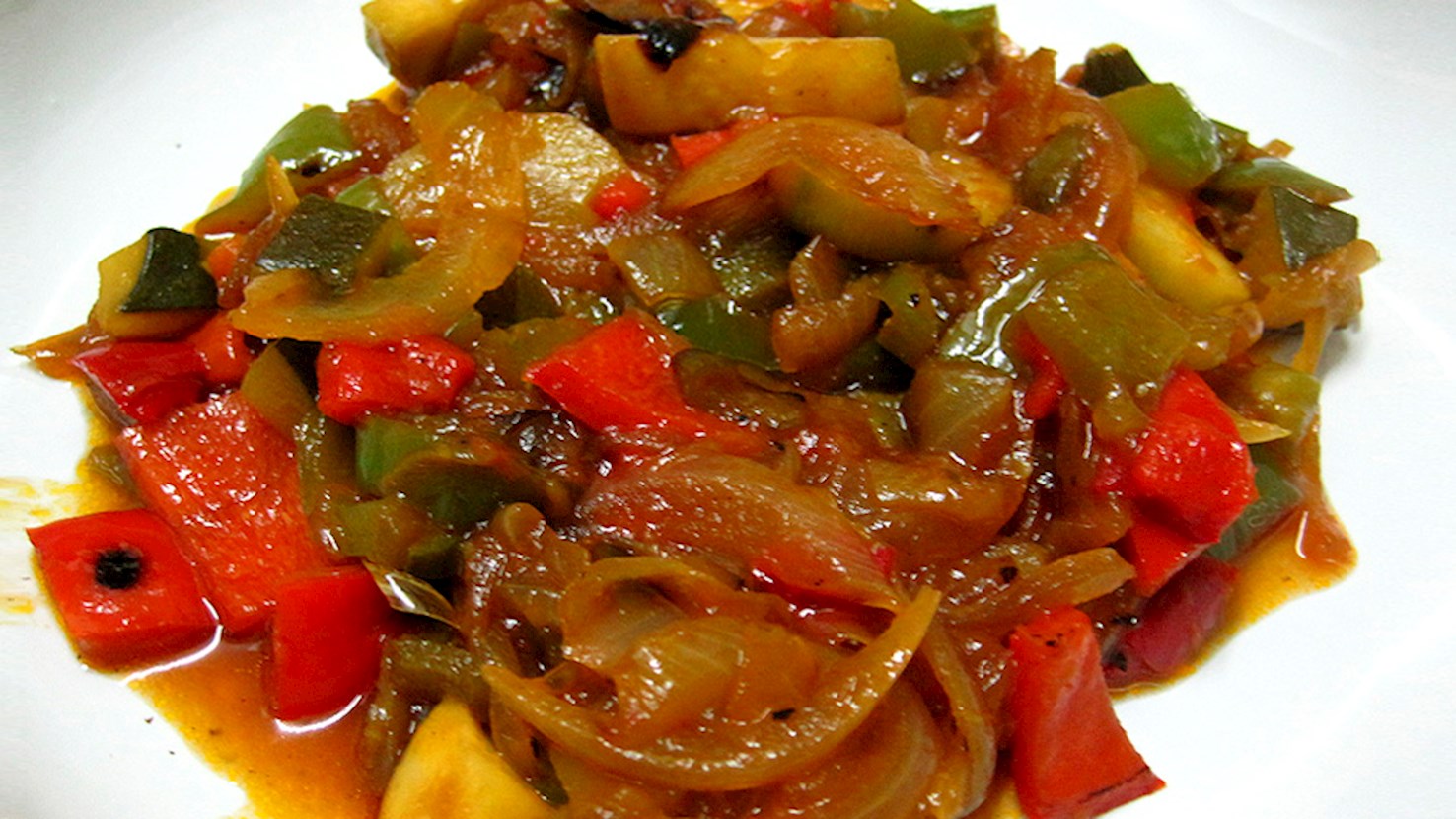
Sataraš is a vegetable stew made with a combination of tomatoes, peppers, onions, garlic, and parsley. The ingredients are first fried, then seasoned with salt and pepper and gently stewed. It is recommended to use a wide pan while preparing the dish so that the liquid evaporates more quickly, while the vegetables retain the desired shape and texture. Sataraš can be eaten hot or cold. It can be served on its own or as an accompaniment to fried meat and fish dishes. In Croatia, when sataraš was served in the past, the head of the family would sometimes ask for a sunny-side-up egg or two to be placed on top of the dish (making the meal non-vegan with his request). The rest of the family could only get scrambled eggs, while the head of the family would sometimes also ask for an omelet with ham and eggs, but that request was usually reserved for festivities and similar events.

Best restaurants
02

Maneštra od bobići

3.7 ·

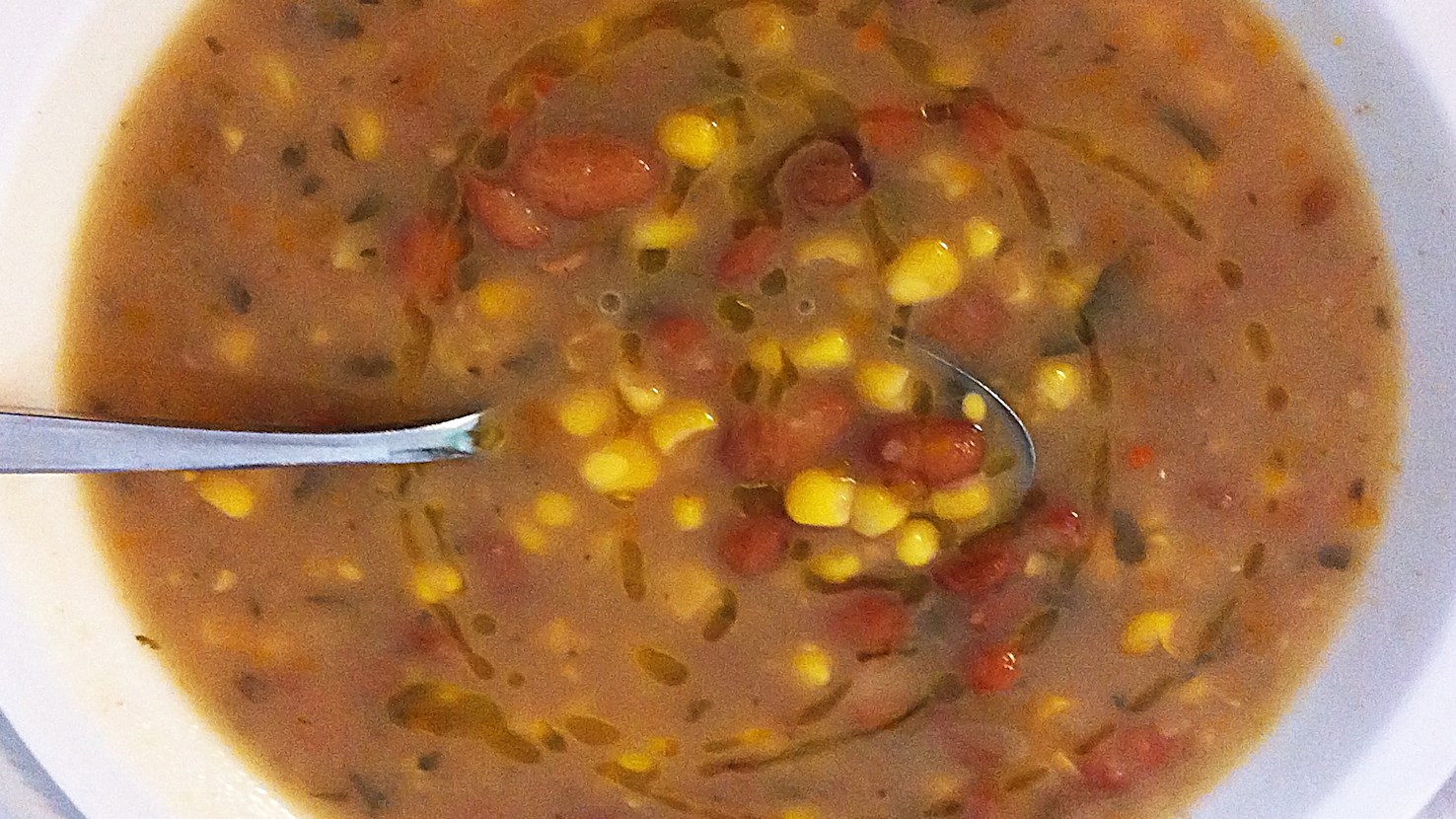
This traditional Istrian stew-like soup is prepared with kidney beans, potatoes, and sweet corn, locally named bobići. Maneštra od bobići is cooked with the addition of dried pork meat, and for extra flavor, when the beans and corn are almost fully cooked, the dish is finished with the so-called pešt, a special kind of mash made with bacon fat, garlic, and parsley. Apart from the amazing flavor and aroma, this finishing touch also adds a nice thickness to the soup, making it a meal in itself, best enjoyed with some sourdough country-style bread.

Best restaurants
03

Maneštra

3.4 ·

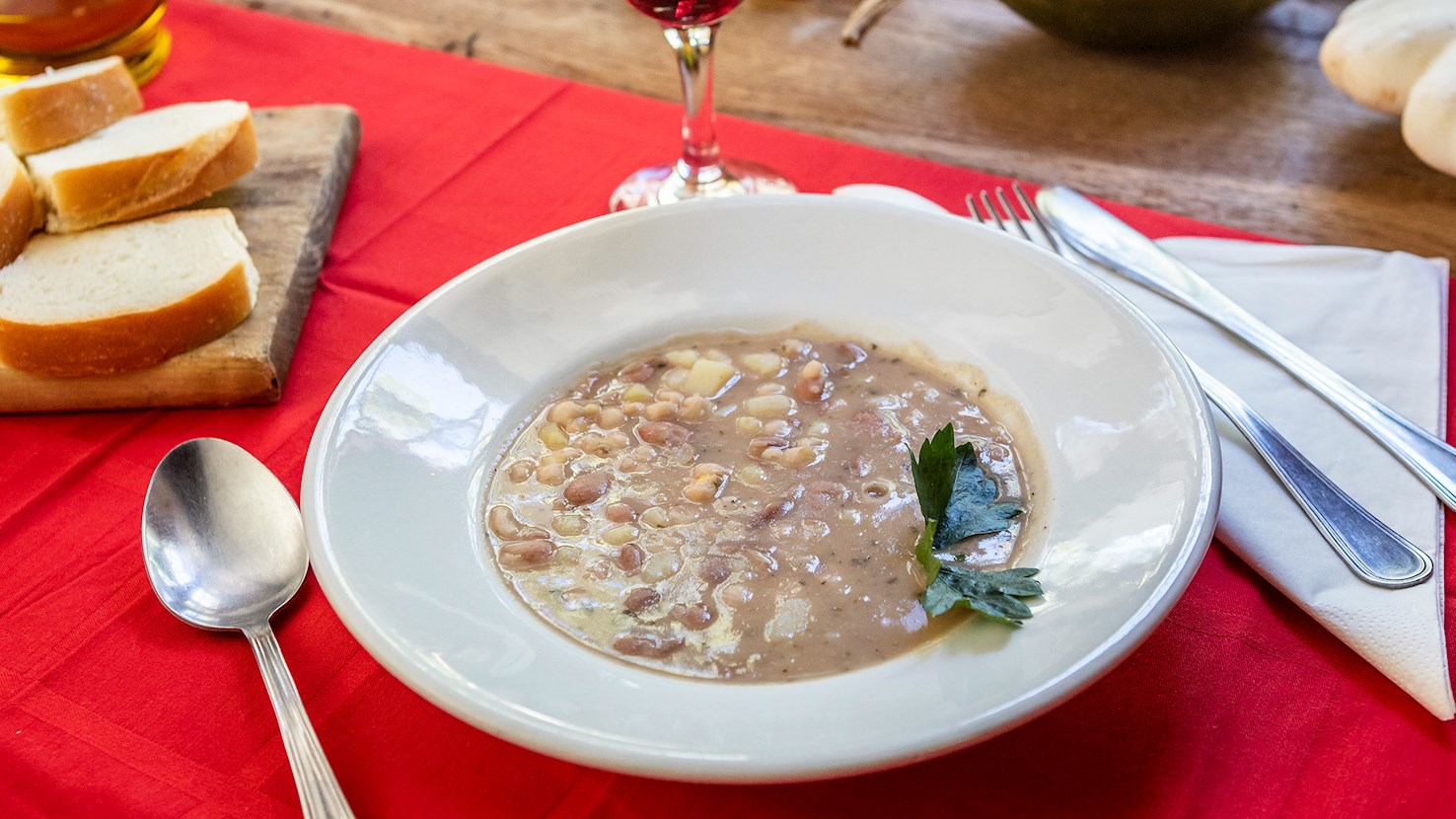
Istrian maneštra is a Croatian take on the popular Italian minestrone soup. This hearty and thick stew-like soup is made with dried meat, beans, and spring corn. There are numerous variations on the dish, so maneštra is typically served as the first course when dried meat is omitted, and if it is prepared with meat, the dish is then usually served as a main course. Carrots, celery, turnips, onions, and tomatoes can all be used in maneštra, which is often flavored with parsley, black pepper, olive oil, and bay leaves. There is also the annual Maneštra Festival in the county of Gračišće. It is recommended to serve this nourishing soup with pieces of crusty bread on the side.

04

Grah s kiselom repom ili kiselim zeljem

3.4 ·

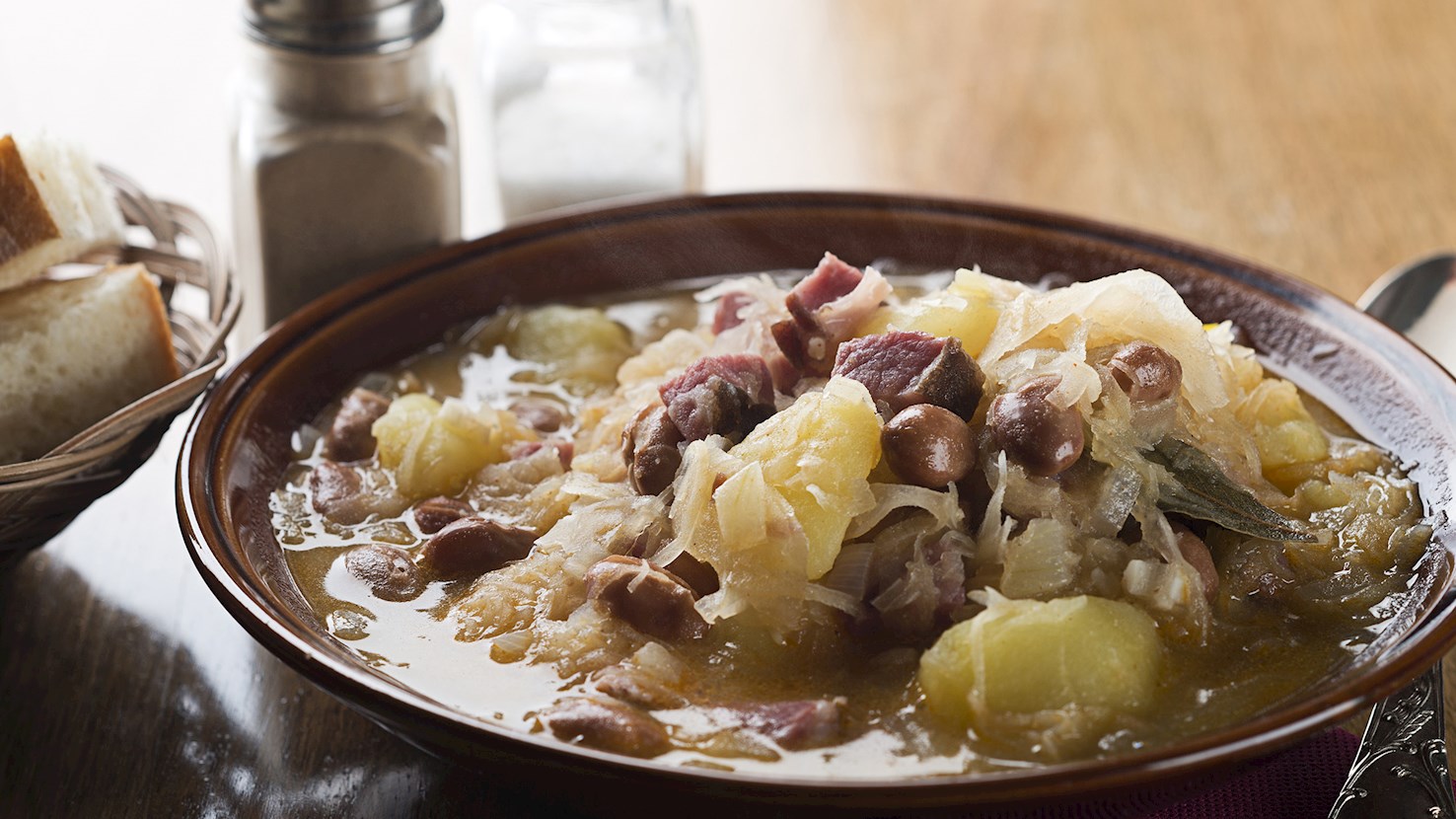
This comforting bean stew made with shredded pickled turnip (kisela repa) or sauerkraut (kiselo zelje) is traditionally prepared in northern parts of Croatia. To prepare it, dried beans are soaked overnight, boiled with smoked pork shin or ribs and bacon until cooked, then combined with pickled vegetables. The final touch lies in the thickening with a mixture of fried crushed garlic and a small amount of flour. Grah s kiselom repom is best enjoyed with slices of crusty homemade bread, and it tastes even better when paired with cooked sausages.

05

Istarska jota

3.4 ·

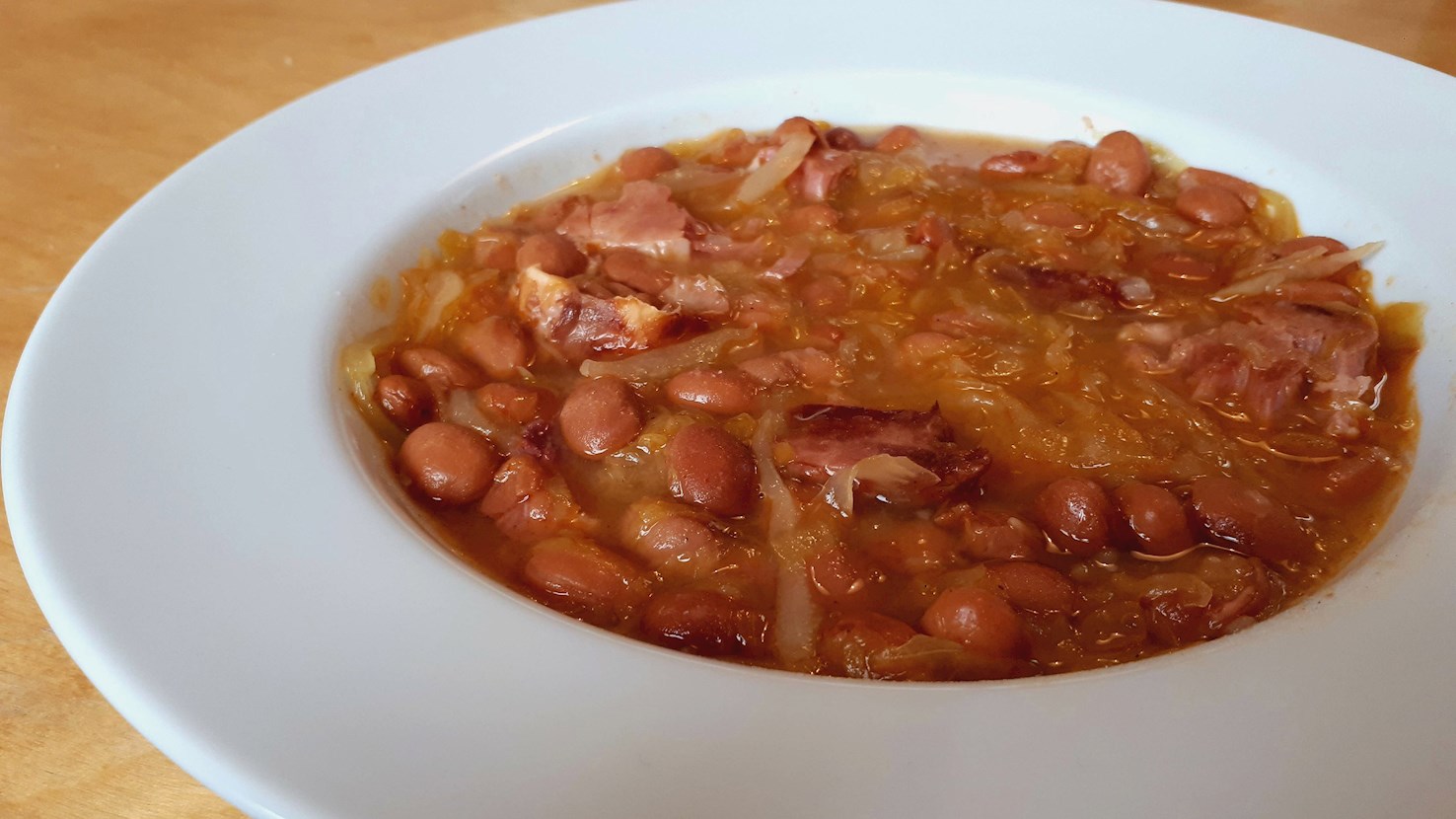
Istarska jota is an old dish that has been considered a poor man’s meal in the past. It is made with simple ingredients such as beans, sauerkraut or sour turnips, potatoes, bacon, spare ribs, onions, and garlic. All of the ingredients are seasoned with a few selected spices. The only constants of the dish are sauerkraut and olive oil, an unusual blend of Mediterranean and Central European influences on the region. This stew or thick soup is extremely popular in Istria and north-western Croatia, but also in parts of Slovenia and north-eastern Italy, specifically the territories that were under the Austro-Hungarian rule.

06

Prisiljeno zelje

3.2 ·

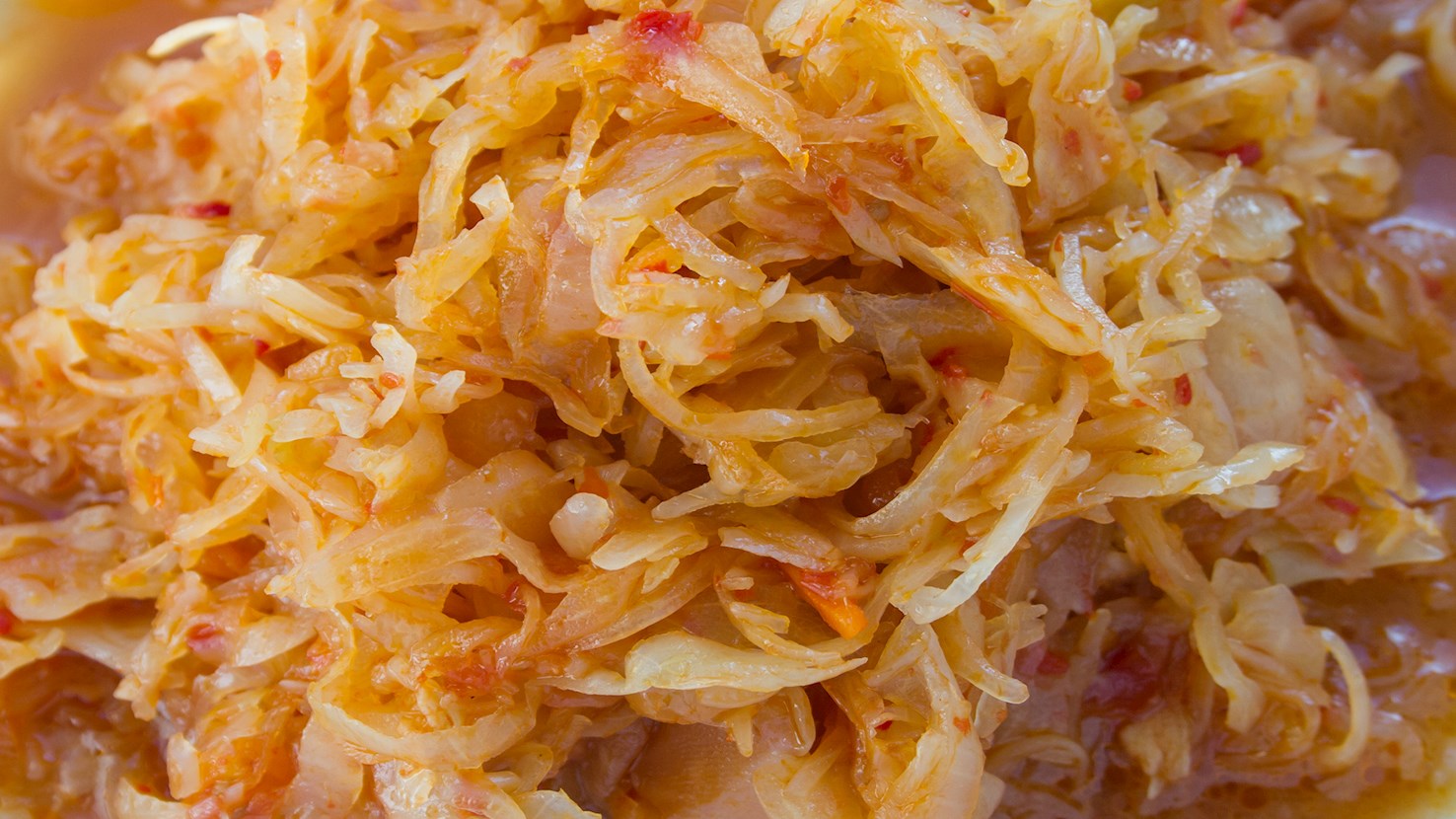
This Croatian comfort food dish consists of chopped cabbage combined with onions, garlic, sugar, tomato purée, and selected flavorings such as parsley, chives, salt, pepper, and cumin. The dish is sometimes additionally thickened with cornstarch, according to personal preferences. Although it can be consumed on its own or paired with mashed potatoes, prisiljeno zelje is often served as an accompaniment to meat dishes such as meatballs, meatloaf, or roasts.

07

Ćoravi gulaš

2.9 ·

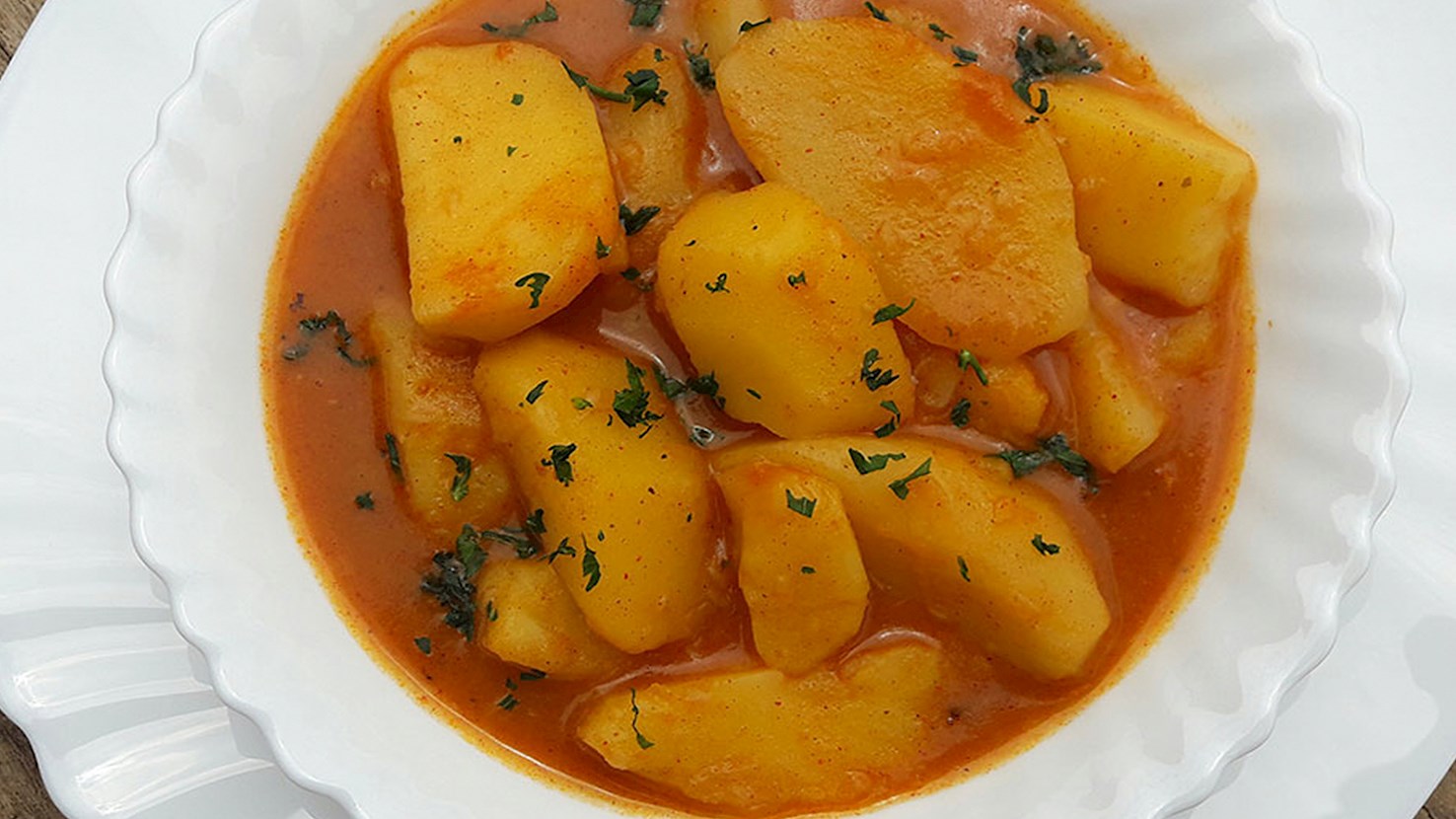
Ćoravi gulaš is a variety of goulash consisting of potatoes, onions, carrots, peas, and tomato juice. It is typically flavored with ground paprika, parsley, salt, pepper, bay leaves, and garlic. The stew can be thickened with flour, and it can be garnished with a dollop of sour cream. The name of the dish can be translated as blind goulash, referring to the fact that this comforting stew does not contain any meat. The dish was especially popular during the war period in the 1990s, when meat was scarce, so people had to make use of readily available ingredients.

08

Krčka maneštra

n/a ·

Krčka maneštra is a traditional dish originating from the island of Krk. This type of maneštra is usually made with a combination of beans, corn, potatoes, carrots, rice, bacon, lard, onions, garlic, parsley, salt, pepper, and a prosciutto bone. The beans are soaked and cooked in water with the prosciutto bone, corn, potatoes, carrots, and onions. After some time, the garlic, bacon, parsley, salt, pepper, and rice are added to the pot and the mixture is simmered until everything is tender. Maneštra is then served warm and enjoyed with slices of homemade bread on the side.

09

Kupus na tabak

n/a ·

Kupus na tabak is a traditional dish from the Croatian island of Korčula. The main ingredient is finely sliced and chopped local collard greens known as raštika, hence the name that refers to a way of chopping tobacco leaves. Apart from collard greens, the dish includes boiled potatoes, olive oil, and garlic. Kupus na tabak is typically prepared in summer, but in Vela Luka, the dish is traditionally prepared in August, when there is a special event called Večer Kupusa na Tabak.

10

Mišanca

n/a ·

Although Dalmatian cuisine is well known for its array of aromas and flavors, some of the most interesting dishes are a result of poverty. Such is the case with mišanca – wild, edible herbs which used to be gathered in order to survive. Today, however, the story has changed. Mišanca can be consumed in a number of ways – prepared na lešo (shortly boiled in salted water), mixed with spinach or swiss chard in order to improve mišanca's bitter flavors, or as a side dish accompanying numerous fish and meat dishes. This healthy dish can additionally be flavored with salt, pepper, olive oil, or garlic.

Read more
View all
View map
About this ranking

TasteAtlas food rankings are based on the ratings of the TasteAtlas audience, with a series of mechanisms that recognize real users and that ignore bot, nationalist or local patriotic ratings, and give additional value to the ratings of users that the system recognizes as knowledgeable. For the “Top 14 Croatian Vegetable Dishes” list until July 15, 2026, 275 ratings were recorded, of which 176 were recognized by the system as legitimate. TasteAtlas Rankings should not be seen as the final global conclusion about food. Their purpose is to promote excellent local foods, instill pride in traditional dishes, and arouse curiosity about dishes you haven’t tried.

Similar lists