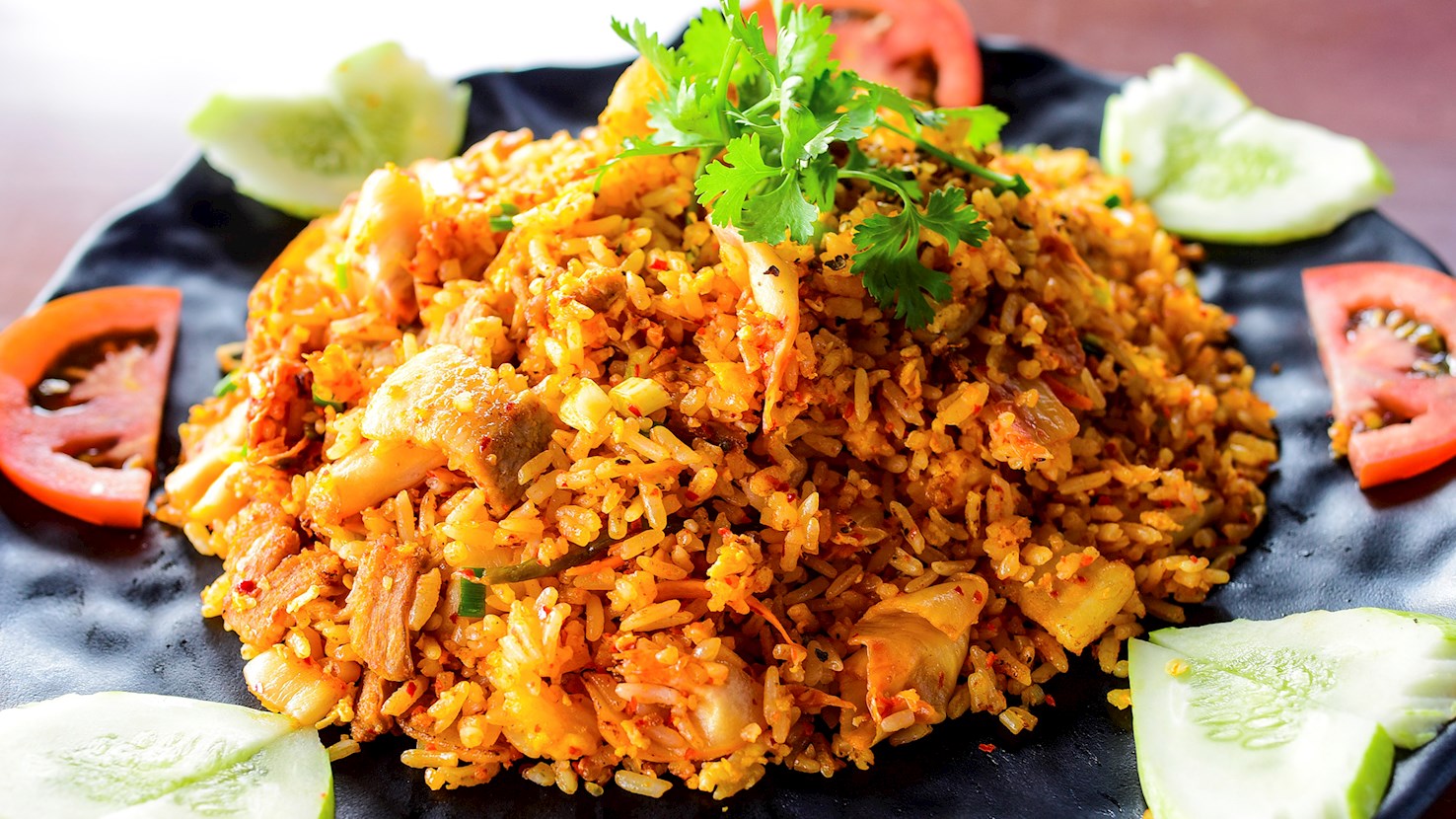
Kimchi bokkeumbap is a simple South Korean dish made with a combination of fried rice and kimchi. It is considered to be a great way to use leftover kimchi. The dish can also be enriched with additional ingredients such as meat, vegetables, and soy sauce. In most cases, kimchi bokkeumbap is topped with a fried egg before serving, although it can also be garnished with sesame seeds, finely chopped green onions, or gim. Because it is very easy to prepare, inexpensive, and comforting, the dish is a favorite amongst South Korean students.
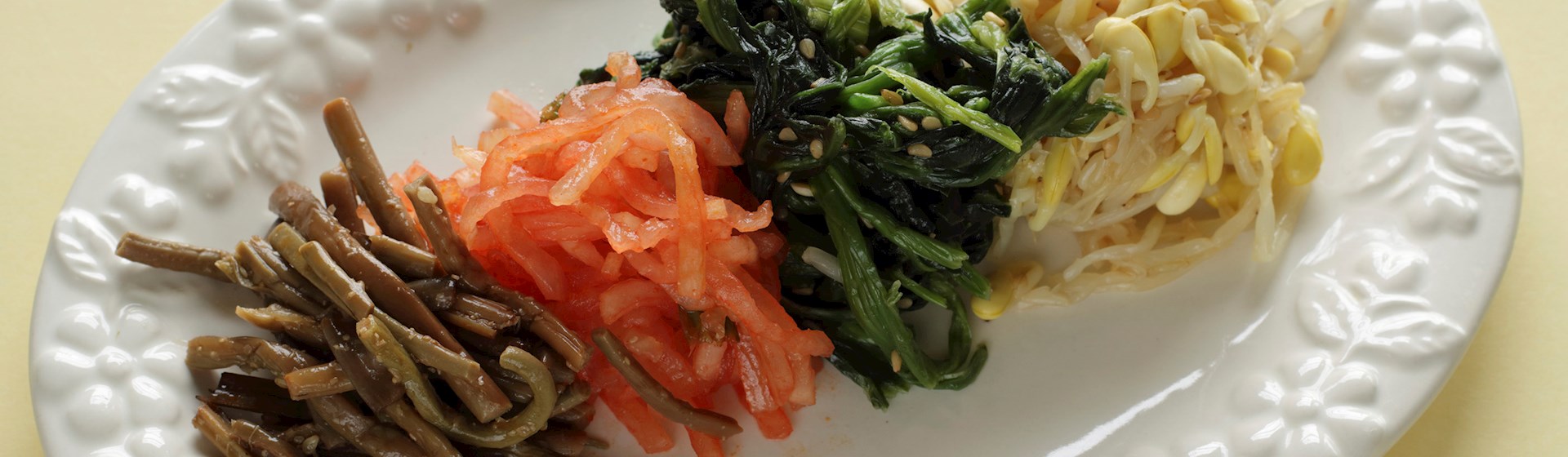
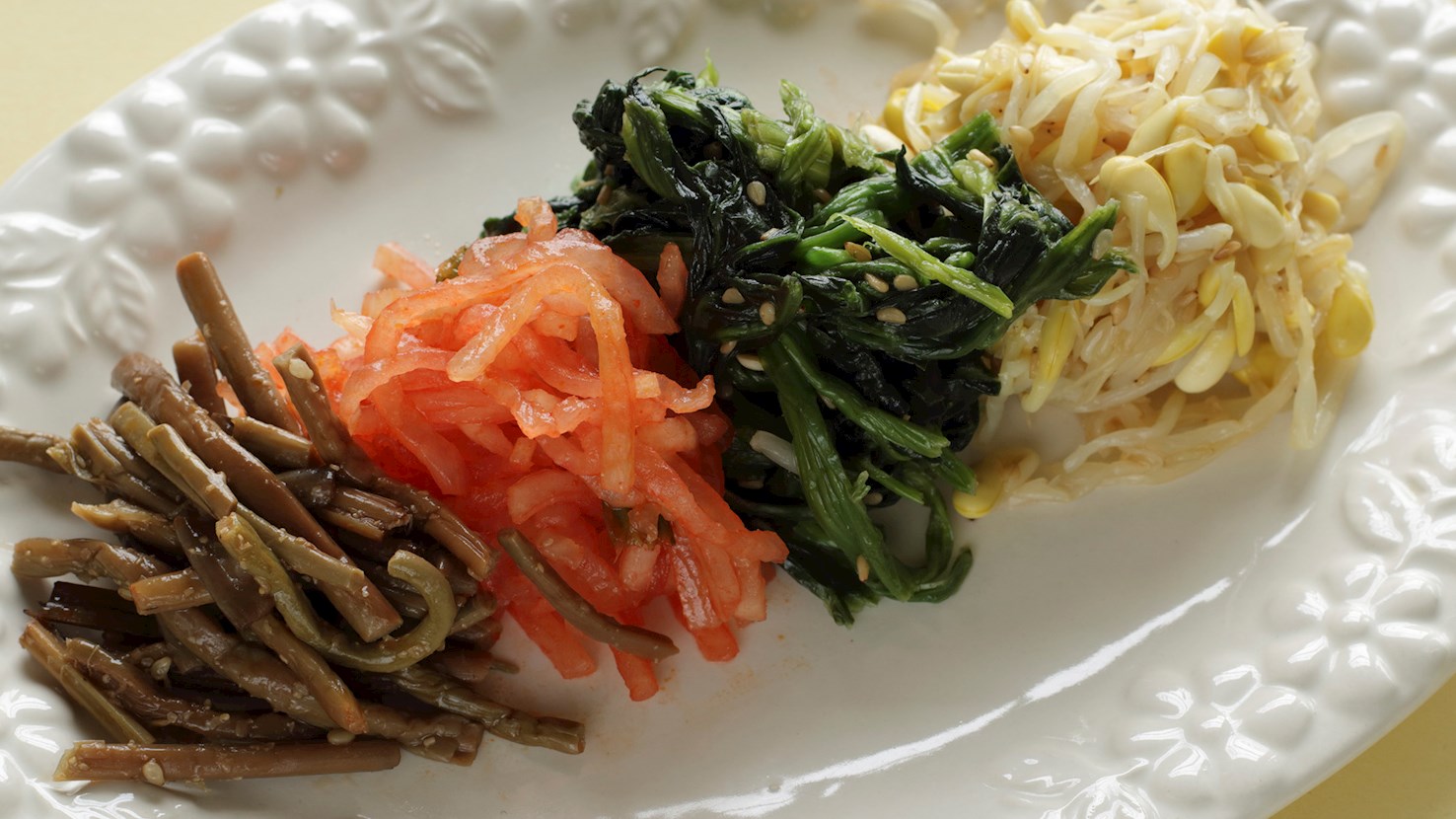
Namul is a widely accepted term used to refer to Korean vegetable side dishes, which can include green leafy vegetables, starchy root varieties, sprouts, green beans, and occasionally even fruit. The ingredients are used in raw, pickled, fried, sautéed, blanched, or dry form. They are usually seasoned with soy sauce, sesame oil, sesame seeds, vinegar, garlic, and occasionally the spicy red chili paste known as gochujang. The seasoning in all namul types is not overpowering, and the main characteristic is the fresh taste of the vegetables. Namul belongs to a wider group of banchan dishes - traditional Korean sides served next to main courses. They usually come served on separate plates, creating a refreshing addition to meat-based meals. This highly versatile group of dishes represents a staple in Korean households and traditional Korean restaurants. They are an irreplaceable accompaniment to barbecues and often come as a condiment in the mixed rice dish known as bibimbap.
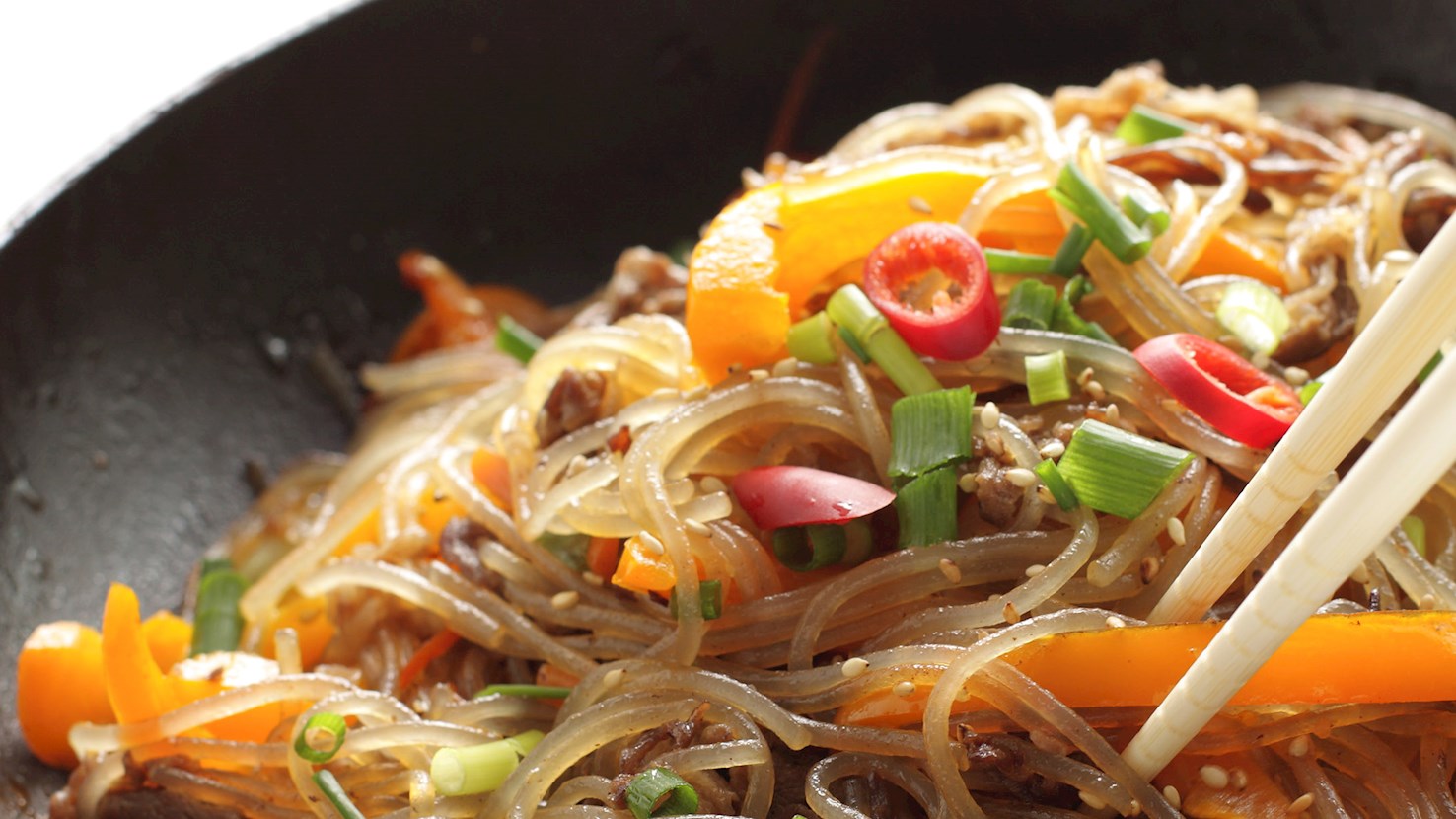
Japchae is a sweet-and-savory stir-fry of translucent, chewy sweet potato starch noodles tossed with a richly seasoned mixture of finely sliced vegetables and marinated meat. The origins trace back to the early seventeenth century during the Joseon era, specifically originating at a royal banquet hosted by King Gwanghaegun. A royal subject named Yi Chung invented the item, and the monarch favored it so much that Yi Chung was subsequently promoted to a high-ranking political position as the Secretary of the Treasury. The earliest iterations contained absolutely no noodles; the name translates directly to "mixed vegetables," and it was strictly a platter of finely shredded greens, root crops, and mushrooms. The defining slippery strands were incorporated much later in the early 20th century. After a major dangmyeon factory opened in Sariwon in 1919, sweet potato starch noodles became widely accessible and fundamentally transformed the plate into the highly recognized version consumed today. As the recipe evolved over centuries, numerous variations emerged to highlight specific ingredients or exclude the noodles entirely, heavily reflecting the original royal concept. Gochu-japchae focuses intensely on shredded fresh green chili peppers, buchu-japchae relies on heaps of garlic chives, and kongnamul-japchae features crisp soybean sprouts. When seafood is preferred, haemul-japchae incorporates shrimp and squid, while a purely mushroom-based version is known as beoseot-japchae. Constructing the typical version involves a highly specific, labor-intensive method in which every component receives individual attention. The base requires boiling the dried sweet potato starch noodles until soft, draining them, and immediately coating them with toasted sesame oil to prevent clumping. Following this, spinach is quickly blanched, squeezed dry, and seasoned with soy sauce and garlic. Carrots, onions, scallions, shiitake mushrooms, wood ear mushrooms, and strips of beef are each julienned into thin, uniform pieces and pan-fried separately. This isolated technique ensures every ingredient maintains its distinct color and optimal texture without steaming together in a single pan. Once all the individual parts are fully finished, they are combined in a large mixing bowl and tossed thoroughly with a sweet dressing made from dark soy sauce, sugar, minced garlic, black pepper, and extra sesame oil. The final assembly is frequently garnished with toasted sesame seeds, delicate folded egg ribbons known as jidan, and fine chili threads called silgochu. Serving this stir-fry offers incredible flexibility, as it functions equally well when presented steaming hot right off the stove, at room temperature for a massive banquet, or even slightly chilled straight from the refrigerator. It serves as an accompanying banchan side item, an essential centerpiece at celebratory events like sixtieth birthdays and weddings, or a hearty main course when served generously over a bed of warm white rice, a specific serving style known as japchae-bap.
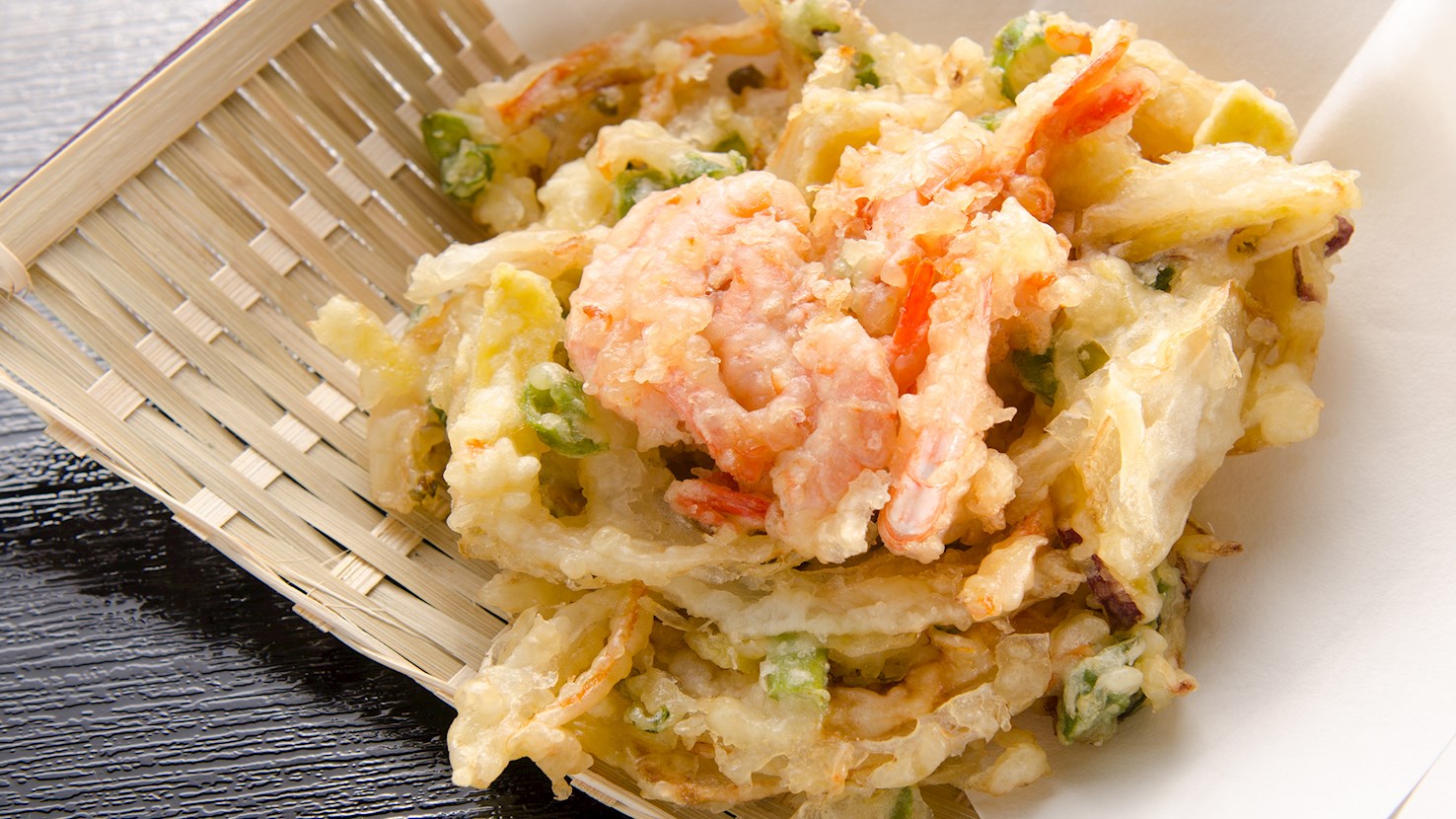
A tempura variety known as kakiage is distinguished by the use of flour and water, with the occasional addition of egg yolks, which creates a light coating and yields an incredibly crispy snack. Most commonly, it consists of thinly sliced vegetables such as carrots, onions, lotus roots, and sweet potatoes, but small pieces of seafood are also often used. Coated ingredients are deep-fried until crispy, and the final result can be eaten on its own as a light main course that is typically served accompanied by dipping sauces. Alternatively, kakiage can be used as a topping for noodle or rice dishes.
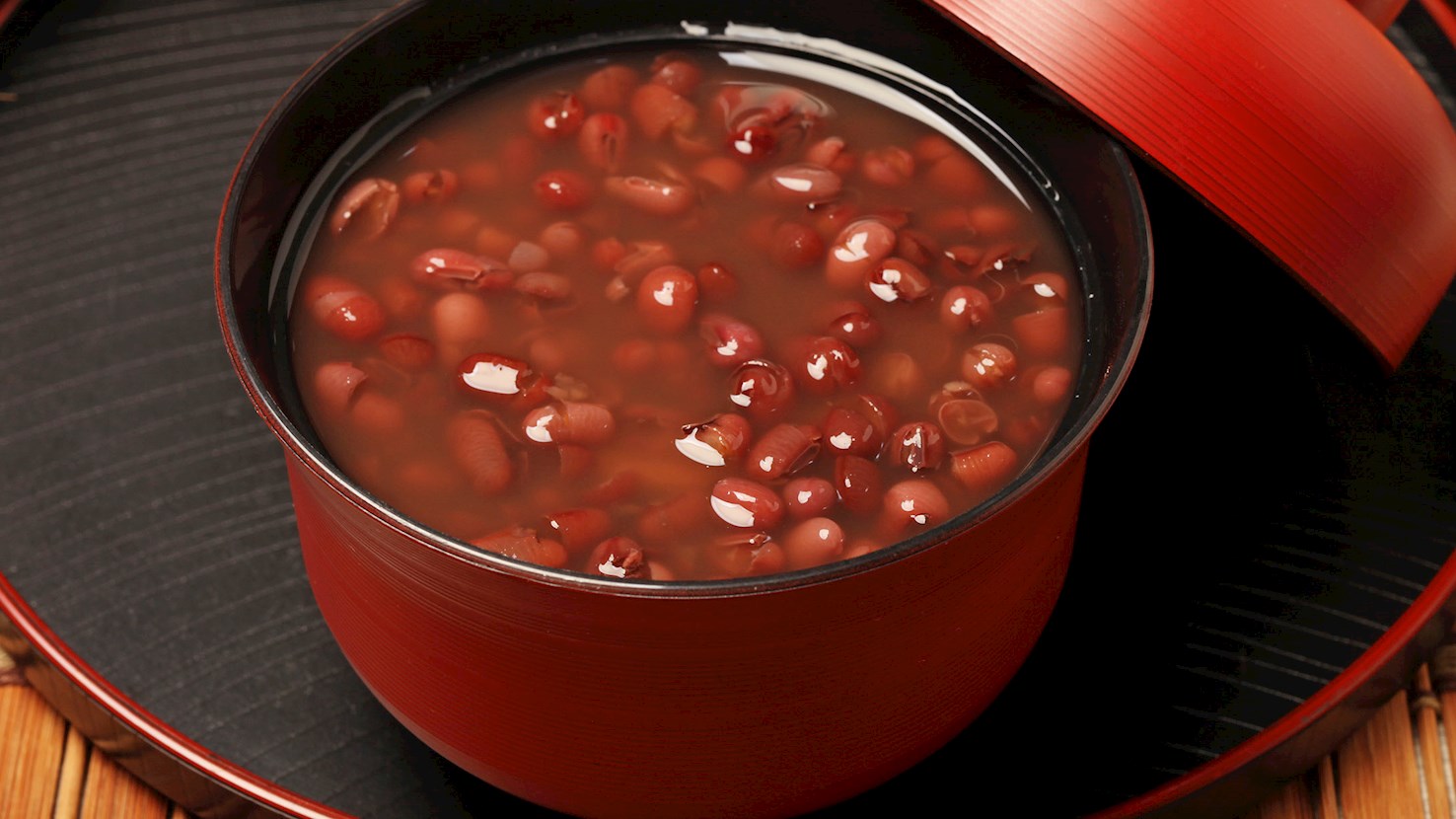
Red bean soup is a classic Chinese soup that is commonly consumed as a dessert, made from red azuki beans, lotus seeds, and tangerine or orange peel. The soup isn't too sweet, and has a subtle sweetness instead, ideal for rounding off a large Chinese meal. Red bean soup can be served hot in winter or cool during summer. Dates, sago, longan, and coconut milk can all be added in the preparation of this soup, which is considered to be one of the healthiest soups in China because it is rich in vitamins, boosts immunity, and helps against constipation.
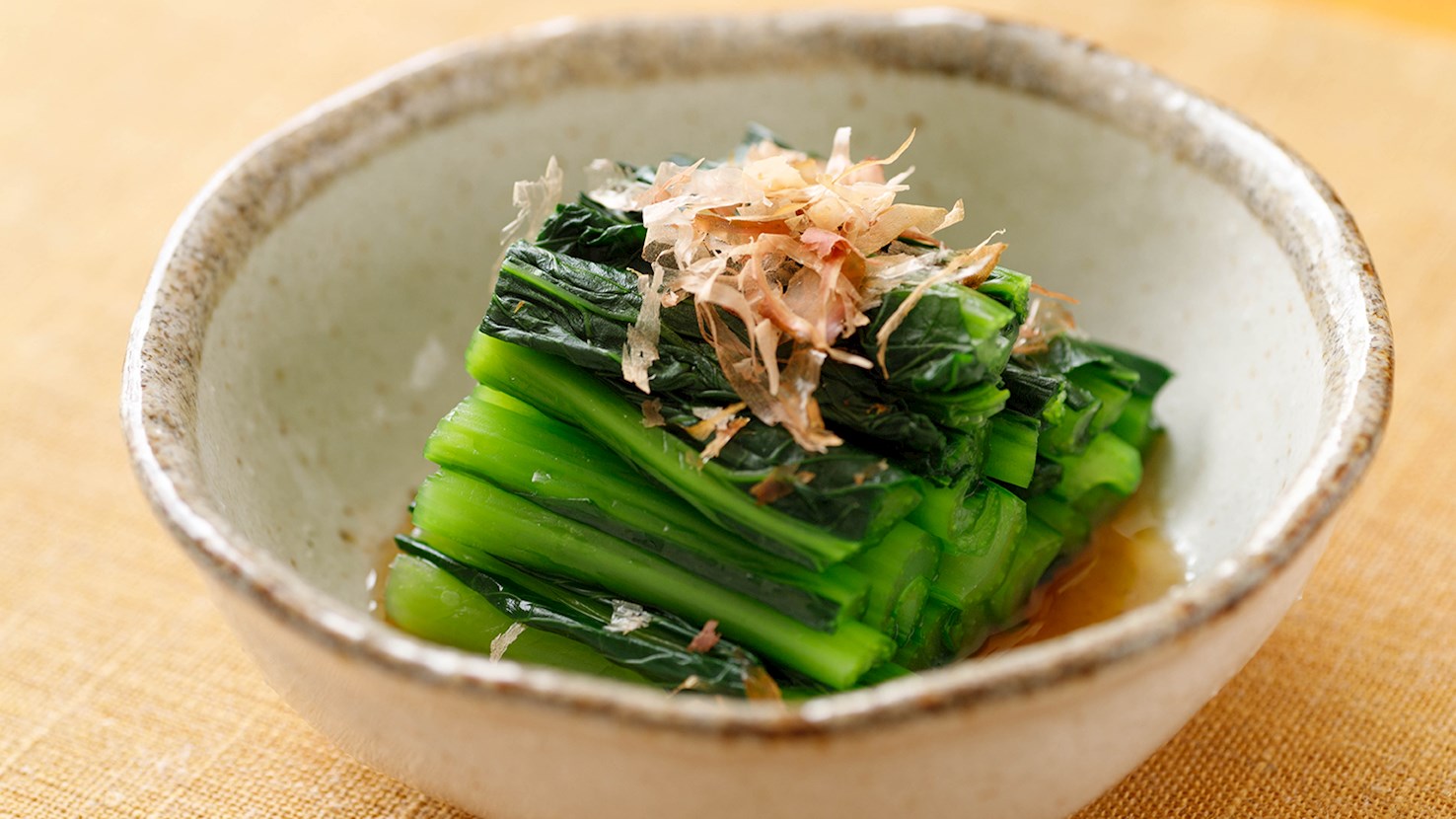
Ohitashi is a traditional dish and a technique in which vegetables (and sometimes seafood) are boiled and immersed in a dashi-based sauce. Nowadays, the dish is usually prepared with spinach that's boiled, topped with dried bonito flakes (katsuoboshi), and dressed with soy sauce. The word ohitashi is derived from hitashi, meaning to immerse or to dunk. Once prepared, ohitashi spinach salad is usually served as a side dish with steamed rice, miso soup, tonkatsu, ot mapo tofu. If spinach is unavailable, ohitashi can also be prepared with eggplant, okra, and asparagus.
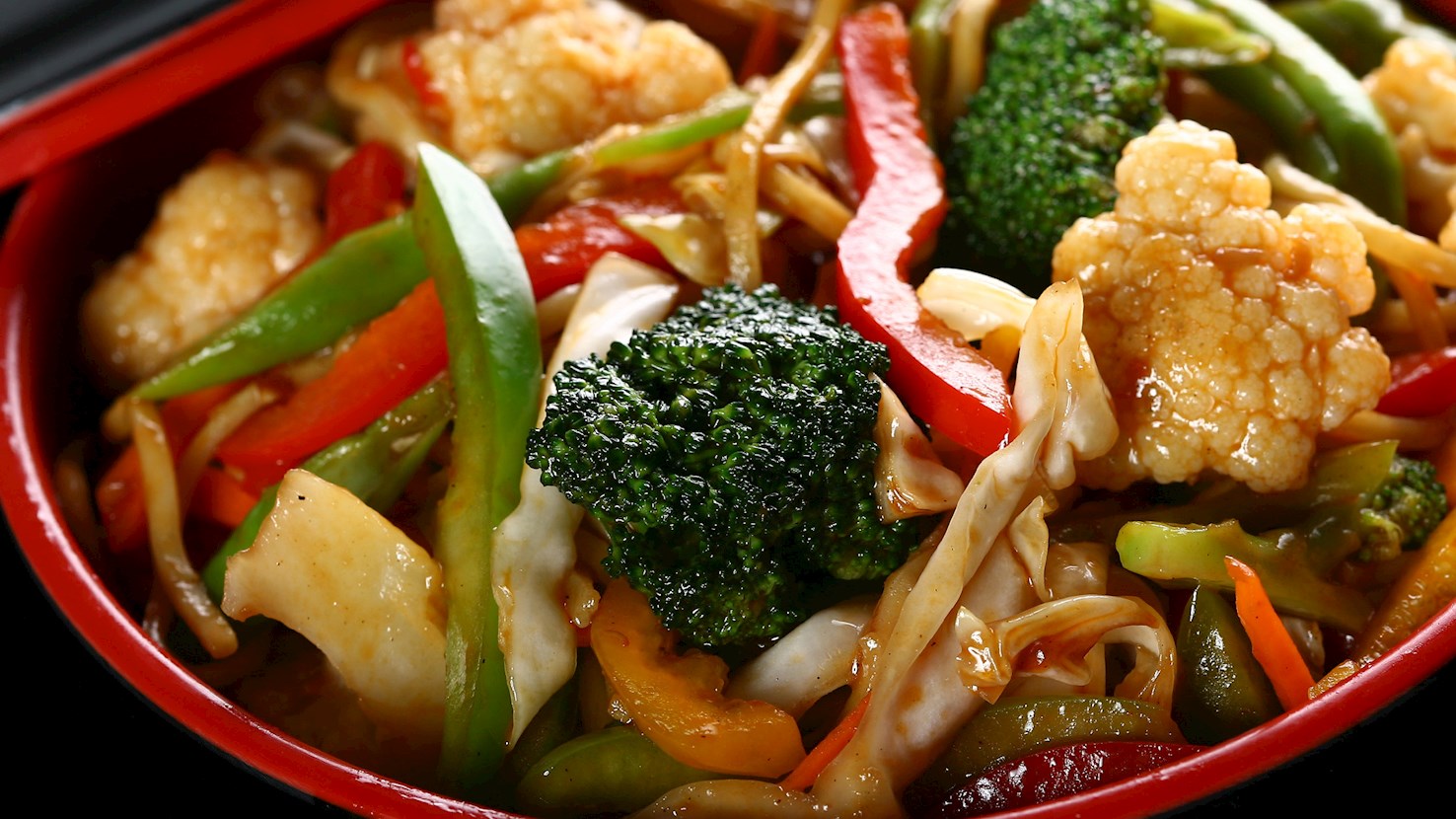
Buddha's delight is a popular dish both in numerous Chinese households and in Buddhist temples, since it is a vegetarian dish, often consisting of more than ten different types of vegetables which are cooked in soy sauce and spices until they develop a tender texture. Some of the more common vegetables used in the dish are bamboo shoots, black mushrooms, carrots, lotus seeds, water chestnuts, and cellophane noodles. Originally, the dish was a staple of Buddhist monks, as all of them are practicing vegetarians, but today, it is an international dish prepared in many Chinese restaurants, satisfying the appetites of vegetarians throughout the world. Buddha's delight is especially popular for Chinese New Year celebrations due to the Buddhist practice of maintaining a vegetarian diet for the first five days of the new year.
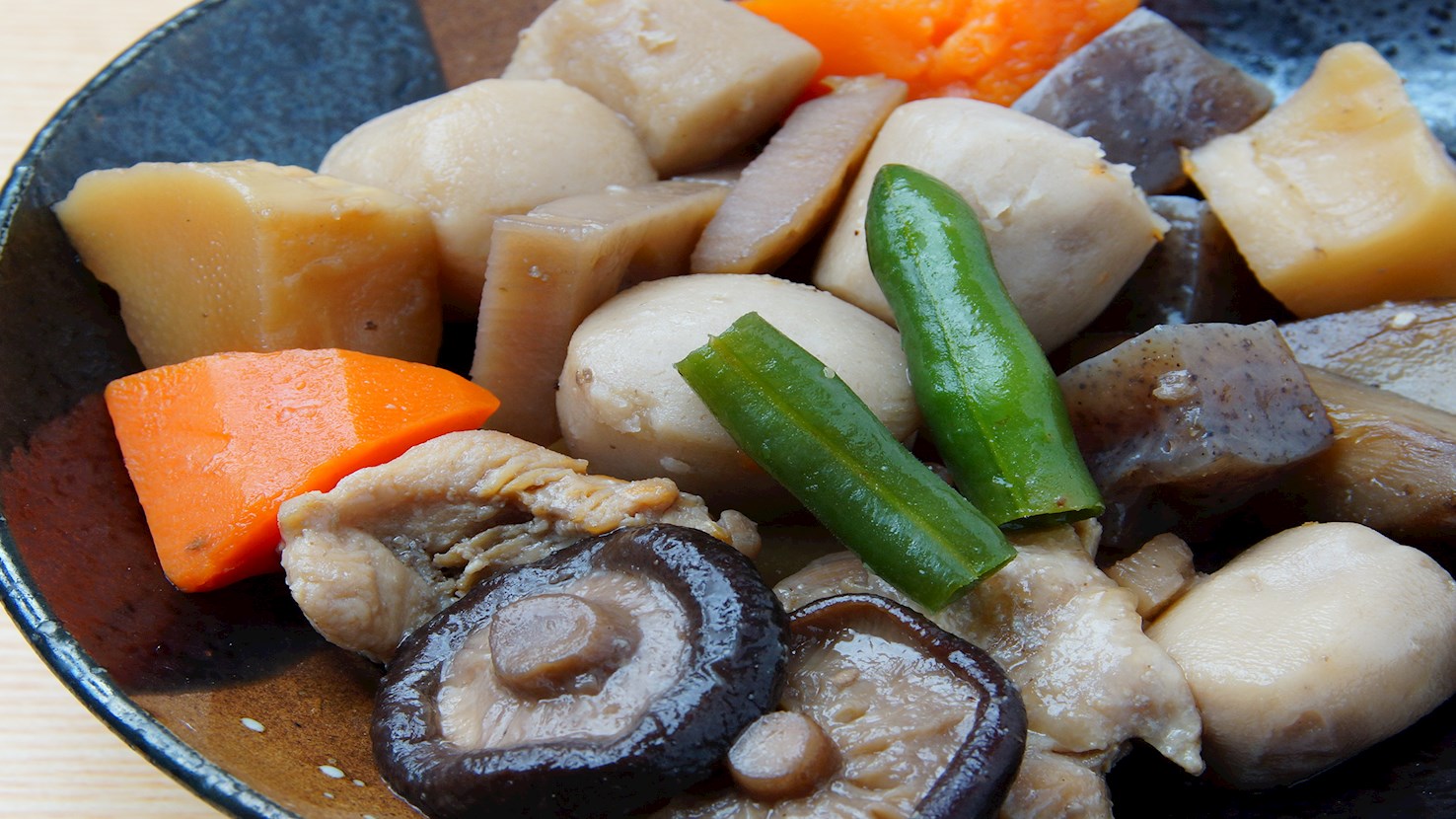
The Japanese chikuzenni is a dish which combines chicken and vegetables that are slowly simmered in a flavorful broth infused with soy sauce, mirin, and sake. Originating from the Japanese Fukuoka region, known in the past as Chikuzen, it is usually made with shiitake mushrooms, konnyaku, and decoratively sliced root vegetables such as taro, burdock, lotus root, and carrots. Traditionally served on New Year’s Day, chikuzenni is also commonly prepared as an everyday dish in many Japanese households and it is often included as a side dish in bento boxes.
Gānbiān sìjìdòu is a Sichuan stir-fried green bean dish known for its dry, savory texture and deep, aromatic flavor. The name means “dry-fried green beans,” referring to the cooking technique that removes the beans’ moisture and concentrates their taste. Originating from Sichuan province in southwestern China, it has become one of the region’s most recognized vegetable dishes, appreciated for the balance between crispness, saltiness, and the subtle tingle of Sichuan peppercorn. The dish developed in the home kitchens and teahouses of Sichuan, where vegetables often took center stage due to the abundance of fresh produce and the regional preference for seasoning rather than simplicity. In a humid climate where stir-fried foods were prone to becoming soft or oily, the dry-frying technique evolved as a way to achieve both flavor intensity and a pleasing, firm texture. By slowly cooking the beans over low heat without adding liquid, cooks discovered that they could create a dish that was rich in aroma but light on oil. Gānbiān sìjìdòu eventually spread beyond Sichuan to become a staple in restaurants across China and abroad, maintaining its identity as a humble yet precisely executed plate. Preparation begins by trimming the green beans and frying them slowly in oil until the skins blister and wrinkle, releasing a roasted fragrance while retaining their interior tenderness. The beans are then removed, and in the same wok, minced pork or preserved vegetables such as Sichuan yá cài are stir-fried with garlic, ginger, and dried chili. The beans are returned to the wok and tossed with soy sauce, salt, and a touch of sugar to balance the flavor. A few crushed Sichuan peppercorns may be added for a gentle numbing note. The key lies in keeping the wok dry, allowing the oil to coat the ingredients without forming a sauce. The final texture is firm, slightly chewy, and deeply savory, with the beans absorbing the aroma of the spices and seasonings. In Sichuan and throughout China, gānbiān sìjìdòu is eaten as part of shared meals, served alongside meat and tofu dishes. It is typically eaten hot, with steamed rice or noodles that balance its salt and spice. In restaurants, it appears frequently as a vegetable course, providing a contrast to heavier, saucier plates. At home, it is a common favorite because it requires only a few ingredients yet delivers the flavor depth characteristic of Sichuan cuisine.
Ganbian kugua or dry-fried bitter melon is a traditional dish originating from Sichuan. The most common version of the dish is made with a combination of bitter melon, green peppers (bell peppers or hot peppers), oil, sesame oil, and salt. The dish is made using a technique called ganbian, which means dry-frying with minimal oil. The melon is sliced and dry-fried with thinly sliced green peppers. Once fried, the dish is seasoned with salt and it's ready to be enjoyed. Gnabian kugua has an extremely bitter flavor, which is an acquired taste. The dish is especially popular in hot and humid weather.
TasteAtlas food rankings are based on the ratings of the TasteAtlas audience, with a series of mechanisms that recognize real users and that ignore bot,
nationalist or local patriotic ratings, and give additional value to the ratings of users that the system recognizes as knowledgeable.
For the “Top 11 Vegetable Dishes in East Asia” list until July 15, 2026, 559 ratings were recorded, of which 494 were recognized by the system as legitimate.
TasteAtlas Rankings should not be seen as the final global conclusion about food. Their purpose is to promote excellent local foods,
instill pride in traditional dishes, and arouse curiosity about dishes you haven’t tried.