




dreamtimes

Top 20 French Vegetable Dishes

Last updated on June 15, 2026
01

Ratatouille

3.8 ·

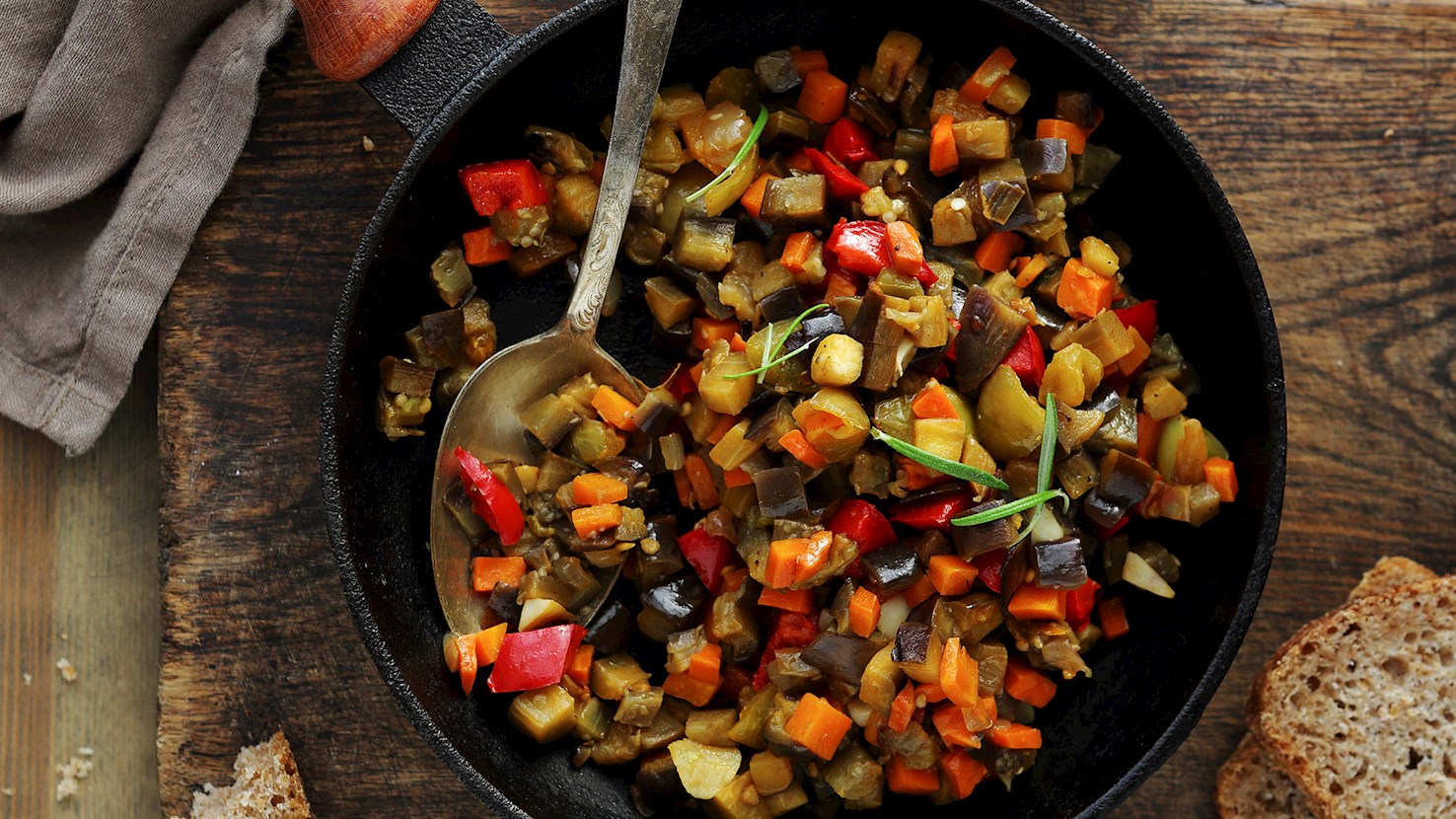
This colorful Provençal vegetable ragout is traditionally made with simple, easily accessible ingredients: courgettes, eggplants, green and red peppers, tomatoes, onions, garlic, and parsley. The name ratatouille stems from the old Occitan word ratatolha, and the French word touiller, both meaning to toss, or to stir up, referring to the cooking process in which the ingredients are first simmered separately—seasoned with salt, pepper, and olive oil—and then tossed together and stirred into a vibrant vegetable medley. Though it wasn't until the 1930s that ratatouille was popularized, by the 1980s, the dish had become the star of any dinner party. Ratatouille can be enjoyed on its own, served either hot or cold, along with toasted garlic bread, or it can be dished out as a side to roasted or grilled meat mains, especially lamb and chicken.

02

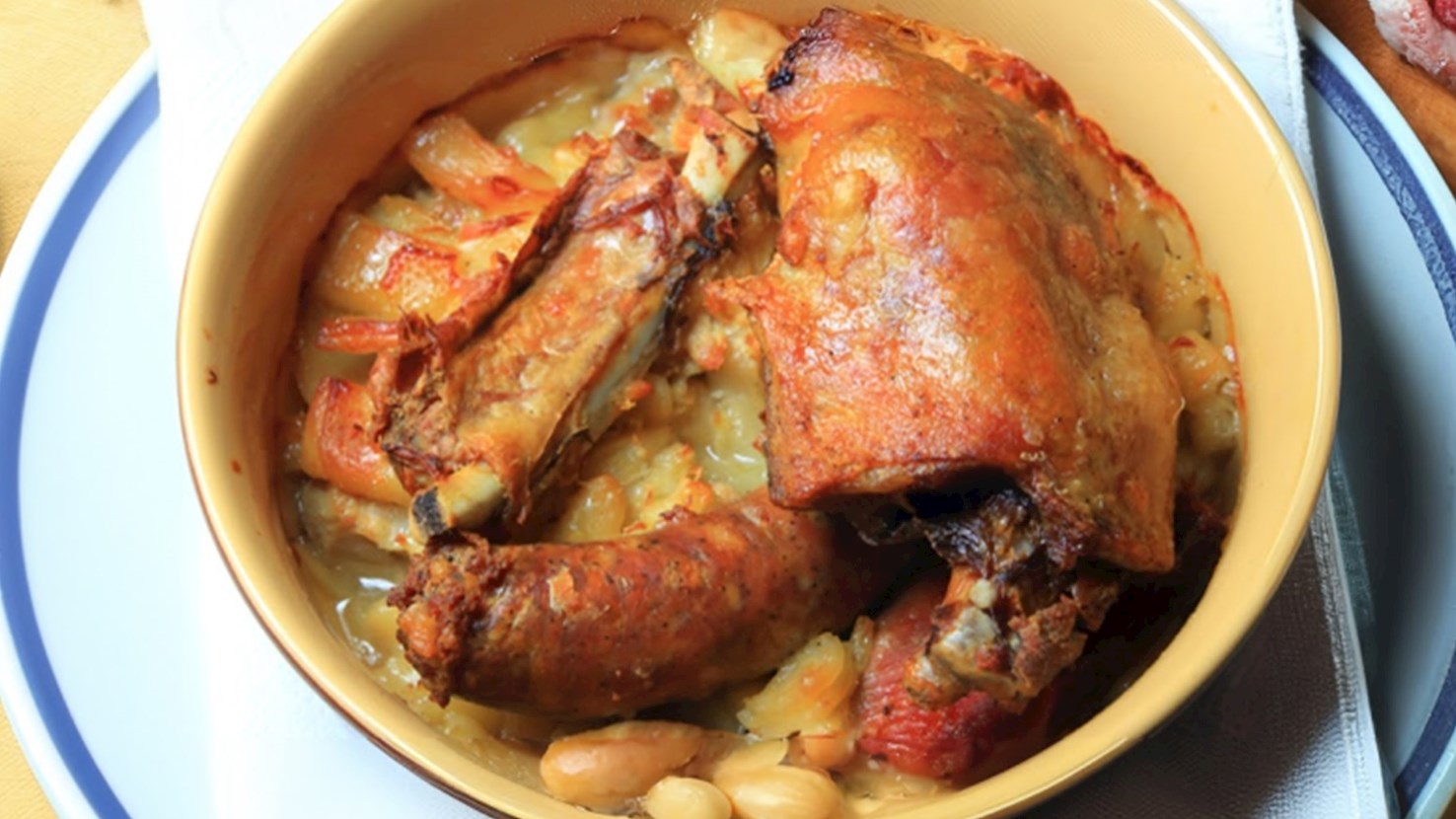
Cassoulet

3.8 ·

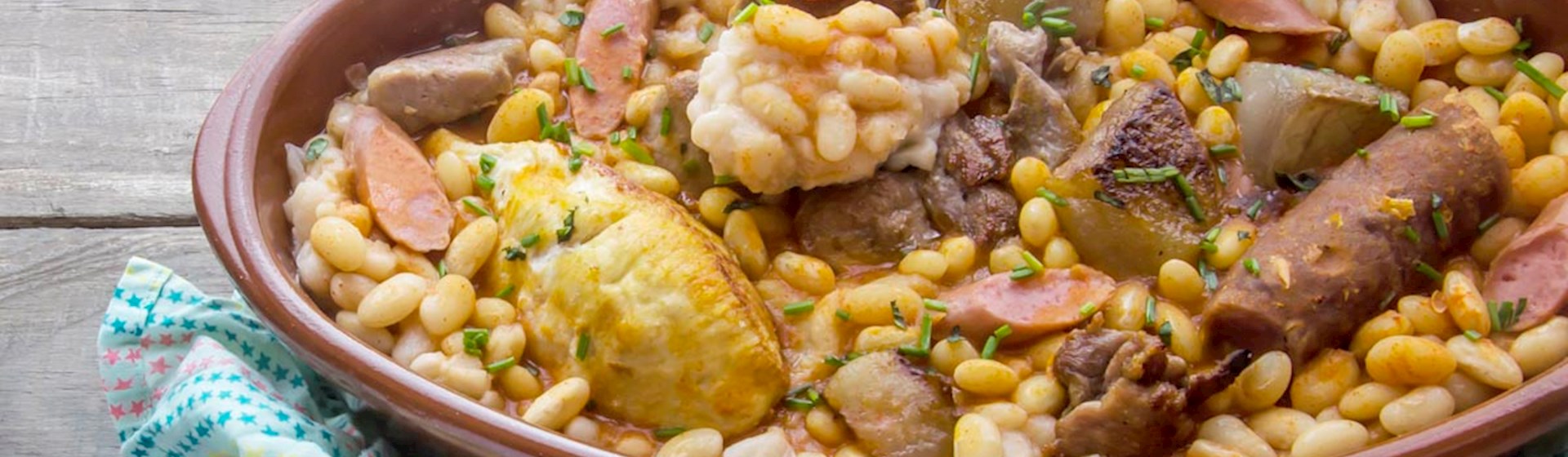
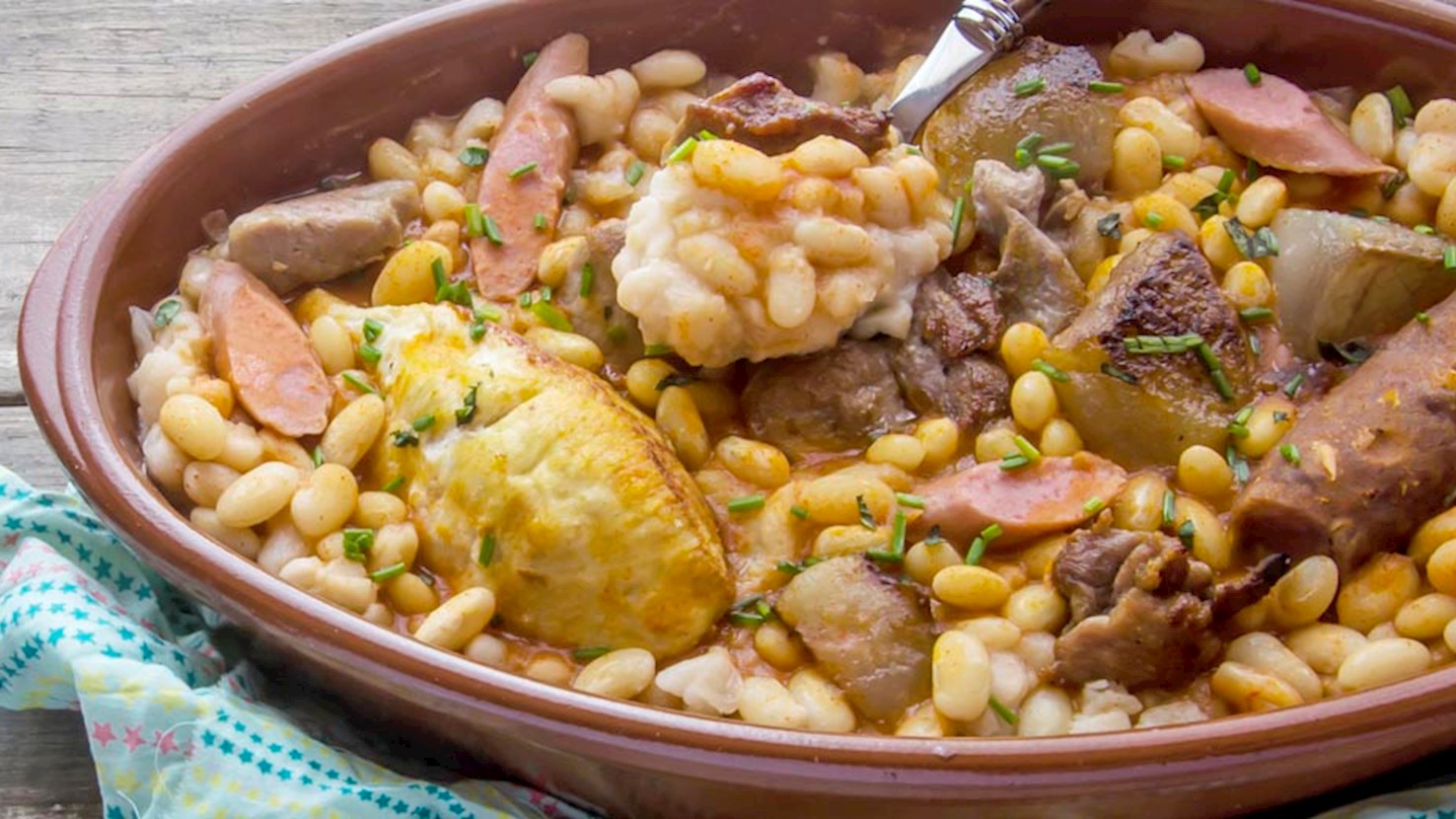
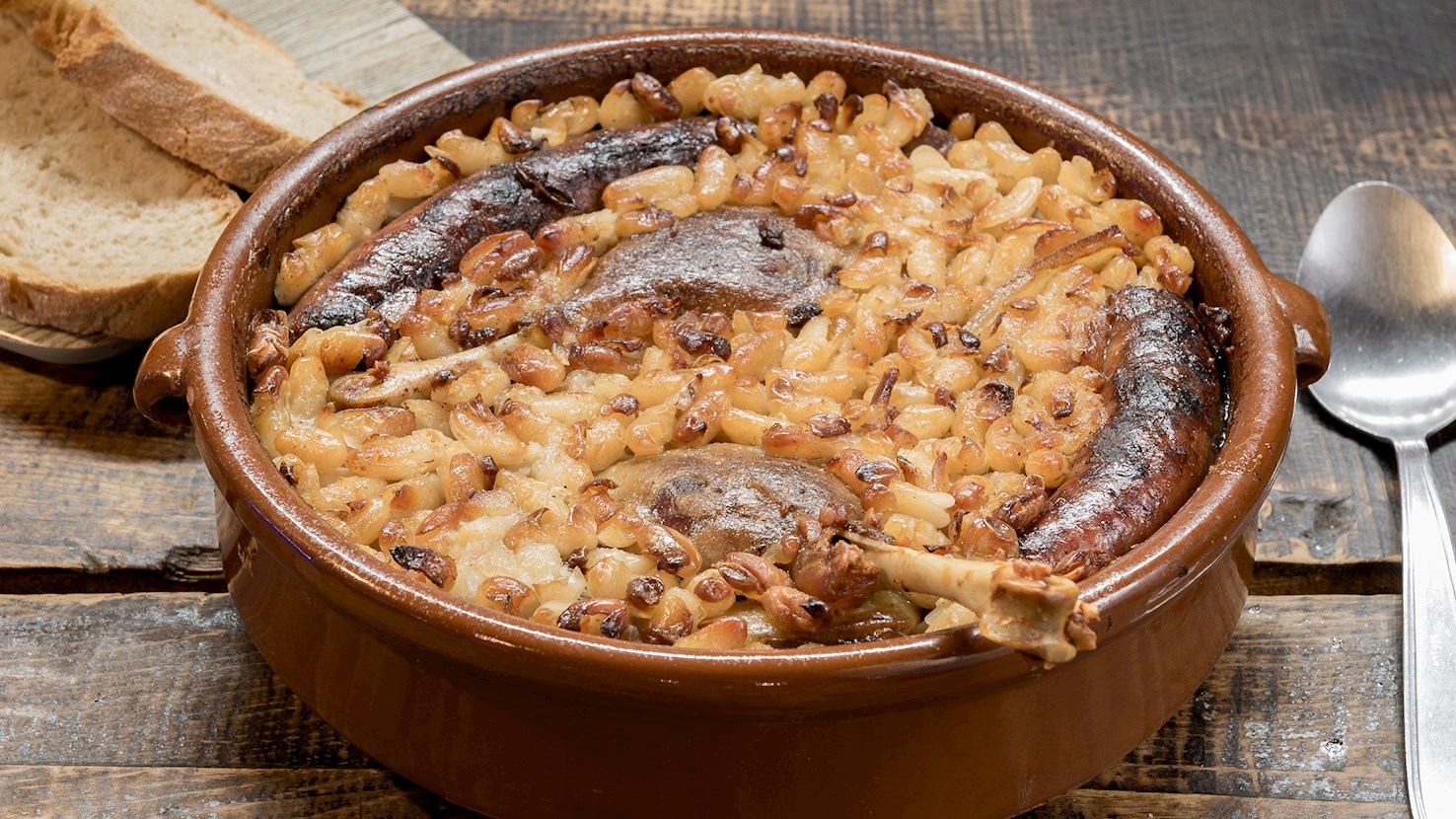
This traditional bean- and meat-based dish from the southwest of France comes in three versions, and each version is a separate dish in its own right. The name cassoulet comes from the name of the dish used to prepare it, called a cassole. The dish is braised for hours in this glazed terracotta casserole pot at a low temperature until the meat and beans are soft enough to melt in your mouth. Three cities claim to be home to the original recipe, and while they are eternally striving for the title of “best cassoulet”, all agree on one thing – this dish is held sacred in the Lauragais region. One version comes from Castelnaudary, and is based on white kidney beans with pork products such as smoked ham, spicy sausages, and pork shoulder. Cassoulet de Carcassone adds chunks of mutton, lamb, partridge, or quail, while cassoulet Tolousain combines duck or goose confit with all of the aforementioned ingredients. This staple of French comfort food is best enjoyed on a cold winter day and it is recommended to accompany it with a glass of fragrant, full-bodied red wine.

03

Cassoulet de Toulouse

3.6 ·

Cassoulet de Toulouse is a traditional casserole that showcases the rich culinary heritage of Toulouse. Made with haricot Tarbais beans, a variety of meats including lamb, pork, Saucisse de Toulouse, and duck confit, as well as aromatic ingredients like onion, garlic, and bouquet garni, this dish is slow-cooked to create a deeply flavorful and comforting meal. The addition of goose fat, ham bone, and chicken stock further enriches the dish, making it a hearty and satisfying staple of French cuisine. The stew can also include tomatoes for color and flavor and breadcrumbs to help create the crust.

04

Confit byaldi

3.5 ·

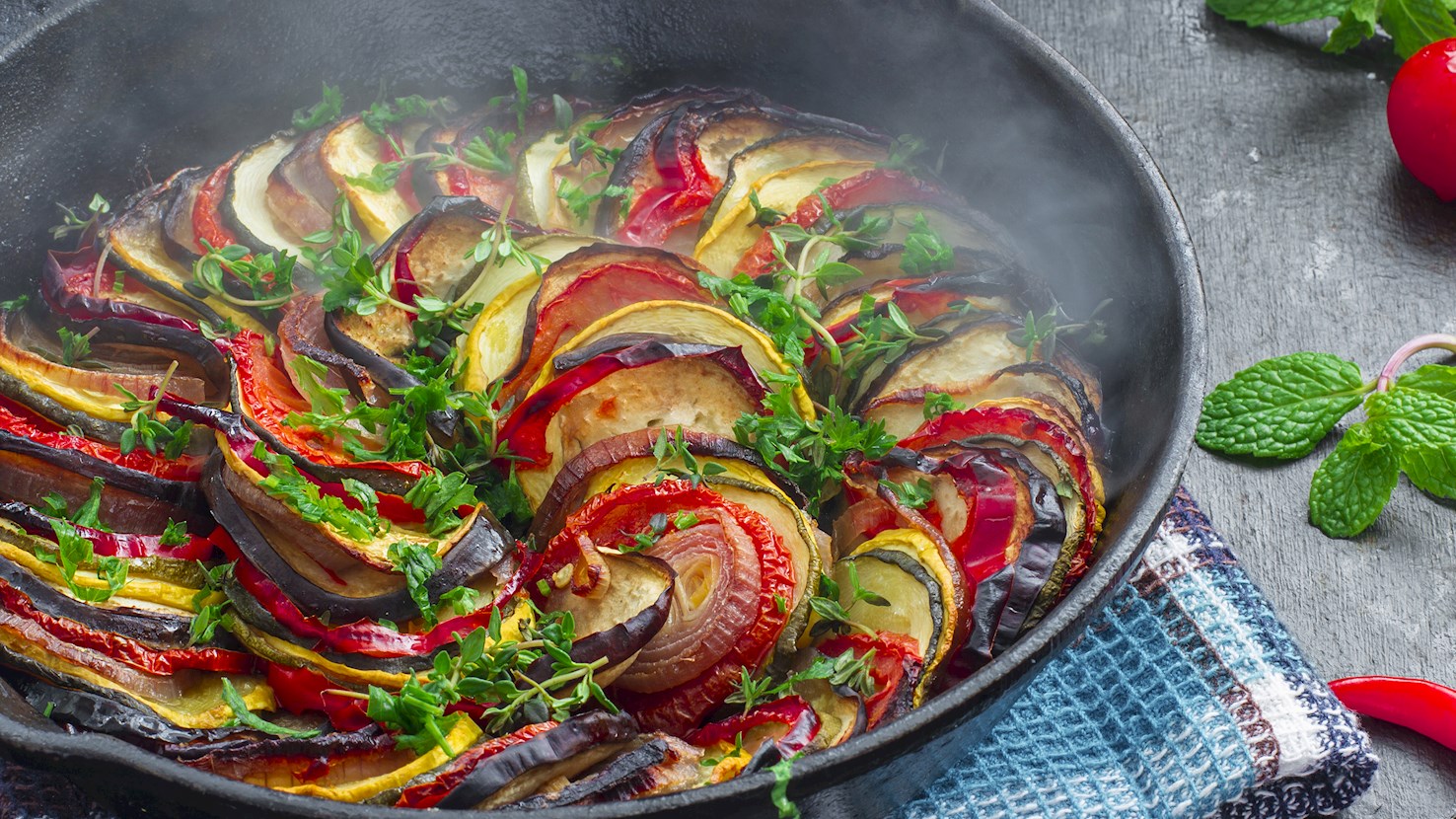
Confit byaldi, a variation on the famous French ratatouille, is typically prepared with zucchinis, yellow squash, aubergines, tomatoes, onions, garlic, and herbs. It was invented by chef Michel Guérard when he was recreating traditional dishes in lighter versions. Guérard’s confit byaldi differs from ratatouille in two ways – the vegetables are not fried, and peppers are replaced with mushrooms. Later on, the famous chef Thomas Keller elevated the dish even further – he added pipérade (tomatoes and peppers sauce) at the bottom, and vinaigrette on top. The real challenge of preparing confit byaldi lies in the presentation – according to Thomas Keller, the vegetables should be presented accordion-style by using a palette knife.

05

Choucroute garnie

3.5 ·

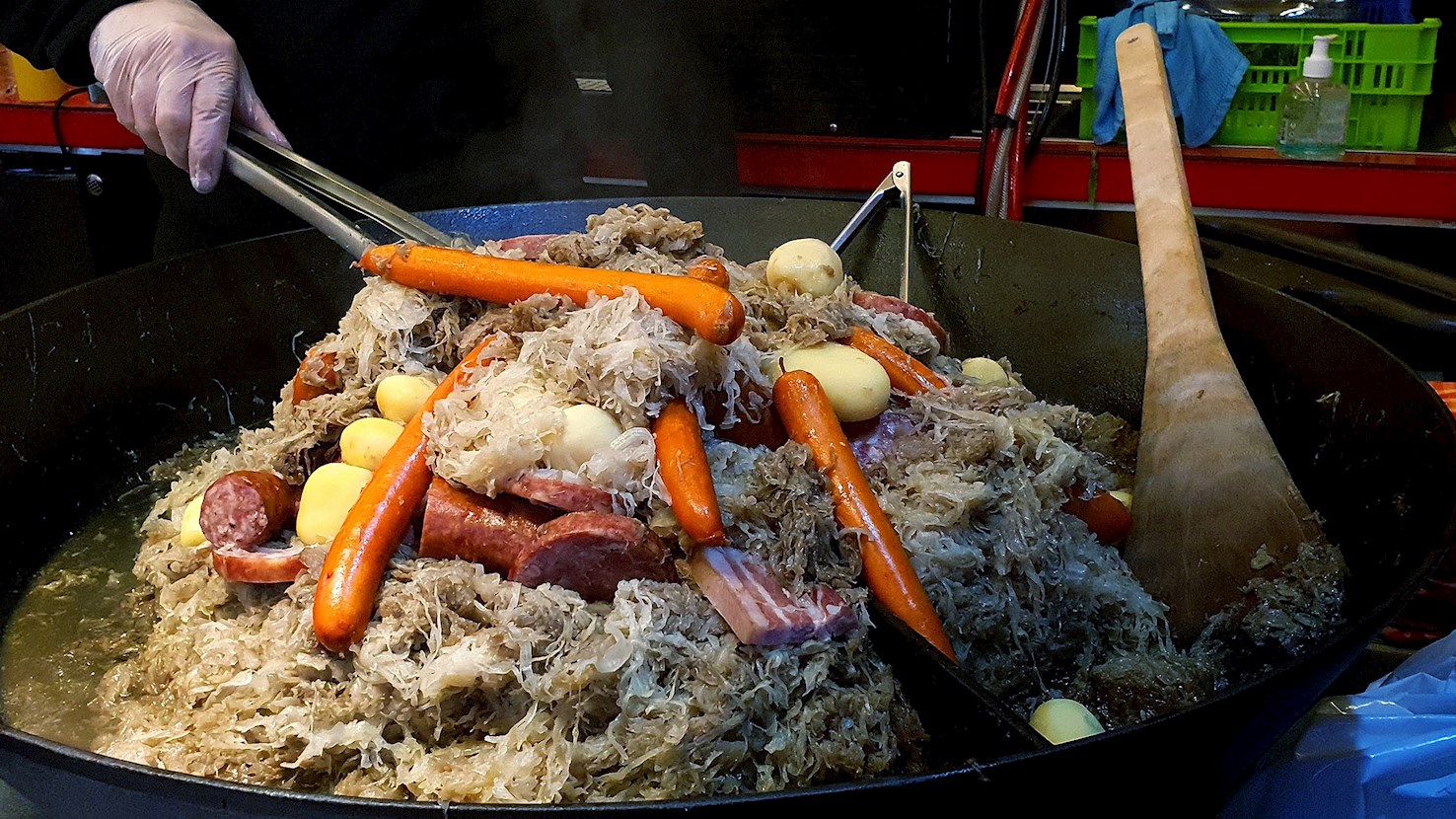
Choucroute Garnie is a typical winter dish coming from the French Alsace region. At its base is the silky, pungent, fermented cabbage known as sauerkraut, infused with flavors of goose fat, onions, garlic, juniper berries, caraway, and white wine such as the local dry Riesling. Sauerkraut is garnished with a hefty number of ingredients such as smoked or fresh beef and pork sausages, pork loin, pork shoulder, and bacon. The ultimate version of the dish, called choucroute royale is served with added calf or pork liver dumplings that are poached and sautéed with onions. Ever since the dish became a national treasure and a staple of French brasseries, other variations emerged, such as choucroute á la juif, where pork is replaced with beef and beef sausages, and choucroute des navets, a version made with turnips. The Alsatian soil is ideal for the production of cabbage for pickling, so homemade sauerkraut can be found in many households throughout the region. Typical accompaniments to the dish include Dijon mustard, grainy moutarde ancienne, boiled potatoes, and an obligatory glass of beer or Riesling on the side.

06

Soufflé aux épinards (Spinach soufflé)

3.4 ·

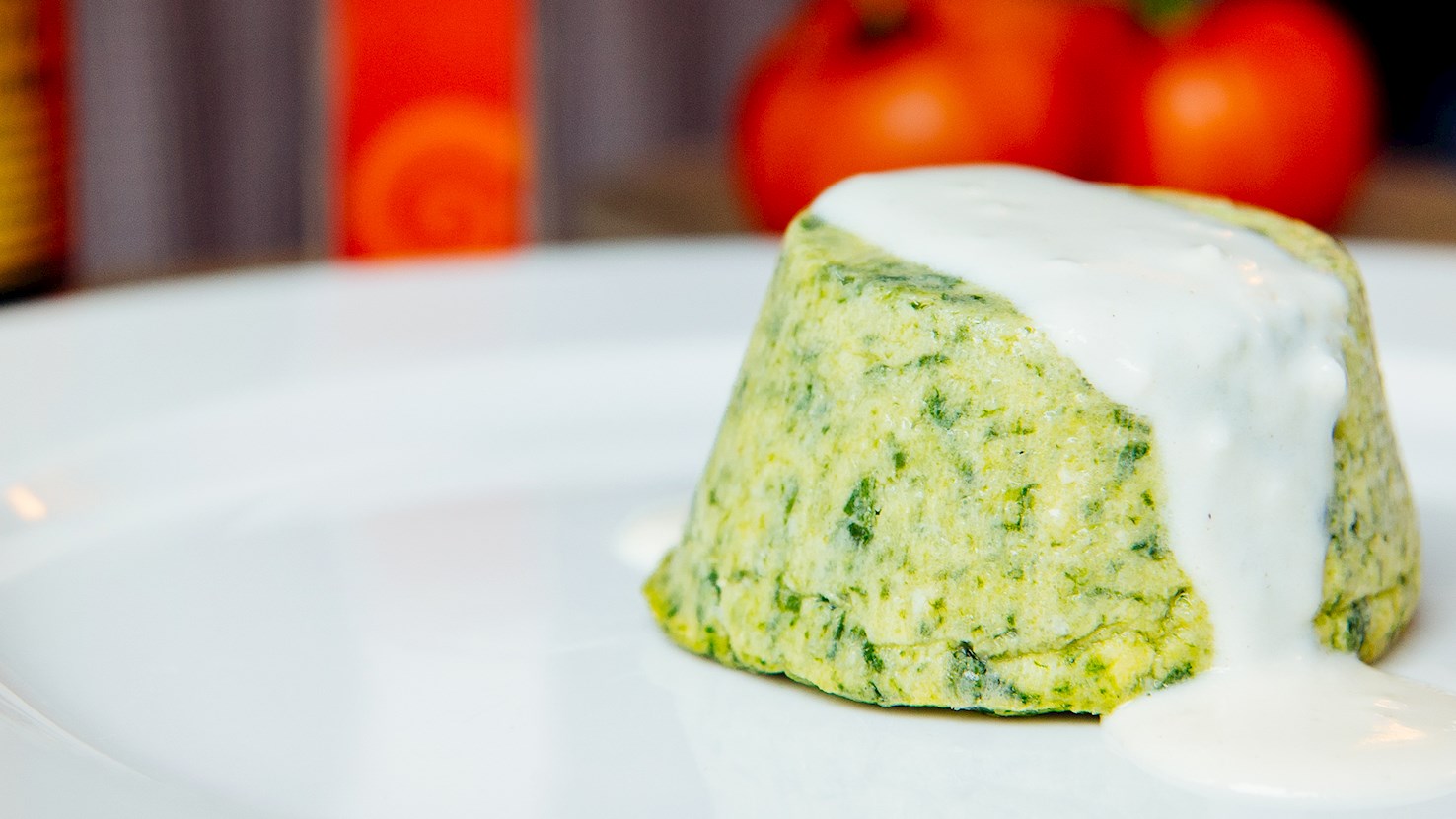
This soufflé variety is prepared with sautéed and finely diced spinach that is blended with a creamy béchamel base, egg yolks, and beaten egg whites. The dish is easily customized with additional ingredients such as ham or Gruyère cheese, and it is traditionally baked in small individual ramekins. The perfect spinach soufflé should always have a light and airy texture and needs to be served immediately after baking. Though it can be enjoyed on its own, it also makes for an excellent side dish.

Best restaurants
07

Piperade

3.4 ·

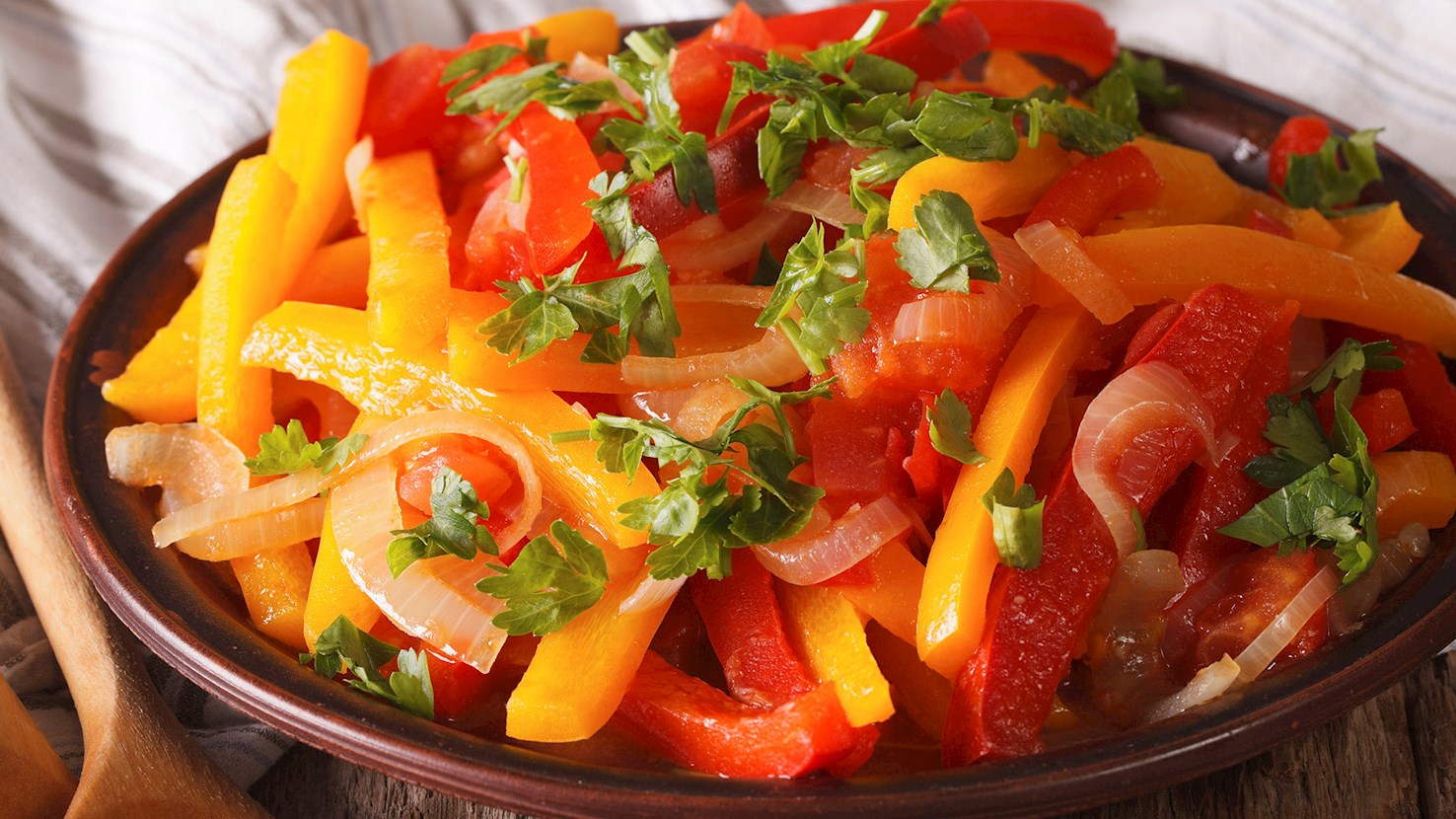
Piperade is a traditional dish from the region of French (and Spanish) Basque Country, consisting of tomatoes, onions, bell peppers, Espelette pepper, and garlic, while ham, and eggs are sometimes added to the dish to enhance its flavors. The dish can be traced to the early 1800s, when the word piperade referred to ground pepper. Red is the color of Basque, and it is evident in their cuisine, which is heavily dominated by peppers. Every year in October, there is a fair in the town of Espelette, featuring traditional Basque specialties, with piperade being one of the main attractions. Piperade can be served either as a main course or a side dish, and it is so good that the Larousse Gastronomique even mentions it as one of the most important dishes of the region.

Best restaurants
08

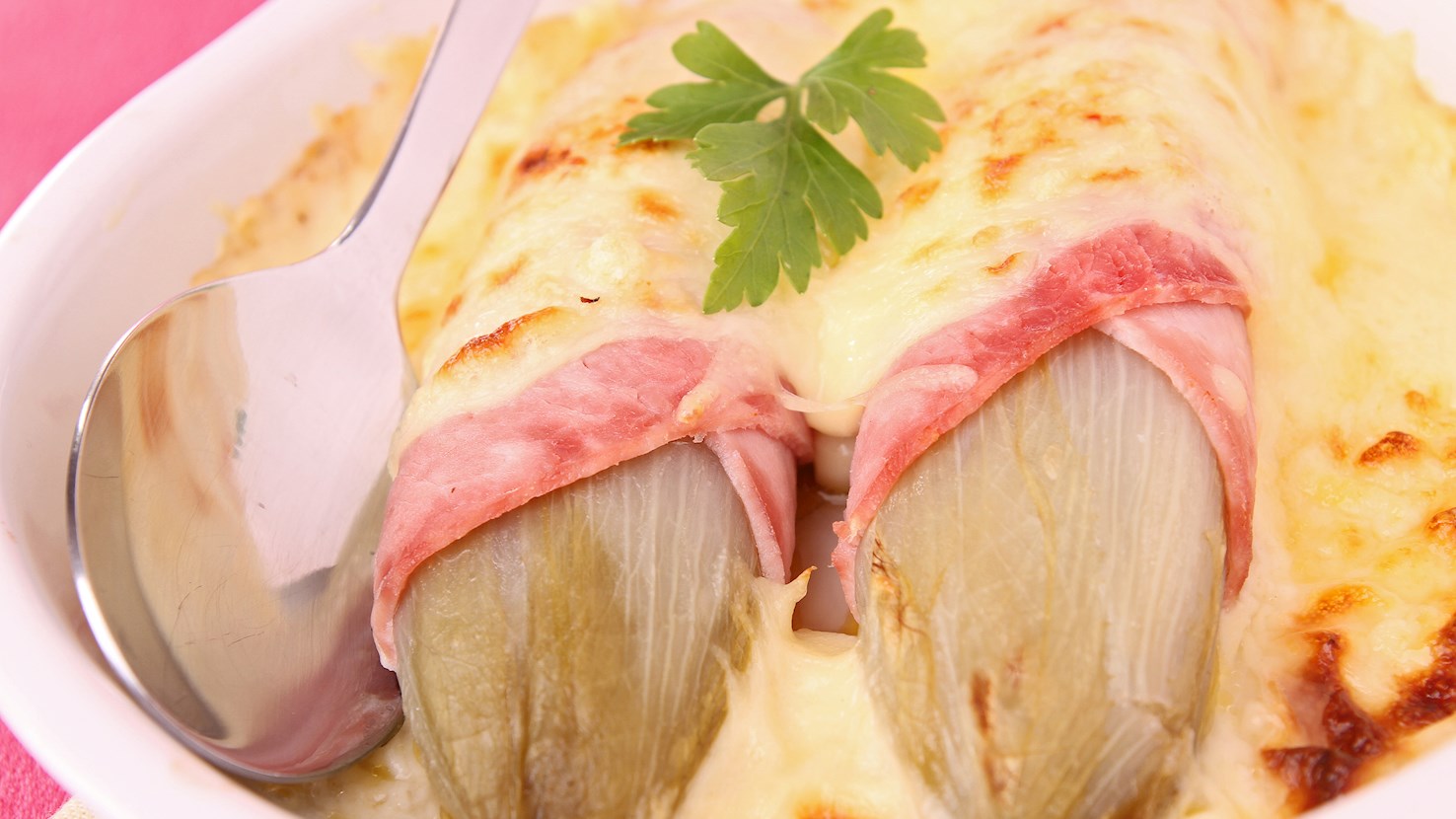
Endives au jambon (Baked endives and ham)

2.9 ·

Endives au jambon is a traditional dish that's especially popular in the region of Seine-Maritime. The dish is usually made with a combination of endives, lemon juice, milk, flour, butter, ham slices, nutmeg, Neufchâtel cheese, salt, and black pepper. The endives are cut in half lengthwise and boiled in a mixture of salted water and lemon juice. Béchamel sauce is made in a saucepan, with the addition of Neufchâtel cheese. The endives are refreshed in cold water, drained, wrapped in ham slices, and placed into a buttered baking dish. The sauce is drizzled over the endives and the dish is baked in the oven for twenty minutes before serving.

09

Cassoulet de Castelnaudary

n/a ·

Cassoulet de Castelnaudary is a traditional casserole originating from the town of Castelnaudary in the Languedoc region. This iconic dish is primarily made from white beans sourced from Lauragais. The key meats used in this cassoulet include goose confit, pork shank or shoulder, sausages, and pork rind. Additionally, a poultry carcass or pork bones are used to create a rich broth, along with onions and carrots, although these vegetables are not present in the final dish. The preparation of cassoulet de Castelnaudary involves several steps. The white beans are first cooked separately. The meats are browned to enhance their flavor before being combined with the beans in a large, deep earthenware pot known as a "cassole." The dish is then slow-cooked, allowing the flavors to meld together. Traditionally, the final cooking stage takes place in a baker's oven fueled by gorse from the Montagne Noire, which imparts a unique flavor to the dish. Cassoulet de Castelnaudary is known for its simplicity and hearty nature. In addition to the goose confit, it is often referred to as "pure pork" due to its use of pork shank or shoulder, sausages, and pork rind. The slow-cooking process results in a rich, flavorful casserole with a creamy texture, topped with a crispy crust that forms during the final baking. This dish is a symbol of the region's culinary heritage, reflecting the rustic and resourceful cooking traditions of rural France. Cassoulet de Castelnaudary is best enjoyed hot, often accompanied by a crusty baguette and a glass of robust red wine from the Languedoc region, making it a deeply satisfying and comforting meal.

10

Cassoulet de Carcassonne

n/a ·

Cassoulet de Carcassonne is a traditional casserole from the city of Carcassonne, made with white kidney beans (traditionally, Lauragais ingot beans), partridge, pork belly, saucisse de Toulouse, duck confit legs, pigs' feet, pork rinds, and chicken stock. This dish is slow-cooked to develop a rich, hearty flavor and a creamy texture, with the beans absorbing the flavors of the meats and seasonings. Aromatic ingredients like onion, garlic, and bouquet garni enhance the dish, making it a deeply satisfying and comforting meal that reflects the rich culinary heritage of the Languedoc region. The stew can also include tomatoes and breadcrumbs as ingredients, the former for color and flavor and the latter to make a more impactful crust.

Read more
View all
View map
About this ranking

TasteAtlas food rankings are based on the ratings of the TasteAtlas audience, with a series of mechanisms that recognize real users and that ignore bot, nationalist or local patriotic ratings, and give additional value to the ratings of users that the system recognizes as knowledgeable. For the “Top 20 French Vegetable Dishes” list until June 15, 2026, 923 ratings were recorded, of which 791 were recognized by the system as legitimate. TasteAtlas Rankings should not be seen as the final global conclusion about food. Their purpose is to promote excellent local foods, instill pride in traditional dishes, and arouse curiosity about dishes you haven’t tried.

Similar lists