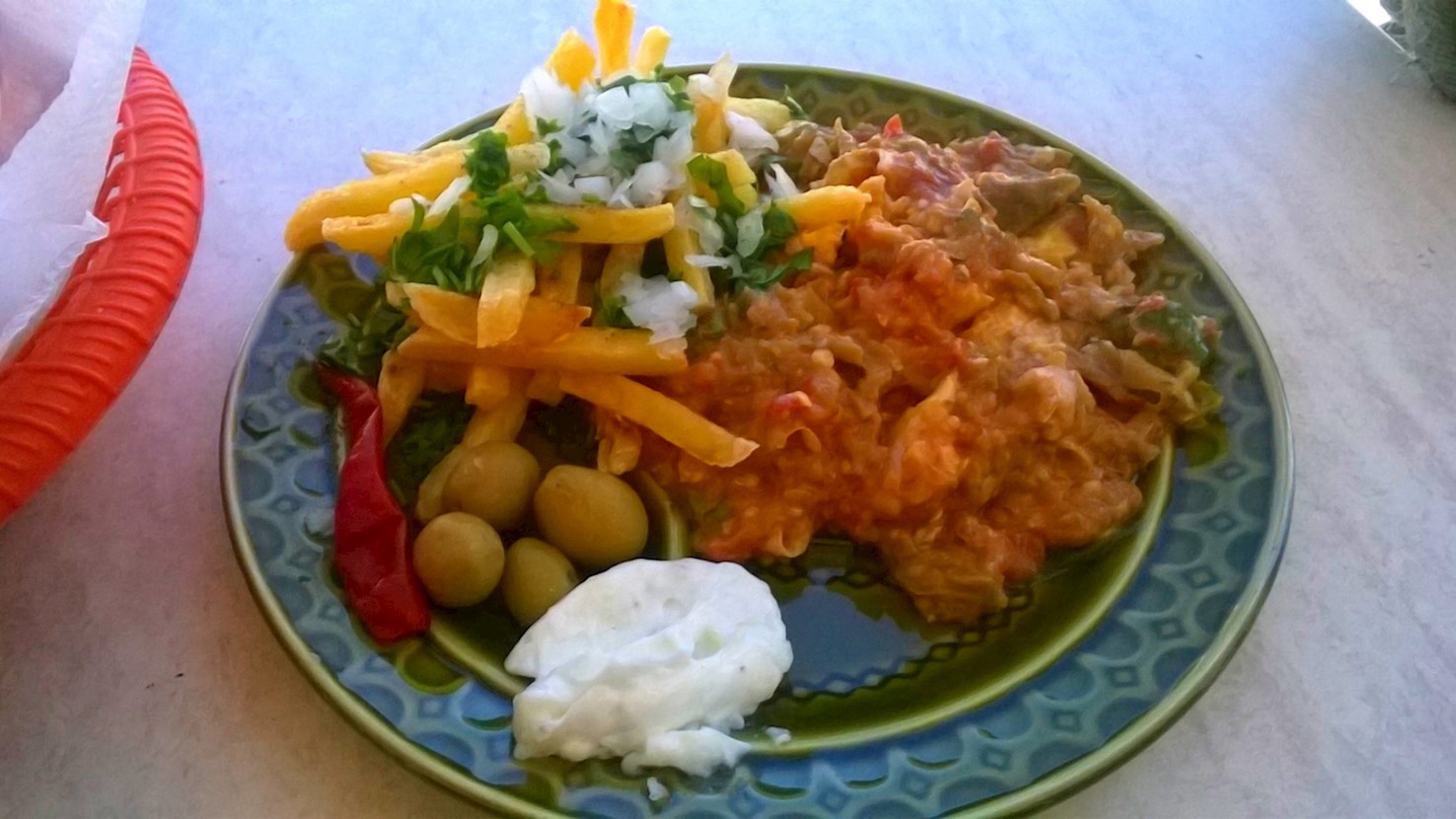
Kafteji is a traditional dish made with fried vegetables. Typical veggies used in the dish include eggplants, bell peppers, potatoes, tomatoes, zucchinis, and pumpkins. The vegetables are fried, chopped, then combined with (often fried) eggs and seasonings. The dish is often sprinkled with parsley or coriander, and it's then served as a side to poultry or fish, although it can be eaten as it is. Kafteji is also a popular Tunisian street food, often served in a baguette.
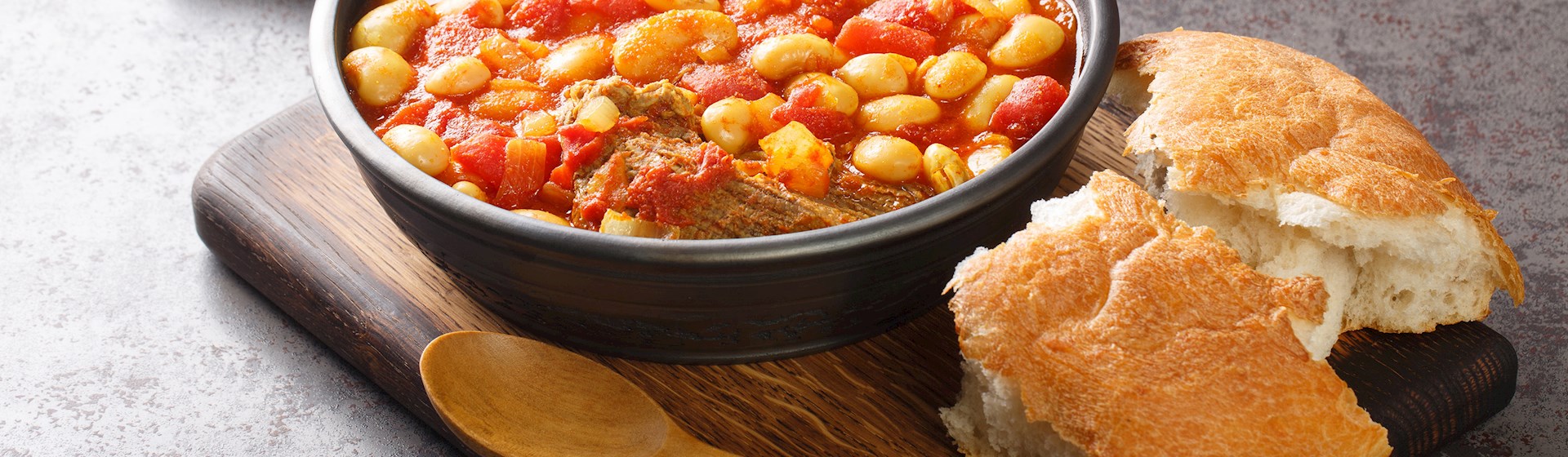
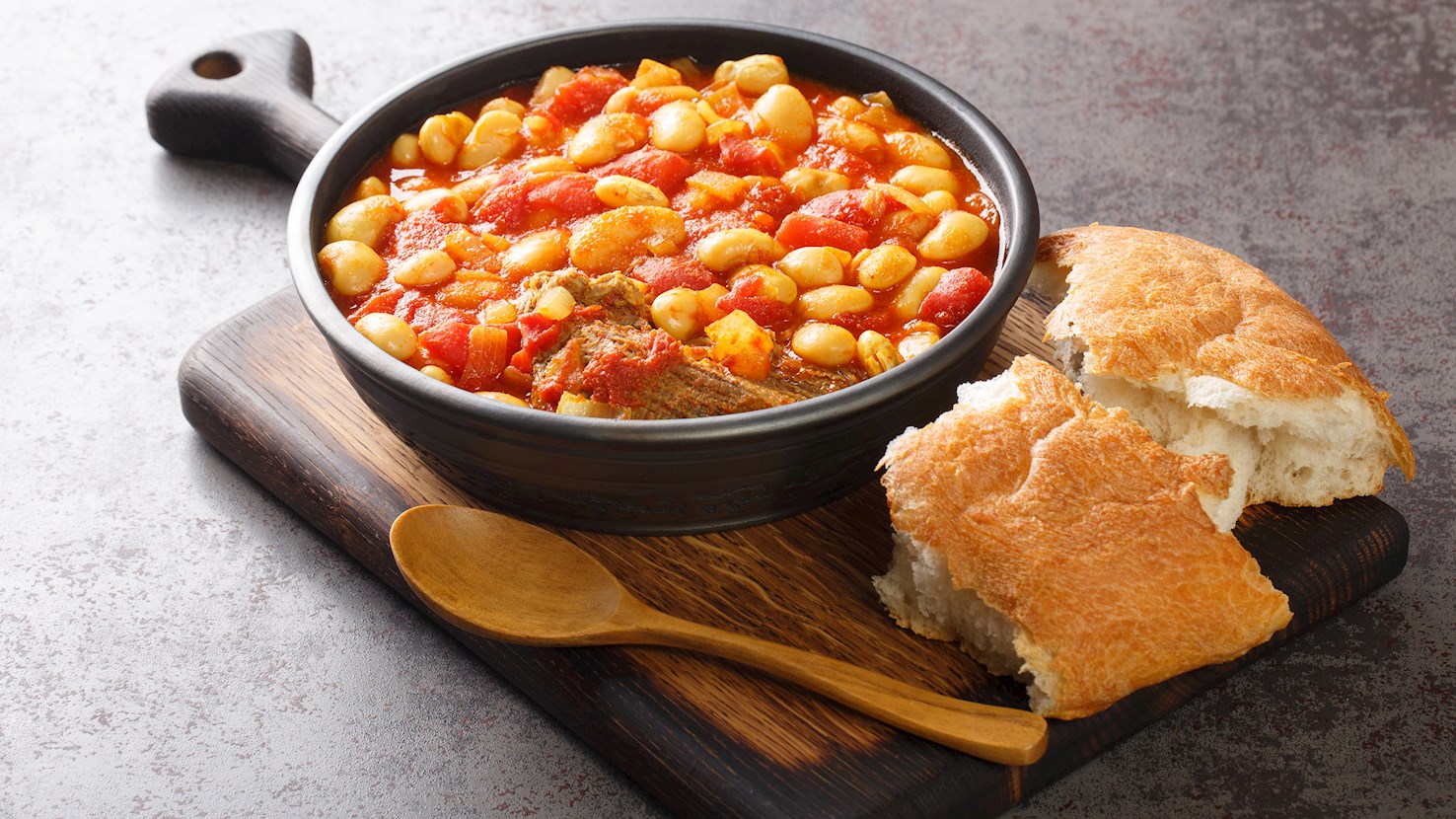
Loubia is a traditional North African dish consisting of stewed white beans. This dish is very popular in Moroccan, Tunisian, Algerian, and Libyan homes, where the beans that have been simmered in a zesty tomato-based sauce are typically scooped up with homemade flatbread. It is comfort food that can be served both as an appetizer, garnished with some coriander or parsley, and as a side dish - especially when used as an accompaniment to fried fish. Simple, quick, and delicious - it is unsurprising that loubia is commonly found in homes throughout Maghreb region.
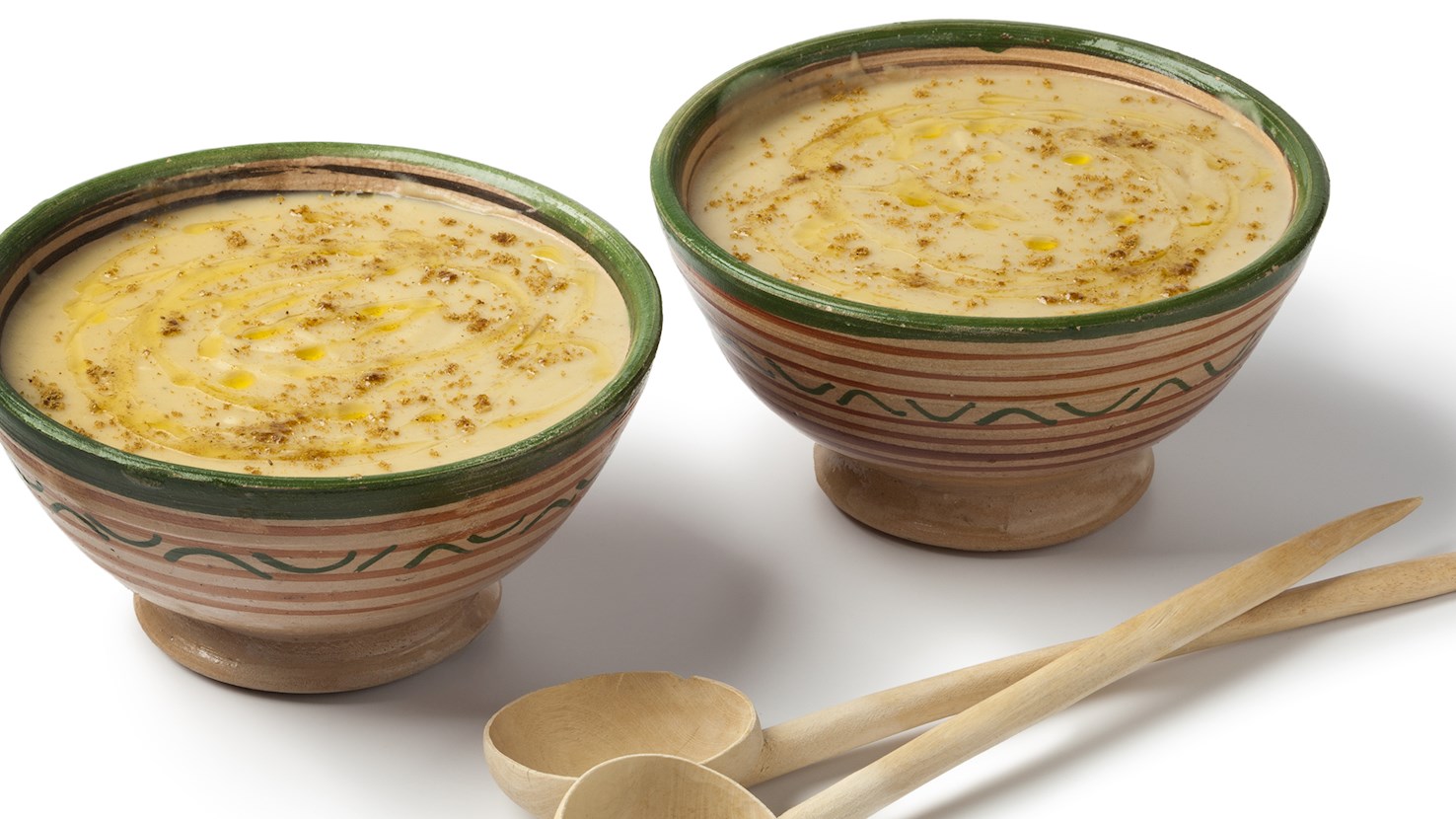
Bissara is a comforting Egyptian and Moroccan dish made with puréed beans – either split peas or dried fava beans. It can be prepared in the form of a soup or porridge, while the thicker versions are commonly used as a dip. The puréed beans are typically seasoned with olive oil, lemon juice, and garlic, and the dish is often served with paprika and cumin on the side, while crusty bread is almost mandatory. Bissara is traditionally served for breakfast, and it is especially popular during winter.
Couscous bil-bosla is a traditional dish made with a combination of couscous, chickpeas, potatoes, tomatoes, and lamb. Other ingredients used in the dish include onions, butter, chili peppers, and various spices. When served, couscous is arranged on a platter and topped with the lamb chops, and the whole dish is then covered with the chickpea sauce. The dish is traditionally served on a large sharing platter.
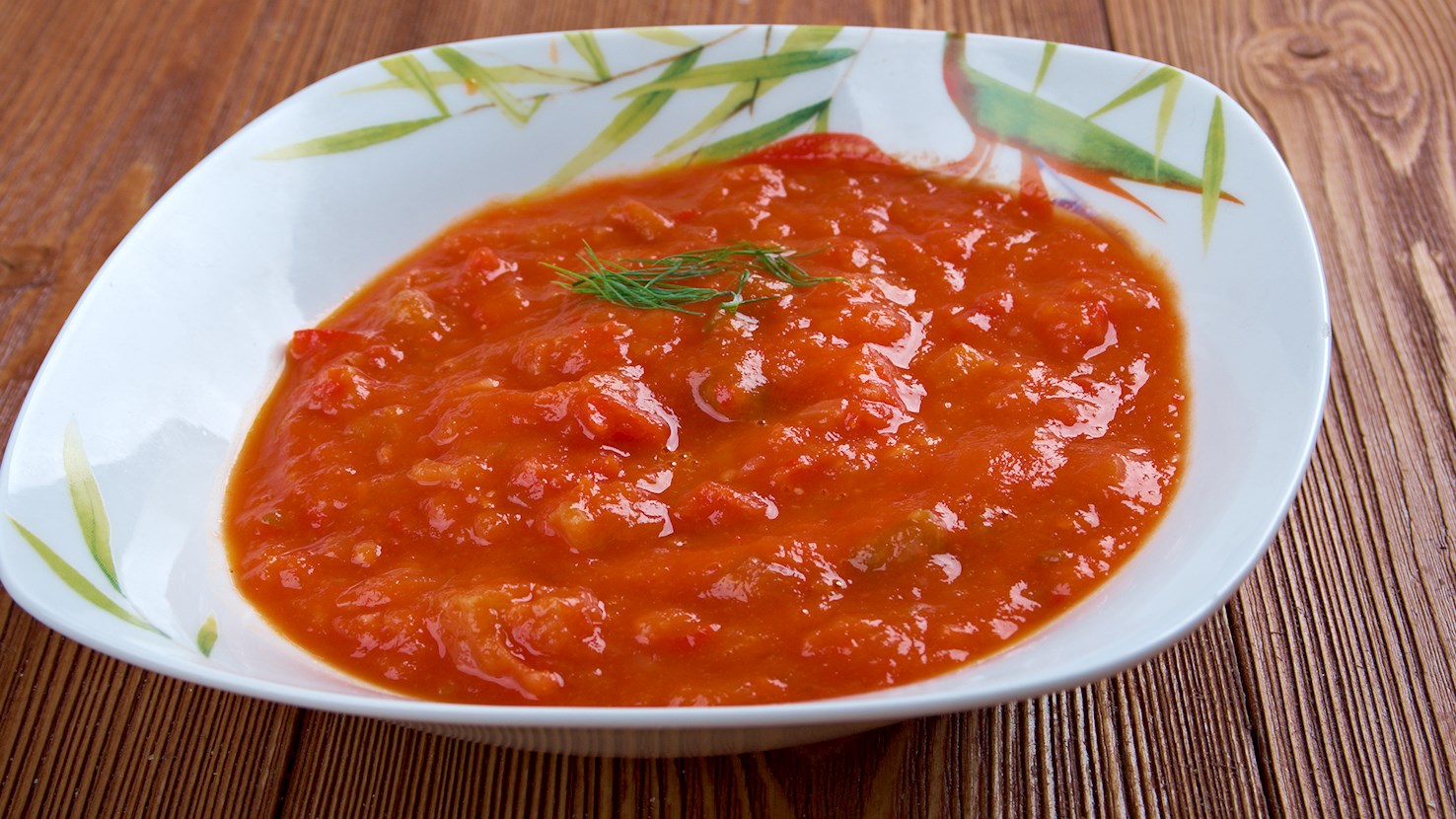
Though its origins presumably lie in Morocco, matbucha is also a favorite in Israel, where it was brought by Jewish immigrants. The dish consists of roasted bell peppers and tomatoes seasoned with garlic and ground paprika. In Morocco, it is typically enjoyed as meze—assorted small dishes—while Israelis typically think of it as an appetizer. Matbucha should always be served drizzled with a generous amount of olive oil, accompanied by a warm flatbread on the side.
Kusksi bil hoot is a traditional dish using steamed couscous and fried firm-fleshed fish (e.g. grouper) as the main ingredients. Before frying, the fish is usually marinated in a combination of garlic, lemon juice, hot peppers, celery, olive oil, and cumin, while couscous is steamed with the addition of stock made from onions, tomatoes, parsley, and fish heads. Couscous and fried fish are then combined with a sauce consisting of tomatoes and fried vegetables such as potatoes, squash, bell peppers, chickpeas, aubergines, and onions. Once prepared, kusksi bil hoot is typically served in a communal dish so everyone can feast from the same plate.
Dobara is a spicy bean dish made with chickpeas, fava beans, and chili, originating from the city of Biskra in southeastern Algeria. It is regarded as one of the region’s signature foods, combining legumes with bold spices and olive oil to create a meal that is filling, affordable, and deeply rooted in local food culture. Its origins lie in the widespread reliance on legumes in Algerian cuisine, particularly in areas where beans provided a vital source of nourishment when meat was scarce. Over time, cooks in Biskra transformed these simple ingredients into a fiery specialty that became both a symbol of hospitality and a staple of daily meals. The preparation of dobara begins with soaking and boiling chickpeas or fava beans until tender, then layering them with a sauce made from garlic, tomatoes, chili, cumin, and olive oil. The dish is rustic in character, with beans left whole or lightly mashed rather than pureed. Garnishes often include chopped parsley, boiled eggs, or a drizzle of harissa, while bread is always served alongside for scooping. Variations appear from household to household, with some versions emphasizing more chili for added heat, and others highlighting the richness of olive oil. Today, dobara is eaten throughout Algeria but is most strongly tied to Biskra, where it is offered to visitors as a gesture of welcome and enjoyed by locals in homes, restaurants, and street stalls, especially during the colder months.
TasteAtlas food rankings are based on the ratings of the TasteAtlas audience, with a series of mechanisms that recognize real users and that ignore bot,
nationalist or local patriotic ratings, and give additional value to the ratings of users that the system recognizes as knowledgeable.
TasteAtlas Rankings should not be seen as the final global conclusion about food. Their purpose is to promote excellent local foods,
instill pride in traditional dishes, and arouse curiosity about dishes you haven’t tried.






What People Say