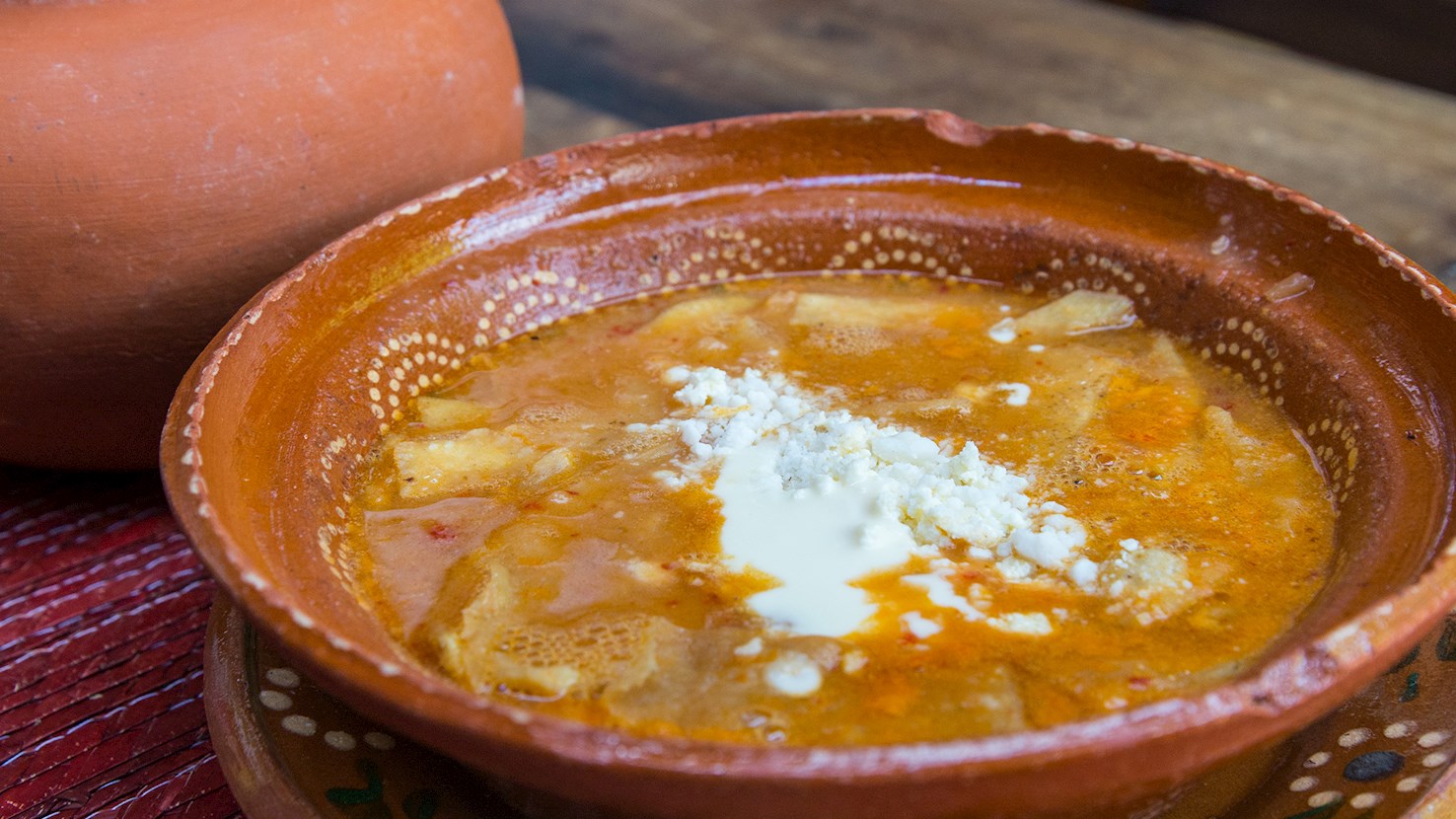
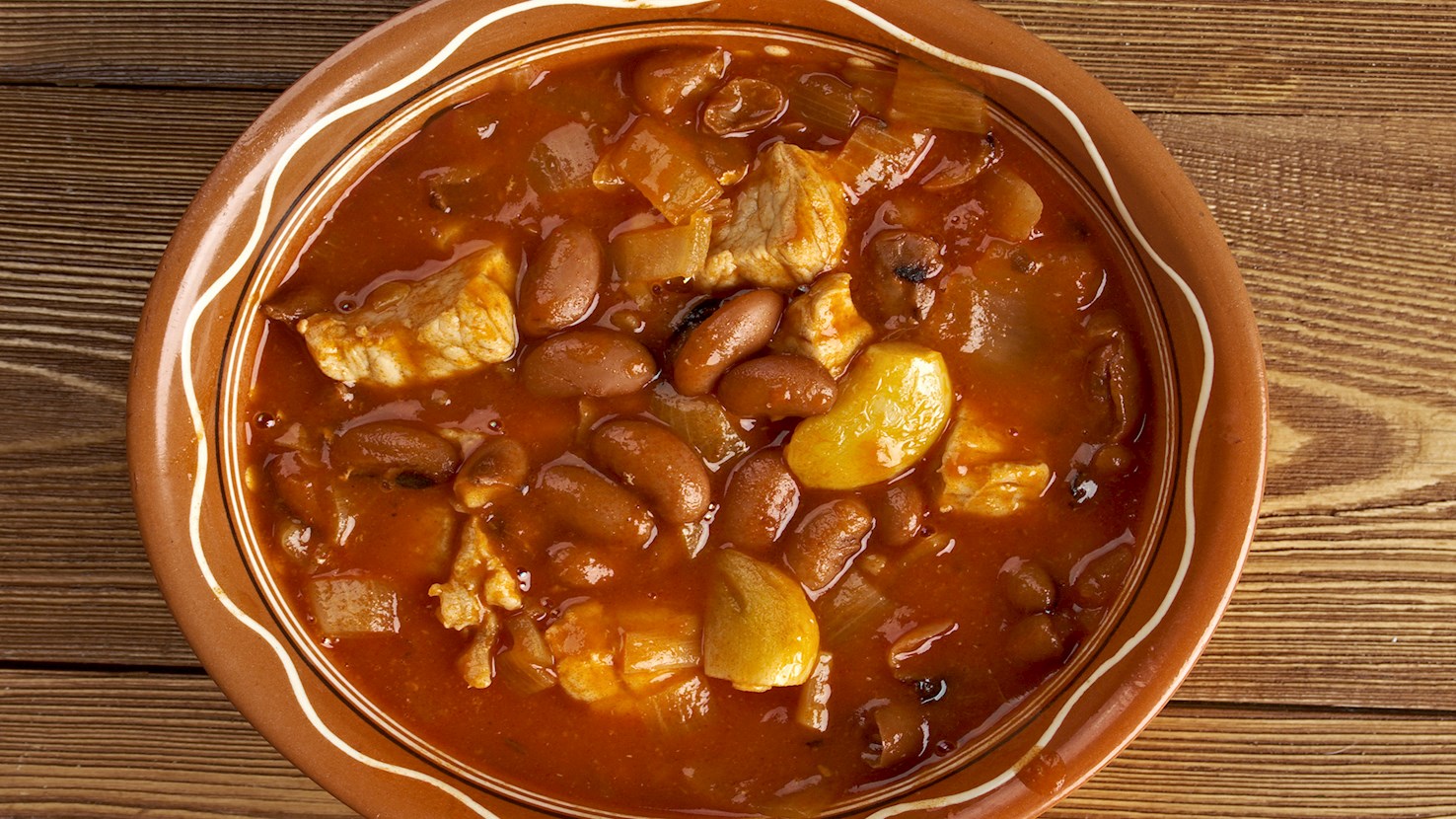
Tarascan puréed bean soup hails from the Mexican state of Michoacán, home of the Tarascan or Purépecha people — one of the major pre-Columbian civilizations of Mesoamerica. Their culture flourished from 1100s to the early 1500s, but by the 1530, Purépecha people had succumbed to the Spanish conquistadors who eventually named them Tarascos, hence the name sopa Tarasca. Apart from the beans — which are usually cooked together with tomatoes in a simple chicken broth — this dish is a great source of both fresh and dried chili peppers, most of which are native to the New World like the smoked pasilla de Oaxaca, which imparts not only a delicate heat but also adds a nice smoky flavor to this hearty soup.
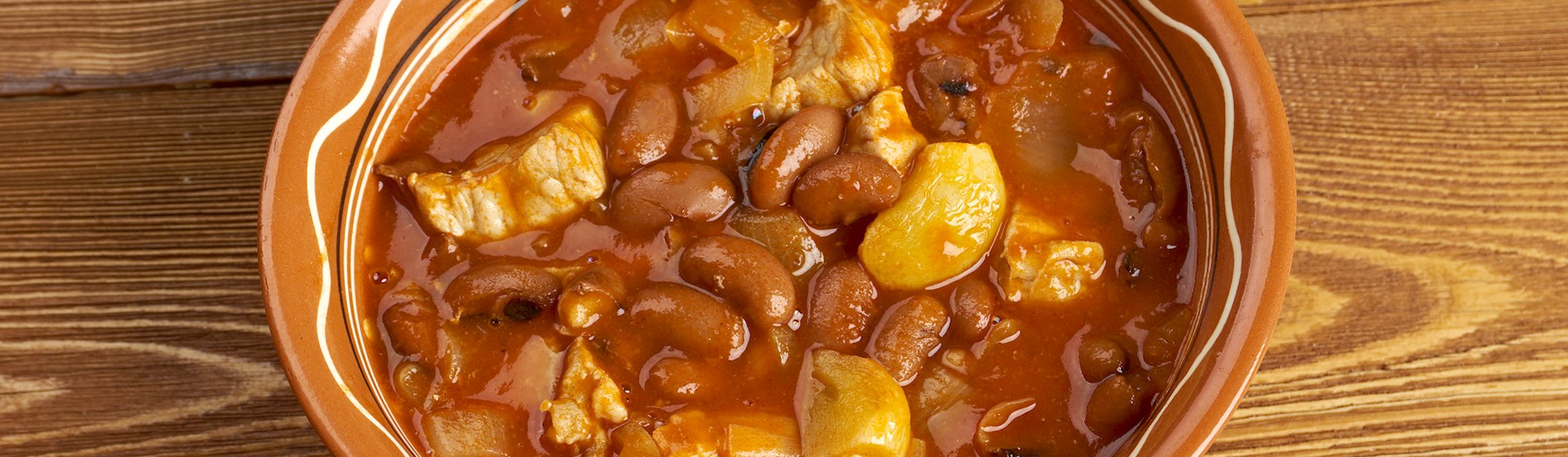
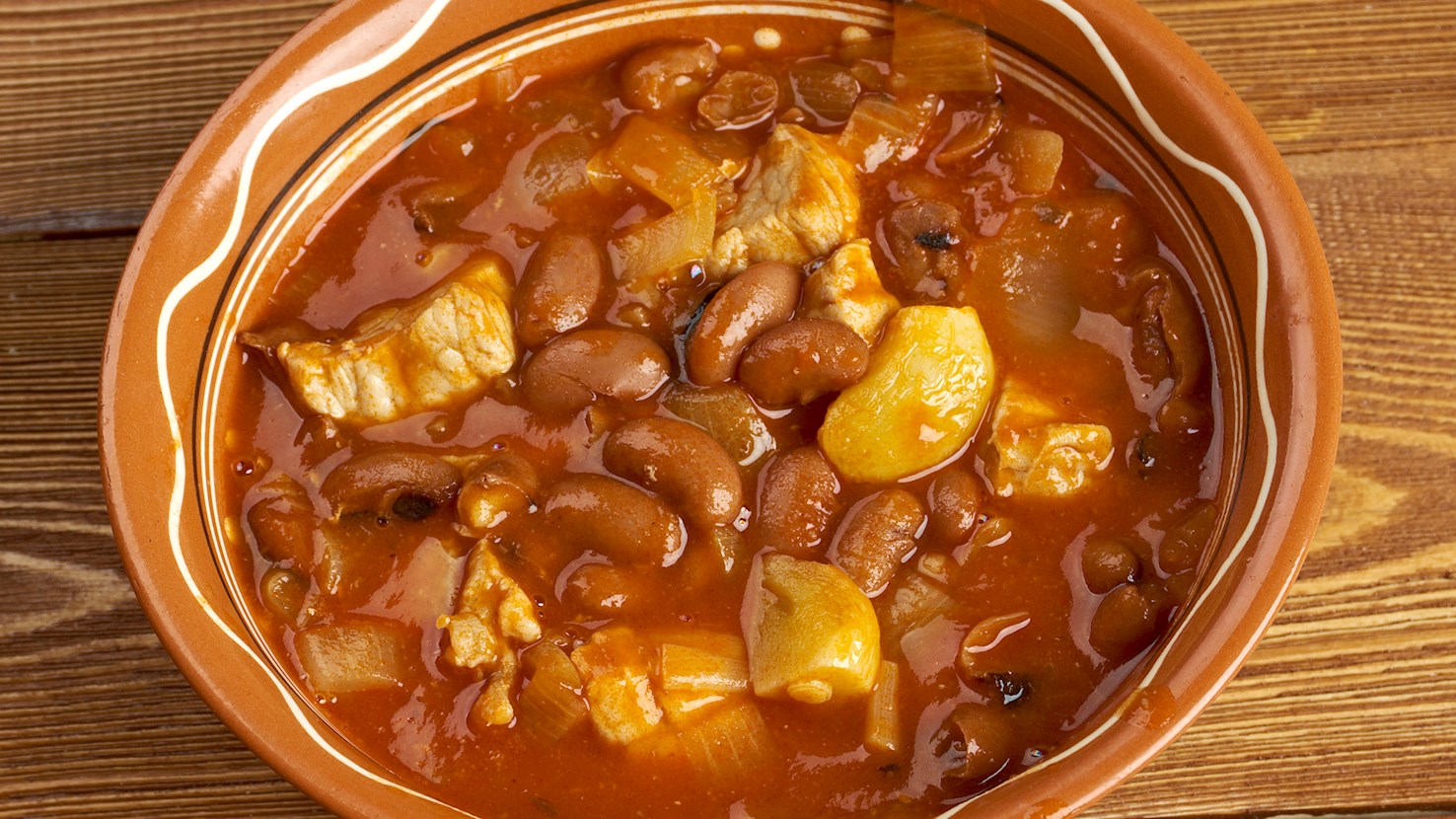
Frijoles charros is a simple Mexican dish consisting of beans, onions, tomatoes, chile peppers, and coriander. Meat such as bacon, ham, or salt pork is also used in the dish, but mostly as a flavoring agent. The combination of those ingredients is cooked with liquid in a pot for a long time, until the beans are tender and some liquid still remains in the vessel. The dish has origins with the Mexican cowboys who needed the nutritive value from inexpensive beans to sustain them for long days of cattle herding. Today, frijoles charros is usually served with rice and corn flour bread on the side.
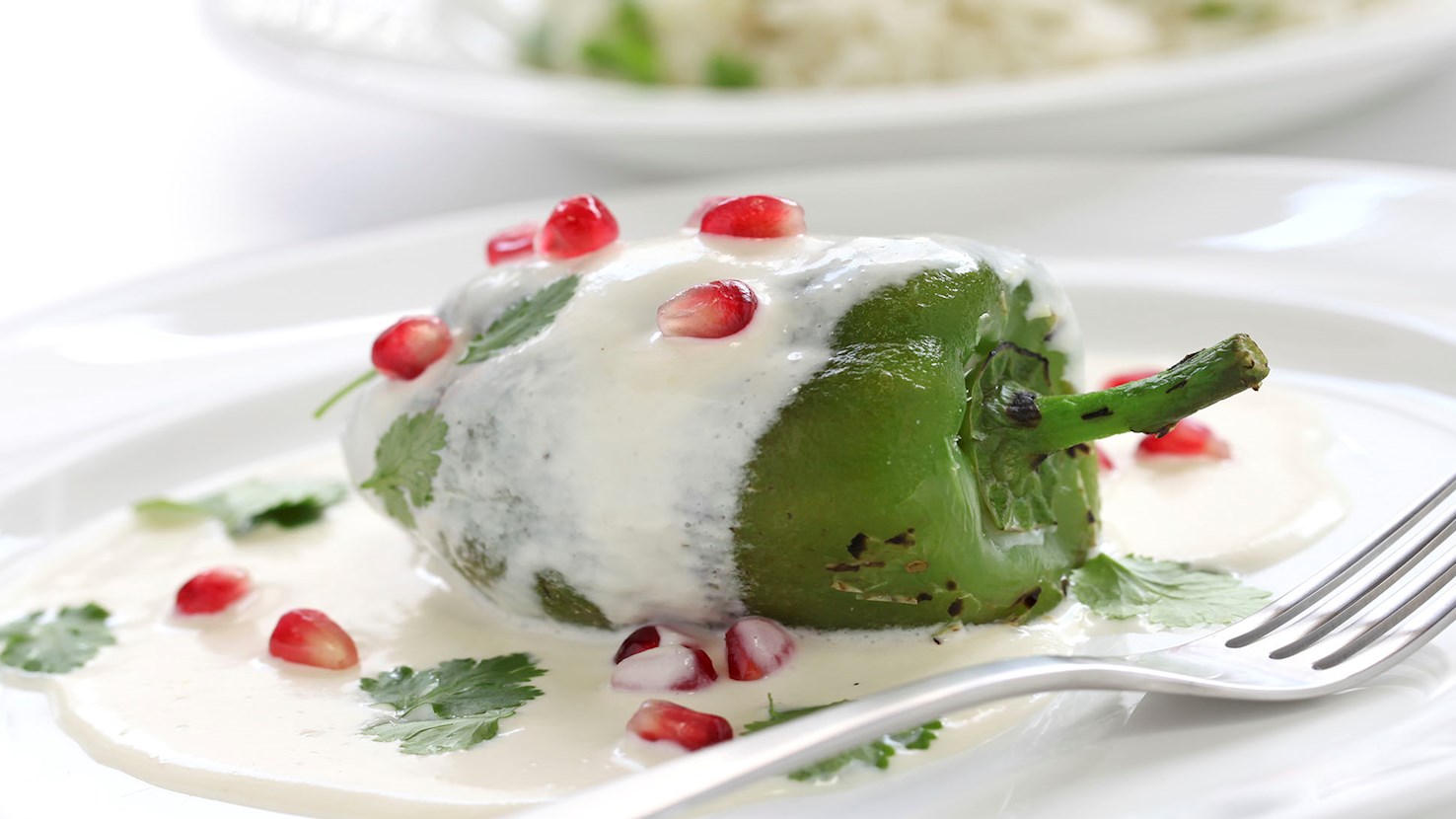
Chiles en nogada or stuffed poblano chiles in walnut sauce is a star dish of the Mexican Independence Day, celebrated every year on September 16. Poblano chiles are large, heart-shaped peppers with thick walls, great for stuffing, and characterized by their flavors which can range from mild to hot. The dish was invented in 1821 by nuns from the city of Puebla who wanted to make a meal using local ingredients that were in season, as a symbol of appreciation for the Mexican General Augustin de Iturbide. It consists of a mixture of ground pork meat and dried fruits, stuffed in poblano chiles that are covered with a creamy walnut sauce and decorated with parsley and pomegranate seeds on top. The dish is available only during that short season of the year, specifically in September, when the chiles are the greenest, the pomegranates ripe and red, and the walnuts just picked from the trees. Chiles en nogada boasts its unusual ingredients for a reason - they represent the colors of the Mexican flag - white, red and green, making the dish as patriotic as it can be. When consumed, the dish releases intense aromas of cinnamon, apple, pear, walnuts, and almonds, contrasted with the strong flavors of pork, garlic and onion, complementing each other in this delicious, festive dish.
Frijoles de la olla is one of the most basic Mexican side dishes consisting of pinto beans in their broth. Originally, beans were cooked in clay pots with nothing more than some salt. Today, cooks usually add garlic, onions, or ham to frijoles de la olla, accompanying numerous meat and tortilla dishes.
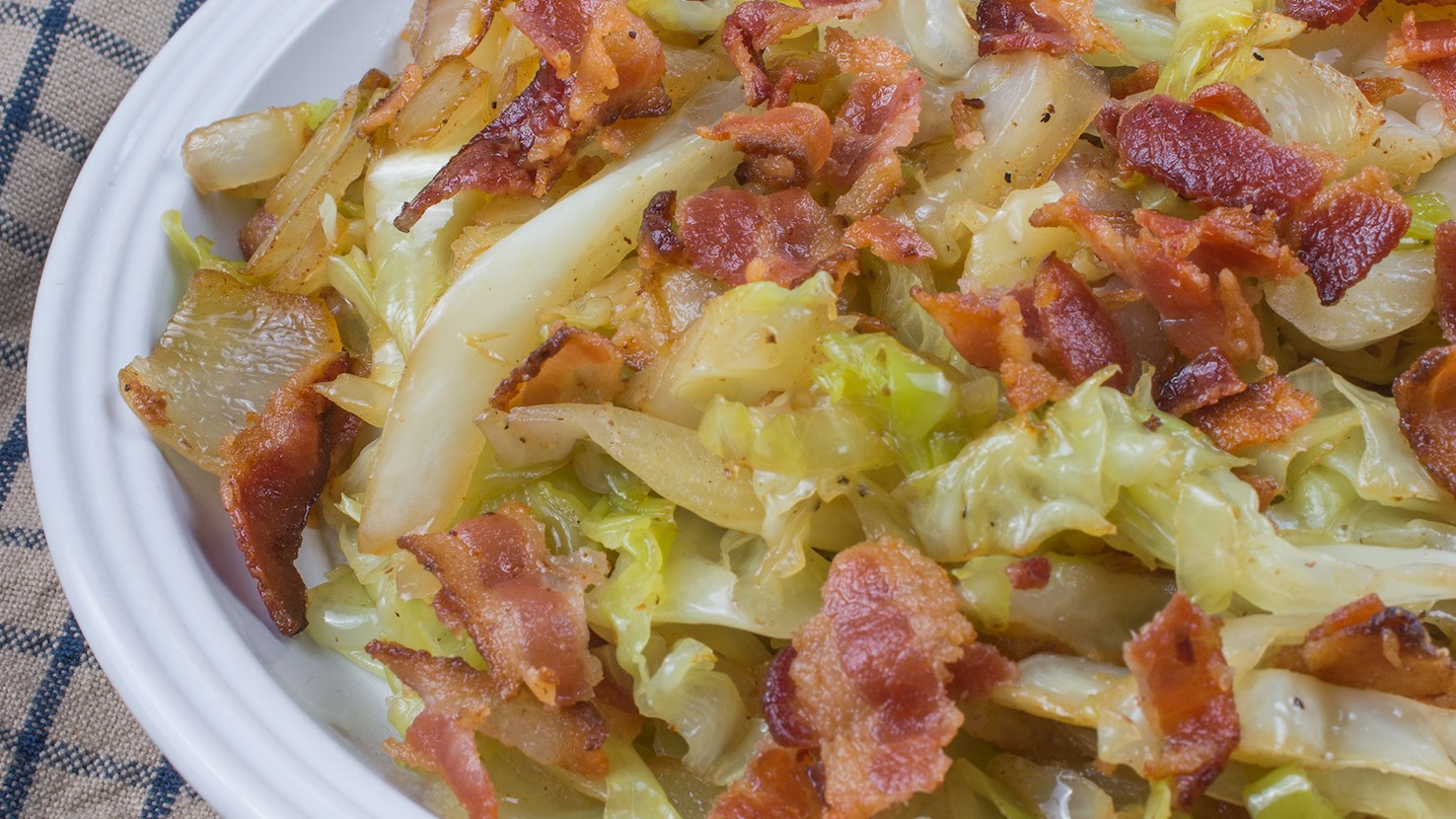
Although the name might suggest otherwise, this Southern classic is prepared with shredded cabbage that is sautéed and braised in butter until tender. It is usually accompanied by bacon, onions, and occasionally sliced apples. Fried cabbage can be enjoyed as a meal on its own, but it is traditionally served as a side dish to complement jacket potatoes, fried chicken, or cornbread.
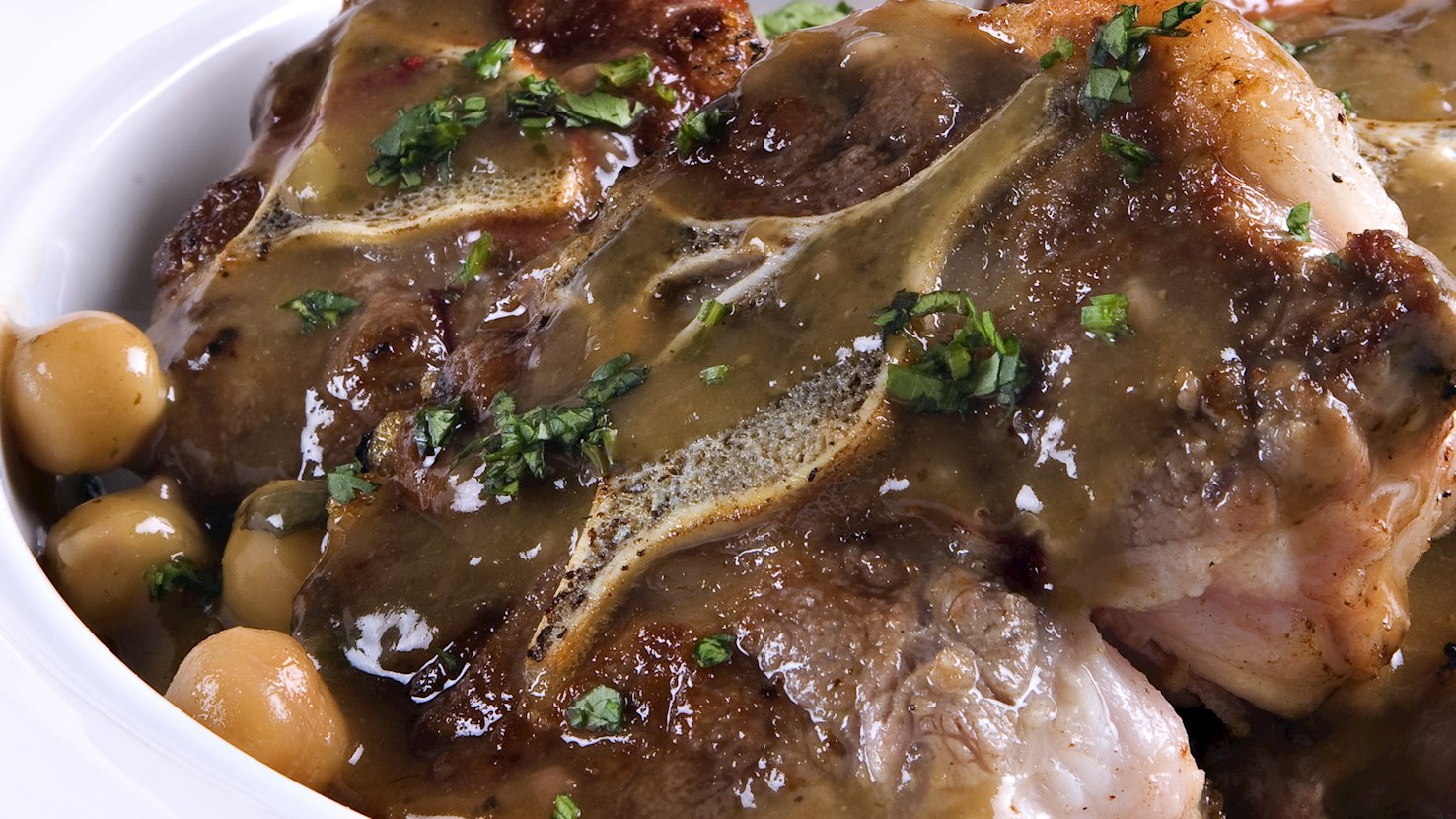
Oxtail with broad beans in Jamaica is a slow-cooked dish made from seasoned oxtail braised with butter beans, aromatics, and herbs until the meat becomes tender and the sauce thickens through natural gelatin released during cooking. It is prepared across the island in homes, canteens, and small restaurants, and is one of the most widely recognized Jamaican stews. The dish developed as cooks made use of oxtail, a cut that required long cooking but offered strong flavor and richness, and combined it with imported canned butter beans, which became readily available in Jamaican shops during the twentieth century and blended easily into the stew. The preparation reflects the influence of Afro-Caribbean cooking techniques centered on slow braising, seasoning with allspice and thyme, and creating a thick, savory gravy that pairs well with starchy sides common in the region. Preparation begins by cutting the oxtail into sections, seasoning them with salt, pepper, allspice, garlic, thyme, and often browning sauce or soy sauce for color. The meat is usually browned first to develop flavor, then simmered in water or stock with onions, scallions, carrots, and Scotch bonnet pepper placed whole or pierced for controlled heat. As the stew cooks, the collagen in the oxtail thickens the liquid, creating a gravy-like sauce. Butter beans are added toward the end so they remain intact but take on the flavor of the broth. Some cooks add a small amount of flour or cornstarch if they prefer a thicker sauce, though many rely solely on the natural gelatin from the meat. The combination of slow-cooked oxtail and soft beans gives the dish a characteristic contrast between rich, sticky meat and tender legumes. Oxtail with broad beans is eaten throughout Jamaica and in Jamaican communities abroad, often served with rice and peas, plain rice, fried dumplings, or boiled ground provisions such as yam or banana. It appears on lunch menus, at family gatherings, and at weekend cookshops where long-cooked stews are common. Beverage pairings include sorrel drink, ginger beer, dark rum, or simple iced water, depending on the setting. When served in restaurants or at home, the dish is often accompanied by sliced vegetables or a small salad to provide contrast to the richness of the stew.
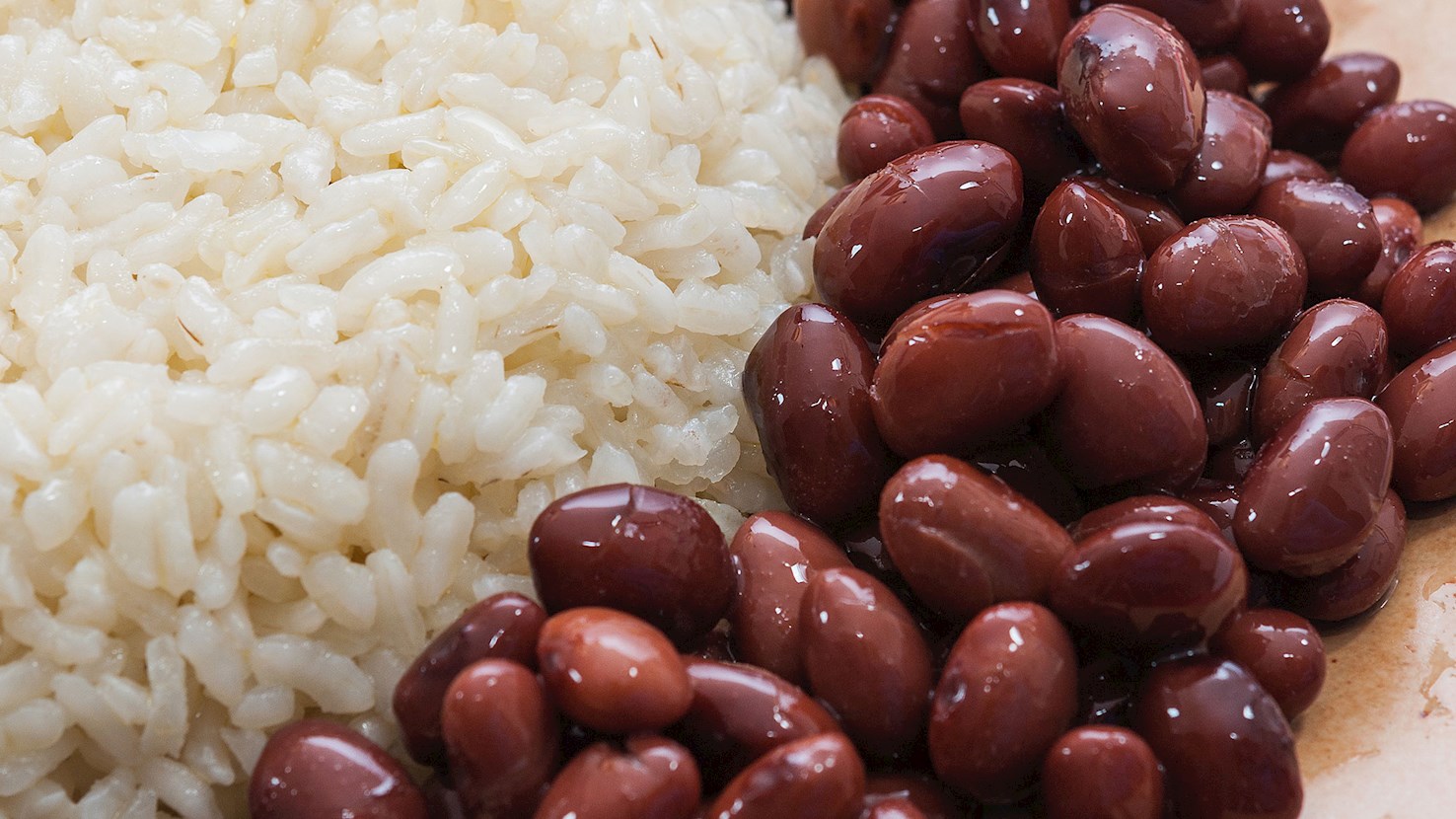
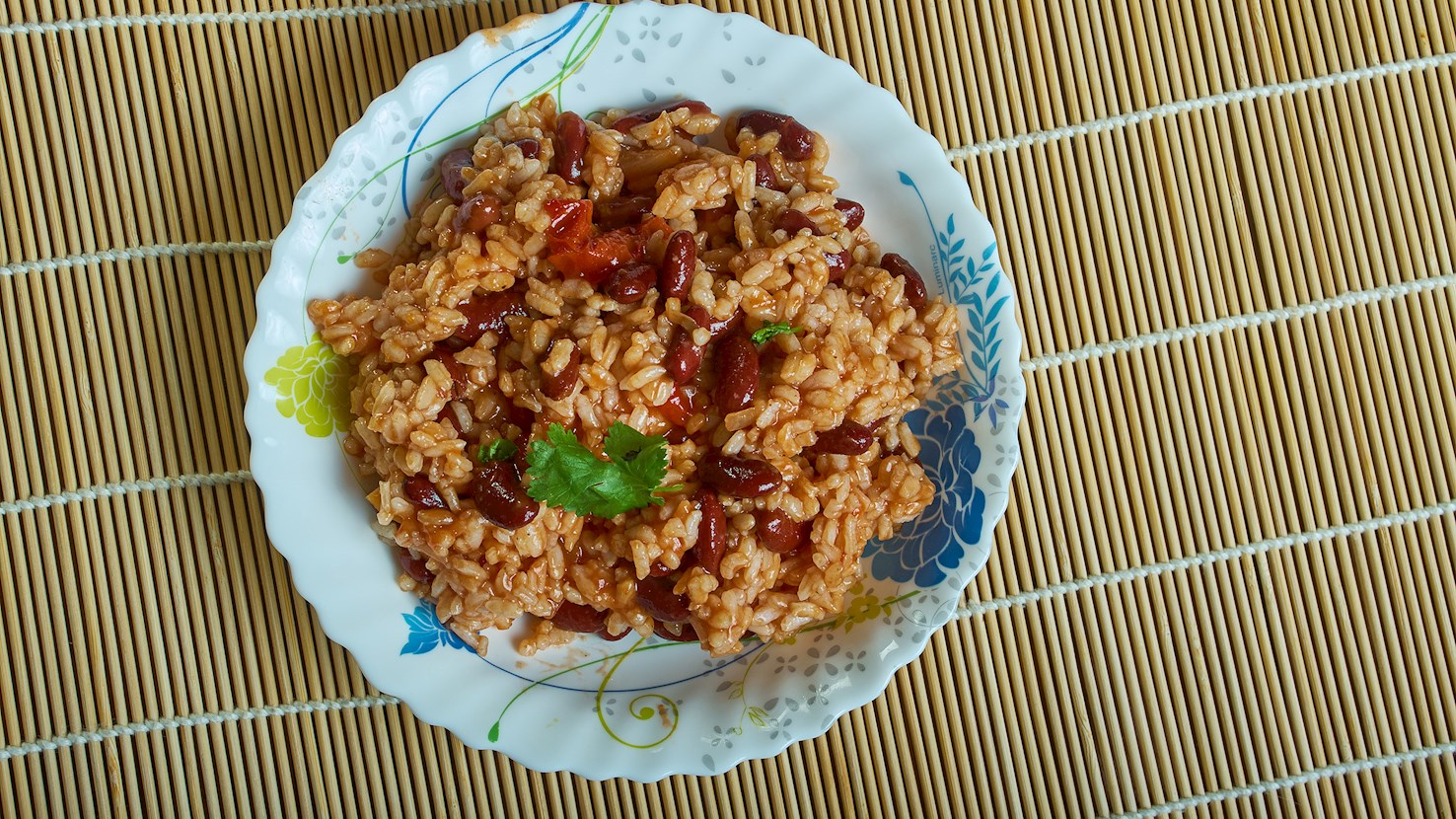
Arroz y habichuelas is a simple and traditional Puerto Rican dish. It consists of rice and beans flavored with bacon or ham, sofrito, tomato purée, spices, and (optionally) olives. In Puerto Rico, it is typically served as a side dish, but it can also be served on its own. Throughout Central and South America, there are numerous variations and twists on this simple side dish, beloved for its protein content which comes from the beans.
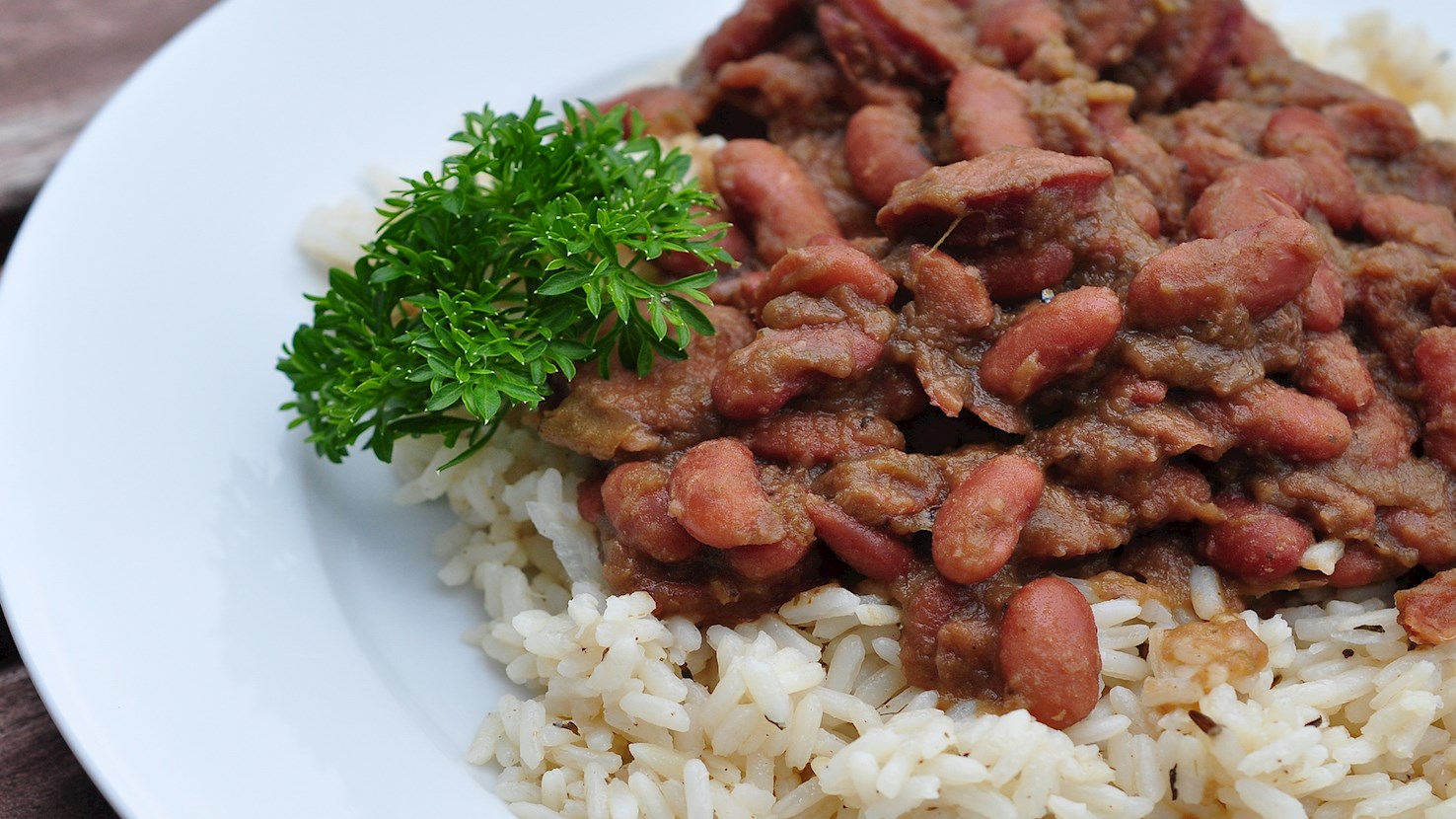
Louisiana's comfort food is nicely represented in red beans and rice, a dish that is traditionally prepared on Mondays, with the aroma of red beans drifting through the neighborhoods. The dish originates from the New Orleans Creole kitchens of the 1700s and the 1800s. The beans are typically cooked over low heat throughout the day, with additions such as ham hock and Andouille sausage. When served, the beans are spooned over hot rice, and the whole thing is often spiced up with some hot sauce.
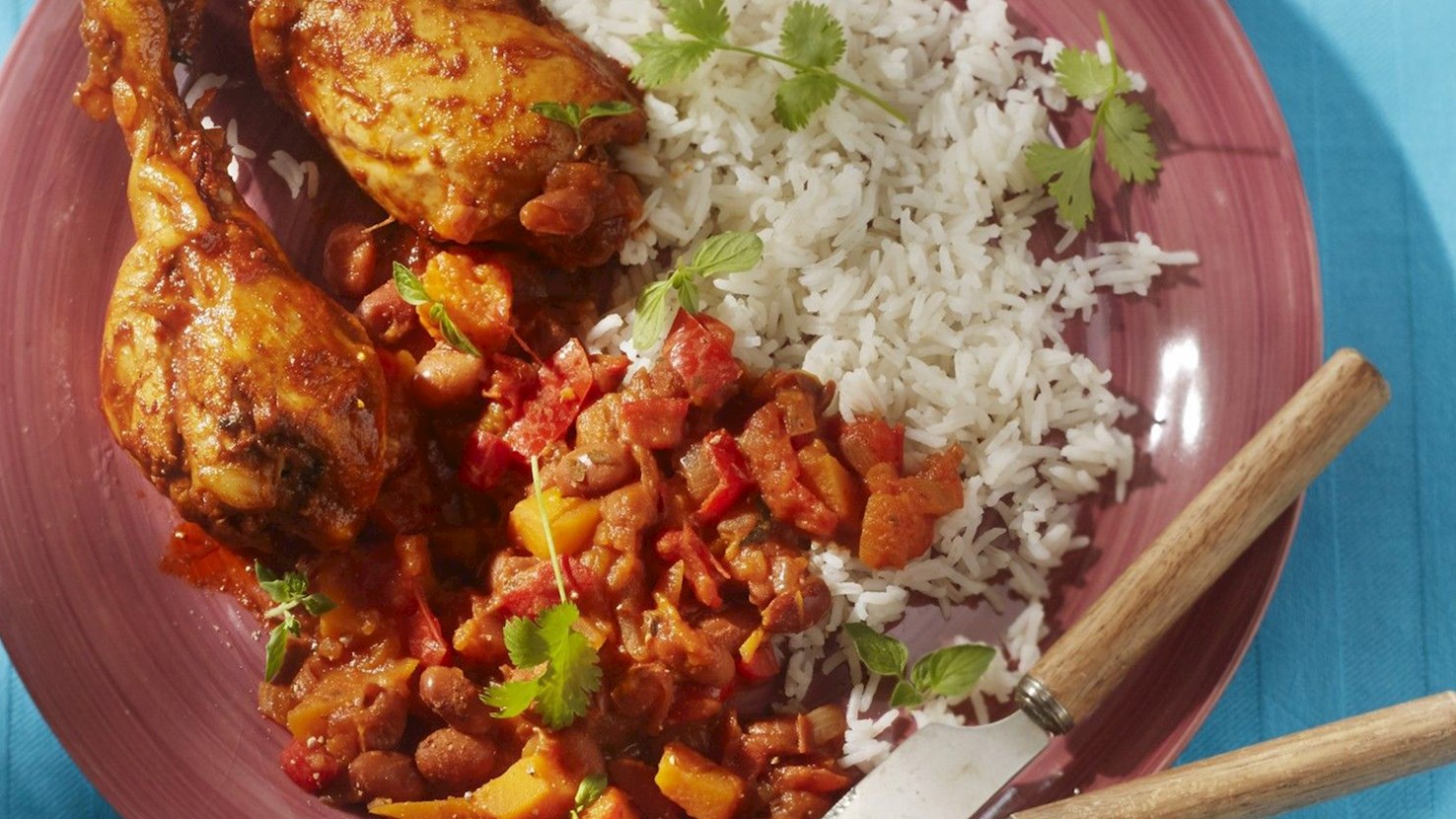
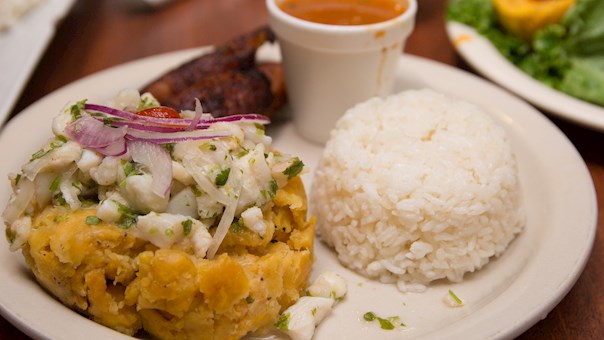
Dominican food is a unique mixture of African, Spanish, and Taino Indian influences, without spiciness but with a lot of herbs and sauces. La bandera Dominicana (literally translated as the Dominican Flag) is one such dish and a staple of Dominican cuisine. Similar to many Latin dishes, it starts with stewed beans and white rice, with the addition of meat, either stewed or roasted. The rice used in the dish is usually long-grained, cooked until it gets tender and dry on the exterior. It is mandatory to create a bit of concon - a dry, golden and crispy layer of rice, slightly burnt on the bottom of the pan. The beans are cooked in a savory tomato sauce with herbs, onions, garlic, celery, plantains, and squash. Dominicans choose chicken as the most popular meat in the dish since it is the cheapest option available, but beef, pork, and goat are all viable options. If the meat is stewed, the sauce is made from tomatoes and onions, and the meat is first caramelized on some burnt sugar in the bottom of the pan. When the plate is full of ingredients, it's time for side dishes, and Dominicans have a huge variety of those, such as salads, crispy-fried green plantains, corn fritters, or fried eggplant.
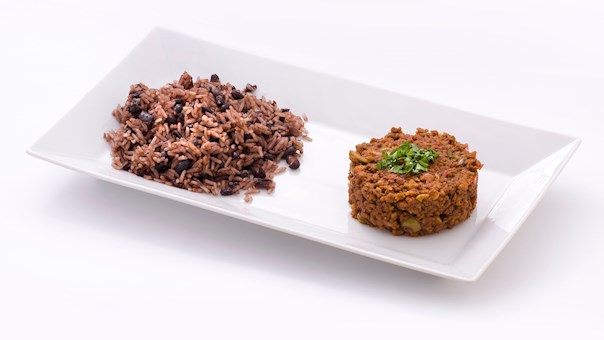
Diri ak pwa, also called diri kole ak pwa, is the national dish of Haiti, consisting of rice and beans. The dish became a common, everyday staple during the period of slavery, when rice and beans were two of the few ingredients that were fed to the slaves by their owners. It can be made with a variety of beans, but pinto, red kidney beans, and black beans are the most common options. Diri ak pwa is exceptionally nutritious as rice is rich in starch and contains iron, vitamin B, and protein, while the beans also contain iron and a greater amount of protein than rice. When combined, they make a complete protein. A true Haitian classic, you can see diri ak pwa eaten everywhere on the island, and as the locals say "A meal is not a meal without a side of rice and beans." Even though the dish is tasty and nutritious on its own, Haitians often serve it with a lot of sauce, and it is best paired with Creole chicken or topped with red snapper, tomatoes, and onions. Another interesting accompaniment to diri ak pwa is bouillon, a hearty stew consisting of tomatoes, potatoes, spices, and goat or beef meat.
TasteAtlas food rankings are based on the ratings of the TasteAtlas audience, with a series of mechanisms that recognize real users and that ignore bot,
nationalist or local patriotic ratings, and give additional value to the ratings of users that the system recognizes as knowledgeable.
For the “Top 47 North American Vegetable Dishes” list until October 15, 2026, 2,291 ratings were recorded, of which 1,408 were recognized by the system as legitimate.
TasteAtlas Rankings should not be seen as the final global conclusion about food. Their purpose is to promote excellent local foods,
instill pride in traditional dishes, and arouse curiosity about dishes you haven’t tried.





What People Say