


Top 3 Slavonian Vegetable Dishes

Last updated on October 15, 2026
01

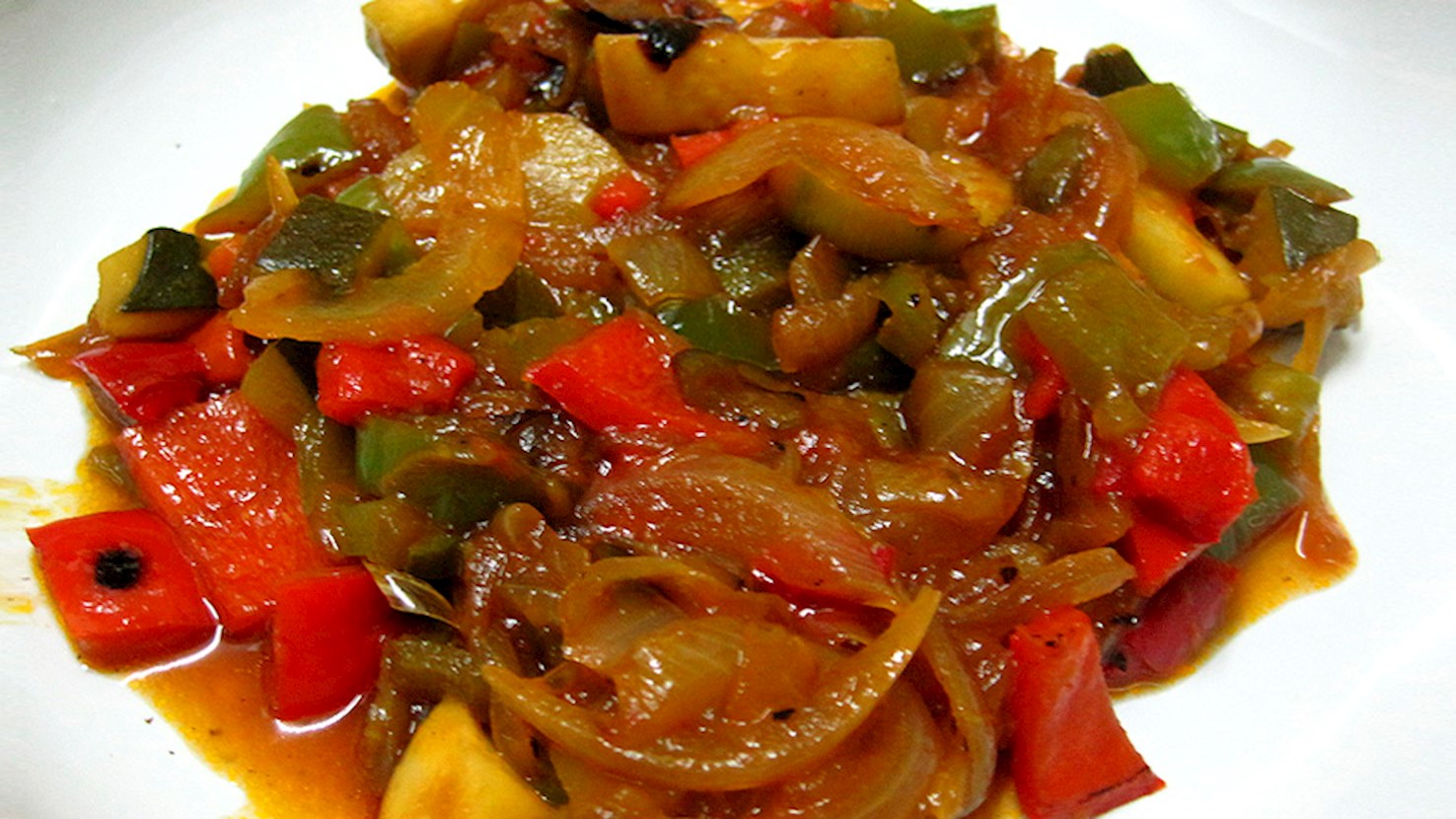
Sataraš

3.9 ·

Sataraš is a vegetable stew made with a combination of tomatoes, peppers, onions, garlic, and parsley. The ingredients are first fried, then seasoned with salt and pepper and gently stewed. It is recommended to use a wide pan while preparing the dish so that the liquid evaporates more quickly, while the vegetables retain the desired shape and texture. Sataraš can be eaten hot or cold. It can be served on its own or as an accompaniment to fried meat and fish dishes. In Croatia, when sataraš was served in the past, the head of the family would sometimes ask for a sunny-side-up egg or two to be placed on top of the dish (making the meal non-vegan with his request). The rest of the family could only get scrambled eggs, while the head of the family would sometimes also ask for an omelet with ham and eggs, but that request was usually reserved for festivities and similar events.

Best restaurants
02

Saganlija

n/a ·

Saganlija is a traditional dish originating from Pakrac. This stew is usually made with a combination of beans (bolozan or prebranac is the best option), onions, garlic, pumpkin seed oil, bay leaves, salt, and black pepper. The beans are soaked overnight and drained in the morning before they’re cooked in water for a few minutes and drained again. Pumpkin seed oil is poured into a deep and wide pan, and it’s then layered with chopped onions, beans, salt, pepper, and garlic. The process is repeated four times, while bay leaves are placed in between the second and third layers. Water is poured into the pot, and the dish is simmered for three to four hours without stirring. Once cooked, saganlija is typically served on its own or with a few slices of bread on the side.

03

Grah iz ćupa

n/a ·

Grah iz ćupa is a traditional dish originating from Baranja. It’s made with a combination of beans, dried meat, carrots, garlic, onions, paprika powder, salt, pepper, and (optionally) bay leaves and hot peppers. The beans are soaked overnight, then placed in an earthenware pot with the dried meat, chopped onions, and water. The pot is placed near an open fire and it’s left to simmer for at least 2 hours. Once it’s bubbling, the vegetables, spices, and paprika are added to the pot, and the stew is left to simmer for a few more hours. The dish is done when the beans have a flavor that’s reminiscent of chestnuts and the liquid becomes creamy and shiny. The preparation of grah iz ćupa is an old tradition of Hungarians who had settled in Baranja. In the past, the beans were cooked when there was lots of work in the field – the earthenware pot, which gives a special aroma and flavor to the stew, was left near the fire to cook for half a day to feed the hungry workers when they were done with their work.

About this Ranking

TasteAtlas food rankings are based on the ratings of the TasteAtlas audience, with a series of mechanisms that recognize real users and that ignore bot, nationalist or local patriotic ratings, and give additional value to the ratings of users that the system recognizes as knowledgeable.

TasteAtlas Rankings should not be seen as the final global conclusion about food. Their purpose is to promote excellent local foods, instill pride in traditional dishes, and arouse curiosity about dishes you haven’t tried.

What People Say

Similar Lists