


Top 4 Zambian Vegetable Dishes

Last updated on June 15, 2026
01

Delele

3.6 ·

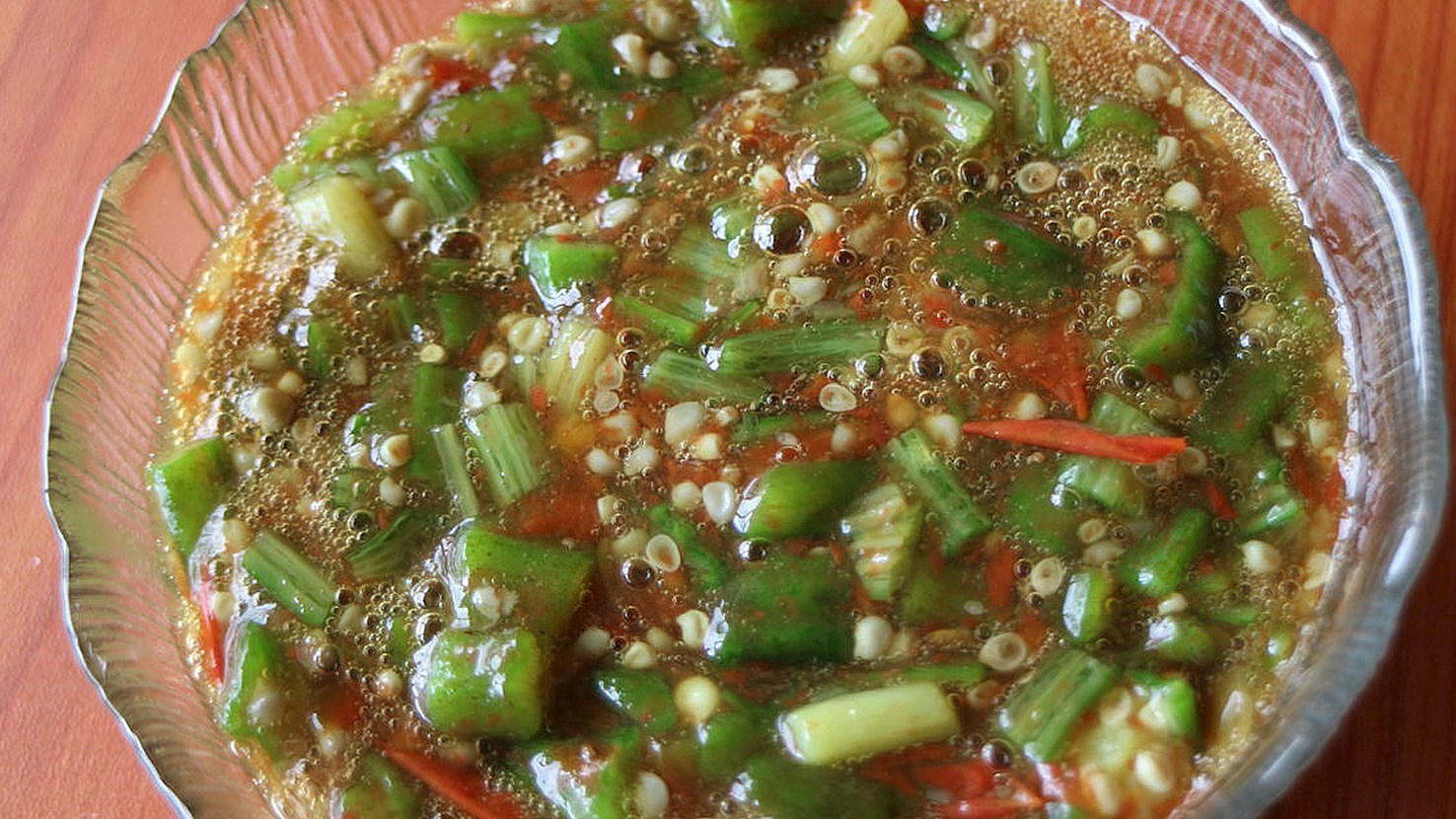
In Zambia, the term delele denotes okra, but also a simple dish that incorporates this traditional vegetable. The dish is predominately prepared with fresh okra that is cooked in water, alongside sliced tomatoes. Bicarbonate of soda is considered to be the essential addition that provides a distinctive thick, glutinous texture. Pair it with nshima, a traditional Zambian cornmeal porridge. The same dish is also enjoyed in Zimbabwe, where it typically goes under the name derere.

02

Ifisashi

n/a ·

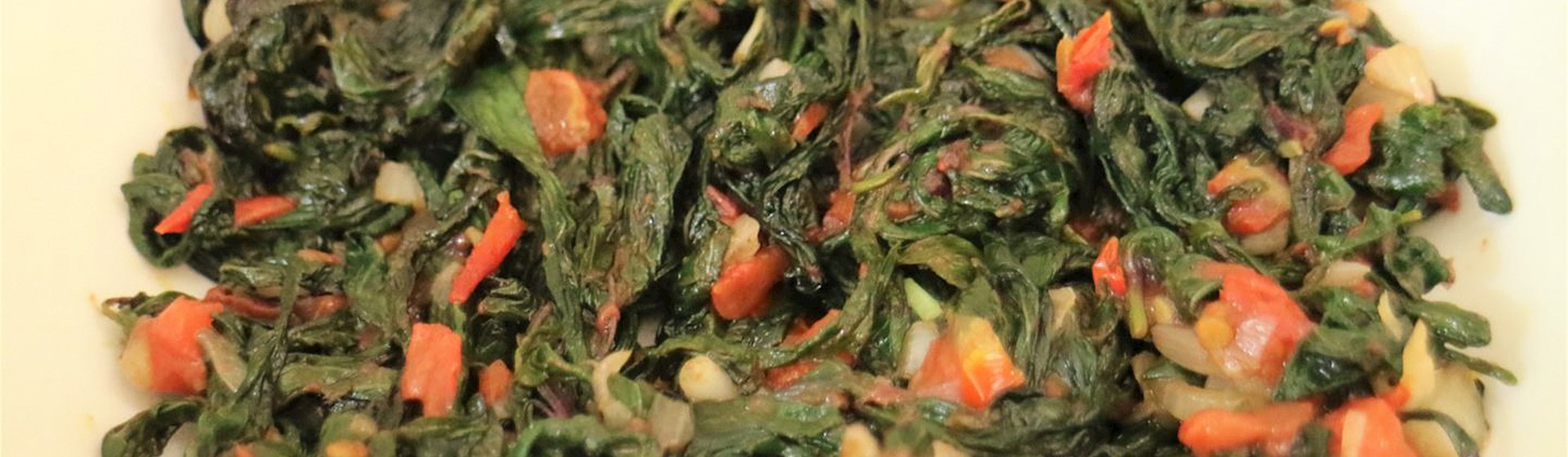
Ifisashi is a traditional dish made with peanuts, tomatoes, onions, and greens such as pumpkin leaves, sweet potato leaves, spinach, and collard greens. The ingredients are cooked until the peanut sauce achieves a desired, thick consistency. The dish is typically served piping hot. Although ifisashi is usually prepared as a vegetarian dish, beef, chicken, or fish can also be added to the pot if there are any leftovers.

03

Kalembula

n/a ·

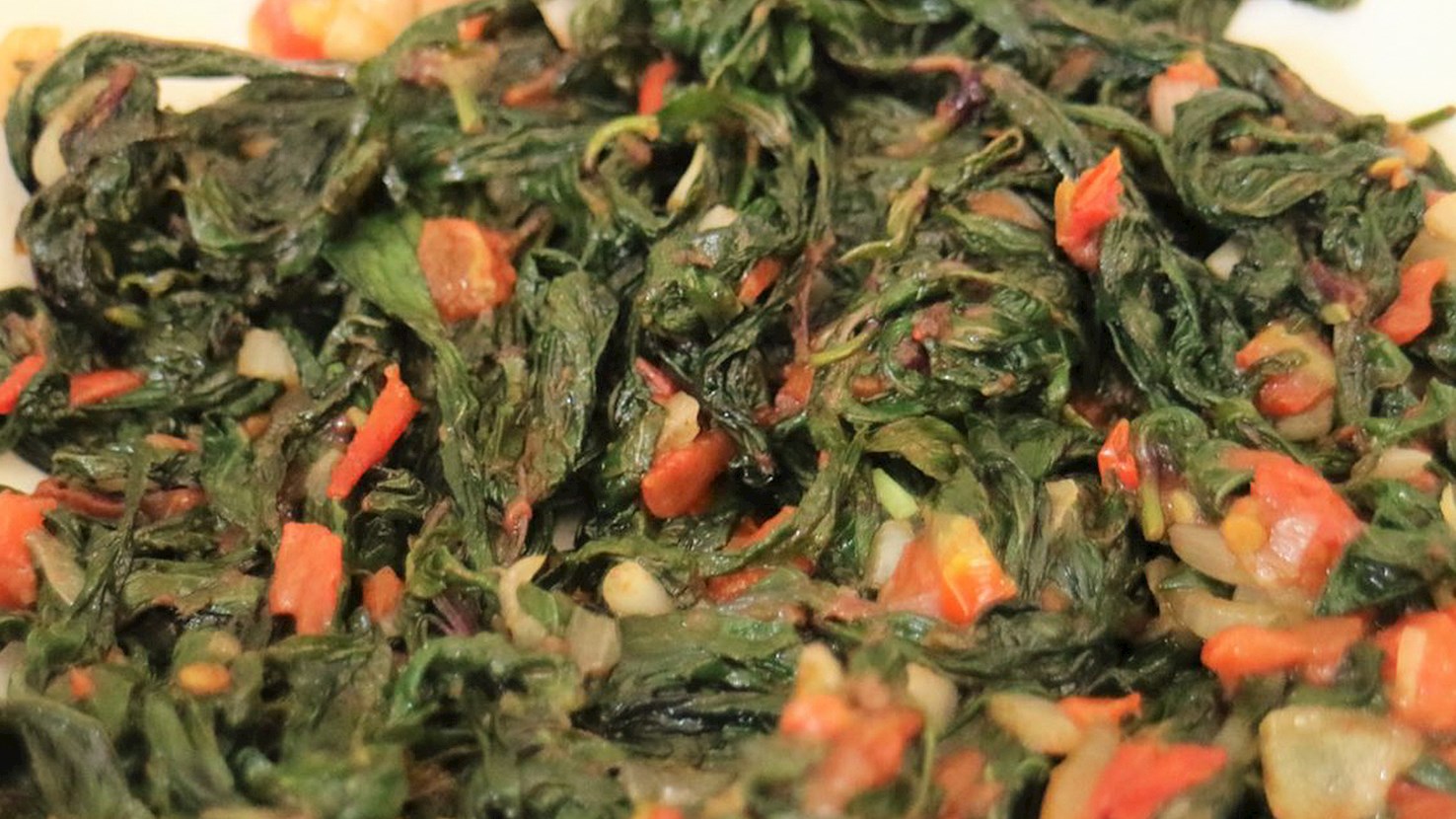
Kalembula is a traditional ndiwo dish prepared with sweet potato leaves, tomatoes, onions, and pounded groundnuts. The combination of these ingredients is cooked in water until the dish develops a thick consistency. Just like other ndiwo dishes, kalembula is also paired with nshima, a traditional Zambian maize porridge.

04

Ndiwo

n/a ·

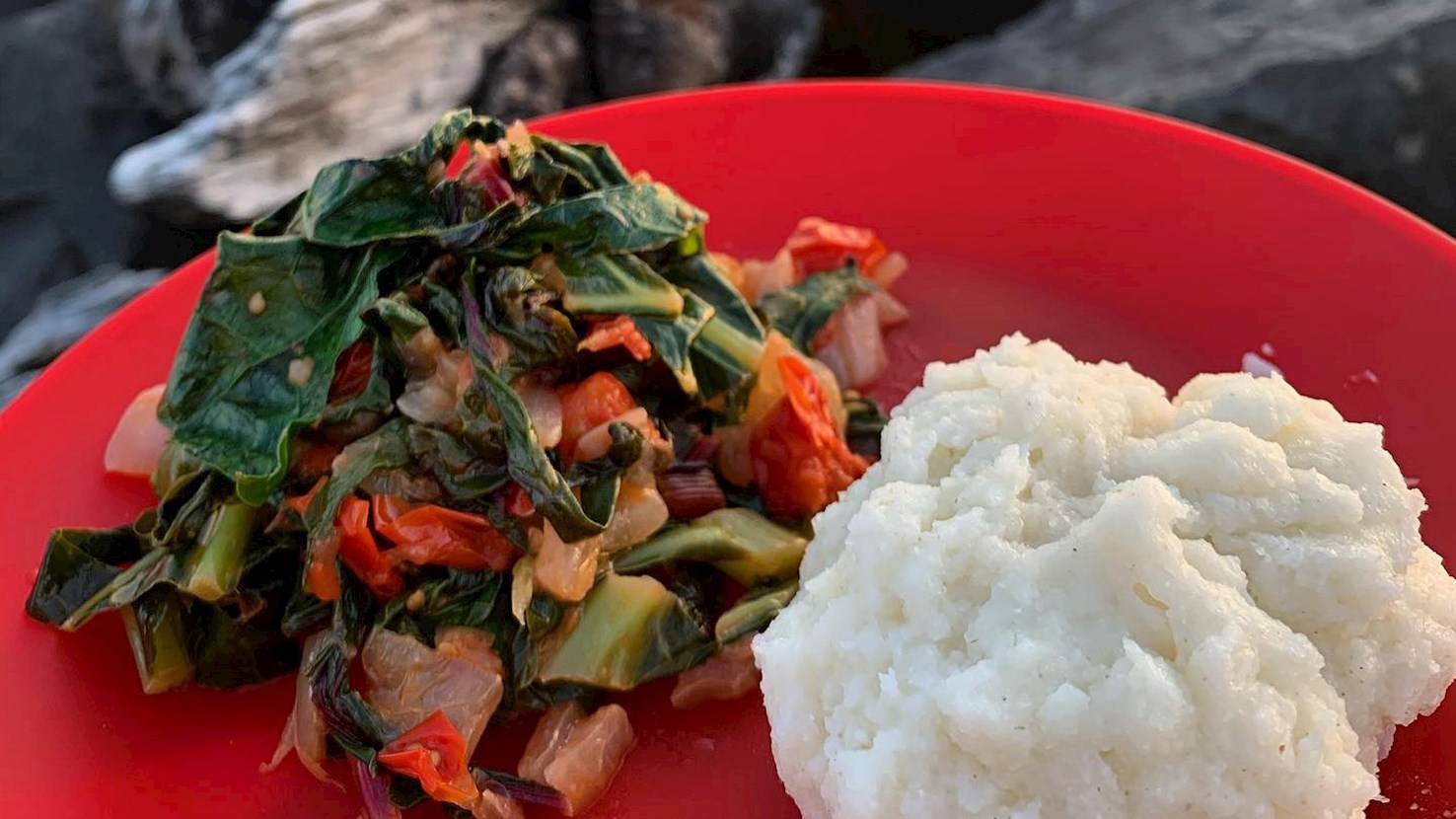
Ndiwo is a simple Zambian dish that is typically prepared with various leafy green vegetables, onions, and optionally tomatoes. The choice of greens may include anything from cassava leaves, collard greens, pumpkin leaves, pea leaves, bean leaves, or various other types of wild greens. Though the dish may also incorporate different types of meat, it is predominantly considered to be a vegetable-based dish. Ndiwo is almost always served as an accompaniment to nsima (nshima), a thick Zambian cornmeal porridge, and the two are considered to be the most important staples of traditional Zambian cuisine. This versatile and adaptable dish has numerous local names such as dende, ndiyo, and umunani.

Read more
View all
View map
About this ranking

TasteAtlas food rankings are based on the ratings of the TasteAtlas audience, with a series of mechanisms that recognize real users and that ignore bot, nationalist or local patriotic ratings, and give additional value to the ratings of users that the system recognizes as knowledgeable. For the “Top 4 Zambian Vegetable Dishes” list until June 15, 2026, 13 ratings were recorded, of which 13 were recognized by the system as legitimate. TasteAtlas Rankings should not be seen as the final global conclusion about food. Their purpose is to promote excellent local foods, instill pride in traditional dishes, and arouse curiosity about dishes you haven’t tried.

Similar lists